Allergy‑Proof Bedroom Tips: How to Allergy‑Proof Your Bedroom for Better Sleep
If you wake up congested, sneezy, or coughing—but feel better as the day goes on—your bedroom may be quietly increasing your allergen exposure. The good news: you don’t need a perfect, sterile house to notice improvement. A few targeted changes can meaningfully reduce nighttime allergens and support clearer breathing and more restful sleep.
Mayo Clinic and major allergy organizations consistently highlight the bedroom as a high‑impact place to start because we spend many uninterrupted hours there—often 7–9 hours a day [1][2][3]. That long “exposure window” means small reductions can add up.
Below is a practical, evidence‑based plan to create an allergy‑proof bedroom—with steps you can prioritize this week, plus a simple maintenance schedule to keep it working long‑term.
• Small, targeted changes in your bedroom can yield meaningful improvements in nighttime allergy symptoms.
Why allergy‑proofing the bedroom matters for sleep
You can’t avoid every trigger, but you can reduce your overall “allergen load,” especially at night. Think of allergen load like a bucket: each source (bedding, carpet, pet dander, pollen on hair) adds more drops. When the bucket overflows, your nose and airways react—congestion, post‑nasal drip, coughing, and more awakenings.
When allergens build up in bedding, carpet, and other soft surfaces, your nose and airways may stay irritated for hours. Mayo Clinic notes that reducing exposure to common triggers (like dust mites, pollen, pets, and mold) is a core part of allergy control [1]. Dust mites in particular tend to concentrate in mattresses and pillows, exactly where your face is for hours each night [2].
In other words: improving your sleep often starts with building an allergy‑proof bedroom environment where you breathe the cleanest air in your home.
• Lower the allergen load at night so your airways can rest and recover.
Nighttime allergy symptoms to watch for (and why they show up in bed)
Common bedroom‑triggered symptoms
- Stuffy or runny nose, sneezing on waking
- Itchy, watery eyes
- Post‑nasal drip, throat clearing, or cough
- Wheezing or chest tightness (especially in people with asthma)
- Poor sleep quality and daytime fatigue
Night can amplify symptoms because you’re close to the largest “reservoirs” of allergens: pillows, comforters, and mattresses. Even turning over can puff tiny particles into the air right around your breathing zone.
“Clues” it’s your bedroom (not just outdoor allergies)
- Symptoms worsen at night or first thing in the morning
- You sleep better elsewhere (travel, hotel, a different room)
- Symptoms flare after making the bed, dusting, or vacuuming—activities that can stir particles into the air [1][3]
A practical example: if you feel fine all day but start sneezing while you’re stripping sheets or shaking out a blanket, that’s a strong hint the trigger is in the room—not just outside.
• If symptoms spike at night or on waking, your bedroom is a likely contributor.
The most common bedroom allergens (and where they hide)
Dust mites (a top bedroom culprit for many people)
Dust mites thrive in warm, humid environments and collect in soft furnishings—especially mattresses, pillows, comforters, and upholstered furniture. The allergens come from mite waste and broken‑down body fragments rather than “bites” [2]. You can’t always see the problem, because it’s inside fabrics.
Pet dander (even if pets “don’t sleep in the bed”)
Dander can hitchhike on clothing and circulate through air currents, settling into bedding, carpet, and fabric surfaces. Even if your pet never steps paw‑first into the bedroom, allergens can still accumulate there. This aligns with common allergy‑reduction guidance to keep sleeping areas as low‑dander as is practical [3][4].
Mold (especially with humidity or hidden leaks)
Mold may grow around windows (condensation), near vents, in closets with poor airflow, or under damp carpet/padding. Controlling moisture is a key prevention step [1]. Quiet clues include a musty smell, recurring window condensation, or a closet that always feels damp.
Pollen that gets tracked indoors
Hair, skin, backpacks, and jackets can bring pollen inside. Once indoors, pollen can transfer to pillows and sheets—turning your bed into a nightly exposure source [1].
• Identify your main indoor triggers so you can focus your efforts where they matter most.
Step‑by‑step: How to allergy‑proof your bedroom (evidence‑based)
1) Protect the bed first: dust‑mite‑proof encasements
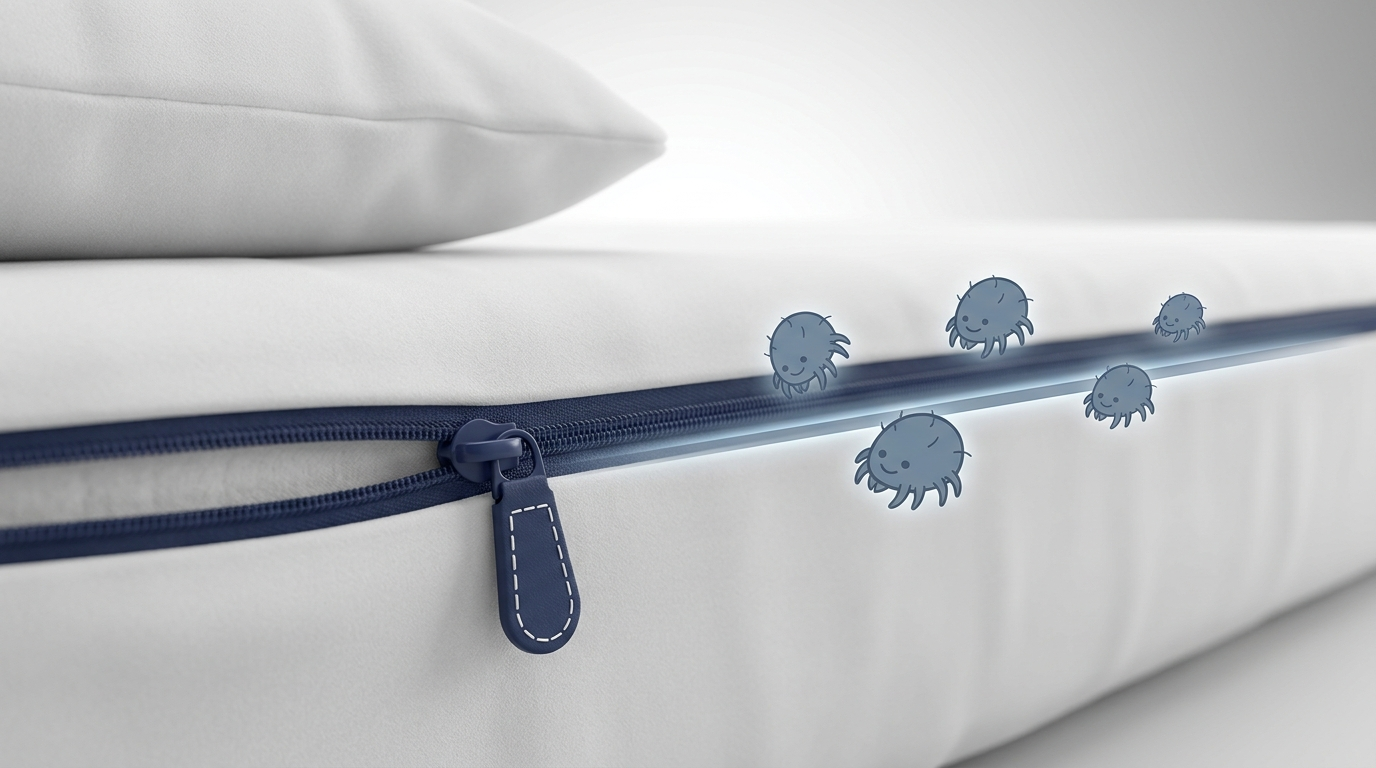
Your mattress and pillows can hold years of allergen buildup. Encasements create a barrier between you and what’s inside.
Use dust‑mite‑proof encasements for:
- Mattress
- Pillows
- Box spring (if you have one)
What to look for:
- Tightly woven fabric designed as an allergen barrier
- Secure zipper closures (a true encasement, not just a top cover)
Helpful tip: If you plan to deep clean, consider encasing first so newly cleaned bedding isn’t immediately re‑exposed to what’s inside the mattress/pillows. Many experts suggest this step often has the biggest impact—because your face is closest to these surfaces.
Internal resources from Sleep and Sinus Centers of Georgia:
- Learn more about dust‑mite covers (encasements): https://sleepandsinuscenters.com/blog/dust-mite-covers-explained-ultimate-guide-to-allergy-protection
- Compare options in best allergy pillow and mattress covers: https://sleepandsinuscenters.com/blog/best-allergy-pillow-mattress-covers-for-dust-mite-protection
(Encasements are widely recommended as part of dust‑mite exposure reduction [1][3].)
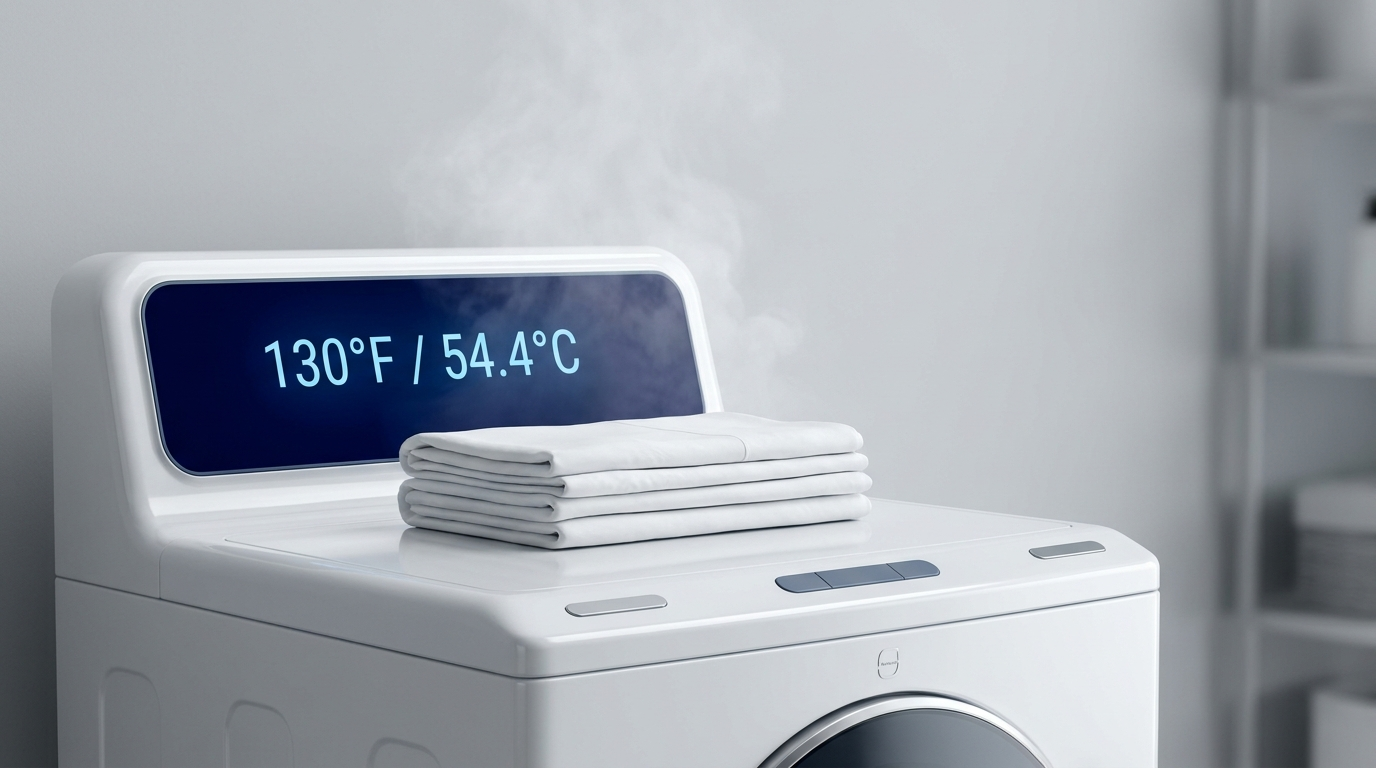
2) Wash bedding weekly—hot water matters (≥130°F / 54.4°C)
Wash weekly:
- Sheets
- Pillowcases
- Blankets/comforter cover (as fabric allows)
Why temperature matters: Mayo Clinic recommends hot water—at least 130°F (54.4°C)—to kill dust mites effectively [2]. AAAAI guidance also emphasizes laundering and thorough drying as part of allergen control routines [4].
If hot washing isn’t possible (fabric limitations or energy constraints), “next best” options include:
- Use the warmest water safe for the fabric plus a hot dryer cycle (when allowed)
- Wash more frequently
- Prioritize hot washing for pillowcases and sheets (closest to your face)
3) Reduce dust “reservoirs”: declutter + simplify surfaces
Dust loves clutter because it creates more surfaces to settle on—and more items to clean.
Consider reducing:
- Clothes piles on chairs/floors
- Open shelving with décor
- Extra throw pillows/blankets
- Stuffed animals (or rotate a few favorites and wash weekly)
Easier‑to‑clean swaps:
- Closed bins or drawers instead of open baskets
- Washable window coverings
- Minimal textiles in the bedroom
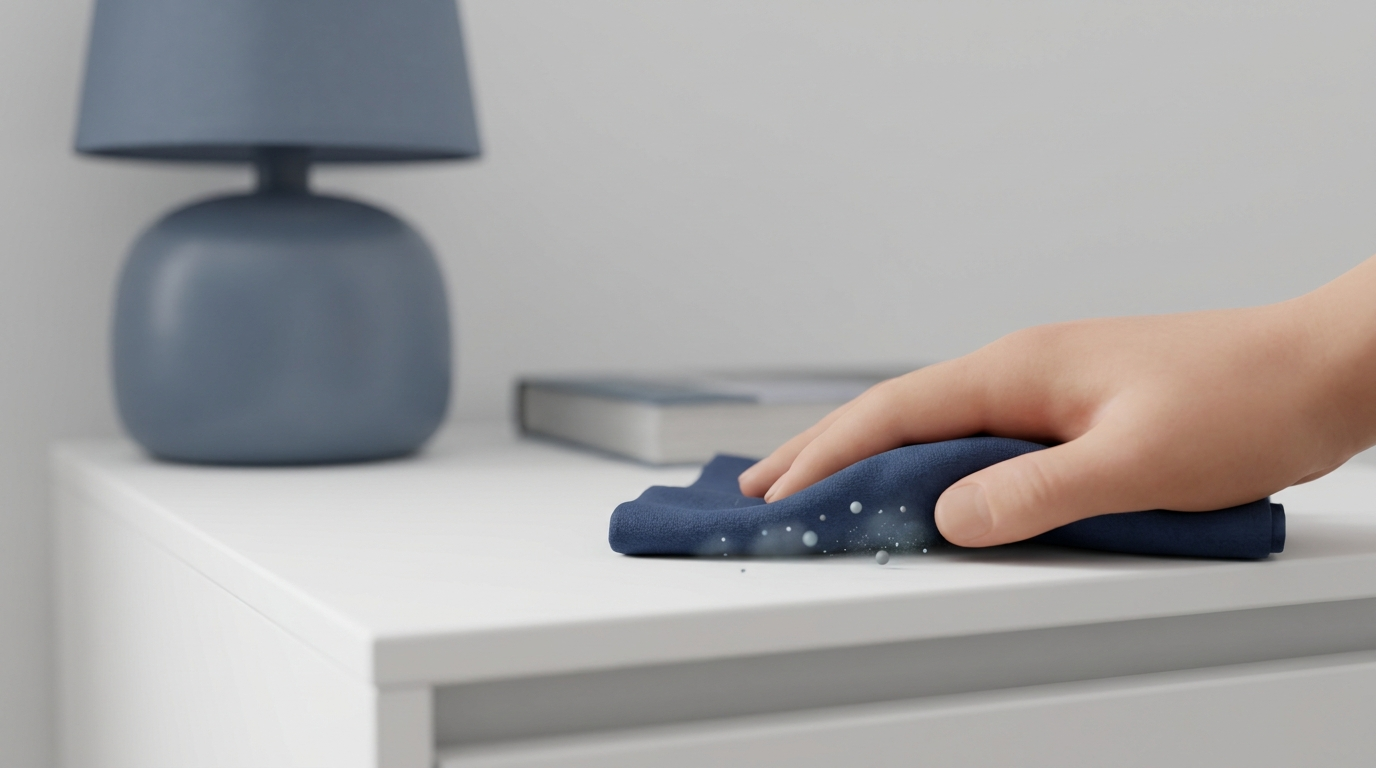
4) Clean smarter: damp dusting + HEPA vacuuming
How you clean matters as much as how often you clean.
- Damp dust with a microfiber cloth to trap particles rather than spreading them.
- Vacuum with a HEPA‑filtered vacuum to reduce allergen exhaust back into the room [3][4].
A simple frequency guide:
- Floors: 1–2x/week (more if pets)
- Under the bed and along edges: weekly
- Upholstered items (if any): weekly, using a HEPA vacuum attachment
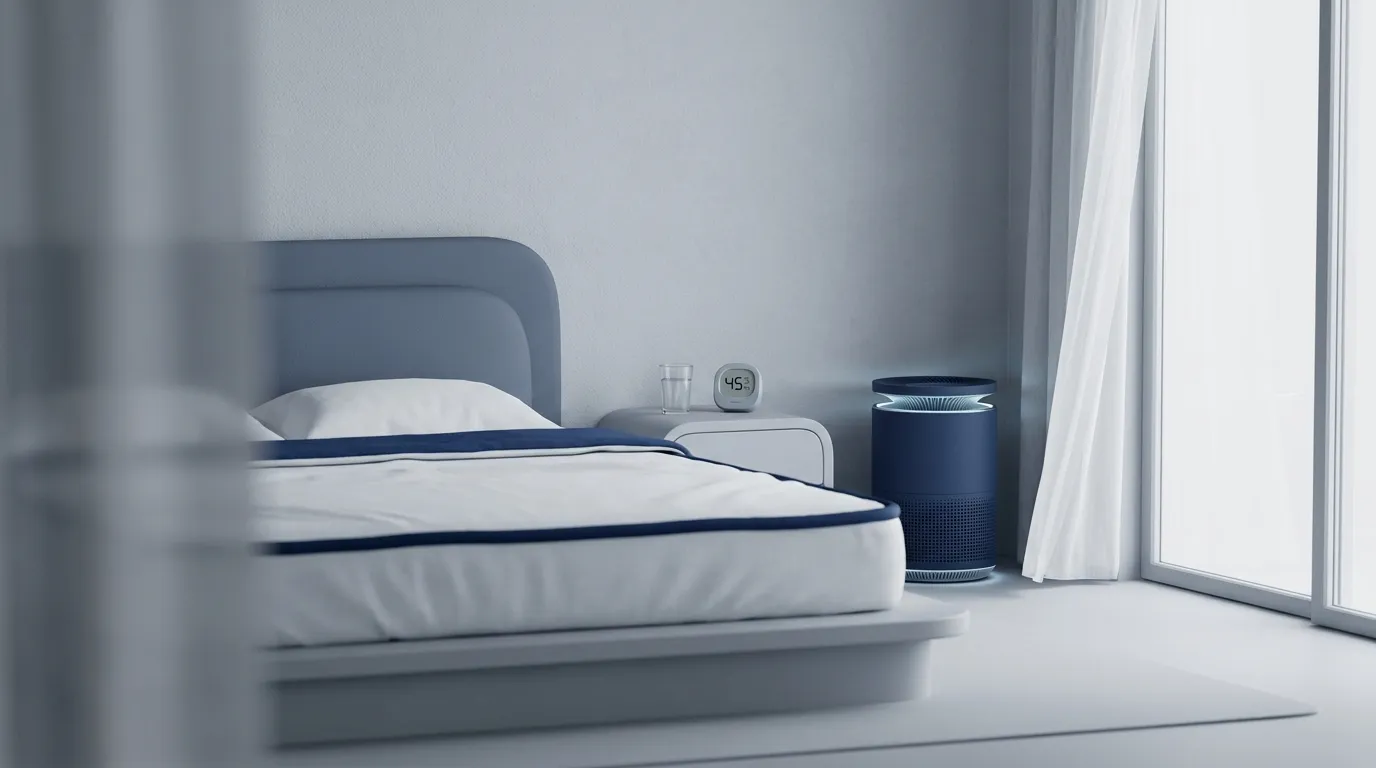
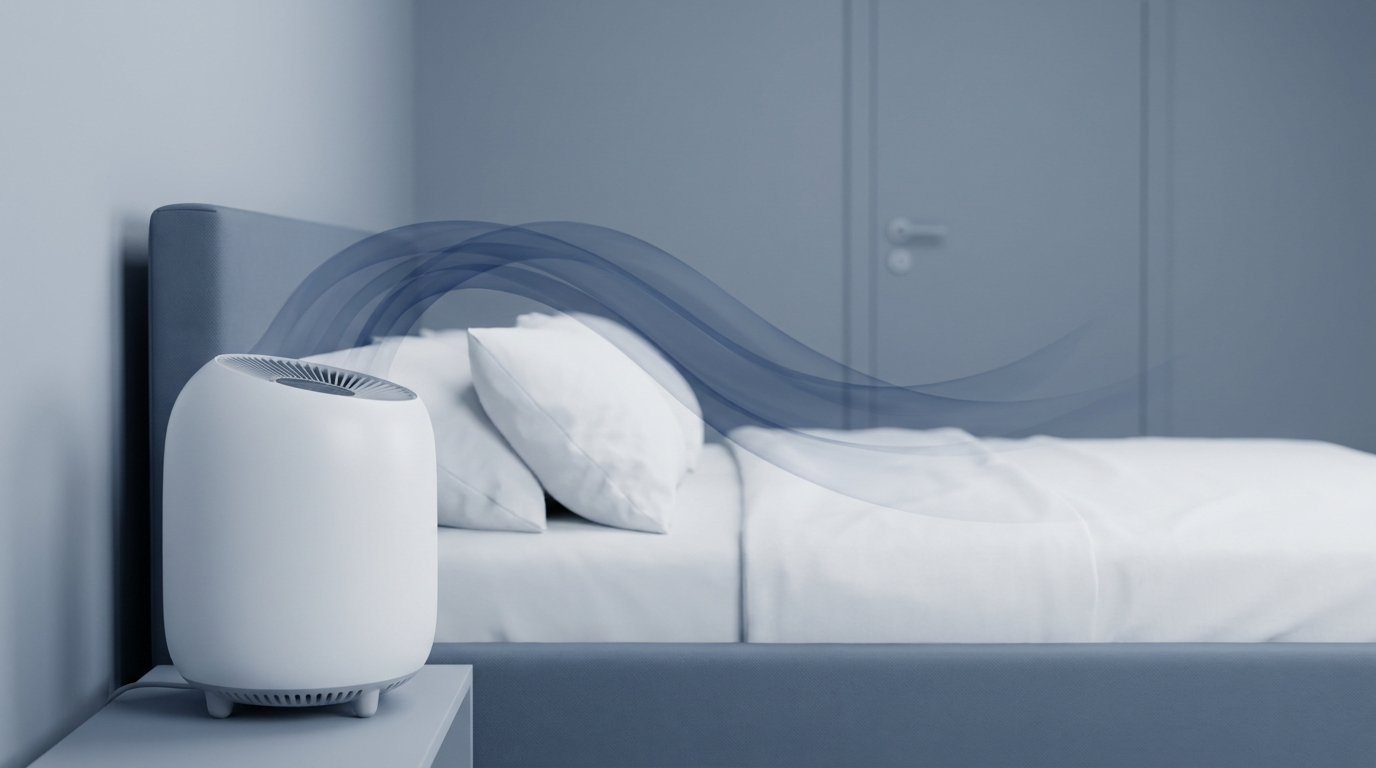
5) Improve air quality where you breathe: use a HEPA air purifier (properly)
Research suggests HEPA filtration may reduce airborne particle levels like dust, dander, and pollen—especially when used consistently and matched to the room size [5].
Placement and setup tips:
- Put it near the bed so it filters your breathing zone during sleep.
- Keep airflow unobstructed (don’t wedge it behind furniture).
- Choose a unit sized for your room (check CADR/room‑size guidance).
- Replace filters on schedule so performance doesn’t drop.
For detailed setup ideas, see Sleep and Sinus Centers of Georgia’s guide on where to place an air purifier in your bedroom: https://sleepandsinuscenters.com/blog/best-allergy-friendly-air-purifier-placement-tips-for-cleaner-air
6) Flooring and furnishings: make high‑impact swaps
If you’re remodeling or ready for a change, flooring can be a big lever:
- Best: hard flooring (wood/tile/vinyl) + washable rugs
- If you have carpet:
- Vacuum frequently with HEPA filtration
- Consider low‑pile rugs you can wash or replace
Also consider limiting upholstered furniture in the bedroom, which can store allergens [3][4].
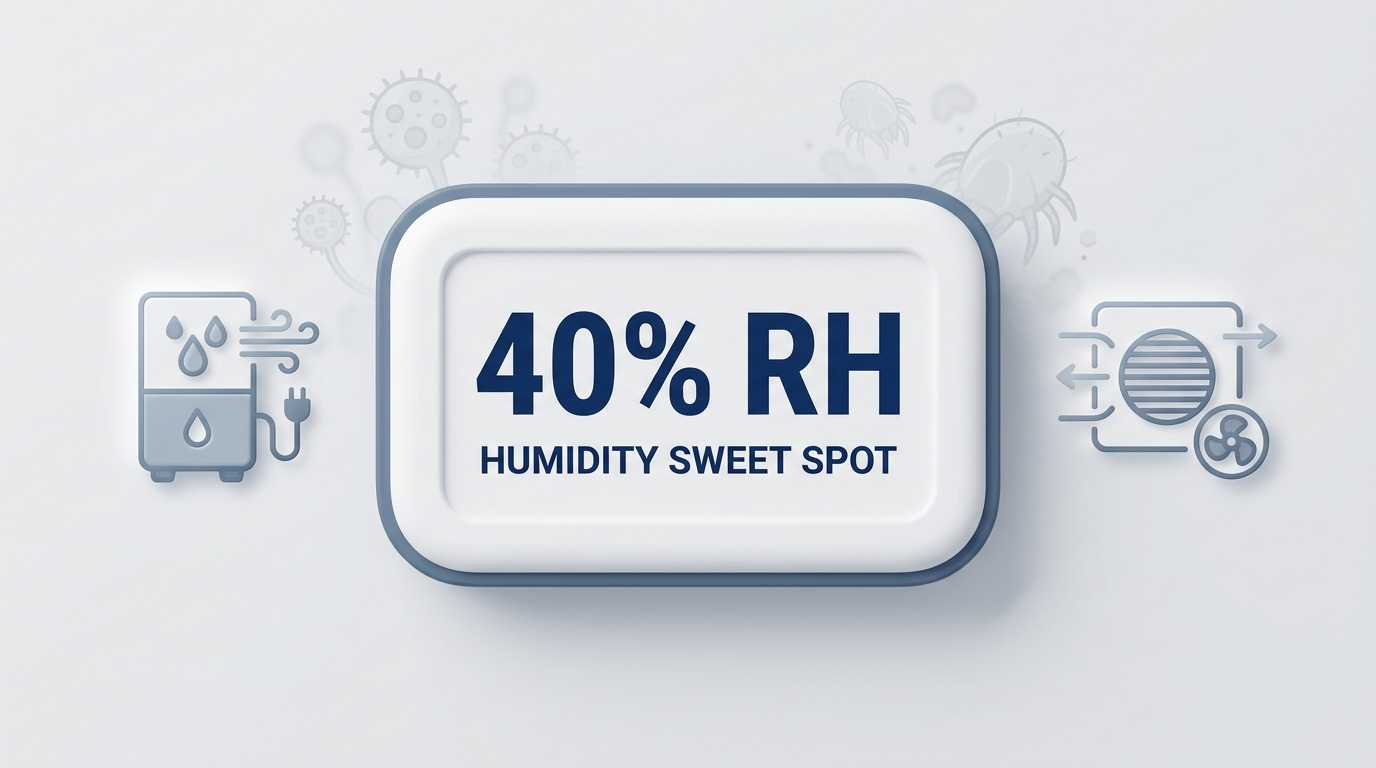
7) Humidity control (especially for dust mites + mold)
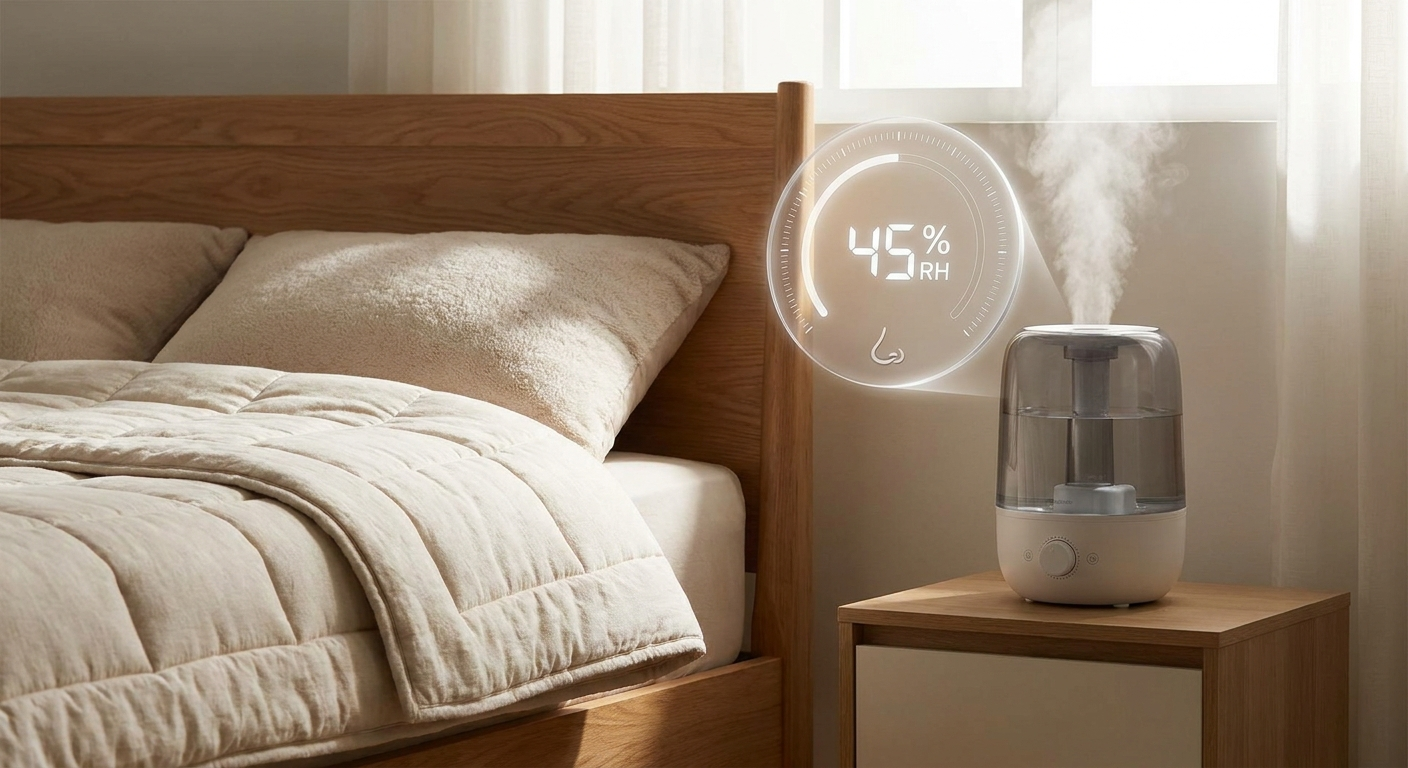
Humidity influences both dust mites and mold. Many guidelines suggest aiming for a range that discourages both—often around 30–50% relative humidity—depending on your home and climate [1][3].
Helpful actions:
- Address leaks and water intrusion quickly
- Reduce window condensation (improve airflow, consider insulation/repairs)
- Ventilate bathrooms to reduce moisture migration into bedrooms
- If using a dehumidifier, empty and clean it regularly to prevent mold growth
8) Keep pollen out with simple bedtime routines
During peak pollen seasons, your nighttime habits can make a noticeable difference:
- Shower before bed (especially hair)
- Change clothes after being outdoors
- Keep worn clothes off the bed
- Keep windows closed during high pollen times and rely on filtered air [1]
9) Pet strategies (if rehoming isn’t an option)
Pets are family for many households, so focus on realistic strategies:
- Keep pets out of the bedroom if possible
- Wash pet bedding regularly
- Increase grooming frequency as tolerated (some people also find wiping paws after outdoor time helpful)
- Continue HEPA vacuuming to reduce settled dander [3]
• Start with the bed, then layer in air cleaning, decluttering, and humidity control for sustained relief.
Treatments that can support bedroom changes (when lifestyle isn’t enough)
Environmental changes are foundational, but symptoms may still need additional support. This section is educational—your clinician can help you choose options that fit your health history.
OTC options commonly used for nighttime symptoms
- Non‑sedating antihistamines (often used during the day)
- Sedating antihistamines—generally best for occasional use rather than nightly, as they can cause next‑day grogginess and impair alertness (including driving). They are not recommended for long‑term use, especially in older adults, due to anticholinergic side effects. Ask your pharmacist or doctor before regular use.
- Intranasal steroid sprays (often considered a mainstay for allergic rhinitis)
- Saline rinses/sprays to help clear mucus and wash allergens from the nose [1]
Some options may not be suitable for children, pregnant or nursing individuals, older adults, or people taking other medications. Check with a pharmacist or clinician to ensure safety for your situation.
Always follow package directions and consider discussing persistent symptoms with a clinician—especially if sleep is being disrupted.
• Use medications to support—not replace—environmental control, and personalize your plan with your clinician.
When to consider allergy testing and longer‑term solutions
If you’ve followed a strong bedroom routine and symptoms still persist—or if you have wheezing/asthma symptoms—testing and longer‑term strategies may be worth discussing. Identifying specific triggers can help you target your allergy‑proof bedroom plan more precisely.
Sleep and Sinus Centers of Georgia offers allergy testing as a next step for many patients with ongoing symptoms: https://sleepandsinuscenters.com/allergy-testing
• Targeted testing can help you fine‑tune your bedroom strategy and treatments.
A simple maintenance schedule (so it stays allergy‑proof)
Weekly
- Wash bedding hot (≥130°F when possible) [2]
- HEPA vacuum floors + under bed [3][4]
- Damp dust key surfaces (nightstands, headboard, windowsills)
Monthly
- Clean baseboards, vents, fan blades [4]
- Check for condensation/mold near windows and closets [1]
- Check purifier filters (prefilter cleaning/replacement as directed)
Seasonally
- Replace HVAC filters as recommended
- Reassess pollen routines during peak seasons [1][3][4]
• Consistency beats perfection—simple routines keep allergens in check.
FAQs
Q: Do dust‑mite covers really work?
A: They can help by creating a barrier between you and allergen reservoirs inside mattresses and pillows. This approach is commonly recommended in exposure‑reduction guidance [1][3].
Q: Is washing sheets in cold water good enough?
A: Hot water is the evidence‑supported standard for killing dust mites—at least 130°F (54.4°C) [2]. Cold water may remove some debris but may not reliably kill mites.
Q: What’s the difference between a “HEPA‑like” filter and true HEPA?
A: “True HEPA” refers to a performance standard. “HEPA‑like” is often marketing language and may not meet the same filtration criteria. If filtration is a priority, look for clear specs rather than vague terms.
Q: Where should I place my air purifier in the bedroom?
A: Place it near the bed to help filter your breathing zone overnight, with clear airflow around the unit. Consistency (closed doors/windows) also matters for how the room air cycles through the purifier [1][3].
Q: Should I use a humidifier or a dehumidifier for allergies?
A: It depends on your indoor humidity and triggers. Too much humidity can encourage dust mites and mold, while very dry air can irritate nasal passages. A basic hygrometer can help you understand what your room needs [1][3].
Q: When should I see an ENT/allergy specialist?
A: Consider evaluation if symptoms disrupt sleep frequently, persist despite a solid routine, include wheezing or chest tightness, or if you suspect mold or significant indoor exposure concerns [1].
• Focused habits plus the right tools can make your bedroom a lower‑allergen zone.
Conclusion: Your “best next step” plan (quick recap)
If you do nothing else, prioritize these three steps this week:
1) Protect the bed with encasements
2) Wash bedding weekly in hot water (≥130°F when possible)
3) Add HEPA filtration (vacuum and/or air purifier)
Then build toward: decluttering, humidity control, and pollen/pet routines. With consistency, many people find their allergy‑proof bedroom setup becomes a “set it and forget it” system that supports clearer breathing and better sleep.
If nighttime congestion or suspected allergies continue to affect sleep, Sleep and Sinus Centers of Georgia can help you explore next steps, including evaluation and testing. To get started, you can book an appointment here: https://www.sleepandsinuscenters.com/
• Start with the bed, then keep up simple weekly habits for the biggest long‑term gains.
This article is for educational purposes only and is not medical advice. Please consult a qualified healthcare provider for diagnosis and treatment.
Sources
[1] Mayo Clinic. Allergies: Reduce your exposure to allergy triggers (2025). https://www.mayoclinic.org/diseases-conditions/allergies/in-depth/allergy/art-20049365
[2] Mayo Clinic. Dust mites—Diagnosis and treatment. https://www.mayoclinic.org/diseases-conditions/dust-mites/diagnosis-treatment/drc-20352178
[3] Asthma and Allergy Foundation of America (AAFA). Control Indoor Allergens. https://aafa.org/allergies/prevent-allergies/control-indoor-allergens/
[4] American Academy of Allergy, Asthma & Immunology (AAAAI). Cleaning Tips for Allergy and Asthma Sufferers. https://www.aaaai.org/tools-for-the-public/conditions-library/allergies/cleaning-tips-for-allergy-and-asthma-sufferers
[5] PubMed Central (PMC) review (2011). https://pmc.ncbi.nlm.nih.gov/articles/PMC3165134/
Don’t let allergies slow you down. Schedule a comprehensive ENT and allergy evaluation at Sleep and Sinus Centers of Georgia. We’re here to find your triggers and guide you toward lasting relief.