Aging and Hearing Loss: What’s Normal in Your 30s, 40s, 50s, 60s & Beyond
Hearing changes can be a normal part of aging—but they’re not always “just getting older.” The tricky part is that hearing often declines slowly, so it’s easy to adapt (or compensate) without realizing how much effort listening has started to take. People commonly fill in gaps by watching lips, relying on context, or steering conversations toward quieter rooms—until one day, it feels like everyone is “mumbling.”
A key reality: age-related hearing loss (presbycusis) often becomes noticeable in the 50s–60s and typically affects high-frequency sounds first—which can make speech sound unclear even when volume seems “fine.” Think of it like losing the “sharpness” in audio: you still hear sound, but the details that make words crisp start to fade. Source: NIDCD, 2023
Quick Take: What “Normal” Hearing Changes Look Like With Age
- Many people notice subtle changes first—like difficulty understanding speech in restaurants or needing the TV a bit louder.
- With age-related hearing loss (presbycusis), high-frequency changes often show up early, affecting clarity more than loudness.
- Not everything that feels like aging is normal. Sudden changes, one-sided hearing loss, or significant dizziness should be evaluated promptly. Source: NIDCD, 2023
What Is Presbycusis (Age-Related Hearing Loss)?
Presbycusis is the gradual hearing decline associated with aging. It usually develops over years and commonly affects both ears, which is one reason it can be hard to notice at first—your brain adjusts bit by bit.
If you’d like a broader overview of hearing loss types and symptoms, see our guide on hearing loss symptoms and when to see a doctor: https://sleepandsinuscenters.com/blog/what-is-hearing-loss-causes-symptoms-and-when-to-see-a-doctor
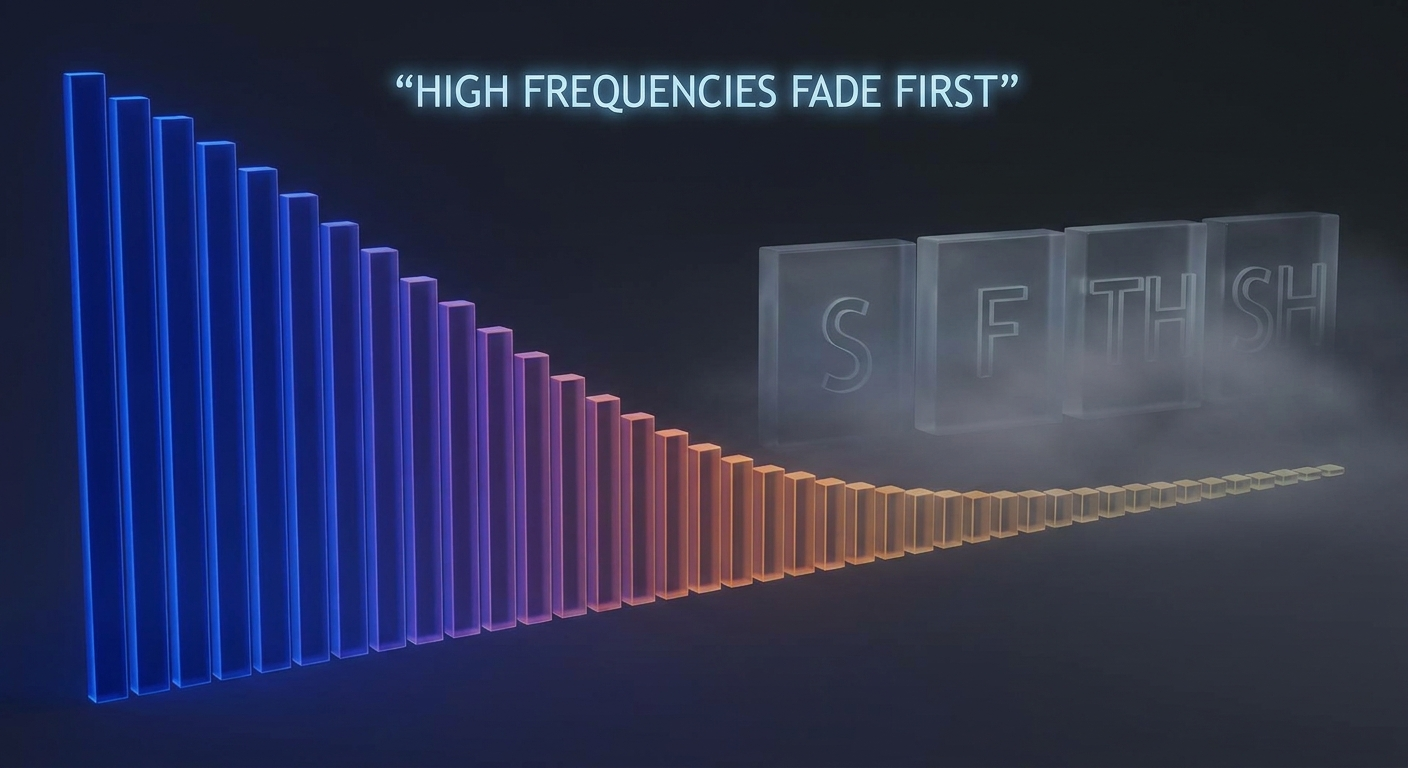
Why high-pitched sounds go first
Many age-related changes involve the inner ear’s sensory cells and nerve pathways. High pitches are often affected first, which means you may miss speech detail—especially consonants like S, F, TH, and SH.
A common real-life example: “I heard you talk, but I thought you said ‘free’ instead of ‘three’,” or “Did you say ‘Sue’ or ‘shoe’?” Other early “misses” can include birds, beeps, and children’s voices. Source: NIDCD, 2023
How common is it?
Prevalence rises with age, though exact numbers vary by whether hearing difficulty is self-reported or measured on an audiogram. In some studies and cohorts:
- Around half of adults over 75 report hearing difficulty (varies by definition).
- In certain older cohorts, prevalence has been reported as 77.2% (ages 80–85).
- In one cohort, prevalence reached up to 93.8% in adults 90+. Sources: NIDCD, 2023; PMC, 2020
Presbycusis vs. other hearing problems
Not all hearing changes are age-related:
- Conductive issues (like earwax buildup or middle-ear fluid) may be treatable.
- Sudden hearing loss can be a medical emergency and should be evaluated urgently.
A helpful rule of thumb: gradual, symmetric changes over years can fit presbycusis; rapid changes over hours/days—or one ear changing more than the other—should be evaluated promptly. Source: NIDCD, 2023
Takeaway: Early recognition helps you choose the right next step, whether it’s reassurance, treatment, or both.
Hearing Loss by Decade — What’s Normal vs. What’s Not

In Your 30s: Usually Stable, But Early Risk Adds Up
What may be “normal”
Most adults have stable day-to-day hearing in their 30s. However, subtle changes can begin in very high frequencies (above 8 kHz)—which standard hearing tests may not always capture. In other words, you may “pass” a basic screening but still notice that noisy places feel harder than they used to. Source: PMC, 2011
Signs you might notice (even if a basic test is “normal”)
- Difficulty following conversation in noisy restaurants
- Using captions more often than you used to
- Ringing after loud events (a sign your ears had a high-noise day)
Smart prevention in your 30s (sets up future decades)
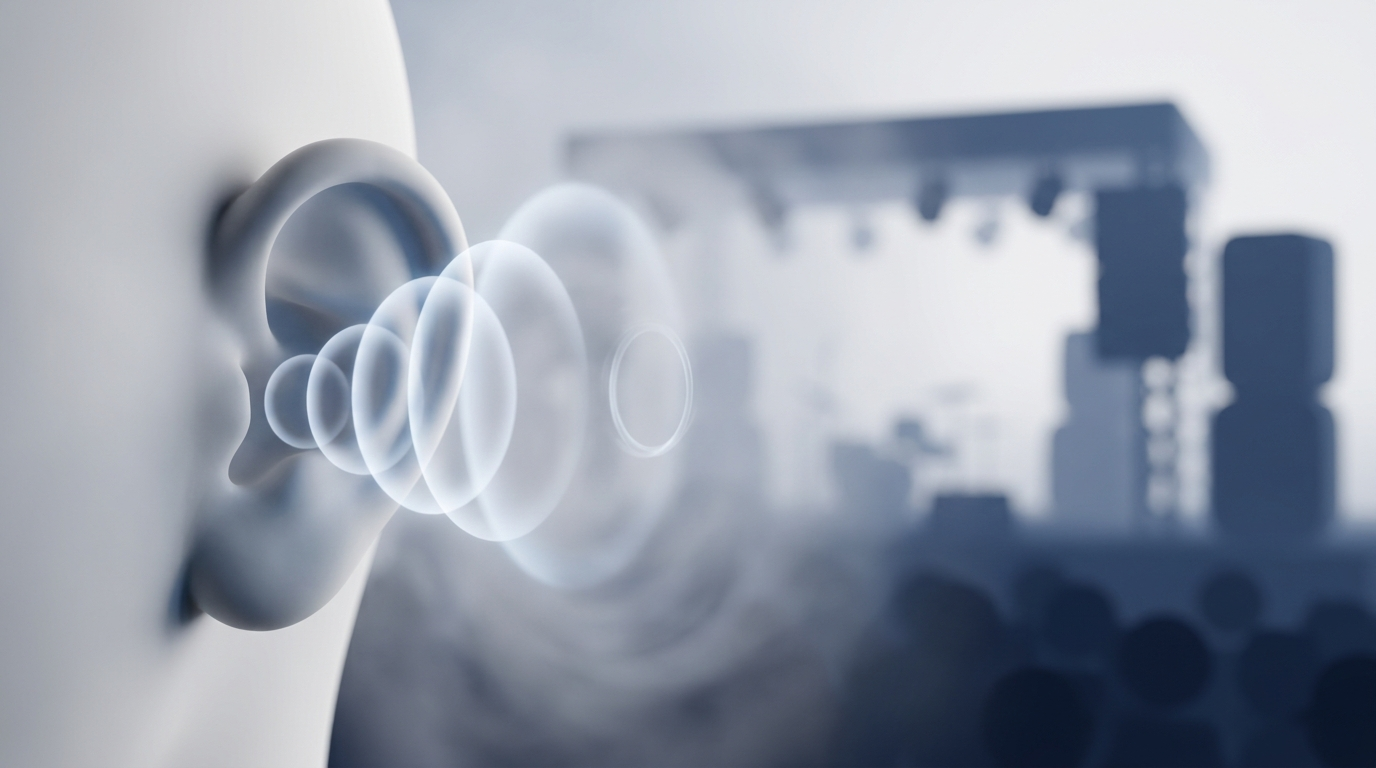
Noise exposure “stacks” over time. One loud concert won’t affect everyone the same way, but repeated exposure can create cumulative strain—especially with concerts, power tools, motorcycles, or frequent headphone use.
For practical ways to reduce risk without giving up what you enjoy, read noise exposure and long-term ear health: https://sleepandsinuscenters.com/blog/noise-pollution-and-its-effects-on-ear-health-key-insights

In Your 40s: Subtle Clues (Especially in Noise)
What may be “normal”
Many people still screen as “normal,” but speech in noisy environments can start to feel harder—even when quiet conversations are fine. You might notice you do best one-on-one, then struggle at parties, meetings, or restaurants where voices overlap. Source: NIDCD, 2023
What’s not normal
- Noticeable one-sided decline
- Persistent ear fullness paired with hearing changes
- A sudden shift after illness or a loud blast
If you find yourself thinking, “My left ear is fine but my right ear feels off,” that’s a useful detail to bring to a clinician—because symmetric, gradual change is more typical of age-related patterns.
If you’re 40+: when a baseline hearing test helps
A baseline hearing test may be helpful in your 40s—especially if you have regular noise exposure, a strong family history, or health factors like diabetes or cardiovascular risk. A baseline isn’t just about today’s result; it gives you something objective to compare against later, which can make gradual changes easier to spot early.
In Your 50s: When Age-Related Hearing Loss Often Starts Becoming Noticeable
What’s common in the 50s
This is when many people first clearly notice age-related hearing loss (presbycusis). Changes are often gradual and frequently involve high-frequency hearing loss first. Source: NIDCD, 2023
Typical presbycusis symptoms in the 50s
- “I can hear you, but I can’t understand you.”
- Difficulty with women’s or children’s voices
- TV volume creeping up
- Asking people to repeat themselves more often (especially in groups)
A common pattern is misunderstanding similar-sounding words (“cap” vs “cat,” “seat” vs “sheet”), or doing fine in quiet—then feeling lost once there’s background music, clinking dishes, or multiple speakers.
What to do now
Many people find it easier to adapt when hearing changes are identified earlier rather than later—because listening habits, communication strategies, and (when appropriate) devices can be tailored over time. Source: NIDCD, 2023
In Your 60s: The “Speech Clarity” Decade
What may be “normal”
Inner-ear changes continue gradually, and clarity can drop further—especially in background noise. If you’ve ever felt like you’re “working” to follow conversation, that listening effort can be a meaningful sign. Source: NIDCD, 2023
How hearing loss affects daily life
- Feeling tired after conversations (listening effort)
- More misunderstandings at home or in groups
- Avoiding social situations because it’s hard to keep up
Many people describe it as mentally draining: “I can do it for an hour, then I’m exhausted.” That fatigue is real—your brain is doing extra processing to fill in missing sound information.
Treatment options often introduced in the 60s
This is a common decade for discussing hearing aids and practical communication tools, particularly for hearing changes that are affecting quality of life.
In Your 70s: Hearing Loss Becomes Much More Common
What may be “normal”
By this decade, functional difficulty is very common, and prevalence increases sharply. Many people need more than just a louder TV—they need clearer speech access in real-world environments. Sources: NIDCD, 2023; PMC, 2020
Why this decade matters for brain + social health
Untreated hearing loss can contribute to isolation and increase cognitive load (your brain works harder to fill in missing sound). Many families find it helpful to approach hearing as a shared communication issue—especially for safety (alarms, announcements, driving cues).
A simple, supportive shift: instead of “You’re not listening,” try “Let’s turn down the background noise so it’s easier to hear.”
For some people with more severe hearing loss, hearing aids may provide limited benefit, and advanced evaluations (such as cochlear implant candidacy) might be considered depending on testing and functional needs.
Age 80, 90 & Beyond: Very High Prevalence—Support Makes a Big Difference
What the numbers show
Later decades show very high prevalence in some published cohorts: 77.2% (80–85), and in one cohort, up to 93.8% in adults 90+. Sources: PMC, 2020; NIDCD, 2023
Common challenges and practical goals
- Making family conversations less stressful
- Improving communication during medical visits
- Ensuring doorbells/alarms/phones are accessible
Small adjustments can have outsized benefits—like written visit summaries, captioned phone calls, or positioning so faces are easy to see.
Best next steps
Device optimization, assistive tools, and caregiver communication strategies can make day-to-day life substantially easier.
Takeaway: Small, steady steps—prevention, testing, and support—go a long way across the decades.
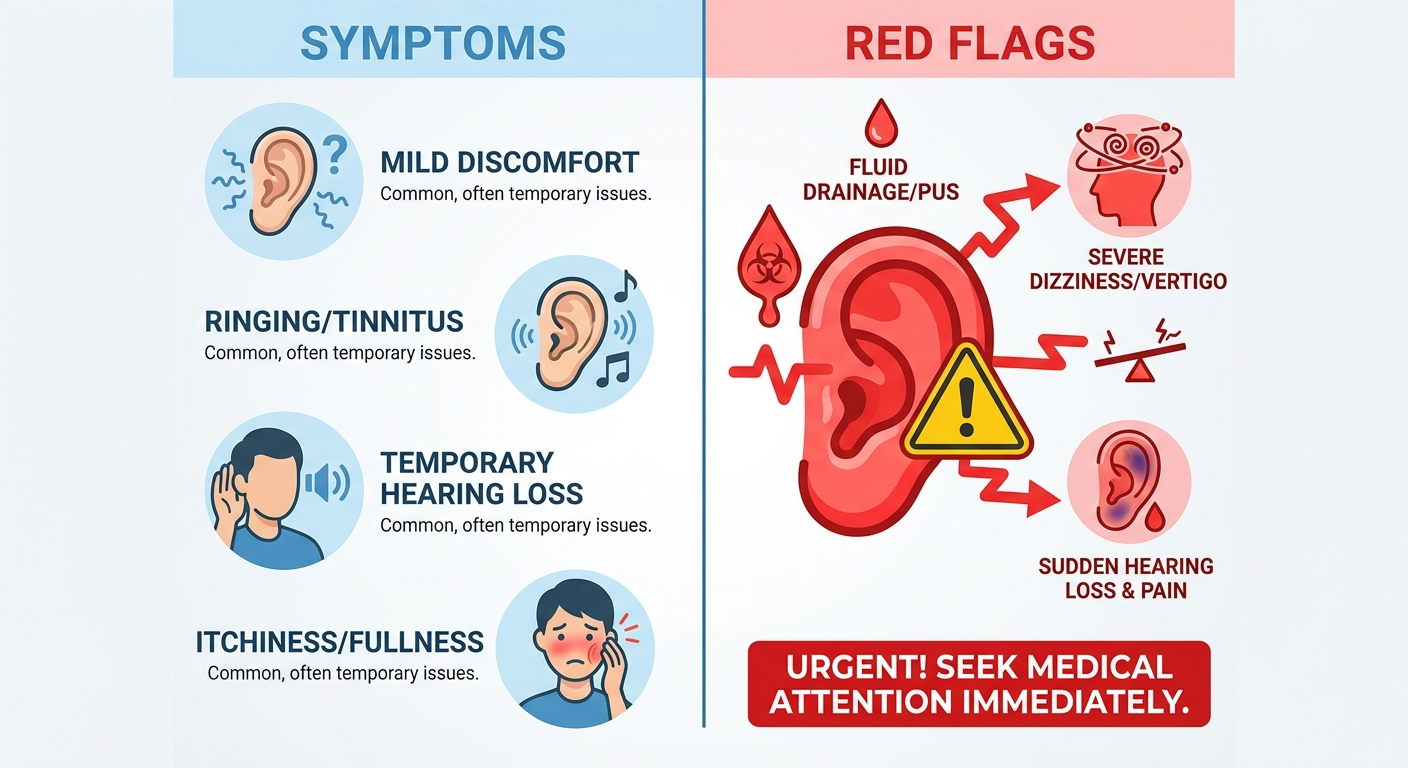
Symptoms Checklist: When Hearing Loss Might Be More Than “Normal Aging”
Common gradual symptoms (often presbycusis)
- Trouble understanding speech (especially in noise)
- Frequently asking for repetition
- Turning up TV/phone volume
- Mishearing consonants and higher-pitched voices. Source: NIDCD, 2023
Red flags — seek urgent or prompt care
These aren’t typical “wait and see” changes:
- Sudden hearing loss over hours to days
- New one-sided hearing loss
- Severe dizziness/vertigo
- Ear pain or drainage with a hearing change
Learn more about why sudden hearing loss can be a medical emergency and should be evaluated urgently: https://sleepandsinuscenters.com/blog/unexpected-causes-of-sudden-hearing-loss-key-symptoms-and-risk-factors
Takeaway: If something changes quickly or feels different on one side, get it checked promptly.
Causes & Risk Factors: Why Some People Lose Hearing Faster Than Others
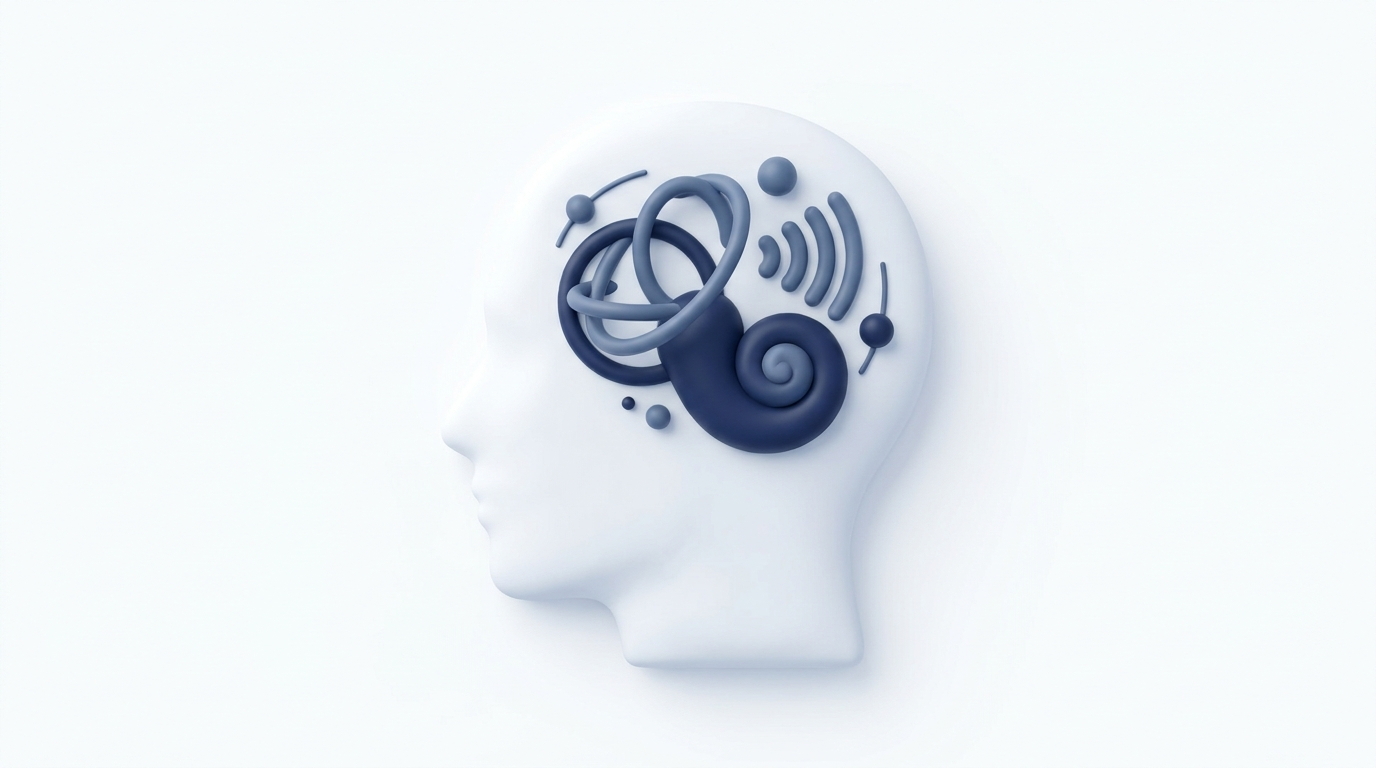
Aging changes in the inner ear (core mechanism)
Over time, inner-ear structures and nerve pathways can gradually change, contributing to age-related hearing loss (presbycusis). Source: NIDCD, 2023
Noise exposure (“it stacks” over time)
Noise from work, hobbies, and entertainment can add cumulative damage, making later hearing decline more noticeable. Source: NIDCD, 2023
Health factors that can contribute
Research reviews associate faster hearing decline with factors such as smoking, diabetes, and cardiovascular risks—likely related to circulation and nerve health. Source: PMC, 2020
Medications and other contributors
Some medication categories have potential ototoxic effects. It’s reasonable to ask a clinician or pharmacist whether any medications you take have hearing-related cautions—especially if you notice new symptoms. Source: NIDCD, 2023
Takeaway: Protecting your ears and managing overall health can help preserve hearing function over time.
Diagnosis: How Hearing Loss Is Evaluated (and Why It’s Not Just a “Pass/Fail” Test)
What a hearing evaluation may include
- Air and bone conduction testing (how sound travels)
- Speech recognition/word understanding (sometimes in quiet and/or noise)
For a helpful walkthrough, see how to read an audiogram: https://sleepandsinuscenters.com/blog/audiogram-basics-explained-a-patients-guide-to-hearing-tests
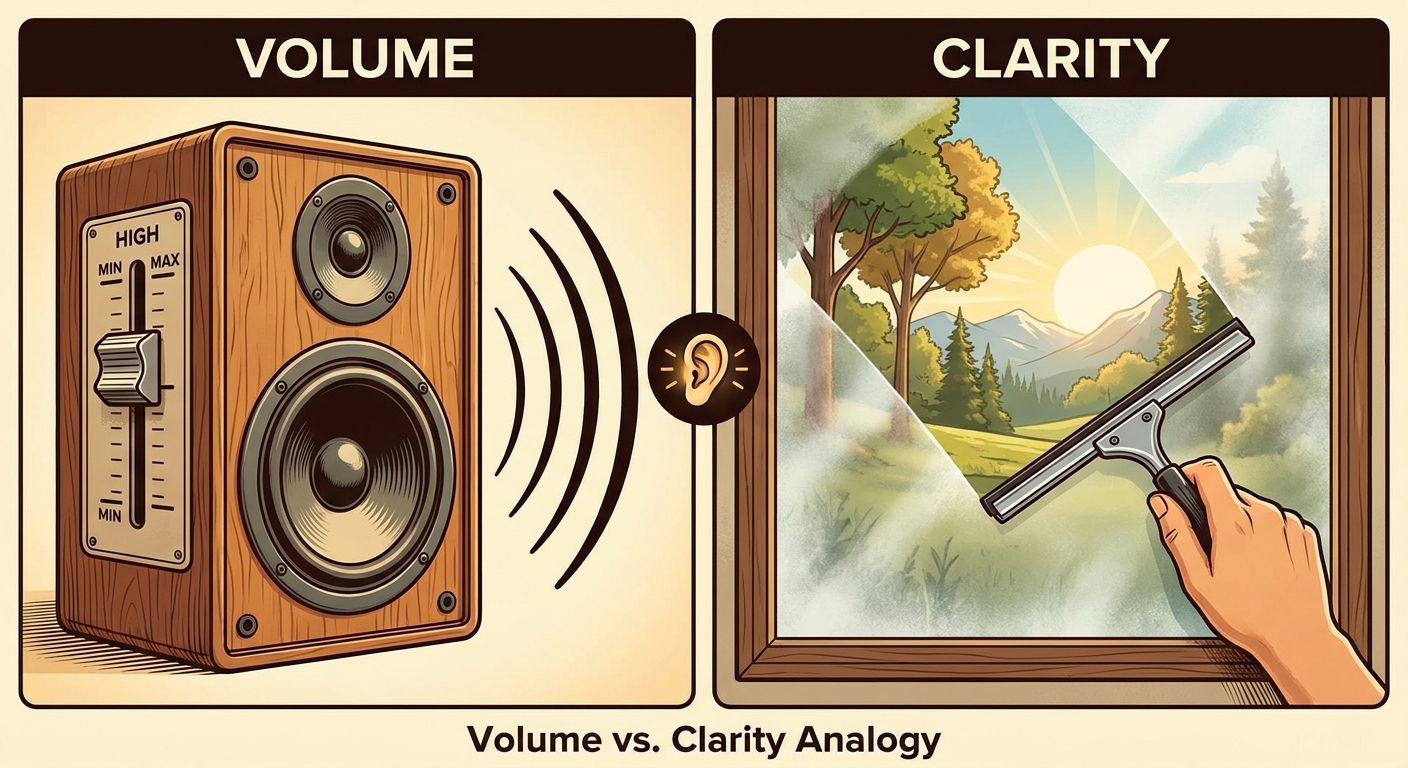
Why you can “hear sounds” but still struggle with speech
Speech understanding relies on clarity. When high-frequency detail is reduced, speech can sound muffled or “mumbled,” especially with background noise—even if loudness seems adequate. Volume is like turning up the lights, but clarity is like cleaning the window—you may need both for communication to feel easy again.
How often should you get tested?
There’s no single schedule that fits everyone, but many people consider:
- A baseline in the 40s–50s if risk factors are present
- Regular checks in the 60s+, or sooner if symptoms appear
Takeaway: A professional hearing test provides clarity beyond a simple “pass/fail” screen.
Treatments: What Helps at Each Stage (From Simple Fixes to Advanced Options)
Treatable causes an ENT will rule out
Evaluations often look for reversible contributors such as earwax blockage, middle-ear fluid, inflammation, or eardrum issues.
Hearing aids (common starting point)
Hearing aids can be programmed to amplify frequencies where hearing loss is present and improve clarity. Many people benefit most when they allow time for adjustment and plan for follow-up fine-tuning—because the goal isn’t “louder,” it’s “clearer.” Source: NIDCD, 2023
Assistive listening devices & accessibility tools
Options may include TV streamers, phone captioning, remote microphones for noisy settings, and alerting devices for doorbells/alarms.
When hearing loss is more severe
For some people with more severe hearing loss, hearing aids may provide limited benefit, and advanced evaluations (including cochlear implant candidacy) may be part of the next-step discussion.
Takeaway: The best treatment plan is the one that makes everyday communication easier and more comfortable.
Lifestyle Tips to Protect Hearing (and Make Conversations Easier)
Protect your ears from everyday noise
- Use earplugs for concerts, lawn equipment, and power tools
- Follow safer headphone habits (lower volume, listening breaks)
Communication strategies that actually work
- Face the speaker and improve lighting
- Reduce background noise when possible
- Ask people to rephrase rather than repeat the same words
- Confirm key details (times, addresses, next steps)
Keep overall health in mind
General wellness—physical activity, chronic condition management, and cardiovascular health—supports the systems that help hearing function over time.
Takeaway: A few small changes in environment and habits can reduce listening effort right away.
FAQs (Patient-Friendly)
1) At what age does hearing loss usually start?
Often it becomes noticeable in the 50s–60s, with high frequencies affected first. Source: NIDCD, 2023
2) Is it normal to struggle in restaurants even if I “hear fine” otherwise?
It can be an early, common complaint because understanding speech in noisy environments depends heavily on high-frequency detail.
3) Can hearing loss happen in your 30s or 40s?
Yes—especially with noise exposure. Subtle high-frequency changes may occur earlier than standard tests detect. Source: PMC, 2011
4) How do I know if it’s wax vs age-related hearing loss?
Wax often causes more sudden muffling or fullness. Testing and an ear exam can help distinguish causes.
5) Do hearing aids prevent hearing from getting worse?
They don’t stop the biological aging process, but they can improve day-to-day communication and reduce strain. Source: NIDCD, 2023
6) When is sudden hearing loss an emergency?
Sudden hearing loss can be a medical emergency and should be evaluated urgently. Source: NIDCD, 2023
Takeaway: Personalized guidance from a qualified clinician is the best way to address your specific situation.
Call to Action: When to Book a Hearing Evaluation
Consider scheduling a hearing evaluation with Sleep and Sinus Centers of Georgia if:
- You’re frequently asking people to repeat themselves
- Loved ones comment on TV or phone volume
- You avoid social situations because listening feels exhausting
- You notice any red-flag symptoms (like sudden or one-sided hearing loss)
Early identification can clarify what’s going on and help you understand options—whether the issue is age-related, treatable, or a mix of factors. To book an appointment, visit https://www.sleepandsinuscenters.com/.
Medical Disclaimer
This article is for general education and is not a substitute for individualized medical advice, diagnosis, or treatment. If you have sudden hearing changes, one-sided hearing loss, or severe dizziness, seek urgent medical care. This article is for educational purposes only and is not medical advice. Please consult a qualified healthcare provider for diagnosis and treatment.
References
- NIDCD. Age-Related Hearing Loss (2023): https://www.nidcd.nih.gov/health/age-related-hearing-loss
- PMC (2011). Age-related high-frequency hearing changes: https://pmc.ncbi.nlm.nih.gov/articles/PMC3889367/
- PMC (2020). Epidemiology and risk factors in age-related hearing loss: https://pmc.ncbi.nlm.nih.gov/articles/PMC7317651/
Don’t let allergies slow you down. Schedule a comprehensive ENT and allergy evaluation at Sleep and Sinus Centers of Georgia. We’re here to find your triggers and guide you toward lasting relief.