
Will Amoxicillin Treat Sinusitis? Effectiveness, Dosage, and When It Works
Quick Answer
Yes—in some cases of likely bacterial acute sinusitis. Most acute sinusitis episodes are viral, and antibiotics (including amoxicillin) do not help viral illness. If you’re searching “will amoxicillin treat sinusitis,” the most important first step is understanding what’s causing your symptoms—because that’s what determines whether an antibiotic is likely to help. Think of antibiotics as a key: they only work if the lock is bacterial.

What Is Sinusitis (and Why the Cause Matters)?
Sinusitis vs. “Sinus Infection”
Sinusitis means inflammation of the lining of the sinuses (air-filled spaces behind the cheeks, forehead, and eyes). People often say “sinus infection,” but sinusitis can be triggered by:
• Viruses (most common in acute illness)
• Bacteria (sometimes)
• Allergies
• Irritants (smoke, pollution)
• Ongoing inflammation (especially in chronic cases)
That distinction matters because inflammation can feel just as miserable as infection—congestion, pressure, and thick drainage can happen either way. Color and thickness of mucus do not by themselves prove a bacterial cause, which is why clinicians look at the overall pattern over time. (UpToDate, 2023; AAFP, 2011)
Acute vs. chronic sinusitis (in plain language)
• Acute sinusitis: symptoms lasting less than 4 weeks
• Chronic sinusitis: symptoms lasting more than 12 weeks, often driven more by ongoing inflammation and blockage than a short-term infection
Chronic sinusitis is often less about “killing a germ quickly” and more about improving airflow, drainage, and inflammation control over time. To learn how symptoms and treatment approaches differ, see: Acute vs Chronic Sinusitis: Key Differences and Treatment Options — https://sleepandsinuscenters.com/blog/acute-vs-chronic-sinusitis-key-differences-and-treatment-options
• In short: most short-term sinus symptoms are inflammatory or viral, while long-term symptoms often require strategies that reduce inflammation and improve drainage.
Symptoms: When Sinusitis Might Be Bacterial (and When It’s Probably Viral)
Common sinusitis symptoms (both viral and bacterial)
Many symptoms overlap, including:
• Nasal congestion or blockage
• Facial pressure or pain
• Thick nasal drainage and/or postnasal drip
• Reduced smell or taste
• Cough (often worse at night)
• Fatigue
Because these are common in both types, symptoms alone don’t automatically answer, “will amoxicillin treat sinusitis?” Clinicians look for patterns over time—especially how long symptoms last and whether you’re improving or backsliding.
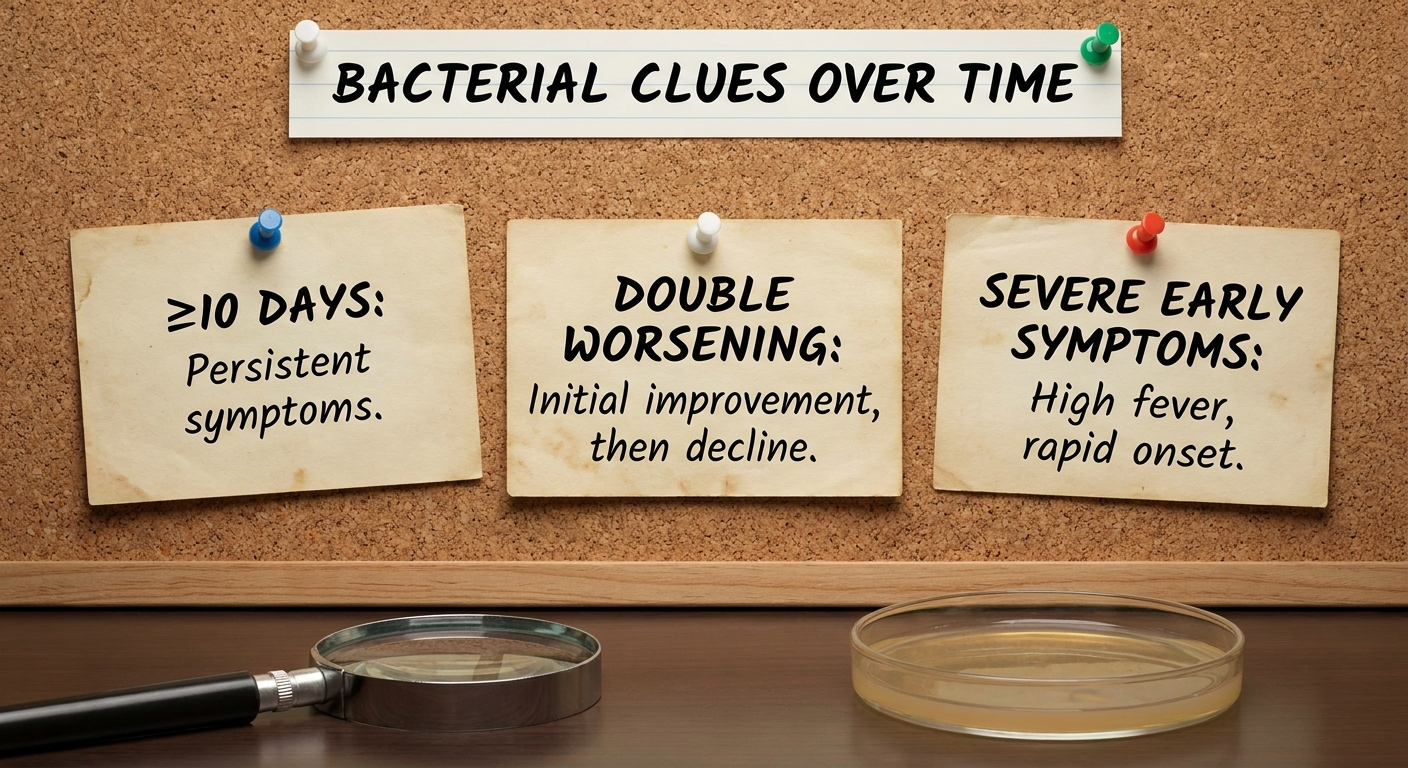
Clues clinicians use to suspect bacterial sinusitis (checklist)
• Symptoms lasting ≥10 days without improvement
• “Double worsening” (you start to improve, then symptoms get worse again)
• Severe symptoms early, such as high fever plus thick/purulent drainage or significant facial pain for several days
Concrete examples (what these patterns can look like)
• ≥10 days without improvement: You’ve had congestion and facial pressure for a week and a half, and it’s not trending better.
• Double worsening: You feel noticeably better around day 4–5, then around day 7–8 the pressure, drainage, and cough ramp back up.
• Severe early symptoms: You feel abruptly “hit hard,” with intense facial pain and significant systemic illness early on.
When symptoms suggest something else
Similar symptoms can come from: allergy flare or nonallergic rhinitis, migraine or TMJ-related facial pain, dental problems, or structural blockage (deviated septum, nasal polyps).
• Bottom line: timing patterns and severity help distinguish viral from bacterial sinusitis far more than mucus color alone.
Causes: Why Most Sinus Symptoms Don’t Need Antibiotics
Viral upper respiratory infections (the most common driver)
Most acute sinusitis episodes begin as viral upper respiratory infections. Antibiotics don’t work against viruses, so using them when they aren’t needed doesn’t speed recovery. (AAFP, 2011; UpToDate, 2023)
Picture the sinuses as small drainage pathways: a virus can swell the lining, narrow those pathways, and trap mucus—creating pressure and congestion that feels “infected,” even when bacteria aren’t the main issue.
Bacterial sinusitis (when antibiotics may help)
Bacterial sinusitis can occur when swelling and mucus buildup create an environment where bacteria can overgrow. When the timing and severity fit bacterial patterns, antibiotics may help improve symptoms and may be appropriate in selected cases. (UpToDate, 2023; AAFP, 2011)
Risk factors that raise suspicion for bacterial infection or resistance
• Recent antibiotic use
• Frequent infections or recurrent sinusitis
• Smoking or significant irritant exposure
• Immune compromise
• More severe symptoms or significant medical comorbidities
Related read: Viral vs Bacterial Sinus Infections: Key Differences — https://sleepandsinuscenters.com/blog/viral-vs-bacterial-sinus-infections-key-differences
• Key takeaway: most acute sinus symptoms start viral; antibiotics are considered when patterns suggest a bacterial process.
Is Amoxicillin Effective for Sinusitis?
For cases that fit bacterial patterns and appear uncomplicated, amoxicillin may be used in some sinus infections; however, many clinicians prefer amoxicillin-clavulanate (Augmentin) depending on the patient and local guidance. (AAFP, 2011; UpToDate, 2023; CMS, 2025) In other words, amoxicillin can be reasonable in selected patients, but practice patterns often favor amoxicillin-clavulanate in adults.
When amoxicillin is unlikely to help
• The illness is viral sinusitis
• Symptoms reflect chronic sinusitis, where inflammation and blockage are bigger drivers than active infection
• The bacteria are resistant or are beta-lactamase–producing bacteria, making amoxicillin alone less effective (UpToDate, 2023)
How fast it works (what to expect)
When an antibiotic is the right match, many people notice improvement within a few days, though timelines vary. If symptoms are worsening or not improving within the timeframe a clinician expects, reassessment may be needed. (UpToDate, 2023; Verywell Health, 2022)
• In brief: amoxicillin can help selected uncomplicated bacterial cases, but many adults are treated with amoxicillin-clavulanate first based on current practice patterns.

Amoxicillin vs. Amoxicillin‑Clavulanate (Augmentin): Which One Is Better?
What’s the difference?
• Amoxicillin is an antibiotic that treats certain bacteria.
• Clavulanate is added to help overcome some common resistance mechanisms (including beta-lactamase).
You may hear amoxicillin-clavulanate called Augmentin.
When clinicians may prefer amoxicillin-clavulanate
A clinician may choose amoxicillin-clavulanate for sinus infection when there’s more concern for resistance, a more complicated illness, or certain risk factors. (UpToDate, 2023; Mayo Clinic, 2024) “Broader coverage” here means better suited to bacteria that may not respond to amoxicillin alone.
Why “broader” isn’t always better
Broader antibiotics can increase side effects (especially GI symptoms) and contribute to antibiotic resistance. That’s why quality measures emphasize appropriate, guideline-based selection—using broader coverage when it’s more likely to help. (CMS, 2025; AAFP, 2011)
• Short take: Augmentin is often preferred in adults, while amoxicillin can be appropriate in selected low‑risk cases.

Typical Dosage and Duration (Patient-Friendly Guidance)
Safety note: Amoxicillin dosage for sinusitis must be individualized by a clinician based on age, kidney function, allergy history, severity, and local resistance patterns. The examples below are educational—not personal medical advice.
Adult dosing: common patterns clinicians use (examples)
Common adult amoxicillin regimens may include: (UpToDate, 2023; Verywell Health, 2022)
• 500 mg every 8 hours, or
• 875 mg every 12 hours
Duration for uncomplicated cases is often around 5–7 days, though the exact plan varies based on the situation and clinical guidance.
If you’re prescribed an antibiotic, it can help to confirm:
• How many days you should take it
• What to do if you miss a dose
• What symptoms should prompt a call back
Pediatric dosing
In children, dosing is weight-based and should be determined by a pediatric clinician.
Best practices while taking amoxicillin
• Take it exactly as prescribed and on schedule.
• Don’t stop early unless your prescriber tells you to.
• If a dose is missed, follow the instructions provided with your prescription label or ask your pharmacist.
• Quick recap: dosing and duration vary—follow your clinician’s instructions and ask questions if anything is unclear.
Side Effects, Risks, and Who Should Avoid Amoxicillin
Common side effects
Possible side effects include: upset stomach, nausea, diarrhea, mild rash, and yeast infection risk.
If stomach upset is an issue, ask your pharmacist whether it’s okay to take your dose with food (follow your prescription instructions).
Allergic reactions (when to stop and seek care)
Allergic reactions can be serious. Hives, facial/lip swelling, wheezing, or trouble breathing are urgent symptoms that need immediate medical attention.
Clostridioides difficile (C. diff) infection and antibiotic-associated diarrhea
Antibiotics can sometimes disrupt gut bacteria. Contact a clinician if diarrhea is severe, watery, persistent, or associated with fever or dehydration.
Drug interactions & special situations to mention
Clinicians may review: blood thinners such as warfarin, kidney disease (dose adjustments may be needed), pregnancy and breastfeeding (risk/benefit is individualized).
• Remember: report new or severe symptoms promptly, especially signs of allergy or persistent diarrhea.
What to Do If Amoxicillin Isn’t Working
Common reasons for “no improvement”
• It was viral all along (antibiotics wouldn’t help)
• The bacteria aren’t a good match for amoxicillin
• Ongoing blockage/inflammation (polyps, deviated septum, chronic rhinitis)
• A non-sinus condition is causing facial pain (migraine, dental pain, TMJ)
A patient-friendly way to frame it: “Not improving” doesn’t automatically mean “needs a stronger antibiotic.” Sometimes it means the diagnosis needs a second look.
Next steps a clinician may consider
Depending on symptoms and timing, a clinician may re-check the diagnosis and severity, or consider amoxicillin-clavulanate or another appropriate antibiotic when indicated. (UpToDate, 2023; Mayo Clinic, 2024)
When an ear, nose, and throat (ENT) evaluation helps
Helpful for recurrent sinus infections, symptoms that persist despite appropriate treatment, or suspicion of structural issues or chronic sinusitis. Guide: When to See an ENT — https://sleepandsinuscenters.com/blog/when-should-i-see-an-ent
• Bottom line: if symptoms don’t improve as expected, reassessing the diagnosis is often more helpful than simply switching antibiotics.

Treatments That Help (With or Without Antibiotics)
First-line symptom relief at home
• Saline irrigation (use proper technique and safe water sources)
• Intranasal steroid sprays (helpful for inflammation, especially with allergies)
• Hydration, warm compresses, humidification
OTC medication options (use carefully)
• Pain relievers (acetaminophen/ibuprofen if appropriate for your health history)
• Decongestants (short-term only; not appropriate for everyone, including some people with high blood pressure)
• Caution with topical decongestant sprays due to rebound congestion if overused
Whether these can be used together with antibiotics depends on the specific products and your health history; a clinician or pharmacist can advise. More context: Do I Always Need Antibiotics for a Sinus Infection? — https://sleepandsinuscenters.com/blog/do-i-always-need-antibiotics-for-a-sinus-infection
• Practical tip: pairing symptom relief with the right diagnosis usually yields the fastest path to feeling better.
Lifestyle Tips to Prevent Future Sinus Infections
Reduce triggers and improve sinus drainage
• Manage allergies (testing/treatment may help when symptoms are persistent)
• Avoid smoke and irritants; improve indoor air quality when possible
• Use humidifiers safely and keep them clean to reduce mold/bacteria buildup
When to consider longer-term solutions
If congestion and sinus symptoms are frequent or ongoing, longer-term strategies may focus on structural contributors (like a deviated septum) or a chronic sinusitis management plan with an ENT specialist.
• Takeaway: controlling triggers and inflammation helps break the cycle of congestion → blockage → lingering symptoms.
When to See a Doctor (and When It’s Urgent)
Contact a clinician soon if: symptoms last more than 10 days without improvement, you experience double worsening, there’s significant facial pain or fever, or you’re immunocompromised or have significant medical conditions. (UpToDate, 2023; AAFP, 2011)
Seek urgent care/emergency help for red flags
• Swelling around the eye or vision changes
• Severe headache, stiff neck
• Confusion or very high persistent fever
• Trouble breathing or signs of a severe allergic reaction (UpToDate, 2023; AAFP, 2011)
• If you’re unsure, it’s reasonable to call and ask whether your symptoms sound viral or should be evaluated for possible bacterial sinusitis.
FAQs
Q: Will amoxicillin treat a sinus infection?
A: It can, but only if the sinusitis is likely bacterial. Many acute episodes are viral and won’t benefit from antibiotics. (UpToDate, 2023; AAFP, 2011)
Q: How long does it take amoxicillin to work for sinusitis?
A: When it’s the right treatment, people often notice improvement within a few days, though it varies. Worsening symptoms or lack of expected improvement should prompt reassessment. (UpToDate, 2023; Verywell Health, 2022)
Q: What if I feel better after 2–3 days—can I stop?
A: In general, don’t stop early unless your prescriber instructs you to.
Q: Is Augmentin better than amoxicillin for sinusitis?
A: Sometimes. Amoxicillin-clavulanate (Augmentin) may be preferred when antibiotic resistance is more likely or the case is more complicated. (UpToDate, 2023; Mayo Clinic, 2024)
Q: Can amoxicillin treat viral sinusitis?
A: No. Antibiotics don’t treat viruses. (AAFP, 2011; UpToDate, 2023)
Q: Can I take amoxicillin with decongestants or nasal sprays?
A: It depends on the product and your health history; a clinician or pharmacist can advise.
Q: What are signs I might be allergic to amoxicillin?
A: Hives, swelling, wheezing, or trouble breathing can signal a serious allergy and require urgent medical care.
• Quick recap: amoxicillin may help some bacterial cases, but many acute sinus infections are viral and improve with supportive care.
Conclusion: The Bottom Line
So, will amoxicillin treat sinusitis? Yes—when sinusitis is uncomplicated and bacterial. It won’t help viral sinusitis, and chronic sinus symptoms may need a different strategy focused on inflammation and airflow. If symptoms don’t fit bacterial patterns—or they aren’t improving as expected—reassessment is often the next step, which may include a different medication plan or an evaluation by an ear, nose, and throat specialist. (CMS, 2025; AAFP, 2011; UpToDate, 2023)
Still dealing with persistent congestion or recurrent sinus infections? Sleep and Sinus Centers of Georgia can help you understand what’s driving your symptoms and what options make sense next. To get started, book an appointment at https://www.sleepandsinuscenters.com/.
Sources
American Academy of Family Physicians (AAFP). (2011). Acute Rhinosinusitis in Adults. https://www.aafp.org/pubs/afp/issues/2011/0501/p1057.html
UpToDate. (2023). Uncomplicated acute sinusitis and rhinosinusitis in adults: Treatment. https://www.uptodate.com/contents/uncomplicated-acute-sinusitis-and-rhinosinusitis-in-adults-treatment
Centers for Medicare & Medicaid Services (CMS). (2025). Quality Measure: Appropriate Antibiotic Use (Sinusitis). https://qpp.cms.gov/docs/QPP_quality_measure_specifications/CQM-Measures/2025_Measure_332_MIPSCQM.pdf
Mayo Clinic. (2024). Amoxicillin and clavulanate (oral route) description. http://mayoclinic.org/drugs-supplements/amoxicillin-and-clavulanate-oral-route/description/drg-20072709
Verywell Health. (2022). Taking Amoxicillin for a Sinus Infection. https://www.verywellhealth.com/taking-amoxicillin-for-a-sinus-infection-7561645
This article is for educational purposes only and is not medical advice. Please consult a qualified healthcare provider for diagnosis and treatment.
Don’t let allergies slow you down. Schedule a comprehensive ENT and allergy evaluation at Sleep and Sinus Centers of Georgia. We’re here to find your triggers and guide you toward lasting relief.