Why Swallowing Becomes Harder With Age: Causes and Treatments for Dysphagia
Introduction — When “Food Going Down the Wrong Way” Isn’t Just Annoying
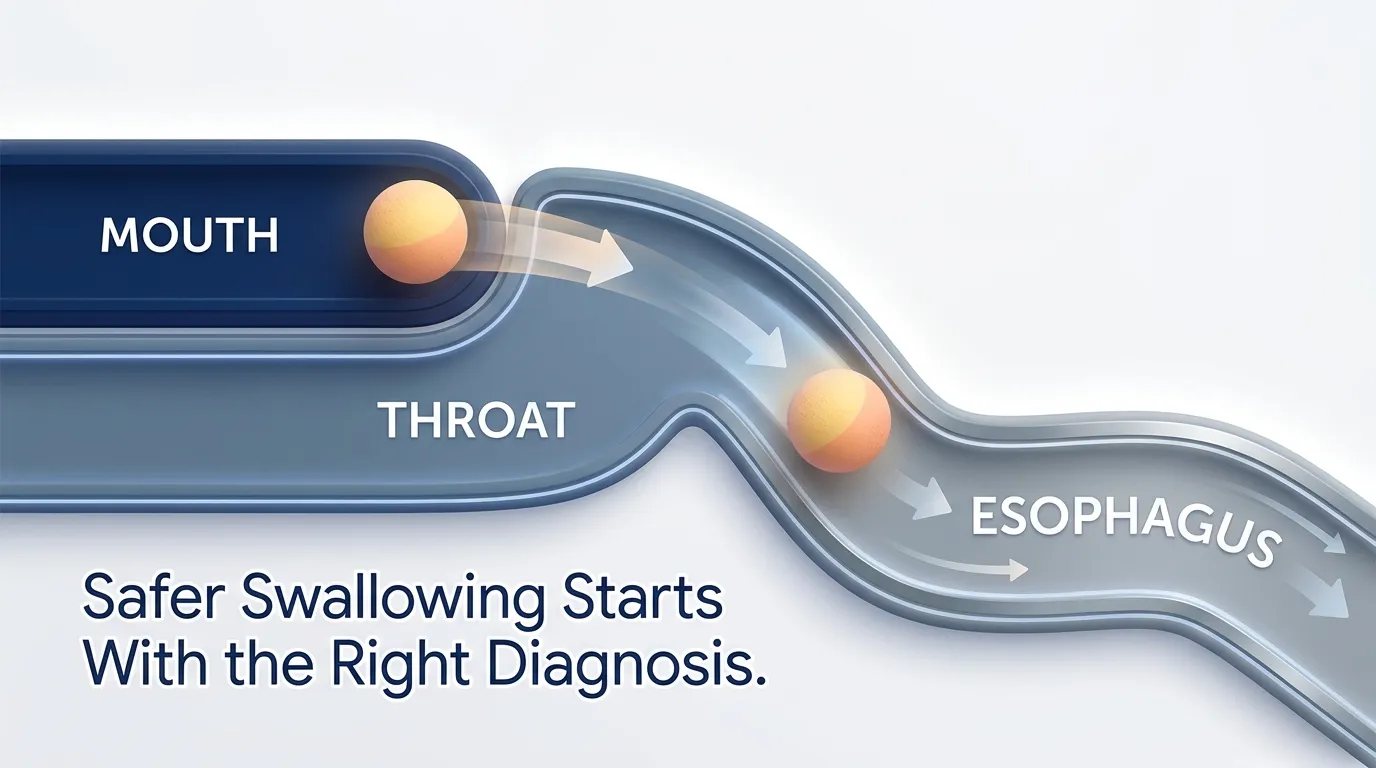
As we get older, swallowing can start to feel different: drinks trigger coughs, meals take longer, or certain foods feel hard to get down. Sometimes these are normal age-related changes. Other times, they signal a medical swallowing disorder called dysphagia—raising risks for dehydration, poor nutrition, and aspiration (food or liquid entering the airway), which may lead to aspiration pneumonia. A useful image is a relay race: the “baton” (food/liquid) must move smoothly from mouth to throat to esophagus. If strength or timing changes, it’s easier for material—especially thin liquids like water—to “go the wrong way.” The good news: with the right evaluation, many people improve using swallow therapy, meal-time strategies, and, when appropriate, diet adjustments.
If you’re new to the topic, you may also find our overview helpful: What Is Difficulty Swallowing (Dysphagia)? https://sleepandsinuscenters.com/blog/what-is-difficulty-swallowing-dysphagia
Paying attention to new or worsening swallow changes is the first step to safer, more comfortable eating.
What Is Dysphagia (and How Is It Different From Presbyphagia)?
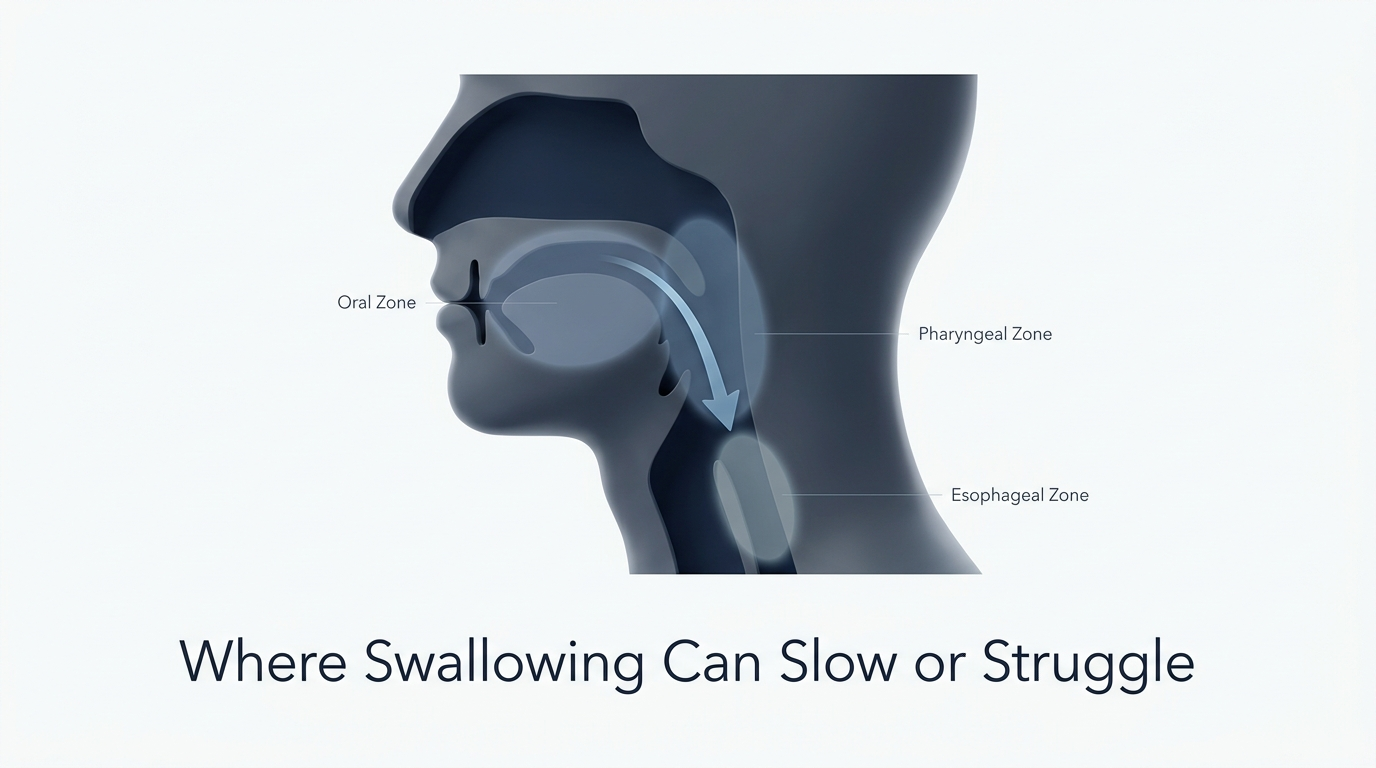
Dysphagia means difficulty swallowing. It can occur at different points along the swallow pathway, and symptoms often vary depending on where the issue is:
- Oral phase: trouble chewing, forming a bite, or controlling food/liquid in the mouth
- Pharyngeal phase: trouble triggering the swallow, moving food through the throat, or protecting the airway
- Esophageal phase: trouble moving food through the esophagus, often described as food “sticking” lower down
In older adults, identifying the phase matters because it guides testing and treatment. For example, coughing during sips often points to throat/airway protection issues, while a “stuck” sensation lower in the chest can suggest an esophageal concern that needs different evaluation.
Presbyphagia refers to common age-related swallowing changes—often slower or less efficient—but not necessarily dangerous on their own. It’s best thought of as reduced “swallowing reserve.” If you’re tired, sick, or on new medications, that reduced reserve can tip into true dysphagia. Persistent or worsening symptoms still deserve clinical evaluation.
Normal aging can change swallowing, but ongoing or worsening problems should be checked.
How Swallowing Changes With Age (Presbyphagia)
- Slower reflexes and weaker muscles: Aging may slightly delay swallow initiation and reduce muscle strength/coordination. That’s one reason quick, large sips of thin liquids can trigger cough.
- Common contributors inside the mouth: reduced tongue strength and control, dry mouth (xerostomia), and missing teeth or poorly fitting dentures can make chewing and forming a smooth “bolus” harder. Crumbly or dry foods may scatter in the mouth; tough meats may be tiring; bread or rice can feel sticky without enough saliva.
- Why changes can tip into dysphagia: Presbyphagia may stay mild until something adds strain—acute illness, frailty, new sedating medications, or a neurologic condition. Families often notice changes after a hospital stay or new diagnosis.
If new symptoms show up or old ones worsen, ask for a swallow evaluation rather than waiting for them to resolve on their own.
Age-related changes shrink your “wiggle room,” so added stressors can push safe swallowing into problem territory.
Dysphagia Causes in Older Adults (Beyond Normal Aging)
- Neurologic causes: Very common and include stroke, Parkinson’s disease, and other neuromuscular conditions that alter timing, coordination, and strength. People may report, “Sips make me choke,” or “I pause like I forget how to swallow.”
- Structural or mechanical causes: Narrowing (strictures), inflammation/scarring, tumors, or changes after head/neck surgery or radiation can make food feel like it’s sticking. Progressive “hang-up” with meats, bread, or pills warrants prompt evaluation.
- Medications and medical conditions: Sedatives and anticholinergics can reduce alertness or saliva. Reflux-related irritation can overlap with throat symptoms such as frequent throat clearing or discomfort; evaluation helps separate reflux from primary swallowing-phase problems.
Related reading if reflux is part of the picture:
- Silent GERD and its impact on ENT symptoms: https://sleepandsinuscenters.com/blog/silent-gerd-and-its-impact-on-ent-symptoms-causes-and-treatments
- LPR vs GERD: https://sleepandsinuscenters.com/blog/lpr-vs-gerd-throat-symptoms-key-differences-and-treatment-guide
Knowing the underlying cause is key—neurologic, structural, medication-related, or reflux-driven issues call for different workups and treatments.
Symptoms of Dysphagia in Seniors (What to Watch For)
Common symptoms
- Coughing or choking during meals or with liquids
- Wet/gurgly voice after swallowing
- Needing multiple swallows per bite or sip
- Food feeling like it’s sticking in the throat or chest
- Painful swallowing (odynophagia) or avoiding certain textures
What painful swallowing means: What Is Odynophagia? https://sleepandsinuscenters.com/blog/what-is-odynophagia
Subtle signs families often notice
- Unexplained weight loss, dehydration, or loss of appetite
- Meals taking much longer; fatigue while eating
- Recurrent chest infections, frequent “bronchitis,” or a history of pneumonia (possible aspiration)
- “Workarounds” like tiny bites only, avoiding restaurants or mixed textures, or needing a sip after every bite
About “a lump in the throat”: Globus sensation can overlap with swallowing concerns but isn’t always the same as dysphagia:
Globus Sensation Explained https://sleepandsinuscenters.com/blog/globus-sensation-explained-causes-symptoms-and-treatment-guide
Red flags—seek urgent evaluation
- Sudden swallowing trouble, especially with stroke warning signs
- Inability to swallow saliva, new drooling, or breathing difficulty
- Repeated coughing fits with every sip, or fever after a choking episode
- Progressive, unexplained symptoms
New, persistent, or progressive symptoms—especially with coughing, weight loss, or chest infections—should be evaluated.

Why Dysphagia Can Be Dangerous: Aspiration, Malnutrition, and Quality of Life
Aspiration occurs when food, liquid, or saliva enters the airway instead of the esophagus. In older adults, weaker airway protection and reduced cough strength can increase risk. Aspiration can be obvious (with coughing) or “silent,” with minimal outward signs. Because silent aspiration exists, a swallow study is often recommended even when someone simply “eats slower” without dramatic symptoms.
If you’d like to learn more about silent aspiration concerns, see:
Silent Swallowing Disorders: Causes, Symptoms, and Treatment Guide https://sleepandsinuscenters.com/blog/silent-swallowing-disorders-causes-symptoms-and-treatment-guide
When swallowing is stressful, people may drink less, avoid foods, or restrict textures too far. Over time, that raises risks for dehydration and malnutrition. The goal is to balance safety with adequate intake—keeping meals both safe and enjoyable whenever possible.
Aspiration risk and under-nutrition are real concerns, so plans should protect both safety and adequate intake.
How Doctors Diagnose Dysphagia (What Patients Can Expect)
Start with the right team: Evaluation usually starts with primary care and may involve an ENT and a speech-language pathologist (SLP) trained in swallowing disorders. At Sleep and Sinus Centers of Georgia, ENT evaluation can assess throat anatomy and function and coordinate next-step testing when needed. Bringing a simple “swallowing timeline” helps guide testing: when symptoms began, which foods/liquids trigger issues, whether coughing happens during or after swallowing, and whether weight loss or pneumonia has occurred.
Common tests (plain-language overview)
- Clinical swallow evaluation: history and observation across textures
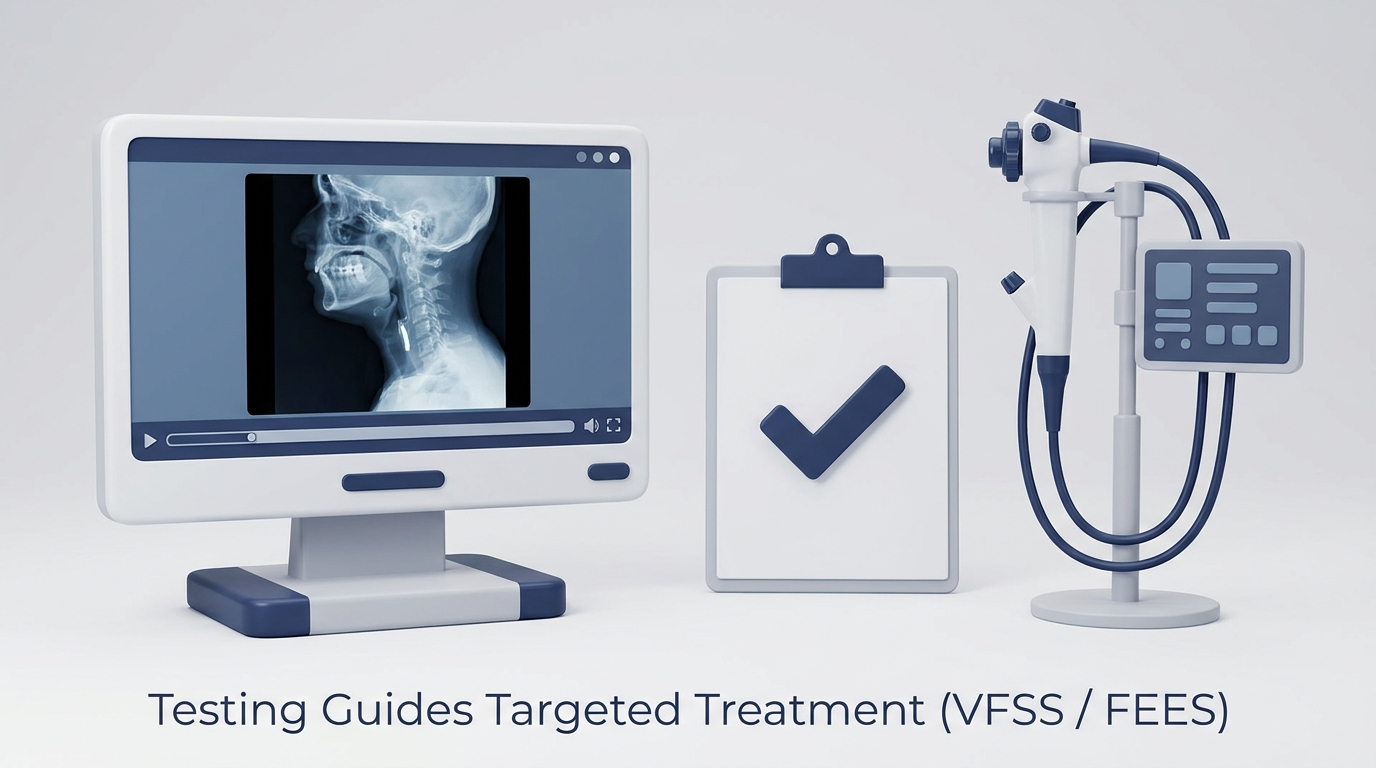
- Videofluoroscopic swallow study (VFSS/modified barium swallow): an X-ray video of swallowing in real time
- FEES (fiberoptic endoscopic evaluation of swallowing): a small camera view of throat function during swallowing
- If esophageal symptoms dominate, additional imaging or endoscopy may be recommended
These tests aren’t about passing or failing; they reveal timing, strength, residue, and airway protection so treatment can be targeted and safer.
The goal of testing is clarity—seeing what’s happening so treatment can be precise.
Treatments That Help: Swallow Therapy, Exercises, and Medical Care
Swallowing therapy (a core treatment): For many older adults, SLP-guided therapy improves strength, timing, coordination, and airway protection while helping meals feel safer and more comfortable.
Evidence-based exercises: Examples include the effortful swallow and exercises targeting tongue strength or specific movement patterns. These should be prescribed and coached by a clinician based on your swallow study; techniques that help one person can be unsafe for another.
Compensatory strategies during meals
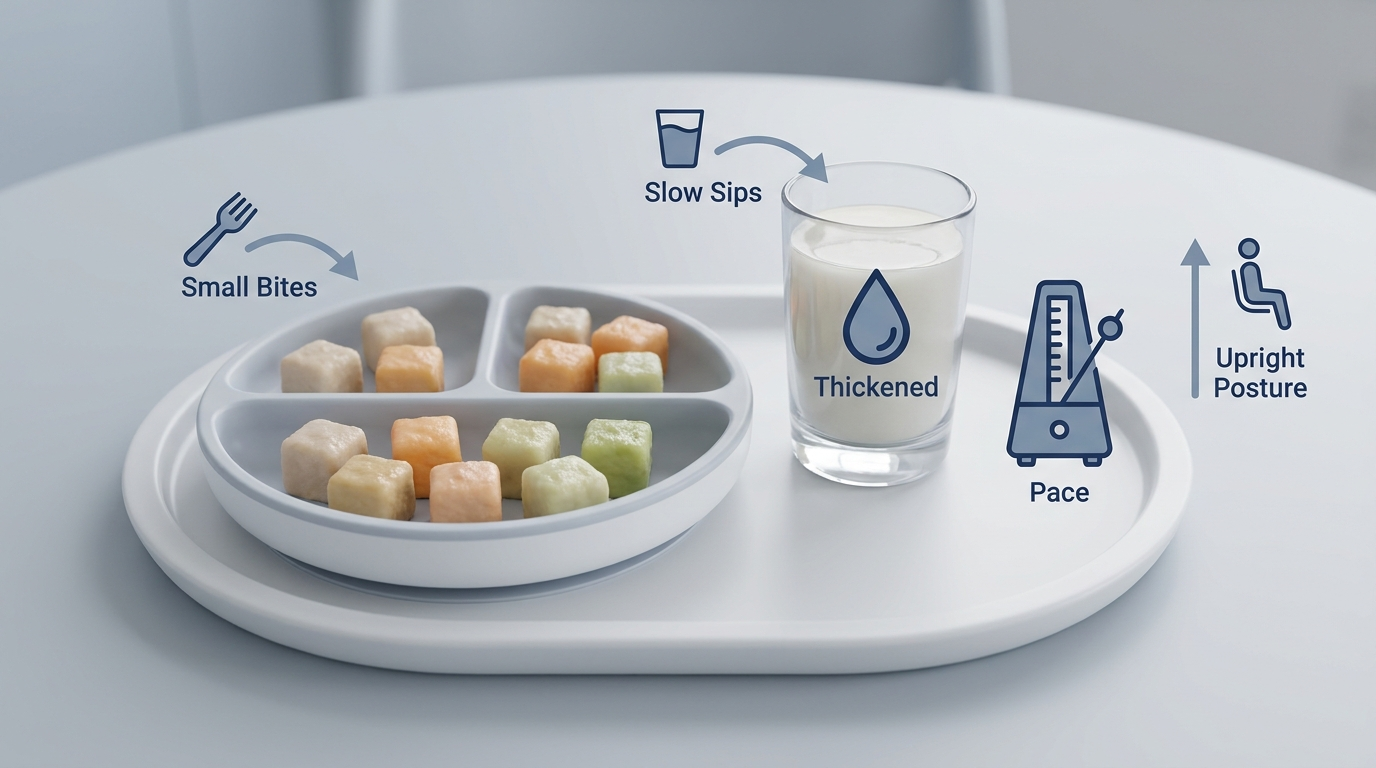
- Upright posture during meals (and, when advised, remaining upright afterward)
- Smaller bites/sips and a slower pace
- Alternating solids and liquids
- Reducing distractions and focusing on swallowing
- Posture changes (like chin tuck) only if specifically recommended
Always follow individualized guidance from a clinician or speech-language pathologist.
Treat the underlying cause: Effective plans address contributors such as stroke rehab, Parkinson’s care, medication review for dry mouth or sedation, reflux management when indicated, and specialist treatment if a structural blockage is suspected.
Combine short-term safety strategies with targeted therapy—and tailor everything to the cause.
Dysphagia Diets and Texture Modifications (Safety Without Starving)
Why texture changes help: Adjusting texture can improve control and reduce aspiration risk—especially with quickly moving liquids. The “right” texture is the one matched to an individual’s swallow findings. If thin liquids are the issue, thickening may help; if chewing is hard, softer foods may help; if residue is the main problem, other strategies may be preferable to pureeing everything.
Common dysphagia diet levels (patient-friendly overview)
- Soft & bite-sized or minced & moist foods (often described using IDDSI standardized food levels)
- Pureed foods (IDDSI Level 4)
- Thickened liquids at standardized consistency levels (often described clinically using IDDSI levels)
Important note on thickened liquids: Thickened liquids can help some people by slowing liquid flow and improving control, but they are not right for everyone, may not eliminate aspiration risk, and can reduce acceptance or hydration. They should be matched to an individualized swallow evaluation and monitored for nutrition and hydration impact.
Practical nutrition tips
- Use calorie- and protein-dense soft foods (e.g., Greek yogurt, blended soups, smoothies as allowed)
- Consider approved nutrition boosters when appropriate
- Track fluids if liquids are thickened; vary flavors and temperatures for appeal
- Tell your care team if intake drops after texture changes—plans can be adjusted
Always follow individualized guidance from a clinician or speech-language pathologist.
Texture changes should be precise, personalized, and paired with nutrition and hydration goals.

Lifestyle & Home Safety Tips (Day-to-Day Swallowing Support)
Mealtime setup checklist
- Sit upright for meals; remain upright afterward if advised
- Take small bites, chew thoroughly, and consider a second swallow if needed
- Avoid talking or laughing with food in the mouth
- If fatigue is an issue, try smaller, more frequent meals
Mouth and dental care matters: Good oral hygiene and well-fitting dentures support safer, more efficient chewing and may reduce harmful oral bacteria if aspiration occurs.
Manage dry mouth: Plan hydration, consider humidification and saliva substitutes, and ask a clinician if medications could be contributing—without stopping any medication on your own.
Always follow individualized guidance from a clinician or speech-language pathologist.
Small daily habits—posture, pacing, oral care—can meaningfully improve safety and comfort.
When to See an ENT (or Swallow Specialist) for Dysphagia
“It’s time to get checked” scenarios—seek evaluation if you notice:
- Ongoing coughing with meals
- Weight loss or dehydration
- A sticking sensation or progressive difficulty
- Recurrent respiratory infections or pneumonia
For general guidance on ENT evaluation: When Should I See an ENT? https://sleepandsinuscenters.com/blog/when-should-i-see-an-ent
What an ENT clinic can evaluate: ENTs assess throat anatomy, vocal cord movement, and signs of irritation (including reflux considerations), and coordinate instrumental swallow testing with an SLP when appropriate.
If you’re ready to take the next step, you can book an appointment with Sleep and Sinus Centers of Georgia: https://www.sleepandsinuscenters.com/
Don’t wait on persistent symptoms—an evaluation can clarify the cause and the safest next steps.
FAQs
Is it normal to have trouble swallowing as you age?
Some changes (presbyphagia) are common, but persistent symptoms shouldn’t be ignored—especially if there’s coughing, weight loss, dehydration, or repeated chest infections.
What are the most common causes of dysphagia in older adults?
Neurologic causes are common—especially stroke and Parkinson’s disease—along with other neuromuscular conditions that affect coordination.
What’s the difference between choking and aspiration?
Choking is an airway blockage that impairs breathing. Aspiration is when material enters the airway; it may cause coughing or be silent.
Do thickened liquids really help?
They can help some people by slowing liquid flow and improving control, but they’re not universally helpful and should be matched to an individualized swallow evaluation and nutrition plan.
Can swallowing therapy actually improve dysphagia?
Many people improve with targeted therapy and clinician-selected exercises, plus practical strategies—another reason early evaluation matters.
When is dysphagia an emergency?
Sudden onset swallowing trouble, inability to handle saliva, breathing problems, stroke symptoms, or repeated severe choking episodes are commonly treated as urgent warning signs.
Conclusion — Safer Swallowing Starts With the Right Diagnosis
Swallowing can change with age due to presbyphagia, but persistent or worsening symptoms may indicate dysphagia with real risks like aspiration, dehydration, and malnutrition. The most helpful next step is a thorough evaluation to identify why swallowing is hard—timing, strength, airway protection, or a structural issue—followed by an individualized plan that may include swallow therapy, strategies, and carefully chosen diet modifications.
If swallowing has become stressful—coughing with water, meals that take forever, or food that feels stuck—don’t write it off as “just getting older.” Getting checked can help you eat and drink more safely and confidently.
For more background, revisit: What Is Difficulty Swallowing (Dysphagia)? https://sleepandsinuscenters.com/blog/what-is-difficulty-swallowing-dysphagia
The right evaluation turns guesswork into a clear, personalized plan for safer swallowing.
Sources
1. Mayo Clinic. Dysphagia: Symptoms & causes. https://www.mayoclinic.org/diseases-conditions/dysphagia/symptoms-causes/syc-20372028
2. ENT Health. Aging and Swallowing. https://www.enthealth.org/conditions/aging-and-swallowing/
3. ASHA Practice Portal. Adult Dysphagia. https://www.asha.org/practice-portal/clinical-topics/adult-dysphagia/
4. NCBI/PMC review literature on presbyphagia/dysphagia mechanisms and rehab exercises: https://pmc.ncbi.nlm.nih.gov/articles/PMC10131003/ and https://pmc.ncbi.nlm.nih.gov/articles/PMC3426263/
5. International Dysphagia Diet Standardisation Initiative (IDDSI). Framework and Testing Methods. https://iddsi.org
Medical Disclaimer
Medical disclaimer: This article is for educational purposes only and is not medical advice. If you have sudden or severe swallowing trouble, breathing difficulty, stroke symptoms, or repeated choking episodes, seek urgent medical care. For ongoing symptoms, schedule an evaluation with a qualified clinician.
This article is for educational purposes only and is not medical advice. Please consult a qualified healthcare provider for diagnosis and treatment.
Don’t let allergies slow you down. Schedule a comprehensive ENT and allergy evaluation at Sleep and Sinus Centers of Georgia. We’re here to find your triggers and guide you toward lasting relief.