Why Surgery Alone Isn’t Enough for Autoimmune-Related Sinus Disease Treatment
When you’re living with ongoing congestion, facial pressure, post-nasal drip, and “sinus infections” that keep coming back, it’s understandable to hope that surgery will be the one-and-done fix. Sinus procedures can be extremely helpful—but for many patients with immune-driven inflammation, surgery is only one part of a longer-term plan.
A common patient experience sounds like: “I could finally breathe after surgery… but a few months later the pressure and drainage started creeping back.” That pattern doesn’t mean the procedure “failed.” It often means the driver of symptoms wasn’t only anatomy.
Many sinus symptoms reflect inflammation rather than bacterial infection. Autoimmune sinusitis—an immune-driven type of sinus inflammation that is less common and often requires specialized evaluation—can look like chronic sinusitis but tends to recur unless inflammation is medically controlled.
This post explains why autoimmune-related sinus disease treatment typically works best when surgery and medical therapy are combined, what symptoms may suggest the condition is immune-driven, and how a patient-friendly care plan may be structured over time.
Quick takeaway—what surgery can (and can’t) fix
What sinus surgery is designed to do
Most sinus procedures are designed to address anatomy and airflow, such as:
- Opening blocked sinus pathways to improve drainage
- Reducing structural obstruction that traps mucus and contributes to pressure
- Creating better access so topical therapies (like irrigations and sprays) can reach inflamed sinus tissue more effectively
Think of surgery as improving the “hallways and doorways” of your sinuses—wider openings, better drainage routes, and fewer bottlenecks.
If you want a plain-language overview of what a procedure involves, see this Sleep and Sinus Centers of Georgia resource on endoscopic sinus surgery: https://sleepandsinuscenters.com/blog/endoscopic-sinus-surgery-what-patients-should-know

Why autoimmune sinus disease is different
With autoimmune sinusitis, the core issue often isn’t just narrow passageways—it’s that the immune system is driving ongoing inflammation in the sinus lining. That immune activation can persist even if the drainage pathways have been opened. The immune system can remain active inside sinus tissues due to complex factors, requiring ongoing treatment to keep symptoms controlled.
In other words: surgery can improve the “plumbing,” but it doesn’t necessarily “turn off” the immune signal that keeps inflaming the tissue. Another helpful analogy is a thermostat: if the immune system keeps “turning the heat up,” the lining can swell again even after you’ve widened the pathways.
Sleep and Sinus Centers of Georgia discusses this immune connection here:
Autoimmune sinusitis signs: https://sleepandsinuscenters.com/blog/autoimmune-sinusitis-key-signs-your-sinus-problems-20260203051202
Chronic sinusitis and autoimmune disease connection: https://sleepandsinuscenters.com/blog/chronic-sinusitis-and-autoimmune-disease-connection-20260204051234
Bottom line: Surgery improves structure and access, but medical therapy is usually needed to control immune-driven inflammation.

What autoimmune-related sinus disease can look like (symptoms patients notice)
Common sinus symptoms
Immune-driven sinus inflammation can look a lot like chronic sinusitis from other causes. Symptoms may include:
- Nasal congestion or obstruction
- Thick drainage and/or post-nasal drip
- Facial pressure or fullness
- Reduced sense of smell
Some people also describe a persistent “stuffed” sensation that fluctuates day to day, or drainage that is annoying and constant even when they don’t feel acutely sick.
Signs your sinus issues may be immune-driven (not “just infections”)
Some patterns raise suspicion that inflammation—not recurring bacteria alone—is the main driver:
- Symptoms that return soon after antibiotics, steroids, or even surgery
- Frequent flares that feel bigger than a typical cold
- Ongoing irritation, dryness, or crusting
- Symptoms that seem out of proportion to what you’d expect from a short-lived infection
- Systemic symptoms that may occur alongside certain immune conditions (for example fatigue, joint pain, or rashes—depending on the underlying diagnosis)
A clinician might summarize it like this: “If it keeps acting like an infection but doesn’t behave like an infection, we have to consider inflammation as the main engine.”
Sleep and Sinus Centers of Georgia reviews several of these patterns here: https://sleepandsinuscenters.com/blog/autoimmune-sinusitis-key-signs-your-sinus-problems-20260203051202
When to seek urgent care
Sinus symptoms are usually not emergencies, but some warning signs should be evaluated urgently, such as:
- Vision changes or double vision
- Significant swelling/redness around an eye
- High fever
- Severe headache, neck stiffness, or confusion
This is not a complete list—seek urgent evaluation for any rapidly worsening or concerning symptoms.
Key idea: If symptoms keep bouncing back or feel “bigger than a cold,” ask whether inflammation—not infection—is the main driver.

Causes—why symptoms persist even after a “successful” sinus procedure
Anatomy vs. inflammation (the core problem)
Surgery can successfully widen sinus openings and improve drainage—yet immune-driven sinus inflammation may continue to swell the mucosal lining. That ongoing swelling can recreate the same “blocked” feeling over time even when the underlying anatomy has been improved.
Ongoing immune activation can re-create blockage
Even after the sinuses are opened:
- Inflamed tissue can swell again
- Swelling narrows the newly opened pathways
- Drainage becomes less efficient
- Symptoms such as pressure, congestion, and drainage may gradually return
For some patients, persistent inflammation may also increase susceptibility to secondary infections—making it feel like “constant sinus infections,” even if the root cause is primarily inflammatory.
If immune deficiency overlaps, infections may keep recurring
Not all immune problems are autoimmune. Some people have immune dysfunction (including forms of immune deficiency) that make them more prone to frequent or prolonged infections. In those cases, prevention strategies and a clear infection-management plan become especially important.
For a helpful overview of recurrent sinus issues and immune dysfunction, see the Primary Immune Deficiency Foundation’s educational resource: https://primaryimmune.org/resources/news-articles/managing-sinus-issues
Core message: Anatomy can be fixed with surgery; immune activation often needs ongoing medical control.
What surgery does contribute in autoimmune-related sinus disease treatment
Better airflow and drainage
By reducing obstruction, surgery can decrease stagnation and help relieve pressure. That improved drainage can make day-to-day symptoms easier to manage, even when inflammation is part of the picture.
Improved access for topical therapy
One of the biggest advantages of surgery in chronic inflammatory disease is what comes after: topical treatment can often reach deeper sinus spaces more reliably. This matters because topical therapy is a core component of post-sinus-surgery medical therapy.
When surgery is most helpful
- Significant anatomic obstruction (severe narrowing, polyps, or persistent blockage)
- Symptoms that continue despite an optimized medical plan
- A need to improve access for topical therapies long-term
Sleep and Sinus Centers of Georgia discusses the broader chronic sinusitis and autoimmune connection—and why controlling inflammation matters—here: https://sleepandsinuscenters.com/blog/chronic-sinusitis-and-autoimmune-disease-connection-20260204051234
Think of surgery as setting the stage so medical therapy can work better, longer.

The combined approach that works better than surgery alone (treatments)
The goal of a combined plan is straightforward: open the sinuses + calm immune-driven inflammation + prevent recurrence. For many patients, that’s the heart of effective autoimmune-related sinus disease treatment. A useful way to think about this is “structure + strategy”: surgery helps the structure, while ongoing therapy is the strategy that keeps inflammation from rebuilding the same problem.
Step 1 — Local (sinus-focused) therapies
Local therapies aim to improve mucus clearance and reduce inflammation at the tissue level. Educational examples commonly include:
- Saline irrigation routines (used regularly or during flares, depending on the plan)
- Topical nasal steroids (sprays) and, in select cases, steroid irrigations
- Moisturization/humidification strategies when dryness or crusting is prominent
For a deeper look at the role of steroid rinses, Sleep and Sinus Centers of Georgia has a helpful explainer: https://sleepandsinuscenters.com/blog/steroid-rinses-a-modern-approach-to-sinus-relief
Step 2 — Targeted medical management of the underlying immune condition
If sinus inflammation is being driven by a systemic immune condition, local therapy alone may not be enough. Coordination with specialists—often an ENT alongside a rheumatologist and/or an allergist-immunologist—may be considered to address the underlying disease process.
Depending on the diagnosis and overall health context, treatment may involve:
- Short courses of oral steroids in more severe inflammatory episodes (when appropriate)
- Disease-specific immunomodulating medications (varies widely by condition; prescription-only and used under specialist guidance)
- Biologics for sinus inflammation in selected inflammatory phenotypes, when a clinician determines they fit the patient’s pattern of disease (prescription-only and specialist-directed)
This “immune control” component is often what reduces sinus surgery recurrence in immune-driven disease—because it targets the reason swelling returns.
Step 3 — Infection management (only when truly infectious)
A common frustration for patients is cycling through antibiotics without lasting relief. That may happen when symptoms are being driven more by inflammation than bacteria.
Educational principles often include:
- Clinicians aim to avoid repeated antibiotics when symptoms suggest a non-bacterial cause
- Using culture-guided therapy when infections are frequent, resistant, or unclear
- Reassessing whether symptoms fit an inflammatory vs. infectious pattern
Sleep and Sinus Centers of Georgia breaks down these distinctions here: https://sleepandsinuscenters.com/blog/inflammatory-vs-infectious-sinusitis-key-difference-20260205021132
The Primary Immune Deficiency Foundation also discusses management approaches for recurrent sinus issues in immune dysfunction: https://primaryimmune.org/resources/news-articles/managing-sinus-issues
Best results come from pairing the right procedure with the right long-term anti-inflammatory and infection strategy.

What a patient-friendly care plan can look like (example framework)
During a flare
A flare plan often focuses on:
- Re-checking symptom pattern (inflammation vs. infection clues)
- Temporarily intensifying local therapies
- Following a clinician-directed anti-inflammatory strategy when indicated
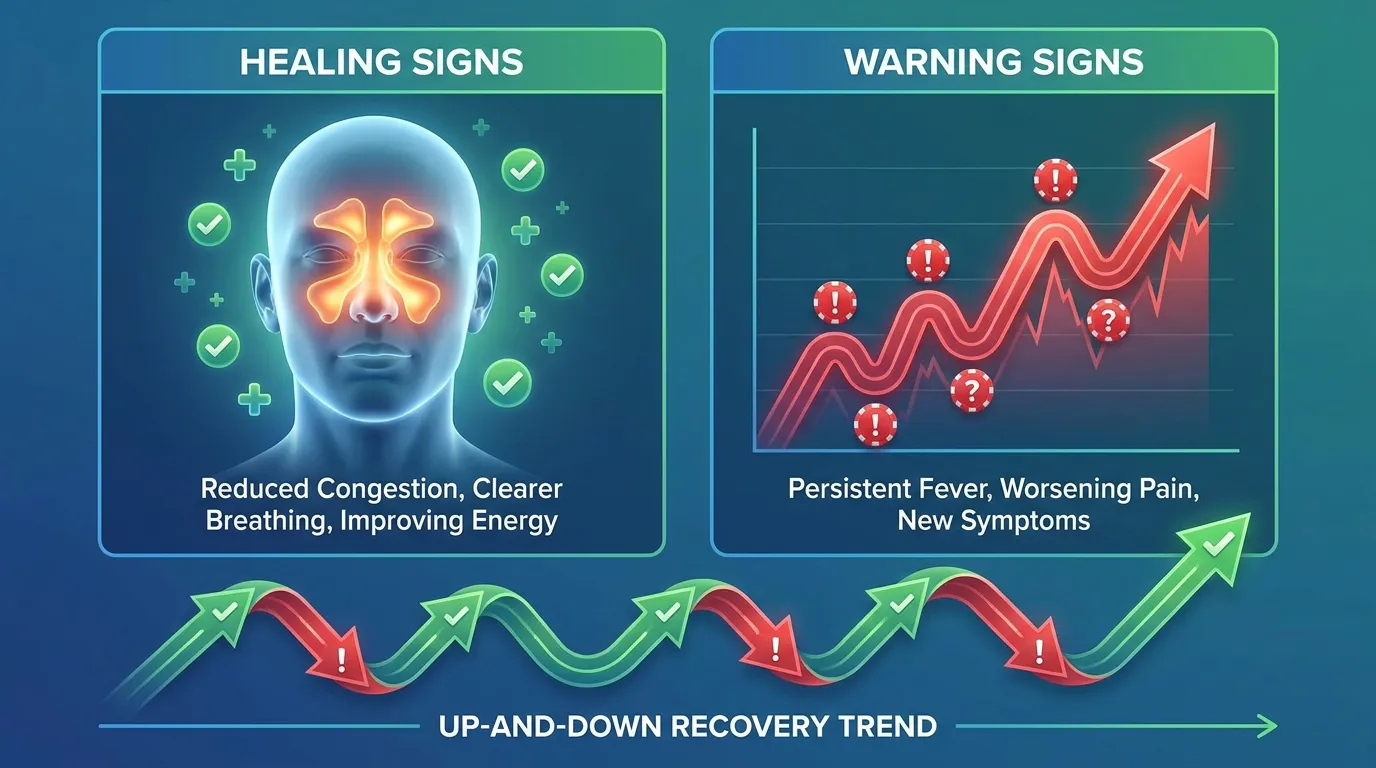
Some patients keep a simple “flare note” on their phone: what started first, what helped, and how long it lasted. Over time, that timeline can reveal whether flares track more with irritant exposure, seasonal allergies, or broader immune activity.
Maintenance phase
Maintenance plans commonly include:
- Consistent local therapy routines to prevent buildup and swelling
- Trigger identification (seasonal allergies, smoke exposure, irritants)
- Scheduled follow-ups and a clear refill/renewal plan for ongoing therapies
The maintenance goal is usually fewer surprises: fewer sudden setbacks and a clear plan for what to do when symptoms begin to shift.
Follow-up milestones after surgery
After a procedure, follow-up typically centers on:
- Monitoring healing and keeping sinus openings clear
- Updating the long-term regimen once anatomy supports better topical delivery
- Reassessing whether systemic immune evaluation is warranted based on recurrence pattern
For a broader overview of options that may be part of a comprehensive plan, review Sleep and Sinus Centers of Georgia’s chronic sinusitis treatment page: https://sleepandsinuscenters.com/chronic-sinusitis-treatment
Plan ahead for flares, stick with maintenance, and use follow-ups to fine-tune long-term control.
Lifestyle tips that support long-term control (especially post-surgery)
Reduce irritants that fuel inflammation
Irritants can amplify immune-driven swelling. Sleep and Sinus Centers of Georgia shares practical guidance on avoiding irritants that trigger sinus flare-ups: https://sleepandsinuscenters.com/blog/avoiding-irritants-that-trigger-sinus-flare-ups
A simple, real-world example is smoke exposure (including secondhand smoke) or strong fragrances at work—both can aggravate already-inflamed tissue and make a “minor” flare feel much bigger.
Allergy and asthma optimization (when relevant)
Allergies can “pile on” inflammation even when the primary driver is immune dysregulation. When present, controlling allergic triggers can reduce overall inflammatory burden.
Humidity and hydration
Dry indoor air can worsen crusting and irritation. Many people find that supportive moisture strategies improve comfort and mucus clearance, especially in winter or in aggressively air-conditioned environments.
Sleep and stress basics
Poor sleep and chronic stress don’t cause autoimmune disease, but they can worsen symptom perception and recovery. Solid sleep routines and stress management can support overall wellbeing alongside medical care.
Small daily habits—especially irritant avoidance and moisture support—make medical therapy work harder for you.
FAQs
Can sinus surgery cure autoimmune sinus disease?
Sinus surgery can improve airflow and drainage, but it usually does not cure immune-driven inflammation. Many patients still need ongoing medical therapy to control autoimmune sinusitis patterns. https://sleepandsinuscenters.com/blog/chronic-sinusitis-and-autoimmune-disease-connection-20260204051234
Why do my symptoms come back after surgery?
When the immune system continues to inflame the sinus lining, swelling can return and re-narrow sinus pathways over time—leading to renewed congestion, drainage, and pressure.
How do doctors tell infection vs. inflammation?
Clinicians often use history and timing, nasal endoscopy findings, and sometimes cultures or imaging. Response patterns (for example, short-lived antibiotic benefit vs. improvement with anti-inflammatory therapy) can also provide clues: https://sleepandsinuscenters.com/blog/inflammatory-vs-infectious-sinusitis-key-difference-20260205021132
Who should be on my care team?
Many patients benefit from an ENT plus, when indicated by symptoms or lab findings, a rheumatologist and/or an allergist-immunologist—especially with recurrent disease or systemic symptoms.
If I have immune deficiency, will I need different treatment?
Possibly. People with immune deficiency may need a prevention-focused plan and a clear approach to managing recurrent infections. https://primaryimmune.org/resources/news-articles/managing-sinus-issues
When is surgery still worth considering?
Surgery can be valuable when medical therapy isn’t enough or when there’s major obstruction. In immune-driven disease, it often “sets the stage” for better long-term control—rather than replacing the need for medical management.
Surgery can be a key part of treatment—but lasting relief usually requires ongoing control of inflammation.
When to book an ENT evaluation (clear next steps)
Consider an ENT evaluation if you’ve had:
- Symptoms lasting longer than 12 weeks
- Frequent “sinus infections” or poor response to standard therapy
- Symptoms that return quickly after prior surgery
- Signs that suggest a systemic/immune condition may be contributing
Helpful items to bring include a current medication list, a symptom/flare timeline, prior CT reports (if available), any autoimmune diagnosis history, and allergy testing results.
For a broader overview of options that may be part of a comprehensive plan, review Sleep and Sinus Centers of Georgia’s chronic sinusitis treatment page: https://sleepandsinuscenters.com/chronic-sinusitis-treatment
If you’re ready to get a clearer diagnosis and a long-term plan (not just another short-term fix), you can book an appointment with Sleep and Sinus Centers of Georgia here: https://www.sleepandsinuscenters.com/
If symptoms keep bouncing back, it’s time for a comprehensive plan that pairs the right procedure with sustained medical therapy.
This article is for educational purposes only and is not medical advice. Please consult a qualified healthcare provider for diagnosis and treatment.
Don’t let allergies slow you down. Schedule a comprehensive ENT and allergy evaluation at Sleep and Sinus Centers of Georgia. We’re here to find your triggers and guide you toward lasting relief.