Uvulopalatopharyngoplasty (UPPP) Recovery: What to Expect After Surgery and Healing Timeline
Recovering from uvulopalatopharyngoplasty can feel intimidating—mainly because the throat is involved, swallowing is essential, and discomfort can be significant. It’s also a high-traffic area: you swallow hundreds of times a day, talk, cough, and breathe through tissues that are actively healing.
The good news: knowing what’s typical (and what’s not) can make the process less stressful and help you plan work, meals, and rest. Many patients say the uncertainty is almost as frustrating as the soreness—so having a roadmap helps. Pain intensity varies by person, and day-to-day patterns can change as healing progresses.
Below is an educational guide to UPPP recovery, including a week-by-week healing timeline, common symptoms, diet ideas, and warning signs to take seriously. Always prioritize your surgeon’s UPPP post-op instructions, since individual recommendations vary. Bottom line: preparation, hydration, and clear expectations make a noticeable difference during recovery.
Quick Overview — What Is UPPP and Why Recovery Matters
Uvulopalatopharyngoplasty (UPPP) is a surgical procedure that removes or reshapes tissues in the back of the throat (often including the uvula and parts of the soft palate). It’s commonly used to address anatomic airway obstruction, including in some cases of snoring and obstructive sleep apnea (OSA). You can learn more about snoring and sleep apnea treatment options at Sleep and Sinus Centers of Georgia: https://sleepandsinuscenters.com/snoring-sleep-apnea-treatment
What UPPP changes in your throat (and why it’s painful)
The back of the throat is highly sensitive and constantly moving (swallowing, speaking, coughing). After surgery, inflammation and exposed healing surfaces can make pain and swallowing difficulty a central part of the recovery period. A helpful analogy: early healing tissue can feel like a raw scrape or sunburn—except it’s in a place that moves every time you swallow. Even when surgery goes smoothly, discomfort can be significant. Pain varies widely between patients, and good pain control helps support hydration and sleep.
Who typically has UPPP (snoring/OSA treatment context)
UPPP may be part of a treatment plan for airway obstruction in OSA. Outcomes vary, and follow-up is important to evaluate symptoms and, in some cases, sleep study data. Key idea: UPPP targets obstructive tissue, but follow-up—sometimes including a sleep study—helps confirm outcomes and guide next steps.
The First 24–48 Hours After UPPP: What You’ll Likely Feel
Waking up from anesthesia—common sensations
Many people feel groggy, dry-mouthed, and sore when they wake up. Some also notice thick mucus, mild nausea, or a full throat sensation—often related to normal post-anesthesia effects plus swelling. It’s common to feel like something is in the back of the throat.
Throat pain begins early (and why staying ahead of pain matters)
Throat pain after UPPP often starts quickly and can be intense. Pain intensity and pattern vary, but early, scheduled pain control (as directed) supports better hydration and rest. Keeping pain manageable makes it easier to drink, swallow medications, and sleep.
Swallowing may feel difficult at first
Swallowing can feel sharp, tight, or stuck, especially with solid foods. Some patients also notice mild ear pain (referred pain from the throat). Many people find that thicker textures (like mashed potatoes) go down more comfortably than dry foods (like bread), especially early on. If swallowing difficulty is severe or worsening over time, contact your healthcare provider.
Early hydration strategy (small, frequent sips)
In early recovery, think small and steady. Frequent sips are often easier than big gulps. If plain water stings, chilled liquids, ice chips, or other approved options may feel more soothing while still providing fluid. First two days in a nutshell: expect soreness and swelling, focus on pain control and small, frequent sips to stay hydrated.
UPPP Recovery Timeline (Week-by-Week Healing Guide)

At a glance: • Days 1–3: Peak soreness/swelling; focus on hydration and rest • Days 4–7: Scab-like coating forms; some experience a second wave of pain • Days 8–14: Significant pain can persist; gradual activity and diet progress • Week 3: Pain typically eases; eating becomes more comfortable • Weeks 4–6: Many feel mostly normal, though deeper healing continues
Days 1–3 — Peak soreness and swelling
This is often the hardest stretch. Expect strong throat pain, low appetite, and fatigue. Many people do best focusing on taking medications exactly as directed, resting, and prioritizing fluids even if food intake is low. Practical planning tip: these days are rarely productive—clear your schedule, set up a comfortable sleep area, and rotate between resting, sipping fluids, and short, easy walks.
Days 4–7 — Pain can persist as the healing surface changes
As the throat’s healing surface develops a scab-like coating and begins to slough (often around days 5–10), discomfort can continue and sometimes feels worse for a few days. The throat may look white or gray—this is often normal healing tissue rather than infection. If pain worsens suddenly or dramatically, or you notice fever, increasing redness, or excessive bleeding, contact your surgical team promptly.
Week 2 (Days 8–14) — Many patients still have significant throat pain
Throat pain commonly lasts 2–3 weeks. You may be able to do more around the house, but your throat can still set limits. Talking a lot, going too long without fluids, or trying rough foods can trigger pain flares later that day.
Week 3 — Pain often improving, eating becomes easier
Most patients notice a sustained drop in pain and a wider range of tolerated foods. Continue to avoid scratchy items if they irritate your throat. Consider test-driving new foods at home first.
Weeks 4–6 — Feeling closer to normal
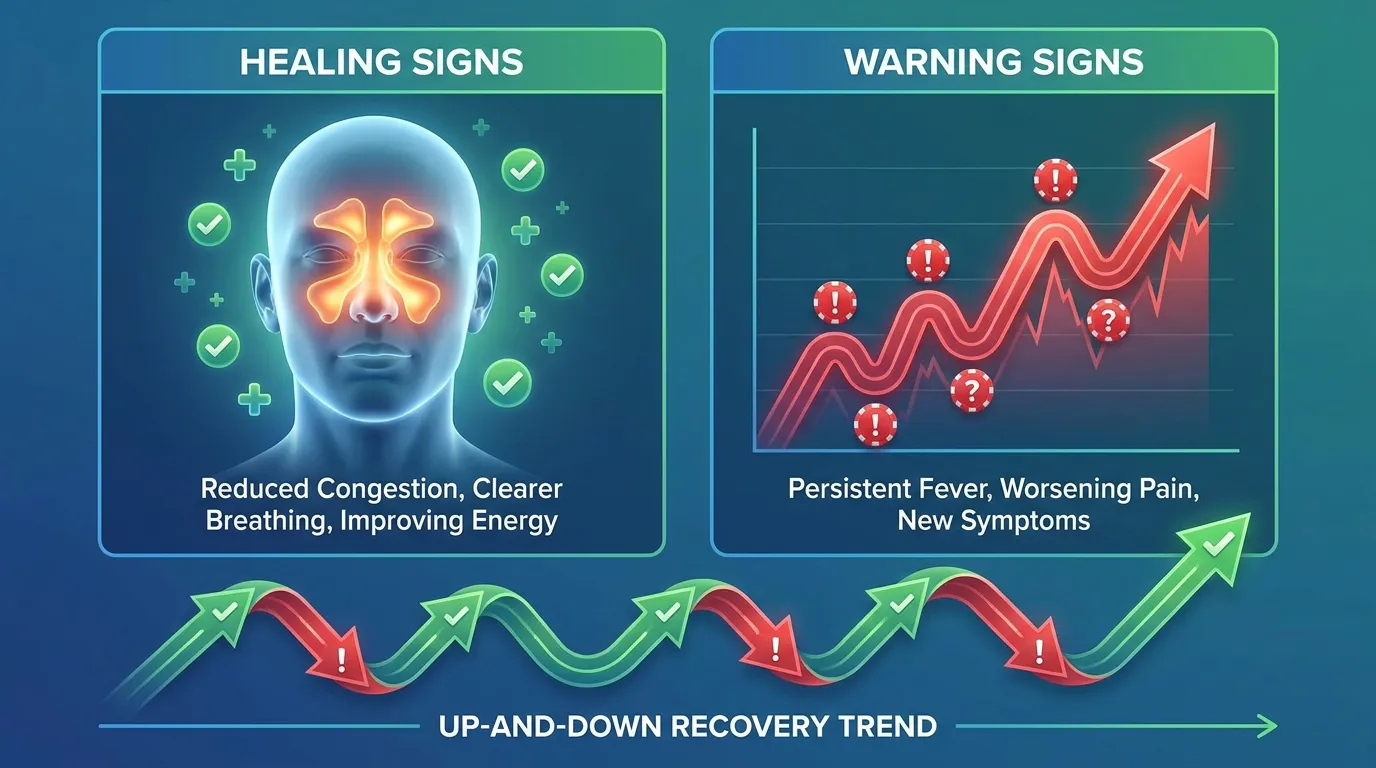
Many people feel mostly back to normal in the 3–6 week range, depending on surgical extent and individual healing. Even if you feel well, continue following your surgeon’s instructions on activity and follow-up, since deeper healing continues beneath the surface. Takeaway: healing isn’t linear—temporary day-to-day setbacks can happen, but most patients see steady progress over the first 3–6 weeks.
Normal Symptoms After UPPP (What’s Expected vs. Concerning)
Common, expected symptoms
• Throat pain for 2–3 weeks • Trouble swallowing, especially early with solid foods • Mild earaches (referred pain) • A something-stuck feeling in the throat • Bad breath (common with reduced oral intake and healing tissue)
“Is this normal?” symptom checklist
• White/gray appearance in the throat: often normal healing tissue/scabbing. If paired with fever, foul odor that seems unusual for you, increasing redness, or worsening pain after initial improvement, contact your surgical team. • Voice changes or a nasal-sounding voice: temporary changes can happen; discuss at follow-up if they persist or worry you. Rule of thumb: intense sensations can be normal after UPPP, but new, sudden, or worsening symptoms—especially with fever or bleeding—warrant a call to your surgeon.
Pain Management During UPPP Recovery (How to Get Through the Tough Weeks)

Why pain control is a big deal
Pain can reduce drinking and eating. Reduced fluid intake can lead to dehydration, thicker secretions, and more discomfort—creating a tough cycle. If you’re avoiding swallowing because it hurts, ask your care team to review your pain plan.
Medication tips
• Take medications exactly as prescribed and follow timing instructions. • Timing matters: staying on schedule early (as directed) can prevent chasing pain. • Discuss non-opioid options with your team (for example, scheduled acetaminophen and—only if your surgeon allows—ibuprofen) to help minimize or avoid opioids. • If opioids are prescribed, ask about managing constipation or nausea. • Only use over-the-counter medications your surgeon approves, especially anti-inflammatory medicines, which some surgeons restrict.
Non-medication comfort strategies (if allowed by your surgeon)
• Cold fluids, ice chips, or popsicles • A cool-mist humidifier at night • Voice rest as needed • Slight head elevation during sleep. Strategy snapshot: pair scheduled pain control with hydration and simple comfort measures to make swallowing and sleep easier.
Eating and Drinking After UPPP: Best Diet for Healing
The goal: soft, cool foods plus consistent hydration
A gentle approach to diet helps reduce irritation and supports healing. Early on, fluid intake often matters most; solid nutrition can build back gradually as swallowing improves.

What to eat (UPPP-friendly foods)
• Smoothies (avoid very acidic fruits early; citrus like oranges, lemons, and pineapple can sting) • Yogurt, pudding, applesauce • Mashed potatoes • Oatmeal (cooled down) • Scrambled eggs • Warm (not hot) soups and broths
What to avoid (to reduce irritation/bleeding risk)
• Acidic foods (citrus, tomato-based) • Crunchy/sharp foods (chips, crackers, toast) • Very hot drinks and spicy foods. Tolerance varies by patient—if a food stings or scratches, set it aside and try again later.

Hydration tips that help when swallowing hurts
• Set a timer and take small sips every few minutes. • Use a measured water bottle to track progress. • If approved, try popsicles or ice chips for hydration without gulping. Eating plan reminder: prioritize fluids, choose soft/cool foods, and reintroduce texture gradually as comfort allows.
Activity and Sleep: What You Can (and Can’t) Do While Healing
Activity restrictions
Many aftercare resources recommend avoiding strenuous activity for at least 2 weeks, while gentle walking is often encouraged. Keep walks light and stop if you feel dizzy, weak, or more painful.
When can you return to work after UPPP?
A common planning range is 1–2 weeks, but this varies widely with pain control, your specific surgery, and job demands. Jobs that require heavy lifting, prolonged speaking, or high exertion may require more time. Discuss timing and any modifications with your surgeon before returning.

Sleeping better during recovery
Head elevation and bedroom humidification can reduce dryness. If nighttime dryness wakes you, keep water at the bedside and take small, frequent sips. For additional ideas, see post-ENT surgery sleep tips: https://sleepandsinuscenters.com/blog/post-ent-surgery-sleep-tips-for-faster-recovery-and-better-rest If you use CPAP or oral appliances for sleep apnea, ask your surgeon or sleep physician when and how to resume these therapies safely. Activity rule: take it easy early on, and get surgeon clearance—especially before strenuous work or exercise.
Warning Signs After UPPP (When to Call Your Surgeon or Go to the ER)
Bleeding: what’s small vs. too much
A small amount of blood-tinged saliva can occur. Heavy bleeding is an emergency and needs urgent evaluation. Do not wait if bleeding is more than minimal or persistent—follow your discharge instructions and seek immediate care.
Breathing problems (don’t wait)
Severe breathing difficulty requires immediate medical help.
Dehydration and infection red flags
Call your care team if you have: inability to keep liquids down, very low urination or other signs of dehydration, fever or worsening pain after initial improvement. If swallowing is so painful that you’ve barely had fluids for a full day, contact your team early—before dehydration makes you feel worse. If in doubt, seek emergency care. Safety first: bleeding, breathing trouble, and signs of dehydration or infection require prompt attention.
Possible Complications and Side Effects (Patient-Friendly, Non-Alarming)
Short-term side effects that often improve
• Voice or speech changes • Throat dryness. These usually ease as swelling decreases and hydration/eating normalize. Report persistent or concerning changes at follow-up.
Longer-term outcomes to discuss at follow-up
UPPP outcomes for snoring/OSA can vary. Your clinician may recommend follow-up testing to assess results. To better understand your AHI score (a common sleep apnea measure), see: https://sleepandsinuscenters.com/blog/ahi-score-explained-understanding-your-sleep-apnea-severity Perspective: most side effects improve with healing, and follow-up helps confirm your results and plan next steps.
Recovery Tips That Make UPPP Healing Easier (Lifestyle & Practical Checklist)
Set yourself up recovery checklist (before surgery if possible)
• Stock soft foods and easy-to-drink options. • Prepare a cool-mist humidifier and a measured water bottle. • Arrange help for the first 24–48 hours. • Create a bedside recovery station (medications, water, tissues, a notepad for dosing times).
Daily recovery routine (simple template)
• Morning: pain meds as directed + hydration goal • Afternoon: short, easy walk + soft meal • Evening: humidifier + head elevation + plan for sleep
What to avoid so you don’t set yourself back
• Smoking/vaping exposure and other throat irritants • Alcohol (can worsen dryness and dehydration). Small routines add up: a prepared space, scheduled meds, and gentle activity support smoother recovery.
FAQs About UPPP Recovery
How long does throat pain last after UPPP?
Many aftercare resources note that significant throat pain can last 2–3 weeks.
When can I eat normally again?
Often it’s gradual over 2–3+ weeks. Many people avoid sharp, spicy, and acidic foods until they’re cleared and comfortable.
Is ear pain normal after UPPP?
Mild earaches can happen due to referred pain from the throat.
When can I exercise after UPPP?
Light walking is commonly encouraged, while strenuous activity is often restricted for about 2 weeks or as directed by your surgeon.
When can I go back to work after UPPP?
Many return in 1–2 weeks, but full recovery may take 3–6 weeks. Get personalized guidance from your surgeon—especially if your job involves speaking, lifting, or exertion.
When to Follow Up (And Why It’s Important)
Follow-up timing varies, but it’s essential to review healing, pain, swallowing, voice changes, and ongoing sleep concerns. If symptoms persist, your clinician may discuss whether follow-up testing is appropriate and when to repeat a sleep study: https://sleepandsinuscenters.com/blog/when-to-repeat-a-sleep-study-key-signs-and-timing-explained Consider bringing a brief note with your pain pattern, what you can eat, sleep quality, and any bleeding or breathing concerns so nothing gets missed. Think of follow-up as part of the treatment—not just a check-in.
Conclusion — What a “Normal” UPPP Recovery Looks Like
A typical UPPP recovery includes significant throat discomfort—often for 2–3 weeks—plus temporary swallowing changes, fatigue, and diet adjustments. The most helpful themes are consistent hydration, a soft/cool diet, gradual activity, and knowing the warning signs that require urgent attention. If you’re exploring treatment options for snoring or obstructive sleep apnea—or you have questions about recovery planning—Sleep and Sinus Centers of Georgia can help you understand next steps and follow-up considerations. To schedule a visit, book an appointment here: https://www.sleepandsinuscenters.com/ With the right plan and support, most patients recover steadily and return to normal routines within a few weeks.
Disclaimer
This article is for educational purposes only and is not medical advice. Please consult a qualified healthcare provider for diagnosis and treatment.
Sources
https://myhealth.alberta.ca/Health/aftercareinformation/pages/conditions.aspx?hwid=zc2457
https://healthy.kaiserpermanente.org/health-wellness/health-encyclopedia/he.uvulopalatopharyngoplasty-uppp-what-to-expect-at-home.zc2457
https://my.clevelandclinic.org/health/treatments/25059-uvulopalatopharyngoplasty-uppp
https://davidandeldredgeent.com/wp-content/uploads/2021/05/post-op-instructions-for-uppp-children-and-adult.pdf
https://www.ummhealth.org/health-library/uvulopalatopharyngoplasty-uppp-0
Don’t let allergies slow you down. Schedule a comprehensive ENT and allergy evaluation at Sleep and Sinus Centers of Georgia. We’re here to find your triggers and guide you toward lasting relief.