Why Opening Your Sinuses Relieves Mold Allergy Symptoms
If you’ve ever walked into a musty room (or spent time in a damp basement) and then felt congested for days—pressure behind the eyes, thick drainage, and that “never-ending” post-nasal drip—you’re not imagining it. Mold allergy symptoms can linger because mold doesn’t just irritate the front of the nose. It can also trigger swelling deeper in the sinus lining and narrow the tiny drainage pathways your sinuses rely on. When that happens, mucus gets stuck, pressure builds, and symptoms can keep cycling.
That’s why opening your sinuses (for mold allergy symptoms) often brings meaningful relief: when the drainage pathways are less swollen and more open, it’s easier for mucus to move and for irritants to be cleared out—especially when paired with safe saline rinsing. Opening the sinuses can reduce symptoms, but it does not treat the underlying allergy itself. If symptoms are severe, persistent, or recurring, an evaluation can help clarify whether this is allergy-driven inflammation, infection, or chronic sinus disease. (Background on mold allergy symptoms and triggers: [1].)
Key takeaway: swelling from mold exposure can narrow sinus pathways—relief comes from restoring airflow and drainage, not from “curing” the allergy.
Mold Allergy vs. “Just Congestion”: Symptoms You Might Notice
Common mold-allergy and sinus symptoms
Mold allergy symptoms can look like other seasonal or environmental allergies. Common complaints include stuffy nose and sneezing; itchy or watery eyes; runny nose or post-nasal drip with cough or throat clearing; facial pressure or headache (sometimes “behind the eyes”); reduced sense of smell and taste; and fatigue or poor sleep due to nighttime blockage. These are classic allergy patterns, but mold can also be a strong driver of deeper sinus inflammation, making symptoms feel more “stuck” than a typical brief cold. Many patients describe it as: “I can breathe a little, but I never feel clear.” (Symptom overview: [1].)
Signs your sinuses may be involved (not only your nose)
Allergies can affect the nose alone, but sinus involvement becomes more likely with pressure that worsens when bending forward; thick drainage and a feeling of fullness that doesn’t clear; or symptoms that repeatedly flare in a specific environment (musty rooms, after heavy rain, damp workplaces). A helpful way to think about it: nose symptoms are often surface irritation, while sinus symptoms tend to feel deeper—like there’s congestion you can’t blow out.
If mold exposure consistently lines up with sinus pressure and congestion, you may also find it helpful to read our related guide on how mold exposure can trigger sinusitis: https://sleepandsinuscenters.com/blog/how-mold-exposure-can-trigger-sinusitis
If symptoms feel deeper and persist beyond typical allergies, the sinuses are likely involved.

What Mold Does to Your Sinuses (The “Swelling + Stagnation” Cycle)
Step 1 — Mold spores irritate the lining
When mold spores and mold particles are inhaled, the immune system can treat them like a threat. For people with allergies, that immune reaction can lead to inflammation and swelling in the nasal and sinus lining. You might notice a rapid shift from “a little stuffy” to “totally blocked,” especially after time in a damp area (basement storage, a bathroom with poor ventilation, or a building with a persistent musty odor). (Allergic response and mold allergy basics: [1].)
Step 2 — Drainage pathways narrow and mucus gets “stuck”
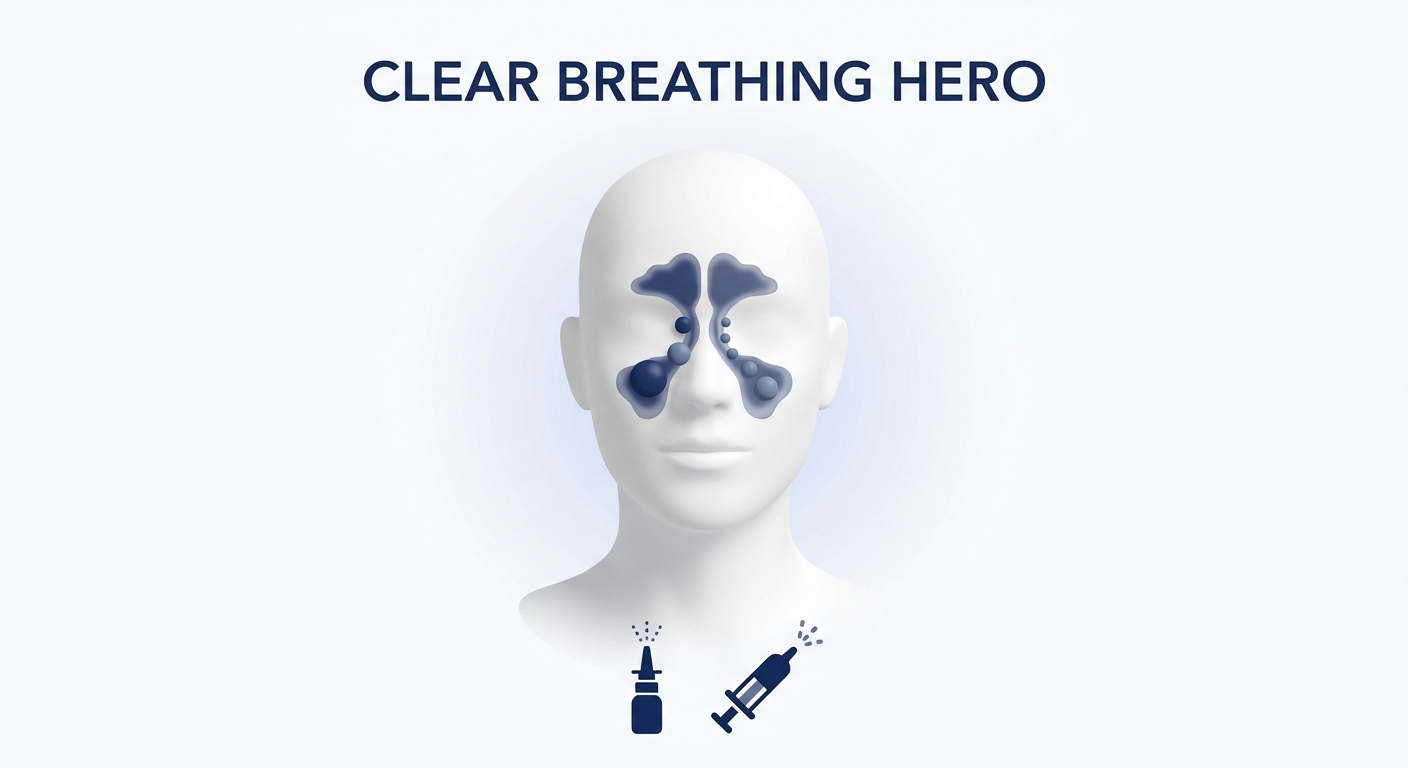
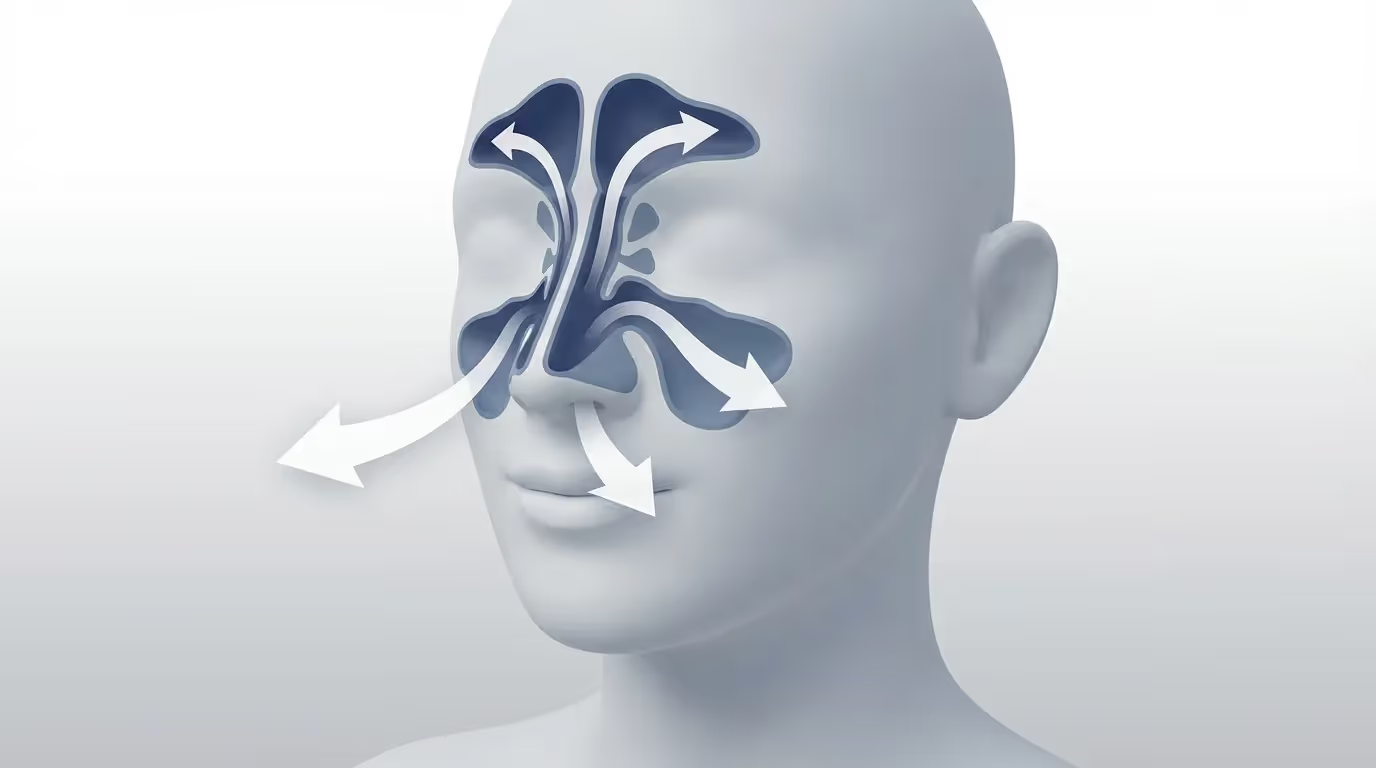
Your sinuses aren’t open caves—they’re air-filled spaces with small drainage openings. When the lining swells, those openings can narrow. The result is slower or blocked sinus drainage, thick mucus that lingers, more pressure and congestion, and post-nasal drip that keeps reappearing. A concrete analogy: imagine your sinuses are like rooms with tiny doorways that allow air in and mucus out. Inflammation is like the doorframe swelling inward—suddenly, the doorway is barely open. Even if the room isn’t full, everything moves more slowly. This blocked drainage concept is a key theme in chronic rhinosinusitis: inflammation contributes to obstruction, which contributes to mucus retention and ongoing symptoms. (Physiology concepts: [2].)
Step 3 — Why mold-related sinus issues can become chronic for some people
Some people improve quickly after removing exposure and calming inflammation. Others feel like symptoms keep returning due to ongoing exposure at home, work, or a frequently used building; a cycle of swelling → blockage → retained mucus → more irritation; and in some chronic cases, discussions about biofilm (a protective layer formed by microbes) that may make inflammation harder to calm down fully. Not everyone with mold symptoms has biofilm-related disease, but the concept helps explain why certain chronic patterns can be stubborn and why layered care (environment + inflammation control + drainage support) is sometimes needed. (Discussion of colonization/biofilm concept: [3].)
In short: mold exposure can set off swelling that narrows drainage; stagnation then keeps irritation going until the cycle is interrupted.

Why Opening Your Sinuses Helps Mold Allergy Symptoms
When people say they want to “open their sinuses,” they usually mean less pressure, less blockage, and better airflow. In practical terms, opening your sinuses (for mold allergy symptoms) can help in three main ways.
1) It restores ventilation and drainage
When swelling is reduced and the drainage pathways are less narrowed, mucus can move more normally. Better ventilation and drainage often means less facial pressure, less full or plugged sensation, and less post-nasal drip from retained mucus. Many clinicians explain it simply: a lot of what we’re treating is swelling that blocks drainage—reduce the swelling, and the system starts moving again.
2) It physically removes irritants
Opening the pathways is helpful, but clearing what’s sitting on irritated tissue can be just as important. Nasal irrigation can wash out allergens (including mold particles), thick mucus, and debris that contributes to irritation. Clinical resources commonly describe nasal irrigation as a way to flush the nasal passages and reduce symptom burden. (Nasal irrigation overview: [4].) A practical example: after a known exposure (like cleaning a damp storage area), some people feel less coated and congested if they rinse later that day—especially before bed.
3) It may reduce conditions that help irritation persist
Mold thrives in damp environments. While rinses and airflow changes aren’t mold killers, clearing thick mucus and improving airflow may help make the nasal/sinus environment less stagnant and less irritating—supporting the body’s recovery process. Nasal rinses and airflow changes do not eliminate mold exposure itself; source control and moisture reduction are still essential. Opening supports flow and comfort, but it doesn’t treat the underlying allergy—pair it with exposure reduction and appropriate allergy care.
The Best Ways to Open Your Sinuses (Safe, Practical Options)
If you’re focused on opening your sinuses (for mold allergy symptoms), these are the most commonly used approaches—often combined.
Saline nasal irrigation (often the cornerstone)
Saline irrigation is a simple, non-medicated way to support sinus hygiene and comfort. Common options include squeeze bottles, neti pots, and powered irrigators. People often rinse after known exposure, during symptom flares, before bed, or as part of a broader routine to reduce congestion. (General benefit and usage concepts: [4].) One tip: many people do better with a gentle, steady flow rather than forcing pressure—especially when the nose is already raw or swollen.
Medicated options your clinician may recommend
Depending on your pattern and exam, a clinician may discuss intranasal corticosteroid sprays (reduce inflammation over time), antihistamines (more helpful for sneezing, itching, runny nose), decongestants (short-term relief only for select patients), and antifungals only in select, diagnosed situations—rarely used and only under specialist supervision. Most mold allergies do not require antifungal medication. (Fungal sinusitis overview: [5].)
When irrigation alone isn’t enough: targeted ENT care
If symptoms persist or keep recurring, an ENT evaluation may look for persistent inflammation and drainage blockage, polyps or other tissue changes, structural contributors that make drainage difficult, and signs of chronic sinusitis from mold exposure patterns or overlapping triggers. Learn more: https://sleepandsinuscenters.com/chronic-sinusitis
Start with saline irrigation and add medications only as appropriate—if symptoms persist, a targeted ENT plan can address the root causes of blockage.

How to Do Nasal Irrigation Safely (Don’t Skip This)
If you try opening your sinuses (for mold allergy symptoms) with rinsing, safety matters as much as technique.
Use the right water—this is the #1 safety rule
Use distilled, sterile, or previously boiled and cooled water for nasal rinses. This reduces infection risk associated with unsafe water sources. (Water safety guidance: [6].) If you’re unsure, treat this as non-negotiable.
Use the right salt mixture
Pre-measured packets are convenient. Buffered or isotonic solutions are often more comfortable than plain salt water. If rinsing causes persistent burning or significant discomfort, the mixture or technique may need adjustment. When swelling is intense, it can take time and consistency to feel that open sensation.
Keep the device clean
Rinse the device after use, let it air-dry, and replace it as recommended. (Device hygiene and general technique: [4], [6].) For more on frequency and how to avoid irritation: https://sleepandsinuscenters.com/blog/nasal-rinses-how-often-should-you-use-them
Safety—especially water quality—matters just as much as the rinse itself.

Lifestyle + Home Tips to Reduce Mold Exposure (So Symptoms Don’t Keep Rebounding)
Reduce moisture (mold’s “fuel”)
Aim for indoor humidity around 30–50%, address leaks quickly, and ventilate bathrooms, laundry areas, and basements. If the same hot spots trigger symptoms—like a closet, finished basement, or workspace after heavy rain—that pattern is useful information and suggests ongoing environmental activation.
Improve indoor air quality
Consider HEPA filtration where appropriate, keep HVAC systems maintained and filters changed regularly, and limit time in musty spaces during high-exposure periods if you notice predictable flares. If symptoms reliably worsen at home, a professional home evaluation for moisture and mold sources may help identify the driver of ongoing exposure.
Personal habits that reduce symptom load
Shower and change clothes after yardwork or time in damp environments, and wash bedding regularly during flares. Nasal rinses and improved airflow help reduce symptom burden but do not remove mold from the environment; source control remains essential. Reducing moisture and exposure is the foundation—rinses help symptoms but don’t eliminate environmental mold.

When to See a Doctor (and When It’s Urgent)
Make an appointment if you have…
Consider scheduling a visit if symptoms repeatedly last more than 10 days or occur in frequent flare-ups; if you have persistent facial pressure or congestion despite basic allergy steps; ongoing smell loss, asthma or wheezing flares, or sleep disruption from blockage; or if you are unsure about your symptoms. Evaluation options may include allergy testing and/or an ENT assessment. Bringing a quick trigger timeline (where you were, when it started, what helped) can make the visit more productive. Learn more: https://sleepandsinuscenters.com/allergy-testing and https://sleepandsinuscenters.com/chronic-sinusitis
Seek urgent care for red flags
Urgent symptoms include high fever or severe facial swelling, vision changes, severe headache with neck stiffness, or shortness of breath and uncontrolled asthma symptoms. Early care can prevent recurrent cycles of swelling, blockage, and stagnation.
FAQs (Quick Answers Patients Search For)
Does opening my sinuses “cure” mold allergy?
No. Mold allergy is an immune response. Opening your sinuses (for mold allergy symptoms) supports drainage and helps flush irritants, which can reduce symptom intensity. (Mold allergy fundamentals: [1].)
How often should I do a saline rinse for mold allergy symptoms?
Some people rinse only during flares; others use it more routinely. Frequency depends on symptom severity and how your nasal tissue responds. Overuse can be irritating for some. Details: https://sleepandsinuscenters.com/blog/nasal-rinses-how-often-should-you-use-them
Can mold actually grow in your sinuses?
In certain conditions, fungi can be involved in sinus disease, but it’s not something to self-diagnose. Diagnosis and treatment depend on the type of fungal sinusitis and individual risk factors. (Overview: [5].)
Are neti pots safe?
They can be safe when used correctly. The biggest safety factors are water quality and device cleaning. (Safety guidance: [6]; irrigation overview: [4].)
What if I rinse and still feel blocked?
Persistent blockage may mean inflammation remains high, or there may be structural narrowing, polyps, or chronic sinusitis. An ENT evaluation can help clarify what’s driving symptoms and what options make sense. Learn more: https://sleepandsinuscenters.com/chronic-sinusitis
Conclusion + Next Step
Mold can trigger inflammation that narrows sinus drainage pathways, leading to mucus stagnation and ongoing pressure, congestion, and post-nasal drip. That’s why opening your sinuses (for mold allergy symptoms)—especially with safe saline irrigation and proper technique—can be a practical way to reduce irritant buildup and support better drainage.
If your symptoms keep returning, last longer than expected, or interfere with sleep and daily life, Sleep & Sinus Centers of Georgia can help you explore next steps like allergy testing and ENT evaluation to identify what’s driving the cycle. To get started, book an appointment at https://www.sleepandsinuscenters.com/.
Restoring healthy drainage and reducing exposure work best together—especially when guided by an individualized care plan.
Sources
1. Mayo Clinic. Mold allergy: Symptoms & causes (2025). https://www.mayoclinic.org/diseases-conditions/mold-allergy/symptoms-causes/syc-20351519
2. Chronic rhinosinusitis overview resource (PMC). https://pmc.ncbi.nlm.nih.gov/articles/PMC8005363/
3. Dr. Todd Maderis. Sinus colonization in mold illness (2025). https://drtoddmaderis.com/sinus-colonization-in-mold-illness
4. Cleveland Clinic. Nasal Irrigation (2024). https://my.clevelandclinic.org/health/treatments/24286-nasal-irrigation
5. Cleveland Clinic. Fungal Sinusitis (Fungal Sinus Infection). https://my.clevelandclinic.org/health/diseases/17012-fungal-sinusitis-fungal-sinus-infection
6. UCLA Health. Risks and rewards of nasal rinses: What you need to know. https://www.uclahealth.org/news/risks-and-rewards-of-nasal-rinses-what-you-need-to-know
This article is for educational purposes only and is not medical advice. Please consult a qualified healthcare provider for diagnosis and treatment.
Don’t let allergies slow you down. Schedule a comprehensive ENT and allergy evaluation at Sleep and Sinus Centers of Georgia. We’re here to find your triggers and guide you toward lasting relief.