Which Side to Sleep On With a Blocked Nose: Best Sleeping Position for Nasal Congestion
Quick Answer (Best Side to Sleep On With a Blocked Nose)
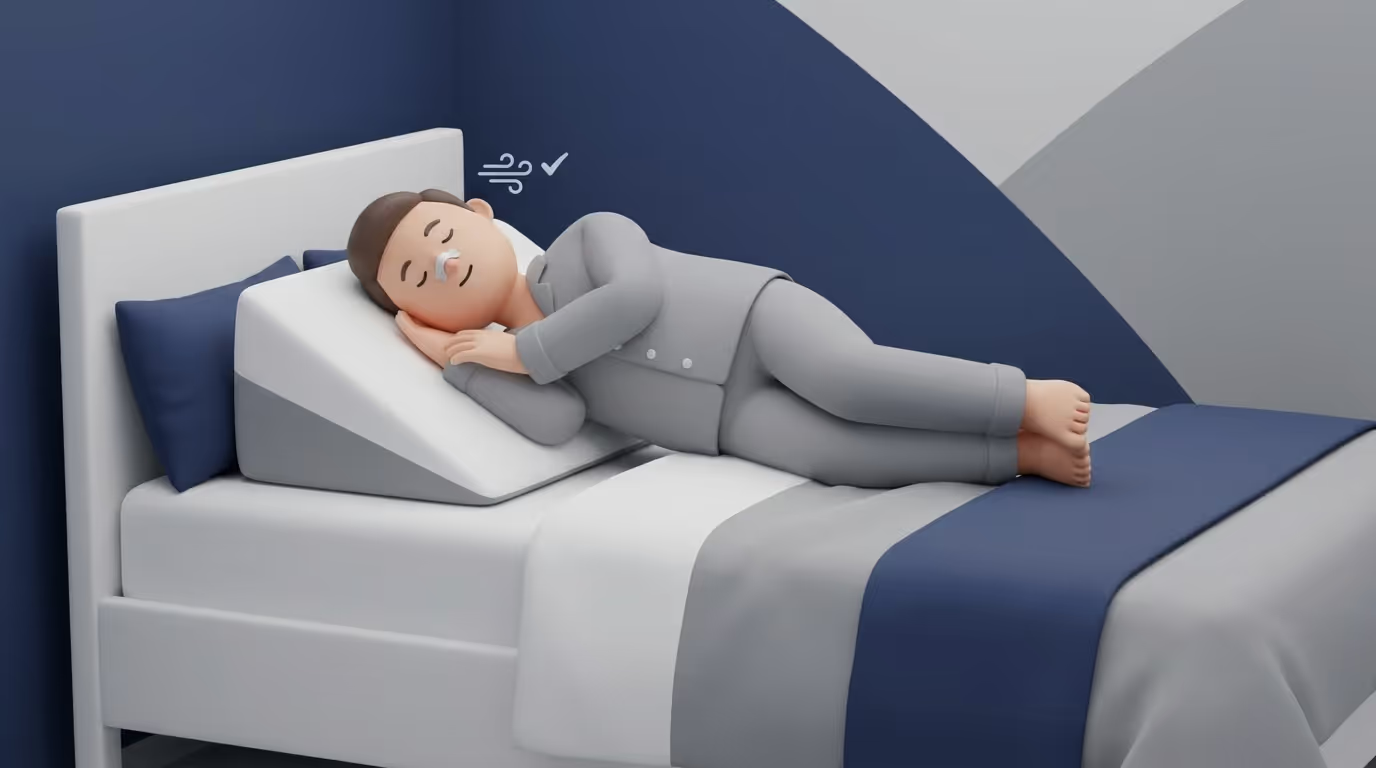
If you’re wondering which side to sleep on with a blocked nose, a simple rule of thumb often helps: when one nostril feels blocked, try sleeping on the opposite side so the blocked nostril is facing upward. For many people, the lower (dependent) nostril becomes stuffier while the upper nostril may feel clearer due to posture-related changes in nasal airflow. ¹ ²
Think of it like a two-lane road that’s sensitive to swelling: whichever side is down may feel more congested, while the side that’s up often has a bit more room to breathe.
Quick steps to try tonight (educational, not medical advice):
- Identify which nostril feels most blocked.
- Lie on the other side so the blocked nostril is facing upward.
- Add gentle head elevation (wedge pillow or adjustable bed) to support comfort.
If you frequently have difficulty breathing through your nose at night, you may also want to read our deeper guide on common contributors: https://sleepandsinuscenters.com/blog/cant-breathe-through-nose-at-night
Bottom line: Choosing the opposite side so the blocked nostril faces upward may help many people breathe a bit easier while settling to sleep.
Why Your Nose Gets Stuffy at Night (And Why Side Matters)
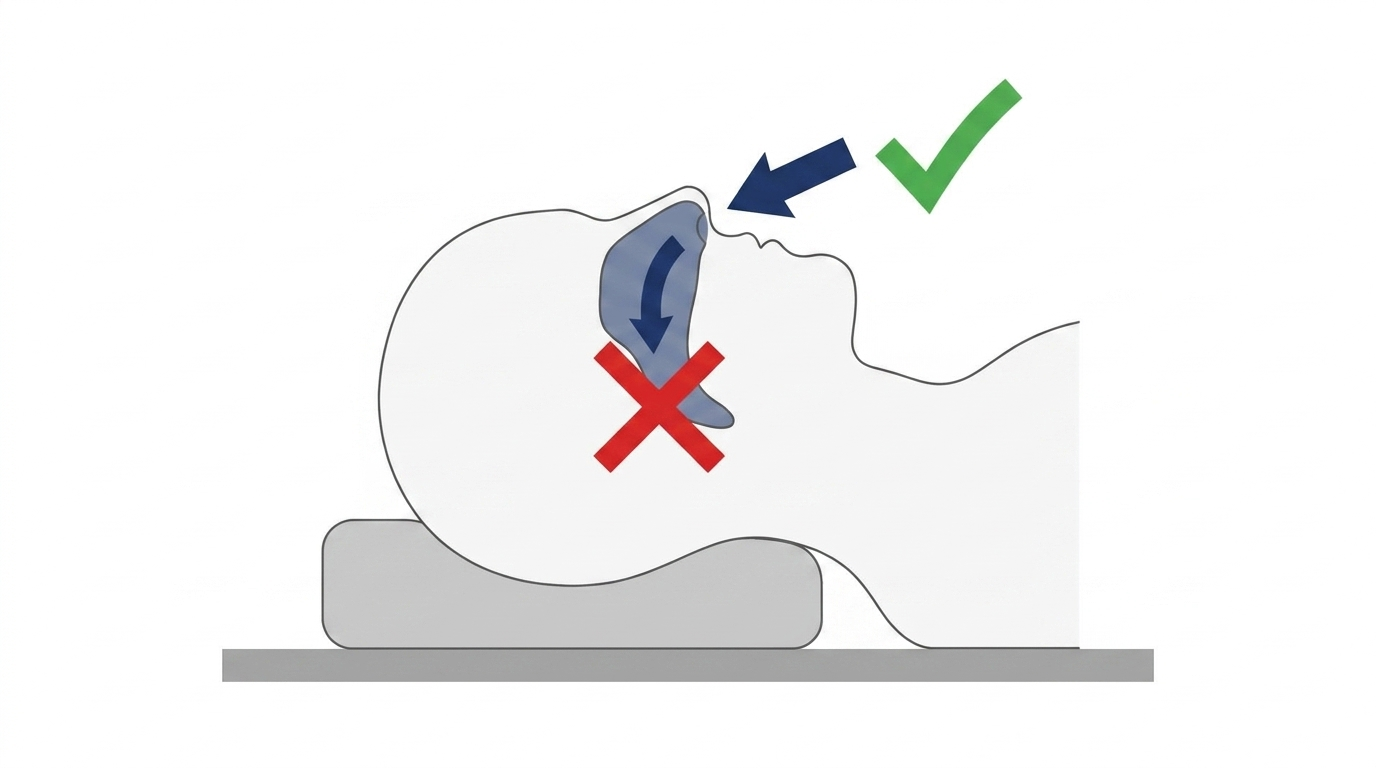
The “dependent nostril” effect (gravity + blood flow): A common pattern with nasal congestion at night is: you roll onto your side, and the nostril you’re lying on starts to clog up. Research suggests body position can affect nasal patency (how open the nasal passages are). When you lie on your side, the down (dependent) nostril often becomes more congested, while the upper nostril may feel clearer. ¹ ² In plain terms: switching sides can switch which nostril feels blocked.
A practical example: if your left nostril is the one bothering you and you lie on your left side, it may feel tighter within minutes. Flipping to your right side (so the left nostril is up) often feels more workable after a short wait.
The nasal cycle (normal alternation): Even without a cold or allergies, many people experience a normal nasal cycle, where one side naturally becomes a bit more congested and then alternates. When you add inflammation (from a virus, allergies, irritants, or chronic rhinitis), that normal cycle can feel more dramatic—especially at bedtime, when you’re lying down and paying attention to breathing.
Positioning can help you cope in the moment, but if nighttime stuffiness is frequent, it’s worth considering what’s driving the inflammation in the first place.
Position can influence which nostril feels open, but underlying inflammation often sets the stage for nighttime stuffiness.
Symptoms: When a Blocked Nose Is More Than Just a Nuisance
Common nasal congestion symptoms at bedtime:
- One nostril blocked at night more than the other (often shifts with position)
- Post-nasal drip that triggers throat clearing or coughing when lying down
- Mouth breathing, dry mouth, or a sore throat in the morning
- Snoring that worsens when you’re congested
Signs it may be sinus-related (not just simple congestion):
- Facial pressure or fullness
- Thick drainage and reduced sense of smell
- Symptoms that linger past the usual short illness window, or keep coming back
If any of this sounds familiar, see the When to see a clinician section below.
If nighttime congestion keeps returning or brings sinus pressure and smell changes, consider a clinical evaluation.
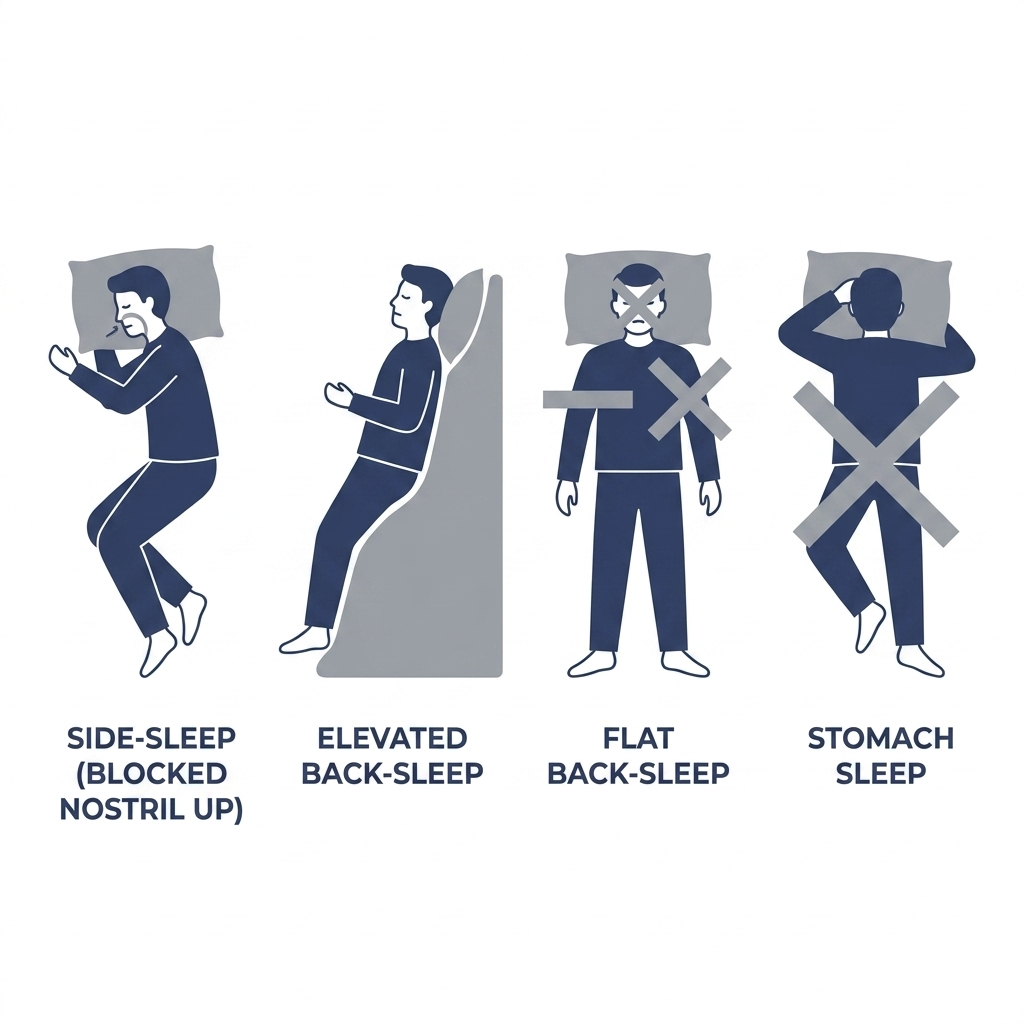
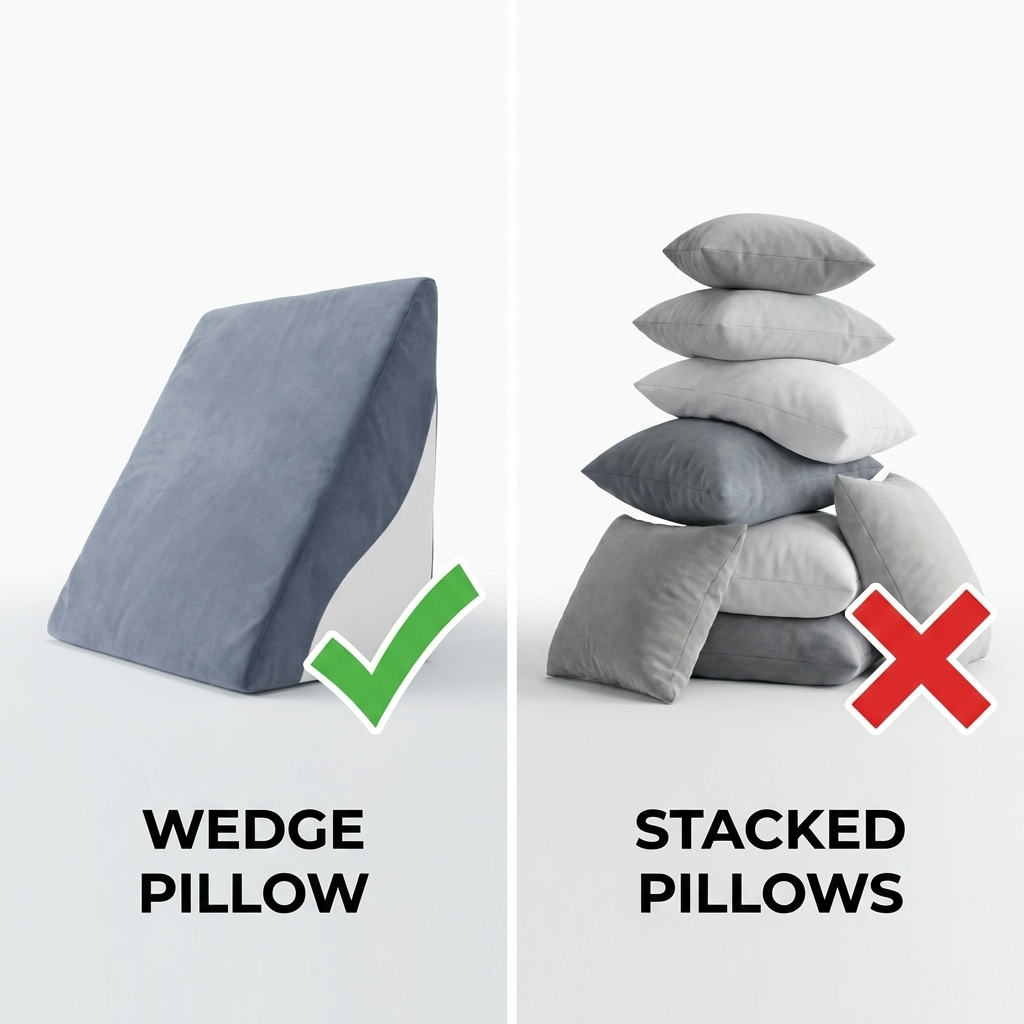
Best Sleeping Positions for Nasal Congestion (Ranked)
Often most helpful: Side-sleep with the blocked nostril facing upward. If you’re trying to figure out which side to sleep on with a blocked nose, this is a common starting point when only one side feels clogged.
How to try it:
1. Notice which nostril is most blocked.
2. Lie on the opposite side so the blocked nostril is facing upward.
3. Give it 5–10 minutes and reassess airflow.
Why it may help: side-lying can increase congestion in the down nostril, while the upper nostril often becomes more open. ¹ ²
If sinus pressure or drainage is part of the issue, you may also like our guide to positions that may support drainage: https://sleepandsinuscenters.com/blog/sleeping-positions-that-help-sinus-drainage
Good alternative: Elevated back-sleep (if side-sleeping is uncomfortable). Some people can’t comfortably side-sleep due to shoulder or hip pain, pregnancy positioning needs, or other issues. In that case, an elevated back-sleep setup may be a reasonable alternative.
A more supportive way to elevate: A wedge pillow or adjustable bed often keeps your head/neck aligned better than stacking multiple pillows (which can bend the neck forward and feel uncomfortable by morning).
Head elevation may help reduce nasal swelling and improve comfort during the night. ²
Often worse for many people: Flat on your back (supine). For many people, lying flat can make congestion feel more intense. Studies on posture and nasal airflow have found that flatter positions may be associated with more nasal obstruction compared with more upright positioning. ²
If you must sleep on your back, consider stacking the odds in your favor: gentle elevation, a well-hydrated bedroom environment, and pre-bed nasal moisture (more on that below).
Often worse: Stomach sleeping (prone). Stomach sleeping often forces your head to rotate to one side and may increase discomfort in the neck and upper back. In research evaluating posture and nasal patency, prone positioning can also increase nasal obstruction compared with more upright positions. ²
For many people, side-sleeping with the blocked side facing up or a gently elevated back-sleep setup offers the best odds of comfort.
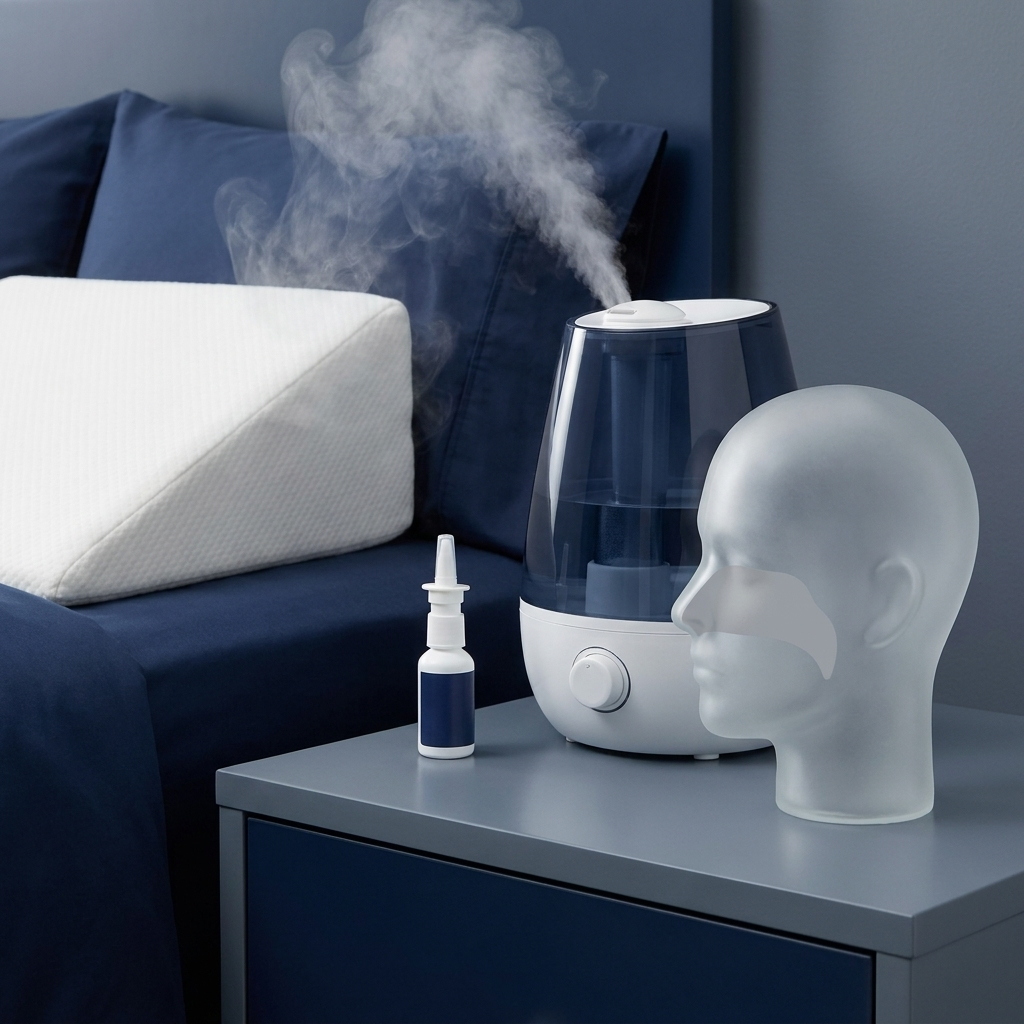
What If BOTH Nostrils Are Blocked?
When both sides are clogged, choosing which side to sleep on may not feel straightforward—because there isn’t a good side.
Use elevation and moisture first. Many people get the most bedtime relief by combining position with simple supportive measures:
- Head elevation (wedge/adjustable bed)
- Saline before bed (spray or rinse)
- A humidifier in dry seasons (with consistent cleaning)
These steps don’t cure the cause, but they can make nighttime congestion feel more manageable—especially when swelling is affecting both sides.
Consider the cause (cold vs allergies vs sinusitis):
- Allergies: itching, sneezing, watery eyes; patterns tied to seasons, pets, dust, or the bedroom
- Viral cold: sore throat, fatigue, symptoms that gradually improve over days
- Possible sinus infection: facial pain/pressure, thick discolored drainage, or symptoms that worsen after briefly improving (these can occur with sinusitis but do not confirm a bacterial infection on their own)
If both nostrils are blocked, pairing gentle elevation with moisture and allergen reduction may offer the most practical short-term relief.
Causes of Nighttime Nasal Congestion (Patient-Friendly Breakdown)
Allergies (dust mites, pets, pollen tracked indoors): Night symptoms are often worse because bedrooms can be allergy hotspots. If your congestion is frequent, recurring, or strongly bedroom-linked, addressing allergens can make a long-term difference. For ongoing inflammation (including allergic and non-allergic triggers), see: https://sleepandsinuscenters.com/treating-chronic-rhinitis
Viral colds and post-viral inflammation: With viral illnesses, nasal tissues swell and produce more mucus. Position changes may temporarily improve airflow, but congestion often fluctuates until inflammation settles.
Sinusitis (acute vs chronic): Sinusitis can involve congestion plus pressure, thicker drainage, and smell changes. Some people notice symptoms feel worse when lying down.
Structural causes (when one side is always tight): If one side is persistently tighter—regardless of sleep position—structural factors can contribute, such as a deviated septum, turbinate enlargement, or nasal valve narrowing. Persistent one-sided blockage (especially without a cold) is a good reason to get evaluated.
Allergies, infections, inflammation, and structure can all play a role—pinpointing your main driver is key to longer-term relief.
Treatments and Relief Measures to Combine With the Right Sleep Position
Positioning is quick and free—but it may work best alongside measures that support moisture, reduce irritants, and address inflammation.
Saline: spray vs rinse (before bed):
- Saline spray: quick moisture and mild clearing
- Saline irrigation (rinse): may help when mucus is thicker or congestion is heavier
Safety note: If you do irrigation, use distilled/sterile water (or water that has been properly boiled and cooled), and keep devices clean.
Humidifier (especially in dry air or heated rooms): Dry indoor air can irritate the nasal lining. A humidifier may help—especially in winter—if it’s kept clean. Many households aim for a moderate indoor humidity level, often around 30–50%, to help reduce dryness while limiting mold growth.
Allergy management (for recurring night congestion): If bedtime congestion is frequent, it may help to learn which triggers are driving it and discuss options with a clinician. Common categories include:
- Oral antihistamines (some are non-drowsy; some can cause sleepiness)
- Intranasal steroid sprays (technique and consistency matter)
- Bedroom allergen reduction (encasements, hot-washing bedding, HEPA filtration)
Decongestant caution (avoid rebound congestion): Some topical decongestant sprays can cause rebound congestion if used longer or more often than directed. If you’re unsure what that means or how to avoid the cycle, see: https://sleepandsinuscenters.com/blog/do-nasal-sprays-cause-rebound-congestion
Moisture, gentle elevation, and consistent allergy control often pair well with smart positioning for night-by-night relief.
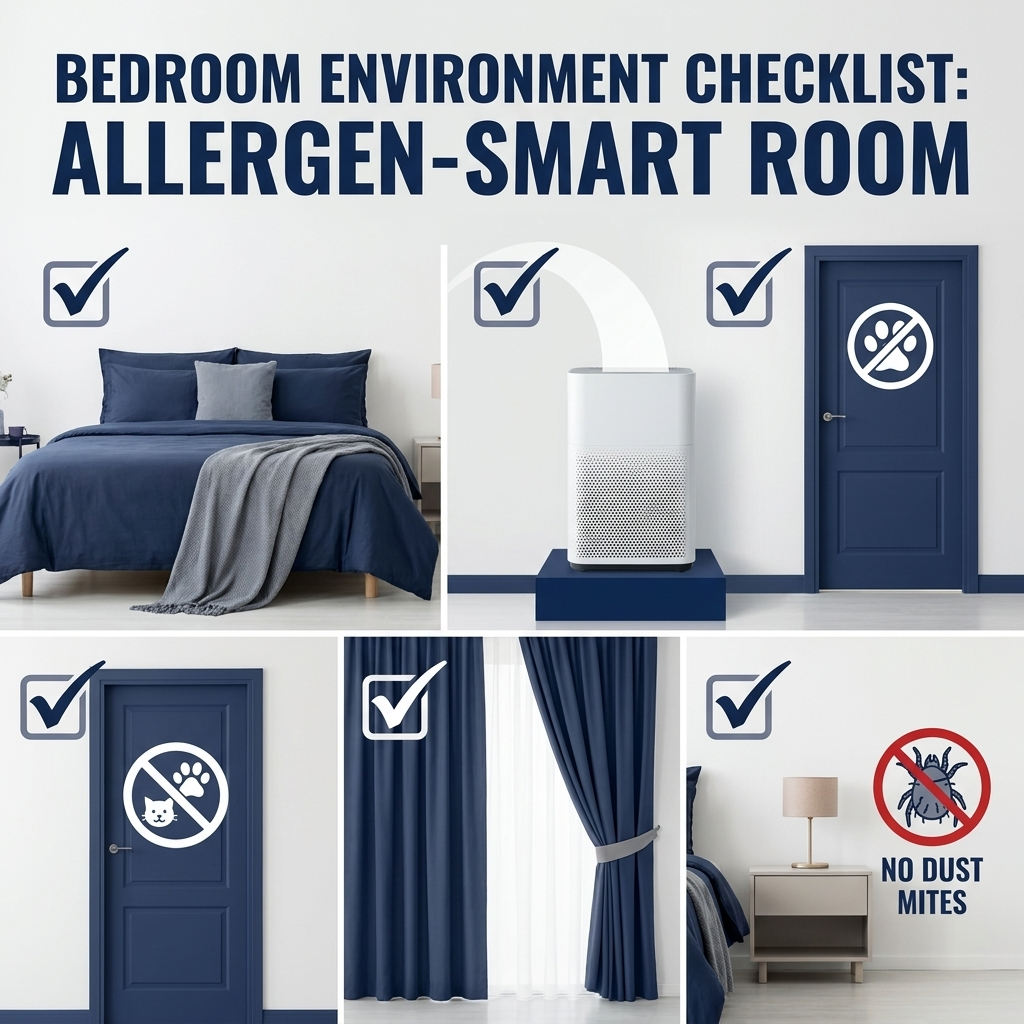
Lifestyle Tips for Sleeping Better With a Blocked Nose
A simple pre-bed 2-minute routine: Many people find a short routine helps them settle faster.
- Saline → gentle nose blow → head elevation → choose the best side
(If you’re still deciding which side to sleep on with a blocked nose, remember: blocked side facing upward is the usual go-to when only one nostril is affected.)
Optional comfort measures like a warm shower or steam can feel soothing for some people, even if results vary.
Bedroom environment checklist:
- Keep pets out of the bedroom (if allergies are suspected)
- Wash bedding weekly (hot water when appropriate for the fabric)
- Reduce dust collectors (extra pillows, heavy drapes, clutter)
- Consider HVAC filtration or a HEPA air purifier if triggers persist
Hydration and irritant avoidance: Hydration can matter more when congestion leads to mouth breathing and dryness. Also consider avoiding smoke, strong fragrances, and other irritants that can inflame the nasal lining.
Small nightly habits—moisture, elevation, and a cleaner sleep environment—can add up to better comfort over time.
When to See a Clinician (Red Flags and Persistent Symptoms)
Education and self-care can be helpful, but evaluation matters when symptoms don’t fit the typical pattern.
Consider getting assessed if:
- Congestion lasts more than 10–14 days, keeps returning, or worsens over time
- One-sided blockage is persistent (especially without a cold)
- Frequent sinus infections, reduced sense of smell, nosebleeds, or severe facial pain/pressure occur
- Sleep disruption is significant (fatigue, headaches, loud snoring)
What an ENT/allergy workup may include: Depending on symptoms, an evaluation may involve a nasal exam (sometimes with endoscopy), consideration of allergy triggers, and a plan that targets underlying causes—not just nighttime discomfort.
If your nighttime congestion is affecting sleep quality, snoring, or daytime energy, you can book an appointment with our team: https://www.sleepandsinuscenters.com/
If symptoms are persistent, one-sided, or disrupting sleep, a tailored evaluation may provide clearer answers and longer-term relief.
FAQs
If my right nostril is blocked, which side should I sleep on? In general, many people find it helpful to sleep on the left side so the right (blocked) nostril is facing upward. ¹ ²
Why does the nostril I’m lying on get stuffy? Side-lying can increase congestion in the dependent (down) nostril due to posture-related changes in nasal airflow and tissue swelling. ¹ ²
Is it better to sleep sitting up when congested? More upright positions may reduce nasal obstruction compared with lying flat. ² If fully upright sleeping isn’t realistic, gentle elevation can be a middle ground.
Does sleeping on my back make congestion worse? For many people, yes—sleeping flat on the back can be associated with more nasal blockage than more upright positioning. ²
What’s the best pillow setup for a blocked nose? A wedge pillow or gentle elevation that keeps the head/neck aligned is often more comfortable than stacking many pillows.
When is nighttime congestion likely allergies? If it’s recurring, seasonal, or strongly tied to bedroom exposure (dust/pets), allergies may be contributing—especially if sneezing or itchy eyes are also present.
Most people do best with a combination of smart positioning, gentle elevation, moisture, and attention to triggers.
Key Takeaways
- For one nostril blocked at night, sleeping on the opposite side so the blocked nostril faces upward may help. ¹ ²
- The most comfortable sleeping position for nasal congestion is often side-sleeping with smart positioning; many people feel worse flat on the back or on the stomach. ²
- Combine positioning with gentle head elevation, saline, and a well-managed bedroom environment for better odds of relief.
- Persistent, recurring, or one-sided symptoms are worth a clinician evaluation.
References
1. PubMed Central (2023). Posture and nasal patency / positional effects on nasal airflow. https://pmc.ncbi.nlm.nih.gov/articles/PMC10222128/
2. Roithmann R. et al. (2005). Effects of posture on nasal patency. https://www.sciencedirect.com/science/article/pii/S1808869415312039
3. GoodRx (supportive patient education). Sleep position for sinus drainage. https://www.goodrx.com/conditions/sinus-infection/sleep-position-for-sinus-drainage
4. Cleveland Clinic (patient education). Why does my nose get stuffy at night? https://health.clevelandclinic.org/why-does-my-nose-get-stuffy-at-night
5. UPMC (patient education). Congestion relief: sleep positions. https://share.upmc.com/2025/12/congestion-relief-sleep-positions/
This article is for educational purposes only and is not medical advice. Please consult a qualified healthcare provider for diagnosis and treatment.
Don’t let allergies slow you down. Schedule a comprehensive ENT and allergy evaluation at Sleep and Sinus Centers of Georgia. We’re here to find your triggers and guide you toward lasting relief.