When Is a Sinus Biopsy Needed? Symptoms, Reasons, and What to Expect
Sinus symptoms are extremely common—and most of the time, they’re caused by inflammation, allergies, or infection that can be diagnosed (and treated) without taking tissue. But in a smaller number of cases, an Ear, Nose, and Throat specialist (ENT) may recommend a biopsy to get a clear answer about what’s actually causing the problem.
Think of it this way: imaging and exams can show there’s “something going on,” but a biopsy is the step that can confirm what that something is—or, occasionally, show that more evaluation is needed. Below is a patient-friendly guide to when a discussion about when a sinus biopsy is needed usually arises, what findings raise concern, what the procedure is like, and how results guide next steps.
Quick Answer: When is a sinus biopsy needed?
A sinus biopsy is usually recommended when symptoms persist despite appropriate treatment or when a CT or MRI shows an unusual mass or abnormality that can’t be confidently diagnosed by imaging alone. Not every abnormality requires a biopsy, but your care team may consider tissue confirmation to explain why symptoms aren’t improving or what a suspicious area on a scan represents. [1]
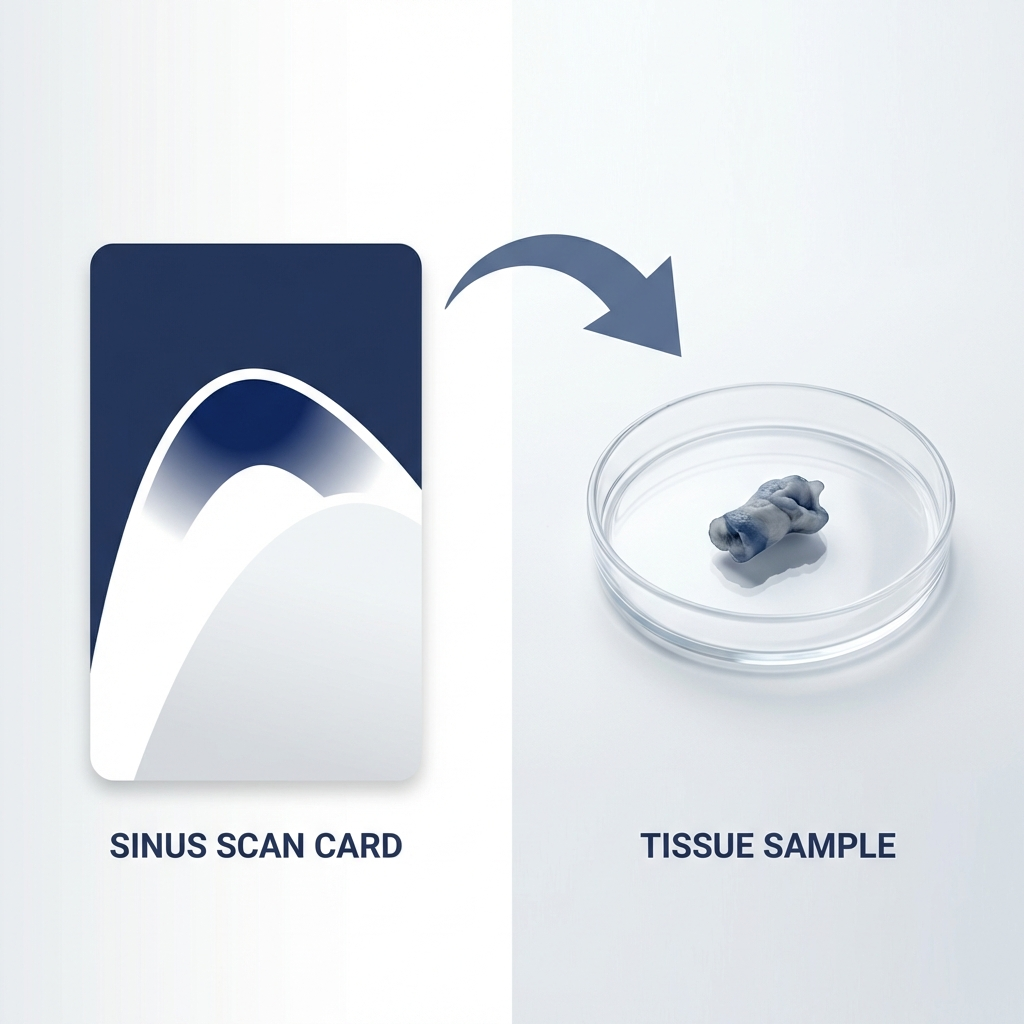
A simple analogy: a CT or MRI is like a detailed photograph of your sinuses. A biopsy is like taking a tiny “sample” so the lab can identify what the tissue actually is.
A biopsy can help confirm:
- Infection (including unusual, resistant, or fungal infections)
- Inflammatory or autoimmune disease affecting the sinus lining
- Benign growths
- Tumors (including information important for a sinus cancer diagnosis, such as tumor type and behavior) [2]
If you’re dealing with chronic sinus symptoms not improving, a biopsy may be one part of a larger evaluation—not automatically the first step, and not always urgent. Bottom line: tissue is usually sampled when symptoms persist or imaging shows a suspicious area that imaging alone can’t define.
What is a sinus biopsy (and what it can diagnose)?
What “biopsy” means in ENT care
A biopsy is a procedure where a clinician takes a small tissue sample from the nose or sinus area and sends it to a lab (pathology). Sometimes, additional testing is done, such as special stains or cultures to look for infection. [1] In practical terms, it’s often done with a thin camera (endoscope) through the nostril, with the goal of being as targeted and minimally invasive as possible.
What a sinus biopsy can help confirm
A biopsy can help your ENT differentiate between conditions that may look similar on a scan or during an exam, including:
- Chronic or unusual infections (including fungal infections or infections that didn’t respond as expected)
- Inflammatory/autoimmune conditions that can mimic chronic sinusitis
- Benign growths (some polyps and benign tumors)
- Cancerous tumors, including details that help guide treatment planning [2]
One ENT-style way to summarize it: “When the story (symptoms) and the picture (imaging) don’t fully match, tissue can provide the missing piece.” In short, a biopsy is a small, targeted sample that helps turn uncertainty into a clearer diagnosis.
Symptoms that may prompt consideration of a biopsy
Many people with sinus issues do not need a biopsy. Still, certain patterns can raise concern—especially when they’re persistent, one-sided, or unusual.
Symptoms that don’t improve (or worsen) despite treatment
An ENT may consider further evaluation when symptoms continue even after typical therapies (as appropriate), such as saline rinses, nasal sprays, or other treatments tailored to your situation. Ongoing symptoms that return quickly can also prompt a closer look. [1]
A concrete example: if someone has months of congestion and facial pressure, has used recommended treatments, and still feels like one side is “blocked all the time,” the next step may be looking more closely with endoscopy, imaging review, and (in select cases) a biopsy. For more on symptom patterns: sleepandsinuscenters.com/symptoms-of-sinus-problems
Recurring or unexplained nosebleeds
Persistent nosebleeds—especially when frequent, heavier than expected, or mostly on one side—can be a reason an ENT looks more closely. [1] Background on significant bleeding: sleepandsinuscenters.com/blog/what-is-a-nosebleed-epistaxis
A helpful detail to track: whether bleeding happens from the same nostril repeatedly, and whether it’s triggered by gentle blowing versus occurring spontaneously.
Abnormal nasal discharge (especially concerning types)
Some types of abnormal nasal discharge are more concerning than typical clear allergy drainage, such as:
- Bloody discharge
- Thick, pus-like discharge
- Persistent foul smell or drainage that seems mostly one-sided [1]
If you’re noticing a consistent pattern—like one-sided foul drainage that doesn’t clear—sharing that timeline with your clinician can be surprisingly useful.
Chronic facial/sinus pain or pressure with no clear cause
Facial pressure and pain can occur with routine sinus inflammation—but pain that doesn’t fit the expected pattern or doesn’t respond as anticipated may lead an ENT to investigate further. [1] For example, pressure that keeps returning in the same spot, along with persistent blockage on one side, may prompt a closer look to be sure there isn’t an underlying growth or less typical infection.
Red flag symptoms to seek urgent evaluation
These don’t automatically mean a biopsy is required, but they warrant prompt medical attention:
- Rapidly worsening swelling around the eye/face
- Vision changes
- Severe headache
- High fever
- New neurologic symptoms
Persistent, unusual, or one-sided symptoms—especially when treatments haven’t worked—often prompt a closer look.

Scan findings that often lead to a biopsy recommendation (CT or MRI)
Imaging can reveal structural issues and patterns that help narrow the cause—but it can’t always provide a definite diagnosis. That’s when a sinus mass biopsy or nasal tumor biopsy may be considered. Not all abnormal findings require biopsy; your ENT will weigh risk, appearance, and clinical context.
If you’re curious what ENT specialists look for on imaging: sleepandsinuscenters.com/blog/sinus-ct-scan-what-it-shows-and-how-it-helps-diagnose-sinus-issues
Unusual mass, growth, or lesion
A CT scan showing a sinus mass (or an MRI finding) that can’t be confidently labeled benign or inflammatory may lead to tissue sampling. [1] [2] Clinically, this is often less about “a scan equals cancer” (it doesn’t) and more about “a scan shows something that deserves a name.”
Suspicious polyps or one-sided findings
Typical inflammatory polyps often occur on both sides. A unilateral (one-sided) growth or suspicious area may prompt a more cautious approach and possible biopsy to confirm what it is.
Bone changes or tissue invasion concerns on imaging
Certain scan patterns—like bone remodeling, bone destruction, or signs a process may be extending beyond the sinus—can raise concern for an aggressive infection or tumor and may require tissue confirmation. [2]
Imaging points to where the problem is; biopsy helps confirm what it is when the picture is unclear.

Common reasons (medical conditions) a sinus biopsy may be ordered
To confirm a chronic infection (bacterial or fungal)
When symptoms persist and prior treatment hasn’t clarified the cause, a biopsy (sometimes paired with culture testing) may help identify the organism or process involved—particularly in unusual or treatment-resistant cases. [1]
To evaluate benign tumors or unusual growths
Some benign growths can resemble inflammation on imaging or exam. Pathology can provide a more definitive diagnosis, which guides monitoring versus removal and helps set expectations.
To rule out or diagnose sinus cancer
A biopsy can confirm malignancy and help determine tumor type and origin—key details for a sinus cancer diagnosis and treatment planning. In most cases, the definitive diagnosis typically requires biopsy. [2] Educational resource: sleepandsinuscenters.com/blog/early-signs-of-nasal-tumors-key-symptoms-to-recognize
To investigate inflammatory/autoimmune disease
A small subset of inflammatory conditions can mimic chronic sinusitis and require tissue diagnosis to differentiate them from infection or benign polyps. [1]
Your care team recommends biopsy when the answer will change management or clarify next steps.
Is a biopsy always the next step? (Common alternatives first)
Not necessarily. In many cases, an ENT may recommend other steps before concluding that a biopsy is appropriate. This decision typically balances the small risks of a procedure against the potential benefit of a timely, accurate diagnosis.
Office evaluation and nasal endoscopy
A detailed nasal exam, often including an in-office scope, can provide important information about drainage, swelling, polyps, bleeding sources, and suspicious areas. What patients typically experience: sleepandsinuscenters.com/blog/what-is-nasal-endoscopy----and-is-it-painful
Often, endoscopy helps your clinician decide whether a biopsy is even necessary—or whether the area can be treated and monitored without tissue sampling.
Medical therapy trial (when appropriate)
Depending on symptoms and exam findings, a clinician may recommend medical management aimed at inflammation, allergies, or infection. Overview of chronic sinusitis: sleepandsinuscenters.com/chronic-sinusitis
Monitoring with repeat imaging
If imaging looks low-risk, your clinician may recommend watchful waiting with follow-up, sometimes including repeat imaging.
Most patients improve without biopsy; when considered, it’s because the expected path hasn’t provided answers.

What to expect during a sinus biopsy
Step-by-step overview: sleepandsinuscenters.com/blog/what-happens-during-a-sinus-biopsy [1]
Where it’s done (office vs operating room)
Some biopsies can be performed in an office setting, while others are done in an operating room. The location often depends on where the abnormal area is located, size and accessibility, and bleeding risk and patient comfort needs. If the area is hard to reach or bleeding risk is higher, an OR setting may provide better control and comfort.
How it’s performed (high-level, non-graphic)
Many biopsies are performed using an endoscope (a thin camera) passed through the nostril—often with no external incision. Local anesthesia is commonly used, and sedation may be considered in some situations. [1]
How long it takes and what it feels like
Many patients describe pressure more than sharp pain. Mild bleeding and temporary congestion afterward can occur, and experiences can vary from person to person.
What happens to the tissue sample
The sample is sent to pathology. Depending on what’s suspected, additional tests may be ordered (for example, special stains or cultures). In a minority of cases, initial biopsy results can be inconclusive, and a repeat sample or further evaluation may be recommended. [2]
Most people tolerate the procedure well; experiences vary, and your team will tailor comfort and safety to your needs.
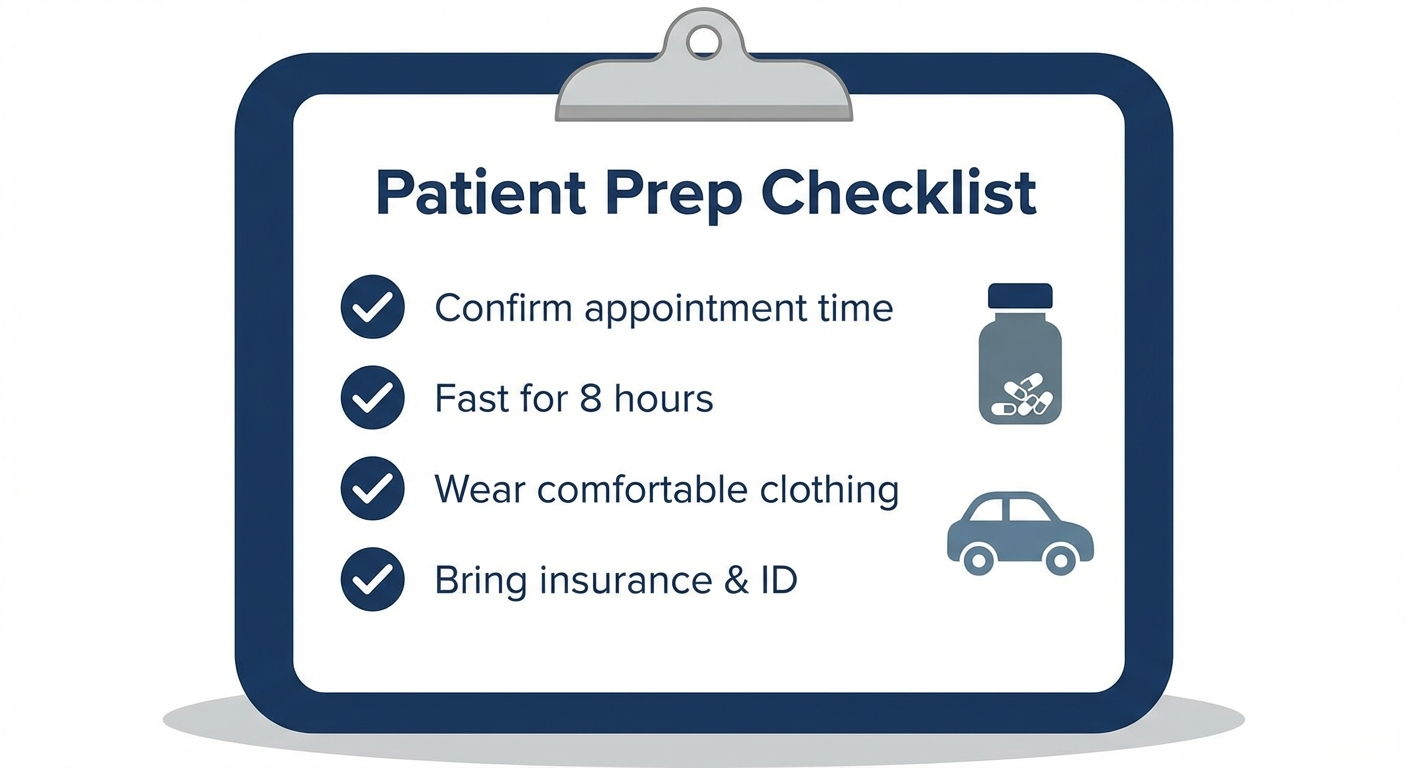
How to prepare for a sinus biopsy (patient checklist)
Medication and bleeding-risk review
Your ENT team will typically want a full list of prescription medications (including blood thinners), over-the-counter pain relievers (some can affect bleeding), and vitamins/herbal supplements. Because medication decisions are individualized, review your exact list with your ENT prior to the procedure.
Day-of planning
Depending on whether sedation is used, you may need to arrange a ride home and plan for a lighter schedule afterward. If it’s done in-office without sedation, you may still want a low-key day—more rest, fewer errands, and time to manage mild bleeding or congestion.
Questions to ask your ENT beforehand
- Why is the biopsy recommended in my case?
- What are you trying to rule out?
- Is this more like a sinus mass biopsy or sampling inflamed tissue?
- Will it be done in-office or in the OR, and why?
- When should results be expected?
A brief medication review and simple day-of planning go a long way toward a smooth experience.
Risks, side effects, and safety
Common short-term effects
- Mild bleeding
- Temporary congestion
- Soreness
- Crusting during healing
Less common risks
- Infection
- More significant bleeding
- Needing another procedure depending on what the biopsy shows
When to contact your clinician after biopsy
If you experience heavy or persistent bleeding, fever, worsening pain, new swelling, or vision symptoms, contact your care team promptly.
The decision to biopsy balances small procedural risks against the value of a timely, accurate diagnosis.
Understanding sinus biopsy results (and what happens next)
If results show infection
Your clinician may recommend targeted treatment based on the findings (for example, selecting therapy that matches what was identified). [1]
If results show benign growth or inflammatory disease
Next steps vary. Options may include optimizing medical therapy, monitoring, or discussing whether removing or reducing the growth would improve symptoms.
If results suggest cancer
Biopsy results help confirm diagnosis and guide next steps, which may include additional imaging and coordinated specialty care planning. [2]
If results are inconclusive
Sometimes results don’t fully answer the question—especially if the sample is small or the abnormality is difficult to access. Your ENT may discuss repeat sampling, additional imaging, or referral for further evaluation.
Whatever the result, your team will use it—along with your story and scans—to guide the next right step.
Treatment options after biopsy (overview)
Medical treatments
Depending on diagnosis, treatment plans may include nasal steroid sprays or rinses, antibiotics/antifungals when indicated, and allergy and inflammation management.
Procedural/surgical treatments (when needed)
Some cases require procedures to remove or reduce obstruction, address recurrent infection, or remove a growth. Occasionally, a small lesion may be completely removed during biopsy, but the primary goal of biopsy is diagnosis rather than treatment.
Follow-up care
Follow-up visits matter for checking healing, reviewing pathology, and mapping out next steps—especially when symptoms were persistent or imaging showed a concerning abnormality.
Treatment is individualized and may include medications, procedures, or simple monitoring based on your diagnosis.
Lifestyle tips while you’re waiting for biopsy—or recovering afterward
Symptom comfort strategies
Many patients find comfort with supportive measures like hydration and humidified air. If your clinician has recommended saline, using it as directed may help with dryness and crusting. If mild bleeding occurs, your team may also give guidance on what’s normal versus what’s not—don’t hesitate to ask for those thresholds.
Avoid irritants that can worsen nasal inflammation
Smoke, strong fragrances, and heavy dust exposure can aggravate nasal tissues and may worsen congestion or irritation.
Track symptoms to share with your clinician
Helpful details include one-sided vs. both-sided symptoms, bleeding frequency and triggers, changes in discharge, and pain patterns and timing.
Gentle self-care and symptom tracking can make the wait—and recovery—more comfortable and informative.
FAQs
Does a sinus biopsy hurt?
Many people report pressure and brief discomfort rather than significant pain, and anesthesia options are used to improve comfort. Individual experiences vary. [1]
How long does it take to get results?
Pathology often takes several days. If special stains or additional tests are needed, results can take longer. [2]
Will a CT or MRI show if it’s cancer without a biopsy?
Imaging can suggest whether an area looks suspicious, but in most cases the definitive diagnosis typically requires biopsy to confirm cancer and identify the type. [2]
Why would my doctor recommend a biopsy if I “just have sinusitis”?
When chronic sinus symptoms not improving continue despite appropriate treatment—or when there are unusual symptoms or scan findings—tissue testing can help distinguish infection, inflammatory disease, and abnormal growths. [1]
Can a sinus biopsy remove the problem, or is it only diagnostic?
A biopsy is primarily diagnostic. Occasionally, a very small lesion may be completely removed during biopsy, but that is not the goal of the procedure.
When to see an ENT
If symptoms persist, recur frequently, or imaging shows an abnormality, an ENT evaluation can help clarify what’s going on and whether a biopsy—or a different next step—fits your situation. If you already have a CT report showing a mass or one-sided findings, requesting an imaging review can be a helpful next step.
Ready to get answers? You can book an appointment with Sleep and Sinus Centers of Georgia at sleepandsinuscenters.com to review symptoms, imaging, and whether a biopsy—or another next step—fits your situation. If symptoms aren’t improving or scans raise questions, a visit can bring clarity and a plan.
Medical disclaimer
This article is for general educational purposes only and is not a substitute for professional medical advice, diagnosis, or treatment. If you have severe symptoms (such as vision changes, swelling around the eye, high fever, or neurologic symptoms), seek urgent medical care.
Citations
[1]: Sleep and Sinus Centers of Georgia. “What Happens During a Sinus Biopsy.” https://sleepandsinuscenters.com/blog/what-happens-during-a-sinus-biopsy
[2]: CancerCenter.com. “Sinus Cancer: Diagnosis and Detection.” https://www.cancercenter.com/cancer-types/sinus-cancer/diagnosis-and-detection
This article is for educational purposes only and is not medical advice. Please consult a qualified healthcare provider for diagnosis and treatment.
Don’t let allergies slow you down. Schedule a comprehensive ENT and allergy evaluation at Sleep and Sinus Centers of Georgia. We’re here to find your triggers and guide you toward lasting relief.