Turbinate Reduction Recovery: Day-by-Day Healing Guide and Timeline
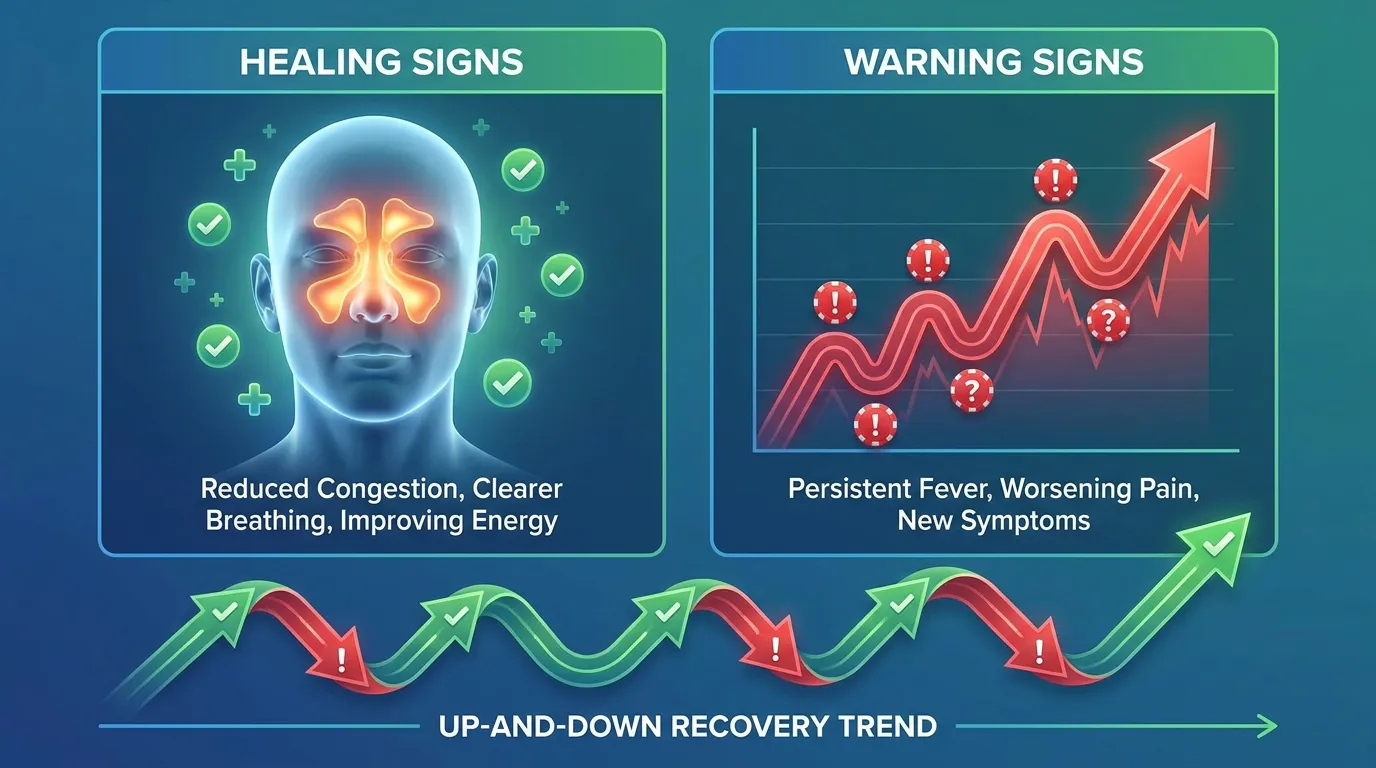
Recovering from turbinate reduction can feel confusing because symptoms rarely improve in a perfectly straight line. One day you may breathe clearly, and the next day you might feel congested again—often because swelling, scabbing, and mucus shift as the nasal lining repairs itself.
A helpful way to think about it: early healing is like repainting a room. Before it looks better, there’s a stretch where everything feels “messier”—more dryness, more crusting, and more sensitivity—while the surface cures.
The reassuring part: recovery is gradual and expected to evolve week by week. Many people notice meaningful improvement within the first month, but full internal healing can take 6 or more weeks (and sometimes longer) depending on the technique used, whether you had additional procedures, and your individual healing pattern.
Below is an educational, patient-friendly turbinate reduction recovery timeline (including day-by-day expectations early on), plus aftercare habits and red flags to watch for.
Medical disclaimer: This article is general education, not personalized medical advice. Always follow your surgeon’s instructions—they should override general guidance.
What Is Turbinate Reduction (and Why It’s Done)?
Quick anatomy—what turbinates do: Turbinates are structures inside the nose that help warm, humidify, and filter the air you breathe, and they help regulate airflow. When they become enlarged (often from inflammation), they can narrow the nasal airway and contribute to chronic congestion. If you’ve ever noticed one side of your nose feels more open than the other at different times of day, that’s a reminder that nasal tissue naturally changes size. With turbinate hypertrophy, the swollen state can become more persistent and bothersome.
Common reasons patients need turbinate reduction: Turbinate reduction is commonly performed for nasal obstruction caused by turbinate hypertrophy that doesn’t respond well enough to medical therapy; allergies and chronic rhinitis can contribute. Patients often describe symptoms like: “I can’t get air through my nose unless I use a spray”; “I wake up dry-mouthed from mouth breathing”; “Exercise feels harder because my nose blocks.” For a deeper overview of the procedure: https://sleepandsinuscenters.com/blog/everything-you-need-to-know-about-turbinate-reduction
Turbinoplasty vs. turbinectomy vs. office-based reduction (simple comparison)
There are multiple ways to reduce turbinate size, and approach can influence how long swelling and crusting last. Turbinoplasty reshapes or reduces turbinate tissue while preserving function; partial turbinectomy removes a portion of turbinate tissue in selected cases; office-based techniques (such as radiofrequency ablation) are minimally invasive, usually under local anesthesia, and often have a quicker recovery pattern. Turbinate reduction is sometimes combined with septoplasty and/or sinus surgery; combined procedures often mean a more intense or longer recovery because more tissue heals at once. Bottom line: the goal is to restore airflow while preserving normal nasal function; technique and any combined procedures shape your recovery experience.

Turbinate Reduction Recovery—What’s “Normal” vs. Not Normal
Common (expected) symptoms after surgery: Congestion or a blocked nose (often worse before it gets better); pressure or heaviness in the head; mild bleeding or blood-tinged mucus; crusting and dryness; temporary changes in smell or taste. Early on you’re dealing with swelling and the nose’s natural cleanup process, which can make airflow feel inconsistent day to day.
Less common symptoms that can still be normal (short-term): Ear pressure or fullness; mild headaches; increased postnasal drip. These are often temporary. If something feels unusually intense, lasts longer than expected, or is getting worse, check in with your surgeon.
Red flags—when to call your ENT urgently: Heavy bleeding that doesn’t slow with the measures you were given; fever, worsening pain, or foul-smelling drainage; severe one-sided swelling, vision changes, or a severe headache; signs of dehydration or feeling unable to breathe comfortably. Your discharge instructions may list additional warnings.
Key point: Ups and downs are part of healing, but severe, persistent, or worsening symptoms deserve prompt medical attention.

Turbinate Reduction Recovery Timeline (Day-by-Day / Week-by-Week)
Everyone heals differently, and your surgeon’s plan matters (especially if you had septoplasty or sinus surgery at the same time). Still, most people move through a similar progression.
Day 0 (surgery day): Expect grogginess and fatigue (especially if anesthesia was used), mild bleeding/oozing or bloody mucus, mouth breathing and dryness due to swelling. Practical tip: plan an easy first night with tissues or gauze if recommended, a humidifier, saline products, and extra pillows for head elevation.
Days 1–3 (first 48 hours): Often the most bothersome phase—significant congestion, pressure or tenderness, and blood-tinged mucus or mild oozing. Priorities commonly include rest, hydration, head elevation, and avoiding actions that increase nasal pressure; saline is often introduced or continued as instructed. Reassurance: swelling is doing most of the blocking right now—not a failure of the procedure.
Days 4–7 (week 1): Congestion plus crusting begins. You may still feel blocked, but swelling can start to settle with short windows of clearer breathing; crusting increases as tissue heals. Nasal moisture is key—saline sprays or rinses help reduce buildup and dryness. Crusting that improves with saline and time is common; crusting that feels obstructive despite consistent care may need your surgeon’s input.
Weeks 2–4: Noticeable improvement. Less tenderness and pressure; gradual reduction in congestion; ongoing crusting or dried blood that slowly decreases. Many people first notice easier breathing during a walk or improved sleep by week 2–3. Continue nasal care because internal healing is still active.
Weeks 4–6: Closer to “back to normal” for many. More stable airflow, much less swelling, fewer crusting episodes. Follow-ups may include gentle in-office cleaning if recommended. Off days can still happen with dry air, allergies, or minor colds.
After week 6 to 3 months: Final healing and long-term results. A large portion of recovery happens in the first month, but subtle internal healing can continue for weeks to months, especially with combined procedures. For a broader comparison: https://sleepandsinuscenters.com/blog/how-long-does-nasal-surgery-recovery-take
Think in weeks, not days: most patients improve steadily, with internal healing continuing well past the first month.

Best Practices to Support Smoother Healing (Patient-Friendly Aftercare)
Saline rinses: the #1 habit for smoother recovery
Saline can help clear dried blood and mucus, reduce crust buildup, and keep healing tissue moist. Your surgeon may recommend a spray, a rinse bottle, or both with a specific frequency. If mixing saline at home, use distilled or sterile water (or previously boiled and cooled water) and keep bottles clean to reduce contamination risk.
Humidity and hydration
Dry air worsens dryness and crusting. Nighttime humidification is often helpful, especially in winter or with indoor heating. Hydration supports comfort because dry tissues feel more irritated; waking with a “sandpaper” nose and throat suggests mouth breathing plus dry air may be compounding irritation.

Sleep positioning (and why it matters)
Head elevation early on can reduce pressure and swelling. Side- versus back-sleeping varies by person; avoid positions that increase throbbing or pressure. Side sleepers may notice the “down side” feels more congested during healing—this can be normal.
Medication basics (as directed)
Pain relief expectations vary by technique; some patients receive antibiotics or steroids while others do not. You may be advised to avoid certain over-the-counter products that increase bleeding risk unless approved by your surgeon. Treat your discharge instructions like the rulebook for your case. Moisture, gentle routines, and following your surgeon’s plan are the foundation of a smoother recovery.

What to Avoid During Turbinate Reduction Recovery (Activity and Lifestyle Rules)
Activity restrictions
Early on, avoid activities that raise blood pressure or strain the nose. A practical return-to-activity ladder: 1) light walking as tolerated; 2) normal daily activity; 3) return to workouts only after clearance (timing varies). If you feel pulsing pressure or increased bleeding with activity, scale back and ask your surgeon what’s appropriate.
Nose-blowing and sneezing rules
Avoid forceful nose-blowing for a period of time. If you need to sneeze, sneeze with your mouth open to reduce nasal pressure. Think gentle clearing, not power blow.
Irritants that slow healing
Avoid smoke or vaping, strong fragrances or cleaning fumes, dusty environments, and very dry indoor air. If an action increases pressure, pain, or bleeding, it’s likely too soon.
Common Recovery Problems (and What to Do)
“I feel more congested than before surgery—did it fail?”
This is common early on. Swelling plus crusting can temporarily block airflow even if the long-term airway will be better. If you’re still in the first couple of weeks, “more blocked than expected” is often a timing issue—not a final outcome.
Crusting and scabs
Crusting is especially common in weeks 1–4 and often improves gradually. Saline and humidification help. If crusting feels excessive or blocks airflow despite consistent care, some patients benefit from in-office cleaning when recommended. More on treating nasal crusting: https://sleepandsinuscenters.com/blog/treating-nasal-crusting-at-home-and-in-the-clinic
Dryness or burning sensation
Dryness can feel like stinging or burning, especially in dry indoor air. Emphasize moisture strategies and avoid picking at crusts, which can trigger bleeding and irritation.
Mild bleeding
Light spotting or blood-tinged mucus can be normal early. Bleeding that is heavy, persistent, or not responding to the guidance you were given warrants urgent contact with your care team. Most early setbacks reflect swelling and crusts—not failure of the procedure.
Treatments That May Be Needed After Surgery (If Symptoms Persist)
Managing underlying causes so swelling doesn’t return
Surgery reduces tissue volume, but inflammation drivers (like allergies or chronic rhinitis) may still need ongoing management so swelling is less likely to recur. If chronic nasal inflammation is part of your history, learn more: https://sleepandsinuscenters.com/treating-chronic-rhinitis
When a second procedure is considered
Rare, but considered in select cases (for example, persistent turbinate hypertrophy, scar-related narrowing, or untreated structural contributors). Follow-up evaluation is key so symptoms are interpreted in the context of your anatomy and healing stage. Ongoing care for underlying inflammation helps protect long-term breathing results.
FAQs
How long does turbinate reduction recovery take? Most people notice improvement over weeks, with full internal healing often taking 6 or more weeks and sometimes longer depending on technique and combined procedures.
When can I return to work? It depends on your job and how you feel; many return within a few days for desk work, while physically demanding jobs may require a longer break due to bleeding and swelling considerations.
When can I exercise again? Light activity is often resumed earlier, while strenuous exercise is typically delayed until you’re cleared—often around 1–2 or more weeks, depending on your case and instructions.
Is crusting normal after turbinate reduction? Yes—especially weeks 1 through 4. Saline and moisture support are key parts of many recovery plans.
Will my breathing feel immediately better? Often not. Swelling can temporarily worsen congestion before it improves; clearer breathing usually arrives gradually as swelling and crusting decrease.
What if I also had septoplasty? Expect a more noticeable recovery (more swelling, more congestion, and more aftercare steps). Your surgeon’s combined-procedure plan is the best guide. Your specific timeline should be set by your surgeon based on your procedure and healing.
When to Contact Sleep & Sinus Centers of Georgia
Consider reaching out if you have nasal obstruction that feels persistently severe beyond the expected recovery window; frequent nosebleeds, worsening pain, fever, or foul discharge; concerns about healing, scarring, or ongoing blockage that doesn’t match your timeline. To schedule a follow-up or consultation, visit https://www.sleepandsinuscenters.com/. We can help you understand what’s normal, what’s not, and what next steps may make sense.
Timely follow-up can turn small concerns into quick fixes.
References
1: https://my.clevelandclinic.org/health/treatments/22805-turbinate-reduction
2: https://healthy.kaiserpermanente.org/health-wellness/health-encyclopedia/he.turbinoplasty-or-turbinectomy-surgery-what-to-expect-at-home.zc2290
3: https://www.zadehmd.com/post/turbinate-reduction-recovery-a-timeline-of-what-to-expect
4: https://mbi-bio.com/mbi-international-training-center/turbinate-reduction-surgery-post-operative-care/
This article is for educational purposes only and is not medical advice. Please consult a qualified healthcare provider for diagnosis and treatment.
Don’t let allergies slow you down. Schedule a comprehensive ENT and allergy evaluation at Sleep and Sinus Centers of Georgia. We’re here to find your triggers and guide you toward lasting relief.