Sinus Infections After Mold Exposure: Symptoms, Causes, and Treatment Options
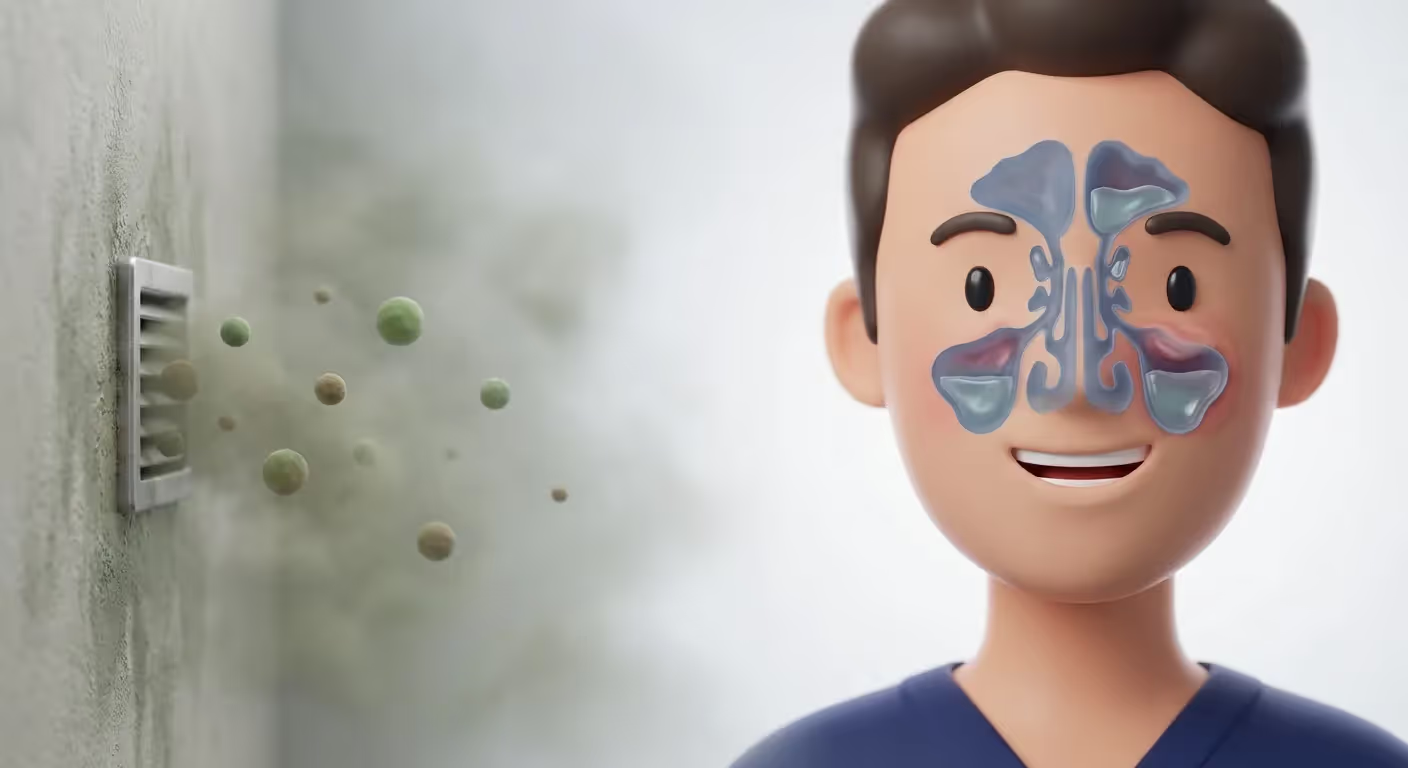
If you’ve noticed congestion, facial pressure, or post-nasal drip that seems to flare in a musty building—or started after water damage—you may wonder whether mold could be part of the story. Sinus infections after mold exposure are a common concern, and the connection often comes down to inflammation: mold spores can irritate the lining of the nose and sinuses, sometimes contributing to longer-lasting problems like chronic rhinosinusitis (CRS) or fungal-related sinus disease. Note: Many sinus symptoms after mold exposure result from inflammation or allergies rather than a true infection.
This guide is educational (not medical advice) and is designed to help you understand symptoms, likely causes, how ENT specialists evaluate the issue, and what treatment approaches are commonly considered.
Quick Take: Can Mold Exposure Cause Sinus Infections?
Yes—mold-related sinusitis can occur, but “infection” can be misleading.
- Mold spores can inflame the nasal and sinus lining, causing swelling and blocked drainage.
- In some patients, fungi may contribute to chronic rhinosinusitis (CRS) or patterns like allergic fungal rhinosinusitis.
- Not every sinus flare is bacterial—so repeated antibiotics may not address the root cause if inflammation or fungus is driving symptoms. For more background, see our related post on how mold exposure can trigger sinusitis: https://sleepandsinuscenters.com/blog/how-mold-exposure-can-trigger-sinusitis.
A helpful analogy: think of your sinuses like a set of small “drainage hallways.” If the lining swells, the hallways narrow. Even without a true bacterial infection, trapped mucus can keep symptoms going—and can set the stage for recurring flares.
When symptoms linger or keep recurring, it’s worth thinking beyond “a simple sinus infection” and considering environmental triggers and chronic inflammation.
- In short: mold can be a meaningful trigger, but inflammation—not just infection—is often the central problem. -

What Counts as “Mold Exposure” (And Where It Happens Most)
“Mold exposure” doesn’t have to mean visible mold on the wall. Often, it’s hidden moisture problems that allow mold spores to accumulate in the air. People commonly connect the dots only after a pattern emerges—like feeling “fine” on vacation, then stuffy again within a day or two of returning home.
Common indoor sources

- Bathrooms with poor ventilation
- Basements and crawlspaces
- HVAC systems, ductwork, or drip pans
- Leaks under sinks or around windows
- Wet drywall, ceiling stains, or water-damaged flooring
- Mold behind wallpaper or inside wall cavities
Concrete examples patients mention include: a musty-smelling closet after a roof leak, a basement office with persistent dampness, or a newly renovated room where old moisture damage was sealed in rather than fully dried and repaired.
Outdoor sources that still affect your sinuses
- Leaf mold (yard debris, compost, wooded areas)
- Damp soil and rotting wood piles
- Seasonal spikes after heavy rain or humidity changes
Outdoor exposure matters because it can raise the “background” level of spores—especially in humid regions—making sensitive noses and sinuses work harder to stay calm.
Who tends to be more sensitive
Some people react more strongly to spores and damp environments, including those with:
- Allergies or asthma
- Nasal polyps
- A history of frequent sinusitis
- Immune suppression (risk profiles vary widely)
An ENT clinician might phrase it like this: “Two people can share the same space—one barely notices, and the other’s sinuses swell shut. Susceptibility matters.”
- Bottom line: mold exposure often stems from hidden moisture, and individual sensitivity strongly influences symptom severity. -
Symptoms of Sinus Infections After Mold Exposure

Symptoms from mold-related inflammation can overlap with colds and allergies—so pattern and duration matter as much as the symptom list. Noting when symptoms start (and where they improve) often provides more useful clues than any single symptom.
Typical sinus symptoms
Common symptoms seen with mold-related sinus inflammation (and other sinus conditions) include:
- Persistent nasal congestion or blockage
- Facial pressure/pain (cheeks, forehead, between the eyes)
- Thick drainage and/or post-nasal drip
- Headache or pressure that worsens when bending forward
- Reduced smell and taste
Some people also describe sleep disruption—waking up congested or coughing from post-nasal drip—which can make the condition feel bigger than “just” a stuffy nose.
Clues mold/fungus may be involved (not diagnostic—just possible hints)
These don’t confirm fungus, but they can raise suspicion that the issue is more than a short-lived cold:
- Symptoms that last more than 12 weeks (a common definition for chronic rhinosinusitis)
- Symptoms that flare in one particular building (home/work/school) and improve elsewhere
- History of nasal polyps or a known pattern consistent with allergic fungal rhinosinusitis
A practical example: if you feel relatively clear during weekends away, but symptoms reliably spike after spending hours in one building with a musty odor, that exposure-linked pattern is worth telling your clinician.
When to seek urgent care (red flags)
Serious complications are uncommon, but urgent evaluation is important for:
- Swelling/redness around the eye
- Vision changes
- Severe headache, stiff neck
- High fever, confusion
- Key takeaway: track timing, setting, and duration—those patterns help distinguish brief irritations from chronic, exposure-related problems. -
Why Mold Can Trigger or Worsen Sinus Infections (The “Why Me?” Section)
Inflammation and swelling from spore exposure: Mold spores can act as irritants and allergens, triggering inflammation in the nasal and sinus lining. When that lining swells, the sinus drainage pathways can narrow—leading to stagnation of mucus and ongoing symptoms. In plain terms: inflammation makes drainage harder, and poor drainage makes symptoms easier to sustain.
Fungal involvement in chronic rhinosinusitis (CRS)
Research has explored the role of fungi in CRS for years. Some studies have reported fungal cultures in a very high percentage of CRS patients—figures in the 93–96% range in certain settings—suggesting fungus may be present and potentially contribute to chronic inflammation in susceptible people, even when it’s not an aggressive, invasive infection. “Fungus present” does not automatically mean “fungus is the only cause.” Many clinicians view CRS as multi-factorial, where anatomy, immune response, allergies, and microbes can all play a role.
Colonization + biofilms (why symptoms can become chronic)
Microbes (including fungi and bacteria) may exist within biofilms—communities that can be harder to clear. Biofilms are one proposed contributor to recurrence and treatment resistance in chronic sinus disease. A quick analogy: biofilms are like a thin protective “film” that helps organisms stick around despite rinses or medications—one reason chronic sinus care often focuses on both reducing inflammation and improving sinus ventilation and drainage.
Mycotoxins (what’s known, what’s uncertain)
You may also hear about “mycotoxins.” Some reports describe mycotoxins detected in certain testing contexts, which raises questions about exposure and susceptibility. Interpretation can be complex, and not every patient benefits from the same testing approach—an ENT or allergy specialist can help determine what’s clinically useful and what is unlikely to change treatment decisions.
- In essence: mold can inflame, sometimes coexist with bacteria in biofilms, and—in select cases—contribute to CRS, but it’s rarely the only factor. -
Mold-Related “Sinus Infection” vs. Bacterial Sinus Infection vs. Allergies
Why antibiotics often don’t fix the problem
A key reason people feel stuck is that many “sinus infections” are not truly bacterial. They may be:
- Viral
- Allergy-driven
- Inflammatory chronic rhinosinusitis
- Less commonly, a fungal sinus disease pattern
Antibiotics won’t treat inflammation or fungal-driven disease. So if symptoms keep returning after antibiotics—or never fully resolve—it’s reasonable to revisit the diagnosis and ask whether triggers (like damp indoor air) or chronic swelling are maintaining the cycle.
Quick comparisons (general patterns, not a diagnosis)
- Allergies: sneezing, itchy/watery eyes, clear drainage; seasonal or exposure-related.
- Acute bacterial sinusitis: “double-worsening” (gets better then worse), thicker discolored drainage, more significant facial pain/pressure; often under 4 weeks.
- CRS and possible fungal involvement: symptoms lasting more than 12 weeks, recurring congestion/pressure/post-nasal drip; sometimes polyps; chronic or relapsing pattern.
- Put simply: if antibiotics keep missing the mark, think inflammation, allergy, and environment—not just infection. -
How Doctors Diagnose Sinus Problems After Mold Exposure
When mold is suspected, evaluation usually focuses on (1) confirming what’s happening in the sinuses and (2) identifying triggers that maintain inflammation. Many patients find it reassuring to hear that the goal isn’t simply to “throw another antibiotic at it,” but to match treatment to the underlying pattern.
History that matters (what to tell your clinician)
Helpful details include:
- Timing: symptoms after water damage, renovations, a move, or noticing musty odor
- Pattern: improvement away from home/work?
- Past sinus infections, nasal polyps, asthma, or known allergies
- Prior treatments tried (and whether symptoms truly resolved)
If possible, bring specifics (dates, how long you were in the space, whether others in the household feel worse there). Those details can help your clinician separate coincidence from a repeatable exposure-linked flare.
Nasal exam and endoscopy
ENT evaluation may include a nasal exam and sometimes endoscopy to look for:
- Swelling and drainage pathways
- Thick mucus
- Nasal polyps
- Debris or discharge that suggests chronic inflammation
A brief patient-friendly way clinicians explain endoscopy: “It’s a way to look deeper where a flashlight can’t—so we can see what’s actually happening, not just guess.”
Imaging (CT scan of sinuses)
A sinus CT can show:
- Areas of chronic inflammation
- Blocked sinus outflow tracts
- Polyps or anatomy that reduces ventilation
It’s not a “mold test,” but it can clarify severity and guide treatment planning.
Testing options (used selectively)
Depending on symptoms and exam findings, clinicians may consider:
- Allergy testing to evaluate mold sensitivity (skin or blood testing). Learn more about allergy testing at Sleep and Sinus Centers of Georgia: https://sleepandsinuscenters.com/allergy-testing
- Targeted cultures (in specific situations)
- Evaluation for allergic fungal rhinosinusitis features
- The goal: identify the pattern and triggers so treatment matches the cause—not just the symptoms. -
Treatment Options (What Actually Helps)

Effective care for mold-related sinus symptoms often combines exposure reduction, nasal therapies, and targeted medications—and sometimes procedures. The right mix depends on whether the main driver is inflammation, allergies, polyps, infection, fungal involvement, or a combination.
Step 1 — Reduce or eliminate exposure (the foundation)
Because ongoing exposure can keep symptoms active, many plans start with:
- Fixing water intrusion and drying damp areas promptly
- Professional remediation when appropriate
- Improving ventilation
- Keeping indoor humidity in a safer range (often cited around ~30–50%)
- HEPA filtration strategies (room units and/or appropriate HVAC filtration)
Think of this step as “turning off the faucet.” Medications may help mop up symptoms, but if moisture continues feeding mold growth, it can be hard to get lasting relief.
Step 2 — Nasal irrigation (saline rinses)
Saline irrigation can help mechanically clear:
- Mucus
- Irritants/allergens
- Particles and debris
It’s also sometimes used as a “carrier” for clinician-prescribed topical therapies. Consistency often matters more than intensity.
Step 3 — Anti-inflammatory therapy
Intranasal corticosteroid sprays are commonly used in CRS care to help reduce swelling and improve drainage over time. Consistent technique and use are often emphasized. If you’ve tried a spray before and felt it “didn’t work,” it may be worth reviewing technique with a clinician—small adjustments can change where the medication lands.
Step 4 — When antifungal therapy is considered
Some clinicians consider topical antifungal approaches in select cases. You may see amphotericin B nasal rinse mentioned online. Evidence is mixed, and clinical practice varies; thus, it is usually considered on a case-by-case basis under a clinician’s guidance.
Step 5 — Managing coexisting allergies/asthma
When allergies contribute to inflammation, treatment may involve:
- Non-sedating antihistamines (in appropriate patients)
- Other anti-allergy strategies
- Immunotherapy in select, confirmed allergy cases
When asthma and sinus inflammation travel together, treating upper-airway inflammation can sometimes make overall breathing feel easier.
Step 6 — When procedures or surgery enter the conversation
If medical therapy and exposure control aren’t enough—especially with polyps or persistent obstruction—your ENT may discuss procedural options to improve sinus ventilation and access for topical therapies. If you’re dealing with long-lasting symptoms, visit our chronic sinusitis page for a deeper overview: https://sleepandsinuscenters.com/chronic-sinusitis
- Big picture: reduce exposure, calm inflammation, improve drainage, and individualize care based on what exams and testing show. -
At-Home & Lifestyle Tips to Feel Better While You Treat the Cause

Home environment checklist
- Keep humidity controlled; consider a dehumidifier if needed
- Vent bathrooms and kitchens; address condensation
- Don’t ignore small leaks (under sinks, around windows, roof flashing)
- Avoid sleeping in rooms with visible mold or persistent musty odor until the issue is addressed
- Replace HVAC filters on schedule and consider higher-efficiency options if appropriate for your system
Symptom-relief habits (comfort-focused)
- Stay hydrated
- Warm showers/steam for temporary comfort
- Elevate your head during sleep to reduce post-nasal drip sensation
- Avoid smoke and strong fragrances that can worsen nasal irritation
Prevention for recurrence
- Dry wet areas promptly after leaks or storms
- Monitor for repeat water intrusion
- Maintain regular home maintenance to prevent hidden moisture
- Practical steps at home can reduce day-to-day symptoms while you and your clinician address root causes. -
FAQs
How long after mold exposure do sinus symptoms show up?
It varies. Some people notice symptoms quickly (irritation/allergy-type responses), while others develop issues over days or weeks—especially with ongoing exposure. Individual sensitivity varies widely.
Can mold cause a sinus infection without fever?
Yes. Many inflammatory or chronic sinus conditions do not cause fever, even when symptoms feel significant. Fungal or inflammatory sinus conditions often do not cause fever, so absence of fever does not rule out significant sinus inflammation.
What does a fungal sinus infection feel like?
Often similar to chronic rhinosinusitis: congestion, facial pressure, post-nasal drip, reduced smell, and symptoms that persist or recur over time. “Feel” alone can’t reliably distinguish fungal from non-fungal causes.
Do air purifiers help with mold-related sinus symptoms?
HEPA filtration can reduce airborne particles, including spores, but source control (fixing moisture and addressing mold growth) is usually the most important step.
When should I see an ENT for suspected mold-related sinusitis?
Consider an ENT evaluation if symptoms last more than about 10 days without improvement, recur frequently, persist beyond 12 weeks, or haven’t improved despite multiple rounds of treatment.
Conclusion: A Practical Next Step If You Suspect Mold Is Affecting Your Sinuses
If you suspect mold-related sinus problems, it’s reasonable to take the concern seriously. Environmental triggers can drive ongoing inflammation, and lasting improvement often comes from a two-part approach: 1) Address exposure and moisture, and 2) Use targeted sinus care based on what an exam (and sometimes imaging/testing) shows.
If symptoms are lingering or recurring, Sleep and Sinus Centers of Georgia can help you understand whether chronic rhinosinusitis, allergy sensitivity, polyps, or fungal-related inflammation may be contributing—and what next steps make sense. To get personalized guidance, book an appointment at https://www.sleepandsinuscenters.com/.
- If you suspect mold is part of the story, pairing exposure control with targeted sinus care offers the best chance for durable relief. -
References
1. Fungal role in chronic rhinosinusitis (review/discussion): https://pmc.ncbi.nlm.nih.gov/articles/PMC3920250/
2. CRS microbiology and biofilm background: https://pmc.ncbi.nlm.nih.gov/articles/PMC8005363/
3. Mycotoxin discussion (industry/lab source; interpret cautiously): https://realtimelab.com/can-mold-cause-sinus-infections/
This article is for educational purposes only and is not medical advice. Please consult a qualified healthcare provider for diagnosis and treatment.
Don’t let allergies slow you down. Schedule a comprehensive ENT and allergy evaluation at Sleep and Sinus Centers of Georgia. We’re here to find your triggers and guide you toward lasting relief.