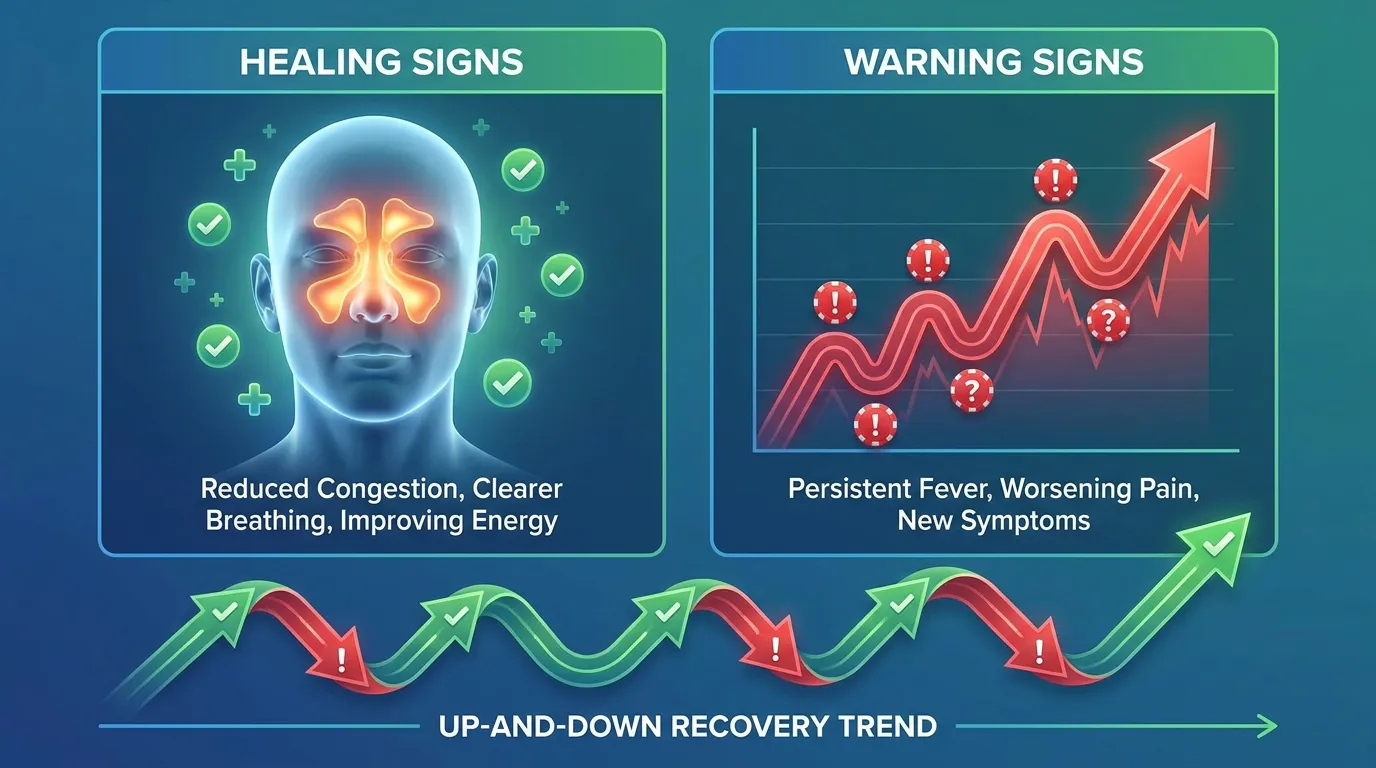

Septoplasty Recovery Week by Week: Complete Timeline and Healing Stages
If you’re preparing for deviated septum surgery—or you’ve already had it—you’re likely wondering what healing actually looks like day to day. This guide walks through septoplasty recovery week by week, including common symptoms, a realistic recovery timeline, and the healing stages most people experience.
Throughout recovery, keep this in mind: how you feel can improve within weeks, while internal healing continues for months. Always follow your surgeon’s instructions, since your plan may differ based on your anatomy and any additional procedures.
If you’re still deciding whether surgery is the right next step, see: Is septoplasty right for your deviated septum? https://sleepandsinuscenters.com/blog/is-septoplasty-right-for-your-deviated-septum
Quick Overview—How Long Does Septoplasty Recovery Take?
The short version (what many patients experience)
- First few days: the most swelling, congestion, and drainage
- Many patients notice breathing improvements within the first week, especially after any splints are removed; some may take longer
- Many return to normal day-to-day routines by 2–3 weeks, depending on job type and how they’re healing
- Many surgeons ask patients to avoid heavy lifting/strenuous exercise for at least a month; always confirm timing with your own surgeon
- Full internal healing (final settling of tissues and airflow refinement) can take months—while you may feel “better” within weeks, internal tissue remodeling can continue up to a year in some cases (general recovery context: [1][2])
For a broader view beyond septoplasty alone, read: How long does nasal surgery recovery take? https://sleepandsinuscenters.com/blog/how-long-does-nasal-surgery-recovery-take
Two stages of recovery (an important concept)
When people search “septoplasty recovery,” they often mean two different things:
1) Functional recovery (days to weeks): energy, comfort, returning to work, sleeping better
2) Biological/internal healing (months): swelling resolution deep inside the nose, tissue remodeling, scar maturation, subtle airflow changes (general overview: [1])
A helpful analogy: early recovery is like getting back on your feet after a sprain—walking feels okay fairly quickly, but the deeper “tightness” and stability keep improving long after you’ve returned to normal life.

“Recovery” can vary—what affects your timeline
Your septoplasty recovery timeline may be faster or slower based on:
- Septoplasty alone vs. combined procedures (for example, turbinate reduction: https://sleepandsinuscenters.com/blog/everything-you-need-to-know-about-turbinate-reduction)
- Smoking/vaping, uncontrolled allergies, chronic rhinitis/sinus issues
- Job demands (desk-based vs. physically demanding work)
- How closely you follow restrictions (especially avoiding nose blowing and heavy lifting early)
*Bottom line: most people feel functional improvement in weeks, but internal healing and refinement continue for months.*
What Septoplasty Fixes—and Why Recovery Symptoms Happen
What septoplasty is (simple explanation)
Septoplasty is surgery to straighten the nasal septum, the wall of cartilage and bone that divides the nose into two sides. A deviated septum can narrow airflow and contribute to chronic congestion or breathing difficulty. Septoplasty is sometimes paired with turbinate reduction if swollen turbinates are also blocking airflow. Turbinate reduction is a procedure to reduce the size of the turbinates—structures inside the nose that warm and humidify air—so they take up less space and allow better airflow.
For a local overview of deviated septum surgery, see: Deviated septum surgery at Sleep & Sinus Centers of Georgia https://sleepandsinuscenters.com/blog/deviated-septum-surgery-at-sleep-sinus-centers-of-georgia
Why you may feel “more blocked” at first
It can be surprising, but many people feel more congested initially because of:
- Post-op swelling inside the nose
- Crusting and dried blood as drainage slows
- Splints (if used), which temporarily take up space
- Inflammation that can “mask” the final breathing improvement early on (general overview: [1])
This early blockage is usually temporary and not a sign of surgical failure. As swelling and crusting improve, airflow typically becomes clearer. *Early stuffiness is common and short-lived—give tissues time to settle before judging the final result.*
Septoplasty Recovery Timeline (Week by Week)
Below is a practical septoplasty recovery week by week guide. Your experience may be smoother or more intense depending on your procedure details and baseline nasal inflammation.
Day 0 (Surgery Day): What to Expect Immediately After Septoplasty
Common symptoms
- Grogginess from anesthesia
- Mild to moderate pressure or soreness
- Significant congestion and mouth breathing
- Light bleeding/drainage
What usually helps
- Rest and hydration
- Head elevation (including while sleeping)
- Taking medications exactly as directed
- Starting saline care only when your surgeon says it’s time (general overview: [1])
A practical example: planning “easy wins” for the first night helps—extra pillows, a water bottle at bedside, soft foods, and entertainment that doesn’t require much concentration.
Days 1–3: The “Peak Congestion” Phase
This is often the hardest stretch of the septoplasty healing stages.
Normal symptoms (most common)
- Significant stuffiness and pressure
- Swelling and drainage
- Mild headache or facial heaviness
- Fatigue and disrupted sleep (general overview: [1])
Do’s (comfort + healing support)
- Sleep with your head elevated
- Use a humidifier if your home air is dry
- Use saline spray/rinses if/when instructed
- Use cold compresses to the cheeks/around the nose if approved
Don’ts (common early mistakes)
- Avoid nose blowing until your surgeon clears you
- Avoid bending/straining and heavy lifting
- Avoid heat exposure that seems to trigger bleeding (for some people that includes long hot showers)
If you need a “why,” it’s simple: early on, your nose is healing like a tender scrape—pressure, strain, and dryness can restart bleeding and increase swelling. *Protect the repair during this peak-swelling window to reduce setbacks.*

Week 1: First Turning Point (Breathing Often Starts to Improve)
Week 1 is a key milestone because swelling often begins to ease, and some people get splints removed.
What you may feel
- Congestion still present, but trending down
- Dryness/crusting may become more noticeable
- Many patients feel airflow improve after splints are removed (if used), while others may need more time
Typical follow-up visit
Your surgeon may:
- Inspect healing
- Remove splints (if applicable)
- Gently clear crusting in-office
Activity guidance
- Short walks are often encouraged
- Many people can handle light daily activities as energy returns
- Always confirm with your surgeon before resuming exercise
A clinician-style reminder you’ll hear often is: “You can move—just don’t strain.” Think errands at an easy pace, not lifting heavy groceries or doing a “catch-up” workout. *As swelling dips and care ramps up, many notice the first real hints of easier airflow.*

Week 2: Less Swelling, More “Dry/Crusty” Symptoms
Week 2 can feel oddly “dry,” even as overall swelling improves. Some people describe it as a tight, flaky feeling inside the nose—uncomfortable, but usually temporary.
Common symptoms
- Dryness and crusting
- Occasional mild bleeding if tissue gets irritated
- Intermittent pressure/fullness
Helpful septoplasty aftercare
- Saline spray/irrigation as directed to reduce crusting and keep tissue moist
- Avoid irritants (dust, smoke, strong fragrances)
- Follow your surgeon’s specific guidance on nose blowing and nasal care
If crusting is a major issue, you may find this helpful: Treating nasal crusting at home and in the clinic https://sleepandsinuscenters.com/blog/treating-nasal-crusting-at-home-and-in-the-clinic
If you’re unsure how often irrigation is typically used during healing, see: How often to use nasal rinses https://sleepandsinuscenters.com/blog/nasal-rinses-how-often-should-you-use-them
What’s NOT normal
Educationally, many post-op resources flag these as reasons to check in promptly: worsening pain after initial improvement, fever, foul-smelling drainage, or heavy bleeding (general overview: [1]). *Dryness and crusting often peak here, but consistent saline care usually brings steady relief.*

Weeks 3–4: Back to Routine (But Still Protect the Healing Septum)
This phase is where many people feel more “like themselves,” which can tempt them to do too much too soon.
What improves
- Return to work/school is common (especially for non-physical jobs)
- Less day-to-day discomfort
- Better sleep quality for many patients
What may linger
- Intermittent congestion, especially with allergies
- Mild sensitivity or tenderness
Exercise and lifting: the critical rule
A top question is: when can I exercise after septoplasty? Many surgeons recommend avoiding strenuous workouts and heavy lifting for at least a month; confirm timing with your own surgeon, and return gradually. Early strain can increase bleeding and swelling and may interfere with delicate healing.
Concrete example: a brisk walk is usually very different from a heavy leg day or high-intensity interval training. If you feel pulsing pressure or notice bleeding, that’s a sign you’ve pushed too far. *Feeling better doesn’t mean your nose can handle heavy strain—ease back in only when your surgeon approves.*

Month 2–3: Breathing Feels More Stable (Refinement Phase Begins)
By this point, many people report that breathing feels more consistent day to day, with fewer “ups and downs.”
What’s typical now
- Less swelling-driven congestion
- Gradual improvement in airflow as tissues continue to settle (general overview: [1])
Lifestyle focus
- Strong allergy control (as directed)
- Maintain nasal moisture (saline/humidifier as needed)
If you have seasonal allergies, controlling triggers matters—your nose may still be more reactive than usual. *This is the refinement phase: fewer fluctuations and more predictably clear airflow.*
Months 3–12: Full Internal Healing and Final Results
What “full healing” means
Even after you feel “recovered,” internal tissues continue to remodel. While external recovery may seem complete within weeks, internal tissue changes can take months or up to a year for final results (general overview: [1][2]).
Why symptoms can fluctuate
Seasonal allergies, dry winter air, colds, and irritants can temporarily worsen congestion. That doesn’t automatically mean the surgery didn’t work—it may reflect inflammation in healing tissue. *Final results emerge gradually; occasional ups and downs are common along the way.*
Septoplasty Aftercare Checklist (What Helps Healing Most)
This section summarizes aftercare themes that commonly support smoother healing (always follow your surgeon’s plan).
Nasal care
- Saline spray: often used to combat dryness and reduce crusting
- Saline rinse/irrigation: often used to gently cleanse mucus/crusts (timing and frequency vary)
- Keep follow-up visits—some patients benefit from in-office cleaning
- Avoid nose blowing until you’re cleared by your surgeon
Sleep tips
- Head elevation early on
- Humidifier use if dry air worsens crusting
- Choose a sleep position that avoids pressure on the nose
Food and hydration
- Hydrate well (helps keep mucus thinner)
- Softer foods can be more comfortable early if chewing increases facial pressure
Environment
- Avoid smoke/vaping and dusty environments
- Reduce exposure to strong fragrances/cleaning fumes if they trigger swelling
*Small, consistent habits—saline, humidity, hydration—add up to smoother healing.*
Activity Restrictions (Non-Negotiables for a Smooth Recovery)
The first month
Common restrictions include:
- No heavy lifting/strenuous workouts
- No contact sports (risk of nasal trauma)
- Avoid swimming/submerging if your surgeon advises
- Always confirm with your surgeon before resuming higher-intensity activity
When you can return to work
- Desk work: often around about a week, depending on symptoms and sleep
- Physical work: may require longer due to lifting/strain risk (general overview: [1])
A useful planning tip: if you can take a little extra time off, it often makes the first week less stressful—especially if your sleep is fragmented. *Give your nose a quiet first month to protect the repair and reduce complications.*
Possible Complications and When to Call Your Surgeon
Seek urgent advice for
Many educational resources recommend urgent evaluation for:
- Heavy bleeding that doesn’t stop
- Fever, severe or worsening pain, pus-like drainage
- Vision changes, severe headache/neck stiffness
- Trouble breathing comfortably at rest or signs of dehydration (general overview: [1])
Common but non-emergency concerns
- Dryness and crusting
- Temporary reduced smell/taste from swelling (usually transient)
- Uneven congestion during healing (one side may feel clearer before the other)
*Know the red flags, but remember that most symptoms—congestion, crusting, mild bleeding—improve with time and routine care.*
Treatments That Support Recovery (What Your Care Team May Recommend)
Medications (case-by-case)
Depending on your situation, your surgeon may use:
- Pain relief options
- Antibiotics (if prescribed)
- Steroid nasal sprays (timing varies—some are started later in healing) (general overview: [1])
In-office care
Follow-ups may include:
- Splint removal (if used)
- Gentle suctioning/cleaning
- Healing checks to ensure the septum is stable
*Your care plan is personalized—follow your surgeon’s guidance on medications and timing for best results.*
FAQs
When can I blow my nose after septoplasty?
Many surgeons advise not blowing your nose early on. The timing varies, so follow your surgeon’s specific post-op instructions.
When can I exercise again after septoplasty?
Many surgeons recommend waiting at least a month before strenuous exercise or heavy lifting, with a gradual return afterward. Always confirm your timeline with your surgeon.
When will I breathe better after septoplasty?
Many patients notice improvement within the first week (often after splint removal), but breathing can keep improving over the following weeks and months.
Is it normal to feel congested weeks after surgery?
Yes—intermittent congestion can happen during healing, especially with dryness, crusting, or allergies. This is usually temporary.
When can I fly after septoplasty?
Air travel timing depends on your healing and whether you’re prone to bleeding or pressure symptoms. Ask your surgeon for guidance based on your case.
What if one side still feels blocked?
Uneven congestion can happen during healing. If blockage persists beyond the expected recovery timeline, an ENT may check for inflammation, turbinate swelling, scarring, or other airflow factors.
How long does swelling last after septoplasty?
Swelling improves a lot in the first few weeks, but deeper internal swelling and tissue remodeling can take months.
*If you’re unsure about any activity or symptom, ask your surgeon—personal guidance always wins over general timelines.*
When to See an ENT About Persistent Nasal Blockage (Post-Recovery)
If breathing still doesn’t feel right after the expected healing window, it may be worth reassessment—especially if you have frequent infections or uncontrolled allergies.
What an ENT may check (high level)
- Residual septal deviation
- Turbinate hypertrophy/inflammation
- Nasal valve collapse
- Scar tissue or persistent swelling patterns
If you’d like to talk through ongoing blockage, recovery concerns, or whether another factor might be affecting airflow, you can book an appointment here: https://www.sleepandsinuscenters.com/appointments
*If symptoms linger beyond the usual window, a focused exam can identify fixable causes.*
Conclusion—What to Remember About Septoplasty Healing
A realistic septoplasty recovery week by week view is that healing happens in phases: intense early congestion → steady improvement over weeks → longer-term refinement over months. Protecting your nose in the first month (especially avoiding nose blowing and heavy exertion until cleared) is a major part of a smooth outcome. Many people notice earlier breathing relief, but final results can continue developing well after you feel “back to normal.”
For additional reading, you may also like: How long does nasal surgery recovery take? https://sleepandsinuscenters.com/blog/how-long-does-nasal-surgery-recovery-take
*Short-term patience and long-term consistency usually add up to clear, comfortable breathing.*
Citations
[1] Verywell Health – Septoplasty recovery overview: https://www.verywellhealth.com/septoplasty-recovery-5072591
[2] Sleep and Sinus Centers of Georgia – Nasal surgery recovery time: https://sleepandsinuscenters.com/blog/how-long-does-nasal-surgery-recovery-take
This article is for educational purposes only and is not medical advice. Please consult a qualified healthcare provider for diagnosis and treatment.
Don’t let allergies slow you down. Schedule a comprehensive ENT and allergy evaluation at Sleep and Sinus Centers of Georgia. We’re here to find your triggers and guide you toward lasting relief.