Septoplasty Before and After: Real Results, Recovery Timeline, and What to Expect
If chronic nasal blockage is affecting your sleep, workouts, or daily comfort, you may be researching septoplasty before and after outcomes. Septoplasty is designed to improve airflow by straightening a deviated septum—the cartilage and bone wall that separates the left and right nasal passages. This guide explains what typically changes, what doesn’t, what research shows about results, and how to plan for recovery—so you can set realistic expectations and feel prepared.
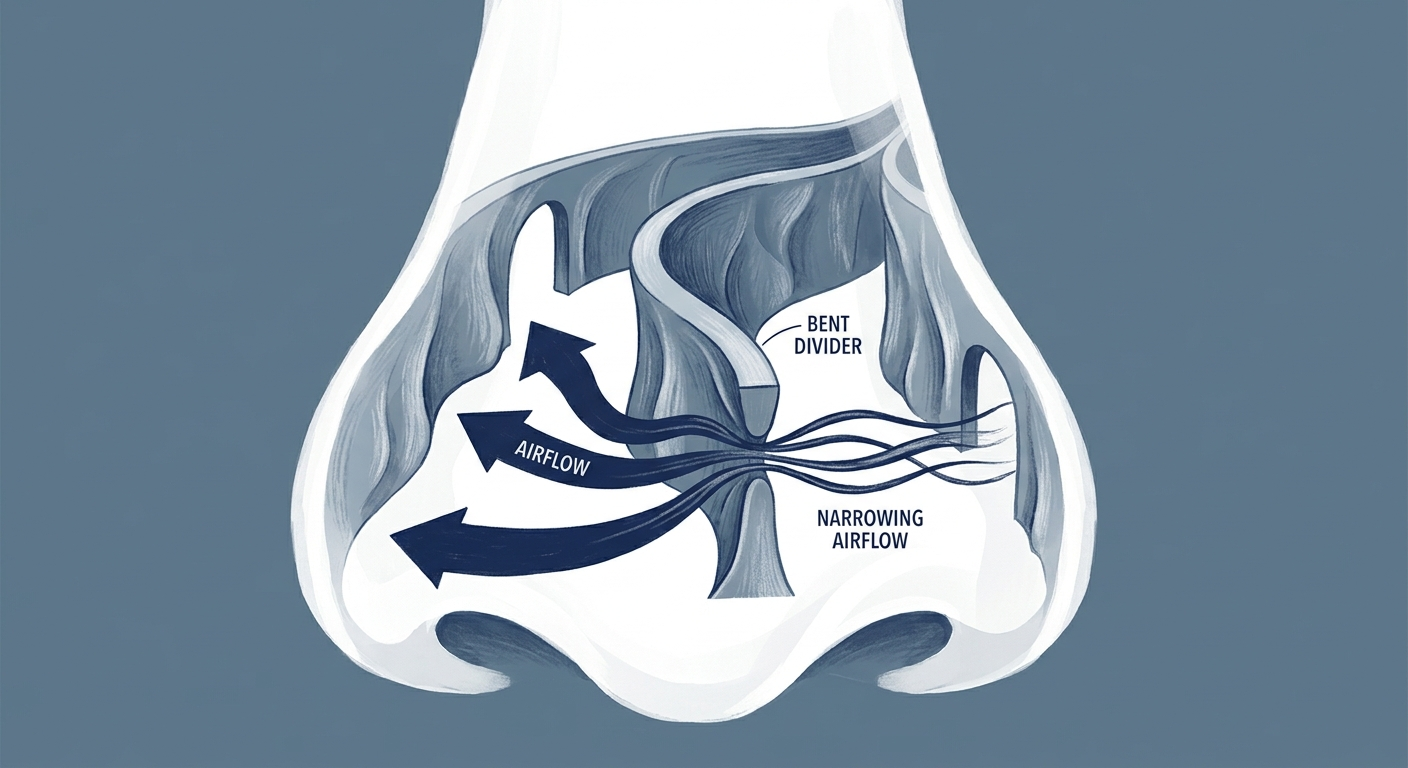
A helpful analogy: a deviated septum can act like a “bend” in a straw. Even if you’re pulling air in strongly (during a run, for example), the narrowed passage can still limit flow. Septoplasty aims to reduce that internal bottleneck.
Quick Takeaways (for skimmers)
- Typical outcome: meaningful breathing improvement and better quality of life for many appropriately selected patients.
- Evidence: NOSE symptom scores often improve substantially in published studies and may remain improved up to 1 year.1
- Satisfaction rates vary widely (~69%–100%) across studies due to differing methods and limited randomized trials.3
- Biggest predictor of satisfaction: how much symptoms improve after surgery (i.e., lower postoperative NOSE score), rather than how severe symptoms were before.1

What Septoplasty Can (and Can’t) Change “Before and After”
What septoplasty does change
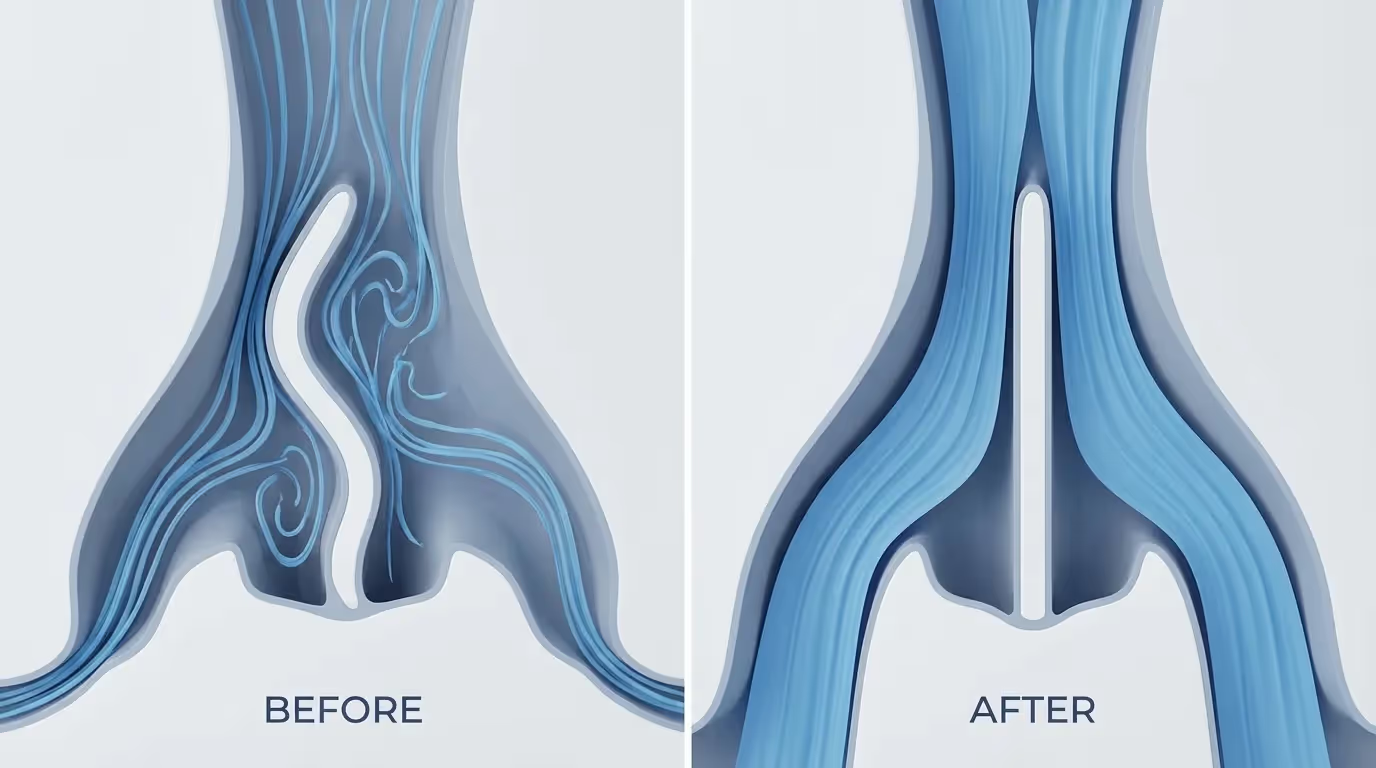
Septoplasty addresses internal anatomy. By straightening the septum, it can:
- Improve airflow through one or both sides of the nose
- Reduce nasal obstruction symptoms tied to structure (not allergies), such as mouth breathing, nighttime congestion, and difficulty breathing through the nose during exercise
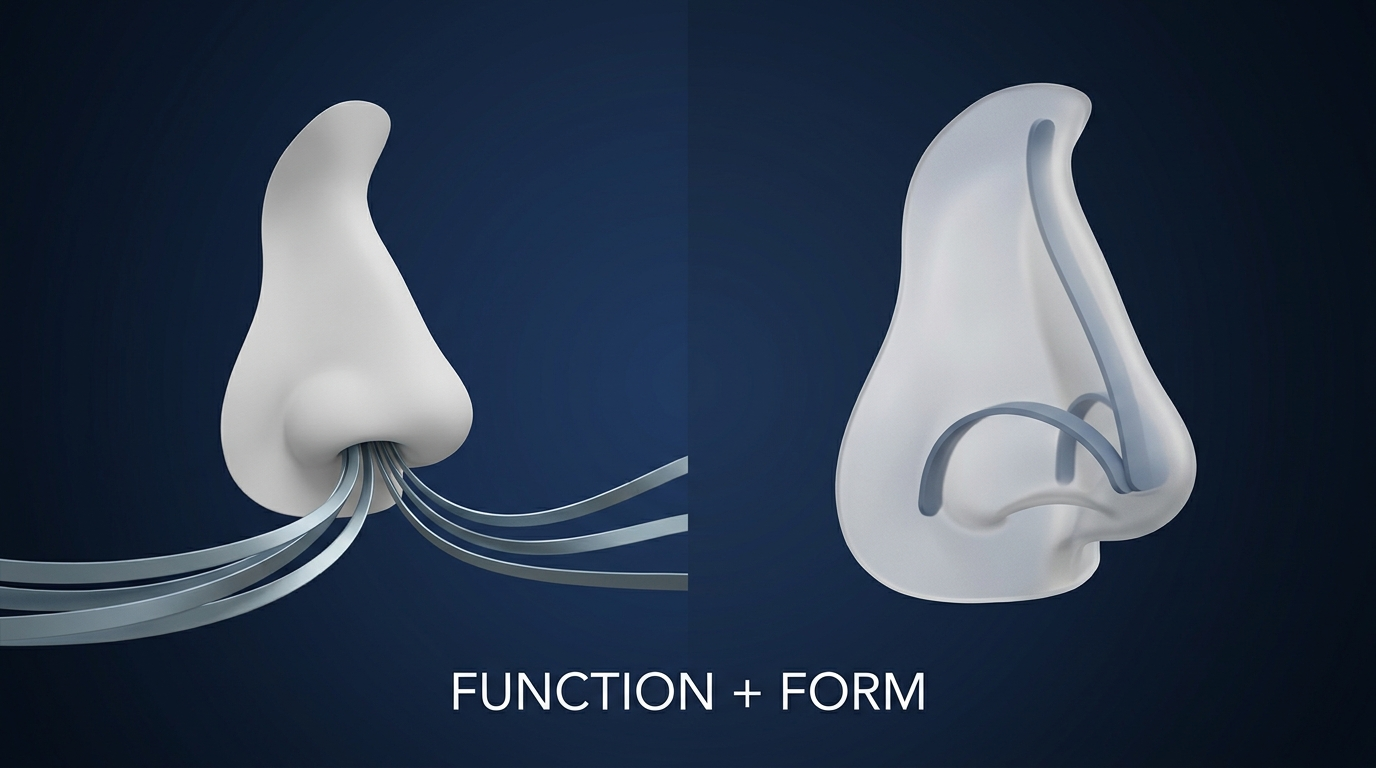
These deviated septum surgery results are mostly functional—measured by symptom relief rather than a dramatic “look” change. Patients often describe the “after” as less effortful breathing, like the nose finally “keeps up” during activity.
What septoplasty usually doesn’t change
In most cases, septoplasty does not:
- Change the external appearance of the nose (unless combined with cosmetic or reconstructive rhinoplasty)
- Resolve allergy-driven symptoms (sneezing, itching, watery drainage) unless those conditions are treated separately
A practical way to think about it: septoplasty can fix the structure of the hallway, but it doesn’t remove “smoke in the air” from allergies or irritation. Those often need their own plan.

Septoplasty vs. Nasal Breathing Surgery (why results differ)
Many people use “septoplasty” as shorthand for nasal obstruction surgery, but breathing improvement sometimes requires more than septum correction alone. Depending on your anatomy, your surgeon may discuss additional procedures such as turbinate reduction or nasal valve support.
If you’re learning about combined approaches, see our guide on septoplasty with turbinate reduction: https://sleepandsinuscenters.com/blog/septoplasty-with-turbinate-reduction-combined-nasa-20260125021033
For a deeper overview of turbinate issues, read: https://sleepandsinuscenters.com/blog/everything-you-need-to-know-about-turbinate-reduction
For septum-specific evaluation, visit: https://sleepandsinuscenters.com/blog/is-septoplasty-right-for-your-deviated-septum
If you’re primarily exploring non-cosmetic airflow goals, see our service page: https://sleepandsinuscenters.com/deviated-septum-relief
Takeaway: In short, septoplasty targets structure, while allergies and external appearance usually require separate strategies.
Symptoms That Often Improve After Septoplasty (Before → After)
Common “before” symptoms of a deviated septum
People considering septoplasty before and after changes often describe:
- One-sided or alternating nasal blockage
- Trouble nasal breathing during sleep or exercise
- Mouth breathing and dry mouth on waking
- Snoring that seems worse when the nose feels blocked
- Frequent congestion that doesn’t respond well to sprays
A common real-world example is “I can breathe fine on one side—until I lie down—then it flips,” or “I’m fine walking, but the moment I pick up the pace I feel like I can’t get enough air through my nose.”
“After” improvements patients commonly report
After healing, many patients notice:
- Easier nasal breathing at rest and during activity
- Less reliance on decongestants (and reduced risk of rebound congestion)
- Better sleep quality and daytime energy in some cases—especially when obstruction was significant
Research also suggests quality-of-life measures can improve alongside obstruction scores after septoplasty.2 A clinician might phrase it like this: “We’re aiming for less blockage on your worst days—not necessarily a ‘perfect nose’ 24/7.”
Takeaway: Bottom line: if structure is the main issue, breathing often feels easier after healing.
Causes of a Deviated Septum (Why You Might Need Septoplasty)
Structural causes
- Natural growth asymmetry (very common)
- Narrow nasal anatomy that magnifies the impact of mild septal deviation
Injury-related causes
- Sports injuries, falls, vehicle accidents, or a prior nasal fracture
When “deviated septum” isn’t the only cause of blockage
It’s also common for other factors to contribute:
- Enlarged turbinates (often related to allergies or irritation)
- Nasal valve collapse (weakness/narrowing at the nasal sidewalls)
- Chronic rhinitis or sinus inflammation
For more on combined airway strategies, see septoplasty with turbinate reduction: https://sleepandsinuscenters.com/blog/septoplasty-with-turbinate-reduction-combined-nasa-20260125021033
Takeaway: Put simply, many noses are asymmetric—and other structures can add to the bottleneck.

Real-World “Before and After” Results: What the Research Shows
Symptom score improvements (NOSE score)
One of the most-used measures in studies is the NOSE score (Nasal Obstruction Symptom Evaluation). It captures how blocked your nose feels and how much it affects daily life—covering issues like congestion, trouble breathing, sleep disruption, and air hunger during activity.
In a large study, the median NOSE score improved from 70 before surgery to 15 after surgery, and the improvement stayed strong through 1 year.1 In plain terms, that’s a shift from “significant, life-affecting obstruction” to “much milder symptoms” for many patients.
Satisfaction (“Was it worth it?”)
In that same study, 87.4% of patients reported surgery was “worth it” at 1 year.1 (This includes nasal breathing surgery broadly, which may involve additional procedures depending on anatomy.)
It’s worth noting what “worth it” often means in practice: less daily frustration, fewer “bad breathing days,” and less dependence on quick-fix remedies.
Quality of life improvements beyond breathing
Another study found nasal obstruction scores improved significantly by 1 month and 6 months, with meaningful gains in multiple health-related quality-of-life areas (SF-36).2 That’s consistent with what many people hope for: not just a more open airway, but better sleep continuity, easier workouts, and fewer interruptions to routine.
Why satisfaction rates vary across studies
A systematic review reported satisfaction ranging from 69% to 100%.3 That wide spread likely reflects differences in study design, outcome measures, follow-up timing, and the fact that high-quality randomized trials are limited. The practical takeaway: septoplasty before and after experiences are often positive, but they’re not identical for everyone—and the “right” outcome is personal.
The strongest predictors of satisfaction (important expectation-setting)
Research suggests:
- Lower NOSE score after septoplasty (more symptom relief) predicts higher satisfaction.1
- Higher out-of-pocket costs were associated with lower satisfaction.1
Even when the breathing result is good, financial stress can shape the overall experience. This is one reason it helps to discuss coverage, costs, and anticipated follow-up needs up front.
Takeaway: Overall, research shows many patients experience substantial and durable relief.

Septoplasty Recovery Timeline (What to Expect Day by Day / Week by Week)
Healing varies by person and by what was done (septoplasty alone vs. combined procedures). Still, most patients benefit from a general septoplasty recovery timeline to plan time off and set expectations about septoplasty swelling and congestion.
One of the biggest “surprises” for patients is that breathing may feel worse before it feels better—because swelling, crusting, and internal healing temporarily narrow the space you just had corrected.
Simple recovery timeline
First 24–72 hours: Congestion, mild bleeding/oozing, fatigue, pressure/fullness. What’s going on: Early swelling and healing response.
Days 4–7: Congestion often peaks; crusting increases; splints (if used) may be removed. What’s going on: Swelling plus internal debris/crusting.
Weeks 2–3: Breathing often starts improving but may fluctuate. What’s going on: Swelling gradually decreases.
Around 1 month: Many feel more “normal”; intermittent dryness/stuffiness can persist. What’s going on: Ongoing internal healing; symptom scores often improve by 1 month.2
6 weeks–3 months: More consistent airflow. What’s going on: Swelling continues to settle; refining phase of healing.
6 months–1 year: A stable baseline becomes clearer. What’s going on: Long-term remodeling and adaptation.
If you want a deeper week-by-week view, see: https://sleepandsinuscenters.com/blog/septoplasty-recovery-week-by-week-complete-timeline-20260123051106
Takeaway: Expect early swelling, gradual gains, and a clearer baseline over months—not days.
“Before and After” Photos vs. Breathing Results (Setting Expectations)
Why septoplasty results are mostly functional (not cosmetic)
A common misunderstanding is expecting a dramatic external change in septoplasty before and after photos. Because septoplasty is performed inside the nose, the most meaningful “after” is usually how you breathe, not how the nose looks.
If cosmetic change is part of your goal, that’s a separate conversation (often involving rhinoplasty). If your goal is airflow, septoplasty is typically evaluated with symptom improvement rather than appearance.
How to track your own before/after results (practical tips)
- Complete a baseline NOSE score before surgery and again during follow-ups (your clinic may provide this)
- Keep a brief “breathing diary” for 2 weeks: sleep quality, mouth breathing, exercise tolerance, and spray use
- Note snoring patterns (partner observations can be helpful; apps are optional and imperfect)
This can be especially useful if improvement is gradual—you’ll have a record of small wins that are easy to forget week to week.
Takeaway: Think function first: the most important “after” is how easily you breathe.
Treatment Options (So Patients Understand the Full Menu)
Non-surgical treatments that may be tried first (when appropriate)
Depending on symptoms and exam findings, options may include:
- Saline rinses
- Properly used topical nasal steroid sprays
- Allergy evaluation/management
- Avoiding overuse of decongestant sprays (to reduce rebound congestion)
These steps can be worthwhile even if surgery is likely, because they reduce inflammation “noise” and make it easier to tell what’s structural vs. treatable medically.
Septoplasty (surgical treatment)
Septoplasty is typically an outpatient procedure that repositions or removes deviated portions of septal cartilage/bone to improve airflow. It’s often part of a broader plan for nasal obstruction surgery when multiple structures contribute.
Often combined procedures
- Turbinate reduction (when turbinates are enlarged and narrowing the airway)
- Additional airway procedures if needed for nasal valve support
For more on septum-specific evaluation, visit: https://sleepandsinuscenters.com/blog/is-septoplasty-right-for-your-deviated-septum
Service page: https://sleepandsinuscenters.com/deviated-septum-relief
When revision septoplasty is considered
If symptoms persist, a surgeon may re-evaluate for residual deviation, scar tissue, valve issues, or ongoing turbinate inflammation. Learn more: https://sleepandsinuscenters.com/blog/revision-septoplasty-fixing-persistent-nasal-obstr-20260125050850
Takeaway: The best outcomes come from matching the treatment plan to the exact structures causing blockage.

Lifestyle Tips to Improve Comfort and Healing After Septoplasty
The do’s
Educational (not individualized) comfort measures often include:
- Saline rinses as directed by your surgeon
- Sleeping with your head elevated
- Staying hydrated; considering room humidification if air is dry
- Attending follow-ups (post-op cleaning can affect comfort)
Many patients find that consistency matters more than intensity—gentle routines done regularly tend to beat occasional “big efforts.”
The don’ts
Many post-op instruction sheets commonly restrict:
- Nose blowing early in recovery (timing varies)
- Heavy lifting/straining until cleared
- Smoking/vaping exposure (can irritate healing tissue)
When to call your surgeon urgently
Seek urgent guidance for:
- Heavy bleeding that doesn’t respond to provided instructions
- Fever or worsening pain
- Concerning swelling, severe headache/neck stiffness, or vision changes (rare but urgent)
For more detail on comfort and expectations, see: https://sleepandsinuscenters.com/blog/septoplasty-pain-level-and-recovery-what-to-expect-20260124121132
Takeaway: Gentle, consistent care and follow-ups usually make recovery more comfortable.
Risks and Side Effects (Patient-Friendly, Non-Alarming)
Common temporary side effects
- Congestion, crusting, dryness
- Mild bleeding
- Temporary reduced smell/taste from swelling
Less common complications to know
- Infection, septal hematoma, septal perforation
- Persistent obstruction (especially if other anatomy contributes)
- Need for additional procedures in select cases
Takeaway: Complications are uncommon, but knowing them helps you recognize when to seek care.
FAQs
How long until I can breathe better after septoplasty?
Many people notice improvement within weeks, but early swelling can mask results. Studies show major symptom score improvements by 1 month, with benefits lasting through 1 year.1,2
What is the NOSE score, and why does it matter?
The NOSE score is a brief questionnaire that measures how much nasal blockage affects your life. It’s widely used in research because it quantifies changes after septoplasty in a consistent way—and studies show large improvements for many patients.1
Is septoplasty “worth it”?
In one large study, about 87% of patients said nasal breathing surgery was “worth it” at 1 year.1 However, the overall satisfaction rate varies across studies (about 69%–100%), reflecting differences in patient selection and research methods.3
Why do some people still feel blocked after surgery?
Possible reasons include turbinate enlargement, nasal valve collapse, allergies/rhinitis, scar tissue, or incomplete correction. A detailed re-evaluation can clarify the cause.
Does septoplasty help snoring or sleep apnea?
It can improve nasal airflow and may help some people tolerate CPAP better. Septoplasty may also reduce nasal obstruction–related snoring in some cases, but it is not a comprehensive treatment for all snoring or a guaranteed cure for obstructive sleep apnea.
How much pain should I expect?
Many people describe more pressure and congestion than sharp pain, but experiences vary. For more detail, see: https://sleepandsinuscenters.com/blog/septoplasty-pain-level-and-recovery-what-to-expect-20260124121132
When can I return to work/exercise?
Many return to desk work within days to a week, while exercise restrictions vary. Your surgeon’s instructions should guide timing based on your procedure and healing.
Conclusion: Setting Realistic “Before and After” Expectations
The bottom line
Many patients see substantial breathing relief and quality-of-life gains, often noticeable within weeks and supported by research showing improvements lasting up to a year.1,2 The key to a satisfying septoplasty before and after experience is understanding that outcomes vary with individual anatomy, healing, and whether additional nasal structures need treatment.3
Next step
If ongoing blockage is affecting sleep, exercise, or medication dependence, an evaluation at Sleep and Sinus Centers of Georgia can help clarify the cause of obstruction and what options best match your goals.
To get started, book an appointment at: https://www.sleepandsinuscenters.com/
Medical disclaimer: This article is for general education and is not medical advice. Recovery guidance and procedural recommendations should come from your surgeon or clinician, based on your specific anatomy and health history.
This article is for educational purposes only and is not medical advice. Please consult a qualified healthcare provider for diagnosis and treatment.
References
1. JAMA Network Open (2020). Factors Associated With Patient Satisfaction After Nasal Breathing Surgery. https://jamanetwork.com/journals/jamanetworkopen/fullarticle/2763225
2. PubMed Central. Quality of Life of Patients After Nasal Septoplasty. https://pmc.ncbi.nlm.nih.gov/articles/PMC11910906/
3. European Archives of Oto-Rhino-Laryngology (2018). Long-term patient-related outcome measures of septoplasty: a systematic review. https://pubmed.ncbi.nlm.nih.gov/29332171/
Don’t let allergies slow you down. Schedule a comprehensive ENT and allergy evaluation at Sleep and Sinus Centers of Georgia. We’re here to find your triggers and guide you toward lasting relief.