Septoplasty Before and After: Real Patient Stories of Improved Breathing
If you’ve lived with one constantly blocked nostril, chronic congestion, or sleep that never feels refreshing, you’re not alone. Many people with a deviated septum describe years of “making do”—breathing through the mouth on walks, waking up dry, or assuming their nose is “just like this”—before realizing their symptoms may be fixable.
In this guide to septoplasty before and after, you’ll learn:
- The most common changes people notice after surgery (especially breathing and sleep)
- A realistic septoplasty recovery timeline
- Themes from real, publicly shared patient experiences (no names; story patterns only)
- When it may be time to consider an ENT evaluation
Published patient stories from major medical centers frequently describe “breathing freely” and meaningful quality-of-life improvements after septoplasty. [1][3]
What Is Septoplasty (and What It Isn’t)?
What is a deviated septum?
Your nasal septum is the wall of cartilage and bone that divides the left and right nostrils. When that wall is shifted or crooked (a “deviation”), it can narrow one or both nasal passages—sometimes enough to cause persistent nasal obstruction.
A useful mental picture: if your nose is like a two-lane road, a deviated septum can turn one lane into a bottleneck. You may still get airflow, but it can feel “restricted,” especially when swelling from allergies or a cold narrows the space even more.

What septoplasty corrects
Septoplasty is a functional procedure designed to straighten or reposition the septum to improve airflow. Depending on your anatomy, it’s also commonly paired with other treatments—like turbinate reduction or sinus procedures—when swelling or additional blockage is contributing to symptoms.
Importantly, septoplasty addresses structure. It doesn’t “cure” allergies or eliminate every cause of congestion, which is why some people still need long-term inflammation control afterward.
Septoplasty vs. rhinoplasty (common confusion)
A common misunderstanding is that septoplasty is cosmetic. In general:
- Septoplasty targets function (breathing)
- Rhinoplasty targets appearance
Some people have both together, but they’re not the same procedure, and goals should be clarified during a consultation. [3]
In short: septoplasty is about function—opening airflow—not changing appearance.
“Before” Septoplasty—Common Symptoms Patients Describe
Breathing symptoms
People considering deviated septum surgery often describe:
- One-sided nasal blockage (frequently worse at night)
- Congestion that doesn’t respond well to sprays
- Mouth breathing during sleep or exercise
A classic “before” scenario in patient stories is realizing one side has felt closed for so long that the person forgets what normal airflow is supposed to feel like—until they notice it briefly improves with decongestants, position changes, or after a hot shower.
Sleep and energy symptoms
Because nasal obstruction can disrupt comfortable nighttime breathing, many people also report:
- Snoring associated with congestion
- Poor sleep quality, frequent waking
- Daytime fatigue or “brain fog”
Snoring can have multiple causes beyond nasal blockage, including throat and airway factors. People’s experiences of sleep quality and daytime energy are subjective and vary.
Sinus and head symptoms (can overlap)
Not every sinus complaint is caused by a deviated septum—but symptoms can overlap. Some patients report:
- Frequent sinus infections
- Facial pressure
- Headaches
These themes appear repeatedly in public patient accounts of chronic obstruction and downstream sleep/energy issues. [1][2][4]
If these “before” symptoms sound familiar, you’re not alone—and options exist to help.
Causes of a Deviated Septum (Why This Happens)
Born with it
A deviated septum can be present from birth. Some people don’t notice it until later—especially if allergies, inflammation, or sinus issues add extra swelling.
Injury/trauma
Nasal trauma is another common cause: sports injuries, falls, car accidents, or an older nasal fracture that healed with a shift in alignment. In patient stories, the “aha” moment is often connecting today’s breathing issues to an injury from years ago.
Growth changes over time
Even a small deviation can become more symptomatic as tissues change with age, seasonal allergies, chronic rhinitis, or turbinate enlargement—turning a mild inconvenience into a daily problem.
Put simply, a deviated septum may be present from birth or follow an injury, and symptoms often evolve over time.
When to Treat a Deviated Septum (and When to Watch It)
When symptoms are mild
If symptoms are occasional or manageable, many people start with monitoring and conservative treatment aimed at reducing inflammation and congestion.

When it’s time to see an ENT
An evaluation may be worth considering when nasal blockage is persistent or disruptive—especially if you’re dealing with:
- One-sided obstruction that doesn’t go away
- Snoring or poor sleep linked to nasal blockage
- Recurrent sinus infections despite treatment
- The feeling that you’ve tried “everything” without lasting relief
If you’re exploring next steps, this page on deviated septum relief provides a helpful overview: https://sleepandsinuscenters.com/deviated-septum-relief
If persistent obstruction is affecting daily life or sleep, an ENT evaluation is reasonable.

Treatment Options Before Surgery (Conservative Approaches)
Medication and symptom relief
Conservative treatment focuses on reducing swelling in the nose (it does not straighten cartilage or bone). Options may include:
- Saline rinses or sprays
- Allergy management if allergies are driving congestion
- Steroid nasal sprays (when appropriate)
Many patients try these steps first—and that’s reasonable. A helpful way to frame it is: medication may improve how “puffy” the lining is, but it can’t move the underlying “wall” if the septum is physically off-center.
Lifestyle tips that may reduce day-to-day blockage
Some people find symptom relief with:
- Sleeping with the head elevated during flare-ups
- Using a humidifier (and cleaning it consistently)
- Avoiding triggers like smoke, strong fragrances, and allergens
If you’re weighing options, this article may help frame the decision: Is Septoplasty Right for Your Deviated Septum?
https://sleepandsinuscenters.com/blog/is-septoplasty-right-for-your-deviated-septum
Medications can reduce swelling; they don’t straighten the septum.
Septoplasty Procedure—What Patients Typically Expect
How septoplasty is performed (high-level, non-graphic)
Septoplasty is typically performed through the nostrils, and in many cases there are no external cuts. The surgeon reshapes or repositions the septum to open airflow. Some surgeons use internal splints or (less commonly) packing, depending on the case and technique.
Outpatient vs. hospital
Many septoplasty procedures are done as outpatient surgery, meaning you go home the same day.
Common “day-of-surgery” experience
Patients commonly describe arriving, having the procedure, and going home with detailed aftercare instructions and a planned follow-up visit. This overall pathway aligns with how major health systems describe septoplasty care. [5]
For more on what to expect with deviated septum surgery at Sleep & Sinus Centers of Georgia, you can read:
https://sleepandsinuscenters.com/blog/deviated-septum-surgery-at-sleep-sinus-centers-of-georgia
Most patients go home the same day with clear aftercare guidance.
Septoplasty “After”—What Changes Do Patients Notice?
Breathing improvement (the headline result)
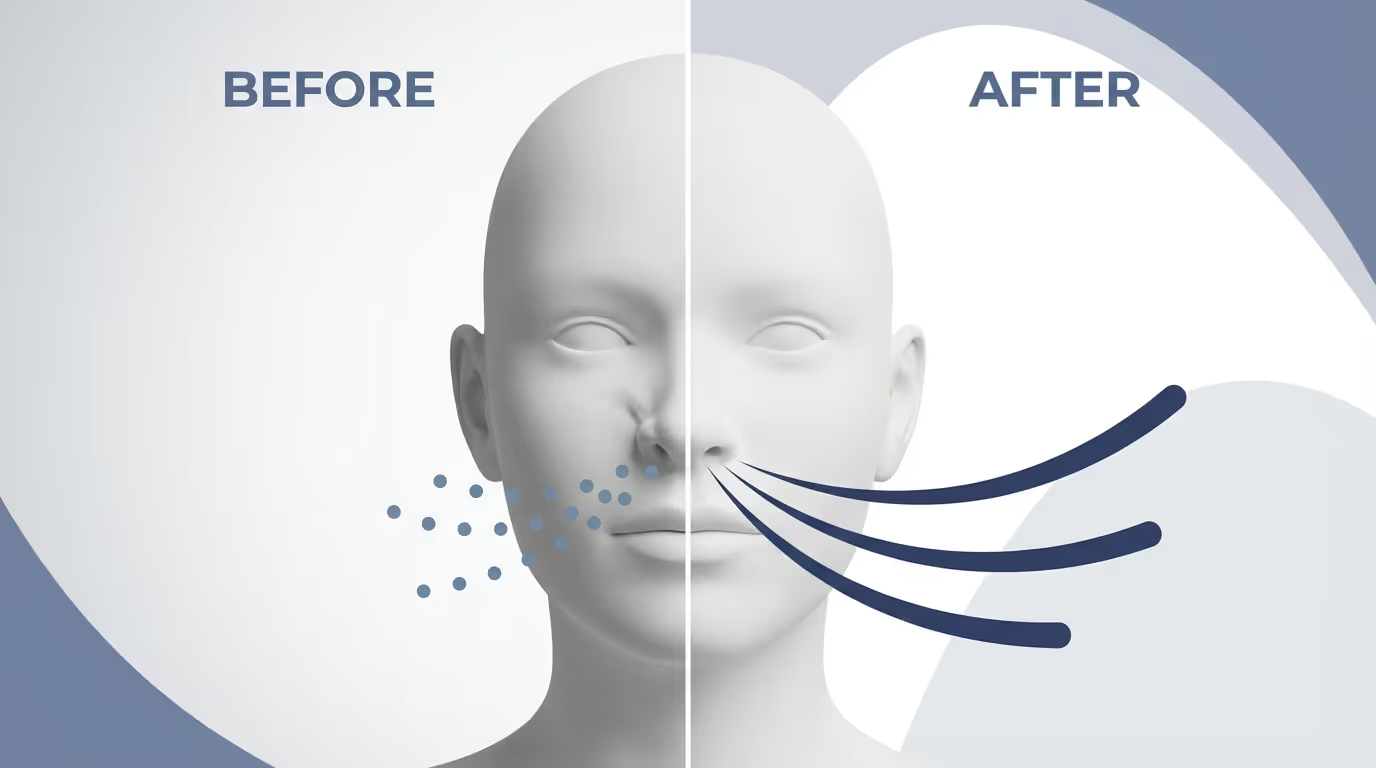
When people search septoplasty before and after, they’re usually focused on one main outcome: easier breathing. Many patients report noticeable breathing improvement after septoplasty once early swelling goes down and any splints are removed.
A common theme in public stories is finally getting airflow through a side that felt “closed off” for years—often described in plain terms like “I could breathe through that nostril for the first time.” [1][2][4]

Sleep improvement
Nasal obstruction can make sleep feel lighter and more fragmented. After healing, some people report sleep improvement after septoplasty, including less congestion at night and feeling more rested. Snoring and sleep apnea can have multiple causes (beyond the nose), so results vary. [2][3]
Beyond breathing: quality-of-life upgrades people don’t always expect
Depending on the person, septoplasty results can extend beyond airflow:
- Fewer sinus infections for some patients
- Less facial pressure or headache frequency
- Sometimes improved sense of smell as airflow normalizes
- In select situations (including professional voice users), improved comfort with breathing patterns that support voice use [5][2]
However, not everyone experiences these additional improvements.
For many, easier nasal airflow is the headline benefit once healing progresses.
Real Patient Stories—Before & After Themes (What We Learn From Their Experiences)
Story Theme #1 — “Breathing freely again”
A consistent theme across patient stories is long-standing nasal blockage followed by meaningful nasal obstruction relief after healing—particularly when the deviation had been severe or clearly one-sided. [1]
Story Theme #2 — “I didn’t realize how much my nose affected my sleep”
Another common thread is that people often underestimate the connection between nasal airflow and sleep. Stories frequently describe improved rest and better daytime energy once nighttime breathing becomes easier. [2]
Story Theme #3 — “Confidence and comfort in daily life”
Some accounts emphasize the emotional side of better breathing—feeling less distracted by congestion, more comfortable during conversations or exercise, and more confident that they can “get enough air” during everyday activities. [3]
Story Theme #4 — “First-person recovery reality check”
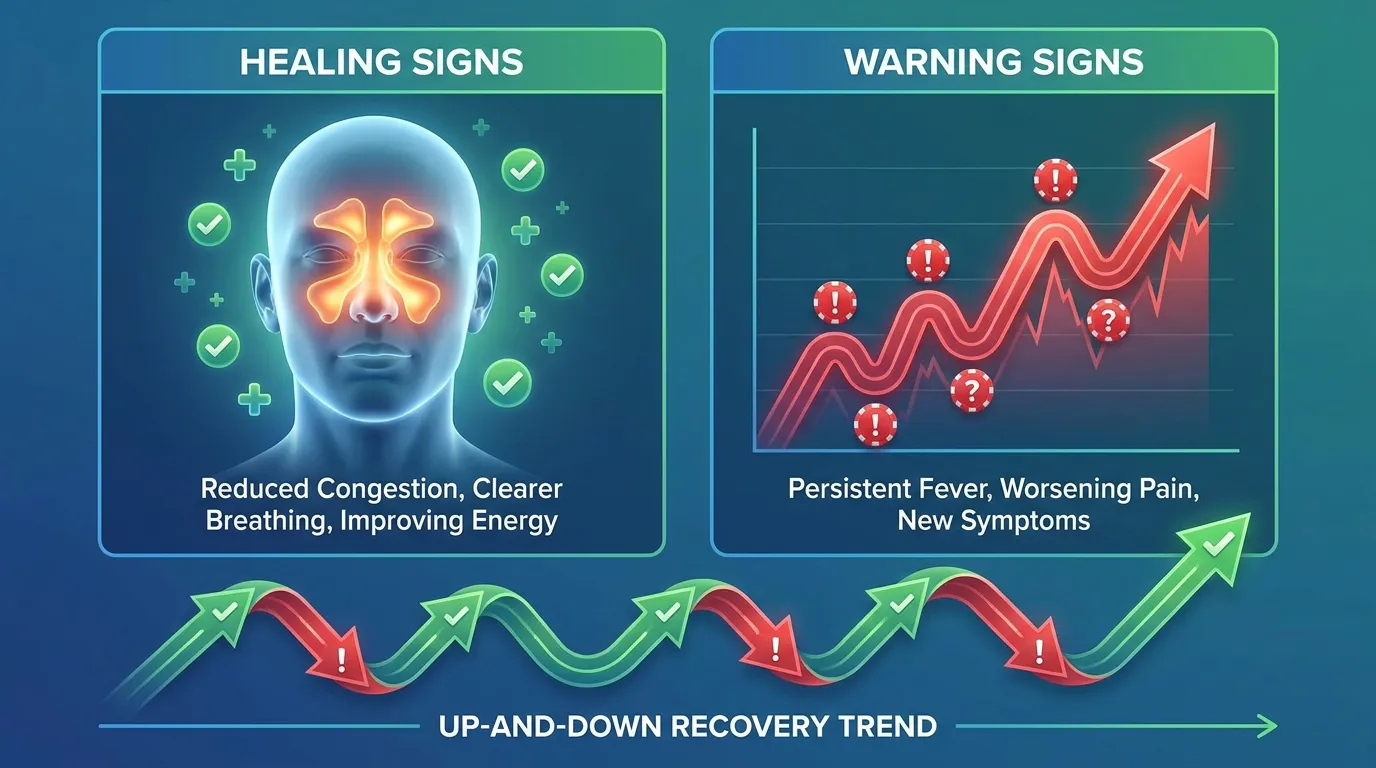
Recovery experiences often highlight that the first stretch can feel like “worse before better,” with swelling, dryness, and crusting early on—followed by gradual improvement over the following weeks. [4]
Story Theme #5 — “Special case: voice + breathing”
Some stories note benefits beyond sleep and exercise—like better control of breathing patterns that support voice use. [5]
Callout
Online recovery stories vary widely. Individual anatomy, surgical technique, and coexisting issues (like allergies) can all influence how your recovery feels and how quickly breathing improves. [6]
Real-world accounts often echo the pattern: early congestion, then gradual, meaningful improvements for many.

Septoplasty Recovery Timeline (Patient-Friendly “What’s Normal?”)
Every surgeon’s instructions are different, but a general septoplasty recovery timeline often looks like this:
First 24–72 hours
- Stuffiness is common due to swelling
- Mild bleeding or oozing can occur
- Most people focus on rest, hydration, and following aftercare instructions
Many patients say this phase feels less like “pain” and more like heavy congestion—similar to a bad cold—plus the annoyance of not being able to blow your nose yet (if your surgeon restricts it).
Week 1
- Congestion and crusting are common
- A follow-up visit may include a healing check and removal of splints (if used)
Weeks 2–4
- Breathing often improves steadily as swelling decreases
- Sleep and energy may start to feel noticeably better for some people
1–3 months
- Healing continues and airflow becomes more consistent
- Final breathing outcome can take time, especially if inflammation lingers
Recovery is a process—expect steady gains over weeks to months.
Risks, Side Effects, and Set-Expectations (Clear but Not Scary)
Common temporary side effects
Short-term effects often include swelling, congestion, crusting, and sometimes temporary changes in smell.
Less common risks to discuss with your ENT
As with any procedure, there are risks to review, including bleeding, infection, septal perforation, persistent symptoms, or the possibility of revision surgery.
Why some people don’t feel “100% better”
A deviated septum can be only one part of the problem. Some people still need ongoing care for:
- Allergies or chronic rhinitis
- Turbinate enlargement or nasal valve narrowing
- Sleep apnea (which may persist even if nasal airflow improves)
A thoughtful discussion with your surgeon helps align expectations with your anatomy and goals.
How to Prepare for Your Septoplasty Consultation
Symptom checklist to bring
It helps to track:
- Which side blocks (right/left/both), and when (night vs. day)
- Snoring, mouth breathing, sleep quality, daytime fatigue
- Sinus infections and facial pressure
- Any past nasal injuries or surgeries
- Treatments tried (saline, allergy meds, sprays) and what happened
Smart questions to ask your surgeon
Consider asking:
- “Do I also need turbinate reduction?”
- “Will I have splints or packing?”
- “When can I return to work, exercise, or fly?”
- “What’s the plan if allergies still cause swelling after surgery?”
Arriving prepared makes your visit more productive and personalized.
Lifestyle Tips After Septoplasty (Helping Your “After” Results Last)
Keep inflammation down
If allergy care is recommended, staying consistent can help maintain results. Avoiding smoke exposure is also important for nasal comfort.
Maintain nasal hygiene (if instructed)
Many patients are instructed to use saline sprays or rinses during healing. Humidifiers can be helpful too—especially when cleaned properly on a regular schedule.
Sleep support
Early in recovery, some people sleep with their head elevated to reduce swelling and improve comfort.
Small daily habits can help protect your surgical results.
FAQs
How long until I can breathe normally after septoplasty?
Many people notice gradual improvement over weeks, with more consistent breathing over 1–3 months as healing progresses.
Is septoplasty painful?
People often report more pressure and congestion than sharp pain, especially during the first week. Experiences vary.
Will septoplasty fix snoring?
It may help if snoring is strongly linked to nasal blockage, but snoring is multifactorial and can come from multiple airway factors.
Can septoplasty help with sinus infections?
Some people report fewer infections after improving airflow and drainage, but sinus infections can have multiple causes.
Will my sense of smell improve?
Some patients notice improvement as airflow normalizes after swelling resolves. Results vary, and not everyone experiences this change.
Can a deviated septum come back after surgery?
A septum can shift over time in rare cases, and new trauma can also affect alignment. Discuss individual risk factors with an ENT.
When should I call my doctor after septoplasty?
Post-op instructions vary. In general, urgent evaluation is typically recommended for heavy bleeding, fever, worsening severe pain, vision changes, or any symptom that feels sudden or concerning.
Conclusion
For many people, septoplasty before and after is a story of easier breathing, better rest, and fewer day-to-day disruptions from congestion—supported by patterns seen in real patient stories from major medical centers. [1][2][3][4][5] While the early recovery period can feel congested and slow, breathing improvement after septoplasty often becomes clearer as swelling fades and healing progresses.
If your symptoms match the “before” picture—persistent blockage, mouth breathing, snoring tied to congestion, or repeated sinus issues—an evaluation at Sleep & Sinus Centers of Georgia can help clarify what’s causing the obstruction and what options make sense. To take the next step, book an appointment here: https://www.sleepandsinuscenters.com/
Medical disclaimer
This article is for general informational purposes only and is not medical advice. Septoplasty outcomes and recovery vary by individual. For guidance specific to your symptoms, health history, and anatomy, consult a qualified ENT clinician.
References
1. https://www.mountsinai.org/about/patient-stories/breathing-freely-after-septoplasty
2. https://houstonadvancedsinus.com/septoplasty-before-and-after-a-journey-to-better-breathing/
3. https://my.clevelandclinic.org/patient-stories/714-nasal-surgery-allows-woman-to-breathe-freely-and-feel-confident
4. https://integrishealth.org/resources/on-your-health/2016/march/a-first-person-account-of-my-septoplasty
5. https://www.utphysicians.com/story/music-teacher-finds-new-harmony-after-treatment-for-deviated-septum/
6. https://www.facebook.com/realdrjoemd/posts/this-was-basically-what-i-experienced-after-getting-my-septoplasty-done-four-wee/636615016077895/
This article is for educational purposes only and is not medical advice. Please consult a qualified healthcare provider for diagnosis and treatment.
Don’t let allergies slow you down. Schedule a comprehensive ENT and allergy evaluation at Sleep and Sinus Centers of Georgia. We’re here to find your triggers and guide you toward lasting relief.