Rhinoplasty Recovery Timeline: Week-by-Week Healing and What to Expect
Healing after rhinoplasty can feel confusing because “recovery” doesn’t mean just one thing. Some changes happen quickly (like bruising fading), while other changes happen slowly (like tip definition refining over months). This guide walks through a realistic, evidence-informed rhinoplasty recovery timeline—including what many people feel, what they typically see, and why the last details take time.
If you’re comparing procedures or wondering why your friend’s experience looked different than yours, it helps to remember that goals and techniques vary. For example, functional nasal surgery and cosmetic reshaping can have different priorities—see our overview on septoplasty vs. rhinoplasty: https://sleepandsinuscenters.com/blog/septoplasty-vs-rhinoplasty-key-differences-benefit-20260124020915.
What “Recovery” Really Means After Rhinoplasty
The 2 types of recovery
1. “Looking normal in public”: When bruising and the most noticeable swelling have improved enough that you feel comfortable being seen.
2. “Final refinements”: The slow, subtle changes in contour—especially around the nasal tip—that continue as swelling resolves and tissues remodel.
Both are part of the rhinoplasty recovery timeline, and both are normal. A useful analogy: early recovery is like waiting for a bruise to fade; late recovery is like watching a tailored garment “settle” after alterations—small tweaks become visible over time.
Why timelines vary (and why that’s normal)
- Individual healing biology (inflammation, lymphatic drainage, scar remodeling)
- Surgical technique and how much tip work was done
- Skin thickness
- Post-op care and lifestyle factors
- Differences in how studies measure swelling (3D photography, volume calculations, clinical grading) [2–4]
That variability can be emotionally tricky. It’s common to think, “I should be further along by now,” even when your healing is completely within the normal range.
For broader benchmarks that apply across many nasal procedures, you can also read how long nasal surgery recovery takes: https://sleepandsinuscenters.com/blog/how-long-does-nasal-surgery-recovery-take.
Recovery is both what you feel now and how your results refine over time.

Quick Snapshot: Rhinoplasty Recovery Timeline at a Glance
- 0–7 days (Week 1): Swelling and bruising commonly peak; congestion is common; splint usually stays on [1]
- 7–14 days (Week 2): Rhinoplasty splint removal day is often around day 7; many patients return to non-strenuous work or social activities in 1–2 weeks, depending on their procedure, job demands, and surgeon’s advice [1]
- Weeks 3–4: Noticeable swelling often improves; in some objective studies, approximately two-thirds of edema resolved within about 1 month [2–3]
- Months 2–6: Ongoing refinement; in some objective assessments, around 95% edema reduction was observed by 6 months [2–3]
- Months 6–12+: Subtle tip swelling may linger; some studies estimate about 97.5% reduction by roughly 1 year; for some patients, final contour refinement can continue for a year or longer [2–4]
(If you like visuals, this is a great place to add a simple infographic showing swelling, bruising, breathing, activity, and appearance by week.)
Use this as a general map, not a stopwatch.

What You’ll Feel vs. What You’ll See: Common Symptoms After Rhinoplasty
Normal symptoms (often expected)
- Swelling (often most noticeable at the tip)
- Bruising under the eyes (varies widely)
- Nasal congestion or “stuffy” breathing from internal swelling
- Mild bleeding/oozing early on
- Pressure, tightness, temporary numbness
Many people describe the first week as feeling “blocked up,” similar to a head cold—but without the same type of mucus. That “stuffiness” is often swelling-related rather than infection-related.
Appearance changes that can surprise patients
- The nose can look “bigger” at first due to swelling, even if the goal is a smaller or more refined shape.
- Temporary asymmetry can happen because swelling doesn’t always resolve evenly from side to side.
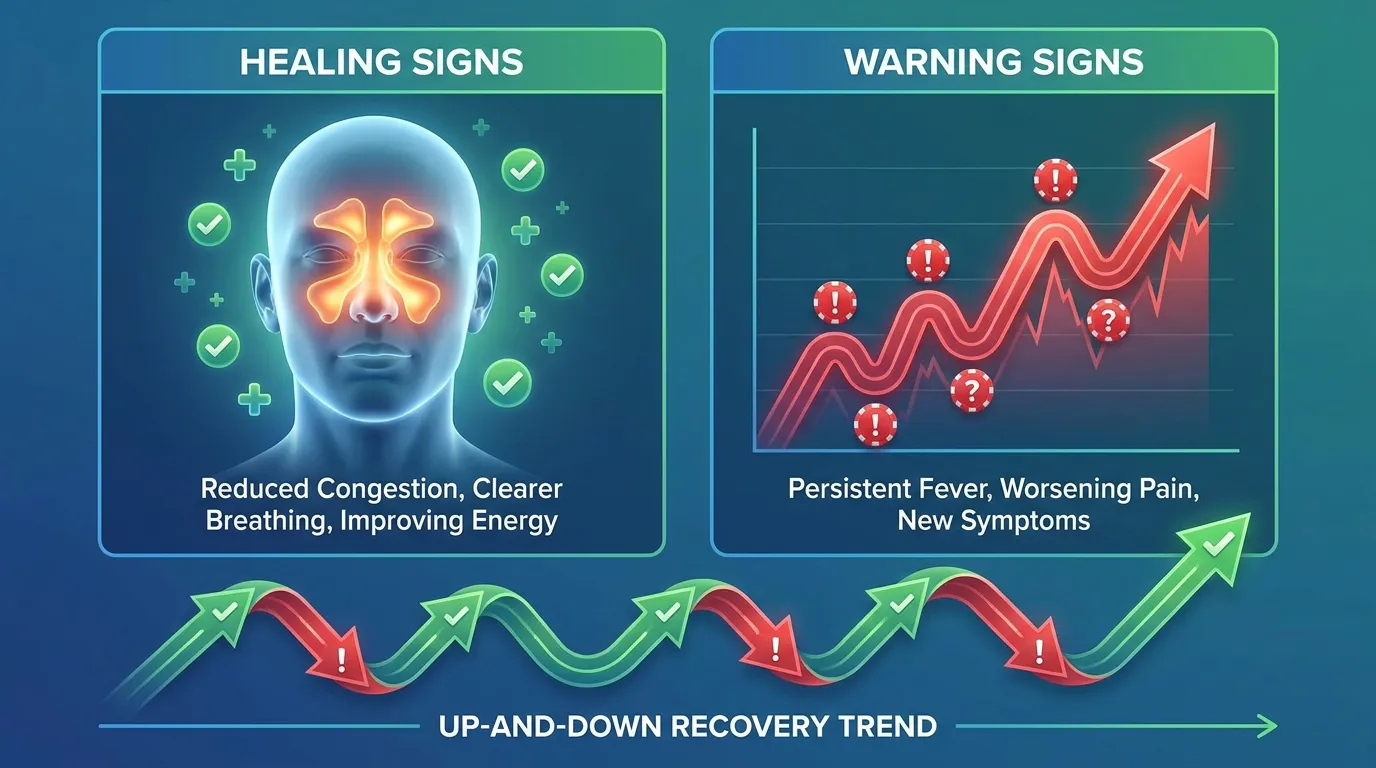
A practical example: you might wake up one day thinking the left side looks more swollen, then notice the right side looks puffier a few days later. That back-and-forth can be normal as fluid shifts and resolves.
When to call your surgeon urgently
- Heavy bleeding that doesn’t slow
- Fever, worsening redness, or drainage suggesting infection
- Pain that is worsening or not controlled as expected
- One-sided, rapidly increasing swelling
- Vision changes
- Shortness of breath or severe symptoms
Early discomfort usually reflects swelling and congestion, not the final result.
Week-by-Week Rhinoplasty Healing: What to Expect
Day 0–1 (Surgery Day + First Night)
Many people feel groggy and congested, and light dripping/spotting can occur. Early goals are typically comfort and protection: rest, hydration, and keeping the head elevated.
Common “avoidances” during this period often include nose blowing, heavy lifting/bending, alcohol, and smoking/vaping—because these can aggravate bleeding and swelling. Always follow your specific post-op plan.
A simple way to think about day 0–1: your job is to “stay quiet” physically—like protecting a fresh sprain—so the tissues can start the healing process without extra pressure.
Rest and protection set the stage for smoother healing.
Days 2–7 (Week 1): Peak Swelling & Bruising
Week 1 is often the most intense part of the rhinoplasty recovery timeline. Swelling and bruising frequently peak sometime between post-op days 2–7 [1].
Common experiences
- Under-eye bruising that can look dramatic at first
- Nasal stuffiness (internal swelling)
- Sleep disruption due to congestion and elevated sleeping
Some patients say the hardest part isn’t pain—it’s the combination of congestion, dry mouth from mouth-breathing, and disrupted sleep. That’s also why many surgeons emphasize hydration and a comfortable sleep setup.
Rhinoplasty recovery tips (comfort-focused, surgeon-directed)
- Head elevation is commonly recommended to help swelling.
- Cold compresses are sometimes used early (only if your surgeon approves and instructs you on safe placement/timing).
- Gentle walking is often encouraged, while strenuous activity is typically avoided.
Splint and dressing expectations
An external splint commonly stays on through the first week and is often removed around day 7 [1]. Many patients look forward to this milestone—but it’s also normal to feel emotionally “up and down” when you first see swelling without the splint.
A clinician-style reassurance you may hear is: “What you see at splint removal is not the final shape—it’s an early checkpoint.”
What you see in week 1 is temporary and highly variable.

Days 7–14 (Week 2): “Back to Public” Phase for Many Patients
Week 2 is when many people feel more presentable. According to general recovery guidance, many patients return to non-strenuous work and social activities within 1–2 weeks, depending on their procedure, job demands, and surgeon’s advice [1].
What changes
- Bruising transitions through typical rhinoplasty bruising stages (often darker early, then fading to yellow/green tones)
- Swelling decreases, but usually remains noticeable—especially at the tip
What still matters
- Avoid contact risk and strenuous exercise until you’re cleared.
- Sun protection is important; bruised areas can be more prone to pigment changes.
It can help to plan a “soft return” to life in week 2: a short outing, a low-key dinner, or a video meeting—before a big event where you’ll be in bright lighting for hours.
Plan a gentle re-entry and protect your nose from bumps and strain.
Weeks 3–4: Big Improvements, But Not the Final Nose
By weeks 3–4, many patients notice the bridge looks less puffy and the nose begins to feel more “settled.” Still, it’s not unusual to have tip fullness, firmness, or mild unevenness.
In some objective studies using 3D/morphometric methods, about two-thirds of edema resolved within the first month [2–3]. That’s a major improvement—but it still leaves a meaningful amount of subtle swelling behind.
One nuance: some measurement studies found nasal volume may peak around days 7–14 [3]. In plain language, that means some people feel like swelling looks worse after the splint comes off—despite healing progressing normally.
Visible progress accelerates now, but fine details are still on the way.

Months 2–3: Continued Refinement (Especially in Photos)
Months 2–3 often bring gradual improvements that show up in photos and side profiles:
- The nasal bridge and mid-vault may look more defined
- The tip may still look rounder than expected, especially in certain lighting
- The nose may feel firmer or partly numb as tissues continue to remodel
It can help to think of healing in layers: surface swelling changes gradually, while deeper structural healing progresses on its own schedule. A practical tip is to compare photos month-to-month (not day-to-day), because daily differences can be subtle and lighting-dependent.
Compare progress month to month, not day to day.
Months 4–6: Most Swelling Resolves for Many Patients
If you’re wondering when rhinoplasty swelling goes down in a big way, this is a common turning point. In some objective assessments, around 95% edema reduction was observed by six months [2–3].
By this stage, many people feel their nose looks more consistent across different lighting and angles, though mild tip swelling can still linger. If you’ve heard “the tip is the last to change,” that idea aligns with how slowly subtle swelling can resolve in that area.
By this stage, many noses look close to their intended shape.
Months 6–12 (and Beyond): Subtle Changes & Final Results
From 6–12 months, changes are typically smaller but meaningful—especially in tip definition and fine contouring. Some studies suggest swelling reduction approaches about 97.5% by one year in objective measurements [2–4]. Clinically, many patients are counseled that refinement can continue for up to a year or longer, especially in the tip area [1–4]. If you’re tracking the final rhinoplasty results timeline, it may help to know that some analyses suggest near-complete resolution of volume changes after roughly ~250 days (though this varies) [3].
Patience pays off most at the tip.
Why Swelling Happens (and Why It Takes Months to Fully Settle)
The biology of post-surgical edema
Swelling is part of the normal inflammatory response. After tissue reshaping, the body increases fluid and immune activity in the area, then gradually clears fluid through lymphatic drainage and remodeling.
A helpful analogy: swelling is like the body’s “construction zone.” Early on, there’s more traffic (fluid and inflammation). Over time, the site quiets down and the final contours become easier to see.
Factors that can prolong swelling
- Thicker skin
- More extensive tip work
- Revision surgery
- Smoking
- Uncontrolled allergies/inflammation
- Poor sleep
- Returning to intense exercise too early [4]
Why studies report different timelines
Research varies because “swelling” can be measured in different ways (3D imaging, volume calculations, clinician grading scales) and follow-up schedules differ [4]. That’s why a rhinoplasty recovery timeline should be seen as a range, not a strict calendar.
Edema follows biology, not the calendar.
Treatments & Aftercare That Can Support Healing (Surgeon-Directed)
Post-op instructions vary. The most important rule: follow your surgeon’s plan.
Medications
Pain control plans differ. Some patients are told to avoid certain over-the-counter medications early on. Antibiotics or steroids are used only when prescribed and appropriate.
Nasal care
Saline sprays or rinses are sometimes used—but timing and technique depend on your specific procedure and surgeon instructions. Incision care (especially for open rhinoplasty) should follow your clinic’s guidance.
Managing swelling
Common strategies may include head elevation, limited activity early on, and (in some protocols) taping after splint removal—only if your surgeon recommends it.
Follow-up visits and splint removal
External splints are often removed around day 7 [1], with follow-ups scheduled to monitor healing milestones.
For more practical comfort planning and day-to-day expectations, see our guide on navigating nasal surgery recovery: https://sleepandsinuscenters.com/blog/navigating-nasal-surgery-recovery.
Follow your surgeon’s instructions over any general advice you read online.

Lifestyle Tips: How to Protect Your Results While You Heal
Sleep position
Many patients are instructed to sleep on their back with the head elevated early on. For setup ideas and comfort strategies, read sleep tips after ENT surgery: https://sleepandsinuscenters.com/blog/post-ent-surgery-sleep-tips-for-faster-recovery-and-better-rest.
Activity & exercise
Light walking is commonly encouraged, while strenuous activity and contact risk are usually delayed until clearance—because early strain can worsen swelling or increase injury risk.
Nutrition & hydration
Staying hydrated and eating balanced meals with adequate protein can support general healing. Some people also choose to limit high-sodium foods temporarily to reduce fluid retention.
Sun and glasses
Sun protection is especially helpful while bruising fades. Glasses timing varies; some patients need to avoid pressure on the nasal bridge for a period, depending on the procedure.
Daily routines matter as much as milestones.
FAQs
When does bruising peak after rhinoplasty?
Bruising commonly peaks between post-op days 2–7 [1].
When is the splint removed after rhinoplasty?
A common rhinoplasty splint removal day is around day 7 [1], though timing can vary.
When can I go back to work after rhinoplasty?
Many patients return to non-strenuous work or social activities within 1–2 weeks, depending on their procedure, job demands, and surgeon’s advice [1].
When does most rhinoplasty swelling go down?
In some objective studies, about two-thirds of edema resolved by ~1 month, around 95% by ~6 months, and approximately 97.5% by ~1 year [2–3].
Why does my nose look bigger after the splint comes off?
Some measurement studies found nasal volume may peak around days 7–14, which can mean the nose looks more swollen briefly after splint removal—even as healing is on track [3].
When will I see final rhinoplasty results?
Many patients are counseled that final results can take up to 12 months or longer, especially for tip refinement [1–4].
What are red flags during rhinoplasty recovery?
Fever, heavy bleeding, severe or worsening pain, infection signs, vision symptoms, or shortness of breath should prompt urgent medical guidance.
If something worries you, check in with your care team rather than self-diagnosing.
Conclusion: Setting Realistic Expectations for a Smoother Recovery
- Week 1: Peak bruising/swelling for many [1]
- Week 2: Many patients ease back into routine, non-strenuous activities (as cleared by their surgeon) [1]
- Month 1: In some objective studies, major swelling reduction (often around two-thirds) [2–3]
- Month 6: In some objective assessments, near-final for many (around 95%) [2–3]
- Year 1: Some studies suggest subtle refinements (~97.5%) with tip swelling sometimes lingering [2–4]
If you have questions about your own healing pace, photos, or activity timing, the best next step is a personalized conversation with your care team at Sleep and Sinus Centers of Georgia, since technique and anatomy strongly influence what’s “normal” for you.
Ready for individualized guidance? You can book an appointment with Sleep and Sinus Centers of Georgia here: https://www.sleepandsinuscenters.com/
Set expectations early, follow your plan, and let time do its work.
Sources
1. American Society of Plastic Surgeons (ASPS). Rhinoplasty Recovery (2022). https://www.plasticsurgery.org/cosmetic-procedures/rhinoplasty/recovery
2. Pavri S, Zhu VZ, Steinbacher DM. Postoperative edema resolution following rhinoplasty (2016). https://pubmed.ncbi.nlm.nih.gov/27879585/
3. Schreiber JE, et al. 3D photographic assessment of postoperative swelling (2019). https://pmc.ncbi.nlm.nih.gov/articles/PMC6750460/
4. Levin M, Ziai H, Roskies M. Modalities of Post-Rhinoplasty Edema and Ecchymosis Measurement: A Systematic Review (2021). https://pmc.ncbi.nlm.nih.gov/articles/PMC9096852/
This article is for educational purposes only and is not medical advice. Please consult a qualified healthcare provider for diagnosis and treatment.
Don’t let allergies slow you down. Schedule a comprehensive ENT and allergy evaluation at Sleep and Sinus Centers of Georgia. We’re here to find your triggers and guide you toward lasting relief.