Persistent Lump in Throat (Globus Sensation): Causes, Symptoms, and Treatment
Introduction — Why a “lump in the throat” feeling can be so unsettling
A persistent “something stuck in my throat” feeling can be surprisingly distressing—especially when it lingers for days or weeks. People often describe it as distracting, hard to ignore, and worst at quiet moments (like driving, trying to fall asleep, or sitting in a meeting). The sensation is also common; some studies report that up to 45% of people experience it at some point, and about 4% of ENT referrals relate to it in certain settings. [1]
The reassuring part is that globus sensation is often benign, especially when red flags are absent. Still, if it doesn’t improve—or if it comes with certain warning signs—it deserves a thoughtful evaluation. That way, you can rule out more serious causes and focus on what’s most likely driving it (often reflux, muscle tension, stress, or throat irritation habits). [1][2]
If you’d like a deeper overview, you can also read our related guide on globus sensation explained: https://sleepandsinuscenters.com/blog/globus-sensation-explained-causes-symptoms-and-treatment-guide
— In short, when red flags are absent, globus is common and usually manageable. —
What is globus sensation (globus pharyngeus)?
The simple definition
Globus sensation (also called globus pharyngeus) is a painless sensation of a lump, tightness, or pressure in the throat—even though there isn’t necessarily anything physically “stuck.” [1][2] Many people notice a classic pattern: it can feel worse when swallowing saliva or when you’re not eating, and less noticeable while eating or drinking.
A helpful analogy: globus is often thought of as a sensation caused by heightened throat sensitivity rather than a true blockage—uncomfortable, but not typically dangerous once red flags are ruled out. [1][2]
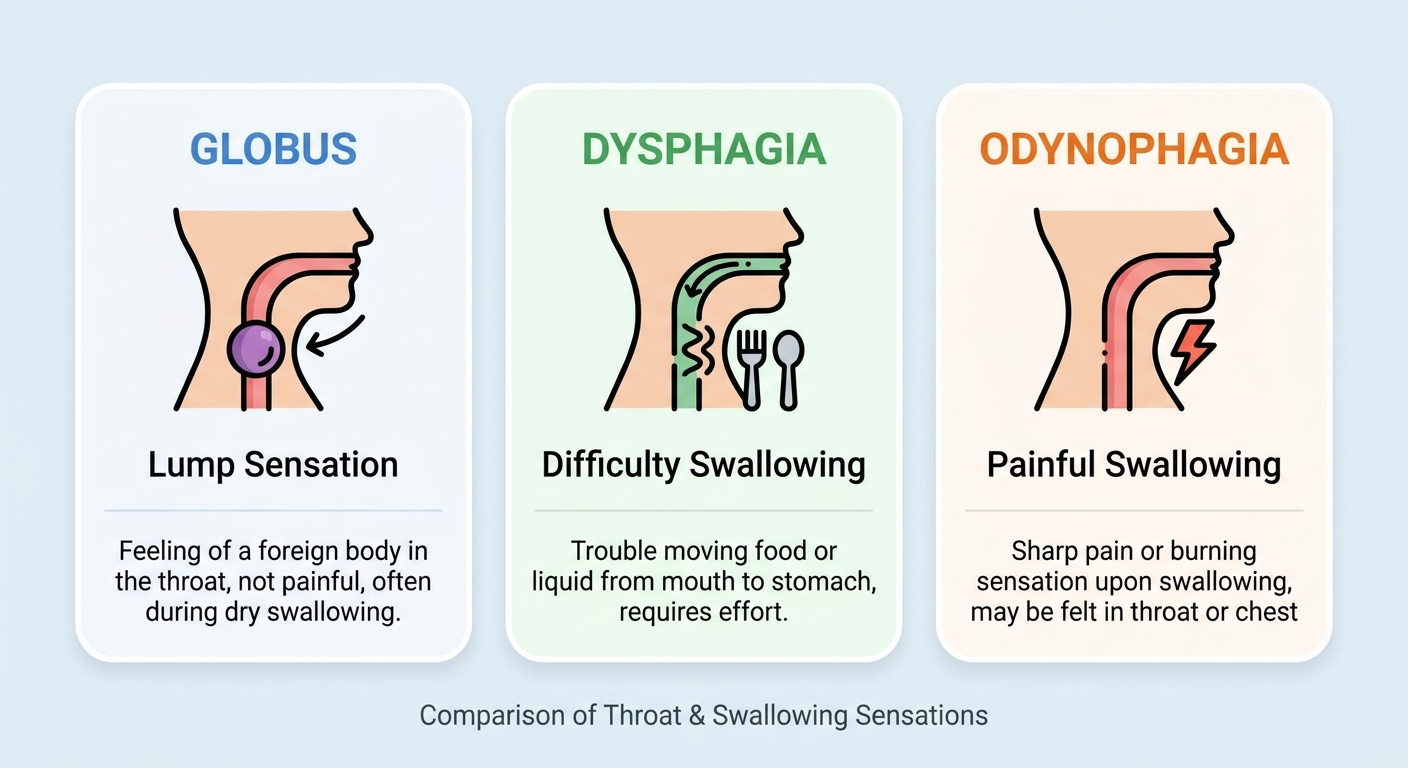
Globus vs. dysphagia vs. odynophagia (important differences)
- Globus: a lump-in-throat feeling, usually without true trouble swallowing. [1][2]
- Dysphagia: difficulty swallowing—food or liquid feels like it sticks or won’t go down normally. [1][4] Learn more: https://sleepandsinuscenters.com/blog/what-is-difficulty-swallowing-dysphagia
- Odynophagia: pain with swallowing. [1][4]
Because dysphagia and odynophagia can point to different (and sometimes more urgent) conditions, they should be assessed promptly. [1][4]
— Bottom line: globus is a sensation; dysphagia and odynophagia are symptoms that warrant prompt evaluation. —
Symptoms — What globus feels like (and what it usually doesn’t)
Common globus symptoms
- A lump, tightness, or “pressure” in the throat
- A frequent urge to swallow or “check” the throat
- A need to clear the throat
- Mild throat irritation or a “choking” sensation—without actual airway blockage
- Symptoms that come and go, often changing with stress levels, meals, sleep, or reflux triggers [2]
A common real-life example: someone may feel “fine” while eating lunch, then notice the lump again 20 minutes later while answering emails—especially if they start scanning the throat sensation and swallowing repeatedly.
If throat clearing is a big part of your symptoms, see our guide on chronic throat clearing: https://sleepandsinuscenters.com/blog/chronic-throat-clearing-causes-symptoms-and-treatment-tips
Symptoms that suggest something else may be going on
- Food sticking, coughing, or choking with meals (possible dysphagia)
- Burning throat pain or chest discomfort (may suggest reflux or infection)
- Persistent hoarseness or voice changes (possible LPR-related irritation or other causes) [2][4]
— If your symptoms include trouble swallowing, pain, or voice change, get checked. —
Causes — Why globus happens (most common to less common)
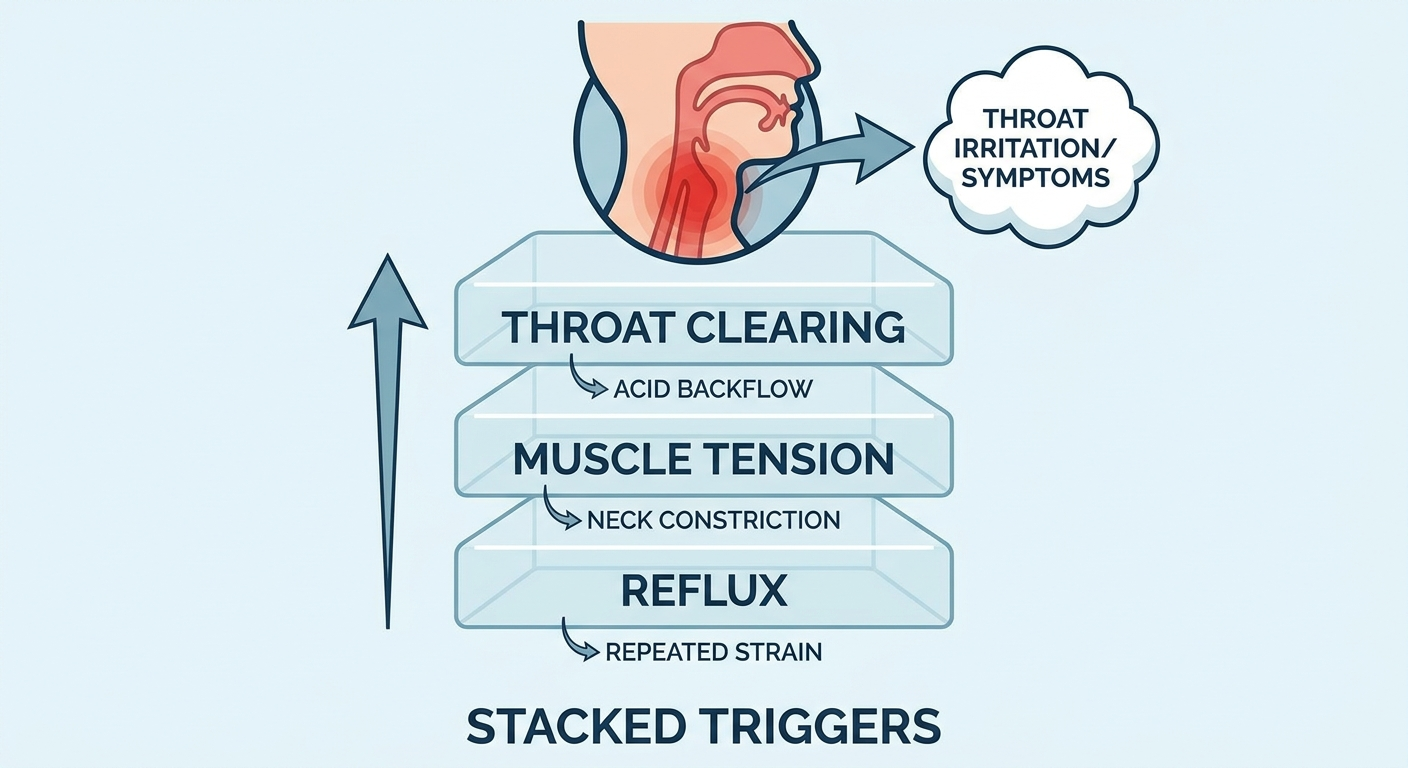
Many people with globus have more than one contributing factor, such as reflux plus stress, or muscle tension plus throat clearing. [1][2] Clinicians often think in terms of “stacked” triggers: a mildly irritated throat + increased tension + frequent throat clearing can produce a much bigger sensation than any one factor alone.
Acid reflux (GERD or LPR) — a common contributor
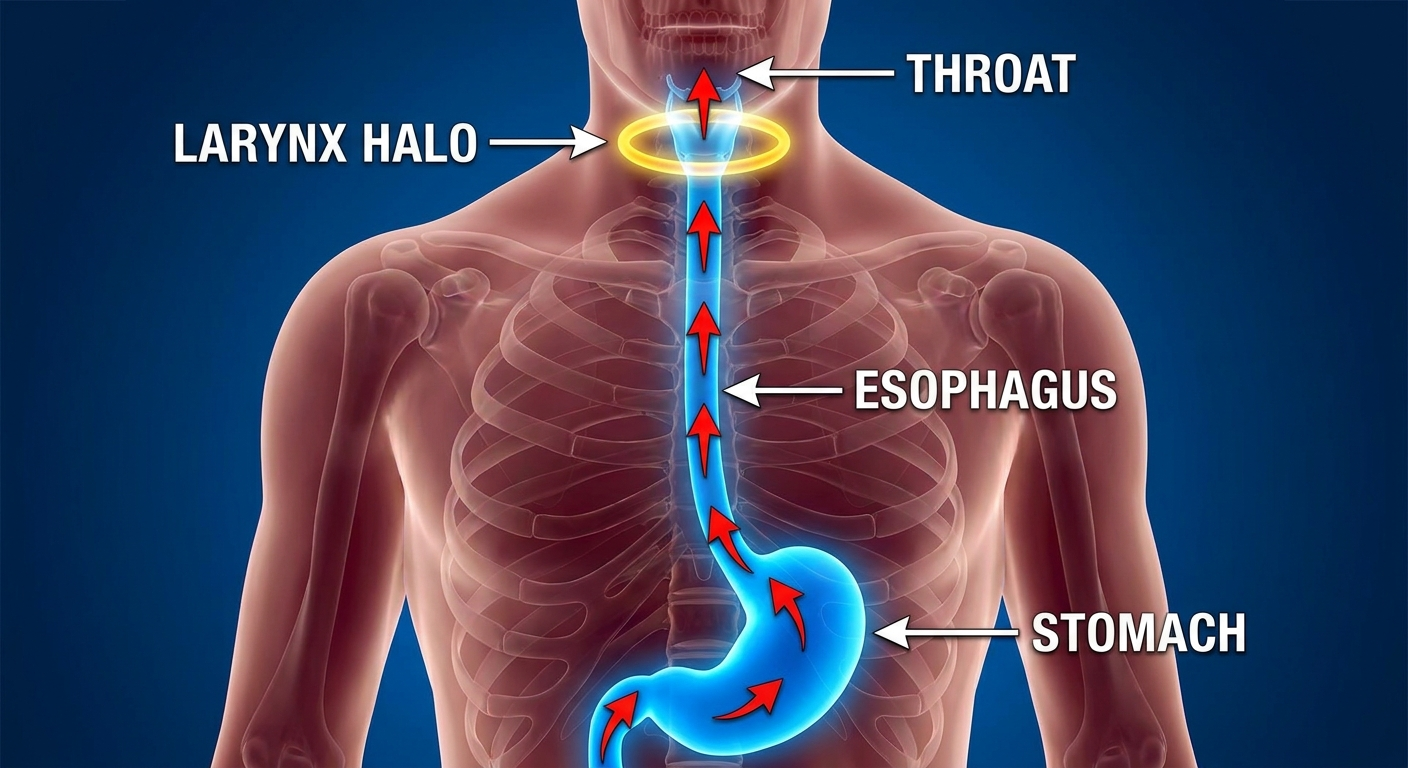
Reflux is one of the most commonly considered contributors. Studies have reported an association between reflux (GERD/LPR) and globus in roughly 23–68% of cases (estimates vary based on study definitions and testing). [1][3]
How reflux may contribute:
- Irritation or inflammation of the throat and voice box
- Increased sensitivity of throat tissues
- Reflex muscle tightening/guarding around the throat
Importantly, reflux can be “silent.” You may have throat symptoms without classic heartburn. [2] If you’re trying to understand the differences, see LPR vs GERD: https://sleepandsinuscenters.com/blog/lpr-vs-gerd-throat-symptoms-key-differences-and-treatment-guide
Stress, anxiety, and heightened throat awareness
There’s a strong mind-body component for many people. In one review, up to 96% of patients reported symptoms worsened during periods of emotional intensity or stress. [1]
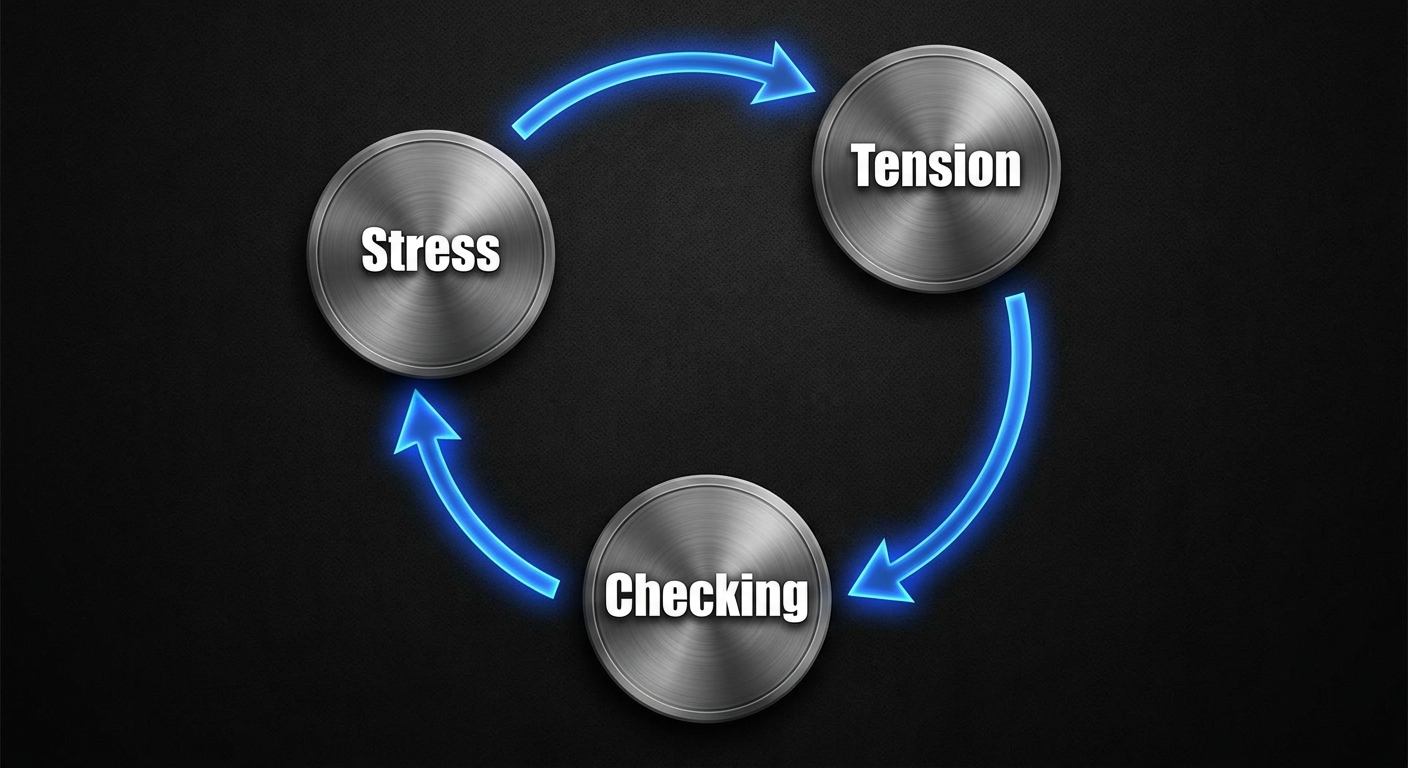
A helpful way to think about the cycle:
- Stress or anxiety increases muscle tension in the neck/throat
- You become more aware of normal throat sensations
- You swallow more, clear the throat more, and “check” more
- The tissues get more irritated or tense—so the sensation grows stronger
Muscle tension / upper esophageal sphincter (UES) dysfunction
Sometimes the sensation comes from throat muscle tension rather than a blockage. Tightness around the upper esophageal sphincter (UES) and surrounding muscles can create a persistent “stuck” feeling. [1][4]
This may be more common in people who:
- Clench their jaw or carry tension in the neck/shoulders
- Clear their throat frequently
- Use their voice heavily (high vocal load)
Postnasal drip, allergies, or chronic throat clearing (contributing factors)
Postnasal drip and allergies can increase throat irritation, mucus sensation, and throat clearing—which may intensify globus over time. [2][4] Even if these aren’t the “main cause,” reducing irritation can make the throat less reactive overall.
Less common medical causes (that clinicians rule out)
Clinicians may also consider less common possibilities, such as thyroid enlargement/nodules, cervical spine issues, esophageal motility disorders, or medication-related irritation. [1][4] Serious causes are uncommon, but evaluation becomes more important when symptoms persist or warning signs appear. [1][4]
— Big picture: multiple small triggers often add up to a big sensation. —
When to see a doctor — “Red flags” you should not ignore
Seek prompt evaluation if you have globus plus:
- Unintentional weight loss [1][4]
- Dysphagia (difficulty swallowing) or food sticking [1][4]
- Odynophagia (painful swallowing) [1][4]
- Persistent or worsening throat/neck pain
- New or persistent hoarseness/voice change
- Coughing up blood, one-sided persistent ear pain, a neck lump, or other concerning head/neck symptoms
- Risk factors such as tobacco or heavy alcohol use plus persistent symptoms
When it’s urgent/emergency
Seek emergency care for trouble breathing, drooling/inability to swallow saliva, or rapidly worsening symptoms.
— If red flags are present, don’t wait—get evaluated promptly. —
Diagnosis — How clinicians evaluate a persistent lump in throat
History and symptom pattern
A clinician will typically ask about:
- When symptoms started and whether they fluctuate
- Reflux patterns and possible GERD-related throat symptoms (even without heartburn)
- Stress/anxiety connection and throat “checking” habits
- Voice use, throat clearing, hydration, and irritant exposures [1][2]
You can help by bringing a short timeline (when it started, what makes it worse, what seems to calm it down).
Physical exam + ENT evaluation
An ENT evaluation often includes a careful throat/neck exam and may include flexible laryngoscopy, a common in-office test that looks at the throat and voice box. [2][4] For many patients, simply seeing that nothing is obstructing the airway or throat is a major relief.
Reflux-focused evaluation (when appropriate)
Depending on symptoms, clinicians may consider:
- A reflux-management trial in selected patients [1][2]
- A GI work-up if symptoms suggest esophageal involvement, such as:
- Upper endoscopy
- Barium swallow
- pH monitoring (e.g., 24-hour testing) [4]
What patients should know about testing
Many people with globus have normal test results—and that can be reassuring. When evaluation doesn’t show a dangerous cause, it often helps shift treatment toward common drivers: reflux, muscle tension, stress, and throat habits. [1][2]
— The goal of evaluation is to rule out serious causes and guide targeted care. —
Treatment — What helps globus sensation go away
The best treatment approach usually depends on identifying the main driver(s). Many treatment plans combine reflux management, muscle relaxation, and stress-reduction strategies. [1][2] In other words: the goal is often to reduce irritation and “turn down the sensitivity,” not to remove a physical lump.
Reassurance + education (often part of treatment)
Because globus is commonly benign, understanding what it is—and what it isn’t—can reduce hypervigilance and throat-checking behaviors that keep symptoms going. [1][2]
Treating reflux (GERD/LPR)
When reflux is suspected, clinicians commonly consider medications such as proton pump inhibitors (PPIs), along with reflux-conscious habits. [1][2] PPIs may help if reflux is contributing, though response varies and not all globus symptoms improve with acid suppression. Follow-up and a clear timeline can help set realistic expectations.
For more detail, see reflux-related throat symptoms (LPR vs GERD): https://sleepandsinuscenters.com/blog/lpr-vs-gerd-throat-symptoms-key-differences-and-treatment-guide
Stress/anxiety treatment (breaking the globus–stress loop)
If stress or anxiety is a major amplifier, approaches like CBT-based strategies, mindfulness, and targeted breathing techniques may reduce symptom intensity over time. [1] This doesn’t mean symptoms are “all in your head”—it means the throat is highly responsive to tension and autonomic stress responses.
Speech-language therapy / throat muscle relaxation (high-yield for muscle tension)
Speech-language therapy can help some people by teaching:
- Laryngeal relaxation techniques
- Gentler voice use (when voice strain is part of the picture)
- Strategies to reduce habitual throat clearing [1]
Address contributing ENT factors (when present)
Depending on your triggers, clinicians may also focus on:
- Postnasal drip/allergy management (often with saline and an individualized allergy plan)
- Voice hygiene (hydration, pacing voice use, reducing irritants)
What usually doesn’t help (or can worsen symptoms)
- Repeated forceful throat clearing, which can perpetuate irritation
- Unnecessary antibiotics unless there are clear signs of bacterial infection
— Effective care often blends reflux management, muscle relaxation, and stress reduction. —
Lifestyle tips — At-home steps that may reduce the sensation day-to-day
Reflux-friendly habits
- Smaller meals and avoiding eating within 2–3 hours of bedtime
- Head-of-bed elevation and sleep positioning adjustments for reflux-prone people
- Noting common triggers (often spicy/acidic foods, caffeine, carbonated drinks, alcohol)
Reduce throat irritation and “checking behaviors”
Instead of throat clearing, many people do better with gentler alternatives such as:
- A sip of water
- One intentional swallow
- A gentle hum (can reduce harsh vocal fold contact)
Also consider hydration and humidified air if dryness is a trigger.
Downshift tension in the neck/throat
A simple daily routine may help reduce throat tightness:
- Shoulder rolls and gentle neck stretches
- Diaphragmatic breathing practice
- Jaw relaxation (especially if you clench)
Track patterns to find your top triggers
A short symptom log can help identify what’s driving your lump-in-throat feeling:
- Stress level, sleep quality
- Meals/timing, caffeine/alcohol
- Throat clearing frequency
- Voice use on higher-demand days
— Small daily habits can lower throat sensitivity and reduce flare-ups. —

Prognosis — How long does globus sensation last?
Typical course
Many cases improve when key contributors (reflux, tension, stress, throat habits) are addressed consistently. [1][2] For some people, symptoms fluctuate—improving for a while and then returning during higher-stress periods or reflux flare-ups. That up-and-down pattern can be frustrating, but it’s also common.
When to follow up
If symptoms persist despite an initial plan over several weeks, or if any new red flags appear, follow-up is important. [1][4]
— Most people improve over time with consistent, targeted strategies. —
FAQs
“Is a persistent lump in throat a sign of cancer?”
Usually not. However, any red flag symptoms (weight loss, dysphagia, pain with swallowing, persistent hoarseness, neck mass) should be evaluated to rule out serious causes. [1][4]
“Can anxiety really cause a lump in the throat?”
Yes. Stress is strongly associated with worsening globus symptoms, likely through muscle tension and heightened throat awareness. [1][2]
“What’s the difference between GERD and LPR?”
GERD commonly causes heartburn and regurgitation. LPR, sometimes referred to as “silent reflux,” can cause throat symptoms—like hoarseness, throat clearing, and throat tightness—sometimes without heartburn. [2][4]
“Why do I feel it more when I’m not eating?”
Globus is often most noticeable when swallowing saliva or when attention is focused on the throat; eating and drinking can temporarily reduce the sensation for many people. [2]
“Do PPIs help globus sensation?”
They may help if reflux is contributing, though response varies and not all globus symptoms improve with acid suppression. A clinician can help determine whether reflux treatment is appropriate and when to reassess. [1][2]
“What doctor should I see for globus—ENT or GI?”
An ENT evaluation is often a good starting point to examine the throat and voice box. GI evaluation may be added if swallowing symptoms, significant heartburn, or other esophageal concerns are prominent. [2][4]
Conclusion + Call to action
A persistent lump in throat (globus sensation) is common, often benign, and frequently linked to reflux, stress/tension patterns, and throat irritation habits. The most useful next step is usually a clear evaluation plan—especially if symptoms persist or any red flags are present.
If you’re dealing with ongoing globus pharyngeus symptoms, the team at Sleep and Sinus Centers of Georgia can help evaluate likely contributors (including reflux-related throat symptoms, muscle tension patterns, and ENT factors) and guide next steps. If you’re ready, book an appointment here: https://sleepandsinuscenters.com/appointments (You can also visit https://www.sleepandsinuscenters.com/ to learn more.)
— With the right plan, most people can reduce globus symptoms and get back to normal. —
Medical disclaimer
This article is for educational purposes only and is not a substitute for professional medical advice, diagnosis, or treatment. If you have severe symptoms, red flags, or concerns about your health, seek care from a qualified clinician.
This article is for educational purposes only and is not medical advice. Please consult a qualified healthcare provider for diagnosis and treatment.
References
1. Thompson WDF, Heaton JM. Globus pharyngeus: an update for general practice. British Journal of General Practice (2015). https://pmc.ncbi.nlm.nih.gov/articles/PMC4582871/
2. Cleveland Clinic. Globus Sensation. (2024). https://my.clevelandclinic.org/health/symptoms/globus-sensation
3. Globus pharyngeus and gastroesophageal reflux (review data on GERD/LPR association). World Journal of Gastroenterology (2012). (Referenced in [1])
4. Merck Manual. Globus sensation / dysphagia evaluation (2022).
Don’t let allergies slow you down. Schedule a comprehensive ENT and allergy evaluation at Sleep and Sinus Centers of Georgia. We’re here to find your triggers and guide you toward lasting relief.