Nosebleeds After Septoplasty: Causes, Symptoms, and When to See a Doctor
Noticing blood after nasal surgery can feel unsettling—especially when you weren’t expecting it. The good news: nosebleeds after septoplasty are often mild and short-lived, particularly in the first few days. The key is knowing what’s expected during healing versus what should prompt a same-day call or urgent evaluation.
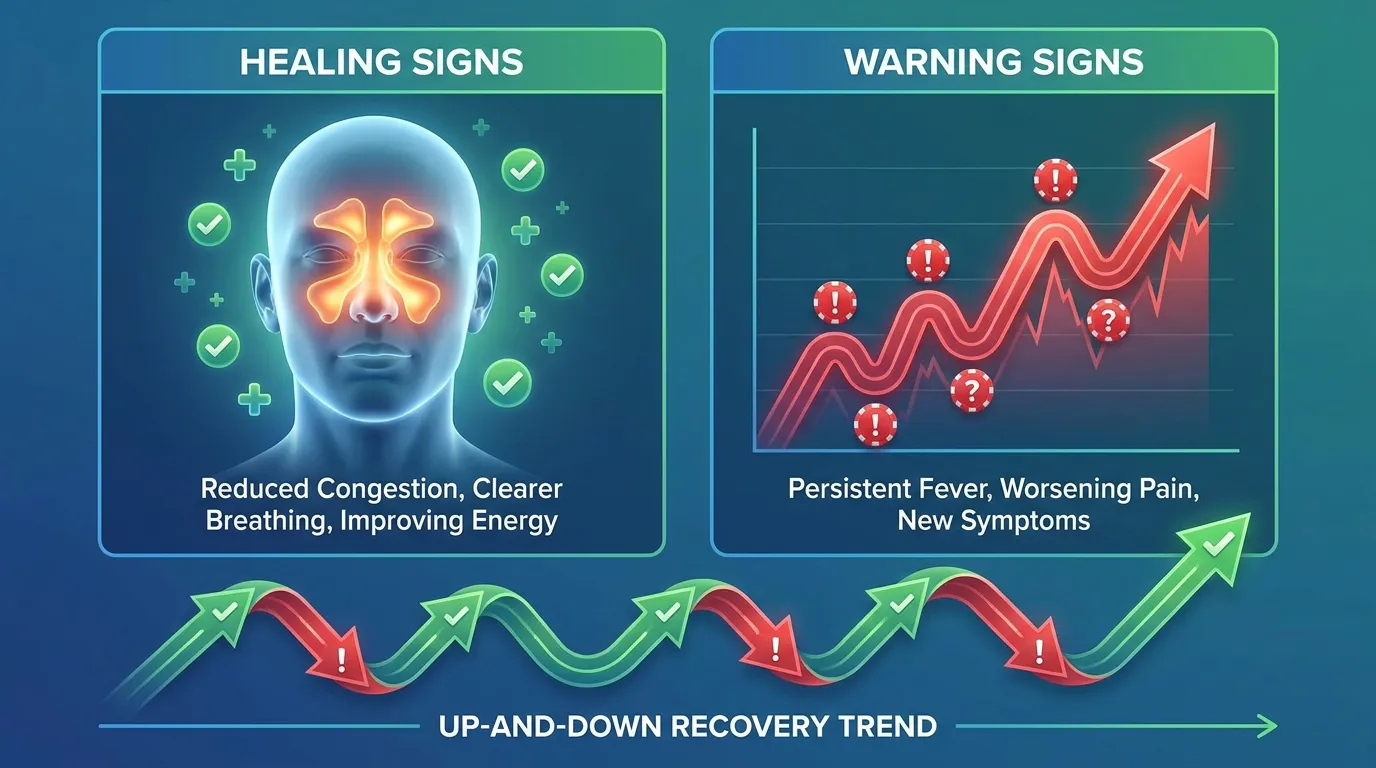
A helpful way to think about it: early on, your nose is healing the way skin does after a scrape. A little weeping, pink drainage, or crusting can be part of expected healing. What’s not typical is bleeding that’s heavy, relentless, or getting worse.
If you’re looking for the basics on the procedure itself, see our deviated septum surgery (septoplasty) overview: https://sleepandsinuscenters.com/blog/deviated-septum-surgery-at-sleep-sinus-centers-of-georgia
Quick Answer: Are Nosebleeds After Septoplasty Normal?
In many recoveries, light bleeding/oozing and crusting are common for the first several days after surgery. Heavy or uncontrolled bleeding is uncommon. Most noticeable bleeding often happens within the first 48–72 hours, while later, sudden large-volume bleeds are rare but have been reported.
It’s also worth noting that published complication rates for septoplasty can look surprisingly broad. Reported rates vary widely because studies define complication differently—some include minor, temporary symptoms like mild oozing, congestion, or crusting. Severe hemorrhagic complications appear to be uncommon in typical recoveries. Sources: MedlinePlus (2025) https://medlineplus.gov/ency/patientinstructions/000246.htm ; Ors (2016) https://pmc.ncbi.nlm.nih.gov/articles/PMC4942243/
Bottom line: Mild oozing early on is common, but heavy, persistent, or worsening bleeding deserves prompt guidance.

What "Normal" Bleeding Looks Like After Septoplasty
Common, expected findings
- Pink-tinged mucus when gently wiping the nose (many surgeons discourage nose blowing early—follow your surgeon’s instructions)
- Mild oozing or a few small clots
- Crusting/dried blood just inside the nostrils
These may be part of expected healing as the tissue seals and inflammation settles. One clinician-style way to frame it: a little pink drainage is often your nose’s version of a scab forming—messy-looking, but not automatically dangerous. Sources: Post-op septoplasty instructions (2020) https://childrens.dartmouth-health.org/sites/default/files/2020-04/septoplasty.pdf ; MedlinePlus (2025)
A quick rule of thumb example (what patients often describe)
- A few streaks of blood mixed with clear mucus
- A small spot on gauze or a drip pad that slows over minutes
- Brief bleeding when a crust loosens (followed by stopping)
By contrast, steady dripping that doesn’t slow, repeatedly soaking gauze, or large clots is more concerning and deserves prompt guidance.
How long mild bleeding may last
- First 1–3 days: highest chance of noticeable oozing or a small nosebleed
- First week: spotting typically decreases; crusting may be more noticeable as old blood dries
- After week 1: bleeding should generally be improving—persistent, increasing, or new bleeding is worth a call to your surgeon
Sources: MedlinePlus (2025); Post-op septoplasty instructions (2020)
If you’re unsure whether your bleeding pattern is typical, a quick call to your care team is reasonable.
Symptoms to Watch For (Bleeding + Related Warning Signs)
Typical post-op symptoms that may occur with mild bleeding
- Nasal stuffiness/pressure
- Mild facial discomfort
- Post-nasal drip with blood-tinged mucus (some blood may drain backward)
That backward drainage can be especially alarming at night: patients sometimes report waking up, tasting blood, or needing to spit out a small clot. While that may occur early on, the overall pattern should trend toward improvement—not escalation.
Red-flag symptoms (seek urgent care or ER)
- Heavy bleeding (steady flow, repeatedly soaking gauze, or passing large clots)
- Bleeding that doesn’t stop after correct pressure for 10–15 minutes
- Trouble breathing, choking/coughing on blood, or dizziness/fainting
- Worsening pain, severe headache, fever, or foul-smelling drainage (possible infection)
- Any new, significant bleeding later in recovery
Sources: MedlinePlus (2025); Post-op septoplasty instructions (2020); Ors (2016)
Trust your instincts—if bleeding seems heavy or out of pattern, seek help promptly.

Causes of Nosebleeds After Septoplasty
Early bleeding (first 48–72 hours)—a common window
- Normal oozing from the surgical area as tiny blood vessels seal
- Pressure changes from coughing, sneezing, straining, or bending
Even small pressure spikes matter when tissue is freshly healing—similar to how a new scab may ooze if it’s bumped or stretched. Sources: MedlinePlus (2025); Post-op septoplasty instructions (2020)
Crusting and dryness (days 3–14)
- Dried blood/crusts can crack and trigger brief re-bleeding
- Dry indoor air, dehydration, and mouth breathing at night may worsen dryness
If dryness is a recurring issue for you, our related guide on dry nose causing nosebleeds may be helpful: https://sleepandsinuscenters.com/blog/dry-nose-causing-nosebleeds-ent-causes-and-care
Medication-related causes
- Bleeding risk may increase if blood thinners are restarted earlier than instructed
- Aspirin or NSAIDs (like ibuprofen/naproxen) are used when restricted
Sources: MedlinePlus (2025); Post-op septoplasty instructions (2020)
Blood pressure
Elevated blood pressure may be associated with a greater risk of postoperative bleeding or more difficult bleeding control. Source: SAGE Journals (2023) https://journals.sagepub.com/doi/10.1177/01455613231199698
Trauma or irritation to the healing septum
- Nose picking or rubbing
- Forceful sniffing or early nose blowing
- Bumping the nose
- Returning too soon to contact sports, heavy lifting, or strenuous workouts
Source: Post-op septoplasty instructions (2020)
Infection or healing complications (less common)
Less commonly, inflammation or infection may delay healing and contribute to ongoing bleeding. Rare surgical/technical factors may also play a role in excessive bleeding. Sources: SAGE (2023); Ors (2016)
Multiple factors can contribute to post-op bleeding; minimizing triggers and following instructions lowers risk.

What to Do Right Away If You Get a Nosebleed After Septoplasty (Step-by-Step)
The steps below reflect common first-aid guidance used broadly for nosebleeds; your surgeon may tailor instructions to your specific surgery.
First-line self-care (general guidance)
- Sit upright
- Lean forward (this helps avoid swallowing blood)
- Pinch the soft part of the nose firmly for 10–15 minutes without checking
- If your surgeon allows: a cool compress on the bridge of the nose
Additional general tips often included in first-aid guidance: try to stay calm, breathe through your mouth, and spit blood out rather than swallowing it. Swallowed blood can irritate the stomach and make nausea more likely, which is the last thing you want after nasal surgery. Sources: MedlinePlus (2025); Post-op septoplasty instructions (2020)
What NOT to do during a post-op nosebleed
- Don’t tilt your head back
- Don’t pack the nose with tissue/cotton unless your surgeon instructed you to
- Don’t resume strenuous activity to test whether it stops
When to call your surgeon’s office vs. go to the ER
- Call your surgeon/clinic the same day if bleeding keeps recurring, is increasing instead of improving, or persists after two full rounds of correct pressure
- Go to urgent/emergency care if bleeding is heavy at any point, you feel faint, you’re having breathing trouble, or you can’t get control with pressure
Sources: MedlinePlus (2025); Post-op septoplasty instructions (2020)
Use steady pressure first; if bleeding doesn’t clearly improve, escalate care.
Medical Treatment Options (What Your ENT May Do)
In-office treatments for persistent bleeding
- Gentle suctioning/cleaning to remove clots and visualize where bleeding is coming from
- Topical medications that help constrict blood vessels or promote clotting
- Cauterization when appropriate (a targeted method to seal a bleeding point)
Related read: chemical cautery for nosebleeds: https://sleepandsinuscenters.com/blog/chemical-cautery-for-nosebleeds-simple-fix-for-recurrent-epistaxis
Nasal packing or splint adjustments
- Consider packing (when needed) to control bleeding
- Check whether splints/stents are positioned well and not aggravating tissue
Rare situations
Uncommonly, severe bleeding may require higher-level interventions, and late, significant bleeding after nasal surgery has been reported. Sources: SAGE (2023); Ors (2016)
Timely evaluation helps pinpoint the source and choose the least invasive fix.

How to Lower Your Risk of Bleeding During Recovery (Lifestyle + Aftercare Tips)
Activity restrictions that matter
- Avoid heavy lifting/straining, vigorous exercise, and frequent bending over early on
- Sneeze with your mouth open to reduce nasal pressure
- Avoid nose blowing until cleared by your surgeon
A practical example: if you feel your face throbbing when you bend to pick something up, that same pressure may also make nasal bleeding more likely. Sources: Post-op septoplasty instructions (2020); MedlinePlus (2025)
Medication safety checklist
- Use only pain medications your surgeon approves
- Avoid aspirin/NSAIDs or anticoagulants unless your surgeon says it’s safe to resume
- If you must take blood thinners, coordination between your surgeon and prescribing clinician helps reduce risk
Sources: MedlinePlus (2025); Post-op septoplasty instructions (2020)
Blood pressure control
- Take blood pressure medication as prescribed (if applicable)
- If you manage blood pressure, follow your clinician’s guidance on activity, diet, and medications during recovery
Source: SAGE (2023)
Humidity + gentle nasal moisture strategies (as directed)
- A bedroom humidifier may help
- Saline sprays/irrigations are often used in recovery—but timing varies, so follow your surgeon’s instructions
Small daily habits—pressure control, moisture, and activity limits—can meaningfully reduce bleeding risk.

Septoplasty Bleeding Timeline (What’s Common vs. Concerning)
First 24 hours
- Mild oozing: common
- Heavy bleeding: uncommon—know your clinic’s call now threshold
Sources: MedlinePlus (2025); Post-op septoplasty instructions (2020)
Days 2–3 (48–72 hours)
This is often the peak window for more noticeable nosebleeds after septoplasty. If bleeding happens, it’s often tied to expected healing plus triggers like bending, straining, or dryness. Sources: Ors (2016); SAGE (2023)
After 1 week
Most bleeding should be tapering. New or heavier bleeding later on is less typical and should be discussed with your surgeon. Source: Ors (2016)
For a fuller roadmap of what healing may look like beyond bleeding alone, see our septoplasty recovery week-by-week guide: https://sleepandsinuscenters.com/blog/septoplasty-recovery-week-by-week-complete-timeline-20260123051106
Expect improvement over time; new or escalating bleeding is your cue to check in.
FAQs (Patient-Friendly)
How much bleeding is too much after septoplasty?
In practical terms, too much often means steady bleeding, repeatedly soaking gauze, large clots, or bleeding that doesn’t slow after correct pressure. When in doubt, contacting your surgeon is reasonable—especially in the first few days.
What if my nosebleed starts a week (or more) after surgery?
Dryness and crusting can trigger bleeding later, but late heavy bleeding is rare and should be reported promptly. Sources: Ors (2016); MedlinePlus (2025)
Is it normal to cough up or spit small blood clots?
Small clots may occur early if blood drains backward. Ongoing large clots, worsening bleeding, or breathing symptoms should be escalated.
Can high blood pressure cause bleeding after septoplasty?
Blood pressure spikes may be associated with greater likelihood or severity of postoperative bleeding. Source: SAGE (2023)
Can I take ibuprofen for pain after septoplasty?
Many postoperative instructions restrict aspirin/NSAIDs because they can increase bleeding risk. The safest approach is following the medication plan provided by your surgeon. Sources: MedlinePlus (2025); Post-op septoplasty instructions (2020)
When can I exercise again without triggering bleeding?
Restrictions vary based on what was done during surgery and your healing progress. Many patients are asked to avoid strenuous activity early on and return gradually when cleared by their surgeon.
If you’re ever unsure, a quick call to your care team can clarify next steps.
When to See a Doctor (Clear Call-to-Action)
Because expected can vary, it helps to keep your surgeon’s office and after-hours contact information handy. In educational terms, many post-op instructions recommend:
Call the same day for:
- Bleeding that persists or keeps coming back
- Bleeding that’s increasing rather than improving
- New bleeding after it had mostly stopped
Seek urgent/emergency care for:
- Heavy bleeding or large clots
- Bleeding that won’t stop after correct pressure
- Faintness, shortness of breath, or trouble handling blood in the throat
- Fever, worsening pain, or foul-smelling drainage
If you’re concerned about bleeding, healing, or recurring nosebleeds after surgery, you can also book an appointment with an ENT team for guidance and follow-up: https://www.sleepandsinuscenters.com/
When in doubt, it’s safer to call—especially if symptoms are heavy, persistent, or worsening.
Conclusion
Most nosebleeds after septoplasty are mild—often limited to light oozing, pink mucus, and crusting in the first several days. Heavier or uncontrolled bleeding is not typical, and clear red flags (heavy flow, can’t stop with pressure, breathing symptoms, or worsening pain/fever) deserve prompt medical attention. If you’re ever unsure whether your symptoms are expected, contacting your surgical team is an appropriate next step.
Most patients do well; timely communication with your care team helps keep recovery on track.
Sources
- MedlinePlus (2025): https://medlineplus.gov/ency/patientinstructions/000246.htm
- Ors S. (2016): https://pmc.ncbi.nlm.nih.gov/articles/PMC4942243/
- SAGE Journals (2023): https://journals.sagepub.com/doi/10.1177/01455613231199698
- Post-op septoplasty instructions (2020): https://childrens.dartmouth-health.org/sites/default/files/2020-04/septoplasty.pdf
This article is for educational purposes only and is not medical advice. Please consult a qualified healthcare provider for diagnosis and treatment.
Don’t let allergies slow you down. Schedule a comprehensive ENT and allergy evaluation at Sleep and Sinus Centers of Georgia. We’re here to find your triggers and guide you toward lasting relief.