Natural Decongestants: Best Remedies to Relieve Nasal Congestion Fast
A stuffy nose can make everything harder—sleeping, eating, exercising, even thinking clearly. The good news: many natural decongestants focus on the same core goal—adding moisture, loosening mucus, and helping your nose clear irritants—without relying on medicated decongestants. Think of it like loosening dried toothpaste in a sink: once you add enough water and gentle flow, things move again.
Below are the most practical, evidence-supported options and how to use them safely. (This article is educational and not a substitute for medical care.)
Quick Take—What Helps Nasal Congestion Fast?
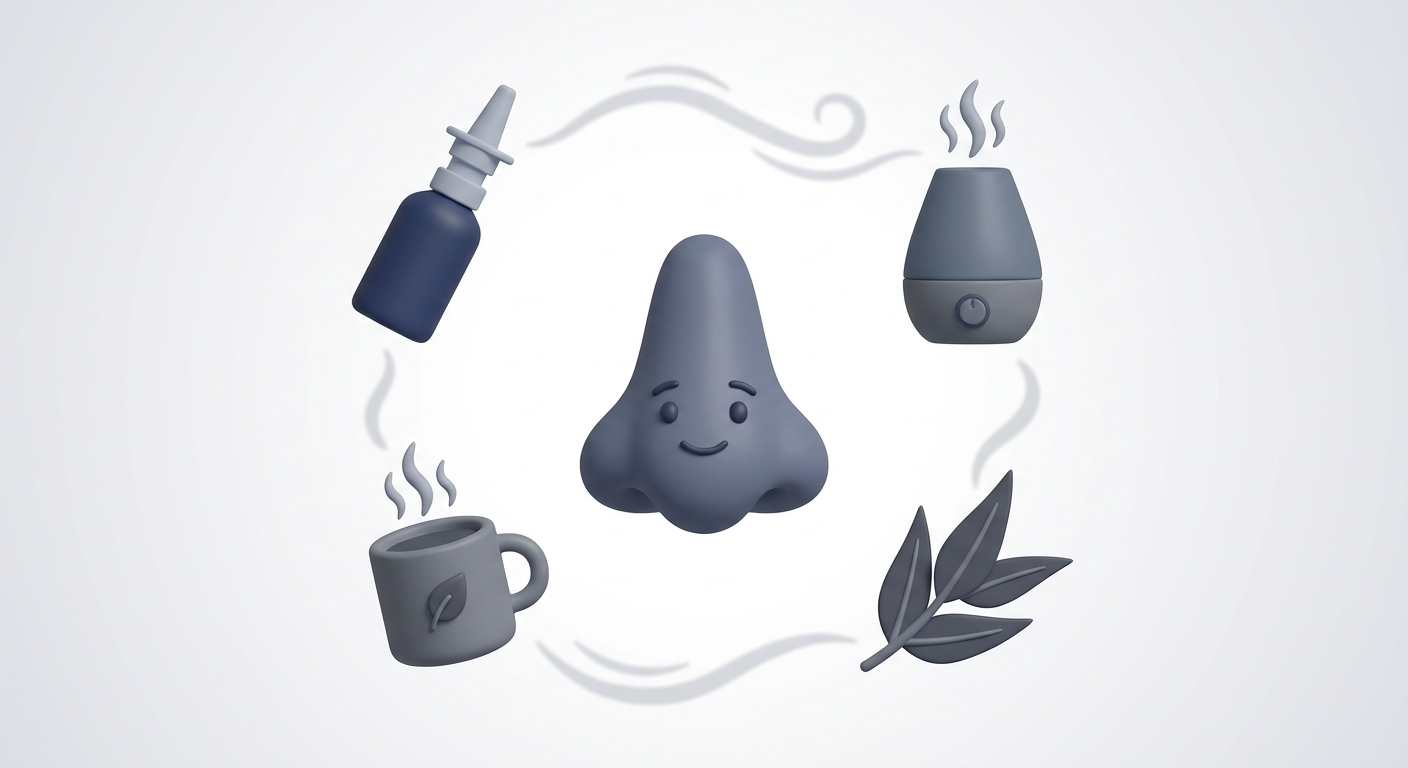
If you want options that often provide quick relief for many people, start here: saline spray or rinse to flush mucus/allergens and re-moisten tissues; steam and moisture (steamy shower, steam bowl, or a humidifier) to thin mucus and improve comfort; hydration to support the nasal lining and thin mucus; eucalyptus or peppermint aromas for a cooling, more-open-breathing sensation (use safely; evidence for direct decongestant effects is limited); capsaicin-containing foods (spicy soups, chili) for a short-term nose-opening effect.
Many people start with moisture-based options (saline plus humidity) because they’re typically low-risk and can be repeated as needed within label guidance. For more on shower steam, see: does shower steam help relieve congestion?
Bottom line: Moisture first—then add comfort boosters as needed.
What Is Nasal Congestion (and Why It Feels So Miserable)?
Nasal congestion isn’t just too much mucus. It’s often a combination of swollen nasal tissue and mucus that’s thicker or harder to move. That’s why you can feel completely blocked even when you can’t blow much out.
Congestion vs. runny nose: congestion usually means the inner lining of the nose is inflamed and swollen, narrowing airflow and making mucus feel stuck. A runny nose often means increased mucus production and drainage—sometimes thin and watery (common with allergies), sometimes thicker (common with colds).
Inside the nose are turbinates that warm and filter air. When irritated, inflammatory signals cause swollen turbinates (less space for airflow), more and/or thicker mucus to trap irritants, and slower mucus clearance—especially in dry air. Think less “a pipe clogged with sludge” and more “a sponge that’s swollen shut,” which is why moisture and gentle flushing help.
In short, congestion feels like a swollen sponge—moisture and gentle flow help it release.
Common Symptoms of Nasal Congestion
Typical symptoms include a stuffy or blocked nose, mouth breathing (especially at night), reduced smell and taste, postnasal drip or throat clearing, and facial pressure or fullness. Many people feel “fine-ish” while upright, then worse at bedtime because lying down changes drainage and can intensify swelling.
Call for medical guidance sooner if you notice severe facial pain, swelling, or redness around the eyes; high fever or rapidly worsening symptoms; symptoms beyond 10 days or that worsen after initial improvement; shortness of breath, wheezing, or chest pain; signs of dehydration risk (very dry mouth, dizziness, minimal urination, unusual sleepiness or confusion). Emergency red flags include trouble breathing, bluish lips/face, or severe lethargy.
If symptoms are severe, one-sided, or persistent, seek medical guidance promptly.
Causes—Why You Get Congested in the First Place
Viral colds: short-term inflammation and changes in mucus consistency; drainage may start watery and become thicker by days 3–5.
Allergies: allergens like pollen, dust mites, pet dander, and molds cause swelling plus mucus; clues include itchy eyes, sneezing, and patterns tied to season or exposure.
Sinus infection: many start viral; a bacterial infection is more likely when symptoms persist beyond about 10 days without improvement, are severe (high fever, intense facial pain), or worsen after improving.
Dry air, smoke, fragrance, and indoor irritants: dry air thickens mucus and dries tissues; smoke and strong fragrances inflame the lining. Winter heating and AC are common culprits.
Colds, allergies, and dry or irritating air are the most common culprits—and they often overlap.
Why Choose Natural Decongestants?
Many natural decongestants improve moisture and mucus clearance, reducing that blocked feeling and supporting comfort. This can appeal to people who prefer non-medication options, want to avoid side effects from vasoconstrictor decongestants, or need gentler support in dry environments or with frequent congestion.
Best use-cases include viral colds, allergy days, mild sinus symptoms, and people who are medication-sensitive (and, for pregnancy, only with clinician guidance). Moisture-forward strategies can ease symptoms while your nose heals.
The Best Natural Decongestants (Evidence-Based)
If you’re trying to relieve nasal congestion fast, consider this try-first order for speed and safety.
1) Saline nasal spray (fast, gentle, portable)
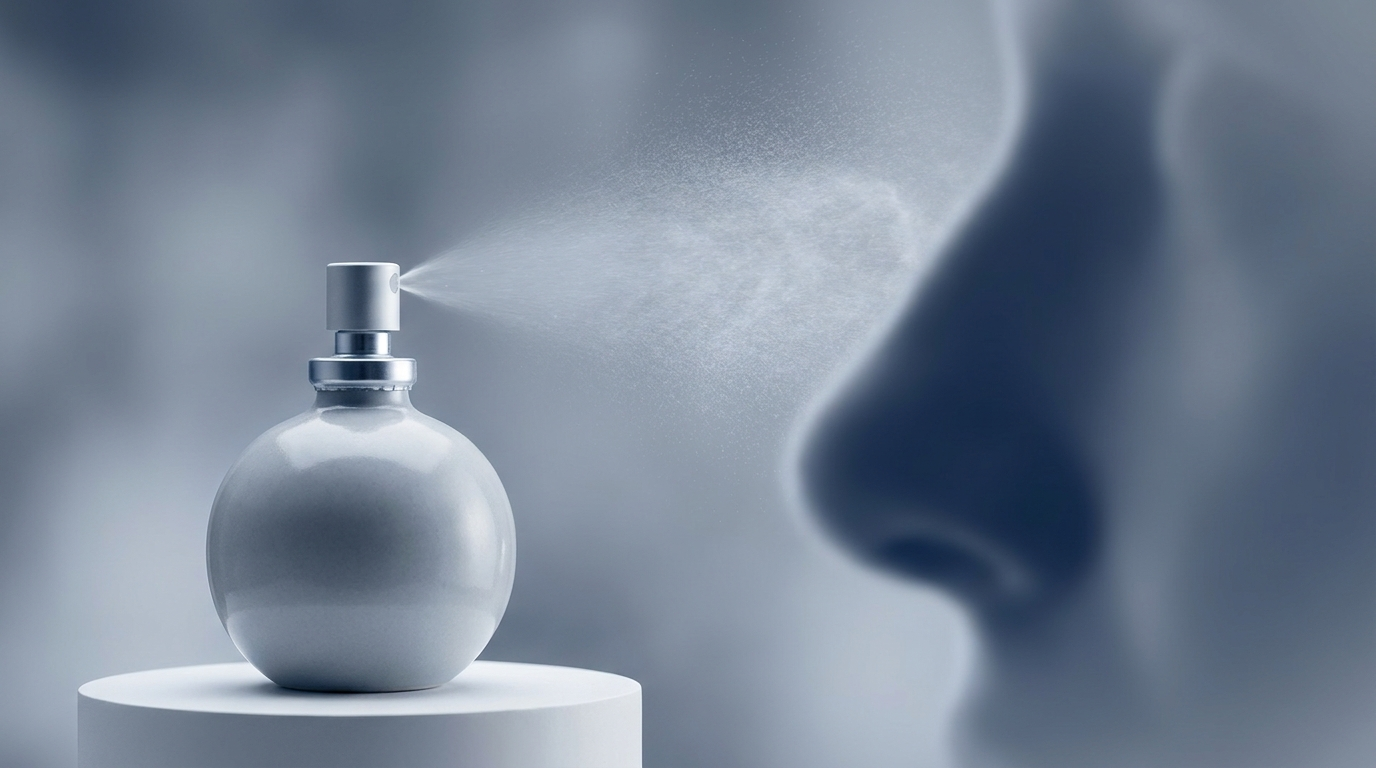
How it helps: adds moisture and helps loosen and clear mucus and irritants.
How to use: 1) Gently blow your nose. 2) Tilt your head slightly forward. 3) Spray as directed and sniff gently (avoid a hard inhale). 4) Repeat as needed within label guidance.
Examples: handy for post-gym stuffiness, flights, or dry hotel rooms; helpful before bedtime to reduce mouth-breathing. Great for allergy sufferers, dry-air environments, frequent flyers, and people who wake up congested.
2) Saline rinse / nasal irrigation (deeper clean-out)
A squeeze bottle or neti-style rinse gently flushes out mucus, allergens, and irritants. Use distilled, sterile, or previously boiled and cooled water; use a prepared saline packet or correct recipe; clean and air-dry the device and don’t share. Be cautious if completely blocked, with significant ear pain/pressure, or after recent nasal surgery unless cleared by a clinician.
3) Steam inhalation (or a steamy shower)
Moisture can loosen thicker secretions and make breathing feel easier, especially when congestion feels tight and dry. For a steam bowl: pour hot (not boiling) water into a stable bowl, sit at a comfortable distance, tent a towel, breathe normally for a few minutes, and stop if overheated or dizzy. Steam can burn—use extra caution around children.
4) Humidifier (especially at night)
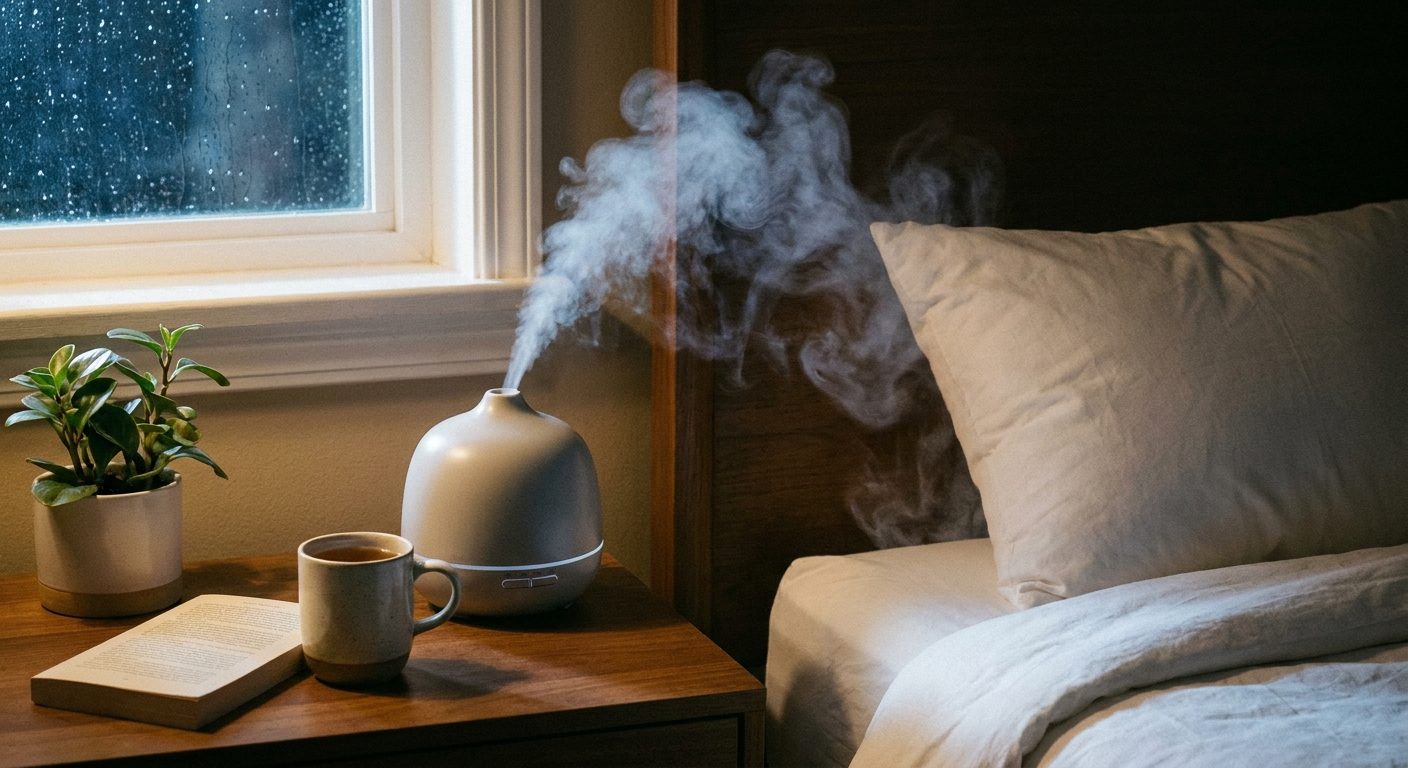
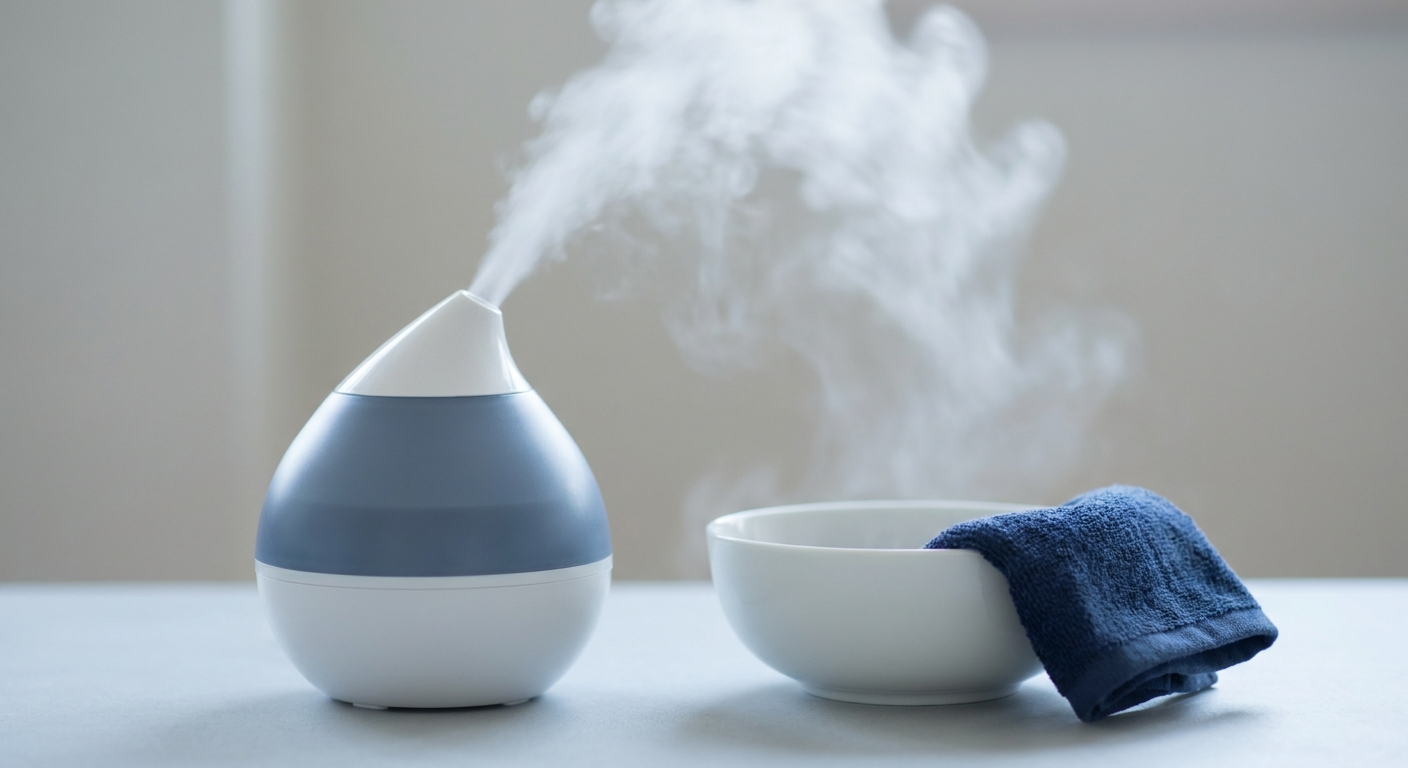
Adds moisture to dry indoor air, reducing irritation and helping mucus stay thinner. Aim for about 30–50% humidity, change water daily when possible, and clean regularly per instructions to reduce mold/bacteria buildup.
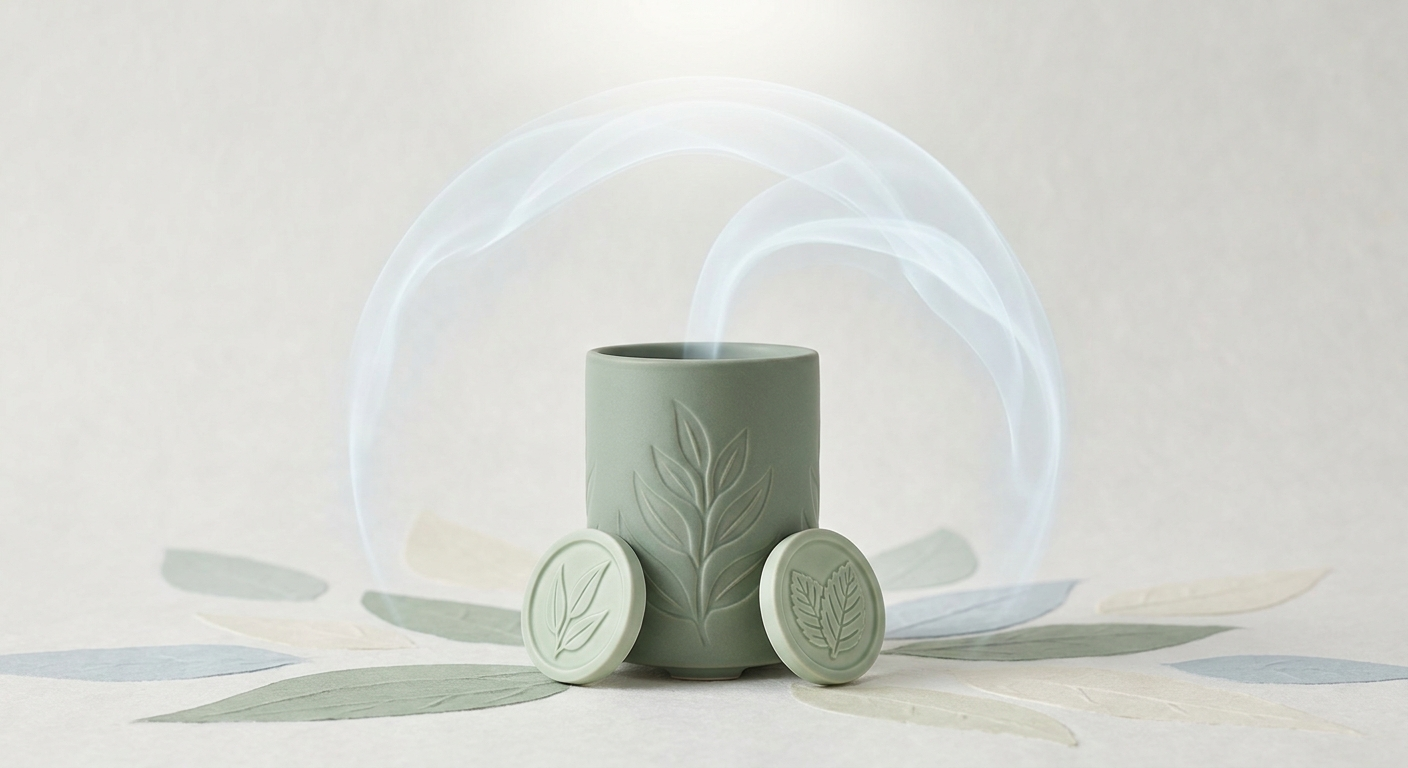
5) Eucalyptus oil (aroma support for open-airways sensation)
Aromas may create a sensation of easier airflow; some compounds show antimicrobial activity in labs, though clinical decongestant effects are unproven. Use a diffuser as directed or place a drop on a shower wall away from skin. Avoid ingestion, undiluted skin application, and use near young children or sensitive pets. Be cautious if fragrances trigger asthma or migraines.
6) Peppermint oil / menthol (cooling sensation, comfort)
Creates a cooling, more-open-breathing sensation, though direct decongestant evidence is limited. Dilute for skin use, avoid inside nostrils, and avoid use near infants and very young children unless advised by a pediatric clinician.

7) Hydration (simple, underrated)
Fluids support the body’s natural mucus-clearing system; when you hydrate, secretions are easier to move and tissues stay more comfortable. Choose water, warm tea, or broth; try warm water with lemon if plain water is unappealing; consider limiting alcohol if it worsens dryness or sleep.

8) Capsaicin-containing foods (temporary nose-opening effect)
Spicy foods can stimulate nasal secretions for short-lived relief. Easy ideas: spicy soup, mild salsa, chili, or a small amount of hot sauce in broth. Use caution if you have reflux or a sensitive stomach.
Think moisture plus movement first; add aroma or spice for short-term comfort if they suit you.
“Mix-and-Match” Relief Plans (So You Know What to Do Next)
Plan A (most people, about 15 minutes): saline spray, then a steam shower or brief steam inhalation, then a glass of water or warm tea. At night, add gentle head elevation.
Plan B (allergy day): saline rinse after outdoor exposure; shower and change clothes to remove pollen; use a humidifier overnight if indoor air is dry.
Plan C (sinus pressure): steam for comfort, saline rinse if safe, rest, and gentle head elevation at night; avoid multiple irritants or heavy fragrances.
Pick one core moisture strategy, then build around it based on your triggers and timing.
Lifestyle Tips to Prevent Congestion From Coming Back
Keep nasal passages moist with saline spray during dry seasons or travel, and use a humidifier thoughtfully in winter months. Reduce allergens at home by focusing on the bedroom: wash bedding regularly, consider allergen-proof covers, keep pets out if sensitive, and use appropriately rated HVAC filters on schedule.
For nighttime congestion, many people feel better with gentle head elevation; side-sleeping can help, especially when one side is more congested. Avoid smoke, heavy fragrances, and harsh cleaning fumes, which can inflame the nasal lining and prolong stuffiness.
Small daily habits—moist air, clean bedding, fewer irritants—add up to easier breathing.
When Natural Remedies Aren’t Enough (When to See an ENT)
Seek evaluation if symptoms last more than 10 days without improvement; you have recurrent sinus infections or chronic congestion; significant or worsening facial pain/pressure; one-sided symptoms, frequent nosebleeds, or persistent reduced smell.
An ENT may evaluate for allergies, chronic rhinitis, nasal polyps, or chronic sinusitis and recommend targeted therapies, additional testing, or procedures when appropriate.
For persistent or severe symptoms, Sleep and Sinus Centers of Georgia can help you sort out the cause and next steps. You can schedule an appointment. If congestion disrupts sleep, keeps returning, or you’re unsure whether allergies or sinusitis is driving symptoms, it’s a good time to book and get a clear plan.
If symptoms persist, an ENT can help identify underlying causes beyond simple congestion.
FAQs About Natural Decongestants
Q: Does saline spray work as well as medicated decongestants? A: They work differently. Medicated decongestants shrink swollen blood vessels, while saline adds moisture and flushes mucus/allergens to support clearance and comfort. Many people use saline as a first-line, gentle option.
Q: How often can I do a saline rinse? A: It depends on symptoms, the product, and clinician guidance. Many use rinses during flare-ups and scale back for maintenance.
Q: Is steam inhalation actually effective? A: Steam may provide temporary comfort by adding moisture and loosening thick secretions. Keep sessions brief and avoid overly hot steam to prevent burns.
Q: Are eucalyptus or peppermint oils safe for everyone? A: Not for everyone. Do not ingest; diffuse cautiously; avoid direct nasal application; be careful with children, pets, and fragrance-sensitive conditions.
Q: What’s the best humidifier setting for congestion? A: Many homes feel comfortable around 30–50% humidity; higher isn’t always better. Regular cleaning is essential.
Q: Why does spicy food clear my nose? A: Capsaicin can stimulate nasal secretions, creating a temporary more-open feeling.
When in doubt, keep it simple: moisture, gentle flushing, and smart prevention.
Sources
1. Doctronic – Natural Decongestant: https://www.doctronic.ai/blog/natural-decongestant/
2. Medical News Today – Natural decongestants and home remedies: https://www.medicalnewstoday.com/articles/323834
3. Healthline – Natural decongestants: https://www.healthline.com/health/natural-decongestant
4. Everyday Health – Natural congestion remedies: https://www.everydayhealth.com/cold-flu/treatment/natural-congestion-remedies/
This article is for educational purposes only and is not medical advice. Please consult a qualified healthcare provider for diagnosis and treatment.
Don’t let allergies slow you down. Schedule a comprehensive ENT and allergy evaluation at Sleep and Sinus Centers of Georgia. We’re here to find your triggers and guide you toward lasting relief.