Nasal Polyps Surgery Recovery: Timeline, Symptoms, and What to Expect
If you’re preparing for nasal polyp surgery (or you’re already home recovering), it helps to know what’s typical—especially because congestion and drainage can feel surprising at first. Below is an educational, patient-friendly guide to nasal polyps surgery recovery, including a realistic timeline, common after sinus surgery symptoms, helpful home-care habits, and warning signs that should prompt urgent medical evaluation.
Medical disclaimer: This article is for education only and can’t replace individualized instructions from your surgeon or medical team.
Quick Overview (What Most Patients Experience)
The “normal” recovery pattern
For many people, endoscopic sinus surgery (ESS) recovery includes a few days of congestion, blood-tinged drainage, facial pressure, and fatigue. Think of it like having “scrapes” on the inside of the nose and sinuses: they need time to settle, stop oozing, and re-line smoothly.
- Return to desk work or school in about 1 week
- Ease back into more normal routines in ~2–3 weeks
- Feel close to baseline by 1–2 months
These estimates are consistent with patient-education guidance from major health systems. [2][3]
What makes recovery smoother
While every surgeon’s plan is a little different, recovery is often supported by:
- Saline irrigations (typically beginning around the first day after surgery—follow your surgeon’s exact instructions) [2][3]
- Early follow-ups that may include sinus cleaning (debridement) [2]
- Long-term anti-inflammatory management such as intranasal corticosteroids to help lower recurrence risk [1]
A simple way to frame it: surgery opens the “hallways,” but aftercare keeps swelling and inflammation from re-blocking them.
Most patients feel congested early, then steadily better over 1–2 months.
What Surgery for Nasal Polyps Usually Involves
ESS (Endoscopic Sinus Surgery) vs. in-office polyp removal
Nasal polyps are commonly associated with chronic rhinosinusitis with nasal polyps (CRSwNP), where inflammation affects the nose and sinuses. Many patients undergo endoscopic sinus surgery (ESS) in an operating room setting, using small cameras and instruments to improve sinus drainage pathways and remove obstructive polyps.
Some patients may be candidates for more limited, in-office polyp procedures depending on anatomy, severity, and goals. If you’d like a broader overview of approaches, see How ENT doctors remove nasal polyps and Endoscopic sinus surgery (ESS): what patients should know.
Procedures commonly done at the same time
It’s common for ESS to include more than “just polyp removal.” Depending on what’s blocked or inflamed, surgery may involve:
- Opening narrowed sinus pathways to improve ventilation and drainage
- Clearing inflamed tissue and thick mucus
- Sometimes addressing structural issues (like a deviated septum or enlarged turbinates) when they contribute to obstruction
The goal of surgery
The main goals are to improve airflow, reduce blockage, help sinuses drain, and allow topical medications to reach deeper areas more effectively. Importantly, surgery can be very effective—but it doesn’t eliminate the underlying tendency to form polyps in the future. [1] That’s why long-term management matters even after a successful operation.
Surgery opens pathways; ongoing care keeps them open.
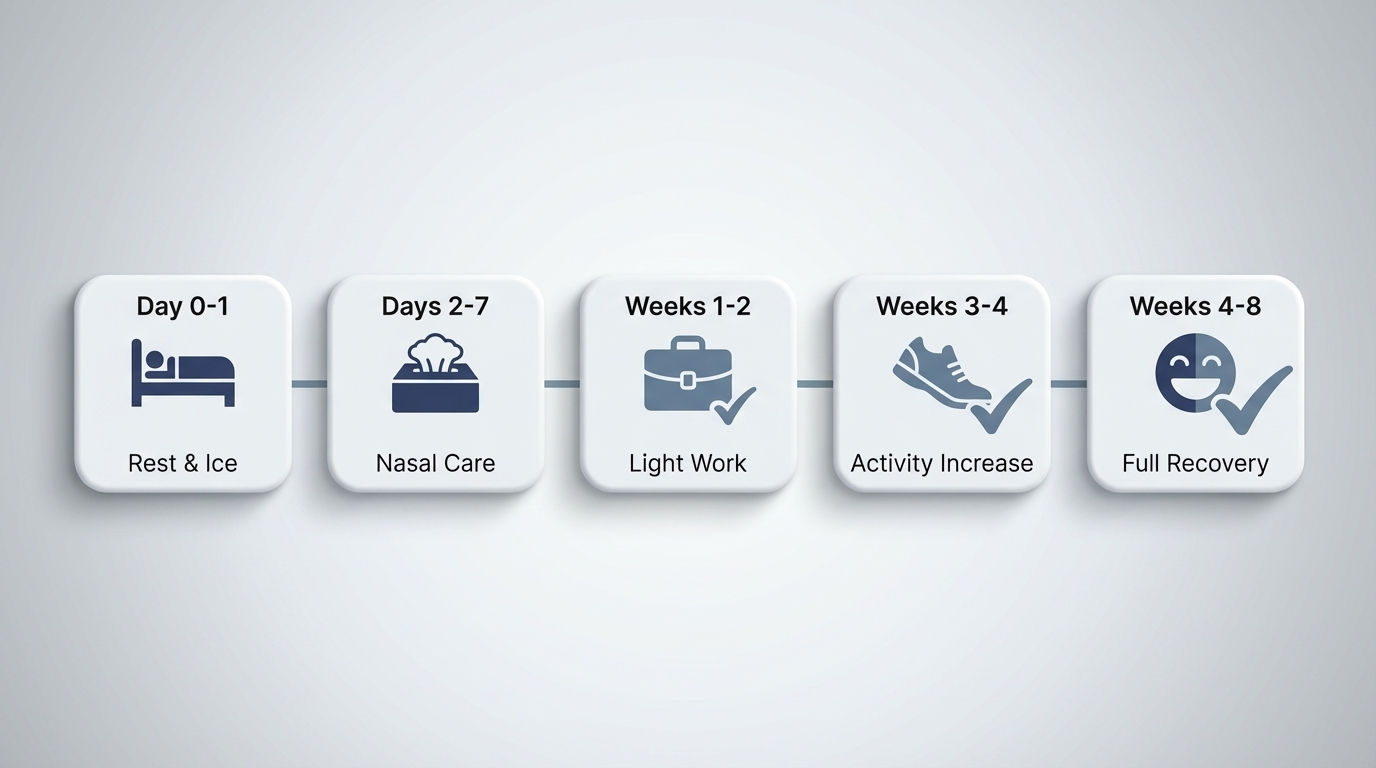
Nasal Polyps Surgery Recovery Timeline (Day-by-Day / Week-by-Week)
Important: timelines vary. Always follow the specific post-op plan provided by your surgeon.
Day 0–1 (Surgery day and first night)
What you may feel
- Grogginess and fatigue
- Mild sore throat (often from anesthesia)
- Mild bleeding/drainage
- Pressure or fullness in the nose/sinuses
What’s commonly recommended
- Rest and take it easy
- Sleep with your head elevated
- If packing or splints are used, you may feel more blocked at first
Many patients describe this phase as “sleepy, stuffy, and a little leaky”—uncomfortable, but usually manageable with a clear plan and reassurance.
Days 2–4 (Peak congestion + drainage)
This is often the “most annoying” stretch of nasal polyps surgery recovery.
Common symptoms
- Significant stuffiness/congestion
- Thick drainage, sometimes blood-tinged
- Facial pressure or headache
- Low energy
Many surgeons have patients start saline irrigations around this time—often the day after surgery—because rinsing helps clear mucus and crusting and supports healing. [2][3] Saline rinses typically begin around the first day after surgery, but follow your surgeon’s exact instructions.
A clinician might put it simply: “Rinses don’t just make you feel cleaner—they help the inside heal cleaner.”
Days 5–7 (Turning the corner)
What tends to improve
- Active bleeding usually decreases
- Pressure may ease
- Energy begins to return
Congestion and crusting are still common. Many patients feel ready to return to desk work or school at about one week, though symptoms and job demands matter. [2][3] For example, a remote desk job may be realistic sooner than a job that involves heavy lifting, bending, or dusty environments.
This is why “nasal polyp removal recovery time” can feel different from person to person.
Weeks 2–3 (Back to routine—still healing)
In this phase, you may be more functional—but still healing internally.
What you might notice
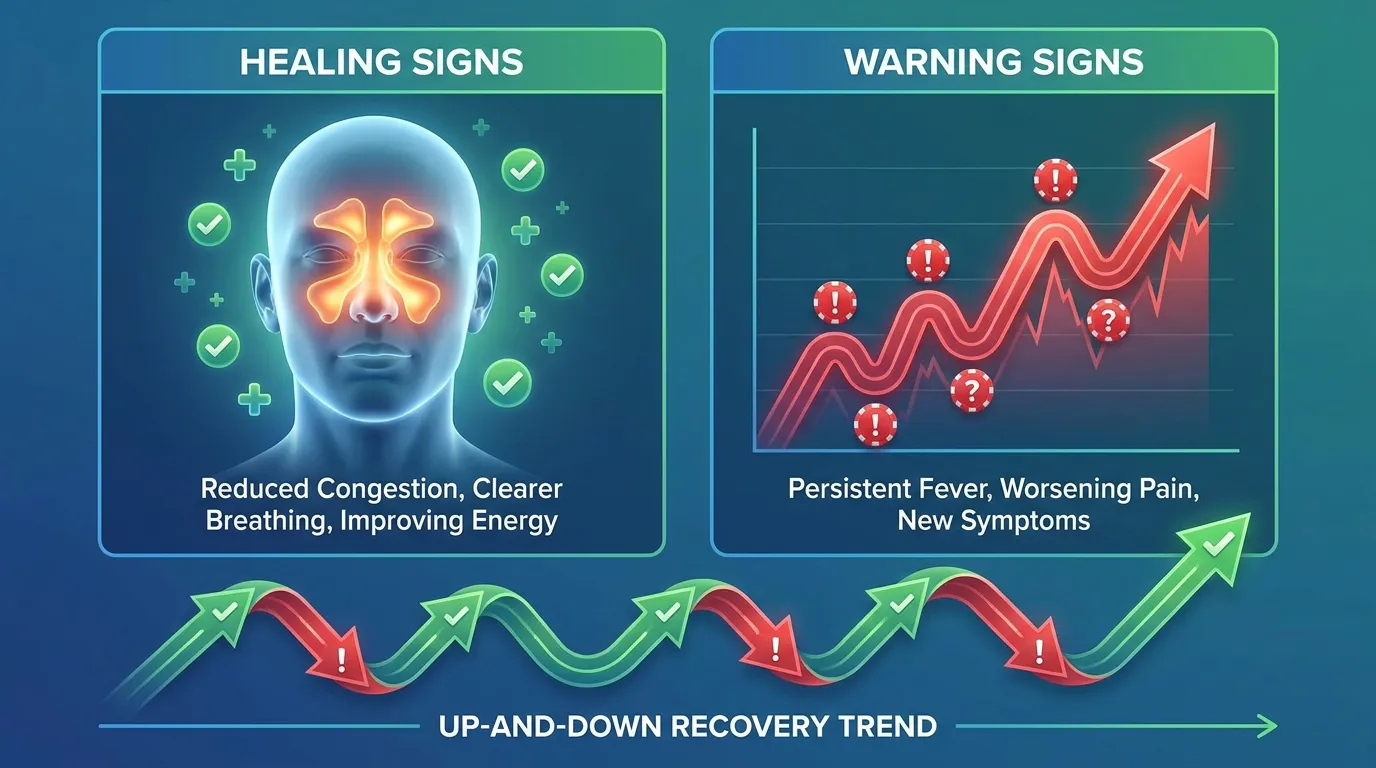
- Fluctuating congestion (some days better, some worse)
- Crusts and thicker mucus
- Smell/taste that comes and goes as swelling changes
It can help to expect “two steps forward, one step back.” If you wake up stuffier on some mornings, it doesn’t necessarily mean something is wrong—swelling and mucus can vary day to day.
Weeks 4–8 (Breathing improves; stamina returns)
Many people feel close to “normal” by 1–2 months. [2][3] Breathing often improves noticeably during this window as swelling decreases and the nasal lining continues to recover.
If you’re tracking progress, consider noticing functional wins: sleeping with less mouth-breathing, fewer headaches/pressure days, or needing fewer tissues.
Months 2–4 (Longer healing phase + office cleanings)
Even after you feel better, the sinuses may still be remodeling and healing. Follow-ups may continue for several months, and some visits include gentle cleaning/debridement to remove crusts and help the lining heal well. [2]
Patients sometimes say these visits feel a bit strange—but many also report they breathe more freely afterward.
Expect steady progress with a few ups and downs—your surgeon’s plan leads the way.

Common Symptoms After Nasal Polyp Removal (What’s Normal vs. Not)
Expected symptoms
Common after sinus surgery symptoms include:
- Mild to moderate bleeding or blood-tinged mucus for several days
- Congestion/stuffiness (even though passages were opened)
- Facial pressure/fullness or headache
- Fatigue or “brain fog” for a few days
- Crusting/scabbing and thick mucus
- Temporary reduced smell/taste that often improves as swelling decreases
Normal symptoms that can feel alarming
- “Why do I feel more congested after surgery?” Swelling, crusting, and (sometimes) packing can temporarily make airflow feel worse before it feels better.
- “Why does my drainage look brown/red?” Old blood mixed with mucus can look dark or rusty.
- “Why do I have crusts?” Crusting is a common part of healing in the nasal lining and is one reason rinses and follow-ups are emphasized.
Red-flag symptoms—seek urgent care now
Serious complications are uncommon, but educational red flags commonly listed in surgical aftercare resources include:
- Steady, brisk bleeding that doesn’t slow
- Persistent high fever
- Sudden vision changes
- Continuous clear, watery drainage (can be concerning for a CSF leak)
These warrant urgent medical evaluation. [2][3]
When in doubt, reach out—early questions prevent late problems.
Post-Op Care That Actually Improves Healing (Your At-Home Checklist)
This section is educational—your surgeon’s instructions come first.
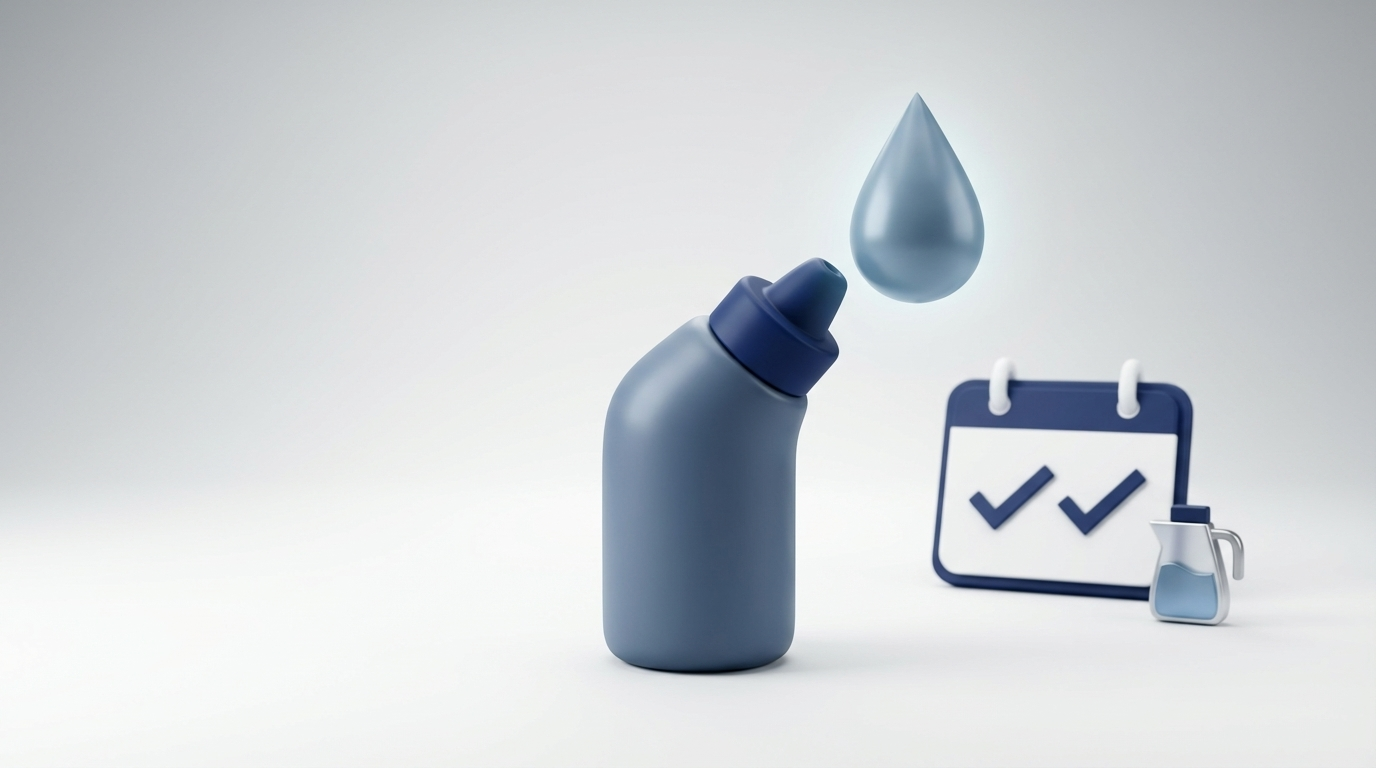
Saline irrigations (the cornerstone of recovery)
Post-op rinsing is one of the most consistently recommended habits after ESS, often starting the day after surgery. [2][3] Saline rinses typically begin around the first day after surgery, but follow your surgeon’s exact instructions.
Helpful tips patients commonly use
- Use distilled or sterile water (or water that’s been boiled and cooled) for safety
- Slightly warm water can feel more comfortable
- If you experience burning, it may be due to the salt concentration, water temperature, or irrigation technique
For a deeper dive, see nasal rinses after sinus surgery / how often to do saline rinses.
Medication plan (varies by patient)
After surgery, many patients have a plan that may include:
- Pain control options (often acetaminophen-based unless otherwise directed)
- Sometimes antibiotics if prescribed
- Longer-term anti-inflammatory treatment such as intranasal corticosteroids, which are widely used to reduce inflammation and help lower recurrence risk [1]
If you’re unsure what to continue, stop, or restart, ask—post-op medication timing is individualized.
What to avoid early on
Many post-op instruction sheets include precautions like:
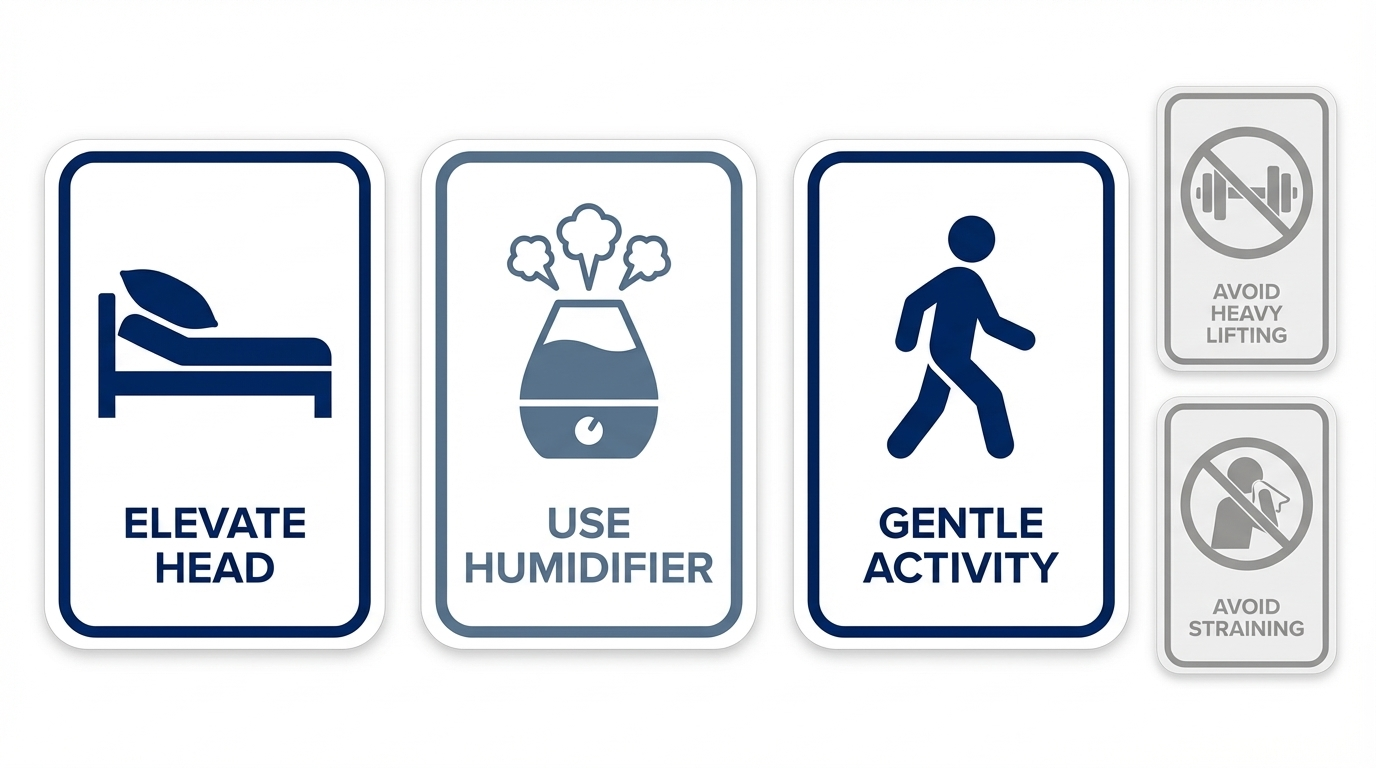
- Avoiding nose blowing early
- Avoiding heavy lifting/straining and vigorous exercise initially
- Avoiding smoking/vaping and irritant exposure
These steps are often aimed at reducing bleeding risk and supporting healing. [2][3]
Sleep and comfort tips
- Head elevation can reduce pressure and swelling for some people
- A humidifier may help if indoor air is dry
- Staying hydrated can make mucus easier to clear
Follow-up visits and sinus cleaning (why it matters)
Early follow-ups aren’t just “routine”—they’re often part of the treatment plan. Cleaning/debridement may help remove crusts, reduce blockage, and support healthy healing of the sinus lining. [2]
Simple daily habits drive the best long-term results.
When Can I Go Back to Work, Exercise, and Normal Life?
Returning to work/school
Many patients return around 1 week, especially for desk-based work, but individual recovery and job demands vary. [2][3]
Exercise timeline (general guide)
Light walking is often easier to tolerate early on, while strenuous exercise may be delayed because exertion can increase bleeding risk. [2][3] Your surgeon’s clearance is the key milestone.
Travel, swimming, and social events
- Flying: timing is surgeon-dependent and may relate to healing and pressure changes.
- Swimming: often delayed until you’re cleared, due to irritation and infection risk.
Ease back gradually and get clearance for heavier activity.
Recurrence: Why Nasal Polyps Can Come Back (and How to Lower the Odds)
Recurrence is common—even after successful surgery
Nasal polyp recurrence after surgery is common, and published long-term rates vary widely—often roughly 15–50% over time depending on severity and risk factors. [4] This is why nasal polyps surgery recovery isn’t just about the first few weeks; it also includes the maintenance phase.
Factors linked with higher recurrence risk
Recurrence is more likely in some inflammatory conditions, including:
- Asthma
- AERD (aspirin-exacerbated respiratory disease)
- Allergic fungal rhinosinusitis
- Prior sinus surgeries
- Inconsistent use of long-term topical anti-inflammatory therapy [4]
The long-term maintenance plan
Common elements include:
- Ongoing topical steroid sprays or rinses as prescribed [1]
- Allergy management and trigger reduction when relevant
- Coordinated care when asthma/AERD is part of the picture
Related: Topical treatments for nasal polyps.
What’s new for difficult-to-treat CRSwNP: biologics
For people with severe or recurrent CRSwNP, biologics for nasal polyps have expanded options beyond surgery and topical medications. Agents such as dupilumab, mepolizumab, and omalizumab are discussed in guidelines and reviews for patients who continue to have significant disease despite standard therapy. [1][4] If polyps return after surgery or symptoms remain severe, it may be worth discussing where biologics fit in your overall plan.
Surgery helps today; inflammation control protects tomorrow.
Possible Complications (Rare, but Important to Know)
Common minor issues
Temporary bleeding, discomfort, congestion, and fatigue are common parts of endoscopic sinus surgery (ESS) recovery. [2][3]
Less common but serious complications
Less common complications described in patient education materials include infection, CSF leak, and eye/vision problems. Serious events are uncommon, but because they require prompt evaluation, it’s important to know the red-flag symptoms listed earlier. [2][3]
Serious problems are uncommon, but knowing red flags keeps you safe.
Lifestyle Tips to Support Recovery and Long-Term Sinus Health
- Reduce irritants: avoid smoke, strong fragrances, and dusty environments when possible
- Aim for balanced indoor humidity (very dry air can be irritating)
- Hydration and gentle nutrition can help, especially if your throat is sore
- Allergy control (when relevant) may be part of long-term management, and allergy evaluation is sometimes considered in ongoing care [1]
Small environment changes can make a big breathing difference.
FAQs
How long will I have blood in my mucus after surgery?
Blood-tinged mucus for several days can be normal, gradually fading. Brisk, steady bleeding is not typical and needs urgent evaluation. [2][3]
When can I blow my nose again?
Restrictions vary by surgeon and timing. Many plans limit nose blowing early to reduce bleeding risk. [2][3]
How often should I do saline rinses after ESS?
Frequency varies by surgeon, but irrigations are strongly emphasized in post-op care resources. [2][3] Follow your specific instructions.
When will my sense of smell come back?
Smell can be temporarily reduced by swelling and crusting. Many people notice improvement as healing progresses, though timing varies.
Is it normal to feel tired during the first one to two weeks after surgery?
Fatigue is common early on and often improves gradually as sleep quality and breathing improve.
Can nasal polyps come back even if surgery went well?
Yes. Nasal polyp recurrence after surgery is common, which is why maintenance therapy is usually part of long-term care. [1][4]
What if I’ve already had surgery once—what are my options now?
Options often include optimizing topical therapy, evaluating contributing inflammatory conditions (like asthma/AERD), and discussing newer treatments such as biologics for nasal polyps in appropriate cases. [1][4]
Your ENT team can personalize these general answers to your situation.
When to Call Your ENT (Clear Action Steps)
Educational guidance commonly recommends urgent evaluation for:
- Steady, brisk bleeding
- Persistent high fever
- Sudden vision changes
- Continuous clear, watery drainage [2][3]
If you’re ever unsure whether a symptom is “normal,” it’s reasonable to contact your ENT team for guidance based on your specific surgery and medical history.
If you’re unsure, call—peace of mind is part of good care.
Conclusion (Reassurance + Next Steps)
Most people’s nasal polyps surgery recovery follows a fairly predictable arc: the first week is often the most congested, many patients return to work around week one, and breathing and stamina often feel much closer to baseline by 1–2 months. [2][3] The long-term key is inflammation control—because surgery improves airflow and access for medications, but it doesn’t remove the underlying tendency to form polyps. [1][4]
If you have asthma, AERD, or repeated polyp regrowth, consider discussing a long-term prevention plan (including topical therapies and, for some patients, biologic options) with your care team at Sleep and Sinus Centers of Georgia. To get personalized guidance, book an appointment at https://www.sleepandsinuscenters.com/.
With the right aftercare and follow-up, most patients breathe easier and feel better month by month.
References
1. Mayo Clinic. Nasal polyps: Diagnosis and treatment (2023). https://www.mayoclinic.org/diseases-conditions/nasal-polyps/diagnosis-treatment/drc-20351894
2. Johns Hopkins Medicine. Endoscopic Sinus Surgery (2022). https://www.hopkinsmedicine.org/health/treatment-tests-and-therapies/endoscopic-sinus-surgery
3. Kaiser Permanente. Endoscopic Sinus Surgery: What to Expect at Home (2019). https://healthy.kaiserpermanente.org/health-wellness/health-encyclopedia/he.endoscopic-sinus-surgery-what-to-expect-at-home.ug3524
4. De Corso E, et al. How to manage recurrences after surgery in CRSwNP (2023). https://pmc.ncbi.nlm.nih.gov/articles/PMC10159635/
This article is for educational purposes only and is not medical advice. Please consult a qualified healthcare provider for diagnosis and treatment.
Don’t let allergies slow you down. Schedule a comprehensive ENT and allergy evaluation at Sleep and Sinus Centers of Georgia. We’re here to find your triggers and guide you toward lasting relief.