Nasal Polyp Removal Cost: Insurance Coverage & Payment Options
If you’re pricing out treatment, you’ve probably discovered that the nasal polyp removal cost can look wildly different from one estimate to the next. That’s normal—and it usually comes down to where the procedure is done (office vs surgery center vs hospital), how extensive the surgery is, and how your insurance processes the claim.
One helpful way to think about it: the “price” can mean the menu price (billed charge), the discounted price (insurance-negotiated/allowed amount), or the amount you actually pay (deductible + coinsurance + copays). Those three numbers can be far apart.
Below is a patient-friendly guide to typical pricing, what insurance and Medicare often cover, and practical ways to plan for out-of-pocket costs.

Quick Summary (Costs at a Glance)
- Costs vary widely by setting, complexity, and insurance benefits.
- In a large analysis of U.S. commercial insurance claims, the average total “episode of care” cost for nasal polyp surgery was $14,697 (mean); $13,264 (median). Source: Ge W, Kamat S, et al. (2022) https://pmc.ncbi.nlm.nih.gov/articles/PMC9651015/
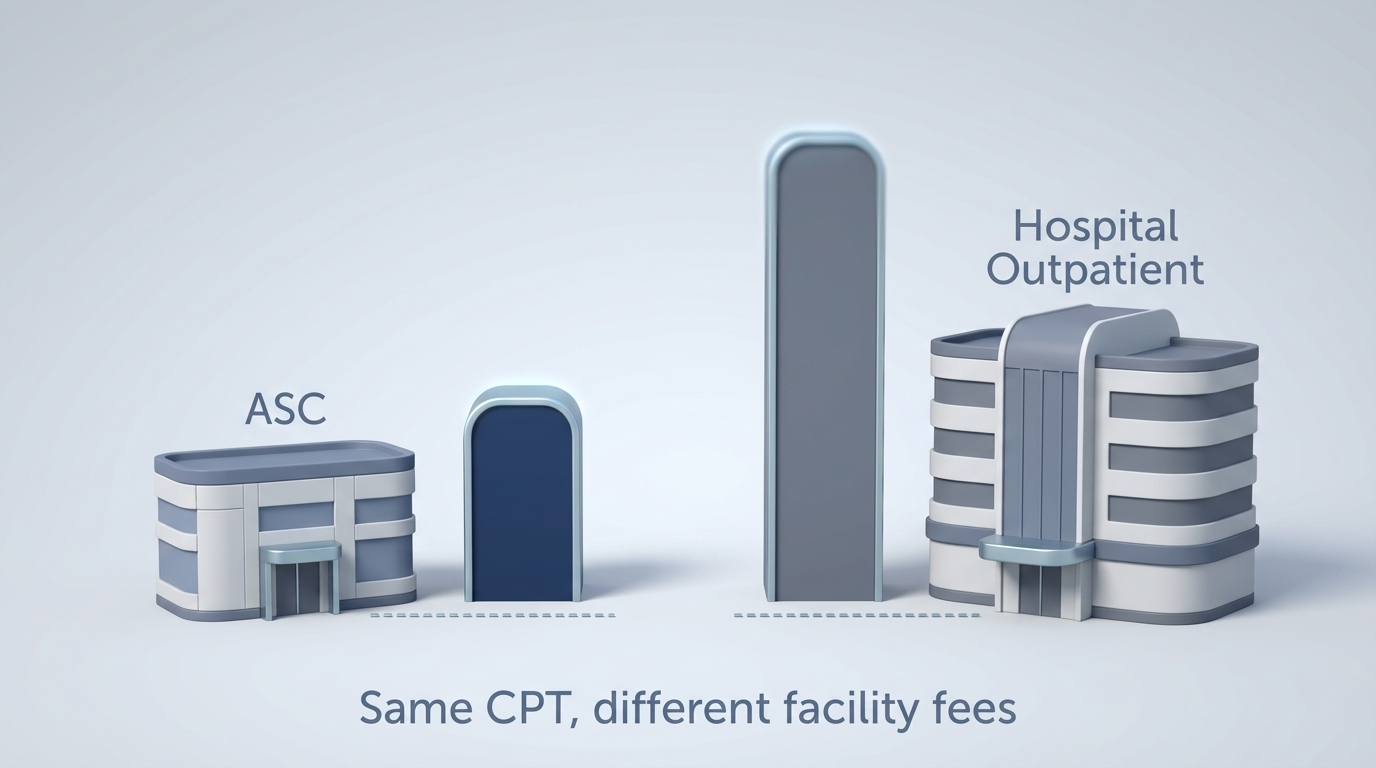
- Medicare-approved amounts can differ dramatically by facility type for the same CPT code (example: CPT 31276):
- Ambulatory Surgical Center (ASC): total about $2,768 (patient share ≈ $553)
- Hospital outpatient department: total about $7,527 (patient share ≈ $1,505)
Source: CMS Procedure Price Lookup (CPT 31276). Amounts vary by year and location—check the current CMS tool: https://www.medicare.gov/procedure-price-lookup/cost/31276/
Important: “Cost” might mean (1) the billed charge, (2) the insurance-negotiated rate, or (3) your out-of-pocket amount. Those numbers can be very different.
Bottom line: your final cost depends as much on benefits and setting as it does on the procedure itself.
What Is Nasal Polyp Removal (and Which Procedure Are We Talking About)?
Nasal polyp removal may be performed as a standalone procedure or as part of a broader sinus surgery plan. This matters because the codes, facility fees, anesthesia time, and follow-up care can change the final nasal polyp removal cost.
Common procedure names you may see on estimates
- Endoscopic polypectomy
- Functional Endoscopic Sinus Surgery (FESS)
- “Sinus surgery with polyp removal”
For an overview of the condition itself, see our guide on nasal polyps: https://sleepandsinuscenters.com/blog/what-are-nasal-polyps
Why the exact procedure matters for pricing
Pricing changes based on:
- Which CPT codes apply (often more than one)
- Whether multiple sinuses are treated
- Add-on services (e.g., image guidance/navigation, turbinate procedures, septoplasty)
- Whether care is done in-office, in an ASC, or in a hospital outpatient setting
If you want a plain-English walkthrough of the procedure experience, read: https://sleepandsinuscenters.com/blog/endoscopic-sinus-surgery-what-patients-should-know
Bottom line: the specific mix of CPT codes, add-ons, and setting drives most of the price differences you’ll see.
Symptoms & When Polyps Become a “Medical Necessity”
Insurance coverage frequently hinges on whether the surgery is considered medically necessary (not elective). That determination typically relates to symptoms and response to medical therapy.
Common nasal polyp symptoms
- Persistent nasal congestion/blocked nose
- Reduced sense of smell or taste
- Facial pressure, postnasal drip
- Recurrent sinus infections
- Snoring (often associated with nasal obstruction in general, but not specific or diagnostic on its own)
(For a deeper explanation of symptoms and diagnosis, start here: https://sleepandsinuscenters.com/blog/what-are-nasal-polyps)
When an ENT may recommend removal
In many cases, surgery is considered when:
- Symptoms persist despite medical therapy (often including steroid sprays/rinses)
- Blockage is severe enough to affect breathing or sleep
- There are recurrent infections or other complications
This isn’t medical advice—just a general view of how “medical necessity” is commonly documented for coverage decisions.
Bottom line: documentation of persistent symptoms and prior medical therapy is central to insurance approval.
What Causes Nasal Polyps?
Nasal polyps are often linked to ongoing inflammation in the nose and sinuses; the exact cause is not fully understood but inflammation plays a significant role.
Inflammation-driven conditions often linked to polyps
- Chronic rhinosinusitis
- Allergies and asthma
- Aspirin-exacerbated respiratory disease (AERD)
Why underlying causes matter for long-term costs
Even when surgery successfully removes polyps, some people need ongoing medical management to help reduce recurrence. From a budgeting perspective, that can affect not just the initial sinus surgery cost, but also follow-up care and medications over time.
Many ENTs put it simply: “Surgery creates space and improves airflow and drainage—but ongoing inflammation still needs a plan.” That planning piece is part of why cost discussions shouldn’t stop at the day-of-surgery estimate.
Bottom line: plan for both the one-time procedure and the long-term medical care that helps prevent recurrence.
How Much Does Nasal Polyp Removal Cost? (Real-World Ranges)
Because benefits and billing vary, it helps to look at real claims data and standardized Medicare benchmarks.
Commercial insurance “episode of care” costs (real claims data)
A 2022 real-world analysis of commercial claims found:
- Mean total medical cost: $14,697 (SD $11,679)
- Median cost: $13,264
Source: Ge W, Kamat S, et al. (2022) https://pmc.ncbi.nlm.nih.gov/articles/PMC9651015/
These figures represent an “episode of care,” which may include more than just the surgeon’s fee—so it’s closer to an “all-in” view than a single line item.
“Sticker price” / clinic charge ranges without insurance
Self-pay or out-of-network billed charges can vary widely (often from several thousand dollars to well over $20,000), depending on setting and surgical extent.
A practice blog aimed at patients describes a broad pre-insurance range—roughly $4,700 to $25,000—underscoring how variable billed charges can be. Treat these as informational approximations, not guaranteed quotes. Source: NYC Face Doc practice blog https://nycfacedoc.com/breaking-down-the-average-cost-of-sinus-surgery-a-comprehensive-guide/
Medicare-approved amounts can be much lower—but depend on the setting
Using CPT 31276 as an example, the CMS Procedure Price Lookup shows big site-of-service differences:
- ASC: total ≈ $2,768; patient share ≈ $553
- Hospital outpatient: total ≈ $7,527; patient share ≈ $1,505
Source: CMS Procedure Price Lookup (CPT 31276). Amounts vary by locality and year—check current figures: https://www.medicare.gov/procedure-price-lookup/cost/31276/
If you’re comparing estimates, this “ASC vs hospital outpatient” difference is one of the biggest reasons the endoscopic polypectomy cost can swing so much.
Bottom line: check both the allowed amount and the site of service—the same code can cost far more in a hospital outpatient department than in an ASC.
Why Costs Vary So Much (The Biggest Price Drivers)
Facility setting (one of the biggest factors)
- Office-based procedure vs ASC vs hospital outpatient
- Hospital outpatient settings often cost more than ASCs for similar CPT codes
Source: CMS CPT 31276 lookup https://www.medicare.gov/procedure-price-lookup/cost/31276/
A billing-office phrase you may hear is “site of service.” It’s not just jargon—where the procedure happens can meaningfully change facility fees.
Complexity of disease and extent of surgery
- One sinus vs multiple sinuses
- Scar tissue, revision surgery, or severe polyposis can increase OR time and services
Anesthesia type and duration
- Local vs general anesthesia
- Longer procedure time generally increases anesthesia and facility charges
Additional services that may appear on your bill
Common add-ons include:
- CT scan and/or nasal endoscopy
- Pre-op testing
- Pathology (tissue evaluation)
- Post-op debridements (cleaning visits)
- Medications
Complications (rare, but can increase total episode cost)
Complications are not common, but when they occur they can raise total costs—one reason “episode of care” numbers can be higher than a simple surgical fee. Source: Ge W, Kamat S, et al. (2022) https://pmc.ncbi.nlm.nih.gov/articles/PMC9651015/
To learn more about overall decision-making, see: https://sleepandsinuscenters.com/blog/sinus-surgery-risks-and-benefits-what-you-need-to-know
Bottom line: the mix of setting, scope, and services—not just “the surgery”—determines the final bill.
What’s Typically Included in a Nasal Polyp Surgery Estimate?
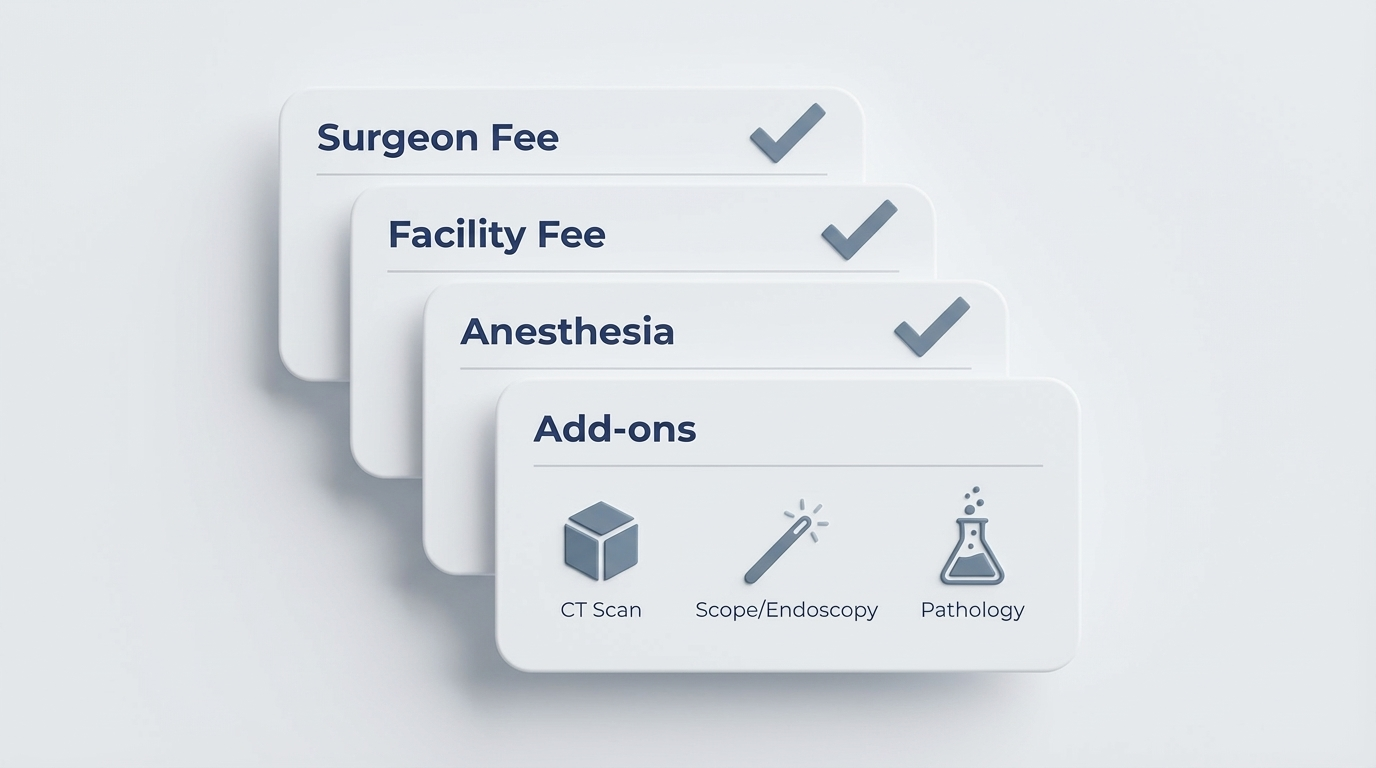
Even good estimates can be incomplete if they only cover one “slice” of care (for example, the surgeon fee but not anesthesia).
Common line items to ask about
- Surgeon fee
- Facility fee
- Anesthesia fee
- Imaging (CT), labs (if needed)
- Post-op visits and debridements (and how many)
Questions to ask your ENT office billing team
- “Is this an all-in estimate or only the surgeon portion?”
- “Does this include post-op debridements?”
- “What CPT codes are you using for the pre-authorization?”
- “Is the facility/ASC and anesthesia provider in-network with my plan?”
Getting clarity here is one of the best ways to prevent surprises in your final nasal polyp removal cost.
Bottom line: ask for a bundled estimate and confirm which services are included before you schedule.
Does Insurance Cover Nasal Polyp Removal?
When most insurers (including Medicare) typically cover it
In general, coverage is most common when surgery is documented as medically necessary, such as persistent symptoms despite appropriate medical therapy.
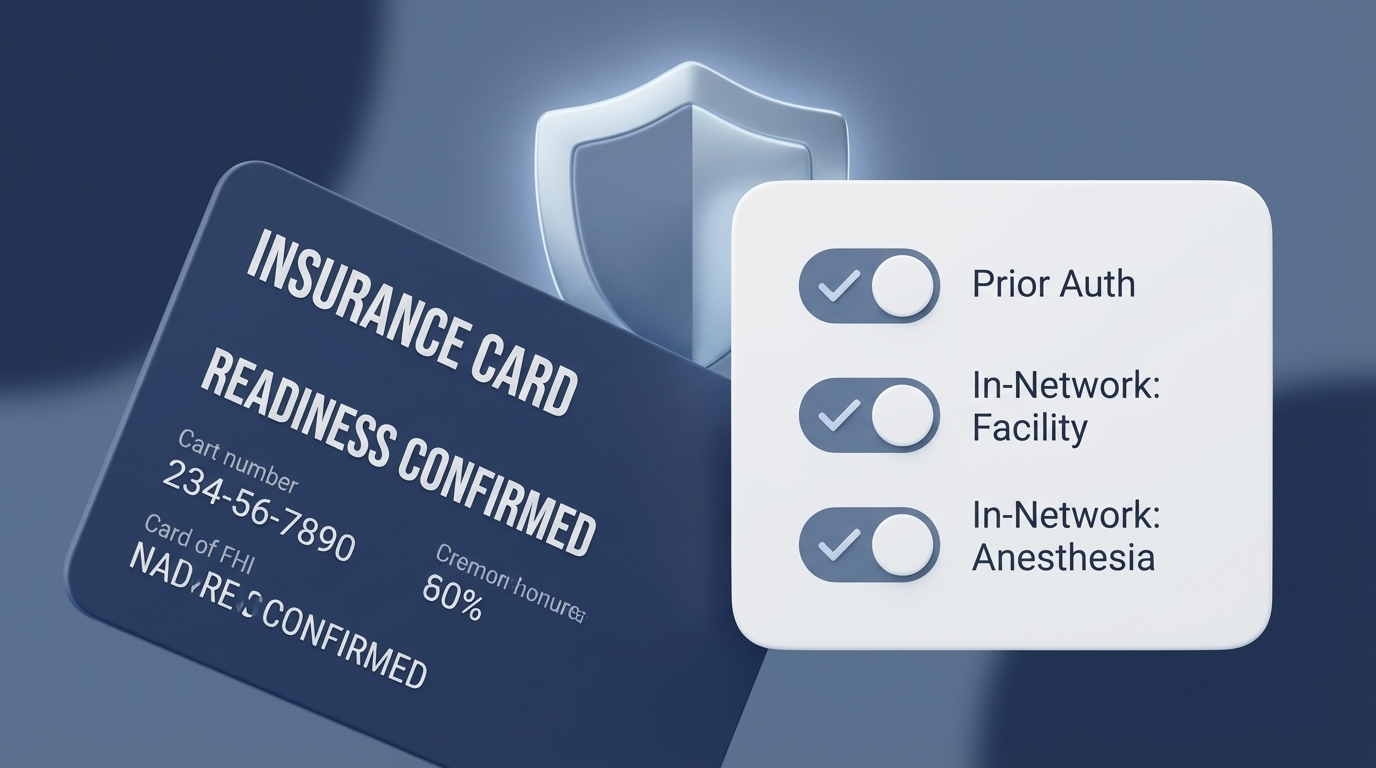
Prior authorization: why it matters
Many plans require prior authorization for sinus surgery. If authorization is missing or incomplete, patients may face higher out-of-pocket responsibility or claim denials—so it’s smart to confirm this step is completed before the procedure.
In-network vs out-of-network: the fastest way costs can spike
Even if your ENT is in-network, costs can rise if any of these are out-of-network:
- Facility (ASC or hospital outpatient department)
- Anesthesia group
- Pathology
- Imaging center
A practical example: you might choose an in-network surgeon, but if the anesthesia group at the facility is out-of-network, your anesthesia bill may be processed differently than you expect.
Common reasons claims get denied (and what patients can do)
Common issues include:
- Insufficient documentation of prior medical therapy
- Missing documentation of symptoms or imaging findings
- Out-of-network care or missing authorization
If a denial happens, ask what documentation is needed for an appeal and whether the office can help supply it.
Bottom line: confirm prior authorization, keep everything in-network when possible, and make sure your chart documents symptoms and medical therapy tried.
Medicare Coverage & What “Patient Share” Really Means
Medicare-approved amount vs what a provider bills: Medicare sets an allowed amount. Typically, patients are responsible for deductibles and coinsurance unless they have supplemental coverage. Source: CMS Procedure Price Lookup https://www.medicare.gov/procedure-price-lookup/
Why the same CPT code costs more at a hospital outpatient department: CMS data show the same code (for example, CPT 31276) can be much higher in a hospital outpatient setting than an ASC—largely due to facility fee structure. Source: CMS Procedure Price Lookup (CPT 31276) https://www.medicare.gov/procedure-price-lookup/cost/31276/
Bottom line: Medicare “patient share” depends on the allowed amount and your supplemental coverage—and allowed amounts vary by site of service.

Payment Options If You’re Worried About Out-of-Pocket Costs
HSA/FSA: using pre-tax dollars for eligible expenses
Many medical and surgical expenses may be eligible for HSA/FSA reimbursement (rules vary by plan). Source: IRS Publication 502 https://www.irs.gov/publications/p502
If you’re searching for HSA/FSA sinus surgery rules, Pub 502 is a helpful starting point—then confirm details with your plan administrator.
Bottom line: HSAs/FSAs can reduce taxes on eligible costs, but always verify your specific plan’s rules.
Payment plans through the surgeon or facility
Ask about:
- Monthly installment options
- Any 0% interest promotions (if available)
- Whether a deposit is required before surgery or after insurance processes the claim
Financial assistance / charity care (if applicable)
If surgery is scheduled at a hospital outpatient facility, ask whether the hospital system offers financial assistance and what the income guidelines are. Programs and eligibility vary widely by facility.
If you’re uninsured or self-pay
- Request a self-pay package price (and what it includes)
- Ask about prompt-pay discounts
- Request an itemized estimate by CPT code(s)
Bottom line: many offices and facilities offer payment flexibility—ask early and get details in writing.
How to Lower the Cost of Nasal Polyp Removal (Practical Tips)
- Choose a lower-cost setting when appropriate. When clinically appropriate, an ASC or office-based approach may reduce facility fees compared with hospital outpatient care. CMS pricing for CPT 31276 shows how location affects total cost. Source: https://www.medicare.gov/procedure-price-lookup/cost/31276/
- Confirm everyone is in-network (not just your ENT). Verify network status for surgeon, facility, anesthesia, pathology, and imaging.
- Time your procedure strategically. If you’ve already met your deductible or are close to your out-of-pocket maximum, timing can change your personal nasal polyp removal cost significantly.
- Ask for a “good faith” estimate or pre-treatment estimate. Provide: insurance member ID, planned facility location, CPT codes, and any prior authorization reference number (once approved).
Bottom line: a lower-cost site of service, in-network providers, and smart timing can meaningfully reduce what you owe.
Treatment Alternatives That May Delay or Avoid Surgery (When Appropriate)
Medical therapy commonly tried first
- Steroid nasal sprays
- Steroid rinses
- Short courses of oral steroids (when appropriate)
- Allergy management
Office-based options for select patients
Some patients may be candidates for in-office nasal polyp removal, which can be a different pricing and recovery experience than an operating-room procedure. Learn more: https://sleepandsinuscenters.com/blog/nasal-polyp-removal-in-office-what-to-expect
Why long-term control matters even after removal
Polyps can recur. Ongoing medical management is often part of keeping symptoms controlled over time.
Bottom line: work with your ENT on a long-term medical plan, whether or not you choose surgery now.
FAQs
How much does nasal polyp removal cost with insurance?
It depends on your deductible, coinsurance, and whether the facility/anesthesia are in-network. Real-world commercial claims data show an average episode cost around $14,697 (mean) and $13,264 (median), but your out-of-pocket share may be much less (or more) depending on your benefits. Source: Ge W, Kamat S, et al. (2022) https://pmc.ncbi.nlm.nih.gov/articles/PMC9651015/
Is nasal polyp surgery covered by insurance if it’s “elective”?
Many plans cover surgery when it’s medically necessary (functional problem, persistent symptoms, failed medical therapy). Coverage policies vary by insurer and plan.
Why is my hospital outpatient estimate higher than an ambulatory surgery center?
Facility fees differ. Medicare’s own pricing for CPT 31276 shows much higher totals in hospital outpatient departments than ASCs. Source: CMS Procedure Price Lookup https://www.medicare.gov/procedure-price-lookup/cost/31276/
What CPT code is used for nasal polyp/sinus procedures?
There isn’t a single code for every case; your procedure may involve multiple codes. CPT 31276 is one example used in Medicare’s procedure price lookup. Source: CMS Procedure Price Lookup (CPT 31276) https://www.medicare.gov/procedure-price-lookup/cost/31276/
Can I use my HSA/FSA for nasal polyp surgery?
Many surgical costs and related eligible medical expenses may qualify, but confirm your specific plan rules. Source: IRS Publication 502 https://www.irs.gov/publications/p502
What should I ask the billing office before scheduling?
Ask about in-network status (surgeon/facility/anesthesia), prior authorization, a bundled estimate (not just surgeon fees), expected post-op visits/debridements, and the CPT code list used for pre-auth.
Conclusion / Next Steps
Checklist: bring this to your ENT consultation
- Symptom timeline + treatments tried
- Insurance card + deductible/out-of-pocket max status
- Request the CPT list, confirm prior authorization, and ask about facility setting options
Patient-friendly next step
If you’re considering treatment and want a clearer picture of your likely nasal polyp removal cost, Sleep and Sinus Centers of Georgia can help you understand your procedure options and request an insurance/benefits check and estimate—so you can plan with fewer surprises.
To take the next step, book an appointment at: https://www.sleepandsinuscenters.com/
Bottom line: a brief benefits check and bundled estimate can turn a confusing price into a clear plan.
Sources
- Ge W, Kamat S, et al. Real-World Cost of Nasal Polyps Surgery and Risk of Major Complications in the United States (2022). https://pmc.ncbi.nlm.nih.gov/articles/PMC9651015/
- Centers for Medicare & Medicaid Services. Procedure Price Lookup (CPT 31276). Check current amounts by locality and year. https://www.medicare.gov/procedure-price-lookup/cost/31276/
- IRS. Publication 502: Medical and Dental Expenses (2024). https://www.irs.gov/publications/p502
- NYC Face Doc. Breaking Down the Average Cost of Sinus Surgery: A Comprehensive Guide (accessed 2026; approximate pre-insurance ranges). https://nycfacedoc.com/breaking-down-the-average-cost-of-sinus-surgery-a-comprehensive-guide/
Disclaimer
This article is for educational purposes only and is not medical advice. Please consult a qualified healthcare provider for diagnosis and treatment.
Don’t let allergies slow you down. Schedule a comprehensive ENT and allergy evaluation at Sleep and Sinus Centers of Georgia. We’re here to find your triggers and guide you toward lasting relief.