Medical vs Surgical Treatment for Chronic Sinusitis: Which Is Best?
Chronic sinus symptoms can be exhausting—especially when congestion, drainage, facial pressure, and smell loss keep coming back. The good news is that today’s options are broader than ever, and many patients do find meaningful relief once the underlying pattern is identified.
This guide explains medical vs surgical treatment for chronic sinusitis, and where biologics may fit for some people with nasal polyps. Think of it as a roadmap: start with the basics, confirm the diagnosis, then step up treatment if symptoms and quality-of-life impact remain high.
Educational note: This article is general information, not medical advice. An ENT evaluation helps match the right option to your diagnosis, CT findings, and goals.
Quick Answer (for skimmers)
When medical treatment is usually best
Medical therapy is often the best first step when symptoms are mild-to-moderate, you’re newly diagnosed, you don’t have severe nasal polyps, and you respond well to rinses and sprays. Many care pathways recommend maximal medical therapy before moving to procedures in most patients. (See EPOS 2020 guidance.) [3]
Example: If your main issues are daily congestion and post-nasal drip, and your exam/CT doesn’t show major blockage, a consistent “saline irrigation + steroid spray” routine may be enough to keep you stable.
When surgery often helps more
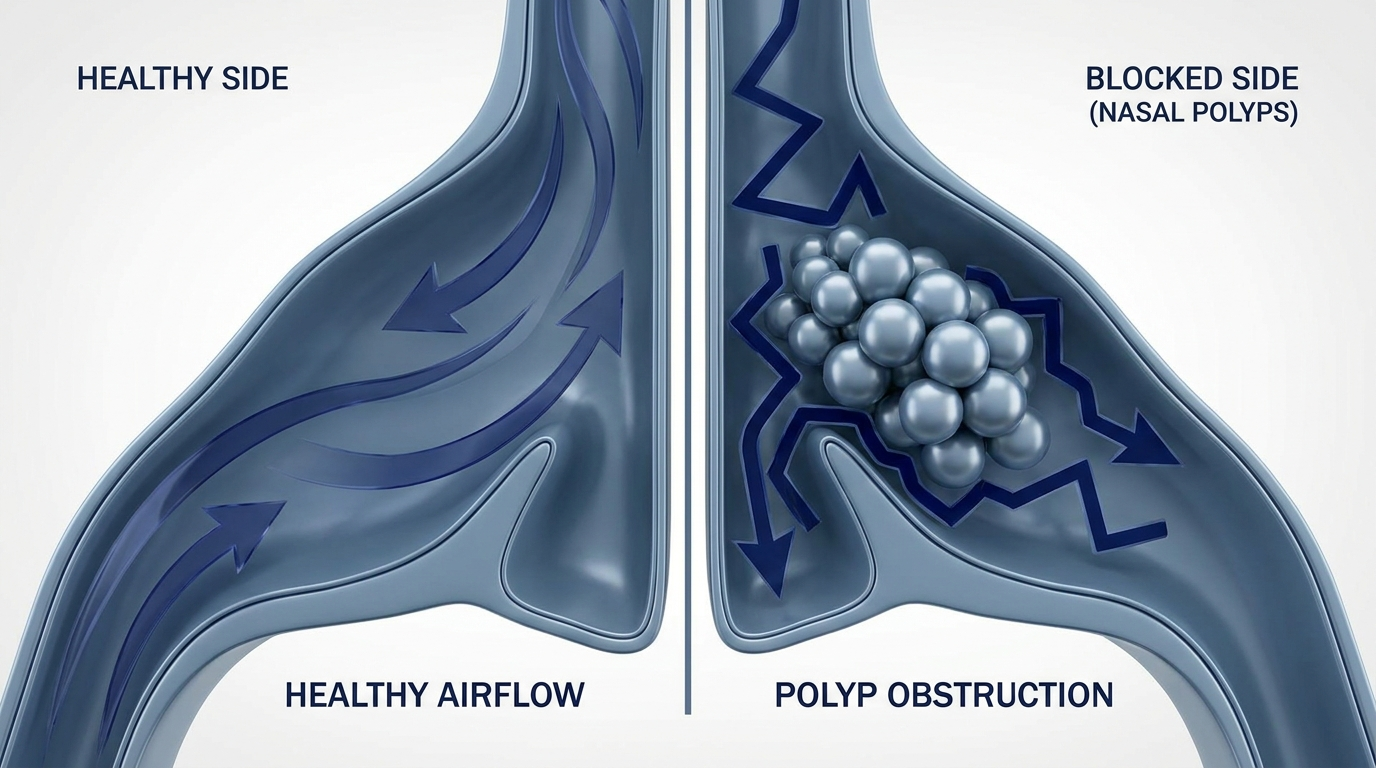
Surgery (most commonly endoscopic sinus surgery, or ESS) tends to help more when symptoms persist despite consistent medical therapy, when sinus drainage pathways are blocked on endoscopy/CT, when polyps are significant, or when flare-ups are frequent. A large multicenter randomized trial showed ESS added to ongoing medical care improved symptoms more than medical therapy alone, measured by the Sino-Nasal Outcome Test (SNOT‑22). [1]
A clinician way of saying this is: “If the plumbing is blocked, medication may not reach where it needs to work.” ESS can open those pathways so topical therapy can do its job.
When biologics may be the better fit
Biologics are typically reserved for severe type‑2 chronic rhinosinusitis with nasal polyps (CRSwNP)—especially if someone isn’t a good surgical candidate, prefers to avoid surgery, or has persistent symptoms after surgery. EPOS 2020 places biologics later in stepwise care for severe CRSwNP. [3]
Some research suggests biologics can be comparable to surgery by about 12 months for certain outcomes, but they are costly and ongoing. Individual responses vary, and biologics typically require maintenance therapy, unlike surgery which is a one‑time procedure with potential need for revisions. [2]
What Is Chronic Sinusitis (Chronic Rhinosinusitis)?
Definition (what “chronic” means)
Chronic rhinosinusitis is generally defined as symptoms lasting 12 weeks or longer, plus objective evidence of ongoing inflammation (seen on nasal endoscopy and/or CT imaging). [3]
In other words, it’s not just “a long cold.” The diagnosis usually requires both (1) persistent symptoms and (2) evidence that the sinuses/nasal lining remain inflamed.
For a broader overview, see our page on chronic sinusitis: https://sleepandsinuscenters.com/chronic-sinusitis
The two main types that affect treatment choice
- CRSwNP: chronic rhinosinusitis with nasal polyps (often associated with type‑2 inflammation) - CRSsNP: chronic rhinosinusitis without nasal polyps
Why the “right” treatment depends on the type
The “best” medical vs surgical treatment for chronic sinusitis often hinges on whether polyps/type‑2 inflammation are present. Polyps may respond to topical/oral steroids and, in select severe cases, biologics—and ESS can improve sinus ventilation and access for topical therapy.
A helpful analogy: medicine treats the “inflammation,” while surgery addresses the “architecture.” Many patients need some combination of both over time.
— In short, chronic sinusitis is persistent inflammation confirmed by exam or CT, and treatment choices depend strongly on whether polyps/type‑2 inflammation are present. —

Symptoms (and when to seek care)
Common symptoms patients notice
Chronic sinusitis symptoms commonly include: - Nasal congestion or blockage - Thick drainage or post-nasal drip - Facial pressure/fullness - Reduced or lost sense of smell (especially common in CRSwNP) - Cough, fatigue, or poor sleep
Patient experience, commonly heard in clinic: “I can breathe, but I don’t feel clear—and my smell comes and goes.” That pattern often raises the question of ongoing inflammation and/or polyps.
You can also review our deeper guide to symptoms of sinus problems: https://sleepandsinuscenters.com/symptoms-of-sinus-problems
Red flags (seek urgent evaluation)
Some symptoms can signal complications and deserve urgent medical assessment, such as vision changes, swelling around the eye, severe headache/neck stiffness, high fever, or confusion. If you have any of these symptoms, seek care promptly for evaluation.
— If symptoms persist, worsen, or include red flags, timely evaluation can prevent complications and speed relief. —
Causes & Risk Factors (Why it keeps happening)
Inflammation vs infection (important distinction)
Many chronic cases are driven more by inflammation than by a persistent bacterial infection. This distinction matters because inflammation-focused therapies (rinses, steroid sprays, surgery to improve drainage, and sometimes biologics) may be more important than repeated antibiotics for many patients. However, infections can still occur and may require antibiotics when acute bacterial exacerbations are suspected.
A practical takeaway: if symptoms keep returning, it’s worth asking, “Are we treating inflammation, or repeatedly chasing infection?” Your ENT can help clarify that based on exam findings and history.
Common contributors
Chronic sinusitis may be influenced by: - Allergies and environmental triggers - Asthma and aspirin sensitivity (AERD) - Nasal polyps - Structural blockage (deviated septum, narrow sinus openings) - Smoke/irritants, reflux, and (in selected patients) immune issues
When allergies are part of the picture, allergy testing may help clarify triggers and guide treatment: https://sleepandsinuscenters.com/allergy-testing
— Addressing the underlying drivers—especially inflammation and triggers—often matters more than repeatedly treating presumed infections. —

How Chronic Sinusitis Is Diagnosed
What an ENT exam may include
An ENT visit often includes a detailed history, a symptom review, and nasal endoscopy (a small camera used to look for inflammation, drainage, or polyps).
If you’re nervous about endoscopy, many patients describe it as more “weird” than painful—and it can provide immediate clarity (for example, seeing polyps or inflammation rather than guessing).
When CT imaging is used
A CT scan can confirm inflammation patterns, show areas of blockage, and—when surgery is being considered—help with planning.
Symptom scoring you may hear about (Sino-Nasal Outcome Test, SNOT‑22)
Research studies often use the Sino‑Nasal Outcome Test (SNOT‑22) questionnaire to measure symptom burden and quality-of-life impact. In a major randomized trial, SNOT‑22 improvement was greater when ESS was added to ongoing medical care compared with medical therapy alone. [1]
— Diagnosis usually combines your story, endoscopic findings, and—when needed—CT imaging to confirm inflammation and guide treatment. —

Medical Treatment Options (First-line for most patients)
EPOS 2020 supports stepwise care and typically recommends maximal medical therapy before surgery in most patients. [3]
Daily basics (“maximal medical therapy”)
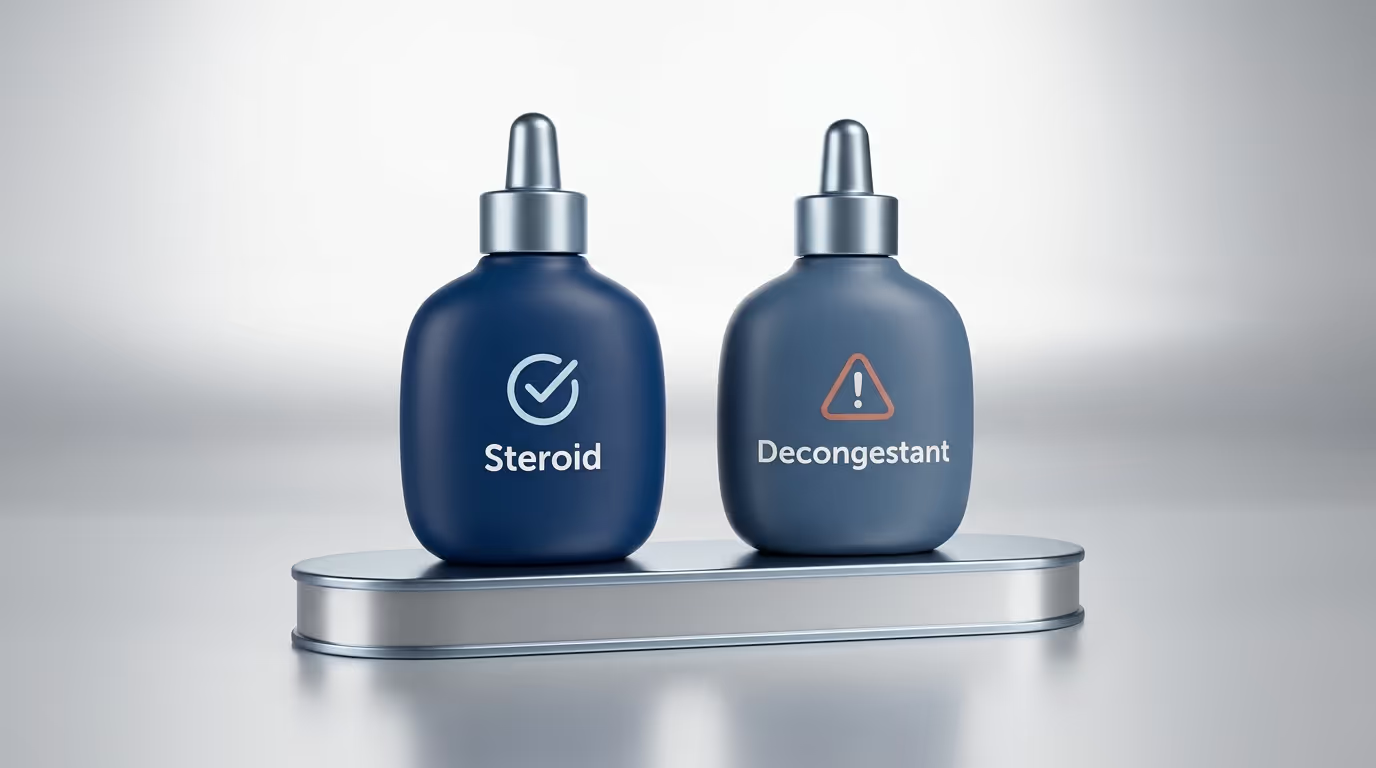
Common foundations include: - Saline irrigations (rinses) to flush mucus and irritants - Intranasal corticosteroid sprays to reduce inflammation
Concrete example: Some patients do best by linking rinses to a routine (e.g., every evening before brushing teeth) so it becomes maintenance—not a last-minute rescue.
Short courses for flare-ups or severe inflammation
Short courses of oral corticosteroids may be used in some cases (especially CRSwNP) to reduce inflammation, balanced against potential side effects.
Antibiotics—when they help and when they don’t
Antibiotics are generally most helpful for suspected acute bacterial exacerbations, not as routine long-term treatment for chronic inflammation.
Add-ons for the right patient
Depending on contributing factors, treatment may also include: - Allergy management (avoidance strategies, medications, and immunotherapy when appropriate) - Coordinated care for asthma/AERD and other airway inflammation
What does “failed medical therapy” mean?
In everyday terms, it usually means someone has used the core regimen (rinses + topical steroid spray, with appropriate add-ons) consistently and correctly and still has significant ongoing symptoms or frequent flare-ups.
— Most people start with daily saline irrigation and steroid sprays; if done consistently yet symptoms persist, it’s time to consider additional options. —

Surgical Treatment (Endoscopic Sinus Surgery / ESS)
What is ESS?
Endoscopic sinus surgery (ESS) is a minimally invasive procedure using a small camera to open blocked sinus drainage pathways and, when needed, remove inflamed tissue or polyps. The goal is to improve sinus ventilation/drainage and allow topical treatments to reach inflamed areas more effectively.
If you want a step-by-step patient overview, see: https://sleepandsinuscenters.com/blog/endoscopic-sinus-surgery-what-patients-should-know
What surgery is not
ESS does not cure the underlying inflammatory condition but improves drainage and symptom control. Many people still need ongoing nasal care afterward (often rinses and topical steroid sprays) to maintain results.
Evidence: ESS + medical therapy vs medical therapy alone
In a large multicenter randomized controlled trial, patients who received ESS plus ongoing medical therapy experienced greater improvement in symptoms (SNOT‑22) than those who continued with medical therapy alone. [1] This is a key reason the medical vs surgical treatment for chronic sinusitis conversation often shifts toward ESS when symptoms persist despite consistent medications.
Limited vs extended/expanded ESS
ESS can be more limited or more extensive depending on anatomy, disease severity, and goals. Recent discussion suggests expanded/extended ESS may yield larger quality-of-life gains and potentially lower revision rates than limited surgery, although high-quality randomized evidence is still developing. [4]
Recovery basics
Recovery varies, but common themes include temporary congestion, regular rinsing, and follow-up visits to monitor healing. Many patients notice changes gradually over weeks as swelling improves and the nose heals.
Risks/downsides to discuss
All procedures have risks. ESS risks to review with an ENT may include bleeding, infection, scar tissue, and the possibility of revision surgery for recurrent disease.
— ESS opens blocked pathways so medicines can work better; it improves control but still pairs best with ongoing daily care. —
Biologic Medications (Newer Option, Mainly for Severe CRSwNP)
What “biologics” mean
Biologics for nasal polyps are injectable medications that target specific immune pathways—often those involved in type‑2 inflammation.
Who they’re usually for
Guidelines generally reserve biologics for severe CRSwNP not controlled with maximal medical therapy, particularly when surgery isn’t feasible or symptoms persist after surgery. [3]
Dupilumab vs sinus surgery—what research suggests
When comparing dupilumab vs sinus surgery, some analyses show surgery may produce greater short-term improvement in polyp size and symptoms, while by around 12 months outcomes can be comparable for certain measures; some studies also suggest strong smell improvement with dupilumab in selected patients. Individual responses vary, and ongoing treatment is typically required with biologics, unlike the one‑time nature of surgery (which may still need revision later). [2]
The practical trade-offs
Biologics can be effective, but they usually mean: - Ongoing injections (maintenance therapy) - Long-term costs and insurance considerations - Regular follow-up to assess response, as not all patients respond equally
— Biologics target inflammation directly and can help, especially in severe CRSwNP, but they require maintenance and careful monitoring. —
Medical vs Surgical vs Biologics — Side-by-Side Comparison (Patient-friendly)
Medical therapy (rinses, sprays, targeted add-ons)
- Best for: Many first-line cases; milder disease; maintenance after other treatments - Pros: Non-invasive; foundational for long-term control - Cons: Requires consistency; may not fix blockage/polyps - Typical timeline: Gradual improvement - Cost pattern: Ongoing, usually lower
Endoscopic sinus surgery (ESS)
- Best for: Persistent symptoms plus blockage/polyps on endoscopy/CT; frequent flare-ups - Pros: Often faster relief of obstruction/pressure; improves access for topical therapy; strong randomized evidence vs medical therapy alone [1] - Cons: Procedure risks; recovery time; possible revision - Typical timeline: Weeks for noticeable change; continued improvement over time - Cost pattern: Upfront cost
Biologics (e.g., dupilumab)
- Best for: Severe type‑2 CRSwNP; poor surgical candidates; persistent symptoms after surgery [3] - Pros: Targets inflammation; may significantly improve smell in some patients [2] - Cons: Ongoing injections; expensive; not all respond; benefit may wane if stopped - Typical timeline: Months, with meaningful changes often by ~1 year [2] - Cost pattern: Ongoing, higher
— Think of medicine as daily control, surgery as opening the plumbing, and biologics as targeted immune therapy—your “best” option depends on type, severity, and preferences. —

How to Decide: A Step-by-Step Framework (Shared Decision-Making)
Step 1 — Confirm the diagnosis and type
CRSwNP vs CRSsNP matters, as do asthma/AERD/allergies. When the “type” is clear, the treatment plan is usually clearer too.
Step 2 — Make sure “maximal medical therapy” was truly tried
A simple checklist to discuss with your ENT: - Saline rinses used consistently - Steroid spray technique optimized and used regularly - Triggers addressed (smoke/irritants; allergy plan if relevant) - Exacerbations treated appropriately (not just repeated antibiotics by default)
Step 3 — Consider ESS when
ESS is often discussed when there’s meaningful quality-of-life impact (often captured by tools like SNOT‑22) and symptoms persist despite medical therapy, especially with blockage/polyps seen on endoscopy or CT. [1,3]
Step 4 — Consider biologics when
Biologics are typically considered for severe type‑2 CRSwNP, frequent need for oral steroids, major smell loss, or persistent disease after surgery / surgery not feasible. [3]
Step 5 — Factor in preference and lifestyle
This includes time off work, comfort with a procedure vs ongoing injections, medication tolerance, and insurance coverage.
— Use a stepwise approach: confirm the type, optimize daily care, then add ESS or biologics when the evidence and your goals point that way. —
Lifestyle Tips That Support Any Treatment Plan
Nasal rinse technique and consistency
Consistency matters. Many people do best when rinses become a routine rather than an occasional rescue tool.
Trigger control
Smoke, strong fragrances, and dusty environments can worsen inflammation. Some people find air filtration helpful in bedrooms or main living areas.
Allergy and asthma optimization
Upper and lower airway inflammation often overlap, especially in CRSwNP. Coordinated management can support better long-term control.
Sleep and hydration
Congestion can disrupt sleep; hydration and nighttime symptom control strategies may support rest and recovery.
— Small daily habits—rinses, trigger control, and coordinated allergy/asthma care—help any treatment work better. —
FAQs
“Do I have to try medicine before surgery?”
Many guidelines recommend maximal medical therapy first in most patients, though there are exceptions (for example, severe obstruction or suspected complications). [3]
“If I get surgery, will I still need nasal sprays?”
Often, yes. ESS can improve drainage and access, but ongoing inflammation typically still benefits from maintenance care.
“Are biologics a replacement for surgery?”
Sometimes, but not always. Biologics are commonly used after medical therapy and/or when surgery isn’t possible or hasn’t worked well enough. [3]
“Which works faster: ESS or dupilumab?”
Research suggests ESS often delivers stronger short-term reductions in symptoms and polyp burden, while some outcomes may be comparable by around 12 months in selected comparisons. [2]
“Will my sense of smell come back?”
Many people improve when inflammation is controlled. Some analyses suggest biologics may have an advantage for smell in certain patients. [2]
“Can chronic sinusitis be caused by allergies?”
Allergies can contribute, but not every case is allergy-driven. An ENT evaluation helps clarify what’s driving symptoms.
Conclusion + Next Step
There isn’t one universally “best” choice in medical vs surgical treatment for chronic sinusitis. The right plan depends on your CRS type (CRSwNP vs CRSsNP), symptom severity, CT/endoscopy findings, prior treatments, cost considerations, and personal preference. Many people ultimately do best with a combination: strong daily medical therapy, plus ESS and/or biologics when indicated.
If you’d like a personalized evaluation and a clear step-by-step plan, explore Chronic Sinusitis Treatment at Sleep and Sinus Centers of Georgia—and book an appointment to review your symptoms, endoscopy/CT findings, and options in a shared decision-making visit: https://sleepandsinuscenters.com/chronic-sinusitis-treatment
— With the right diagnosis and stepwise care, most people can reach sustainable, meaningful control of chronic sinus symptoms. —
Disclaimer
This article is for educational purposes only and is not medical advice. Please consult a qualified healthcare provider for diagnosis and treatment.
References
1. ESS + medical therapy vs medical therapy alone (SNOT‑22 improvement), multicenter RCT. Lancet Respiratory Medicine (2022). https://pubmed.ncbi.nlm.nih.gov/35012708/
2. Surgery vs dupilumab comparative outcomes (time course, olfaction). https://pubmed.ncbi.nlm.nih.gov/35980852/
3. EPOS 2020: stepwise management and biologics placement. https://www.rhinologyjournal.com/Documents/Supplements/supplement_29.pdf
4. Extent of surgery outcomes discussion (limited vs extended ESS). International Forum of Allergy & Rhinology (2024). https://journals.sagepub.com/doi/abs/10.1177/19458924241272978
5. Clinical review/synthesis on CRS pathways, including advanced options and economics. https://www.mdpi.com/2077-0383/13/3/866
Don’t let allergies slow you down. Schedule a comprehensive ENT and allergy evaluation at Sleep and Sinus Centers of Georgia. We’re here to find your triggers and guide you toward lasting relief.