Indoor Allergies Year-Round: How to Reduce Dust Mites, Mold, and Pet Dander
Introduction: Why indoor allergies can hit in every season
If your sneezing, congestion, or itchy eyes seem to flare up at home—no matter the month—you may be dealing with indoor allergies year-round. Unlike seasonal pollen allergies, indoor triggers can build up in bedrooms, carpets, upholstered furniture, damp bathrooms, and basements.
The good news: many home changes are straightforward and don’t require a total overhaul. Most successful plans come down to two levers that work together.
1) Humidity control (to make your home less friendly to dust mites and mold)
2) Sanitation + source control (cleaning smarter and reducing reservoirs like bedding and soft surfaces)
Think of it as turning down the “environment” allergens need to multiply (humidity) while shrinking the “storage closets” where allergens accumulate (bedding, carpets, clutter).
This approach aligns with general allergy-avoidance guidance from trusted resources like Mayo Clinic. Source: https://www.mayoclinic.org/diseases-conditions/allergies/in-depth/allergy/art-20049365
• Small, consistent changes to humidity and sources may add up to fewer symptoms over time.
Common symptoms of indoor allergies (and how they differ from a cold)
Nasal and sinus symptoms: sneezing; runny or stuffy nose; post-nasal drip; sinus pressure or facial fullness. Colds tend to have a short, predictable course; indoor allergy symptoms often linger or cycle, especially in the same rooms day after day.
A practical clue: if symptoms reliably worsen at home (or overnight in your bedroom), indoor triggers move higher on the list.
Eye symptoms: itchy, watery, or red eyes—often noticed while reading in bed, folding laundry, or cleaning.
Chest and sleep-related symptoms: cough; wheezing or asthma flare-ups; snoring or mouth breathing at night; poor sleep due to nighttime congestion. Many people notice a “nighttime pattern” tied to the sleep environment.
When symptoms may signal something else: seek medical evaluation for fever, severe facial pain, significant shortness of breath, one-sided symptoms, or rapid worsening.
Sources: https://aafa.org/allergies/prevent-allergies/control-indoor-allergens/; https://www.mayoclinic.org/diseases-conditions/allergies/in-depth/allergy/art-20049365
• If symptoms linger and cluster at home—especially overnight—indoor triggers are more likely.
What causes indoor allergies? The “Big 3” triggers
Dust mites (microscopic, thrive in bedding and soft surfaces): live in mattresses, pillows, sheets, blankets, carpets, rugs, and upholstered furniture; feed on skin flakes; prefer humidity; and cause high exposure in bedrooms where your face is close to pillows for hours.
Mold (spores grow where moisture lingers): more likely in bathrooms, laundry rooms, basements/crawl spaces, around condensing windows, under sinks (slow leaks), and HVAC drip pans or poor ventilation. Moisture is the “fuel,” so humidity management is often step one.
Pet dander (tiny skin flakes + saliva proteins): allergens cling to fabrics and circulate through airflow. Even “hypoallergenic” breeds can still trigger symptoms. Dander spreads—couches, blankets, and rugs can remain irritating after the pet leaves the room.
Sources: https://aafa.org/allergies/prevent-allergies/control-indoor-allergens/; https://www.aaaai.org/tools-for-the-public/conditions-library/allergies/cleaning-tips-for-allergy-and-asthma-sufferers
• Focus on dust mites, mold, and pet dander first—they account for most year-round indoor allergies.
Step 1 — Control humidity (the fastest way to reduce mites + mold)
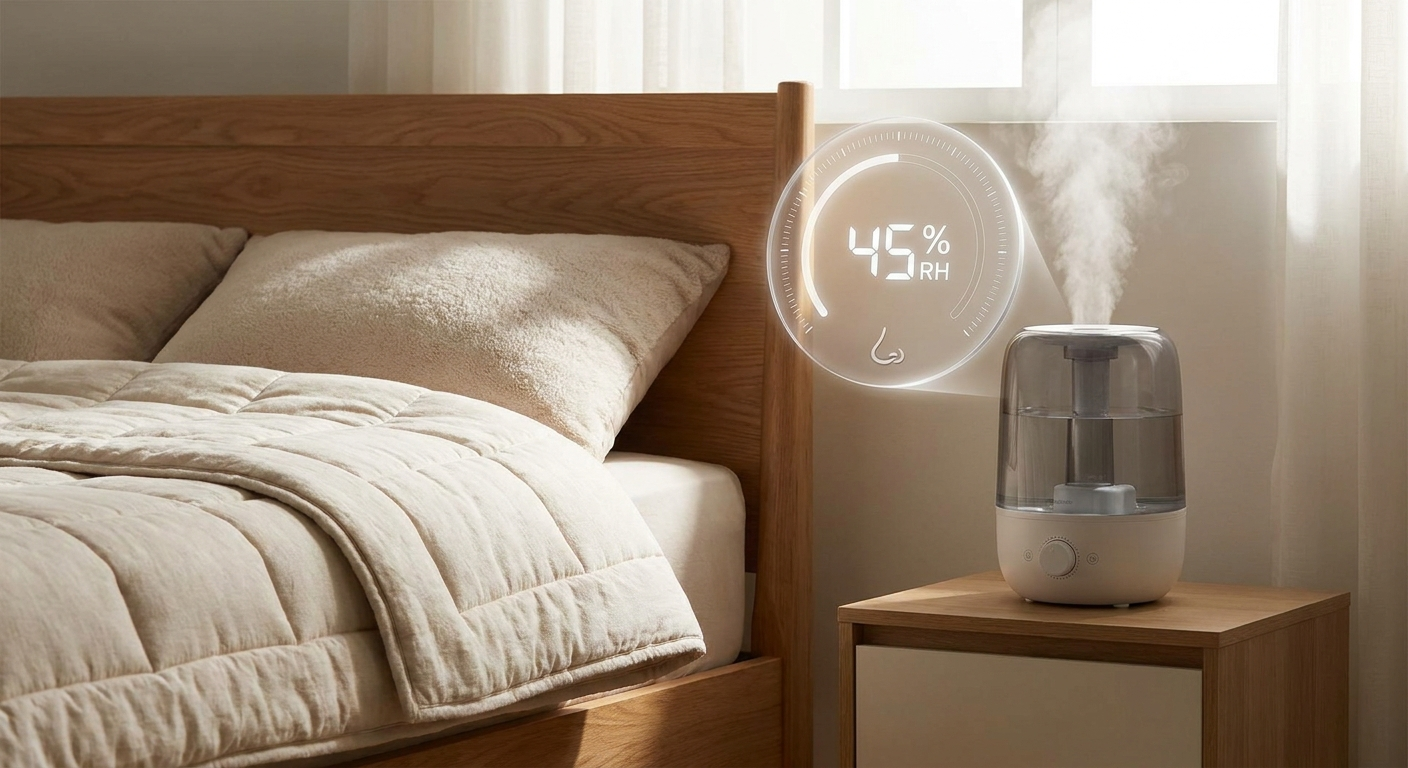
Target: consider keeping indoor relative humidity below 50%. Lower humidity may reduce dust mite growth and make conditions less favorable for mold.
How to measure: use inexpensive hygrometers; check bedrooms, bathrooms, and basements.
Tools that help: dehumidifier (place in damp areas; empty/clean regularly); bathroom/kitchen exhaust fans (run during showers/cooking and a bit after); A/C maintenance and ventilation (A/C removes moisture; maintenance improves effectiveness).
Deeper comparison: humidifier vs. dehumidifier for allergies: https://sleepandsinuscenters.com/blog/humidifier-vs-dehumidifier-for-allergies-which-is-better
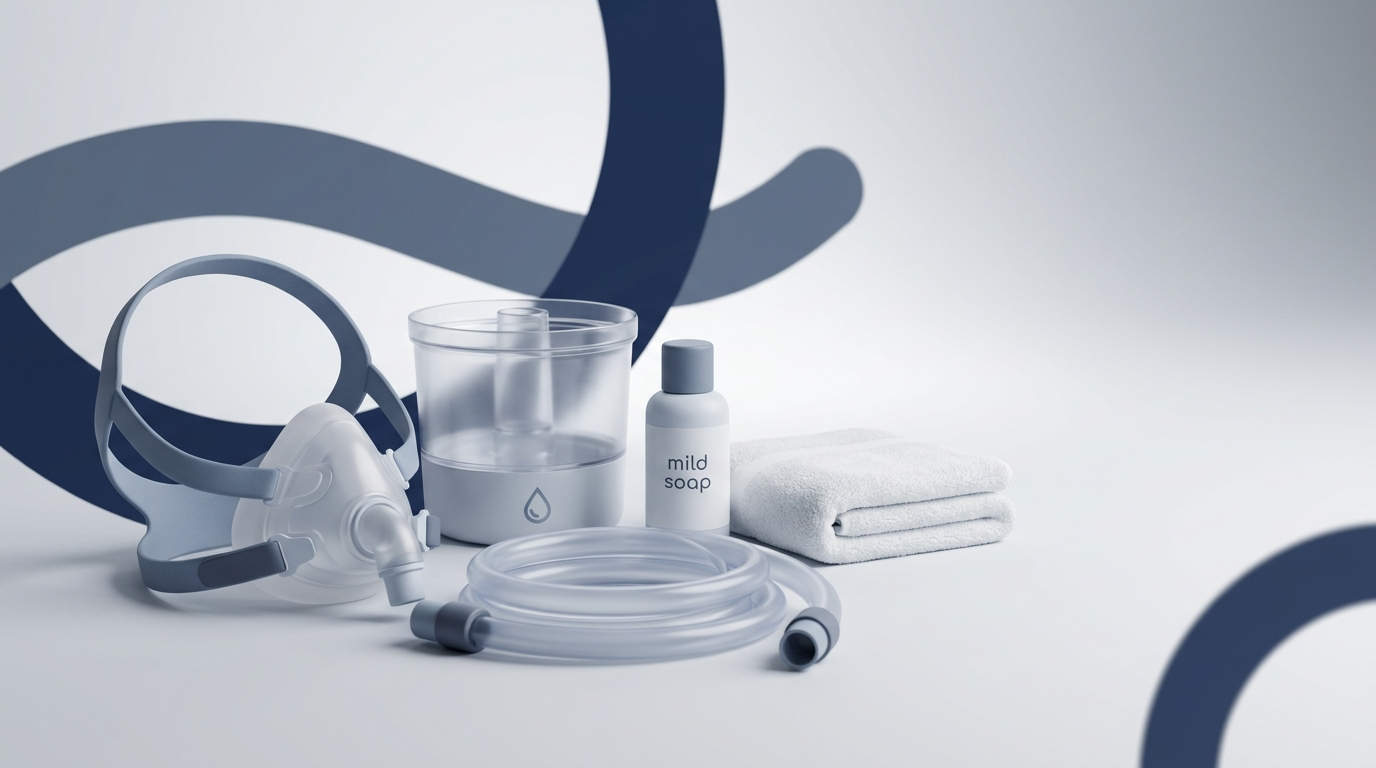
Humidifier caution: in very dry conditions they can help, but over-humidifying worsens mites and mold. If used, clean the container at least twice weekly and monitor humidity.
Sources: https://aafa.org/allergies/prevent-allergies/control-indoor-allergens/; https://www.epa.gov/mold/mold-cleanup-your-home; https://pmc.ncbi.nlm.nih.gov/articles/PMC12379700/
• Lowering humidity below 50% where feasible may reduce the “fuel” mites and mold need.

Step 2 — Dust mite reduction plan (start in the bedroom)
Use allergen-impermeable encasements: bedrooms are the most efficient starting point. Consider zippered, allergen-impermeable encasements (not just thin protectors) for mattresses and pillows—think of them as a sealed barrier between you and the highest-density mite reservoir.
Guide for specifics: https://sleepandsinuscenters.com/blog/dust-mite-covers-explained-ultimate-guide-to-allergy-protection
Wash bedding weekly at high heat: aim for ≥130°F if fabric allows; alternatives include a hot dryer cycle or replacing older, hard-to-clean items. Sheets/pillowcases are easy weekly wins; rotate comforters/shams per care instructions.
Reduce “dust collectors” near the bed: minimize stuffed animals on the bed, extra throw pillows, heavy curtains (swap for washable), and wall-to-wall carpet when feasible. If carpet stays, focus on HEPA vacuuming and fewer extra fabric layers near pillows.
Sources: https://aafa.org/allergies/prevent-allergies/control-indoor-allergens/; https://www.mayoclinic.org/diseases-conditions/allergies/in-depth/allergy/art-20049365
• Start with the bed for the biggest early gains.

Step 3 — Cleaning that actually helps (without stirring allergens)
Vacuum 1–2 times per week: a steady routine beats occasional deep cleans. Use a HEPA vacuum, move slowly, and ventilate if outdoor air is good. Comparison: https://sleepandsinuscenters.com/blog/hepa-vacuum-vs-bagless-vacuum-best-choice-for-allergy-relief
Damp dusting vs. dry dusting: dry dusting redistributes allergens. Use damp microfiber cloths and rinse/replace frequently—especially on baseboards and blinds.
Laundry and soft surfaces: wash blankets/curtains on a schedule; clean pet bedding regularly; choose laundry products you personally tolerate (claims like “hypoallergenic” don’t guarantee tolerance). Example category: http://pureandgentlesoap.com/liquid-laundry
Source: https://www.aaaai.org/tools-for-the-public/conditions-library/allergies/cleaning-tips-for-allergy-and-asthma-sufferers
• Clean slowly, capture dust, and avoid stirring particles back into the air.

Step 4 — Reduce indoor mold exposure: remove growth safely and fix the moisture source
Fix moisture problems promptly: repair plumbing leaks; address window condensation; investigate recurring damp or musty odors. Treat musty smells like a “symptom” worth tracking down.
Clean small areas on hard, non-porous surfaces: scrub with detergent and water; dry thoroughly. Use appropriate products per EPA guidance; bleach is not always required and should never be mixed with other cleaners. Ventilate and use protection as appropriate. Remember: cleaning without fixing moisture usually means mold returns.
When to call a professional: large areas of mold, recurring water intrusion, unexplained musty odor, or higher-risk situations (e.g., asthma or immune compromise).
Source: https://www.epa.gov/mold/mold-cleanup-your-home
• Fixing moisture sources is essential; cleaning without drying invites mold back.

Step 5 — Pet dander: realistic ways to reduce exposure (without rehoming)
Create “low-dander zones,” starting with the bedroom: keep pets out of the bedroom or at least off the bed to protect the 6–8 hours you breathe there. Even partial changes help—especially keeping pets off pillows/blankets.
Clean the right surfaces more often: floors/baseboards, upholstery, rugs, and pet bedding or favorite lounging spots. Target 1–2 “pet hotspots” for frequent cleaning.
Pet grooming and bathing (as tolerated): routine grooming reduces loose dander; wiping pets after outdoor time can limit hitchhiking pollen. Guide: https://sleepandsinuscenters.com/blog/effective-pet-bathing-schedule-to-reduce-dander-and-allergies
Sources: https://aafa.org/allergies/prevent-allergies/control-indoor-allergens/; https://www.aaaai.org/tools-for-the-public/conditions-library/allergies/cleaning-tips-for-allergy-and-asthma-sufferers
• Protect the bedroom and clean pet hotspots first for the most noticeable benefits.

Treatments that can help when avoidance isn’t enough
Over-the-counter options: non-sedating antihistamines, nasal steroid sprays, and saline rinses/sprays. Follow labels; seek clinician guidance for kids, pregnancy, or complex histories.
Prescription therapies: may be needed if symptoms are frequent/severe, disrupt sleep, or trigger asthma issues. Discuss a step-up plan if symptoms persist despite home changes.
Allergy testing and immunotherapy: identifying dust mite, mold, and pet triggers helps focus efforts. Testing options: https://sleepandsinuscenters.com/allergy-testing
Sources: https://www.mayoclinic.org/diseases-conditions/allergies/in-depth/allergy/art-20049365; https://aafa.org/allergies/prevent-allergies/control-indoor-allergens/
• If home strategies aren’t enough, a clinician can help tailor medicines and long-term options.
A simple weekly checklist (patient-friendly “start here” plan)
Daily: check humidity (especially bedrooms/basements); run exhaust fans during showers/cooking; wipe visible moisture on windowsills and bathroom surfaces.
Weekly: wash bedding in water ≥130°F if fabric allows; vacuum floors/rugs 1–2x with a HEPA vacuum if possible; damp-dust nightstands/baseboards/shelves; if using a humidifier, clean the container at least twice weekly.
Monthly/seasonal: inspect for leaks, condensation, and musty odors; deep-clean bathroom/kitchen exhaust fan covers; replace HVAC filters per system schedule.
Sources: https://aafa.org/allergies/prevent-allergies/control-indoor-allergens/; https://www.aaaai.org/tools-for-the-public/conditions-library/allergies/cleaning-tips-for-allergy-and-asthma-sufferers
• A short, repeatable routine often works better than an occasional deep clean.
FAQs (optimize for featured snippets)
Q: What humidity level is best for indoor allergies?
A: A practical target is below 50% relative humidity to help reduce dust mites and make mold growth less likely.
Q: Do air purifiers help with dust mites, mold, or pet dander?
A: They can reduce some airborne particles, especially pet dander, but work best alongside source control (encasements, cleaning routines, and moisture fixes).
Q: How hot does water need to be to kill dust mites in bedding?
A: Aim for at least 130°F if the fabric allows.
Q: Is bleach required to clean mold?
A: Not always. EPA often recommends detergent and water for many hard surfaces, thorough drying, and fixing moisture sources. Never mix bleach with other cleaners. Source: https://www.epa.gov/mold/mold-cleanup-your-home
Q: When should I see an allergist or ENT for indoor allergies?
A: If symptoms persist despite home changes, disrupt sleep, trigger frequent sinus issues, worsen asthma symptoms, or if you’re unsure which triggers matter most. Sources: https://aafa.org/allergies/prevent-allergies/control-indoor-allergens/; https://www.mayoclinic.org/diseases-conditions/allergies/in-depth/allergy/art-20049365
Conclusion: Focus on the “two levers” that work
For most households, the biggest payoff comes from two levers: keep humidity under 50% where feasible (especially in bedrooms and damp areas); maintain steady cleaning and source control (encasements, hot washes as fabrics allow, HEPA vacuuming, and moisture prevention).
Start with the bedroom, then tackle moisture issues wherever you find them. If symptoms continue, consider a professional evaluation to clarify triggers and build a personalized plan.
Ready for a clearer plan? Book an appointment with Sleep and Sinus Centers of Georgia: https://www.sleepandsinuscenters.com/
• Start with the bedroom and humidity—then build from there.
References
Mayo Clinic — Allergy avoidance and management: https://www.mayoclinic.org/diseases-conditions/allergies/in-depth/allergy/art-20049365
AAFA — Control indoor allergens: https://aafa.org/allergies/prevent-allergies/control-indoor-allergens/
EPA — Mold cleanup in your home: https://www.epa.gov/mold/mold-cleanup-your-home
AAAAI — Cleaning tips for allergy/asthma sufferers: https://www.aaaai.org/tools-for-the-public/conditions-library/allergies/cleaning-tips-for-allergy-and-asthma-sufferers
PMC/NIH — Background on indoor environment/allergen control: https://pmc.ncbi.nlm.nih.gov/articles/PMC12379700/
Example fragrance-free/sensitive-skin laundry product category: http://pureandgentlesoap.com/liquid-laundry
This article is for educational purposes only and is not medical advice. Please consult a qualified healthcare provider for diagnosis and treatment.
Don’t let allergies slow you down. Schedule a comprehensive ENT and allergy evaluation at Sleep and Sinus Centers of Georgia. We’re here to find your triggers and guide you toward lasting relief.