How to Sleep with a Stuffy Nose: 10 Fast Relief Tips for Better Rest
A stuffy nose at night can feel unfair: you’re tired, you lie down… and suddenly breathing through your nose seems impossible. The good news is that many cases of nasal congestion at night improve with simple, low-risk steps you can do at home—plus a few over-the-counter (OTC) options when you truly need them.
Below are practical, educational tips on how to sleep with a stuffy nose, what may be causing it, and when it’s time to get checked.
Why a Stuffy Nose Feels Worse at Night
Nighttime congestion isn’t “all in your head”—your environment and body position really can make symptoms feel more intense. (Mayo Clinic)
A helpful way to think about congestion: your nasal lining is living tissue, not a rigid tube. When it gets irritated or swollen, airflow narrows—kind of like trying to breathe through a straw that’s been gently pinched.
Lying flat increases nasal blood flow and swelling: When you lie down, blood flow patterns and fluid distribution can increase swelling in nasal tissues, making airflow feel tighter. Many people notice they can “sort of” breathe during the day, then feel more blocked once their head is level with their body.
Dry indoor air thickens mucus: Heated (or air-conditioned) indoor air can be dry, which may thicken mucus and make your nose feel more blocked. Dryness can also irritate the nasal lining, which can worsen that raw, swollen feeling—even if you aren’t producing much mucus.
Bedroom triggers (dust, pets, pollen) can flare inflammation: If your symptoms ramp up mainly in bed, allergens or irritants in the bedroom can be a major driver—especially with ongoing, recurring congestion. For a deeper dive, see our post on difficulty breathing through your nose at night: https://sleepandsinuscenters.com/blog/cant-breathe-through-nose-at-night
Source: Mayo Clinic overview of nasal congestion: https://www.mayoclinic.org/symptoms/nasal-congestion/basics/definition/sym-20050644
In short: When you lie flat, breathe dry air, or face bedroom triggers, your nose can feel much stuffier at night.

Common Symptoms That Disrupt Sleep
Congestion can disturb sleep in more ways than “a blocked nose.” You might fall asleep fine, then wake up multiple times because your breathing shifts, your throat dries out, or mucus starts dripping when you lie still.
Nasal blockage, mouth breathing, snoring, waking up thirsty: When nasal breathing is harder, mouth breathing often takes over—leading to dry mouth, thirst, and sometimes louder snoring. A common pattern: you wake up, take a few sips of water, reposition, and then repeat the cycle an hour later.
Post-nasal drip, cough, sore throat: Mucus draining down the back of the throat may trigger coughing or a sore throat, especially overnight. Some people describe it as a “tickle” that only shows up once the lights are out.
Facial pressure or headache (when congestion is sinus-related): Facial pressure or headache may occur with sinus inflammation, though these symptoms can have other causes as well—especially when paired with thick drainage. Even if it’s not severe, that heavy, full sensation can make it hard to relax and fall asleep.
Sources: NHS catarrh basics: https://www.nhs.uk/conditions/catarrh/ and Healthline: https://www.healthline.com/health/how-to-sleep-with-a-stuffy-nose
Bottom line: Congestion can disrupt sleep through blocked airflow, mouth breathing, throat irritation, and sometimes sinus-related pressure.
What Causes Nighttime Nasal Congestion?
Understanding the likely cause helps you choose the right relief strategy. (Mayo Clinic) For example, “thick and stuck” mucus often responds well to moisture and saline, while “swollen and inflamed” tissue may respond better to anti-inflammatory options. Results vary by person.
Colds/viral upper respiratory infections: Viruses can inflame nasal tissue and increase mucus production, making it harder to sleep with congestion for several nights. In these cases, relief strategies often focus on comfort and keeping mucus thinner and easier to clear.
Allergies (seasonal or year-round): Pollen, dust mites, pet dander, and mold can cause nighttime flares—especially in bedding and carpets. If you’re mostly okay during the day but stuffy the moment you get into bed, allergies or irritants are worth considering.
Non-allergic rhinitis (irritants, temperature changes): Strong smells, smoke, weather shifts, and other irritants can trigger congestion without a true allergy. People sometimes notice this after moving between warm indoor air and cold outdoor air, or after exposure to fragrances or cleaning products.
Sinusitis (especially if symptoms persist or are severe): Ongoing congestion with facial pressure, thick drainage, or symptoms that don’t improve can be associated with sinus inflammation. If your symptoms are dragging on, escalating, or disrupting sleep night after night, it may be time for a medical opinion.
Medication-related congestion (rebound from decongestant sprays): Using certain decongestant sprays too many days in a row can lead to rebound congestion—a cycle where the nose feels more blocked as the spray wears off. Many patients describe it as “it works great… until it doesn’t,” followed by needing it more often just to feel normal.
Source: Mayo Clinic overview: https://www.mayoclinic.org/symptoms/nasal-congestion/basics/definition/sym-20050644
In short: Match your approach to the likely cause—moisture for mucus, anti-inflammatory options for swelling, and medical input if symptoms persist.

10 Fast Relief Tips to Sleep Better Tonight (Start with the safest options)
If you’re searching for how to sleep with a stuffy nose, start with low-risk, non-medication approaches. If you still need more help, consider OTC options in the next section. (NHS; Healthline) Individual responses vary.
1) Sleep with your head elevated: A wedge pillow or slightly raising the head of the bed (rather than stacking multiple pillows) may reduce swelling and promote drainage. (NHS; Healthline)
Concrete example: If you have an adjustable bed, try a small incline. If not, a wedge pillow often feels more stable than “pillow towers” that let your chin drop toward your chest.
2) Use a humidifier (aim for comfortable humidity): A humidifier may help mainly when room air is dry. Keep humidity moderate and clean the unit regularly to reduce mold risk; too much humidity can worsen symptoms for some people. (Healthline)
3) Try a short steam session before bed: A warm shower or brief steam session may loosen mucus and make breathing feel easier for a short time. This is temporary symptom relief, not a treatment for the underlying cause. (Healthline) Related: Does shower steam help relieve congestion? https://sleepandsinuscenters.com/blog/does-shower-steam-help-relieve-congestion-benefits-and-tips
4) Do a saline nasal rinse before sleep (especially helpful for mucus and irritants): A saline rinse before bed can thin and clear mucus and wash out allergens/irritants. Research reviews generally support saline irrigation as a low-risk add-on for symptom relief (results vary by person and technique). (PMC review) Safety basics matter: use distilled/sterile water or water that has been boiled and cooled; keep devices clean. (PMC review) Source: https://pmc.ncbi.nlm.nih.gov/articles/PMC7752074/
5) Use a saline spray if rinses feel like “too much”: Saline sprays are simpler than full irrigation and can help dryness and mild congestion—especially helpful if your nose feels crusty or irritated. (NHS)
6) Hydrate earlier in the evening (and keep water bedside): Fluids can help keep mucus thinner. If waking up to use the bathroom is a problem, consider drinking more earlier and tapering close to bedtime. (Healthline)
7) Apply a warm compress to sinuses/face: A warm compress over the cheeks/forehead may ease pressure and provide comfort as mucus loosens. (NHS; Healthline) Tip: Keep the compress warm, not hot—comfort is the goal.
8) Use nasal strips (or external nasal dilators) for a better sense of airflow: Nasal strips can improve the feeling of airflow for some people, especially with mild obstruction. They’re drug-free and easy to try. (Healthline)
9) Consider menthol lozenges or vapor rub for comfort: Menthol can change the sensation of airflow so breathing feels more open, even if swelling is still present. Use only as directed and keep these products away from infants and young children. (Healthline)
10) Avoid evening alcohol and late-day caffeine: Alcohol can worsen sleep quality and may aggravate congestion for some people. Late caffeine can make it harder to fall asleep—and poor sleep tends to make symptoms feel worse. (Healthline)
Quick take: Elevation, moisture, gentle saline, and simple comfort measures can offer meaningful night-of relief for many people.

When Home Remedies Aren’t Enough: OTC Treatments (Use the right tool for the cause)
If you’ve tried the basics and still can’t rest, OTC options may help—especially when matched to the likely cause. This section is educational; labels and a pharmacist or clinician can help you choose safely.
If congestion is inflammation-related (allergies/rhinitis): intranasal steroid sprays. An intranasal steroid spray may be one of the most effective options when inflammation is the main cause (for example, allergic or non-allergic inflammatory rhinitis). These typically work best with consistent use and may not provide instant relief the first night. (NHS; Mayo Clinic; Healthline) A clinician-style way to frame it: “Decongestants can open the door quickly; steroid sprays help calm the room down over time.”
If you need rapid, short-term relief: topical decongestant sprays. Topical decongestant sprays can work quickly, but they’re a classic cause of rebound congestion from nasal sprays if used too long. Follow product labeling; many recommend no more than 3 days unless a clinician advises otherwise. (NHS; Mayo Clinic; Healthline) Related: Afrin rebound (rebound congestion) explained: https://sleepandsinuscenters.com/blog/afrin-rebound-how-long-does-nasal-congestion-last-after-use
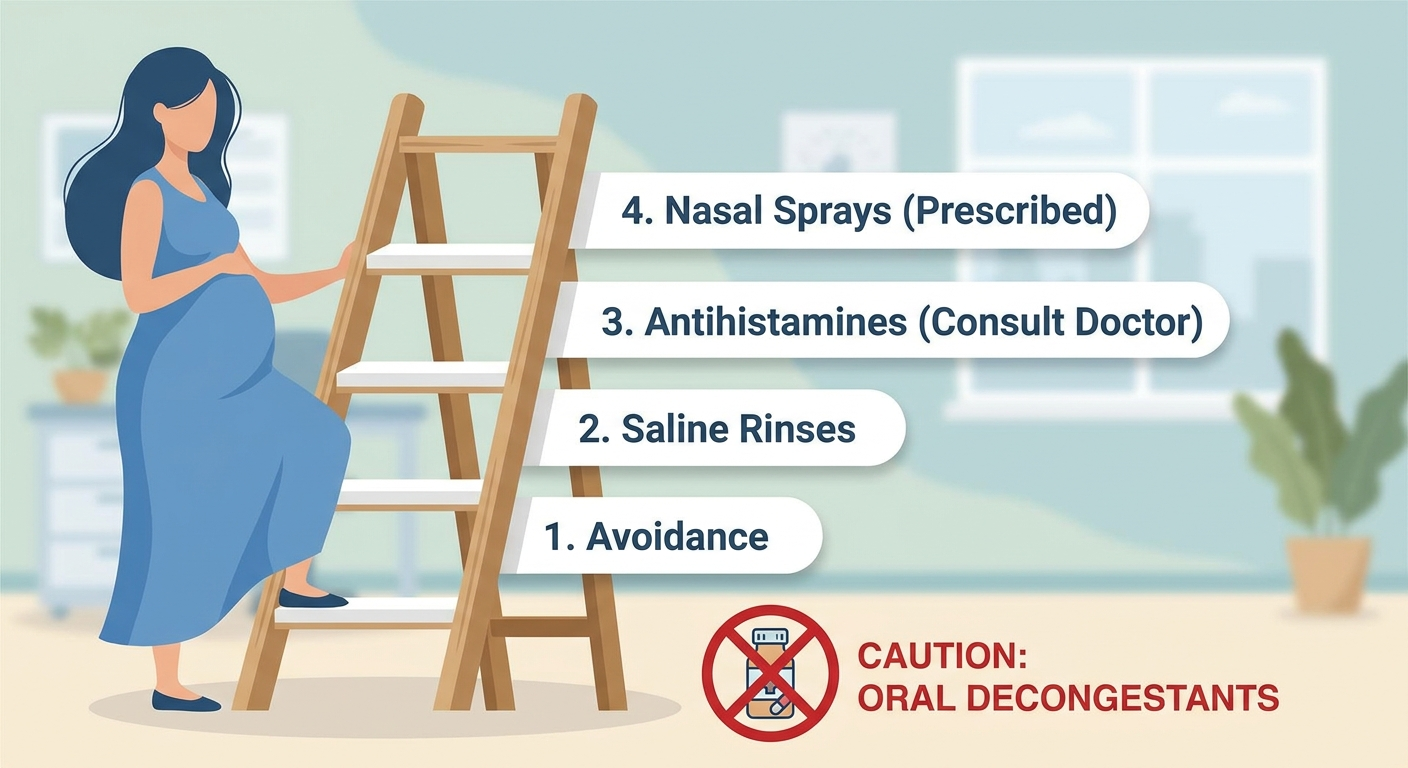
Oral decongestants (when appropriate): Oral decongestants can help some people, but they aren’t a great choice for everyone—especially if you have certain heart conditions, high blood pressure, or medication interactions. A pharmacist or clinician can help you screen for safety. (Mayo Clinic)
Antihistamines (best when allergies drive symptoms): Antihistamines may help when allergy symptoms (sneezing, itchy/watery eyes, clear runny nose) accompany congestion. Some antihistamines can be sedating—plan accordingly and use caution with next-day driving if you feel drowsy. (Healthline)
Key idea: Pick OTC tools based on cause—fast decongestants for very short-term use, and steroid sprays for inflammation over time.

“Do This First” Nighttime Routine (A simple 15–30 minute plan)
If you’re deciding how to sleep with a stuffy nose tonight, a simple routine can keep things manageable:
1) Warm shower/steam (5–10 min)
2) Saline rinse or spray (2–5 min)
3) Nasal strip and/or menthol comfort option (optional)
4) Set humidifier + elevate head
5) Skip alcohol; finish caffeine earlier
Sources: NHS; Healthline; saline irrigation review (PMC): https://pmc.ncbi.nlm.nih.gov/articles/PMC7752074/
Try this: A brief routine that combines moisture, saline, and gentle airflow aids can set you up for a better night.

Safety Notes (Especially important)
Rebound congestion warning (decongestant sprays): Using topical decongestant sprays beyond a few days can worsen congestion and create a difficult cycle. Follow product labeling; many recommend no more than 3 days unless a clinician advises otherwise. (NHS; Mayo Clinic; Healthline)
Saline rinse safety essentials: Use distilled/sterile or boiled-and-cooled water; keep rinse bottles/neti pots clean and allow them to dry. (PMC review)
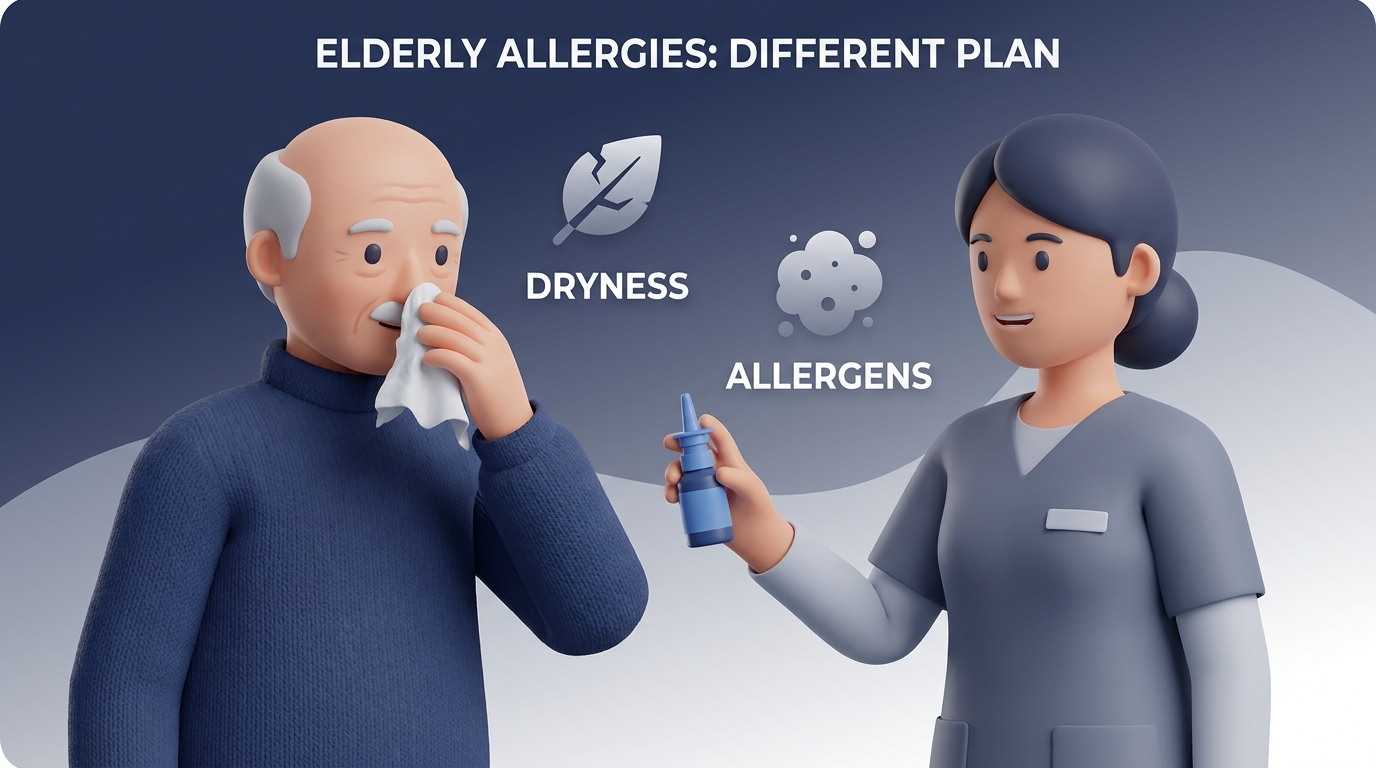
When to be extra cautious (infants, older adults, immunocompromised): If someone is medically fragile or symptoms escalate quickly, it’s safer to involve a clinician earlier rather than pushing through nights of worsening symptoms. (Mayo Clinic; NHS; Healthline)
Medical disclaimer: This article is for general education and is not a substitute for personalized medical advice, diagnosis, or treatment. If you’re unsure which option is safest for you—or symptoms are worsening—seek guidance from a qualified clinician.
Remember: Prioritize safety—use products as directed, keep saline methods clean, and get help sooner if you’re higher risk.
When to Seek Medical Care (Red flags)
Home strategies are reasonable for many mild, short-term cases. But certain symptoms should prompt urgent evaluation.
Seek care urgently if you have:
- Trouble breathing, wheezing, blue lips/face, or severe shortness of breath
- High fever or severe facial pain
- Swelling around the eyes
- Persistent bloody discharge or thick drainage with worsening symptoms
Make an appointment if: Symptoms last longer than ~10 days, keep recurring, or significantly disrupt sleep
Sources: Mayo Clinic; NHS; Healthline
If symptoms are severe, persistent, or worsening, it’s time to get medical care.
FAQs
What sleeping position is best for a stuffy nose? Many people do better slightly elevated (back sleeping with the head raised) to reduce swelling and improve drainage. Side sleeping may also feel better for some—especially if reflux or snoring is part of the picture. (NHS; Healthline)
Is it okay to use Afrin every night? Regular nightly use isn’t recommended for most people because topical decongestant sprays can cause rebound congestion when used longer than a few days. If you feel dependent on a spray to breathe at night, it’s a good reason to discuss longer-term solutions. (NHS; Mayo Clinic; Healthline)
Do saline rinses really help you sleep? Studies and reviews suggest saline irrigation can reduce nasal symptoms and may improve quality of life and sleep in some people, though results vary. Technique and consistency matter. (PMC review)
What helps a stuffy nose fast without medicine? Elevation, brief steam, saline rinse/spray, hydration, warm compresses, and nasal strips are common non-drug options to try first. (NHS; Healthline)
How can I tell if it’s allergies or a cold? Colds often come with an overall “sick” feeling and improve over days; allergies often recur, may be seasonal or tied to exposures, and commonly include sneezing/itchy eyes. If symptoms are persistent, frequent, or unclear, consider an evaluation. (Mayo Clinic; NHS; Healthline)
Short answer: Start with non-drug options, match medicines to the cause, and seek care if symptoms don’t improve.
Conclusion + Next Steps
If you’re looking for how to sleep with a stuffy nose, start with the “top 3” tonight: 1) Elevate your head, 2) use steam or a humidifier (when air is dry), and 3) try a saline rinse before bed.
If congestion is frequent, persistent, or connected to snoring and poor sleep, Sleep and Sinus Centers of Georgia can help you sort out likely causes (allergies, chronic rhinitis, sinus issues, or medication rebound) and discuss longer-term relief options. To take the next step, book an appointment through https://www.sleepandsinuscenters.com/.
Citations
- NHS – Catarrh (2024): https://www.nhs.uk/conditions/catarrh/
- Mayo Clinic – Nasal Congestion (2024): https://www.mayoclinic.org/symptoms/nasal-congestion/basics/definition/sym-20050644
- Healthline – How to Sleep with a Stuffy Nose (2024): https://www.healthline.com/health/how-to-sleep-with-a-stuffy-nose
- PMC – Saline Irrigation Review (2020/2021): https://pmc.ncbi.nlm.nih.gov/articles/PMC7752074/
This article is for educational purposes only and is not medical advice. Please consult a qualified healthcare provider for diagnosis and treatment.
Don’t let allergies slow you down. Schedule a comprehensive ENT and allergy evaluation at Sleep and Sinus Centers of Georgia. We’re here to find your triggers and guide you toward lasting relief.