How Long Does Balloon Sinuplasty Last? Success Rates, Results & Longevity
If you’re considering balloon sinuplasty for chronic sinus problems, you’re probably asking the most practical question first: how long does balloon sinuplasty last—and does it truly fix the issue or just buy you time?
Below is a patient-friendly guide to typical timelines, what success really means, and what factors influence balloon sinuplasty longevity. For a general overview of the procedure itself, see: https://sleepandsinuscenters.com/balloon-sinuplasty
Quick Answer — How Long Do Balloon Sinuplasty Results Last?
In many patients, results are durable for at least 2 years, and it’s common to see improvement last longer—sometimes several years. Many people experience easier breathing, better drainage, and fewer flare-ups for 2+ years, with a meaningful portion reporting benefit 5+ years.
Is it permanent? The structural change (widening natural sinus drainage pathways) is intended to be long-lasting. But symptoms can return if inflammation keeps getting triggered by allergies, irritants, viral infections, or certain nasal conditions.
Think of widening a clogged drain: the drain stays more open, but ongoing inflammation can still add debris and cause occasional backups.
Bottom line: In appropriately selected patients, relief is often measured in years, but long-term results depend on controlling inflammation and other triggers.

What Balloon Sinuplasty Treats (and Why Results Can Last)
Balloon sinuplasty is a minimally invasive technique that uses a small balloon to gently dilate blocked sinus drainage pathways to improve airflow and help sinuses drain more normally. It’s a mechanical fix to a mechanical problem—creating room for mucus to drain and reducing pressure when ventilation is poor.
Symptoms that may improve include nasal congestion or obstruction, facial pressure or pain, postnasal drip, recurrent sinus infections, and reduced sense of smell. Learn more about chronic sinusitis: https://sleepandsinuscenters.com/chronic-sinusitis
Key idea: Balloon sinuplasty helps the plumbing, but lasting comfort also depends on calming the sinus lining.

Balloon Sinuplasty Success Rates (What Studies Show)
Reported improvement rates commonly range around 85%–97%, depending on how success is defined and which patients are included. Study types, patient selection, and definitions of success vary.
What success usually means: better symptom scores and quality of life, fewer infections, less reliance on antibiotics/steroids, and improved drainage with less pressure. Success does not mean never congested again—triggers can still cause temporary swelling—but episodes are often less frequent, less intense, and easier to manage.
Takeaway: Success usually means much better, more manageable symptoms, not immunity to all triggers.

Long-Term Results and Durability (2 Years, 4 Years, 5+ Years)
Results at 2 years
Two years is a common checkpoint across multiple seasonal cycles. Many patients maintain meaningful improvement through the 2-year mark and beyond.
Results at ~4 years
Longer-term follow-ups often show sustained benefit years later, with success rates around 81%–86% reported in some summaries. Individual outcomes vary.
Results beyond 5 years
Some patients experience relief lasting 5+ years, especially when ongoing inflammation is well managed. Durability varies by individual factors.
Practical view: Many patients enjoy multi-year relief, particularly when triggers are addressed alongside improved drainage.

What Affects How Long Balloon Sinuplasty Lasts?
Severity of disease: More longstanding or intense inflammation may require ongoing support to maintain comfort. Dilating drainage helps, but it doesn’t remove every driver of swelling or mucus.
Allergies and chronic inflammation: Uncontrolled allergies can re-swell the lining and bring symptoms back. If allergies are suspected, testing can clarify patterns: https://sleepandsinuscenters.com/allergy-testing
Nasal polyps or structural issues: Polyps, a significant deviated septum, turbinate enlargement, or extensive disease can limit results and may require additional or different approaches.
Smoking/irritants and air quality: Smoke (including secondhand), strong fragrances, workplace irritants, and poor indoor air can chronically inflame the lining and shorten durability.
Post-procedure adherence: Saline irrigation when recommended, taking prescribed medications correctly, and attending follow-ups support healing and long-term control.
In short: Lasting results depend on both the improved pathway and long-term control of inflammation triggers.
Signs Your Balloon Sinuplasty Results May Be Wearing Off
Common returning symptoms
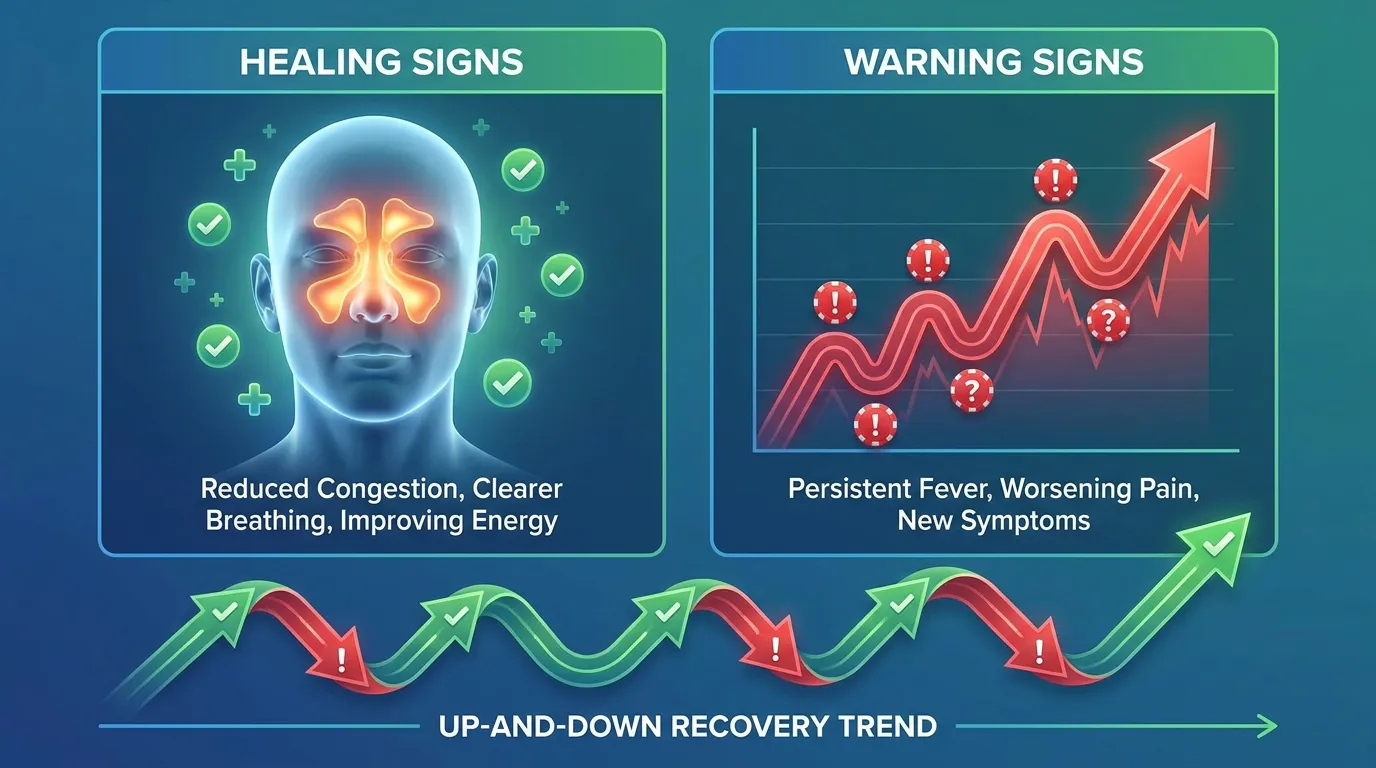
Watch for increasing congestion or blockage, facial pressure, thicker drainage or postnasal drip, more frequent infections, and reduced smell or taste. These can also occur from new allergies or viral illness—signals to reassess rather than proof of failure.
When to call an ENT vs try home care first
Mild flares during known trigger seasons may settle with conservative measures. Persistent or atypical symptoms warrant a check-in. Seek prompt care for high fever, eye swelling, severe or worsening one-sided pain, or repeated infections.
If symptoms persist or feel different from your usual pattern, consider an ENT evaluation to clarify the cause and next steps.

How to Make Balloon Sinuplasty Results Last Longer
Think durability as two parts: the procedure improves drainage mechanics, and you help sustain results by managing inflammation triggers.
Daily/weekly sinus care
When appropriate: saline irrigation using safe water and clean devices, humidification during dry seasons, steady hydration, and consistent sleep.
Allergy control plan
Personalized strategies may include trigger avoidance and clinician-recommended medications. If allergies are suspected, consider testing: https://sleepandsinuscenters.com/allergy-testing
Environmental controls at home
Helpful steps include HEPA filtration, dust-mite controls (bedding covers, wash routines), and addressing mold or moisture issues.
Follow-up care
Follow-ups confirm healing and allow adjustments if symptoms persist. Pairing the procedure with inflammation control often yields the best long-term comfort.
Think of it as protecting your investment: good daily habits and allergy control help sustain drainage improvements.
Balloon Sinuplasty vs Other Treatments (When Longevity Differs)
Medical management only
Medications and trigger control can be enough for some. For others, symptoms return quickly off medication or infections recur—suggesting drainage anatomy contributes. Medications calm the lining; balloon sinuplasty improves the pathway.
Balloon sinuplasty vs endoscopic sinus surgery (ESS)
Both improve drainage but differ in invasiveness, recovery, and scope. Balloon sinuplasty can fit select blockage patterns; ESS may be preferred for more extensive disease or complex anatomy.
When balloon sinuplasty may not be the best fit
Significant polyps, certain structural concerns, or extensive disease may require different planning. An in-person evaluation clarifies options.
Right treatment, right patient: pairing the approach to the disease pattern is key to long-term success.
FAQs About Balloon Sinuplasty Longevity and Results
How long does balloon sinuplasty last?
Many patients experience improvement measured in years. A common benchmark is 2+ years, and some report longer benefit. Durability varies with factors like inflammation and allergy control. No guarantees are possible.
Is balloon sinuplasty permanent?
The widened pathway is intended to be durable. Zero sinus symptoms forever is less predictable because allergies, irritants, and infections can still cause swelling.
Can symptoms come back after balloon sinuplasty?
Yes, particularly if allergy or inflammation triggers remain active or if other nasal conditions are present. Reassessment can identify what’s driving a flare.
Can balloon sinuplasty be repeated?
In select situations, additional procedures or other treatments may be considered. Discuss suitability with a qualified clinician.
How soon will I feel results—and when do they settle?
Some notice improvement quickly; others improve gradually as swelling resolves over weeks. Timelines vary by inflammation and which sinuses were treated.
Is balloon sinuplasty covered by insurance?
Coverage varies by plan and medical-necessity criteria. More details: https://sleepandsinuscenters.com/blog/is-balloon-sinuplasty-covered-by-insurance
Expect variability: outcomes and timelines differ by anatomy, inflammation, and adherence to care plans.
When to See a Specialist About Long-Lasting Sinus Relief
Good candidates for evaluation
Chronic symptoms despite appropriate medical therapy, multiple infections per year, or symptoms affecting sleep, work, or daily comfort.
What your evaluation may include
Symptom history, nasal exam (sometimes endoscopy), and imaging when needed. Allergy assessment is often discussed when long-term control is the goal. Procedure overview: https://sleepandsinuscenters.com/balloon-sinuplasty
If symptoms are disrupting daily life despite treatment, a focused sinus evaluation can clarify whether balloon sinuplasty or another approach may help.
Conclusion — What to Expect Over Time
Durable relief is common—often 2+ years, sometimes 5+ years.
Success rates are frequently high in published summaries, though definitions and patient selection vary.
Sustained benefit years later has been reported in some follow-ups (e.g., ~81%–86% at ~4 years), with individual variability.
Long-term comfort hinges on controlling allergies/inflammation and addressing contributing factors (polyps, anatomy, irritants).
No guarantees are possible; an ENT evaluation personalizes expectations.
If you’re dealing with persistent congestion, pressure, or recurring infections and want a clearer plan, schedule a consultation with Sleep and Sinus Centers of Georgia: https://sleepandsinuscenters.com/appointments
Disclaimer: This article is for educational purposes only and is not medical advice. Please consult a qualified healthcare provider for diagnosis and treatment.
Don’t let allergies slow you down. Schedule a comprehensive ENT and allergy evaluation at Sleep and Sinus Centers of Georgia. We’re here to find your triggers and guide you toward lasting relief.