How Do Morning Allergies Happen? Causes, Triggers, and Prevention Tips
Waking up with a stuffy nose, sneezing, or itchy eyes can feel unfair—especially if you went to bed feeling fine. If you’ve been dealing with morning allergies, the pattern is real, common, and usually explainable. The good news: once you understand why symptoms flare after sleep, you can focus on a few high-impact changes that often make mornings noticeably easier.
Below is a patient-friendly breakdown of what’s going on, what tends to trigger morning allergy symptoms, and practical prevention steps you can try at home.
Quick Answer: Why Are Allergies Worse in the Morning?
Two common contributors to morning symptoms are:
1) Circadian rhythms: Your body’s clock can make allergic inflammation more reactive overnight and in the early morning hours. Research suggests the circadian system influences mast cells (key allergy cells) and mediators like histamine, which can contribute to stronger symptoms around wake-up time. [1][2]
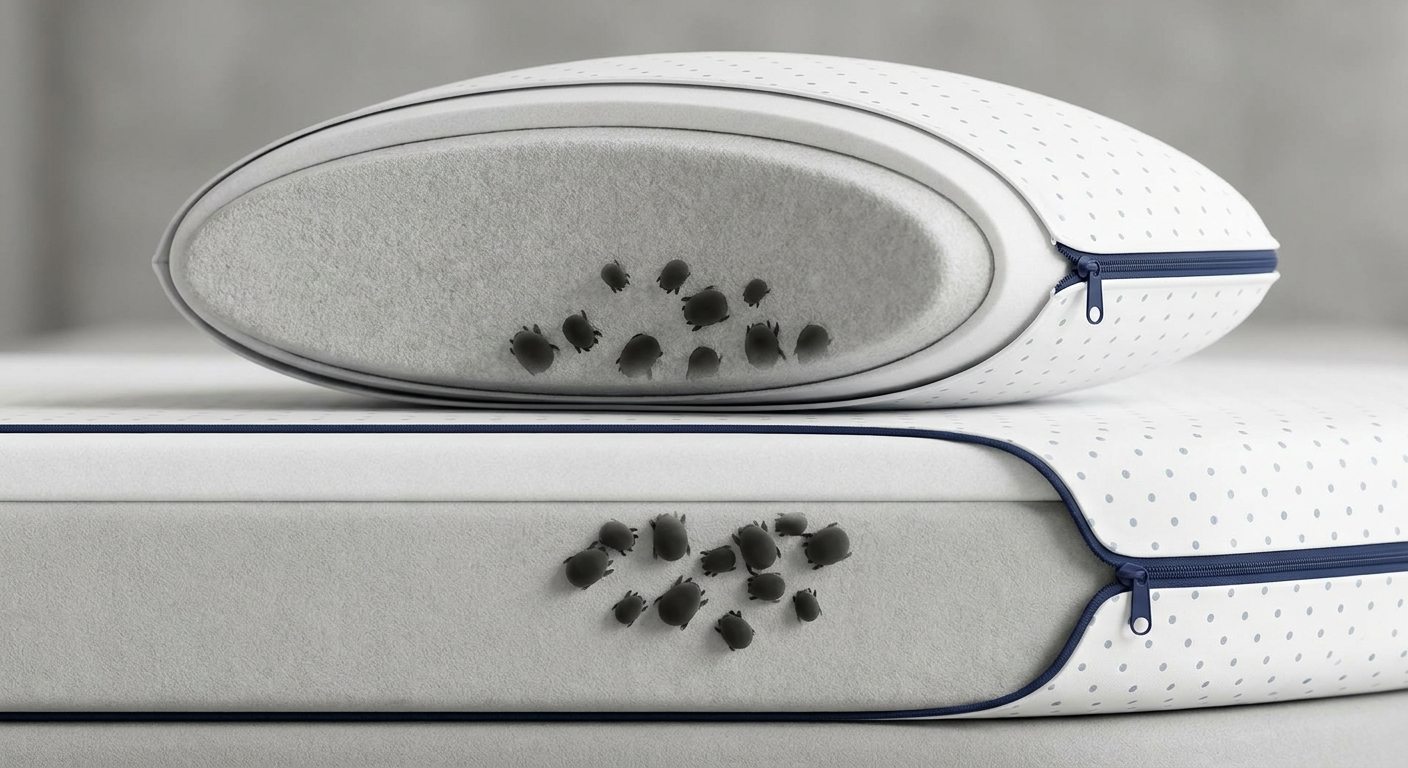
2) Bedroom environment: Pillows and mattresses can act like an “allergen reservoir,” concentrating dust mites, pet dander, pollen tracked indoors, and sometimes mold—things you breathe in for hours while asleep. [4][5]
One way to think about it is that your bedroom can function as a “slow drip” exposure chamber—small amounts of allergen, delivered steadily, for 6–9 hours straight.
What morning allergies usually feel like (and how long they last)
A common pattern is that symptoms peak right after waking and then gradually improve. Many people notice improvement within an hour or two, though this varies by triggers, season, and any prevention/treatment steps you’re using. [4][5]
If you feel better after a shower, coffee, and getting dressed—but worse again when you sit on the bed or lie back down—that’s another clue the bedroom environment and posture are playing a role.
Bottom line: For many people, biology plus bedroom exposure make mornings tougher—and both can be improved.
Morning Allergy Symptoms (What Patients Commonly Notice)
Nasal symptoms
- Sneezing “fits”
- Runny nose (often clear)
- Itchy nose
- Stuffy nose/congestion
- Post-nasal drip or frequent throat clearing
Eye and throat symptoms
- Itchy, watery eyes
- Scratchy throat
- Mild morning cough (often related to post-nasal drip)
Sleep and daytime effects
- Poor sleep quality or frequent waking
- Mouth breathing
- Morning fatigue
- Head pressure or a “full” feeling in the face/head
Many people describe a “daily reset” feeling: they’re functional by late morning, then wake up and repeat the same cycle the next day—especially with dust mite or pet triggers. [4][5]
Allergies vs. a cold in the morning (quick clues)
- Itching (nose/eyes) and clear, watery mucus are more suggestive of allergies.
- Viral illnesses may be more likely when fever or body aches are present; mucus color alone is not a reliable discriminator. [4][5]
If itching and clear drainage dominate—especially in a repeat morning pattern—think allergies.
How Morning Allergies Happen (The Science in Plain English)
Step 1 — Your immune system “arms” itself (mast cells + histamine). Allergic rhinitis (nasal allergies) happens when your immune system reacts to a trigger—like dust mite particles or pet dander. Specialized immune cells called mast cells can release histamine and other inflammatory chemicals, leading to sneezing, itching, runny nose, and congestion. [1][2]
Step 2 — Circadian rhythms can amplify symptoms overnight/early morning. Your immune system doesn’t behave exactly the same way at every hour. Studies show the circadian clock influences mast cell behavior and allergic responses, with patterns that can contribute to stronger inflammation overnight or early in the morning. [1][2]
Step 3 — Bedroom exposure creates “hours of concentrated contact.” Common bedroom culprits include:
- Dust mites (mattress, pillows, comforters)
- Pet dander (especially if pets enter the bedroom)
- Mold spores (humidity, nearby bathrooms, damp carpets, HVAC issues)
- Pollen tracked indoors (hair, skin, clothing; can settle into sheets)
Because your face is close to your pillow for hours, even low-level allergens can add up—like sleeping with your nose next to a small “storage bin” of the things you react to. [4][5]
Step 4 — Lying flat changes nasal physiology and drainage. Being horizontal can worsen nasal congestion and make drainage less efficient. Overnight mucus buildup, combined with nasal tissue swelling, can make symptoms feel most intense right when you wake up. Some people notice the congestion is worse on the side they slept on—another sign that positioning and swelling are contributing. [4][5]
Put simply: a primed immune system meets hours of close-contact exposure while you’re lying flat.
Common Causes & Triggers of Morning Allergies (Ranked by Likelihood)
Start with dust mites and pets when morning symptoms are year-round.
Dust mites (a very common “morning” trigger)
Dust mites thrive in bedding because it’s warm and humid and provides a steady supply of shed skin cells. If you’re consistently waking up congested or sneezy year-round, dust mites are a common suspect.
Morning clues that fit dust mites:
- Symptoms are present in multiple seasons
- Worse in more humid homes
- Noticeably better when traveling
A practical “self-check”: if you feel significantly better after a few nights away (hotel, family home) and then worse again within a day or two back home, your bedroom setup may be a major piece of the puzzle. [4][5]
If you want a deeper dive on choosing and using protective bedding, see Sleep and Sinus Centers of Georgia’s guide to dust mite covers (what they do, how they work, and common mistakes): https://sleepandsinuscenters.com/blog/dust-mite-covers-explained-ultimate-guide-to-allergy-protection
Pet dander in the bedroom
Pet allergens can stick to carpet, blankets, and upholstery—and can be carried on clothing even when a pet isn’t in the room 24/7. In some homes, the bedroom becomes a “collection zone” for dander in fabrics. If a pet sleeps on (or even near) the bed, it’s common for symptoms to be worst first thing in the morning, then improve after you leave the room and change environments. [4][5]

Indoor mold (especially with nighttime humidity)
Mold risk can rise with:
- Humidifiers that aren’t cleaned regularly
- Damp basements
- Bathroom moisture and poor ventilation
- Window condensation
- Leaks/water damage
If symptoms seem worse after rainy periods or in a specific room, check humidity and look for any damp areas that keep coming back. [4][5]
Pollen carried inside (even when outdoor counts aren’t highest early)
In some reported datasets, pollen counts may be lower between about 4 a.m. and noon, though this varies by region and pollen type. [3] So if you have morning allergy symptoms, it may be less about “morning pollen” and more about pollen that was tracked indoors and settled into bedding, plus indoor triggers like dust mites or pet dander. [3][4]
Start with dust mites and pets when morning symptoms are year-round.
Why It Might Not Be “Morning Allergies” (Important Differentials)
Viral cold — More likely if symptoms include fever or body aches and there’s clear improvement within about 7–10 days.
Acute rhinosinusitis (often called a sinus infection) — More likely if there’s significant facial pain/pressure, fever, or symptoms that worsen after initially improving.
Nonallergic rhinitis (irritant-triggered) — Some people have rhinitis triggered by fragrance, smoke, cleaning products, or temperature changes—often with less itching and more congestion.
Reflux or sleep-related breathing issues — If throat clearing, heartburn, snoring, or unrefreshing sleep are major features, it can be worth discussing non-allergy contributors with a clinician.
If red flags or atypical features show up, consider other causes beyond allergies.
What Helps Morning Allergies? (Prevention + Treatment Plan)
The goal is usually to reduce bedroom exposure and support better nasal comfort overnight. The ideas below are educational and may not fit every health situation—especially if you have other medical conditions or are pregnant—so it’s best to individualize with your clinician.
Bedroom and bedding fixes (often highest impact)
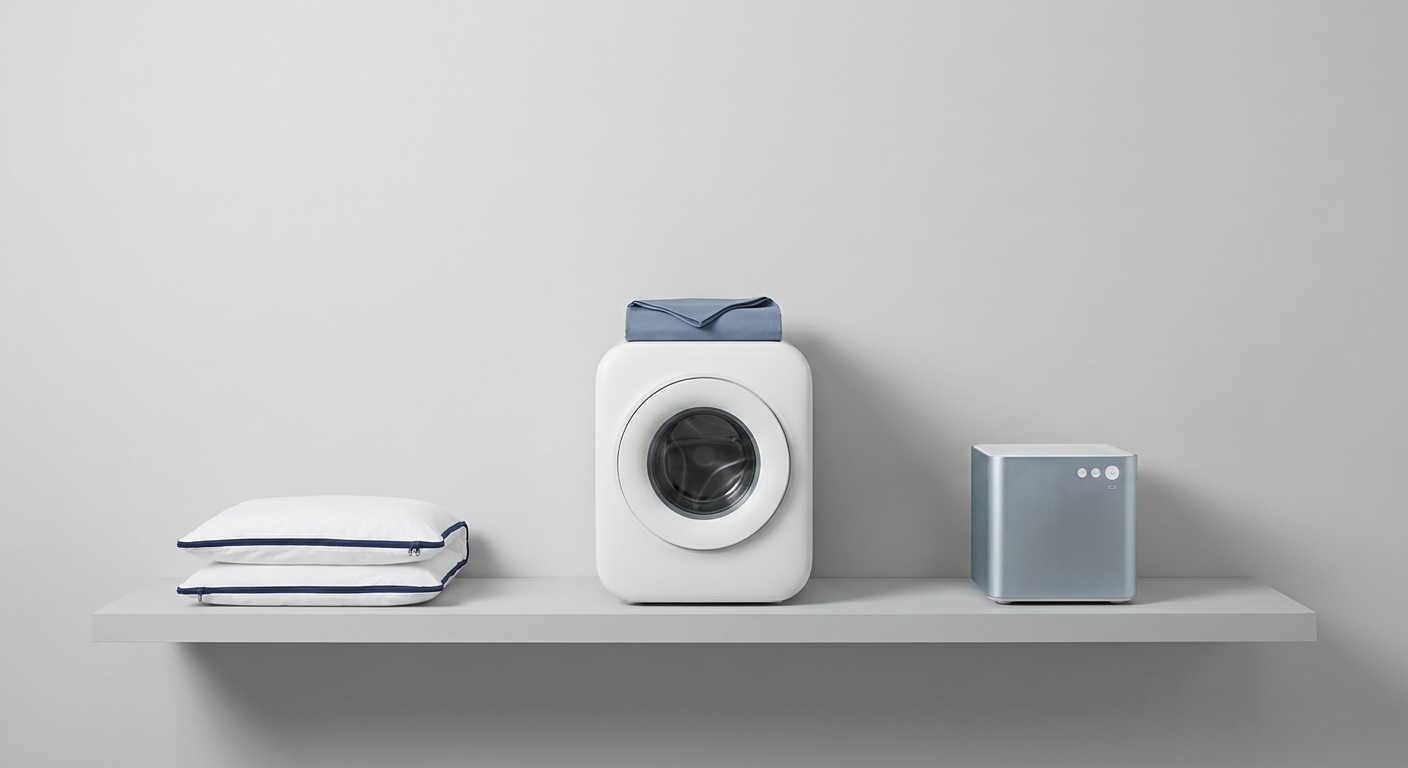
- Use allergen-impermeable (dust-mite-proof) encasements for mattress and pillows
- Wash sheets weekly (follow fabric instructions; warm/hot water can help reduce allergens)
- Reduce fabric “reservoirs” (extra throw pillows, heavy curtains, stuffed animals)
- Keep pets out of the bedroom (or at least off the bed)
- Keep indoor humidity around 30–50% to discourage mites and mold; some homes benefit from a dehumidifier [4][5]
Concrete example: if you’re not ready to overhaul the whole room, start with pillow and mattress encasements plus weekly sheet washing—those two steps alone often reduce “face-level” exposure where it matters most overnight. [4][5]
Nighttime routine that reduces pollen transfer
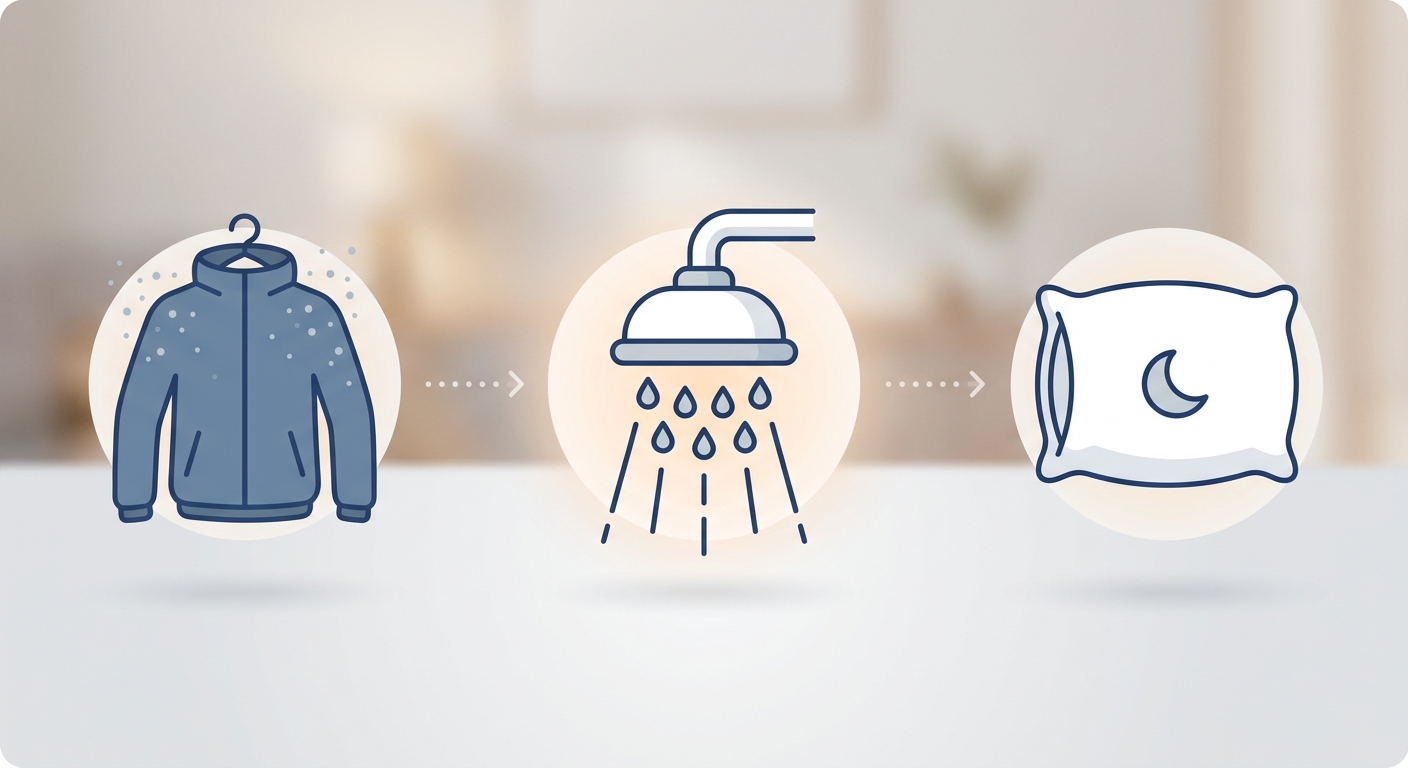
- Shower and wash hair before bed during pollen season
- Change clothes after time outdoors
- Avoid sitting or lounging on the bed in “outdoor clothes”
Air quality steps (especially for pet dander/dust)
- Consider HEPA filtration in the bedroom
- Vacuum with a HEPA-equipped vacuum when possible
- Dust with a damp cloth to reduce re-aerosolizing particles
Medication options (patient-friendly overview)
- Non-drowsy oral antihistamines (often help sneezing/itching/runny nose)
- Intranasal corticosteroid sprays (often most helpful for congestion/inflammation, typically with consistent use)
- Saline sprays/rinses (help physically clear mucus and allergens)
- Decongestants (typically short-term only when appropriate; overuse of some nasal decongestant sprays can cause rebound congestion) [4][5]
If you’re unsure which medication is appropriate for you, a pharmacist or clinician can help.
Timing matters (when to take meds for morning symptoms)
Because symptoms can be influenced by circadian patterns, some people do better when medication coverage is strongest overnight/early morning. The best timing depends on the product and how it affects you (including drowsiness). For a practical breakdown, see Sleep and Sinus Centers of Georgia’s post on the best time to take allergy medicine (morning vs. night): https://sleepandsinuscenters.com/blog/best-times-to-take-allergy-medicine-morning-vs-night [2][4]
Small, targeted changes in the bedroom often yield the biggest morning relief.
Morning Allergy Prevention Checklist (Copy/Paste)
Do tonight (10-minute version)
- Shower (especially hair) during pollen season
- Run a bedroom HEPA filter (if available)
- Keep the bedroom door closed (especially if pets are in the home)
- Quick wipe of nightstand/headboard area (dust)
Do weekly
- Wash bedding
- Vacuum bedroom and under the bed
- Clean humidifier/dehumidifier tanks (if used)
Do monthly/seasonally
- Replace HVAC filters on schedule
- Check mold-prone areas (bathroom fan, window sills, around vents)
Consistency beats intensity—simple habits done regularly matter most.
When to Consider Allergy Testing or Specialist Care
Signs you’d benefit from testing
- Symptoms most mornings for weeks to months
- Over-the-counter options help only partially
- You suspect dust mites, pets, or mold but aren’t sure which is driving symptoms
If you’d like help identifying triggers, Sleep and Sinus Centers of Georgia offers allergy testing that can clarify what you’re reacting to and help guide a targeted plan: https://sleepandsinuscenters.com/allergy-testing
What an allergist/ENT may recommend next
- Skin or blood testing to identify triggers
- Personalized environmental controls
- Immunotherapy (shots or drops) for longer-term reduction in sensitivity, when appropriate [4][5]
Appointment note: Consider scheduling a medical visit to review triggers, treatment timing, and next steps. You can learn more at https://www.sleepandsinuscenters.com/
Testing can turn guesswork into a focused, effective plan.
FAQs About Morning Allergies
Why do I wake up sneezing if pollen is “lower” in the morning?
Often it’s indoor exposure (dust mites, pet dander, pollen that settled into bedding) plus circadian sensitivity that makes reactions feel stronger at wake-up. [1][3][4]
Why is my nose completely blocked when I wake up?
Being horizontal can worsen congestion and drainage, and nasal inflammation can be higher overnight. [4][5]
Should I sleep with windows open?
During pollen season, open windows can increase pollen entry and allow it to settle into bedding—often not ideal for people with outdoor allergies. [4][5]
Does showering at night really help?
It can reduce pollen transfer to pillows and sheets, especially when washing hair during pollen season. [4][5]
How long does a steroid nasal spray take to work?
Some people notice improvement over several days, with best effect after consistent use. Timing varies by product and individual. [4][5]
When should I seek urgent care?
Seek urgent evaluation for trouble breathing, swelling of the lips/tongue/face, chest tightness/wheezing, or severe symptoms that don’t respond to usual care.
References
1. The Circadian Clock Drives Mast Cell Functions in Allergic Reactions. PMC/NIH (2018). https://pmc.ncbi.nlm.nih.gov/articles/PMC6043637/
2. Clockwork allergy: How the circadian clock underpins allergic reactions. Journal of Allergy and Clinical Immunology (2018). https://www.jacionline.org/article/S0091-6749(18)31195-3/fulltext
3. Lowest Pollen Counts Occur Between 4:00 a.m. and Noon. ACAAI (2022). https://acaai.org/news/lowest-pollen-counts-occur-between-400-a-m-and-noon/
4. Are Your Allergies Worse in the Morning? Cleveland Clinic (2025/2026). https://health.clevelandclinic.org/morning-allergies
5. Morning Allergies: Causes, Treatment, and Prevention. Healthline (2024). https://www.healthline.com/health/morning-allergies
This article is for educational purposes only and is not medical advice. Please consult a qualified healthcare provider for diagnosis and treatment.
Don’t let allergies slow you down. Schedule a comprehensive ENT and allergy evaluation at Sleep and Sinus Centers of Georgia. We’re here to find your triggers and guide you toward lasting relief.