How Chronic Sinusitis Affects Quality of Life: Symptoms, Sleep, and Daily Function
If you’re congested most days, tired even after sleeping, and feel like you’re not yourself—chronic sinusitis may be a big part of the picture. This article explains how chronic sinus inflammation can affect your sleep, energy, mood, focus, and everyday routines—and what kinds of evaluation and treatment can help.
Educational only; not a diagnosis or personal medical advice. If symptoms are persistent, severe, or worsening, seek medical care.
What Is Chronic Sinusitis (Chronic Rhinosinusitis)?
The “chronic” definition—when sinus symptoms stop being occasional
Most people think of sinus trouble as a short-lived infection: a rough week, then back to normal. Chronic rhinosinusitis is different. It’s typically defined as sinus symptoms lasting 12 weeks or longer, driven more by ongoing inflammation than a brief illness.
Symptoms may ebb and flow—good days followed by a sudden slide. That pattern can be confusing and discouraging, especially if you keep thinking, “I should be over this by now.”
If you want a more detailed overview of symptoms and evaluation, see our page on chronic sinusitis: https://sleepandsinuscenters.com/chronic-sinusitis.
Source: Mayo Clinic—chronic sinusitis symptoms, causes, and chronicity (https://www.mayoclinic.org/diseases-conditions/chronic-sinusitis/symptoms-causes/syc-20351661)
Why quality of life is a central issue (not “just congestion”)
For many people, the hardest part isn’t simply a blocked nose—it’s the ripple effect. A congested nose can become a congested life: disrupted sleep, persistent fatigue, brain fog, mood changes, and less enjoyment in the day-to-day.
Research consistently shows that chronic rhinosinusitis can significantly affect physical comfort and everyday functioning. In other words, chronic sinusitis quality of life is a real clinical concern—not a minor inconvenience.
Sources: PubMed PMID:21234819; PMC review (https://pubmed.ncbi.nlm.nih.gov/21234819/; https://pmc.ncbi.nlm.nih.gov/articles/PMC6481428/)
In short, chronic rhinosinusitis refers to persistent inflammation lasting 12+ weeks that often ebbs and flows—and its impact extends well beyond the nose.

Common Symptoms That Disrupt Daily Life
Nasal obstruction/congestion (and “can’t breathe through my nose” moments)
Chronic sinusitis symptoms often include ongoing stuffiness or blockage. People sometimes describe it like “breathing through a straw” or feeling like one nostril is always “shut down.”
- Daytime mouth breathing (dry mouth, sore throat)
- Reduced exercise tolerance (it’s harder to breathe comfortably)
- Feeling winded during routine activities
- Difficulty speaking for long periods without needing to pause, sip water, or clear your throat
A practical example: a short walk, a phone call, or even reading to your child at bedtime can turn into frequent pauses to catch your breath or clear irritation.
Facial pressure/pain and headaches
Facial pressure is often described as a heavy, tight, or full sensation around the cheeks, forehead, or between the eyes. Some people notice it more:
- With weather or barometric pressure changes
- When bending over
- During flights or altitude changes
This can show up as the “I can’t think straight” pressure during meetings, driving, or screen time—especially when combined with congestion.
Postnasal drip, cough, and sore throat
Postnasal drip can be subtle (constant throat clearing) or more obvious (mucus sensation in the throat). Over time, it can affect:
- Meetings and phone calls (coughing, hoarseness, throat clearing)
- Social comfort (feeling self-conscious about symptoms)
- Sleep quality (nighttime coughing or throat irritation)
Many patients describe the annoyance of always needing water nearby—or feeling like they have to explain, “It’s not a cold, it’s my sinuses.”
Reduced sense of smell and taste (and why it’s more than an inconvenience)
Sinusitis-related loss of smell and taste is more than “food tastes bland.” Smell is deeply tied to memory, pleasure, and safety, including:
- Not noticing smoke, gas, or spoiled food as easily
- Reduced enjoyment of meals and social eating
- Feeling emotionally “disconnected” from familiar experiences (coffee, soap, outdoor scents)
Put simply: when smell fades, the world can feel muted—not just meals.
Source: Mayo Clinic includes reduced smell/taste among chronic sinusitis symptoms (https://www.mayoclinic.org/diseases-conditions/chronic-sinusitis/symptoms-causes/syc-20351661)
Taken together, these symptoms can intrude on nearly every part of the day.

How Chronic Sinusitis Affects Sleep (and Why Fatigue Builds Up)
Why congestion gets worse at night
Many people notice breathing feels more restricted when lying down. Common reasons include:
- Changes in blood flow and swelling in nasal tissues
- Drainage shifting when you’re horizontal
- More mouth breathing, which can dry and irritate the throat
If you’d like a deeper dive, read our post on how sinus issues affect sleep quality: https://sleepandsinuscenters.com/blog/how-sinus-issues-affect-sleep-quality-and-ent-solutions.
What poor sleep looks like with chronic sinusitis
Sinusitis and sleep problems often show up as:
- Trouble falling asleep because you can’t breathe comfortably
- Frequent awakenings
- Waking up unrefreshed
- Morning headaches or facial pressure
- Dry mouth or sore throat from mouth breathing
A simple analogy: even if you “spent eight hours in bed,” it may not feel like eight hours of recovery—more like a night of light dozing and resetting your pillow position.
The fatigue “snowball”: daytime sleepiness → reduced productivity → more stress
Sleep disruption doesn’t just cause tiredness—it can change how your whole day functions. Over time, poor sleep may lead to:
- Chronic sinusitis fatigue and low stamina
- Reduced patience and motivation
- More reliance on caffeine (which doesn’t replace restorative sleep)
- Higher stress, which can make symptoms feel even harder to manage
Clinical literature discusses meaningful overlap between chronic sinus disease, sleep disturbance, and fatigue. Source: PMC article on CRS and sleep-related impacts (https://pmc.ncbi.nlm.nih.gov/articles/PMC9450878/)
When sleep apnea or snoring enters the picture
Nasal blockage can contribute to snoring and may worsen sleep-disordered breathing for some people. If there are signs like loud snoring, witnessed breathing pauses, or waking up choking/gasping, it’s worth discussing screening and evaluation.
Sleep quality is a major factor in chronic sinusitis quality of life, and treating both sinus and sleep problems (when they coexist) can be important.
Over time, night-after-night of disrupted breathing can drain energy and resilience—making sleep a key target for improving quality of life.
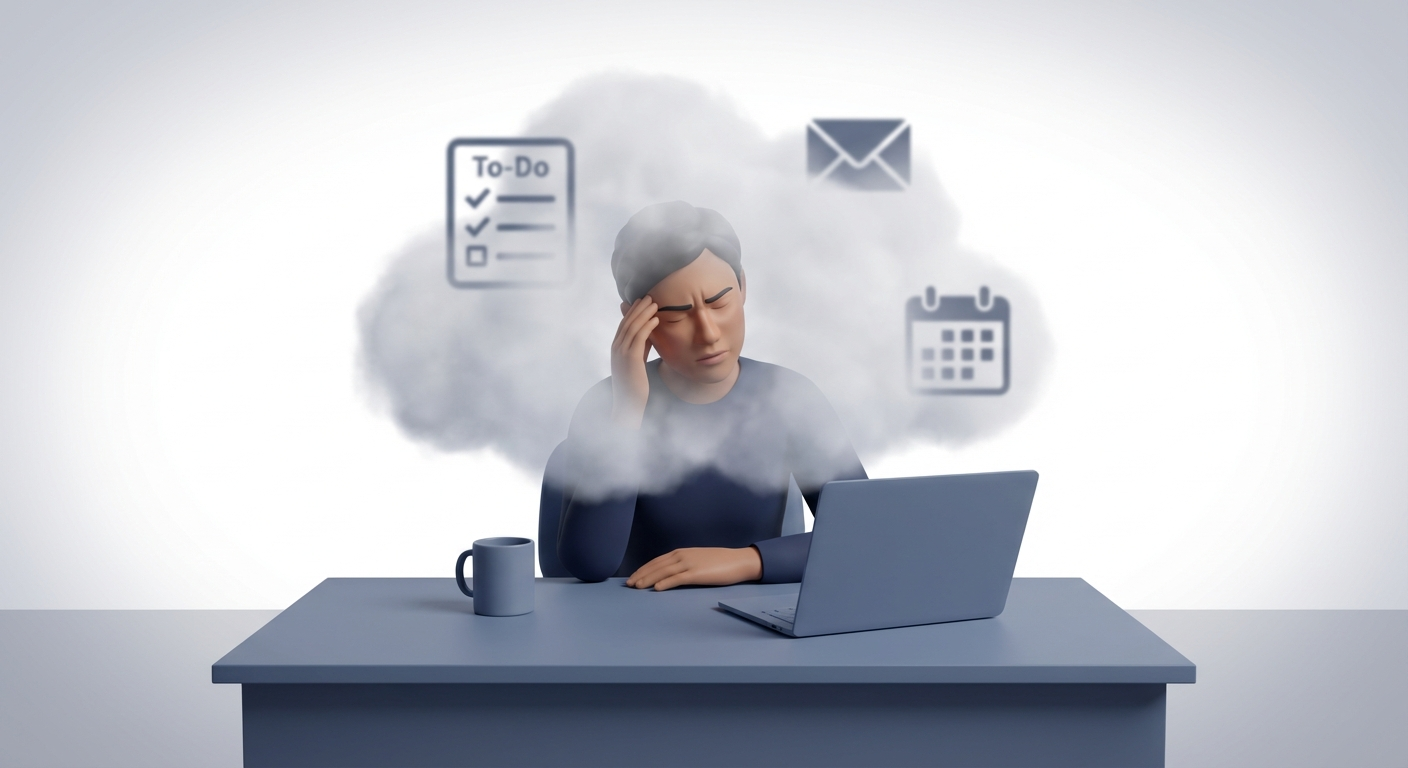
Brain Fog, Focus Problems, and Cognitive Function
What patients mean by “brain fog”
“Brain fog” isn’t a formal diagnosis, but it’s a very real experience for many people living with chronic sinus inflammation. It often means:
- Slower thinking or processing
- Trouble concentrating or multitasking
- Forgetfulness (misplacing items, missing details)
- Feeling mentally “flat” or less motivated
You might notice it when reading the same paragraph twice, struggling to find a word mid-sentence, or feeling like small tasks take more effort than they should.
Why chronic inflammation + poor sleep can affect mental sharpness
When symptoms are constant, your body is working harder just to get through the day—while sleep may be lighter and more interrupted. Research has explored associations between chronic rhinosinusitis and impaired cognitive function in some patients, likely influenced by a combination of inflammation burden, discomfort, and sleep disruption. Source: PMC review (https://pmc.ncbi.nlm.nih.gov/articles/PMC6481428/)
When inflammation and poor sleep add up, mental efficiency often suffers.
Mental Health Effects: Anxiety, Depression, and Emotional Burnout
The emotional toll of chronic symptoms
Living with chronic symptoms can be draining, especially when you can’t predict a “good day.” Many people describe feeling:
- Worn down or irritable
- Less social and more isolated
- Frustrated by cycles of temporary improvement followed by relapse
A common patient-type comment is, “I’m tired of being tired—and tired of thinking about my sinuses.”
Links seen in research: higher risk of depression/anxiety in chronic sinusitis
Studies suggest chronic rhinosinusitis is associated with higher rates of anxiety and depression symptoms in some populations. That doesn’t mean sinusitis “causes” depression or anxiety in every person—but the relationship is important and worth addressing as part of whole-person care. Source: PubMed PMID:21234819; PMC sleep/CRS review (https://pubmed.ncbi.nlm.nih.gov/21234819/; https://pmc.ncbi.nlm.nih.gov/articles/PMC9450878/)
When to seek extra support
If mood changes persist, affect relationships or work, or feel overwhelming, consider talking with a healthcare professional. If there are thoughts of self-harm, seek urgent help right away.
Addressing sinus symptoms and sleep can be an important part of supporting mood and resilience.
Relationships, Social Life, and Work Performance
Work impact
Chronic rhinosinusitis daily life challenges frequently include:
- Missed workdays from flares, headaches, or poor sleep
- “Pushing through” while uncomfortable and fatigued
- Reduced productivity from brain fog and frequent symptom management (blowing nose, throat clearing)
Even when you show up, you may not feel fully present—especially in roles that demand sustained focus, speaking, or physical activity.
Social impact
Repeated symptoms can make people avoid plans—especially when they’re tired, coughing, or dealing with headaches. Over time, that can shrink your routine and reduce enjoyment, further lowering chronic sinusitis quality of life.
It’s not unusual for people to start skipping restaurants (because they can’t taste), outdoor events (because triggers flare symptoms), or long conversations (because they’re clearing their throat).
Intimacy and household strain
Sleep disruption affects partners, too—snoring, mouth breathing, and frequent awakenings can create shared fatigue. When both people are tired, small stressors can feel bigger.
Source: QoL burden discussed in CRS literature (https://pubmed.ncbi.nlm.nih.gov/21234819/)
Chronic symptoms can strain both productivity and connection—but targeted care can help restore both.
What Causes Chronic Sinusitis? (And Why It Keeps Coming Back)
Inflammation triggers
Common contributors include:
- Allergies
- Irritants (smoke, strong fragrances, pollution)
- Chronic rhinitis or ongoing nasal inflammation
If you’re constantly “reacting” to your environment, your sinuses may never get a true reset.
Structural or anatomy contributors
Anatomy can influence how well sinuses drain, such as:
- Deviated septum
- Narrow sinus drainage pathways
- Turbinate enlargement
When drainage is limited, inflammation and mucus can be more likely to linger—like a sink that never fully clears.
Nasal polyps and other conditions
Nasal polyps are soft, noncancerous growths that can develop with chronic inflammation. They may block airflow and drainage, making symptoms harder to resolve.
Source: Mayo Clinic—causes and risk factors (https://www.mayoclinic.org/diseases-conditions/chronic-sinusitis/symptoms-causes/syc-20351661)
Most cases reflect a mix of inflammation and anatomy that interferes with drainage and keeps symptoms cycling.
When Chronic Sinusitis Should Be Evaluated (Don’t Self-Diagnose Forever)
Signs it’s time to see an ENT
Consider evaluation if you have:
- Symptoms lasting 12+ weeks
- Frequent “sinus infections” that keep returning
- Reduced smell/taste
- Facial pressure/pain that persists or recurs
- Ongoing poor sleep, daytime fatigue, or brain fog
If you’ve tried over-the-counter approaches repeatedly and keep circling back to the same symptoms, that’s often a sign you deserve a clearer diagnosis and a targeted plan.
Red flags that need urgent medical care
Seek urgent care for symptoms such as high fever, swelling around the eyes, severe headache, confusion, stiff neck, or vision changes. Source: Mayo Clinic warning signs/complications (https://www.mayoclinic.org/diseases-conditions/chronic-sinusitis/symptoms-causes/syc-20351661)
If symptoms linger or escalate, an expert evaluation can clarify what’s driving them and what to do next.

Treatment Options That Can Improve Quality of Life
Treatment isn’t only about clearing congestion—it’s about restoring sleep, energy, and daily function. For a full overview, see treatment options for chronic sinusitis: https://sleepandsinuscenters.com/chronic-sinusitis-treatment.
At-home and lifestyle measures (often first-line)
Educational options that many care plans may include:
- Saline rinses/irrigation (use sterile or properly prepared water)
- Humidification if dry air worsens symptoms
- Reducing triggers like smoke and strong fragrances
Consistency matters here. Many people find that small daily routines—done correctly—help reduce the “baseline irritation” that keeps symptoms simmering.
Medications your clinician may recommend
Depending on symptoms and exam findings, clinicians may consider:
- Intranasal corticosteroid sprays to reduce inflammation
- Allergy-focused treatment when allergies contribute
- Antibiotics only when a bacterial infection is suspected (not for every flare)
The goal is to match the treatment to the driver (inflammation, allergy contribution, anatomy, or a suspected infection), rather than treating every flare the same way.
Office procedures and surgical options (when symptoms persist)
If symptoms continue despite appropriate medical therapy and evaluation suggests it, options may include:
- Balloon sinuplasty for selected candidates
- Endoscopic sinus surgery when indicated
The “right” approach depends on your anatomy, symptom pattern, and what’s driving the inflammation.
The aim is better breathing, better sleep, and a better day—using treatments tailored to your specific drivers.

Quality-of-Life Tips for Day-to-Day Living With Chronic Sinusitis
Sleep-focused tips
- Sleeping on your side or elevating your head may reduce nighttime congestion for some people
- Basic bedroom allergen reduction (washing bedding, limiting dust reservoirs) can be helpful if allergies play a role
If you wake up with a dry mouth, consider that it may be a clue you’re mouth breathing at night—which can be a useful detail to share during evaluation. For more on sleep and sinus connections, see: https://sleepandsinuscenters.com/blog/how-sinus-issues-affect-sleep-quality-and-ent-solutions.
Energy and brain fog strategies
- Schedule demanding tasks for the time of day you feel most clear
- Build in short breaks and hydration
- Gentle movement (as tolerated) can support energy without overtaxing you
Think of it like budgeting: if symptoms are “spending” your energy, a plan helps you protect what’s left for the priorities that matter.
Smell/taste coping and safety
- Keep smoke and carbon monoxide detectors working
- Be extra mindful with food expiration dates
- Use texture, temperature, and seasoning to make meals more enjoyable when taste is reduced
Small, consistent habits can reduce daily symptom burden while you pursue a definitive plan.
FAQs
Can chronic sinusitis really cause extreme fatigue?
It can be a major contributor. Chronic sinusitis fatigue is commonly linked to disrupted sleep, ongoing inflammation, and the day-to-day strain of persistent symptoms. Because fatigue has many possible causes, evaluation can help clarify what’s driving it. Source: PMC review on sleep and CRS (https://pmc.ncbi.nlm.nih.gov/articles/PMC9450878/)
Why do I feel depressed or anxious when my sinuses flare?
Chronic symptoms and poor sleep can affect mood and resilience. Research shows an association between chronic rhinosinusitis and higher rates of anxiety/depression symptoms in some groups. If mood symptoms persist, it’s worth discussing as part of your overall care plan. Source: PubMed PMID:21234819 (https://pubmed.ncbi.nlm.nih.gov/21234819/)
Is chronic sinusitis the same as having repeated sinus infections?
Not exactly. Chronic rhinosinusitis is primarily ongoing inflammation lasting 12+ weeks. Infections can happen, but chronic symptoms can persist even without an active infection. Source: Mayo Clinic (https://www.mayoclinic.org/diseases-conditions/chronic-sinusitis/symptoms-causes/syc-20351661)
Can chronic sinusitis cause loss of smell and taste—and will it come back?
Yes, reduced smell/taste is a common symptom. Recovery varies; many people improve when underlying inflammation and blockage are effectively treated, which is one reason evaluation can matter. Source: Mayo Clinic (https://www.mayoclinic.org/diseases-conditions/chronic-sinusitis/symptoms-causes/syc-20351661)
When should I consider a procedure like balloon sinuplasty?
Procedures are typically considered when symptoms persist despite appropriate medical therapy and an exam (and sometimes imaging) suggests a structural drainage issue that could improve. An ENT evaluation is the best way to determine candidacy.
Conclusion + Next Step
Chronic sinusitis can affect far more than your nose. From sleep disruption and low energy to brain fog and emotional burnout, the impact on chronic sinusitis quality of life can be substantial—but effective, individualized treatment can make a meaningful difference.
If you’ve had symptoms for 12 weeks or longer—or your sleep and daily functioning are suffering—Sleep and Sinus Centers of Georgia can help you explore what’s driving your symptoms and what options may improve your breathing, rest, and routine. To get started, book an appointment at https://www.sleepandsinuscenters.com/.
With the right plan, many people feel and function significantly better.
References
- Mayo Clinic — Chronic sinusitis symptoms/causes: https://www.mayoclinic.org/diseases-conditions/chronic-sinusitis/symptoms-causes/syc-20351661
- PubMed (PMID: 21234819) — Quality-of-life burden in chronic rhinosinusitis: https://pubmed.ncbi.nlm.nih.gov/21234819/
- PMC review — CRS overview and broader impacts: https://pmc.ncbi.nlm.nih.gov/articles/PMC6481428/
- PMC article — Sleep and related impacts in CRS: https://pmc.ncbi.nlm.nih.gov/articles/PMC9450878/
This article is for educational purposes only and is not medical advice. Please consult a qualified healthcare provider for diagnosis and treatment.
Don’t let allergies slow you down. Schedule a comprehensive ENT and allergy evaluation at Sleep and Sinus Centers of Georgia. We’re here to find your triggers and guide you toward lasting relief.