Do Mycotoxins Affect the Sinuses? Symptoms, Causes, and Treatment
This article is intended for general informational purposes and does not replace professional medical evaluation, diagnosis, or treatment.
Sinus congestion that won’t quit can be frustrating—especially when you suspect your home or workplace might be part of the problem. A common question we hear is: do mycotoxins affect the sinuses?
Below is a patient-friendly, science-based overview of what research suggests, what symptoms can look like, how ENT specialists typically evaluate chronic sinus issues, and practical (non-medical) next steps you can consider.
Quick Answer (TL;DR)
Can mycotoxins affect your sinuses?
Yes—research suggests they can contribute to nasal and sinus inflammation and may play a role in ongoing (chronic) sinus symptoms for some people—especially when there’s continued exposure to damp environments and/or fungal involvement in the nasal passages. Research also discusses how biofilms may contribute to persistence in chronic rhinosinusitis. At the same time, it’s important to keep the big picture in mind: not every sinus problem is mold-related. Many cases are driven by viral infections, allergies, anatomical blockage, bacterial infection, or a mix of factors. Evidence for direct causation in the general population is limited, research is ongoing, and definitive clinical guidelines specific to mycotoxins and sinusitis have not been established.
The key concept
One reason symptoms may linger is that the nose and sinuses can act like a reservoir. In some situations, fungi may persist on sinonasal surfaces and contribute to inflammation over time—sometimes with help from biofilms (a protective layer that makes microbes harder to clear). A clinician might describe it this way: If the underlying irritation is still there, the lining stays swollen—so drainage stays poor, and the cycle keeps going.
What Are Mycotoxins (and How Do You Encounter Them)?
Definition in plain language
Mycotoxins are toxic chemicals made by certain molds. Mold doesn’t always produce mycotoxins, and not all molds are toxin producers—but some species can generate compounds that irritate human tissue or drive inflammation.
Common mycotoxins discussed in health literature
You may see references to compounds such as aflatoxins and ochratoxin A (OTA) in environmental health discussions. Some research has explored detection of certain mycotoxins in human samples in exposure contexts.
How mycotoxins enter the body
People may encounter mold and related byproducts through:
- Inhalation (breathing in spores and tiny mold fragments)
- Ingestion (foods contaminated with mold—more relevant to overall exposure than specifically sinus irritation)
- Skin contact (generally less relevant for sinus symptoms)
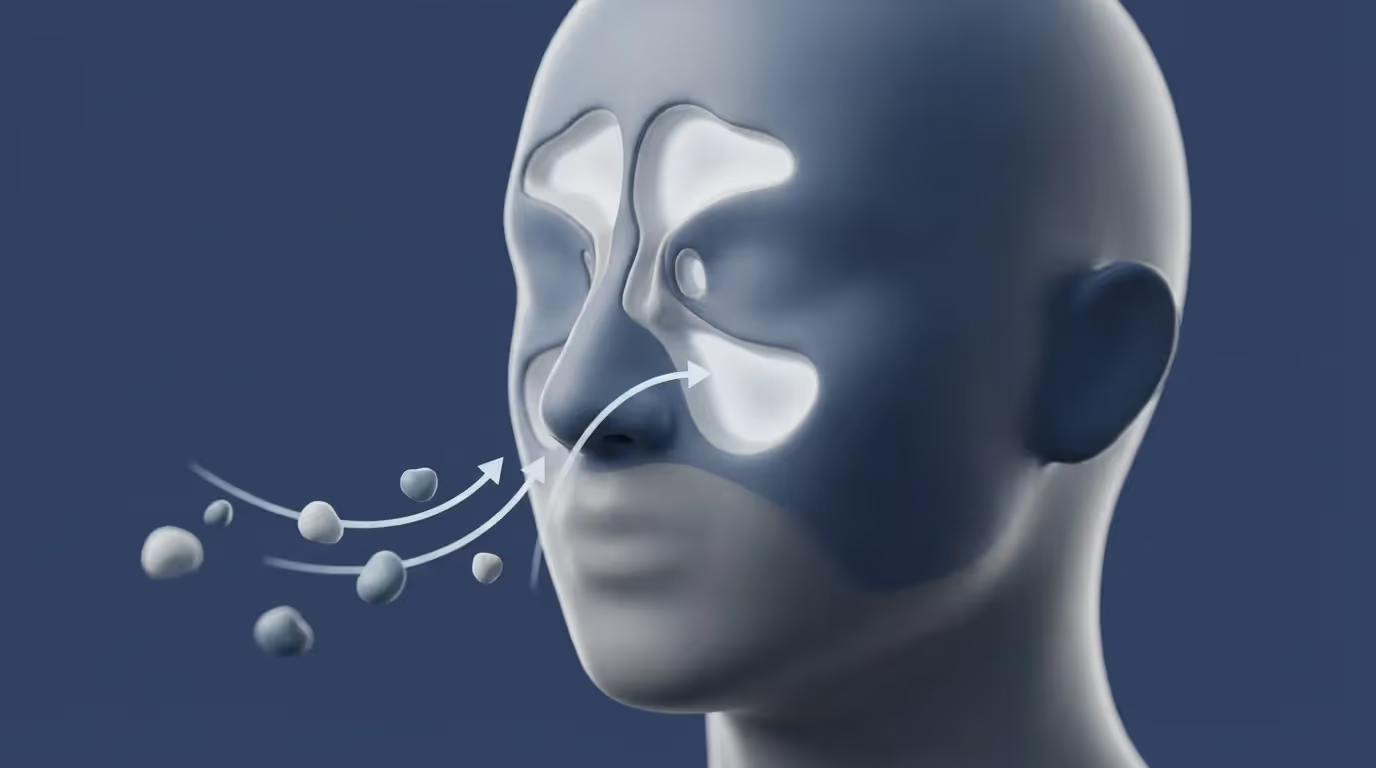
When sinus concerns are the focus, inhalation tends to be the most discussed route—because what you breathe first contacts the nose and upper airway.
A practical example
If you walk into a musty basement and notice nasal irritation or blockage within minutes, that doesn’t prove mycotoxins are the cause—but it does illustrate the basic idea: airborne particles hit the nasal lining first, and that tissue can become reactive when it’s already inflamed. This kind of immediate reaction is subjective and not diagnostic on its own.
In short: mycotoxins are mold-made chemicals; for sinus irritation, inhalation is the most relevant exposure pathway.

How Mycotoxins May Affect the Sinuses (What the Research Suggests)
The reservoir idea—mold can persist in nasal/sinus areas
Chronic inflammation can become self-perpetuating when triggers remain present. In the sinus world, researchers have explored whether fungi can persist in the sinonasal cavity and contribute to ongoing inflammation in certain patients. Think of the sinuses like small rooms that rely on narrow doorways for airflow and drainage. If the doorways swell shut, mucus and irritants can linger longer than they should.
Biofilms: why symptoms can become chronic
A biofilm is a structured community of microorganisms that can adhere to tissue and protect itself. In chronic rhinosinusitis research, biofilms are one proposed reason symptoms can be stubborn and resistant to one-and-done approaches. A helpful analogy: biofilm can behave a bit like a slippery shield—similar to the film that forms on teeth if plaque isn’t disrupted. The point isn’t that everyone has biofilm-related disease, but that it may help explain persistence in a subset of chronic cases.
Mycotoxins found in sinus-related samples
Some studies have reported detection of mycotoxins in nasal secretions and sinus-related samples in select groups with chronic sinus issues and exposure histories. This doesn’t automatically prove cause-and-effect for everyone, but it supports the possibility that—at least in some cases—mycotoxins and chronic sinonasal inflammation can overlap.
Inhaled fungal fragments can irritate nasal tissue
It’s not only whole spores that matter. Tiny fungal fragments can deposit in the nasal cavity and sinuses and may contribute to irritation and inflammation.
What this does not mean
Even if someone has symptoms consistent with mycotoxin-related sinus symptoms, it does not mean mycotoxins are the only cause—or that detox approaches are the main solution. Many people with chronic symptoms have multiple contributors at once, such as allergies, swelling from chronic inflammation, anatomic narrowing, and recurrent infections. Because evidence remains limited and evolving, evaluation should be individualized and guided by clinical findings.
Takeaway: in select patients, persistent fungal elements and biofilms may help sustain inflammation, but causation is not universal and evidence is still developing.

Sinus Symptoms That May Be Linked to Mold/Mycotoxin Exposure
There isn’t a single signature symptom set that proves mold or mycotoxins are involved. However, symptoms often overlap with chronic rhinosinusitis and allergic rhinitis patterns.
Common sinus/nasal symptoms
- Nasal congestion or blockage
- Post-nasal drip
- Facial pressure or pain
- Reduced sense of smell (hyposmia)
- Thick nasal drainage
- Cough (often from drainage)
- Headache/pressure sensation
For a deeper overview of chronic sinusitis symptoms, see: https://sleepandsinuscenters.com/chronic-sinusitis
Symptoms that can overlap with allergies
- Sneezing
- Itchy nose
- Watery eyes
If mold allergy is part of the picture, symptoms may flare in damp seasons, during leaf decay, or in musty indoor environments.
Whole-body symptoms some patients report (nonspecific)
Some people report fatigue, poor sleep, or brain fog during chronic sinus flares. These symptoms are not sinus-specific, and they can have many possible causes—so they’re best treated as a reason for a thoughtful, broader evaluation rather than a conclusion on their own.
Net-net: symptoms mirror chronic rhinosinusitis and allergies—there’s no single mycotoxin signature.

Causes & Risk Factors (Why Some People Are More Affected)
Environmental causes
- Living or working in damp or water-damaged buildings
- Poor ventilation (especially bathrooms, basements, crawlspaces)
- High indoor humidity
- Hidden leaks behind walls or under floors
Personal risk factors
- History of chronic rhinosinusitis
- Allergies (including possible mold allergy)
- Asthma or nasal polyps
- Immune compromise
Sinus anatomy and airflow problems
Even with the same exposure, people can experience different outcomes. If drainage pathways are narrow (or blocked by swelling), mucus may stagnate longer—making symptoms more persistent.
Bottom line: damp buildings and individual factors together shape risk.

When to Suspect Mold/Mycotoxins Might Be Part of Your Sinus Problem
If you’ve been wondering whether mycotoxins affect the sinuses in your situation, these patterns can be useful clues (not diagnoses):
Clues from your timeline
- Symptoms begin or worsen after moving into a new home or building
- Symptoms improve when you’re away
Clues from your home
- Musty odor
- Visible mold
- Known past water damage
- Frequent condensation on windows
Clues from treatment history
- Symptoms repeatedly relapse despite consistent basics
- Frequent sinus infections or lingering congestion that never fully clears
If you want a mold-focused sinus overview, read: https://sleepandsinuscenters.com/blog/how-mold-exposure-can-trigger-sinusitis
Clues can point the way, but only a clinician can make the diagnosis.
How ENT Doctors Evaluate Chronic Sinus Symptoms (Diagnosis)
An ENT evaluation is usually less about one single test and more about putting multiple data points together.
Step 1 — history and symptom pattern
Duration, seasonality, building exposures, medication history, sleep quality, and prior infections all help shape the differential diagnosis.
Step 2 — physical exam + nasal endoscopy
Nasal endoscopy (an in-office camera exam) helps visualize:
- Swelling/inflammation
- Drainage patterns
- Nasal polyps
- Structural blockage concerns
Step 3 — imaging when needed
A CT scan can show the pattern and extent of chronic inflammation and highlight anatomic contributors.
Step 4 — allergy testing (when appropriate)
Because symptoms overlap so much, clarifying allergic triggers can be a major turning point. Learn more: https://sleepandsinuscenters.com/allergy-testing
What about mycotoxin testing (urine, etc.)?
Some labs market mycotoxin testing directly to consumers. The clinical usefulness and interpretation can vary, and chronic sinus diagnosis typically relies more on history, exam/endoscopy, imaging, and allergy evaluation. If testing is considered, it’s best done as part of a clinician-guided plan. At present, routine mycotoxin testing is not part of standard sinusitis guidelines.
Think synthesis over single test: history, endoscopy, imaging, and allergy workup matter most.
Treatment Options (Patient-Friendly, Stepwise)
Treatment is typically individualized based on the pattern: inflammation vs allergy vs structural blockage vs infection vs mixed disease. For many people concerned about mold, mycotoxins, and chronic sinusitis, a stepwise plan often focuses on both environment and sinus care.
1) Reduce exposure (the foundation)
If dampness or water damage is suspected, addressing the source matters. Common strategies include:
- Fixing leaks and controlling indoor humidity
- Improving ventilation
- Using HEPA filtration
- Remediating water-damaged materials appropriately
2) Support sinus drainage and reduce inflammation
Many care plans include:
- Saline irrigation (using sterile or distilled water and proper technique)
- Intranasal corticosteroid sprays to reduce inflammation
Rinses help with mechanical clearing, while anti-inflammatory sprays help calm the swollen lining that keeps blocking airflow and drainage.
3) Treat co-existing allergies
If allergies are part of the picture, options may include antihistamines, nasal antihistamine sprays, or immunotherapy in selected cases. Learn more: https://sleepandsinuscenters.com/allergy-testing
4) Address infection when present
Not all sinus flares are bacterial. When bacterial infection is suspected, clinicians may use targeted therapies. Fungal sinusitis can mean different entities, so evaluation matters.
5) Biofilms and persistent disease: what ENT care may add
For stubborn symptoms, ENT-directed options may include culture-directed approaches when appropriate, advanced topical therapies, and office procedures or other interventions tailored to endoscopy/CT findings.
6) When surgery is considered
For chronic sinusitis that doesn’t respond to medical therapy, endoscopic sinus surgery may be considered to improve ventilation/drainage and help topical therapies reach inflamed areas more effectively.
Effective care usually pairs environmental fixes with inflammation control and, when needed, specialist-directed therapies or procedures.

Lifestyle Tips for Ongoing Prevention (Easy Wins)
- Keep indoor humidity around 30–50%
- Use exhaust fans in bathrooms/kitchens and improve airflow
- Consider a HEPA air purifier and appropriate HVAC filtration
- Focus on the bedroom (musty closets, damp carpeting, humidifiers used incorrectly)
- Consider a simple sinus hygiene routine after dusty or high-exposure activities
Small, consistent home and sinus-hygiene steps can meaningfully reduce flares.
When to Seek Medical Care Urgently
Educational red flags that warrant urgent medical evaluation include:
- High fever with severe facial swelling
- Vision changes, eye swelling, or eye pain
- Stiff neck, confusion, or severe/worsening headache
For non-urgent but important evaluation, consider booking an ENT visit if symptoms are frequent, keep recurring, last more than 12 weeks, include smell loss, or don’t respond to a consistent routine.
If you’re worried about severe or worsening symptoms, seek urgent care.
FAQs
Can mold in my house cause sinus infections?
Mold exposure is more often discussed as a trigger for irritation, inflammation, and allergy, which can mimic infection or make someone more prone to sinus problems. Not every sinus infection is bacterial.
Can mold actually live in your sinuses?
Research supports the idea that fungal organisms can be present in the sinonasal cavity in some people, and that biofilms may contribute to persistence in chronic rhinosinusitis.
What do mycotoxin-related sinus symptoms feel like?
There’s no single symptom pattern unique to mycotoxins. Mycotoxin-related sinus symptoms commonly overlap with chronic sinusitis and allergies: congestion, post-nasal drip, facial pressure, and reduced smell.
Do antifungals treat mold-related sinus problems?
Sometimes—but typically only in specific diagnoses. Antifungals are not automatically used for every patient with chronic sinus symptoms and suspected exposure.
How do I know if it’s allergies vs chronic sinusitis?
Allergies often feature itching, sneezing, and watery eyes, while chronic sinusitis more often includes prolonged congestion, thick drainage, facial pressure, and smell changes. Many people have both—so exam and testing can be helpful.
Will a CT scan show mold or mycotoxins?
A CT scan shows anatomy and inflammation patterns. It generally does not show toxins, though certain patterns can raise suspicion for specific conditions that an ENT can evaluate further.
Conclusion + Next Steps
So, do mycotoxins affect the sinuses? For some people, research suggests mold exposure and related byproducts may contribute to chronic nasal/sinus inflammation—particularly when exposure is ongoing and chronic inflammation becomes entrenched, sometimes involving biofilms. Evidence is still emerging, and a comprehensive clinical evaluation remains the most reliable way to sort out causes and treatment options.
If you’re dealing with persistent symptoms and want a clear, step-by-step plan, the most efficient next move is to book an appointment with an ENT team that evaluates chronic sinus inflammation every day. You can schedule an evaluation with Sleep and Sinus Centers of Georgia here: https://www.sleepandsinuscenters.com/
References
- Fungal involvement and biofilms in chronic rhinosinusitis (NIH/PMC, PMC3920250): https://pmc.ncbi.nlm.nih.gov/articles/PMC3920250/
- Detection of mycotoxins in human samples in exposure and chronic sinus contexts (PubMed, PMID: 24368325): https://pubmed.ncbi.nlm.nih.gov/24368325/
Disclaimer
This article is for educational purposes only and is not medical advice. Please consult a qualified healthcare provider for diagnosis and treatment.
Don’t let allergies slow you down. Schedule a comprehensive ENT and allergy evaluation at Sleep and Sinus Centers of Georgia. We’re here to find your triggers and guide you toward lasting relief.