Deviated Septum Surgery Cost in Atlanta: What to Expect
If you’ve been pricing out deviated septum surgery cost in Atlanta, you’ve probably noticed the numbers can feel all over the map. That’s normal—and it’s also why cost transparency matters. Septoplasty pricing can vary widely based on where it’s done (hospital vs outpatient surgery center), whether additional procedures are needed, and how your insurance processes the claim.
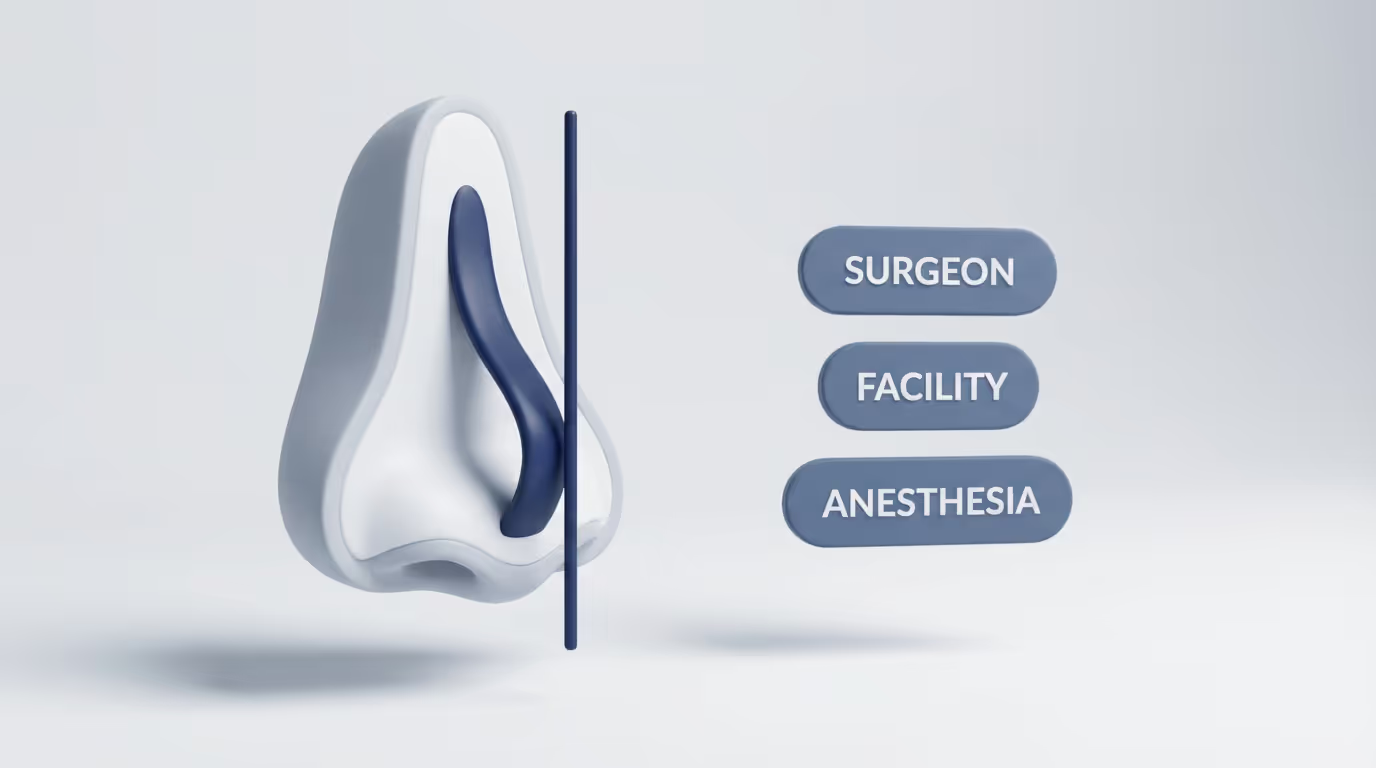
A helpful way to think about septoplasty pricing is like comparing two “totals” that aren’t measuring the same thing: one estimate might be the surgeon’s portion only, while another might be a fully bundled, all-in package that includes the facility and anesthesia. Both can be “right,” but they’re not directly comparable unless you know what’s included.
Below is a patient-friendly breakdown of what drives cost, what may (or may not) be included in an online estimate, and how to get a more accurate personalized quote.
Introduction: Why Septoplasty Costs Vary So Much in Atlanta
Septoplasty is a common ENT procedure to improve breathing by correcting a deviated septum (the wall of cartilage and bone that divides the nasal passages). Even though the procedure itself is fairly standardized, your final bill can vary because septoplasty is often bundled with other services—like anesthesia, facility fees, and sometimes additional nasal procedures.
In other words, the “procedure” might be one line on the plan, but the “cost” is often the sum of multiple line items. Patients sometimes describe it as getting one number from a price-estimator tool and a very different number after the insurance claim is processed—especially if anesthesia or facility charges weren’t included in the first estimate.
So when someone asks, “What’s the deviated septum surgery cost in Atlanta?” the most honest answer is: it depends on your anatomy, your surgical setting, and your insurance benefits. Bottom line: knowing exactly what’s included is the key to comparing costs fairly.
What Is Deviated Septum Surgery (Septoplasty)?
What septoplasty corrects (and what it doesn’t)
Septoplasty aims to improve airflow by straightening or repositioning the septum. It’s considered a functional surgery—focused on breathing and nasal obstruction.
It generally does not change the external appearance of the nose. Cosmetic changes are typically associated with rhinoplasty, which can significantly increase total cost and is less likely to be covered by insurance.
A simple way to frame this: septoplasty is about improving the “airway plumbing” inside the nose—not reshaping what you see in the mirror.
Who typically needs septoplasty
People who consider septoplasty often have issues such as:
- Ongoing nasal obstruction (especially worse on one side)
- Recurrent sinus symptoms related to poor drainage
- Difficulty tolerating CPAP due to blocked nasal breathing
- Sleep disruption potentially related to chronic nasal congestion
If you’re deciding whether surgery makes sense, this may help: Is septoplasty right for you?
https://sleepandsinuscenters.com/blog/is-septoplasty-right-for-your-deviated-septum
If breathing problems are persistent despite medical therapy, a focused evaluation can clarify whether septoplasty may help.
Symptoms That May Lead Someone to Consider Septoplasty
Common deviated septum symptoms
A deviated septum can contribute to symptoms like:
- Persistent one-sided congestion
- Mouth breathing and dry mouth at night
- Snoring or fragmented sleep
- Frequent sinus pressure or recurring infections
For a deeper overview of symptoms and non-surgical relief options, see: Deviated septum relief
https://sleepandsinuscenters.com/deviated-septum-relief
When symptoms might signal something else
Not all congestion is caused by a deviated septum. Similar symptoms can also be linked to:
- Allergies or chronic inflammation
- Turbinate hypertrophy (enlarged turbinates)
- Nasal polyps
- Other structural concerns inside the nose
That’s one reason an in-person evaluation is important before comparing price quotes. “Blocked breathing” can be caused by more than one issue at the same time—which affects both the treatment plan and the final cost. An accurate diagnosis comes first—cost clarity follows from the plan that fits your anatomy.
Common Causes of a Deviated Septum
Natural anatomy and growth patterns
Many people are born with a septum that’s slightly off-center, or it shifts during growth and development.
Injury or trauma
Sports injuries, accidents, or a prior nasal fracture can change the septum’s position and worsen breathing over time.
Prior nasal surgery or structural changes over time
Previous nasal procedures—or just gradual changes with aging—can contribute to obstruction and shifting anatomy. Causes vary, but the fix is tailored to what’s actually blocking airflow.
Deviated Septum Surgery Cost in Atlanta: Average Price + Typical Range
Average cost in Atlanta (what reports show)
Pricing estimates vary by source, but one commonly cited estimate reports an average around $9,441 in Atlanta—best thought of as a blended average across multiple settings and provider types. This figure is based on aggregated data and may not reflect individual costs for your specific situation.
Source: New Choice Health (Atlanta septoplasty estimates)
https://www.newchoicehealth.com/places/georgia/atlanta/septoplasty-surgery
Typical price range in Atlanta
The same source notes a typical range of about $5,900 to $16,000, which reflects how much the facility setting, anesthesia, complexity, and add-on procedures can change the total.
Source:
https://www.newchoicehealth.com/places/georgia/atlanta/septoplasty-surgery
Lower-cost “cash pay” examples in the metro area (why they’re lower)
Some Atlanta-area surgery centers publish bundled “cash pay” pricing, including examples around $3,830 for an all-inclusive septoplasty package (often with defined assumptions and potential exclusions).
Pricing examples (cash bundles):
https://nw-ent.com/patient-center/billing-insurance/all-inclusive-surgery-pricing
https://www.nwentsurgerycenter.com/pricing/
Key takeaway: a lower sticker price may be real—but make sure you understand what’s included and what could be added.
How to interpret online price estimates

Online estimates may or may not include:
- Anesthesia and anesthesia provider fees
- Facility charges
- Pre-op testing or imaging (when indicated)
- Pathology (if anything is sent for review)
- Post-op visits or debridement when needed
Patient-reported variability discussions highlight how different “quotes” can be depending on what’s included.
Source: RealSelf discussion (cost variability)
https://www.realself.com/question/how-much-does-septoplasty-cost
A practical tip: if two estimates differ by thousands of dollars, it’s often because one is missing a major category (like facility or anesthesia), not because the actual surgical work is dramatically different. Think “apples to apples”: totals only make sense when you know every component that’s included.
What’s Included in Septoplasty Cost? (Line-Item Breakdown)
Surgeon’s fee
Covers the surgical expertise, operative planning, and performance of the procedure.
Facility fee (hospital vs outpatient surgery center)
A hospital outpatient department typically bills differently than an ambulatory surgery center, and the setting can meaningfully impact the total. If you’ve ever seen a “hospital-based” estimate come back higher than a surgery-center estimate, the facility fee is often a big reason why.
Anesthesia fee
Often billed separately, especially when anesthesia services are provided by an independent anesthesia group.
Pre-op evaluation and diagnostics
May include:
- Office consultation
- Nasal endoscopy (common in ENT evaluation)
- Imaging in select cases (not always needed)
Post-op care and follow-ups
Many surgical plans include follow-up visits (and splint removal if splints are used). Some patients may also need targeted cleaning/debridement depending on healing and the procedures performed.
Example: A “bundled cash” price may include routine post-op visits, while an insurance-billed pathway may list those visits separately depending on how services are coded and processed. Ask for a written, itemized quote so you know where each dollar goes.
Key Factors That Change the Total Cost of Septoplasty in Atlanta
Where the procedure is performed

Setting is a major cost driver:
- Hospital outpatient departments often have higher facility charges.
- Ambulatory surgery centers may be more cost-efficient.
- In-office options may be available for select patients and techniques, but candidacy varies.
Whether septoplasty is combined with other procedures

Septoplasty is commonly performed alone, but it may also be combined with turbinate reduction, which can change the total price. If you’re researching turbinate reduction cost, it’s important to ask whether it’s included or billed separately.
To learn more about why turbinates matter:
Everything you need to know about turbinate reduction
https://sleepandsinuscenters.com/blog/everything-you-need-to-know-about-turbinate-reduction
Patient-reported experiences in public forums frequently note higher totals when multiple procedures are combined—a common scenario when both the septum and turbinates contribute to blockage.
A common real-world scenario is that the septum is straightened, but swollen turbinates still narrow the airway—so doing both procedures can be part of a functional plan, not an “extra.”
Surgeon experience and case complexity
More complex situations can increase time and resources, such as:
- Severe deviations
- Significant scarring
- Revision (repeat) surgery
Your insurance plan details
Even if your procedure is covered, your out-of-pocket cost can vary based on:
- Deductible
- Coinsurance
- Copays
- In-network vs out-of-network billing
Concrete example: If your plan has a high deductible you haven’t met yet, you may pay more out-of-pocket early in the year than someone who already met their deductible—even if you have the same surgeon and the same procedure. Setting, scope, and insurance structure are the big levers that move your final total.
Insurance Coverage: Will Insurance Pay for Deviated Septum Surgery?

When septoplasty is considered “medically necessary”
Insurance may cover septoplasty when documentation supports functional impairment—such as persistent obstruction and reduced quality of life—especially after appropriate medical management has been tried.
What insurers often require before approval
Requirements vary, but may include:
- ENT evaluation
- Documentation of symptoms and duration
- Notes about medication trials (e.g., sprays, allergy management)
- Prior authorization in some plans
Typical out-of-pocket costs with insurance
“Covered” does not always mean “free.” Patients may still owe:
- Remaining deductible
- Coinsurance percentage
- Copays for visits and prescriptions
Cash pay vs insurance: which is cheaper?
Sometimes cash pricing can be competitive—especially for those with high deductibles—but individual circumstances vary widely. Some patients also look at pricing marketplaces for ballpark estimates (not a substitute for a written quote).
Example pricing marketplace:
https://www.mdsave.com/procedures/nasal-septum-surgery-septoplasty/d787fac5/georgia?page=3
If you’re comparing options, try to compare “all-in” totals: a slightly higher bundled price may still be simpler (and sometimes cheaper overall) than a lower partial quote that leaves out anesthesia or facility charges. Coverage is about eligibility; out-of-pocket cost is about your plan’s math.
Septoplasty Treatment Alternatives (Before Surgery)
Medications that may help symptoms (but won’t “fix” the septum)
Some people get symptom relief from:
- Saline rinses
- Steroid nasal sprays
- Allergy medications when appropriate
These can reduce inflammation and swelling but don’t change the septum’s structure.
Addressing turbinate swelling and nasal valve issues
A “deviated septum” diagnosis doesn’t always explain everything. Turbinates and nasal valve function can also contribute to obstruction—and can affect both treatment plan and cost.
When surgery becomes the best next step
When structural blockage is the main driver and symptoms persist despite conservative care, septoplasty may offer the most effective option for improving airflow when other treatments have not sufficed. Try medical therapies first when appropriate; choose surgery when structure is the main problem.
What to Expect Before, During, and After Septoplasty (Patient-Friendly Timeline)

Consultation and diagnosis
An ENT visit often includes a nasal exam, symptom review, and sometimes nasal endoscopy. You’ll also discuss goals, options, and whether any add-on procedures could help.
A patient-friendly way one clinician might summarize it is: “First we confirm what’s blocking airflow, then we match the plan to what we see—because the anatomy determines the approach.”
Day of surgery: anesthesia, length of procedure, going home
Many septoplasties are outpatient procedures. Exact timing and anesthesia type vary by plan and setting.
Recovery timeline (general)
Most patients notice:
- Congestion and swelling early on (often most noticeable during the first week)
- Gradual improvement as swelling decreases
For a broader septoplasty recovery time overview, see:
Nasal surgery recovery timeline
https://sleepandsinuscenters.com/blog/how-long-does-nasal-surgery-recovery-take
Follow-up visits and aftercare basics
Your post-op plan may include saline rinses, activity modifications, and scheduled check-ins. Your care team should also explain what symptoms are expected vs what should prompt a call. Clear expectations and consistent aftercare support a smoother recovery.
Lifestyle Tips to Improve Breathing While You’re Deciding (or Waiting) for Surgery
Sleep-position and bedroom setup tips
- Elevating your head may reduce nighttime congestion for some people.
- Humidification can be helpful in dry environments.
Managing allergies and irritants
Avoiding triggers (like smoke, fragrances, or high-pollen exposure) may reduce swelling and improve airflow.
Safer short-term breathing aids
- Saline rinses can help clear mucus and irritants.
- Adhesive nasal strips may provide mild support for some people (results vary).
Small daily adjustments can make symptoms more manageable while you plan next steps.
Questions to Ask a Septoplasty Provider About Cost (Bring This Checklist)
“Is your quote all-inclusive?” Ask what’s included: surgeon, facility, anesthesia, follow-ups, supplies, and any potential add-ons.
“What CPT codes are being billed?” (and why it matters for insurance) Codes can affect coverage, prior authorization requirements, and how your plan calculates benefits. If you’re getting estimates from more than one office, codes are one of the best ways to make sure you’re comparing apples to apples.
“Are anesthesia and facility fees included?” These are common sources of surprise bills if not clarified upfront.
“What costs could change the day of surgery?” For example, if additional work is needed based on anatomy, or if an add-on procedure becomes appropriate.
“If turbinate reduction is needed, what’s the added cost?” This is one of the most common cost-changing variables. A short checklist can prevent most billing surprises.
FAQs About Deviated Septum Surgery Cost in Atlanta
How much does septoplasty cost in Atlanta on average?
One commonly cited estimate reports an average around $9,441, with a typical range of ~$5,900 to $16,000 depending on setting and complexity. These figures are aggregated estimates and individual totals vary.
Source:
https://www.newchoicehealth.com/places/georgia/atlanta/septoplasty-surgery
Why do some places advertise $3,500–$4,200 while others are $10,000+?
The biggest reasons are:
- Whether pricing is a cash bundle vs insurance-billed charges
- Hospital vs surgery center facility fees
- Whether anesthesia and follow-ups are included
- Whether additional procedures are included (like turbinate reduction)
Cash bundle examples:
https://nw-ent.com/patient-center/billing-insurance/all-inclusive-surgery-pricing
https://www.nwentsurgerycenter.com/pricing/
Does insurance cover septoplasty for a deviated septum?
Often yes when the surgery is considered medically necessary, but coverage depends on your plan rules, documentation, prior authorization, and deductible/coinsurance.
Is turbinate reduction included in septoplasty cost?
Not always. It may be billed separately or included depending on the plan and the quote—ask specifically about turbinate reduction cost when reviewing your estimate.
Can septoplasty be done in-office, and is it cheaper?
In-office options may be available for select patients and techniques, but candidacy varies. Cost differences depend on what’s included and your insurance benefits.
Is septoplasty the same as rhinoplasty?
No. Septoplasty addresses internal nasal obstruction (function). Rhinoplasty focuses on appearance (cosmetic) and can be combined with septoplasty, which typically increases total cost. FAQs are a good place to start—but a personalized quote is the only way to know your number.
Conclusion: How to Get an Accurate, Personalized Septoplasty Cost Estimate in Atlanta
If you’re comparing deviated septum surgery cost in Atlanta, remember these key benchmarks:
- Reported average around $9,441
- Typical range of about $5,900–$16,000
- Some cash bundles may be lower, depending on what’s included
Source:
https://www.newchoicehealth.com/places/georgia/atlanta/septoplasty-surgery
Because estimates can exclude anesthesia, facility fees, follow-ups, or add-on procedures, the best next step is an ENT evaluation and a written quote that reflects your specific plan.
To price your situation accurately (and avoid surprises), book an appointment with Sleep and Sinus Centers of Georgia here:
https://sleepandsinuscenters.com/appointments
The clearest path to a reliable price is a tailored evaluation and an all-inclusive written quote.
This article is for educational purposes only and is not medical advice. Please consult a qualified healthcare provider for diagnosis and treatment.
Don’t let allergies slow you down. Schedule a comprehensive ENT and allergy evaluation at Sleep and Sinus Centers of Georgia. We’re here to find your triggers and guide you toward lasting relief.