
Daily Allergy Medicine: Benefits, Side Effects, and Commonly Recommended Options
Daily allergy symptoms can wear you down—especially when congestion disrupts sleep or you feel like you’re constantly catching up after a flare. If you’re waking up with a blocked nose, clearing your throat all day, or avoiding the outdoors because you know you’ll pay for it later, you’re not alone.
The good news: several over-the-counter options have extensive safety experience and are commonly used for long-term control when taken as directed. That said, not every OTC product is suitable for ongoing daily use, and the right choice depends on your symptoms, health history, and response. Below is a patient-friendly guide to choosing a daily allergy medicine based on symptoms, plus side effects and special safety considerations.
Bottom line: many people do well with a daily plan, but individual fit and consistency matter.
Quick Answer: What’s a Commonly Recommended Daily Allergy Medicine?
- Commonly preferred OTC daily oral options (newer antihistamines). For many people, a practical daily approach is a second-generation (newer) oral antihistamine such as cetirizine, loratadine, or fexofenadine (and related options like desloratadine). These help with sneezing, itching, and runny nose and tend to cause less sedation than older antihistamines, with broad real-world safety experience. Think of this group as turning down histamine-driven symptoms (itch, sneeze, drip).
- Often recommended daily option for persistent nasal congestion. When a blocked nose is the primary issue, an intranasal corticosteroid spray is frequently recommended for ongoing nasal symptoms. Many guidelines find these sprays can outperform oral antihistamines for persistent congestion and inflammation-driven nasal symptoms. Some clinicians explain it this way: antihistamines are great for alarm symptoms (itching, sneezing), while steroid sprays target the underlying nasal inflammation that keeps congestion hanging on.
In general, people with mostly itch, sneeze, and drip often do well with an oral antihistamine, while those with ongoing congestion often benefit more from a nasal steroid spray.
Allergy Symptoms That Daily Medicine Can Help
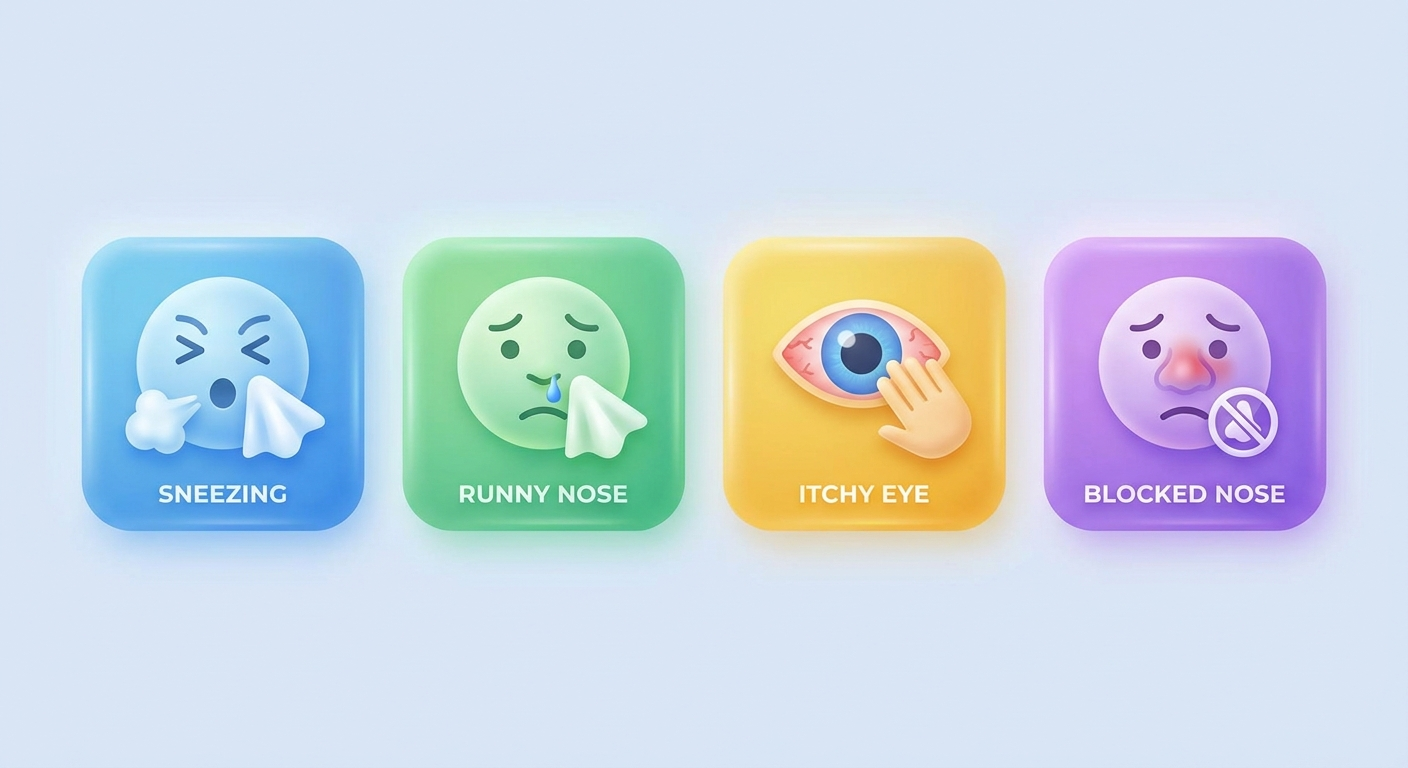
- Common allergic rhinitis (hay fever) symptoms when frequent or predictable: sneezing; runny nose; itchy nose; postnasal drip; nasal congestion or blocked nose (often the hardest symptom to control).
- Eye and throat symptoms: itchy, watery eyes; itchy throat; cough from postnasal drip.
- Quality-of-life issues: poor sleep; daytime fatigue; trouble concentrating (especially when congestion is uncontrolled).
If your symptoms are frequent, a steady daily plan may smooth out ups and downs and improve sleep and daytime focus.
What Causes Daily Allergies (and Why Symptoms Can Be Every Day)
- Seasonal triggers often track with tree, grass, and weed pollen cycles and weather patterns (windy days can increase pollen exposure).
- Year-round (perennial) triggers include dust mites, pet dander, mold, and cockroach allergens. If you’re dealing with ongoing nasal symptoms, learning more about treating chronic rhinitis can clarify why some people need a longer-term plan: https://sleepandsinuscenters.com/treating-chronic-rhinitis
- Non-allergic lookalikes (important if meds aren’t working): viral colds, non-allergic rhinitis, sinusitis, and irritant exposure (smoke, strong fragrances). If typical allergy strategies don’t help much, it may point to a different cause—or a mix of causes—so confirming the diagnosis can be the most effective next step.
Daily symptoms may be seasonal, year-round, or from non-allergic causes—so if over-the-counter steps aren’t helping, it’s worth re-checking the diagnosis.
Benefits of Taking Allergy Medicine Daily
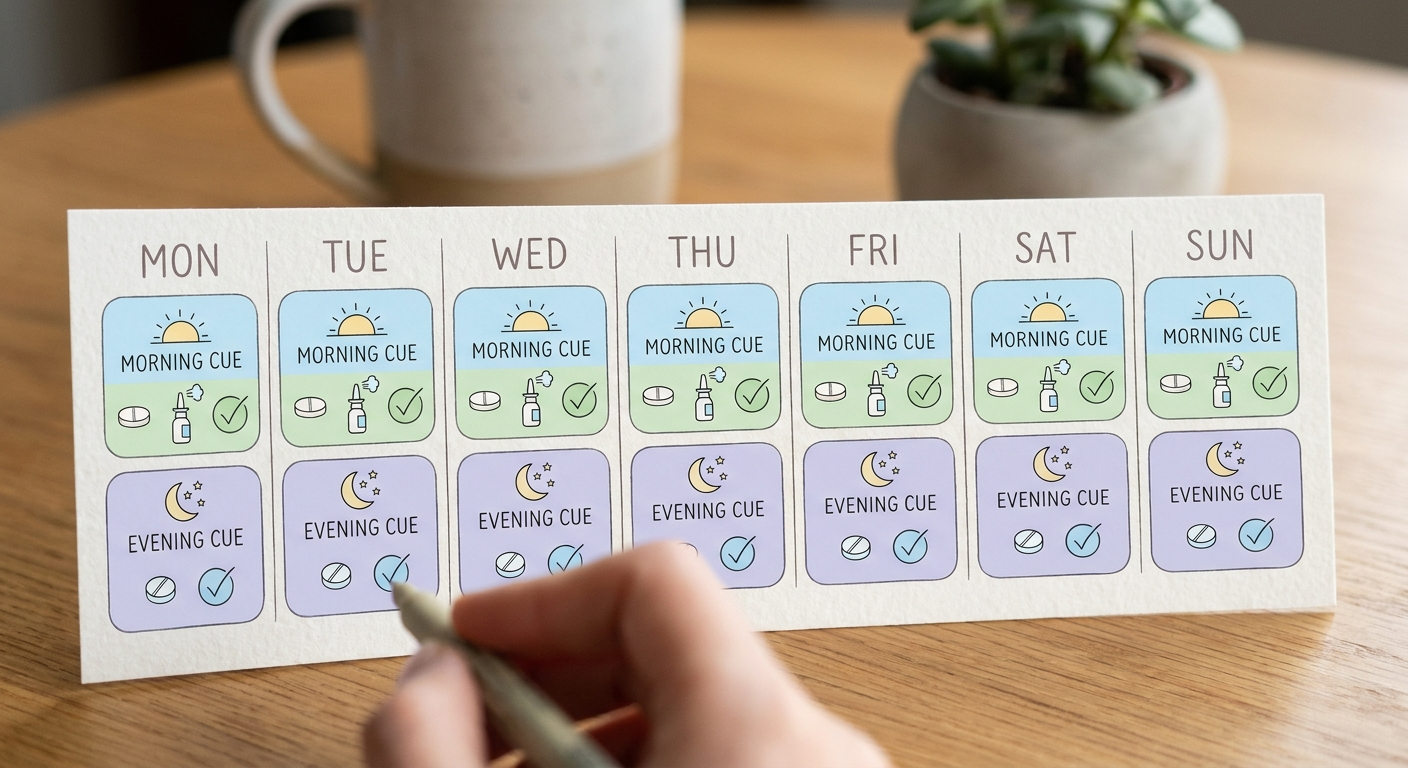
- More consistent symptom control. A daily routine can reduce symptom swings—especially in peak seasons—so you’re not always reacting after a flare. Nasal sprays, in particular, tend to work best when used consistently.
- Better sleep and daytime energy. When nighttime congestion and postnasal drip improve, sleep often improves too, which may support better daytime focus and energy.
- Fewer issues tied to uncontrolled inflammation. Controlling nasal inflammation may reduce mouth-breathing and lessen sinus or ear pressure complaints.
- Helps you stick with a routine during peak seasons. Consistency matters for several allergy medicines—especially nasal sprays. If timing is tricky, this guide can help with scheduling and drowsiness considerations: https://sleepandsinuscenters.com/blog/best-times-to-take-allergy-medicine-morning-vs-night
Small, steady improvements—especially in sleep—often add up over a week or two of consistent use.
Best Daily OTC Options (Patient-Friendly Comparison)
- Second-generation (newer) oral antihistamines — commonly chosen for daily use. Often labeled non-drowsy, but some people may still feel sleepy; individual response varies.
Cetirizine — May help sneezing, itching, runny nose; some eye symptoms. Pros: strong control; once-daily dosing. Cons: mild drowsiness is more common for some users. Safety: generally favorable when used as directed.
Loratadine — May help sneezing, itching, runny nose. Pros: typically low sedation; once-daily dosing. Cons: may feel less strong for some people. Safety: common OTC choice with broad use history.
Fexofenadine — May help sneezing, itching, runny nose. Pros: among the least sedating for many; flexible dosing options. Cons: may be less helpful for congestion. Safety: generally well-tolerated; follow label directions.
Desloratadine (related option) — Similar symptom coverage as loratadine. Pros: once-daily; typically low sedation. Note: availability varies by country. Safety: similar class considerations.
Practical tip: try one option consistently (as directed) for a short stretch, reassess, and if needed switch within the same class before giving up on antihistamines entirely.
- Intranasal corticosteroid sprays — often recommended for persistent nasal congestion. Treat nasal passage inflammation and are often more effective for congestion than oral antihistamines. May help congestion, runny nose, sneezing, and postnasal drip driven by inflammation. Onset: some relief within 12–24 hours; full benefit often takes several days to 1–2 weeks of consistent use. Long-term safety: generally considered safe at recommended doses. Common examples: fluticasone, budesonide, mometasone. Because these are build-up medicines, sporadic use can feel ineffective—consistency is key.
- Intranasal antihistamines (an optional step-up). May provide faster relief of runny nose and sneezing. Possible downsides: bitter taste; some users feel drowsy.
- Combination therapy (when one medicine isn’t enough). For moderate-to-severe or persistent symptoms, some people use a daily nasal steroid spray plus a daily second-generation oral antihistamine. Safety note: avoid accidentally doubling the same ingredient across multi-symptom products; a pharmacist can help review labels.
A short, consistent trial of a single option—then adjusting based on results—is often the simplest way to find a good fit.
Medicines to Avoid (or Use With Extra Caution) for Daily Use
- First-generation antihistamines (e.g., diphenhydramine, chlorpheniramine). These older antihistamines can cause sedation and anticholinergic effects (dry mouth, constipation, urinary retention) and may impair driving or learning and increase fall risk—especially in older adults. Generally discouraged for routine daily use.
- Decongestant nasal sprays. Not designed for continuous daily use. Overuse can lead to rebound congestion (worse stuffiness when the spray wears off).
- Montelukast (Singulair). Reserved for selected patients—especially when allergic rhinitis coexists with asthma—after a personalized risk/benefit discussion. Carries an FDA boxed warning about potential neuropsychiatric side effects; use is generally limited to cases where expected benefits outweigh risks.
If a product promises instant decongestion, check the label—short-term tools aren’t always safe or effective for long-term, daily use.
Side Effects of Daily Allergy Medicine (What to Watch For)
- Second-generation oral antihistamines: possible side effects include mild drowsiness (more likely with cetirizine), headache, and dry mouth. Tips: if one non-drowsy option makes you sleepy, consider a different second-generation option or a different dosing time per label; avoid mixing with other sedating medications unless advised.
- Intranasal corticosteroids: possible side effects include nose irritation or dryness, minor nosebleeds, and throat irritation. Technique tips to reduce irritation: aim the spray slightly outward (away from the center septum); consider a saline rinse or spray if dryness is an issue.
- When side effects are a red flag: seek guidance if you experience severe sleepiness or confusion, palpitations, worsening mood changes (notably with montelukast), or persistent nosebleeds or significant nasal pain.
If something feels more intense than expected, don’t power through it—pause and get guidance.

How to Choose a Daily Allergy Medicine for Your Symptoms
- If sneezing, itching, and runny nose dominate: many people start with a second-generation oral antihistamine.
- If congestion dominates: people with persistent congestion often respond better to a daily intranasal corticosteroid spray than to an antihistamine alone.
- If symptoms are year-round: indoor triggers (dust mites, pets, mold) are common. Environmental steps plus a consistent plan can matter as much as the product itself.
- If OTC options don’t control symptoms: consider evaluation—including allergy testing and a broader plan (which may include prescription options or immunotherapy): https://sleepandsinuscenters.com/allergy-testing
Match the medicine to the symptom pattern, and reassess if results aren’t where you want them after a fair trial.

Special Situations (Safety and Personalization)
- Pregnancy and breastfeeding: loratadine and cetirizine are commonly discussed options, but choices should be individualized with your obstetric or primary care clinician.
- Kids and teens: use age-appropriate dosing and formulations; be cautious with sedating products unless specifically advised. Monitor school performance, behavior, and sleep after starting any new medicine.
- Older adults: typically avoid routine first-generation antihistamines due to sedation, falls, and anticholinergic effects. Review all medications (including OTC products) with a clinician or pharmacist if issues like dizziness, constipation, confusion, or urinary retention arise.
- People with asthma: controlling allergic rhinitis may support overall asthma control. Montelukast can be discussed in select situations, with close follow-up if used due to its boxed warning.
When pregnancy, age, asthma, or other conditions are in play, professional guidance helps tailor safer choices.
Lifestyle Tips That Make Daily Medicine Work Better
- Reduce exposure at home: consider HEPA filtration (especially in bedrooms); dust-mite covers for pillows and mattresses; wash bedding in hot water; consider pet boundaries in sleeping areas. Prioritize the bedroom first for outsized payoff.
- Pollen habits that reduce symptoms: shower and change clothes after outdoor time; keep windows closed on high-pollen days. Track local pollen here: https://sleepandsinuscenters.com/georgia-pollen-tracker
- Nasal care routines: saline rinse or spray (often before steroid sprays) can help clear allergens and may improve spray effectiveness.
- Track triggers: a simple symptom diary plus local pollen data can help you anticipate flare-ups and time prevention strategies. If timing your medicine is a challenge, this overview may help: https://sleepandsinuscenters.com/blog/best-times-to-take-allergy-medicine-morning-vs-night
Lowering your allergen load, especially where you sleep, makes medications work harder for you.

When to See a Clinician (or an ENT/Allergist)
Consider an evaluation if symptoms persist despite consistent OTC use (often 2–4 weeks); you have frequent sinus infections, severe congestion, or ongoing sleep disruption; you want a long-term plan and guidance on daily allergy medicine choices; or you’re concerned about side effects, interactions, or complex medical history.
For personalized care—especially for stubborn congestion, sleep disruption, or year-round symptoms—you can book an appointment with Sleep & Sinus Centers: https://www.sleepandsinuscenters.com/
If you’ve given OTC options a fair, consistent trial without relief, it’s time for a tailored plan.
FAQs About Daily Allergy Medicine
- Is it safe to take allergy medicine every day? Second-generation antihistamines and intranasal corticosteroid sprays are commonly used long-term when taken as directed, with broad safety experience reported in clinical references and guidelines.
- What’s better for daily allergies—an antihistamine pill or a steroid nasal spray? It depends on symptoms. Antihistamine pills can be excellent for sneezing, itching, and runny nose, while steroid sprays are frequently better for persistent congestion and overall nasal inflammation control.
- Why do some allergy medicines make me sleepy even if they say non-drowsy? Even non-drowsy options can cause mild sedation in some people due to individual sensitivity and differences among products (cetirizine is more likely than fexofenadine for many).
- Can I take two allergy medicines at the same time? Combination therapy is sometimes used (for example, a nasal steroid plus a second-generation antihistamine). The main caution is avoiding duplicate ingredients across multi-symptom products; a pharmacist or clinician can help review labels.
- Should I avoid Benadryl (diphenhydramine) for daily use? For routine daily use, first-generation antihistamines like diphenhydramine are generally discouraged due to sedation and anticholinergic side effects, especially in older adults.
- Is montelukast safe? It can be appropriate for selected patients, but it carries an FDA boxed warning about potential neuropsychiatric side effects and is generally used only when expected benefits outweigh risks.
- What’s the best daily allergy medicine during pregnancy? Loratadine and cetirizine are commonly discussed options, but choices in pregnancy should be confirmed with your prenatal care team as individualized guidance.
References
1. StatPearls. Antihistamines (2023). https://www.ncbi.nlm.nih.gov/books/NBK538188/
2. Randall et al. (2018). Review (PMC). https://pmc.ncbi.nlm.nih.gov/articles/PMC5895478/
3. Cleveland Clinic. Antihistamines (2024). https://my.clevelandclinic.org/health/treatments/antihistamines
4. NHS. Antihistamines (2024). https://www.nhs.uk/medicines/antihistamines/
5. AAAAI. Rhinitis 2020: A practice parameter update (2020). https://www.aaaai.org/Aaaai/media/Media-Library-PDFs/Allergist%20Resources/Statements%20and%20Practice%20Parameters/Rhinitis-2020-A-practice-parameter-update.pdf
This article is for educational purposes only and is not medical advice. Please consult a qualified healthcare provider for diagnosis and treatment.
Don’t let allergies slow you down. Schedule a comprehensive ENT and allergy evaluation at Sleep and Sinus Centers of Georgia. We’re here to find your triggers and guide you toward lasting relief.