Chronic Sinusitis and Sleep Problems: How It Impacts Energy and Focus
If you’re dealing with chronic sinusitis and sleep problems, the pattern can feel frustratingly predictable: you can’t breathe well at night, you wake up repeatedly, and the next day you’re dragging—sometimes with “brain fog” that makes work and life feel harder than they should. Research consistently shows that sleep disruption is a major (and common) part of chronic rhinosinusitis. [1–3]
Many people describe it as trying to sleep with a “partially pinched straw” for a nose. Even if you’re technically in bed for 7–9 hours, the constant effort to breathe, clear your throat, or shift positions can keep your sleep shallow and broken.
Quick Take: The Sinus–Sleep–Fatigue Connection
Key stat: About 60–75% of people with chronic rhinosinusitis report poor sleep quality—higher than the general population. [1]
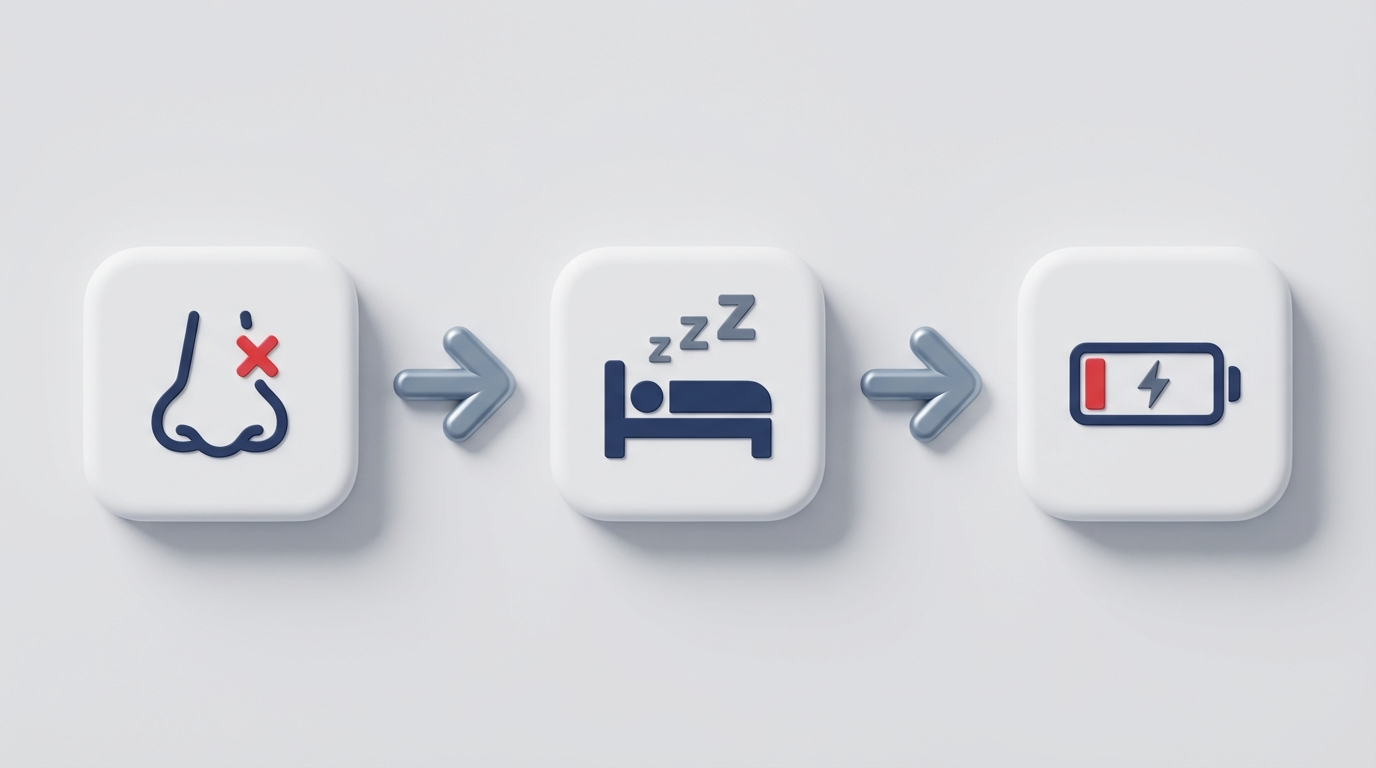
What many patients notice is a chain reaction: nasal obstruction at night → lighter, more broken sleep → sinusitis fatigue → reduced focus and motivation the next day. [1–3] For many people, improving sinus control improves sleep. In some cases, though, a second issue (like sleep apnea) may also be contributing. [4]
A common patient comment sounds like: “I’m exhausted, but I can’t tell if it’s the sinuses or my sleep.” In reality, it’s often both—each one amplifying the other.
For a deeper explanation of how sinus symptoms affect sleep, see our related article: https://sleepandsinuscenters.com/blog/how-sinus-issues-affect-sleep-quality-and-ent-solutions
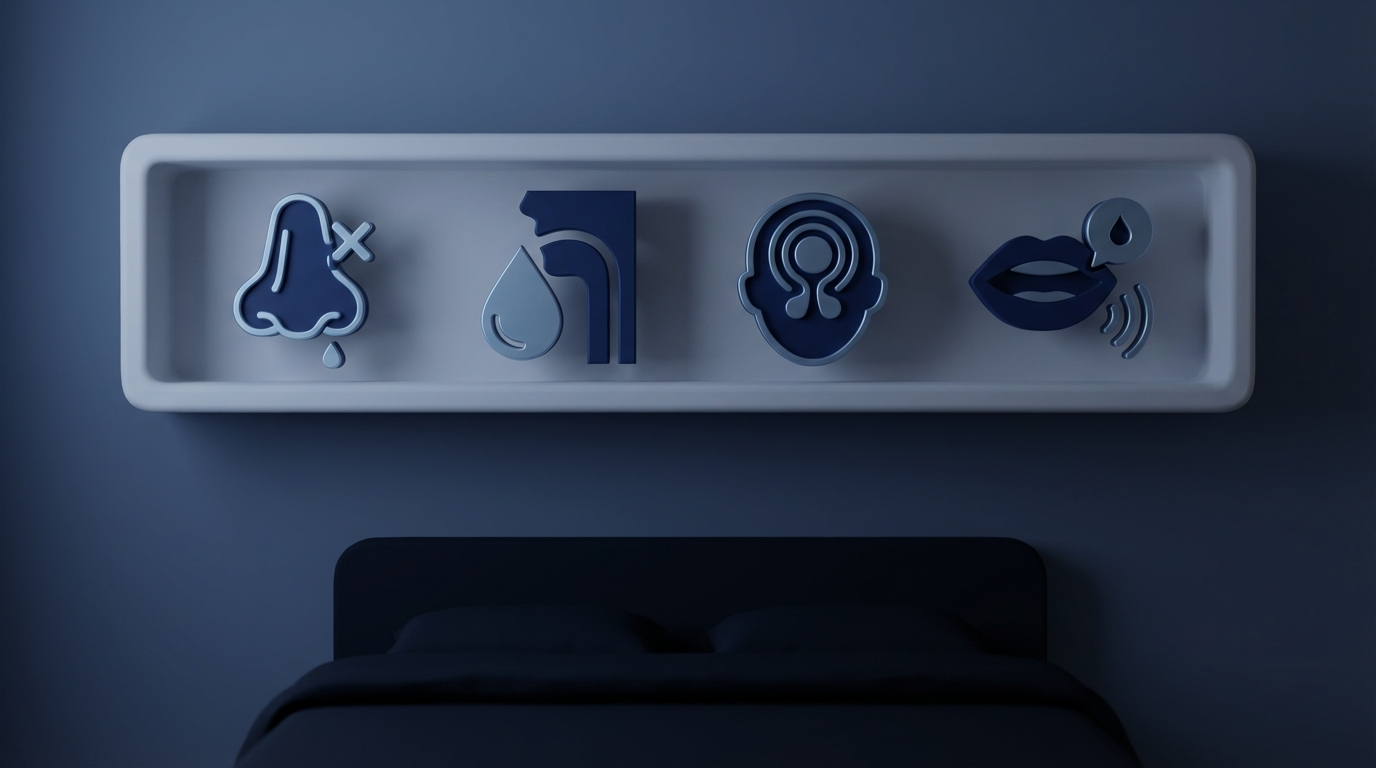
Nighttime CRS symptoms, how they disrupt sleep, and where people often start (educational)
- Stuffy/blocked nose
- How it disrupts sleep: Mouth-breathing, dry mouth, frequent awakenings
- What to consider first: Saline nasal rinses, humidity check, head elevation
- Postnasal drip
- How it disrupts sleep: Throat clearing or cough leading to sleep fragmentation
- What to consider first: Saline nasal rinses, addressing irritants/allergies, and clinician-guided timing of medications
- Facial pressure/headache
- How it disrupts sleep: Harder to fall asleep; can wake you up
- What to consider first: ENT-guided anti-inflammatory sinus care plan, steady sleep routine
- Snoring/waking up gasping
- How it disrupts sleep: Possible breathing disorder during sleep
- What to consider first: Consider a sleep evaluation if persistent or severe
Bottom line: Treating nasal obstruction and drip can reduce sleep fragmentation and next-day fatigue for many people.
What Counts as “Chronic Sinusitis” (Chronic Rhinosinusitis)?
CRS definition in plain language
Chronic rhinosinusitis (CRS) generally means sinus and nasal symptoms lasting 12 weeks or longer along with ongoing inflammation in the nose and sinus passages. [1]
For an overview of symptoms and why CRS can persist, visit: https://sleepandsinuscenters.com/chronic-sinusitis
CRS vs. a “normal” cold or acute sinus infection
A cold or short-term sinus infection tends to improve within days to a couple of weeks. CRS is different: symptoms linger for months, often fluctuating, and can include congestion, drainage, reduced smell, and facial pressure. [1]
One clue patients notice: with CRS, you may have “good days and bad days,” but you never fully reset back to normal breathing and clear-headed sleep for long.
Why CRS is more than “just congestion”
CRS is an inflammatory condition. That inflammation can affect how you feel overall—especially your sleep quality and daytime functioning. Studies link CRS with impaired sleep and broader quality-of-life impacts. [1–3]
Think of it like living with a low-grade, persistent alarm system in the background: even without a fever, ongoing inflammation can still drain your energy and make sleep feel less restorative.
In short, CRS is chronic inflammation that often disrupts sleep and day-to-day functioning over time.
How Chronic Sinusitis Disrupts Sleep
The most common sleep-disrupting CRS symptoms
People with chronic sinusitis and sleep problems often report:
- Nasal obstruction or a blocked nose (worse when lying down), making it harder to breathe comfortably through the nose. [1,4]
- Postnasal drip with throat clearing or cough that can repeatedly interrupt sleep. [4]
- Facial pressure/pain and headaches, which can make it harder to fall asleep or stay asleep. [1]
- Dry mouth from mouth-breathing, nighttime awakenings, and unrefreshing sleep. [4]
In practical terms, this can look like waking at 1:00 a.m. to drink water because your mouth is dry, then waking again at 3:00 a.m. to clear your throat, then rolling side-to-side at 5:00 a.m. trying to “find the less blocked nostril.”
The “inflammation” factor (why you feel unwell even without a fever)
CRS-related inflammation isn’t always dramatic like a high fever—but it can still contribute to feeling “run down.” Chronic inflammation is associated with worse perceived sleep quality and fatigue in CRS populations. [1–3]
Some people are surprised by how “whole-body” it feels. That’s because poor sleep doesn’t just make you tired—it can also make discomfort feel louder and recovery feel slower.
Why nights can be worse than days
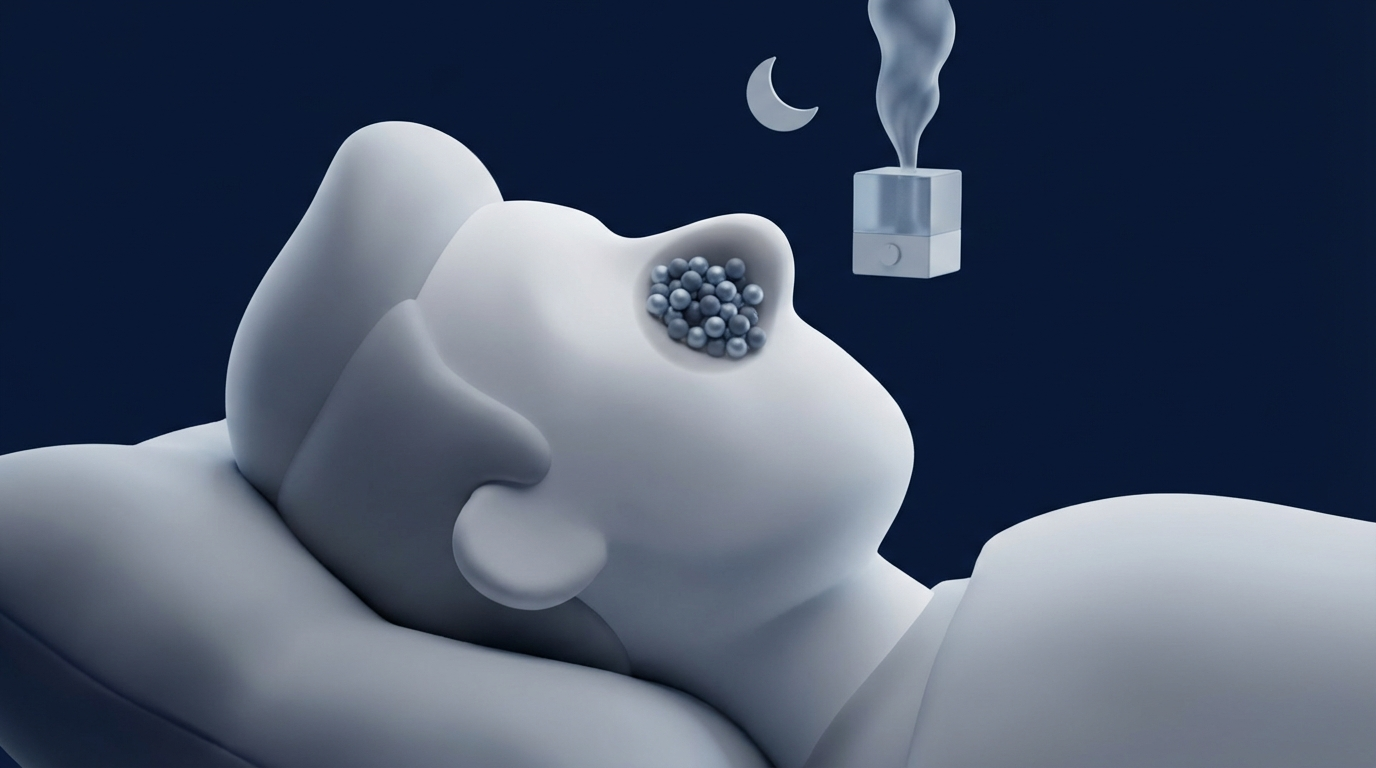
Symptoms often intensify at bedtime due to a few common factors:
- Position changes (lying down can increase the feeling of congestion)
- The normal nasal cycle (one side swelling more than the other at different times)
- Bedroom triggers like dust mites, pet dander, or dry air, which can aggravate nighttime congestion. [2,4]
If you wake up clearer after a shower or feel worse in one specific room, that “environment clue” is worth mentioning to your clinician.
When CRS inflammation meets bedroom triggers and sleep position, nights often feel tougher than days.
Symptoms Patients Notice the Next Day (Energy + Focus)
Fatigue and low energy
When sleep is fragmented, your body may not reach or maintain deeper, restorative sleep stages. That’s a common reason sinusitis fatigue shows up even when you spent “enough time” in bed. [1–3]
Patients often describe a specific kind of tired: not just sleepy, but “heavy,” as if their battery never reaches a full charge overnight.
Brain fog, concentration problems, and lower productivity
Many people connect CRS to feeling mentally “off”: reduced attention, slower thinking, and memory slips. Research on CRS burden describes impacts that align with what patients call sinus inflammation brain fog, especially when sleep is poor. [1–3] It can also show up as chronic sinusitis focus and concentration difficulties during meetings, schoolwork, or driving.
Concrete examples people mention include rereading emails multiple times, losing words mid-sentence, or making simple mistakes that aren’t typical for them—especially after a night of repeated awakenings.
Mood effects that can “look like stress”
Poor sleep can affect mood—irritability, low motivation, and feeling overwhelmed. CRS also carries a mental health burden for many patients, which can overlap with sleep disruption. [1,5] For more on this topic, see: https://sleepandsinuscenters.com/blog/chronic-sinusitis-and-mental-health-exploring-the-ent-connection
A helpful way to frame it is: when your sleep is unstable, your emotional “buffer” can shrink. Minor hassles feel bigger, and social or work demands can feel harder to manage.
If your nights are broken, next-day energy, focus, and mood often take a hit.
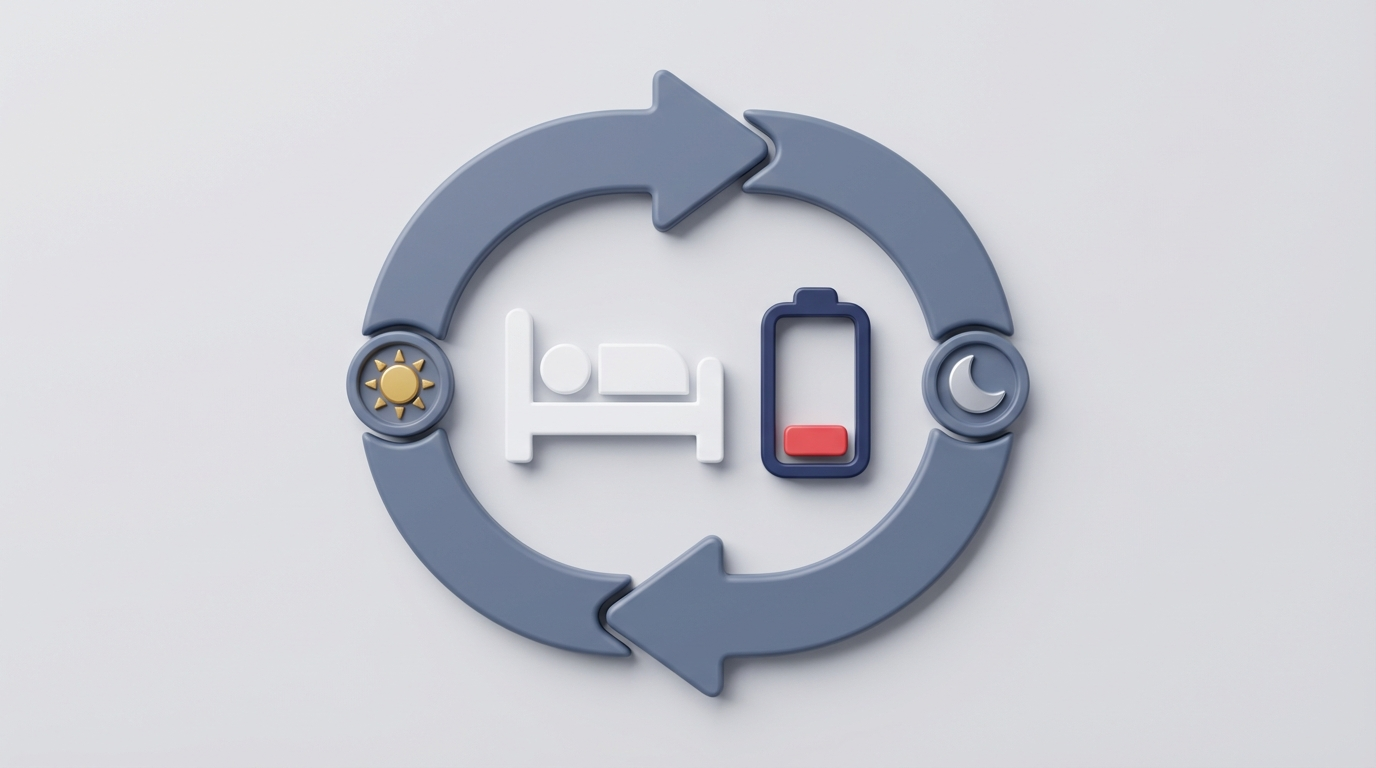
The Vicious Cycle: Why CRS Can Snowball Into Chronic Exhaustion
How sinus symptoms worsen sleep
With nasal obstruction at night, postnasal drip, and discomfort, you may wake more often or spend more time in lighter sleep. Over time, that can add up to feeling persistently depleted. [1,4]
This is why some people say they “sleep lightly” or feel like they’re “half-awake” all night—your body keeps checking in on breathing comfort.
How poor sleep worsens sinus symptoms
Poor sleep can change how you perceive discomfort and can reduce your “bandwidth” for coping with symptoms. Many CRS studies emphasize the close relationship between symptom burden, sleep quality, and next-day functioning. [1–3]
In everyday life, that can mean you’re more likely to skip routines that help (like rinses), reach for quick fixes, or feel discouraged—making it easier for symptoms to persist.
What this does to quality of life
People often notice:
- Work or school performance slipping (mistakes, slower output)
- Less patience at home
- Lower energy for exercise or social time
- Reduced driving alertness on rough mornings [1–3]
For many, the most frustrating part is the unpredictability: you might plan a productive day, only to lose momentum by mid-morning because your sleep wasn’t restorative.
Breaking the sinus–sleep cycle is key to regaining steady energy and focus.
Common Causes & Triggers That Make Nighttime CRS Worse
Structural or airflow issues
Anatomy can play a role. A deviated septum, enlarged turbinates, or nasal valve narrowing can reduce airflow and contribute to nighttime blockage. [4]
Even a mild structural issue can feel much bigger at night, when lying down and the nasal cycle naturally shift airflow.
Allergies and chronic rhinitis overlap
CRS often overlaps with allergic disease and chronic rhinitis. Bedroom allergens (dust mites, pet dander) or seasonal pollen can drive nighttime congestion and reduce chronic rhinosinusitis sleep quality. [2,4]
A common pattern is “fine during the day, worse at night,” especially if your bedding, carpeting, or pets increase exposure in the bedroom.
Environmental irritants
Smoke exposure, strong fragrances, and very dry indoor air can irritate nasal tissue and worsen symptoms—especially overnight.
Ongoing inflammation with or without nasal polyps
Some people have CRS with nasal polyps, which can significantly worsen obstruction and smell changes. [1]
Targeting triggers—anatomy, allergens, and irritants—can reduce nighttime blockage and awakenings.
When Sleep Problems Might Be More Than Sinuses (Important)
Signs to ask about sleep apnea
- Loud, habitual snoring
- Witnessed breathing pauses
- Waking up gasping or choking
- Morning headaches
- Significant daytime sleepiness [4]
Why CRS and sleep apnea can overlap
Nasal blockage may worsen breathing comfort at night and can complicate tolerance of some sleep therapies. Even when sinuses are part of the story, it’s important not to miss an additional sleep disorder. [4]
A clinician might put it this way: “We want to treat what we can see in the nose and sinuses—but we also don’t want to overlook what’s happening deeper in sleep.”
When to get evaluated
Consider an evaluation if you’re consistently exhausted despite adequate time in bed, or if chronic sinusitis and sleep problems persist despite basic measures.
If snoring, gasping, or profound sleepiness are present, a sleep evaluation can clarify the full picture.
Diagnosis: How an ENT Evaluates CRS and Sleep-Related Complaints
History: the symptom pattern matters
An ENT typically looks at how symptoms behave over time (12+ weeks), what worsens them (nighttime, seasons, bedrooms), and what you’ve already tried. Medication history matters too—especially frequent use of decongestant sprays, which can lead to rebound congestion.
It can also help to describe the sleep “shape” of the problem: Do you wake at predictable times? Is congestion worse on one side? Do you feel sleepy or wired-tired?
Nasal exam / nasal endoscopy
A nasal endoscopy is a targeted in-office look inside the nasal cavity. It can help identify swelling, drainage, crusting, or polyps that may be driving symptoms. [4]
Imaging (CT scan) when needed
A CT scan can show chronic inflammation patterns and help guide next-step treatment planning in the right clinical context. [4]
Sleep evaluation (when indicated)
If symptoms suggest sleep-disordered breathing, a clinician may discuss home sleep testing or in-lab testing depending on your situation and medical history.
Sharing a clear timeline and sleep pattern with your ENT helps tailor an effective plan.

Treatments That Can Improve Sleep, Energy, and Focus
Treatment usually works best as a stepwise plan, tailored to your triggers, anatomy, and inflammation pattern.
Foundational at-home and OTC strategies (often first line)
Many care plans start with:
- Saline nasal rinses (with proper technique and safe water practices)
- Humidity optimization (overly dry air can aggravate irritation)
- Sleep-position adjustments (some people do better with head elevation; others with side-sleeping) [4]
These steps don’t “cure” CRS by themselves, but they can reduce nighttime friction—less dryness, less drip, and fewer wake-ups for some patients.
Prescription options (common ENT pathways)
Depending on symptoms and exam findings, ENT-directed options may include:
- Intranasal steroid sprays or steroid rinses to address inflammation. [1]
- Allergy-focused medications when allergic triggers are present.
- Antibiotics only when a bacterial infection is suspected, since CRS is frequently inflammatory and not always due to active infection. [1]
Targeting underlying allergies (when they’re driving symptoms)
If allergies are a major driver, your clinician may discuss testing and longer-term strategies. Basic bedroom trigger control (bedding hygiene, minimizing dust reservoirs, pet considerations) can be part of a comprehensive plan. [2]
Office-based and surgical options (when symptoms persist)
When symptoms remain significant despite appropriate medical therapy, procedures may be considered to improve sinus drainage and/or nasal airflow. Outcomes vary by patient and diagnosis, but improving nasal breathing can support better sleep continuity for some people. [1,4]
For a structured overview of options, see: https://sleepandsinuscenters.com/chronic-sinusitis-treatment
What outcomes patients can reasonably expect
Many patients report improvements in nasal breathing and sleep after effective CRS management, but results depend on factors like anatomy, allergies, polyp status, and whether another sleep disorder is also present. [1,4]
It can help to aim for realistic milestones—fewer awakenings, less morning dryness, better daytime stamina—rather than expecting a perfect night immediately.
Targeting inflammation, triggers, and airflow—step by step—often leads to better sleep and clearer days.
Lifestyle Tips for Better Sleep When You Have Chronic Sinusitis
Nighttime routine for easier breathing
Common approaches (educational, not individualized medical advice) include consistent saline nasal rinse timing, showering before bed during heavy allergy seasons, and reducing irritant exposures in the evening.
Some people also find it useful to “front-load” breathing support—doing the routine early enough that you’re not rushing right before lights-out.
Optimize your sleep environment
- Consider whether bedroom air is too dry
- Keep bedding clean to reduce allergen load
- Some households explore filtration strategies to reduce irritants and particulates
If you suspect bedroom triggers, changing one variable at a time (rather than everything at once) can make it easier to tell what actually helps.
Smart medication timing (ask your clinician)
Some medications can be sedating, while others can be stimulating or drying. Topical decongestant sprays can cause rebound congestion if overused—something to specifically ask about if you’re stuck in a cycle of worsening nighttime blockage.
Small, consistent adjustments to your routine and bedroom often add up to better nights.
When to See an ENT (and What to Bring to Your Visit)
Red flags / urgent symptoms
Seek urgent evaluation for symptoms such as high fever with severe illness, swelling around the eye, vision changes, severe headache with neck stiffness, worsening one-sided facial symptoms, or neurologic symptoms.
Practical “bring this” checklist
- A symptom timeline (when it started, what changed)
- What you’ve tried (including sprays, rinses, antibiotics, allergy meds)
- Your sleep complaints (awakenings, snoring, morning headaches, daytime sleepiness)
- Allergy history and seasonal patterns
If you’re ready for a personalized plan, you can book an appointment here: https://www.sleepandsinuscenters.com/
If symptoms persist beyond 12 weeks or meaningfully affect your days, a focused ENT visit is worth it.
FAQs
Can chronic sinusitis cause insomnia?
It can contribute. Nasal blockage, facial pressure, and sleep disruption from postnasal drip can trigger frequent awakenings and difficulty staying asleep. [1,4]
Why do I feel exhausted even when I sleep 8 hours?
Time in bed isn’t the same as restorative sleep. CRS can cause repeated micro-awakenings and lighter sleep, leading to persistent fatigue. If snoring or gasping is present, another condition like sleep apnea may also be worth evaluating. [1–4]
Can chronic sinusitis cause brain fog or trouble concentrating?
Many patients report cognitive symptoms—often described as sinus inflammation brain fog—especially when sleep quality is poor. Research on CRS burden supports these quality-of-life and functioning impacts. [1–3]
Does treating my sinuses really help energy and focus?
When sleep improves, energy and concentration often improve too. Response varies based on triggers (like allergies), anatomy, inflammation pattern, and whether another sleep issue is contributing. [1–4]
What’s the fastest way to sleep with a blocked nose?
There isn’t one universal fix, but common short-term strategies people discuss with clinicians include saline rinses, environment adjustments (humidity and irritants), and clinician-guided medication use. Avoid overusing decongestant sprays due to rebound congestion risk.
Conclusion: Breaking the Cycle
Chronic sinusitis and sleep problems often reinforce each other: nighttime congestion and drip disrupt sleep, and poor sleep worsens how you feel the next day—fueling fatigue, low motivation, and “brain fog.” [1–3] If symptoms have lasted 12+ weeks, affect daytime function, or come with snoring or gasping, it’s worth getting evaluated so you’re not guessing at the cause. [4]
To learn more about CRS basics and next steps, review: https://sleepandsinuscenters.com/chronic-sinusitis and https://sleepandsinuscenters.com/chronic-sinusitis-treatment. For a personalized plan, book an appointment: https://www.sleepandsinuscenters.com/
Addressing both sinus inflammation and sleep stability is the most reliable way to reclaim energy and focus.
Sources
[1] https://pmc.ncbi.nlm.nih.gov/articles/PMC5967413/
[2] https://www.annallergy.org/article/S1081-1206(23)01298-X/fulltext
[3] https://www.sciencedirect.com/science/article/pii/S2451994425000094/
[4] https://masseyeandear.org/conditions/sinus-disorders-and-sleep
[5] https://sleepandsinuscenters.com/blog/chronic-sinusitis-and-mental-health-exploring-the-ent-connection
Disclaimer
This article is for educational purposes only and is not medical advice. Please consult a qualified healthcare provider for diagnosis and treatment.
Don’t let allergies slow you down. Schedule a comprehensive ENT and allergy evaluation at Sleep and Sinus Centers of Georgia. We’re here to find your triggers and guide you toward lasting relief.