
Can You Drive After Balloon Sinuplasty? Post-Procedure Driving and Activity Restrictions Guide
One of the most common questions after an in-office sinus procedure is: can you drive after balloon sinuplasty? The answer is usually straightforward, but it hinges on a few practical safety factors—especially whether sedation was used and how you feel afterward.
In this guide, you’ll find clear if/then driving guidance, a simple readiness checklist, and the most common balloon sinuplasty recovery restrictions (like nose blowing, exercise, work, and errands). This is educational information only—always follow the personalized instructions from your clinician.
If you’d like a general overview of the procedure itself, start here: Balloon Sinuplasty at Sleep & Sinus Centers of Georgia: https://sleepandsinuscenters.com/balloon-sinuplasty
Quick answer—can you drive after balloon sinuplasty?
If you had no sedation
Many patients may be able to drive themselves home within an hour or a few hours after the procedure—if they feel normal and the office’s policy allows it. Many clinics will observe patients briefly before discharge to make sure they’re steady and comfortable. The key is safety, not the clock.
A quick safety self-check before you consider driving:
- You feel alert and oriented (no “foggy” feeling)
- No dizziness or lightheadedness
- Vision is clear
- Bleeding/drainage is minimal and manageable
- Pain/pressure is mild and controlled without sedating medication
- You can comfortably turn your head and focus
Even if you think you’ll be fine, some offices still prefer you bring a driver as a precaution. Be mindful that some over-the-counter combination cold medicines and certain antihistamines can be sedating, which would make driving unsafe.

If you had sedation
Do not drive until you are fully alert and your clinician has cleared you. As a general guideline, many patients are advised to avoid driving for at least several hours after sedation (often 6 or more) and commonly for the rest of the day, because sedative effects can linger and vary by medication and dose. The safest plan is to arrange a ride home and plan not to drive the same day.
Why this matters: sedation may slow reaction time, affect judgment, and cause grogginess or nausea—none of which mixes well with driving. Even if you feel awake, your attention and reflexes may still be compromised.

Why driving restrictions vary (what changes after the procedure)
Sedation effects (the No. 1 reason for “no driving” rules)
The biggest difference between “drive today” and “don’t drive today” is driving safety related to sedation. Sedation can cause:
- Drowsiness and delayed reflexes
- Reduced attention span and slower decision-making
- Nausea or unsteadiness
It can also interact with medications you might take afterward (for example, some pain relievers or anti-nausea medicines can be sedating). Even a mild sedating effect matters behind the wheel.
Post-procedure symptoms that can make driving unsafe (even without sedation)
Even without sedation, some people experience symptoms that can make driving a poor idea for a few hours:
- Nasal congestion or pressure
- Mild headache
- Watery drainage or blood-tinged mucus
- Fatigue
- Need to frequently wipe the nose
When deciding on driving, prioritize how you feel in real time—not a preset timeframe.
Common symptoms after balloon sinuplasty (what’s normal vs. not)
Typical/expected symptoms in the first 24–48 hours
Many patients notice mild, short-lived symptoms such as:
- Mild bleeding or blood-tinged mucus
- Congestion or stuffiness
- Facial pressure or tenderness
- Mild headache
- Tiredness (more common if sedation was used)
- Increased postnasal drip (mucus draining from the back of the nose into the throat)
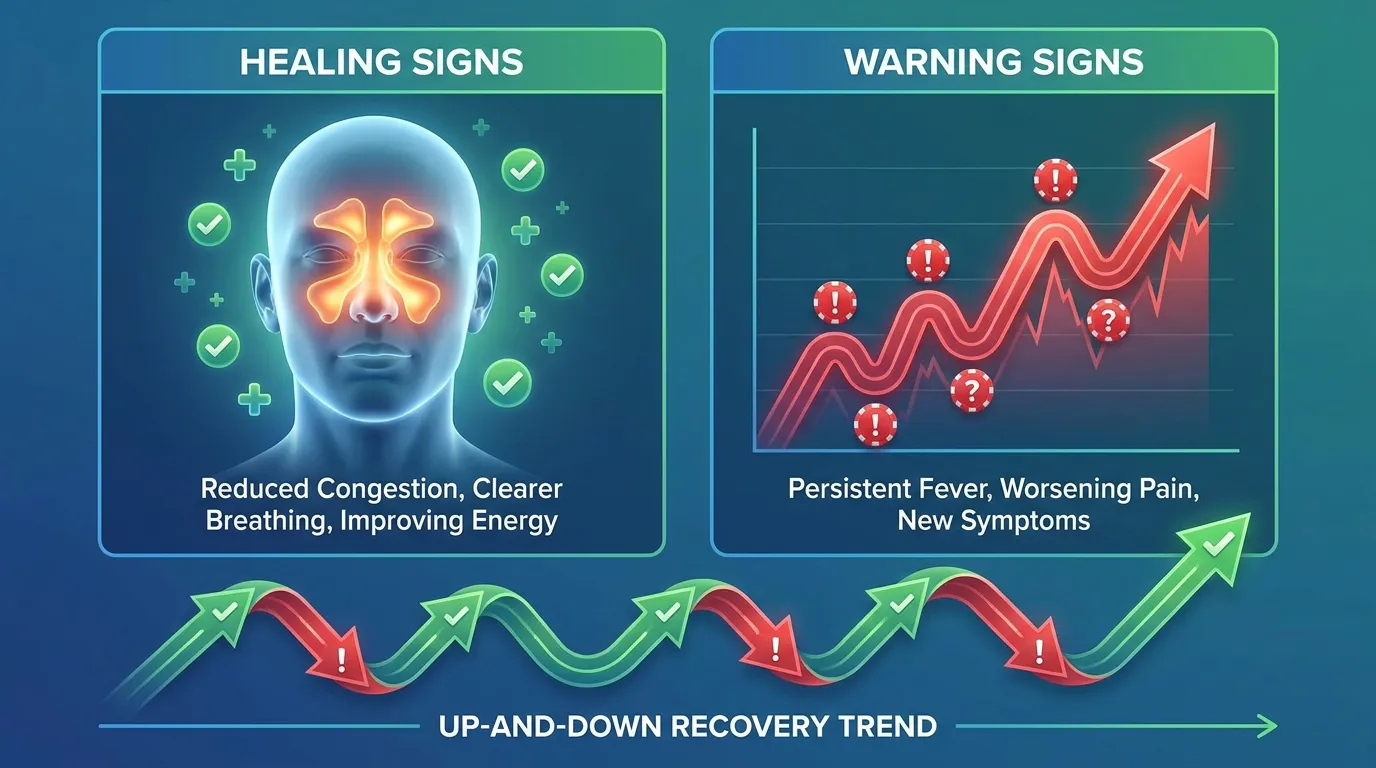
A reassuring rule of thumb: “mild and improving” tends to be expected. It’s when symptoms feel intense, escalating, or just not right for you that it’s worth checking in.
Call your ENT symptoms (red flags)
Contact your provider promptly if you notice:
- Heavy bleeding that doesn’t slow down
- Fever or worsening facial pain/pressure rather than gradual improvement
- Foul-smelling drainage
- Severe dizziness, fainting, or weakness
- Vision changes or swelling around the eyes
If symptoms feel severe or sudden, seek immediate medical help.
Bottom line: mild, improving symptoms are common; severe, worsening, or unusual symptoms deserve a prompt call to your ENT.

Post-procedure activity restrictions (Day 0 through Week 1)
Balloon sinuplasty typically allows a quick return to routine, but most clinicians recommend short-term activity limitations to support comfort and healing. For a day-by-day view, see our balloon sinuplasty recovery timeline: https://sleepandsinuscenters.com/blog/balloon-sinuplasty-recovery-timeline-day-by-day-he-20260120224024
Nose blowing restrictions (first 24–48 hours)
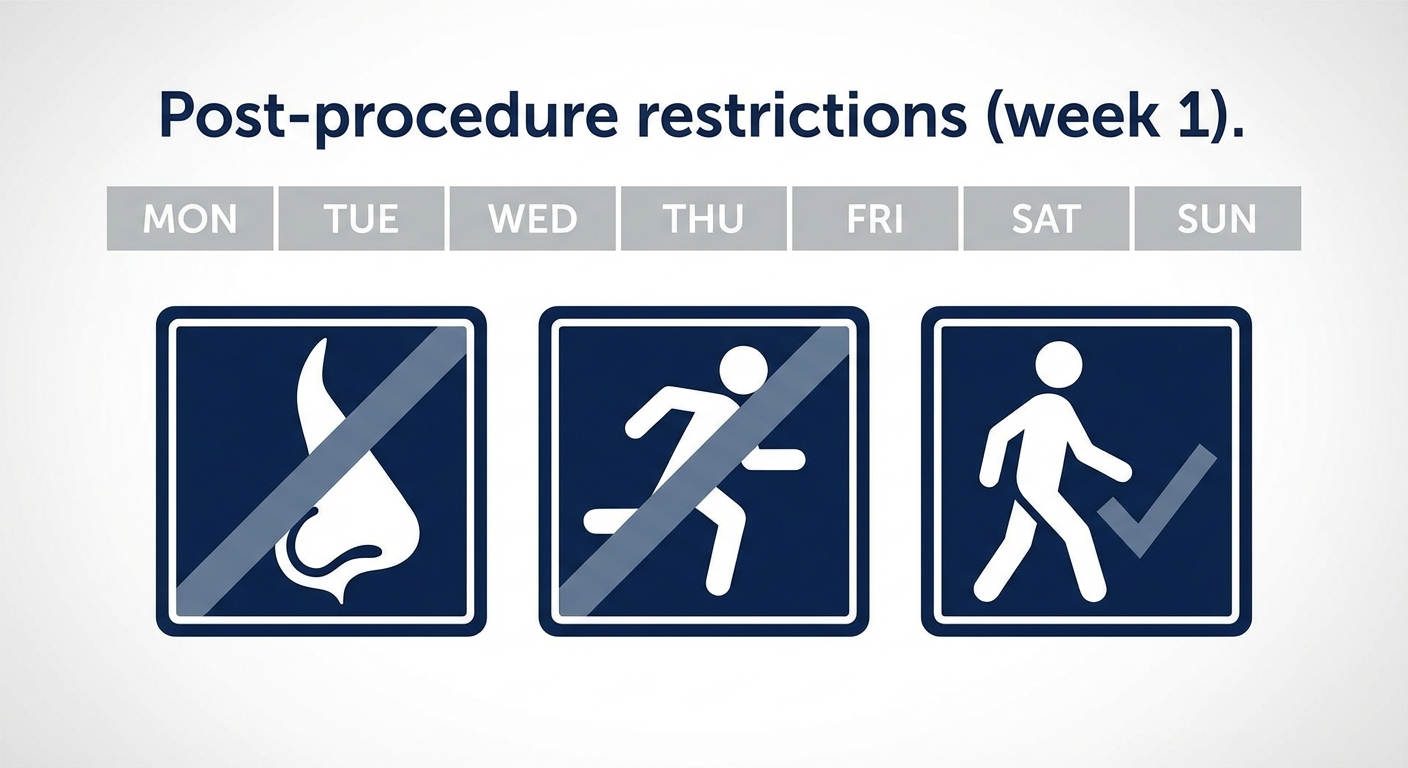
A common guideline is to avoid blowing your nose for 24–48 hours to reduce irritation and bleeding risk. Always follow your own provider’s instructions, which can vary depending on your procedure and health history.
Comfort measures your clinician may approve include:
- Gentle wiping (not forceful blowing)
- Humidified air
- Saline spray or rinses only if directed for your situation
Exercise and physical activity restrictions (about 1 week)
Many post-procedure instructions recommend avoiding strenuous exercise for about one week—this includes heavy lifting, intense cardio, and high-effort workouts. Light walking is often fine, but confirm what “light activity” means for you.
Work, school, and errands—when most patients return
Many people resume normal daily activities within 12 hours to 2 days, depending on symptoms, sedation, and job demands. If your work is physically demanding, involves heavy lifting, or requires driving long distances, you may need more time. Even for desk jobs, keep the first day simple.
In general, keep pressure low for the first week: avoid nose blowing initially, skip strenuous workouts, and ease back into routines as symptoms allow.
Driving readiness checklist (am I safe to drive?)
You may be ready to drive if all are true:
- You did not have sedation (or you’re past the restricted window and cleared)
- You feel fully alert (no grogginess)
- No dizziness or nausea
- Pain is controlled without sedating medication
- Bleeding/drainage is minimal
- You can turn your head comfortably and focus visually
Don’t drive if:
- You had sedation and are still within the restricted timeframe or have not been cleared
- You took opioid pain medication, sedating anti-nausea medication, certain antihistamines, or combination cold medicines that can cause drowsiness
- You feel foggy, unsteady, or unusually pressured/headachy
- You’re having active bleeding you can’t comfortably manage
When in doubt, choose the conservative option: arrange a ride and check with your clinician.

Recovery and comfort tips (at-home care)
Hydration and humidity
- Stay well-hydrated.
- Use a humidifier, especially in dry indoor air.
Saline use (only if approved)
- Saline spray or gentle rinses may help with dryness and mucus. Timing and technique matter—follow your clinician’s instructions.
Sleep positioning
- Rest with your head slightly elevated to reduce pressure and postnasal drip.
Avoid irritants
- Avoid smoke and vaping.
- Limit exposure to heavy fragrances, dust, and other irritants that can trigger congestion.
Gentle hydration, humidity, and elevation often go a long way toward comfort in the first few days.
Treatments and follow-up care (what your ENT may recommend)
After balloon sinuplasty, your provider may recommend:
- Pain relief options (often non-opioid)
- Antibiotics or steroids in select cases
- Nasal sprays (saline and/or medicated sprays), based on your needs
Follow-up visit
Follow-up allows your clinician to check healing, address crusting or persistent congestion, and adjust medications or home-care steps. If something feels “small but nagging” (like congestion that won’t budge), bring it up—minor tweaks can help.
Keep your follow-up appointment so your recovery stays on track and questions are answered early.
FAQs
Can I drive myself home after balloon sinuplasty?
It depends on sedation. If you had no sedation and you feel alert (no dizziness, vision changes, or significant bleeding), some patients may be able to drive themselves home—subject to office policy and a brief observation period. If you had sedation, arrange a ride home and avoid driving until cleared.
How long after sedation can I drive?
Wait until you are fully alert and cleared by your clinician. As a general guideline, many patients avoid driving for at least several hours after sedation (often 6 or more) and commonly for the rest of the day, because effects vary by medication and dose.
When can I go back to work after balloon sinuplasty?
Many people return to normal daily activities in 12 hours to 2 days, depending on symptoms, sedation, and job demands.
When can I exercise again?
Light activity may be possible sooner, but many instructions recommend avoiding strenuous exercise for about one week. Confirm what’s right for you.
Can I blow my nose after balloon sinuplasty?
Many guidelines suggest avoiding nose blowing for 24–48 hours, then following your provider’s specific instructions. Your recommendations may differ based on your procedure details.
What if I feel fine—do I still need a driver?
If sedation was used, plan on having a driver even if you feel okay initially. If no sedation was used, it may depend on how you feel and your clinic’s policy—many patients still prefer to arrange a driver “just in case.”
If you’re comparing procedures, you may find these helpful:
- Does Balloon Sinuplasty Hurt? Pain Levels & What to Expect: https://sleepandsinuscenters.com/blog/does-balloon-sinuplasty-hurt-pain-levels-and-pain-20260121051035
- Balloon Sinuplasty vs. Traditional Sinus Surgery: https://sleepandsinuscenters.com/blog/balloon-sinuplasty-vs-traditional-sinus-surgery-wh-20260121035146
When to call your provider (safety section)
Urgent symptoms—seek urgent medical attention:
- Heavy bleeding
- Severe headache that feels abnormal or rapidly worsening
- Fever with worsening facial swelling
- Vision changes, eye swelling, or severe bruising around the eyes
- Confusion, fainting, or severe dizziness
Non-urgent but important—contact your provider:
- Congestion that feels prolonged or significantly worsening
- Medication side effects (especially anything affecting alertness)
- When to restart exercise, nasal rinses, or other routine activities
- Whether your symptoms are within the expected range
If something feels off or is getting worse instead of better, call—early guidance prevents setbacks.
Conclusion
So, can you drive after balloon sinuplasty? Most of the time, it comes down to sedation and how you feel. If sedation is used, plan not to drive until you’re fully alert and cleared—often meaning no driving the rest of the day. Many people resume everyday activities within 12 hours to 2 days, while common recovery restrictions include avoiding nose blowing for 24–48 hours and avoiding strenuous exercise for about one week. If you’re unsure what type of anesthesia/sedation you’ll have or how medications could affect driving, contact Sleep & Sinus Centers of Georgia for guidance and help planning a safe ride home, and keep your follow-up appointment.
Ready to talk with a specialist? You can book an appointment with Sleep & Sinus Centers of Georgia here: https://www.sleepandsinuscenters.com/
Plan conservatively, prioritize safety, and follow your provider’s instructions for a smooth recovery.
References
- Cleveland Clinic. Balloon Sinuplasty. https://my.clevelandclinic.org/health/treatments/21977-balloon-sinuplasty
- CT ENT. Recovering from Balloon Sinuplasty. https://www.ct-ent.com/blog/recovering-from-balloon-sinuplasty
- Kaplan Sinus Relief. The 6 Most Simple Balloon Sinuplasty Recovery Tips. https://www.kaplansinusrelief.com/blog/the-6-most-simple-balloon-sinuplasty-recovery-tips/
- Central Texas Sinus and Allergy. Balloon Sinuplasty. https://centraltexassinusandallergy.com/balloon-sinuplasty/
- Sinus Care Florida. Balloon Sinuplasty. https://www.sinuscareflorida.com/procedures/balloon-sinuplasty/
Disclaimer
This article is for educational purposes only and is not medical advice. Please consult a qualified healthcare provider for diagnosis and treatment.
Don’t let allergies slow you down. Schedule a comprehensive ENT and allergy evaluation at Sleep and Sinus Centers of Georgia. We’re here to find your triggers and guide you toward lasting relief.