
Can Nasal Polyps Be Removed Without Surgery? Non-Surgical Treatment Options
If you’ve been told you have nasal polyps, it’s natural to wonder if surgery is the only way forward. The good news: many people can often shrink and control nasal polyps with non-surgical treatment, especially when inflammation is addressed consistently over time. For most patients, the goal isn’t a one-time “cure,” but long-term control—better breathing, fewer flare-ups, and improved quality of life.
A helpful way to think about polyps is that they’re often a visible sign of an invisible problem: ongoing inflammation. So treatment usually focuses on calming the “fire” in the lining of the nose and sinuses—not just dealing with the “smoke” of congestion.
Below is an educational overview of how clinicians often approach non-surgical nasal polyp treatment, when advanced options like biologics may help, and when procedures may still be worth discussing.
What Are Nasal Polyps (and Why They’re Often a Chronic Problem)?
The simple explanation (patient-friendly)
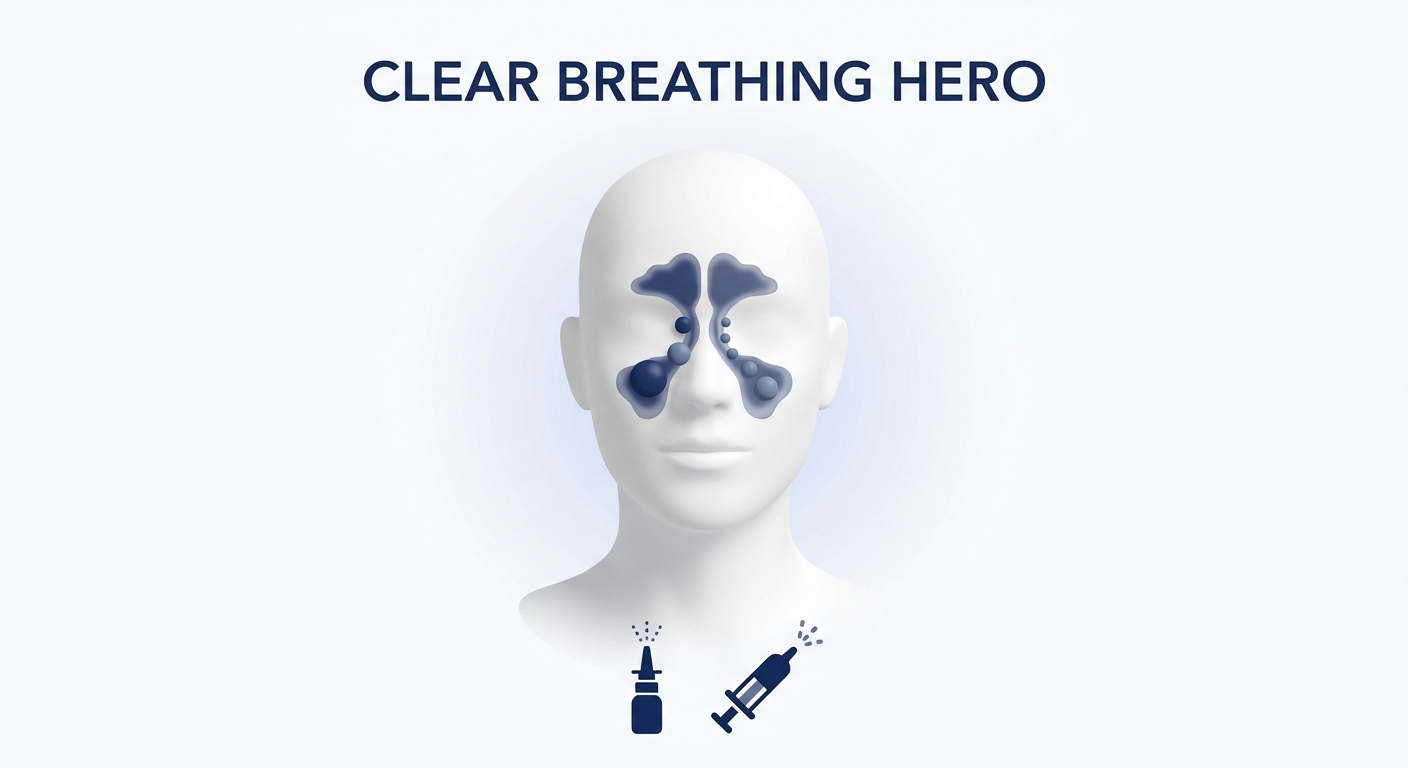
Nasal polyps are soft, noncancerous growths that form in the lining of the nose or sinuses. They’re commonly linked to ongoing inflammation, often in the setting of chronic sinus inflammation with nasal polyps (also known as chronic rhinosinusitis with nasal polyps, or CRSwNP). For a deeper overview: https://sleepandsinuscenters.com/blog/what-are-nasal-polyps
Why they come back
Polyps tend to recur because the underlying issue—inflammation of the nasal and sinus lining—can persist even when symptoms temporarily improve. That’s why many treatment plans include maintenance therapy to keep swelling down and help prevent regrowth. Medicines are often used first, with surgery considered when medical therapy isn’t enough (Mayo Clinic, 2023). Exploring topical options: https://sleepandsinuscenters.com/blog/topical-treatments-for-nasal-polyps
Note: Polyps reflect chronic inflammation, so long-term control—not a one-time fix—is usually the goal.
Common Symptoms That Suggest Nasal Polyps
Nasal and sinus symptoms
Common symptoms include: • Ongoing nasal congestion or blockage • Runny nose and/or post-nasal drip • Facial pressure or fullness • Reduced sense of smell or taste. People often describe a “stuffy nose that never really clears,” or needing to breathe through the mouth at night even when they don’t feel acutely sick.
When symptoms may be more serious
Symptoms may have a bigger impact when they: • Affect sleep or daily functioning • Come with frequent sinus infections • Worsen asthma control (for people who have asthma). In day-to-day life, this might look like snoring that’s new or worsening, waking up dry-mouthed, or feeling like you’re “always recovering” from the last sinus flare (NHS, 2022; Mayo Clinic, 2023).
Note: If symptoms linger or disrupt life, an ENT evaluation is worth considering.
What Causes Nasal Polyps?
The main driver: inflammation
Nasal polyps are strongly connected to chronic inflammation inside the nose and sinuses. That inflammation can be driven by several overlapping factors—so treatment often works best when it’s comprehensive rather than one-and-done.
Common associated conditions (high-yield list)
Nasal polyps are often seen alongside: • Allergies or allergic rhinitis • Asthma • Chronic sinusitis/CRSwNP • Aspirin sensitivity/AERD (Mayo Clinic, 2023; NHS, 2022).
Note: Addressing contributors like allergies or AERD can make core nasal treatments work better.
Can Nasal Polyps Be “Removed” Without Surgery? (Clarifying the Goal)
Shrink/control vs. physically remove
When people ask, “Can nasal polyps be removed without surgery?”, it helps to clarify what “removed” means. Non-surgical strategies typically shrink polyps and reduce symptoms—sometimes dramatically. In some cases, polyps can become so small they’re barely visible on exam, but the tendency toward inflammation may remain, so ongoing management still matters.
What “success” looks like
Non-surgical success often means: • Breathing more freely through the nose • Better smell and taste • Fewer sinus infections and less pressure • Reduced reliance on repeated oral steroids • Lower likelihood of needing surgery soon (Mayo Clinic, 2023; NHS, 2022).
Note: The aim is to reduce symptoms so you can function well despite a tendency to form polyps.
First-Line Non-Surgical Treatment: Intranasal Steroid Sprays (Daily)
Why steroid sprays are the starting point
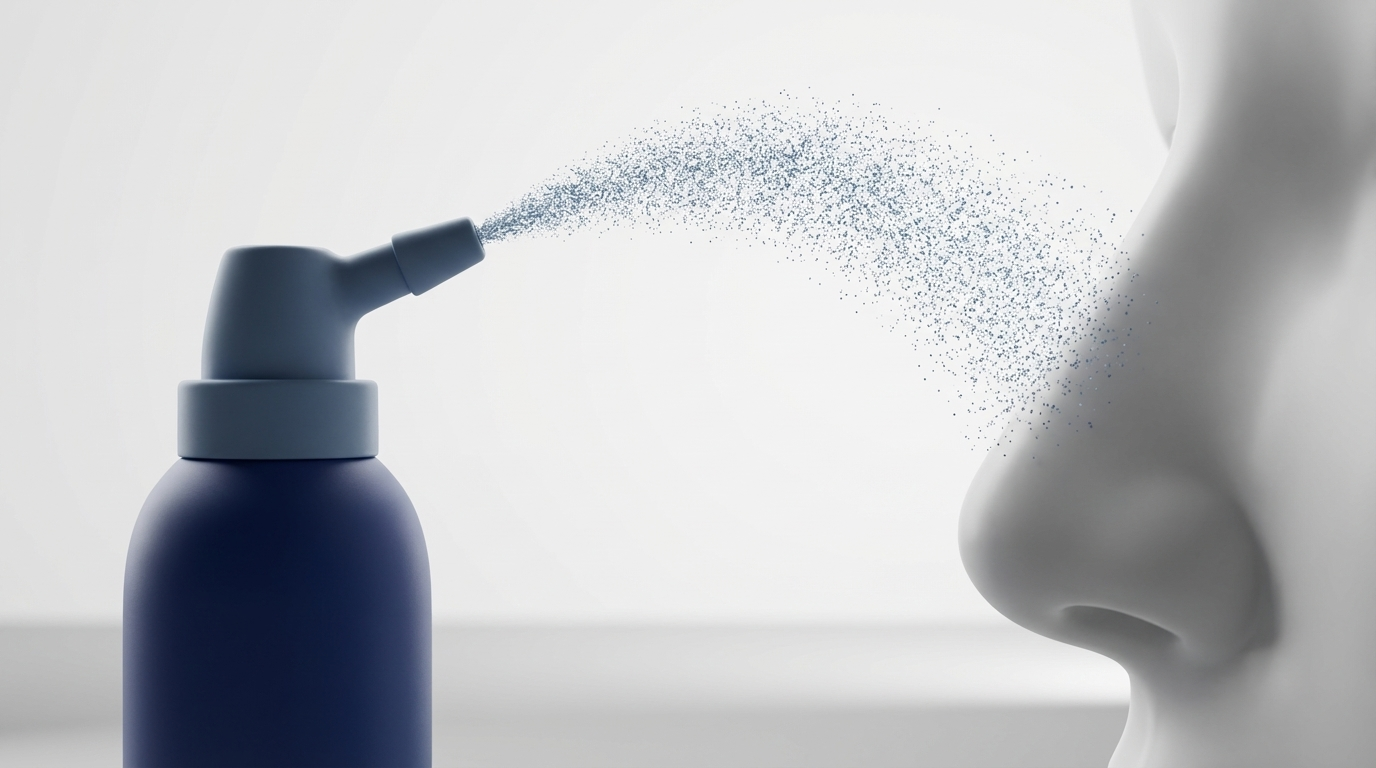
For many patients, the first step is a steroid nasal spray (intranasal corticosteroids). These reduce inflammation locally in the nasal lining and are widely considered a first-line option (Mayo Clinic, 2023; NHS, 2022). More background: https://sleepandsinuscenters.com/blog/topical-treatments-for-nasal-polyps
What patients should expect
Intranasal sprays typically work gradually. Some people notice improvement in days, but meaningful changes—especially in smell and blockage—can take weeks. Consistency matters; think of it as a daily anti-inflammatory routine rather than a quick rescue.
Common side effects & safety notes
Common issues can include: • Nasal dryness or irritation • Occasional nosebleeds. Good technique and correct placement can improve comfort and reduce side effects (Mayo Clinic, 2023; NHS, 2022).
Note: Daily, correctly used sprays are the backbone of non-surgical care.
Supportive (But Powerful) Add-Ons: Saline Rinses and Daily Care
Saline nasal irrigation (rinses)
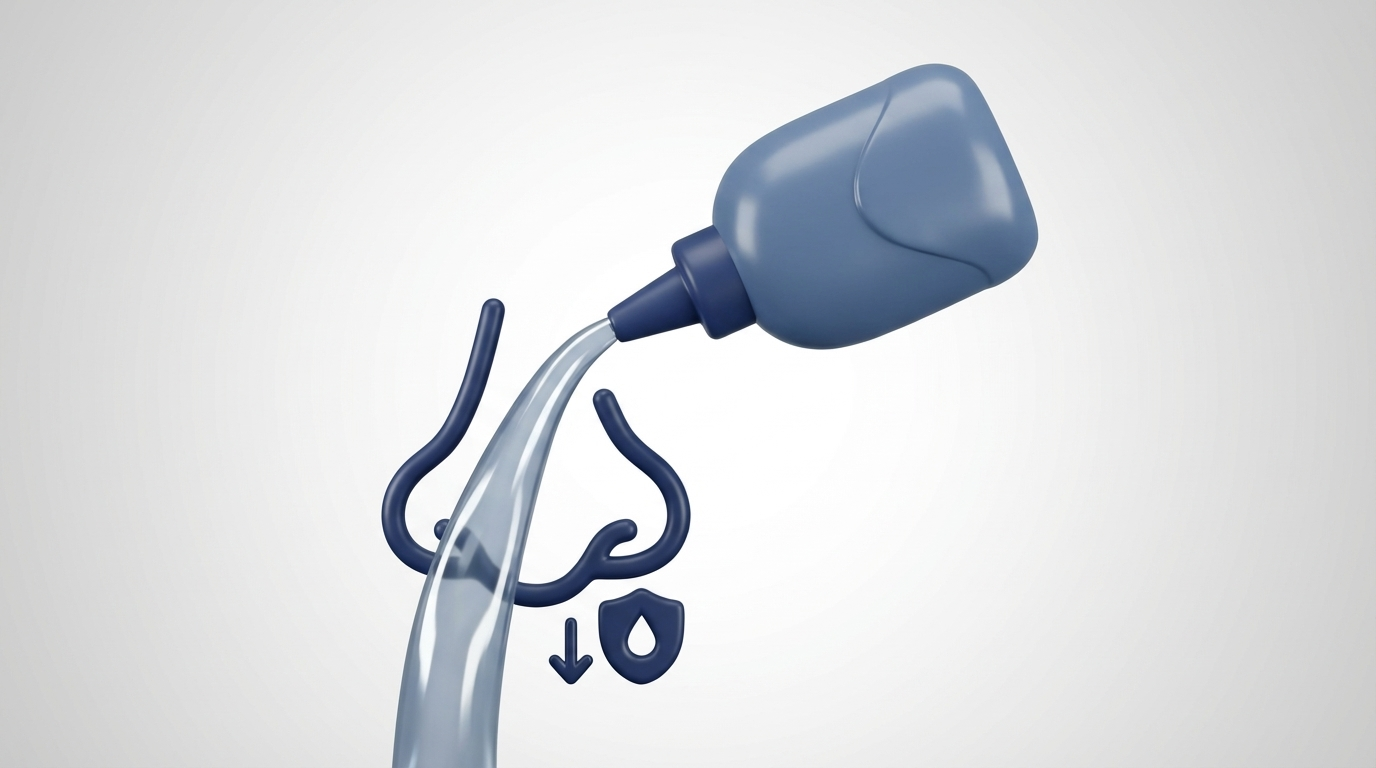
A saline rinse can: • Clear mucus and crusting • Wash out irritants like dust or pollen • Help other medications contact the nasal lining more effectively (Mayo Clinic, 2023; NHS, 2022).
Practical tips for safe, effective rinsing
Use distilled, sterile, or previously boiled and cooled water for irrigation. Many care plans place rinsing before sprays so medication can reach the lining more directly (Mayo Clinic, 2023; NHS, 2022).
Note: Regular saline rinses can make sprays work better and help reduce day-to-day irritation.
Short Courses of Oral Steroids (For Bigger Flares—Not Usually Long-Term)

When oral steroids are used
Oral steroids are often reserved for significant flare-ups—severe congestion, major smell loss, or symptoms that remain troublesome despite consistent topical therapy. They’re commonly used as a short “burst” to calm inflammation (Mayo Clinic, 2023; NHS, 2022).
Why they’re limited
Because oral steroids affect the whole body, repeated or prolonged use carries greater risk. Long-term plans emphasize topical options and other maintenance strategies (Mayo Clinic, 2023; NHS, 2022).
Note: Oral steroid “bursts” are for short-term rescue—not a long-term maintenance plan.
Biologic Injections (A Major Non-Surgical Option for Recurrent or Resistant Polyps)

Who biologics are for (typical scenario)
For people with CRSwNP whose symptoms persist despite consistent sprays (and sometimes short oral steroid bursts), biologic medications may be considered after standard therapies have not adequately controlled symptoms (Mayo Clinic, 2023).
Dupilumab (Dupixent): what it is and what studies show
Dupilumab is an FDA-approved biologic for CRSwNP. Studies show reductions in polyp size and congestion, improved smell, and reduced need for systemic steroids and/or surgery for many patients; individual results vary (Regeneron, 2019).
Practical considerations patients care about
Key topics include: • Injection schedule • Monitoring and side effects (individualized) • Cost, insurance coverage, and access.
Note: Biologics may help when standard therapy hasn’t done enough, but responses and access vary.
Treat the “Why” Behind the Polyps: Allergy and AERD-Focused Options
Allergy management (when allergies are a driver)
When allergies contribute to inflammation, managing triggers and considering targeted allergy therapies can be part of a comprehensive plan, especially with seasonal worsening or concurrent itchy eyes, sneezing, or clear runny nose (Mayo Clinic, 2023; NHS, 2022).
Aspirin desensitization (for AERD)
For people with aspirin-exacerbated respiratory disease (AERD), specialist-directed aspirin desensitization may be discussed to address that pathway. Learn more: https://sleepandsinuscenters.com/blog/understanding-aspirin-exacerbated-respiratory-disease-aerd-symptoms-and-treatment
Note: Managing allergies or AERD can make a meaningful difference in day-to-day control.
When Non-Surgical Treatment Isn’t Enough: When Surgery Is Still Recommended
Signs you may need a procedure or surgery
Consider surgery when: • Nasal blockage continues to significantly affect quality of life • Smell loss or infections persist despite optimized medical therapy • Anatomy limits sinus drainage or prevents medications from reaching key areas (Mayo Clinic, 2023).
How surgery fits into a long-term plan
Endoscopic sinus surgery can remove polyps and improve drainage, often providing significant relief. Because inflammation can continue, many patients still use maintenance therapy afterward (sprays, rinses, sometimes biologics) to reduce recurrence risk (Mayo Clinic, 2023). Procedural overview: https://sleepandsinuscenters.com/blog/nasal-polyp-removal-in-office-what-to-expect
Decision factors to discuss with an ENT
Shared decisions consider: • Expected benefit and potential risks • Likelihood of recurrence • Cost/access (especially for biologics) • Coexisting conditions like asthma or AERD (Mayo Clinic, 2023; Regeneron, 2019).
Note: Surgery can improve airflow and access for medicines, with ongoing care to help prevent recurrence.
Lifestyle Tips to Support Symptom Control (Alongside Medical Therapy)
Daily habits that may help
Supportive habits: • Maintain a consistent saline irrigation routine • Avoid smoke and strong fumes • Reduce indoor allergens like dust or pet dander when relevant (NHS, 2022; Mayo Clinic, 2023).
Preventing flare-ups
For many people, best results come from: • Using maintenance treatments as directed • Noticing patterns (seasonal changes, colds, trigger exposure) (NHS, 2022; Mayo Clinic, 2023).
Note: Small daily habits, done consistently, can add up to fewer flares.
FAQs
Can nasal polyps go away on their own?
Small polyps may fluctuate, but persistent symptoms often reflect ongoing inflammation that typically benefits from evaluation and a treatment plan (NHS, 2022; Mayo Clinic, 2023).
How long does it take for a steroid nasal spray for polyps to shrink them?
Improvement is often gradual and can take weeks, especially for smell-related symptoms. Consistent use is commonly emphasized (Mayo Clinic, 2023).
Are oral steroids for nasal polyps safe?
They can be effective short term for significant flares, but repeated or longer-term use raises the importance of side effects and risk–benefit discussions (NHS, 2022; Mayo Clinic, 2023).
What is dupilumab for nasal polyps and do I qualify?
Dupilumab is an FDA-approved biologic for CRSwNP. It’s generally considered when standard therapies aren’t enough. Eligibility and insurance approval depend on individual factors, and results vary (Regeneron, 2019; Mayo Clinic, 2023).
Will I still need surgery if I start a biologic?
Some patients reduce their need for systemic steroids and/or surgery, but not everyone avoids procedures entirely. Treatment decisions are individualized (Regeneron, 2019; Mayo Clinic, 2023).
When should I see an ENT?
Consider evaluation if you have persistent nasal blockage, reduced smell, frequent sinus infections, symptoms not improving with basic measures, or coexisting asthma/AERD concerns (NHS, 2022; Mayo Clinic, 2023).
Conclusion: A Practical “Treatment Ladder” for Non-Surgical Control
In many cases, polyps can be shrunk and controlled—sometimes enough that surgery isn’t the first step. A common stepwise approach includes: • Daily intranasal steroid sprays (foundation of care) • Saline rinses to support comfort and medication effectiveness • Short oral steroid bursts for severe flares when appropriate • Biologics like dupilumab for recurrent or resistant CRSwNP after standard therapy • Surgery when medical therapy doesn’t restore function or anatomy limits progress.
If you’re dealing with ongoing congestion, smell loss, frequent infections, or recurring polyps, Sleep & Sinus Centers of Georgia can help you understand what’s driving the inflammation and what options may fit your situation. Book an appointment: https://www.sleepandsinuscenters.com/
Note: Most patients do best with a stepwise plan that pairs daily control with targeted escalation when needed.
This article is for educational purposes only and is not medical advice. Please consult a qualified healthcare provider for diagnosis and treatment.
Don’t let allergies slow you down. Schedule a comprehensive ENT and allergy evaluation at Sleep and Sinus Centers of Georgia. We’re here to find your triggers and guide you toward lasting relief.