Can Mold Cause Chronic Sinus Issues? Symptoms, Causes, and Treatment
If your “sinus infections” keep coming back—or never fully go away—you may wonder: can mold cause chronic sinus issues? For some people, the answer is yes. Mold exposure can trigger or worsen chronic sinus inflammation and, in certain cases, contribute to fungal sinusitis that doesn’t respond to typical treatments.
Below is a patient-friendly guide to how mold affects the sinuses, what symptoms to watch for, how clinicians evaluate mold-related sinus problems, and what treatment approaches tend to help most.
Quick Answer — Can Mold Cause Chronic Sinus Issues?
Yes. Mold exposure can contribute to chronic sinus problems in two main ways:
- Inflammation and swelling: Mold spores can irritate the nasal and sinus lining, driving ongoing inflammation and congestion.
- Fungal sinusitis: In some people, fungi can play a direct role in sinus disease—especially when symptoms linger, recur, or don’t improve with antibiotics.
Chronic sinusitis is generally defined as sinus symptoms lasting 12 weeks or longer. It’s often missed because symptoms can look like allergies or repeated colds—and when fungus is involved, antibiotics may not be the solution. (Cleveland Clinic; Sleep & Sinus Centers of Georgia)
- Learn more about this connection: How Mold Exposure Can Trigger Sinusitis — https://sleepandsinuscenters.com/blog/how-mold-exposure-can-trigger-sinusitis
Bottom line: Yes—mold can drive chronic sinus inflammation and, in some cases, fungal sinusitis.
What Is Chronic Sinusitis (and How Is It Different From a “Sinus Infection”)?
Chronic vs. acute sinusitis in plain language
- Acute sinusitis: often lasts days to a few weeks, frequently following a cold.
- Chronic sinusitis: symptoms persist 12+ weeks, sometimes with ups and downs.
For a quick breakdown, see Acute vs. Chronic Sinusitis: Key Differences and Treatment Options — https://sleepandsinuscenters.com/blog/acute-vs-chronic-sinusitis-key-differences-and-treatment-options.
Why “infection” isn’t always the right word
Many ongoing sinus problems are driven more by inflammation than by bacteria. That matters because inflammation can be triggered by things like allergies, irritants, and mold exposure—even when there isn’t a typical bacterial infection present. (Mayo Clinic)
A simple way to think about it: bacteria are only one possible spark. In chronic sinusitis, the bigger issue is often that the sinus lining stays “puffy” and irritated—so drainage becomes inefficient and symptoms keep cycling.
Source:
- Mayo Clinic—Mold allergy and inflammation: https://www.mayoclinic.org/diseases-conditions/mold-allergy/symptoms-causes/syc-20351519
In short, chronic sinus problems are often more about ongoing inflammation than a one-time infection.

How Mold Exposure Can Affect Your Sinuses (What’s Happening Inside)
Mold spores can trigger inflammation and swelling
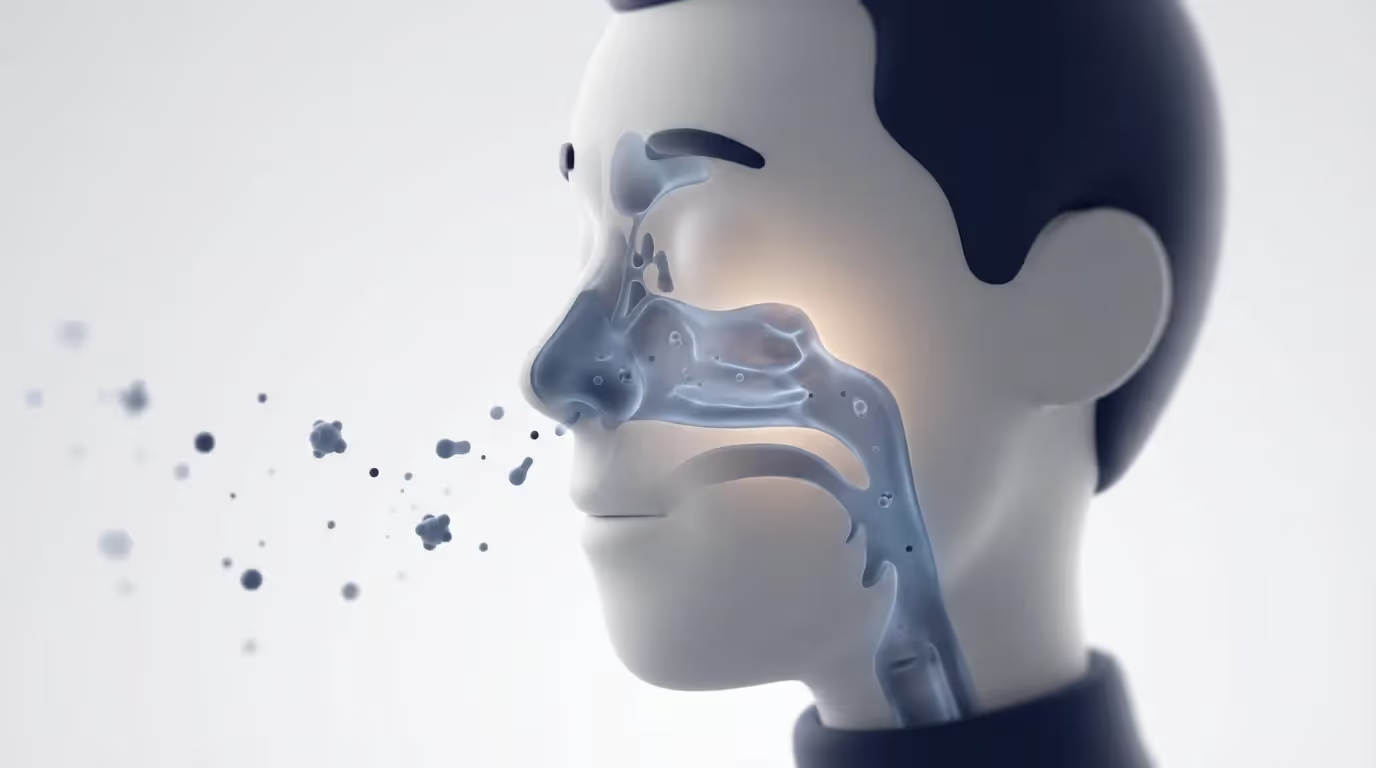
When you inhale mold spores, they can settle on the lining of the nose and sinuses. In susceptible people (such as those with allergies or asthma), the immune system may respond with inflammation, leading to:
- swollen nasal tissues
- congestion and blockage
- reduced sinus drainage
Once drainage is impaired, mucus can stagnate—contributing to pressure, postnasal drip, and recurring flare-ups.
Helpful analogy: imagine your sinuses as small “rooms” with narrow hallways (drainage pathways). When the hallway walls swell, normal airflow and drainage slow down. Even without a classic infection, you can feel full, clogged, and uncomfortable.
Mold can contribute to fungal sinusitis in some people
Not all sinusitis is fungal. But in some cases, fungi become more directly involved in sinus disease. Clinicians often describe several categories, including:
- Allergic fungal sinusitis (often associated with allergy-driven inflammation and sometimes nasal polyps)
- Noninvasive fungal forms (such as a localized fungal “ball”)
- Invasive fungal sinusitis (rare, but more serious—especially in immunocompromised patients) (Cleveland Clinic)
Biofilms and persistence (why symptoms keep returning)
One reason mold-related or mixed-microbe sinus problems can be stubborn is that microbes may form biofilms—a “sticky,” protective community that can make inflammation harder to control and symptoms more likely to recur. Biofilms are an active area of research in chronic rhinosinusitis. (NIH/PMC)
Patients often describe this as: “I feel better for a week... then it’s right back.” That pattern doesn’t automatically mean fungus is the cause, but it can be a clue that the underlying inflammation hasn’t been fully controlled.
Mycotoxins and ongoing irritation (what we know)
Some molds can produce compounds (often discussed as mycotoxins) that may contribute to irritation and inflammation in certain environments. The science is still evolving, and not every damp building or mold exposure leads to measurable toxin-related illness—but ongoing exposure to a moisture problem can be a meaningful trigger for chronic sinus inflammation in susceptible individuals. In healthy people, most routine household mold exposures rarely lead to significant mycotoxin-related disease. (NIH/PMC)
Sources:
- Cleveland Clinic—Types of fungal sinusitis: https://my.clevelandclinic.org/health/diseases/17012-fungal-sinusitis-fungal-sinus-infection
- NIH/PMC—Fungal involvement & biofilms in chronic rhinosinusitis: https://pmc.ncbi.nlm.nih.gov/articles/PMC3920250/
In essence, mold can inflame the sinus lining and, in select cases, directly drive fungal sinusitis—especially when exposure continues.

Symptoms — Signs Mold Might Be Contributing to Chronic Sinus Problems
Common chronic sinus symptoms
Chronic sinusitis symptoms may include:
- nasal congestion or stuffy nose
- facial pressure or fullness
- thick nasal drainage or postnasal drip
- reduced sense of smell
- “sinus headache”-like pressure
- cough (often from postnasal drip)
These symptoms can overlap with allergy symptoms and viral illnesses, which is one reason the question “can mold cause chronic sinus issues” comes up so often.
Clues that point more toward mold/fungal involvement
While only a clinical evaluation can determine the cause, patterns that may raise suspicion for mold exposure sinusitis or fungal involvement include:
- symptoms that worsen in specific buildings (home, work, school)
- symptoms that started or escalated after water damage or ongoing dampness
- multiple antibiotic courses with limited or short-lived benefit
- history of allergies or asthma
- recurring “sinus infections” with congestion and pressure but little fever
Concrete example: some patients notice they breathe better after a weekend away, then feel congested again within hours of returning home. That “place-based” pattern is worth mentioning to your clinician.
When symptoms may be more urgent
Some symptoms warrant prompt medical evaluation—especially for people with weakened immune systems. Examples include severe facial pain, swelling around the eyes, vision changes, high fever, or confusion. (Cleveland Clinic; Advocate Health)
Sources:
- Cleveland Clinic—Serious fungal sinusitis considerations: https://my.clevelandclinic.org/health/diseases/17012-fungal-sinusitis-fungal-sinus-infection
- Advocate Health—Invasive fungal sinusitis: https://www.advocatehealth.com/health-services/ear-nose-throat/invasive-fungal-sinusitis
If symptoms are persistent, place-dependent, or unresponsive to antibiotics, consider a targeted evaluation for mold or fungal contributors.

Causes — Where Mold Exposure Usually Comes From
Common indoor mold sources
Mold thrives where moisture persists. Common sources include:
- roof or plumbing leaks
- flooding or wet carpet/materials that didn’t dry quickly
- damp basements or crawlspaces
- poor bathroom/laundry ventilation
- HVAC issues (including neglected filters or condensation problems)
- hidden mold behind walls or under flooring
For more on reducing triggers broadly, see Air Quality and Sinus Health — https://sleepandsinuscenters.com/blog/air-quality-sinus-health.
Outdoor mold and seasonal patterns
Outdoor mold can also contribute—often spiking after rain, around leaf piles, compost, and in humid climates.
Practical notes
- Even if you never see mold indoors, repeated condensation on windows, a musty smell, or recurring “damp” zones can be indirect signs that moisture is lingering long enough for growth.
- Professional mold remediation is recommended when growth is extensive or persistent.
Where moisture lingers, mold follows—fixing water and ventilation problems is foundational for lasting relief.

Diagnosis — How Doctors Evaluate Mold-Related Chronic Sinusitis
Medical history that matters (what to tell your ENT)
Helpful details include:
- how long symptoms have lasted (especially 12+ weeks)
- whether symptoms are location-based (home/work patterns)
- whether antibiotics helped, partially helped, or didn’t help
- allergy/asthma history
- prior nasal polyps, sinus surgery, or frequent sinus infections
If you can, bring a short timeline (even bullet points). Patients often find it easier than trying to remember the story in the moment.
Nasal exam and endoscopy
A nasal exam (sometimes including endoscopy) can help clinicians look for swelling, drainage, polyps, and signs that raise suspicion for fungal involvement.
Imaging (CT scan) when appropriate
A CT scan can show patterns of chronic inflammation, blockage, and anatomy that may be contributing to poor drainage.
Allergy testing and targeted workup
If symptoms suggest allergic triggers, testing may help identify mold allergy and guide avoidance strategies and treatment planning.
- Learn more: Allergy Testing — https://sleepandsinuscenters.com/allergy-testing
When a culture or biopsy may be considered
In selected cases—especially severe, recurrent, or treatment-resistant symptoms—clinicians may consider additional testing to clarify whether fungi are involved and which type of treatment fits best. (Cleveland Clinic)
Source:
- Cleveland Clinic—Evaluation/treatment concepts: https://my.clevelandclinic.org/health/diseases/17012-fungal-sinusitis-fungal-sinus-infection
A careful history, exam, and targeted testing help distinguish inflammation, allergy, bacteria, and fungus—so treatment fits the cause.

Treatment — What Helps Mold-Related Chronic Sinus Problems (and What Often Doesn’t)
Why antibiotics often don’t solve mold-related sinus issues
Antibiotics treat bacterial infections. If symptoms are driven primarily by inflammation, allergy, or fungal involvement, repeated antibiotics may offer little benefit. Repeated or unnecessary antibiotic use can also contribute to antibiotic resistance and other side effects. (Cleveland Clinic)
First-line symptom and inflammation control
Many chronic sinusitis treatment plans focus on improving drainage and reducing inflammation, such as:
- saline rinses/irrigation to clear mucus and irritants
- intranasal corticosteroids to reduce swelling over time
These approaches are often used consistently over weeks for meaningful benefit in chronic disease (rather than expecting overnight change).
Patient-friendly expectation setting: a rinse may help you feel clearer the same day, but steroid sprays typically work more gradually—think “steady pressure on swelling,” not a quick decongestant.
Antifungal treatment (when indicated)
Antifungals aren’t for everyone with sinus symptoms. They’re generally considered when a clinician diagnoses or strongly suspects a fungal form of sinusitis. (Cleveland Clinic)
Surgery (when blockage or fungal material needs removal)
Sometimes procedures are used to remove fungal material, reduce obstruction, improve drainage, and help topical treatments reach the sinus cavities more effectively. (Cleveland Clinic)
- Explore options: Chronic Sinusitis Treatment — https://sleepandsinuscenters.com/chronic-sinusitis-treatment
Environmental control (must-do for lasting improvement)
Even the best medical plan may fall short if a moisture problem continues. Long-term improvement often depends on identifying and correcting exposure sources, such as:
- repairing leaks and moisture intrusion
- improving ventilation
- using appropriate remediation approaches
- maintaining HVAC filtration and preventing condensation issues
You can also review: How Mold Exposure Can Trigger Sinusitis — https://sleepandsinuscenters.com/blog/how-mold-exposure-can-trigger-sinusitis.
Effective care pairs anti-inflammatory treatment with fixing moisture and mold sources—otherwise symptoms often return.
Lifestyle & Home Tips to Reduce Mold Triggers (Patient-Friendly Checklist)
Control indoor humidity
Keeping indoor spaces from staying damp can reduce mold growth potential. Dehumidification may help in persistently humid areas. Bathrooms, basements, laundry areas, and under-sink cabinets are common hot spots for lingering moisture.
Improve airflow and ventilation
Exhaust fans in bathrooms, proper dryer venting, and avoiding indoor drying of very wet items can reduce indoor moisture buildup.
Cleaning habits that help (without harsh irritants)
- dust with a damp cloth to reduce airborne particles
- consider HEPA vacuuming for allergens
- wash bedding regularly
Some people find strong fragrances or harsh cleaning fumes worsen nasal irritation, so “low-odor” approaches may be more comfortable.
Nasal care routine during flare-ups
Many chronic sinusitis care plans include more consistent nasal hygiene during symptomatic periods (such as saline irrigation and prescribed nasal sprays), based on a clinician’s recommendation.
Small daily habits that limit moisture and support nasal hygiene can reduce flare-ups over time.
When to See an ENT (and What to Ask)
See a specialist if…
Consider an ENT evaluation if:
- symptoms last 12+ weeks
- symptoms repeatedly return or disrupt sleep/work
- you’ve had multiple antibiotics with minimal benefit
- you have asthma, nasal polyps, or immune compromise
Next-step information: Chronic Sinusitis — https://sleepandsinuscenters.com/chronic-sinusitis
Appointment note: If you’d like a specialist to review your symptoms, testing options, and treatment plan, you can book an appointment with Sleep & Sinus Centers of Georgia here: https://www.sleepandsinuscenters.com/. If you live outside the region, consider seeking a local ENT or allergy specialist experienced in chronic rhinosinusitis.
Questions to ask at your visit
- “Could this be fungal or mold-related?”
- “Would allergy testing help?”
- “Do I need imaging or endoscopy?”
- “What’s the long-term plan to reduce inflammation and prevent recurrence?”
If symptoms persist beyond 12 weeks—or keep bouncing back—an ENT can help pinpoint the cause and tailor treatment.
FAQs
Can mold cause chronic sinusitis even if I don’t see mold in my house?
Yes. Mold can be hidden behind walls, under flooring, or within HVAC components, and outdoor mold can also be a trigger for sensitive individuals. If you suspect mold exposure, professional assessment and testing of indoor environments may be necessary. (Mayo Clinic)
Why do my sinus symptoms keep coming back after antibiotics?
If the root cause is ongoing inflammation, allergy, or fungal involvement, antibiotics may not address the driver of symptoms. Repeated antibiotics can also cause side effects and contribute to resistance. (Cleveland Clinic)
What are signs my sinus issue could be fungal?
Possible clues include persistent congestion/pressure, recurring symptoms, limited response to antibiotics, nasal polyps, and symptoms linked to damp environments—though diagnosis requires a clinical evaluation. (Cleveland Clinic)
Should I get tested for mold allergy?
If symptoms are persistent or seem tied to indoor/seasonal patterns, testing can help clarify triggers and guide a targeted plan.
- Learn more: Allergy Testing — https://sleepandsinuscenters.com/allergy-testing
Can fungal sinusitis be dangerous?
Some forms—particularly invasive fungal sinusitis—can be serious, mainly in immunocompromised people, and may require urgent evaluation if severe symptoms occur. (Advocate Health)
Conclusion — The Takeaway for Patients
So, can mold cause chronic sinus issues? It can—by driving inflammation, contributing to blocked drainage, and in some cases playing a role in fungal sinusitis and persistent problems (including possible biofilm-related chronicity).
Better outcomes often come from a combined approach:
1) an accurate diagnosis,
2) targeted medical therapy (often anti-inflammatory care; sometimes antifungals or procedures), and
3) addressing indoor moisture and mold exposure sources.
Medical disclaimer: This article is for educational purposes only and is not a substitute for medical advice, diagnosis, or treatment. If your symptoms are persistent, severe, or worsening—especially if you’re immunocompromised—seek prompt medical care.
This article is for educational purposes only and is not medical advice. Please consult a qualified healthcare provider for diagnosis and treatment.
If symptoms have lingered, a good next step is learning more about treatment for chronic sinusitis (https://sleepandsinuscenters.com/chronic-sinusitis-treatment) or taking our sinus symptom quiz (https://sleepandsinuscenters.com/sinus-symptom-quiz) to help clarify whether an evaluation may be helpful. To discuss your specific situation with a clinician, you can also book an appointment at https://www.sleepandsinuscenters.com/. If you are not local, seek a qualified ENT or allergy specialist in your area.
Citations
- Mayo Clinic. Mold allergy: Symptoms & causes. https://www.mayoclinic.org/diseases-conditions/mold-allergy/symptoms-causes/syc-20351519
- Cleveland Clinic. Fungal sinusitis (fungal sinus infection). https://my.clevelandclinic.org/health/diseases/17012-fungal-sinusitis-fungal-sinus-infection
- NIH/PMC. Review on fungal involvement in chronic rhinosinusitis (includes biofilm discussion). https://pmc.ncbi.nlm.nih.gov/articles/PMC3920250/
- Sleep & Sinus Centers of Georgia. How mold exposure can trigger sinusitis. https://sleepandsinuscenters.com/blog/how-mold-exposure-can-trigger-sinusitis
- Advocate Health. Invasive fungal sinusitis. https://www.advocatehealth.com/health-services/ear-nose-throat/invasive-fungal-sinusitis
Don’t let allergies slow you down. Schedule a comprehensive ENT and allergy evaluation at Sleep and Sinus Centers of Georgia. We’re here to find your triggers and guide you toward lasting relief.