
Best Steroid Nasal Spray for Sinusitis: Top Options for Fast Relief
Sinusitis symptoms—like a blocked nose, facial pressure, thick drainage, or reduced smell—often come from inflammation in the nasal lining and the sinus drainage passages. That’s why intranasal corticosteroid spray products are commonly used in chronic rhinosinusitis and may also be used as part of symptom management for some cases of acute rhinosinusitis.
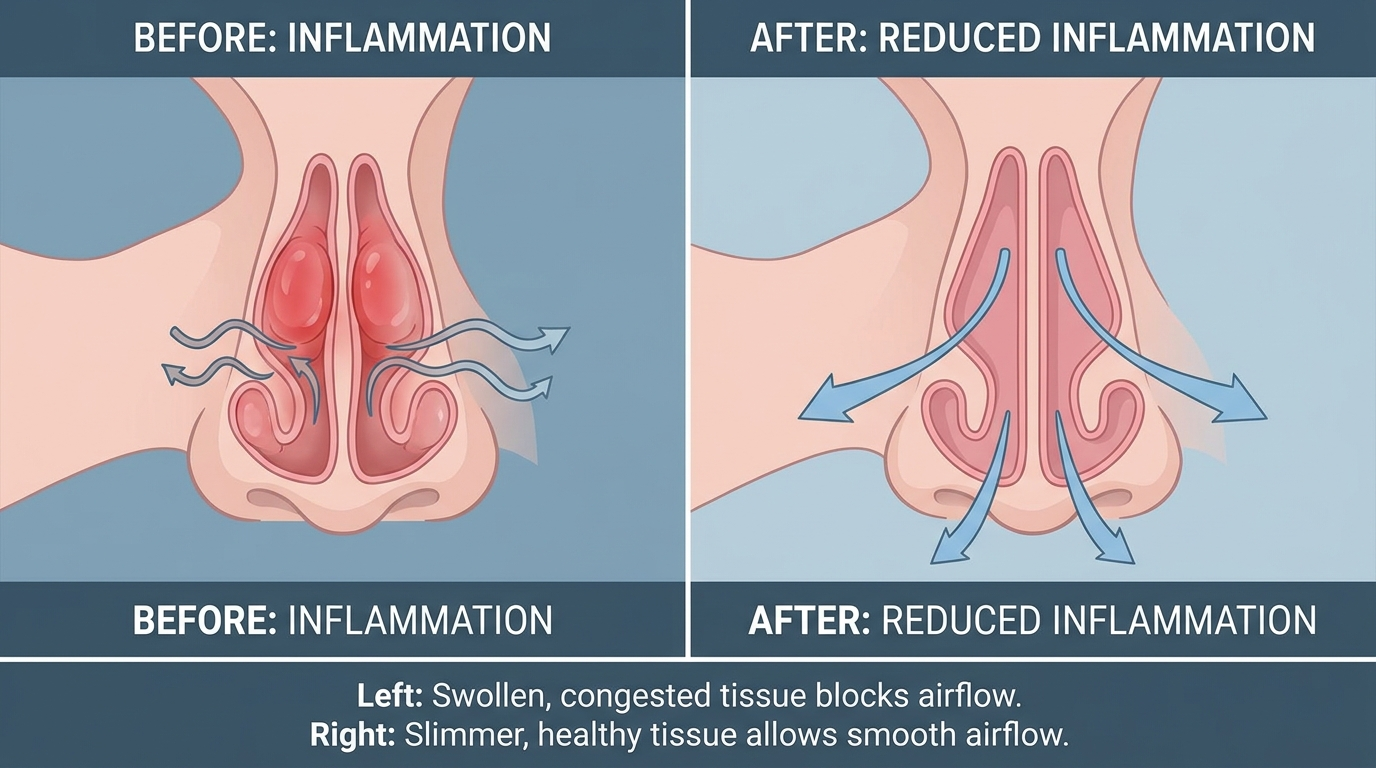
Think of a steroid spray less like a “plunger” that instantly opens the nose and more like an anti-inflammatory effect for irritated tissue. When swelling calms down, air moves better and mucus can drain more normally.
Below is a patient-friendly, evidence-based guide to choosing the best steroid nasal spray for sinusitis, comparing common options (Flonase, Nasonex, Rhinocort, Nasacort), and getting better results with the right technique.
Quick Take: What’s the “Best” Steroid Nasal Spray for Sinusitis?
Most intranasal corticosteroid sprays used for rhinosinusitis appear to have similar overall effectiveness, so choice often comes down to comfort, cost, and access. Improvement is usually gradual, building over days to weeks rather than happening instantly. If congestion is driven by swollen, inflamed lining, you’re treating the “swelling,” not just the “stuff.” (EPOS 2020; AAO-HNSF guideline; PubMed review)
If you’re also comparing sprays beyond steroids (like saline or decongestants), see: Best Nasal Spray for Sinusitis: Steroid vs Saline vs Decongestant (https://sleepandsinuscenters.com/blog/best-nasal-spray-for-sinusitis-steroid-vs-saline-vs-decongestant).
- The right spray is usually the one you can use correctly and consistently.
What Is Sinusitis (and Why a Nasal Steroid Helps)?
Sinusitis (often discussed together with “rhinosinusitis”) typically involves inflammation of the nasal passages and the sinus drainage system. When the lining swells, mucus doesn’t move as well, pressure can build, and congestion or thick drainage can follow.
A common real-life example: after a cold, the infection may be improving, but the inflammation lingers, leaving you with stubborn blockage and postnasal drip. Intranasal steroids are designed to address that inflammatory piece.
Sinusitis vs. Rhinitis—why the confusion matters
Rhinitis is inflammation of the nose (often from allergies or irritants). Sinusitis involves the sinuses too—but in real life, they overlap. A very inflamed nose can worsen sinus drainage and make sinus symptoms feel worse, even if the original trigger was a cold or allergies. That overlap is one reason nasal steroid sprays show up so often in “sinus” care plans.
How steroid nasal sprays work (simple explanation)
A steroid nasal spray for sinusitis helps by lowering inflammation in the nasal lining. Less swelling can mean:
- improved airflow through the nose
- better sinus drainage
- less congestion, pressure, postnasal drip, and smell reduction over time
This is anti-inflammatory treatment—not an “instant un-stuffer.” These products usually reward routine more than one-time use. (EPOS 2020; NIH/PMC review)
Acute vs. chronic sinusitis—what changes the treatment plan?
- Acute rhinosinusitis often follows a viral upper respiratory infection and improves with time and supportive care. Most acute sinusitis is viral; bacterial sinusitis is less common and is considered in certain symptom patterns.
- Chronic rhinosinusitis (CRS) lasts longer (often discussed as 12 weeks or more) and is driven more by ongoing inflammation than by a single infection.
Guidelines commonly include intranasal steroids as part of symptom management in both acute and chronic pathways. (EPOS 2020; AAO-HNSF guideline) Related read: Acute vs. Chronic Sinusitis (https://sleepandsinuscenters.com/blog/acute-vs-chronic-sinusitis-key-differences-and-treatment-options) and overview (https://sleepandsinuscenters.com/chronic-sinusitis).
- Reducing nasal lining inflammation helps reopen airflow and drainage.
Sinusitis Symptoms Steroid Sprays May Help Most
Common symptoms—people most often use intranasal steroids to help with:
- nasal congestion/obstruction
- facial pressure or fullness
- thick discharge or postnasal drip
- reduced or altered sense of smell
- sleep disruption from a blocked nose
Day-to-day example: if you wake up congested, mouth-breathe at night, and feel facial fullness that improves only a little during the day, an anti-inflammatory nasal routine (often including a steroid spray) is commonly recommended.
Symptoms that should prompt medical evaluation (red flags):
- high fever, severe facial swelling, or significant worsening
- vision changes, severe headache, stiff neck
- one-sided severe symptoms
- symptoms lasting more than about 10 days without improvement or “double-worsening”
- Track a few core symptoms to judge progress rather than expecting instant relief.
Common Causes & Triggers of Sinusitis (Why Sprays Help—but Don’t Fix Everything)
Steroid sprays reduce inflammation, but different triggers may still need attention. A spray can calm swollen tissue, but it can’t remove every driver (like ongoing allergen exposure or structural narrowing).
Infections:
- viral colds are the most common starting point
- bacterial infection is less common and usually considered in select scenarios
Inflammation drivers:
- seasonal/perennial allergies
- non-allergic rhinitis (irritants like smoke or strong fragrances)
- nasal polyps (in some chronic cases)
Structural contributors (when symptoms keep returning):
- deviated septum or turbinate enlargement
- narrow drainage passages
For a deeper dive: https://sleepandsinuscenters.com/blog/what-causes-sinusitis-common-triggers-explained
- Sprays calm inflammation, but addressing triggers helps prevent recurrence.

Top Steroid Nasal Sprays for Sinusitis (Options Compared)
All of the options below are widely used. Current evidence and guidelines suggest similar effectiveness across approved intranasal steroids, so selection often comes down to preference, side effects, and OTC vs prescription access. (EPOS 2020; AAO-HNSF guideline; PubMed review)
Important: Dosing and age indications vary by product. Always follow the package label or clinician guidance.
Common active ingredients and brand examples:
- Fluticasone (Flonase, generics): Widely available OTC; often once daily (sometimes twice). Many people find it convenient; some notice differences in scent or spray feel between brands.
- Mometasone (Nasonex, generics): Available OTC in many areas; some formulations may be prescription. Often once daily. A common choice when someone wants a different spray feel compared with fluticasone.
- Budesonide (Rhinocort, generics): OTC. Often once daily. Straightforward option; bottle design/spray comfort can vary.
- Triamcinolone (Nasacort, generics): OTC. Often once daily. Another well-known OTC choice; some prefer its spray feel compared with fluticasone.
- Because performance is similar across options, comfort, cost, and access usually decide.
How to Choose the Best Steroid Nasal Spray for You
Because head-to-head superiority is not clearly established, the best steroid nasal spray for sinusitis is often the one that fits your routine and that you tolerate well.
Start with what you can use consistently:
- once-daily vs twice-daily: the easiest schedule is the one most likely to be maintained
- bottle ergonomics: an easy-to-prime, easy-to-aim bottle helps
- price: store brands can be significantly cheaper than name brands
If you’re deciding between two OTC sprays, pick the one that fits your budget and feels comfortable—then give it a fair, consistent trial.
Consider side-effect tendencies:
- frequent dryness or crusting
- nosebleeds
- fragrance sensitivity
A helpful rule of thumb: if you’re getting irritation, don’t assume the medicine may not be the right fit until you’ve checked technique—because aim and airflow (gentle vs forceful) can make a big difference.
When prescription sprays may be preferred: more persistent symptoms, suspected polyps, or limited response to OTC options. (EPOS 2020; AAO-HNSF guideline)
- A comfortable, affordable bottle you’ll actually use typically works best.
How to Use Steroid Nasal Spray Correctly (This Affects Results)
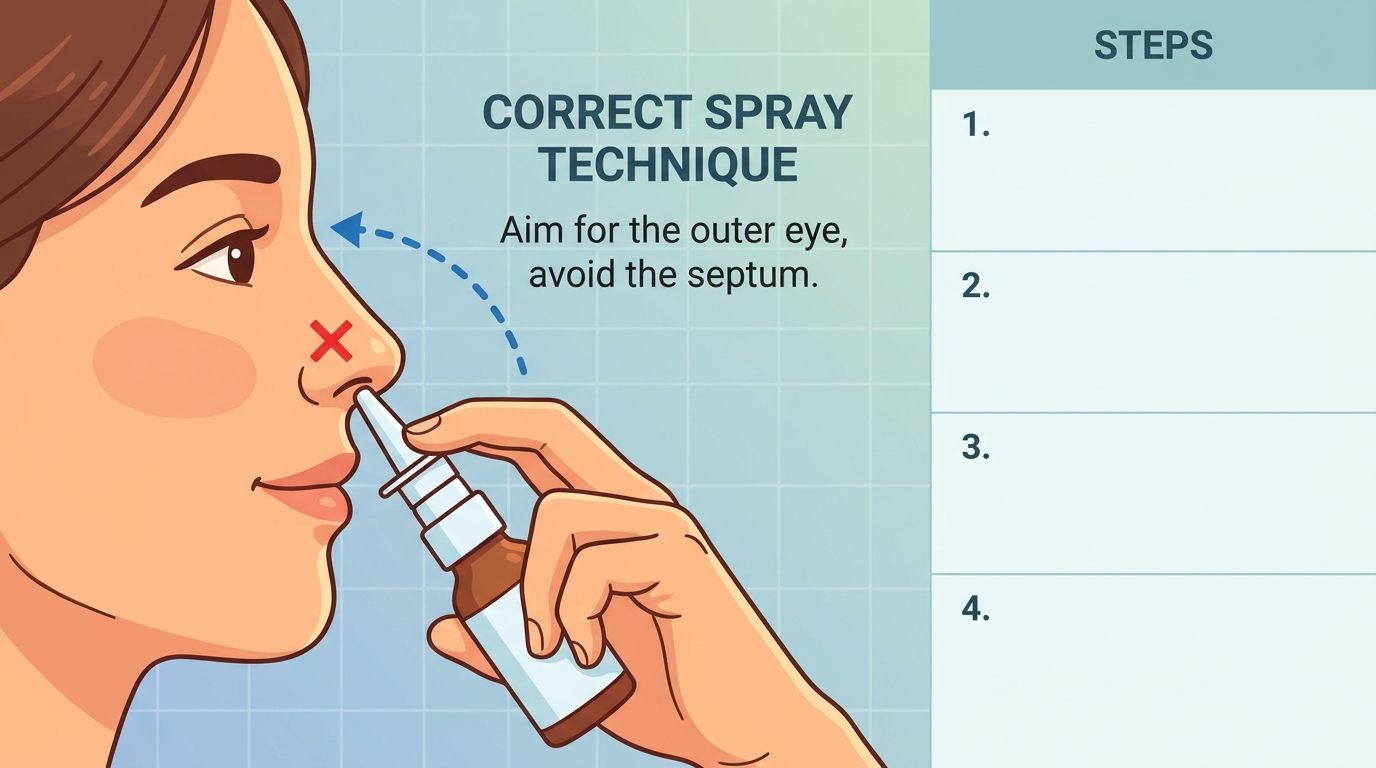
Technique is a major reason people think a spray may not seem to help. If medication hits the septum (the center wall) or drips straight down the throat, you may get more irritation and less benefit.
Detailed guide: https://sleepandsinuscenters.com/blog/steroid-nasal-spray-technique-step-by-step-guide-for-effective-use
Step-by-step technique (short, scannable):
1) Gently blow your nose first (or use saline if that’s part of your plan).
2) Keep your head neutral (not tilted way back).
3) Aim the nozzle slightly outward, away from the center wall (septum).
4) Breathe in gently while spraying (avoid hard snorting).
5) Repeat on the other side as directed.
6) Avoid forceful nose-blowing immediately afterward.
A helpful aim cue: point the spray toward the outside corner of your eye on that same side, rather than straight up the middle.
- Technique often matters as much as the medication itself.

Rinse then spray timing (if doing saline)
Many care plans use saline first, then steroid so medication reaches the lining more effectively. Learn more: https://sleepandsinuscenters.com/blog/rinse-then-spray-correct-order-for-effective-cleaning
How long until it works?
Some people notice partial improvement in a few days, but fuller benefit is often 1–2 weeks or longer, especially with chronic inflammation. To judge progress, track a few simple markers (nighttime breathing, facial pressure, drainage). (EPOS 2020; NIH/PMC review)

Side Effects, Safety, and Who Should Use Caution
Common side effects (usually mild):
- nasal irritation or burning
- dryness
- nosebleeds (often related to spraying the septum)
- throat irritation or an unpleasant taste
Most side effects are technique- or dryness-related and improve with small adjustments.
When to stop and call a clinician: frequent nosebleeds, persistent pain/sores, or lack of improvement after a reasonable trial.
- Most side effects improve with better aim, moisture, and a brief technique reset.
Tips to reduce irritation and nosebleeds
- re-check aim (slightly outward, away from the septum)
- consider gentle moisture support (saline spray/gel as appropriate)
- use a humidifier at night if indoor air is dry
Steroid Nasal Sprays vs Other Sinusitis Treatments (What to Combine Them With)
Saline irrigation: helps clear mucus and irritants; commonly paired with intranasal steroids in guideline-based care. Many find this combo especially useful during allergy seasons or after respiratory infections. (EPOS 2020)
Decongestant sprays (e.g., oxymetazoline)—short-term only: may open the nose quickly, but overuse can lead to rebound congestion. More: https://sleepandsinuscenters.com/blog/afrin-rebound-how-long-does-nasal-congestion-last-after-use
Oral antihistamines (when allergies are driving symptoms): if symptoms track with seasons, pets, or dust, allergies may be a driver. More: https://sleepandsinuscenters.com/allergy-testing
Antibiotics (only in select cases): not used for most viral sinus infections; generally reserved when bacterial features are suspected. (AAO-HNSF guideline)
When ENT evaluation may be needed: recurrent infections, long-lasting symptoms, suspected polyps, or structural blockage may prompt further evaluation.
- Pairing saline with a steroid spray is a common, guideline-supported combo.
Lifestyle Tips for Faster Relief (Supportive Care)
Hydration + humidification: fluids and humidified air can make mucus less thick and reduce irritation—especially during winter heating months.
Sleep positioning: head elevation or side-sleeping can lessen nighttime blockage.
Reduce triggers: smoke, strong fragrances, and known allergens can amplify inflammation; consider allergy evaluation for persistent or seasonal patterns.
- Small daily habits can noticeably speed comfort and recovery.
FAQs
Q: Which is better for sinusitis: Flonase, Nasacort, Rhinocort, or Nasonex?
A: For most people, they’re similarly effective. Choose based on tolerance (spray feel/dryness), cost, and OTC vs prescription access. (EPOS 2020; AAO-HNSF guideline; PubMed review)
Q: Can I use a steroid nasal spray for acute sinusitis?
A: Guidelines commonly include intranasal steroids for acute rhinosinusitis symptom management, but benefit builds over time. (AAO-HNSF guideline; EPOS 2020)
Q: How long can I use a steroid nasal spray?
A: Some people use intranasal steroids for longer periods when directed by the product label or a clinician. (NIH/PMC review)
Q: Why am I getting nosebleeds from my nasal spray?
A: A common reason is spraying toward the septum or using the spray when the nose is very dry. Adjust aim outward and support moisture.
Q: Should I use saline before or after steroid spray?
A: Often “rinse then spray” so medication contacts the lining better, but routines vary.
Q: When should I see a doctor for sinusitis symptoms?
A: Seek evaluation for severe symptoms, red flags (vision changes, severe swelling, stiff neck, high fever), frequent recurrences, or symptoms that persist or worsen.
- When in doubt—or if symptoms persist—get evaluated.
Conclusion: The “Best” Spray Is the One You’ll Use Correctly
Because approved sprays perform similarly overall, the best steroid nasal spray for sinusitis is usually the one that fits your routine, feels tolerable, and is used with good technique and consistency. If symptoms don’t improve or keep returning, reassess triggers (like allergies), chronic inflammation, or structural contributors.
Next step: quick sinus symptom quiz (https://sleepandsinuscenters.com/sinus-symptom-quiz) or book an appointment (https://www.sleepandsinuscenters.com/).
- Consistency and technique turn a good spray into real-world relief.
Citations
- EPOS 2020: https://epos2020.com/Documents/New-therapeutic-approaches-to-rhinosinusitis-last.pdf
- AAO-HNSF Clinical Practice Guideline: Adult Sinusitis (2015 update): https://pubmed.ncbi.nlm.nih.gov/25832968/
- Systematic review / evidence summary (PubMed): https://pubmed.ncbi.nlm.nih.gov/27115215/
- NIH/PMC review article: https://pmc.ncbi.nlm.nih.gov/articles/PMC6698484/
This article is for educational purposes only and is not medical advice. Please consult a qualified healthcare provider for diagnosis and treatment.
Don’t let allergies slow you down. Schedule a comprehensive ENT and allergy evaluation at Sleep and Sinus Centers of Georgia. We’re here to find your triggers and guide you toward lasting relief.