Best Sinus Infection Pills: Effective OTC and Prescription Treatment Options
When sinus pressure, congestion, and facial pain hit, it’s natural to wonder: What should I take for a sinus infection? The tricky part is that “sinus infection” (sinusitis) can describe different problems—most commonly a viral illness, and less commonly a bacterial infection. That difference determines whether over-the-counter (OTC) symptom relief is usually enough or whether prescription antibiotics may be considered. [4]
Think of it like this: OTC medicines often help with the “smoke” (pain, pressure, congestion), while antibiotics are only useful when there’s evidence of a “fire” (a likely bacterial infection). Below is an educational guide to the best sinus infection pills for common symptoms, plus when it makes sense to get evaluated.
Quick Answer: What Are the “Best” Pills for a Sinus Infection?
Key takeaway: The best sinus infection pills depend on whether symptoms are driven by a virus (most common) or a bacterial infection (less common). OTC medications are often first-line for comfort, while antibiotics are generally reserved for cases that look bacterial based on symptom pattern and duration. [4]
- For pressure/pain or fever: acetaminophen or ibuprofen (OTC)
- For congestion: oral decongestants such as pseudoephedrine (OTC, if appropriate for you); oral phenylephrine is generally considered less effective
- For likely bacterial sinus infections: amoxicillin-clavulanate is commonly recommended in many guidelines; in some cases, amoxicillin may still be used depending on the clinical situation [4]
Medical note: Medication choices can vary based on pregnancy, high blood pressure, blood thinners, and chronic health conditions. A clinician or pharmacist can help you choose safer options for your situation.
Summary: *Match the pill to your top symptom, and consider antibiotics only when the pattern suggests bacterial sinusitis.*
What Is a Sinus Infection (Sinusitis), and Why Pills Can Help
Sinusitis means inflammation of the sinus lining. That inflammation can come from a cold virus, allergies, irritants, or—sometimes—bacteria. In practical terms, inflammation narrows the drainage pathways. That’s why your face can feel “full,” your nose can plug up, and pressure can build when you bend forward—even if no bacteria are involved.
What Pills Can and Can’t Do
- Pills can reduce pain, fever, and congestion, making it easier to sleep and function.
- Pills typically don’t instantly “drain” the sinuses, and antibiotics aren’t automatically needed for every sinus infection. [4]
Summary: *Expect gradual, not instant, relief—even with the right medication.*
Viral vs. Bacterial Sinusitis (Why It Matters)
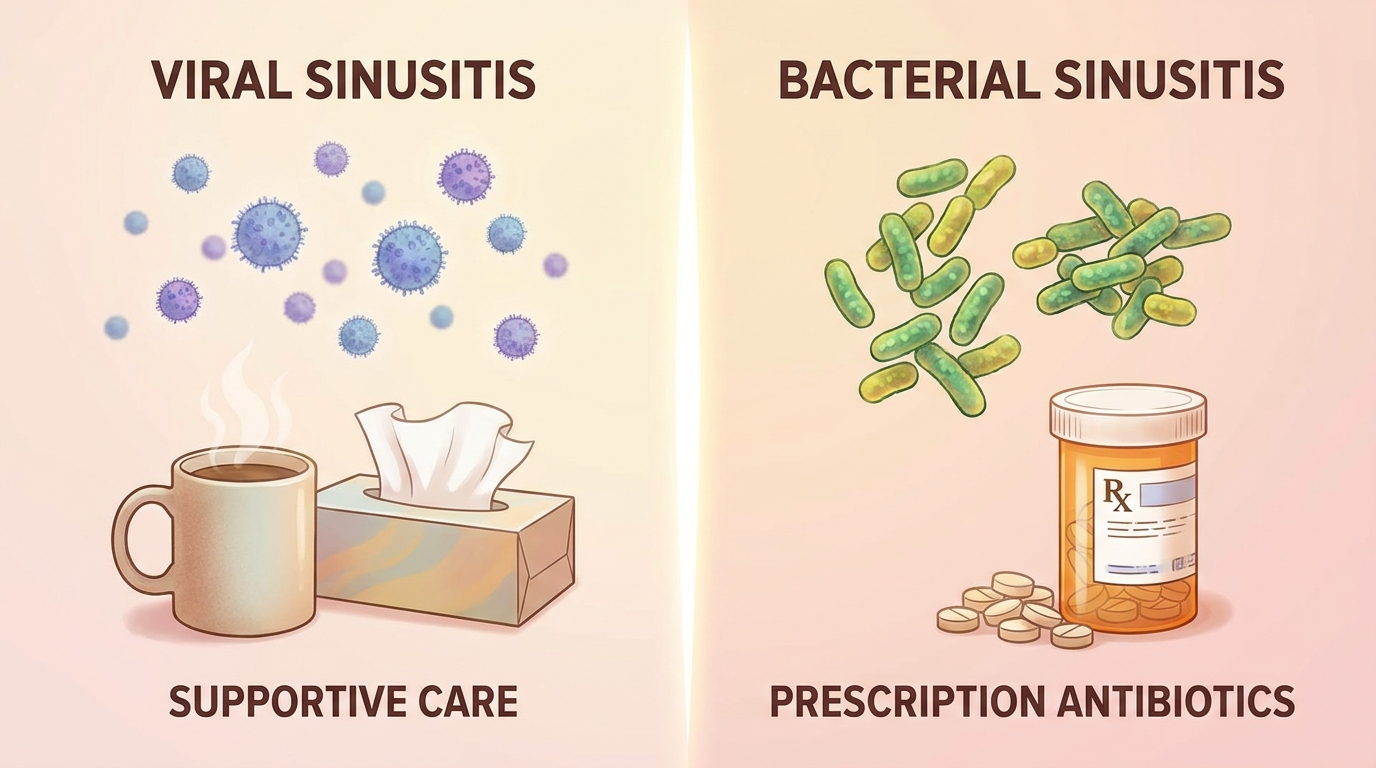
- Viral sinusitis: Most cases start with a cold and improve with time and supportive care. Antibiotics don’t work on viruses. [4]
- Bacterial sinusitis: A smaller portion may become bacterial and may be considered for antibiotics based on how symptoms evolve. [4]
For a deeper breakdown, see Sleep and Sinus Centers of Georgia’s guide to viral vs. bacterial sinus infections: https://sleepandsinuscenters.com/blog/viral-vs-bacterial-sinus-infections-key-differences
Summary: *Most sinusitis is viral; reserve antibiotics for patterns suggesting bacteria.*
Common Sinus Infection Symptoms (When People Start Looking for Pills)
Typical symptoms
- Facial pressure/pain
- Nasal congestion
- Thick nasal drainage
- Reduced sense of smell
- Headache
- Fever
- Fatigue
Example: if you’re on day 3–5 of a cold and feel pressure under your eyes with a stuffy nose, that pattern still commonly fits a viral process—where the goal is comfort and hydration while your body clears it.
Signs it may be bacterial (when prescription may be considered)
Clinicians often consider bacterial sinusitis when symptoms show one of these patterns:
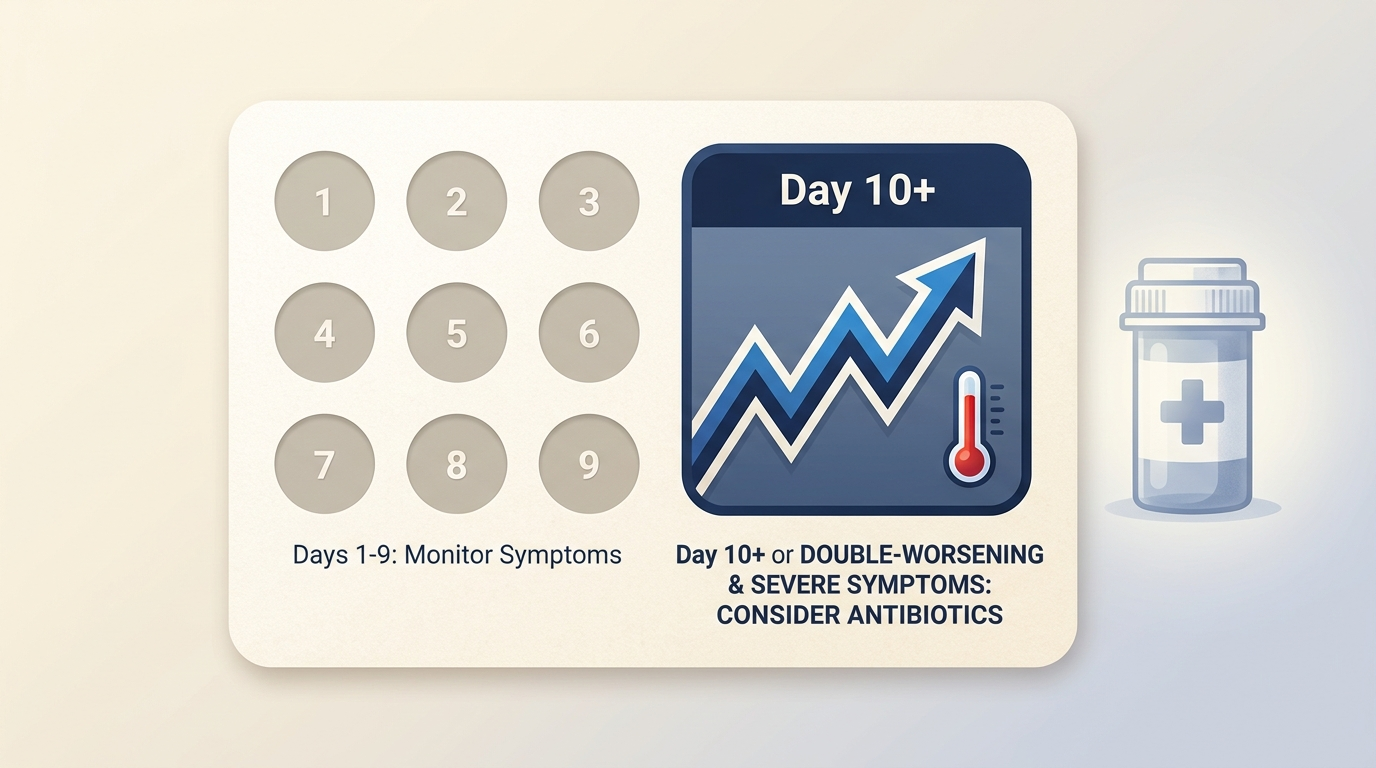
- Symptoms lasting 10 days or more without improvement
- Severe symptoms (such as fever and purulent nasal discharge lasting several days)
- “Double-worsening”: you start to improve, then symptoms worsen again [4]
Summary: *Timing, severity, and a clear turn for the worse help flag possible bacterial sinusitis.*
What Causes a Sinus Infection?
Common triggers
- A cold/viral illness leading to sinus inflammation [4]
- Allergies that cause swelling and blockage
- Irritants (smoke, pollution), dry air, and dehydration
Risk factors that increase recurrence
- Chronic rhinitis
- Nasal polyps
- Deviated septum
- Frequent exposure to germs
- Immune system issues
If you feel like you “always” get sinus infections, the underlying driver may be ongoing inflammation or obstruction—not repeated bacterial infections.
Summary: *Most sinusitis starts with inflammation—bacteria are a less common driver.*
OTC Sinus Infection Pills (Symptom Relief Options)
This section focuses on what OTC pills generally help with, who may need to be cautious, and how to use labels more safely. OTC options—especially pain relievers and decongestants—are commonly used for symptom management. [2]
1) Pain relievers (Analgesics): Best for Pressure, Headache, Fever
Common options include:
- Acetaminophen (Tylenol)
- NSAIDs like ibuprofen (Advil/Motrin) or naproxen (Aleve)
How people often choose:
- Acetaminophen may be preferred by those who don’t tolerate NSAIDs well.
- NSAIDs may be especially helpful when inflammation contributes to facial pain/pressure.
Safety callouts:
- Many combo cold/sinus products contain acetaminophen—accidentally “stacking” products is a common way to exceed safe doses.
- NSAIDs may not be ideal for everyone (for example, certain stomach ulcers, kidney disease, or specific heart conditions).
2) Oral Decongestants: Best for Stuffy Nose/Sinus Pressure
Common oral decongestants include:
- Pseudoephedrine (often behind-the-counter), which is better supported for oral use
- Phenylephrine, which is generally considered less effective for congestion relief
Who should be cautious/avoid decongestants unless a clinician/pharmacist says they’re appropriate:
- High blood pressure or heart disease
- Heart rhythm concerns
- Glaucoma
- Prostate enlargement with urinary symptoms
- Pregnancy (ask first)
3) Antihistamines (Only helpful in certain cases)
Antihistamines are most helpful when symptoms are driven by allergies. Some older antihistamines can dry secretions and may make mucus feel thicker.
4) Expectorants (Guaifenesin): Sometimes used for mucus
Guaifenesin is used by some people to help thin secretions—especially when paired with good hydration. If fluid intake is low, benefit may be limited.
5) Combination “Sinus” Pills: Convenient—but easy to overdo
Combination products may include a pain reliever (often acetaminophen), a decongestant, and sometimes an antihistamine and/or cough medication.
- Common pitfall: taking a combo product plus a separate pain reliever and unintentionally duplicating ingredients (especially acetaminophen).
Symptom-to-OTC matching (with key cautions)
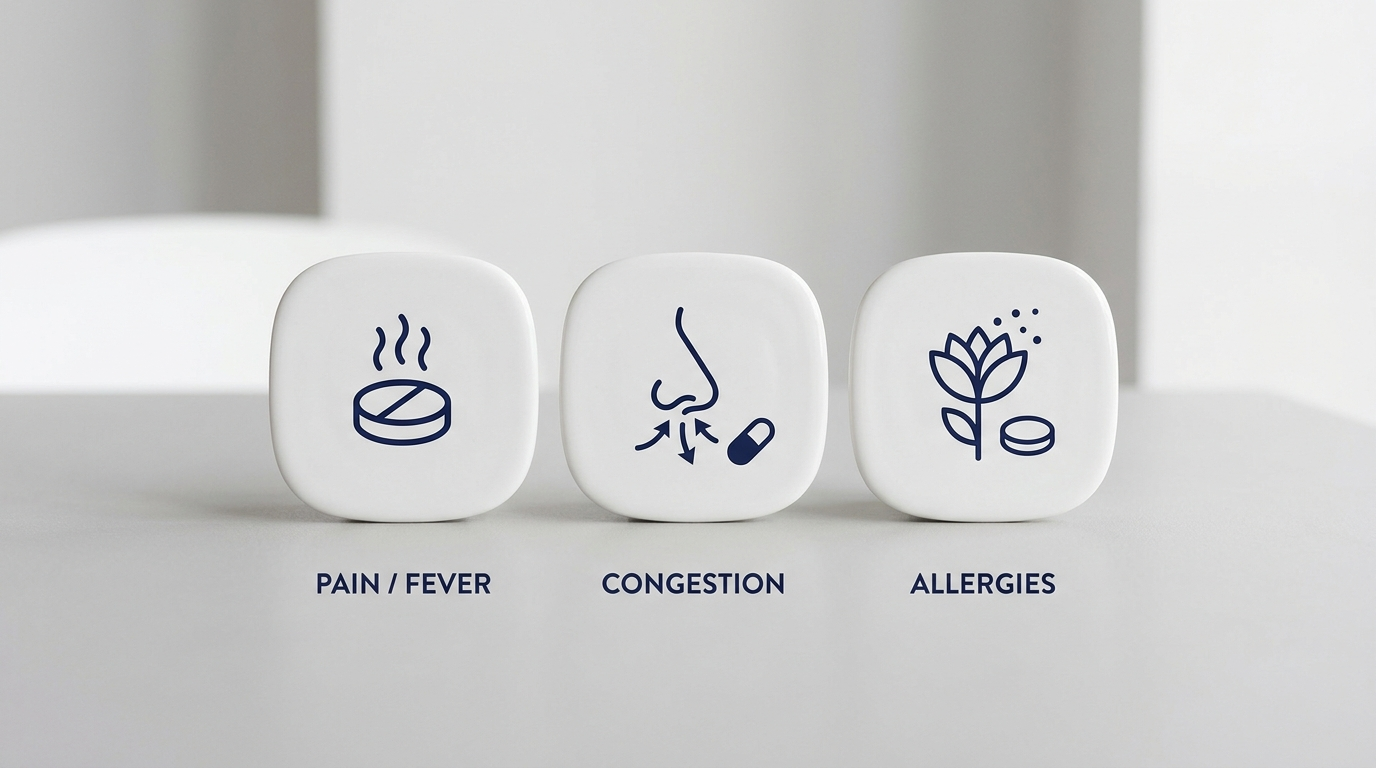
- Facial pain/pressure, headache → Consider acetaminophen or an NSAID; avoid duplicating acetaminophen and note NSAID cautions.
- Fever/body aches → Consider acetaminophen or an NSAID; watch total daily doses and interactions.
- Stuffy nose/sinus pressure → Consider an oral decongestant (pseudoephedrine tends to work better than phenylephrine); may raise BP/heart rate and isn’t right for everyone.
- Sneezing/itchy/watery eyes → Consider an antihistamine if allergies are suspected; some older antihistamines can dry and thicken mucus.
For a deeper OTC comparison, see Best OTC Medicine for a Sinus Infection (and when to see a doctor): https://sleepandsinuscenters.com/blog/best-otc-medicine-for-sinus-infection-when-to-see-a-doctor
Summary: *Use single-ingredient OTCs when possible, match to your top symptom, and double-check labels to avoid duplications.*
Prescription Sinus Infection Pills (When OTC Isn’t Enough)
When clinicians consider antibiotics
Antibiotics may be considered when symptoms match patterns more consistent with bacterial sinusitis—such as persistent symptoms (≥10 days), severe symptoms (fever and purulent nasal discharge lasting several days), or double-worsening—and the goal is to treat likely bacterial infection while avoiding unnecessary antibiotics and resistance. [4]
If you want a dedicated overview of antibiotic decision-making, see Do I always need antibiotics for a sinus infection?: https://sleepandsinuscenters.com/blog/do-i-always-need-antibiotics-for-a-sinus-infection
First-line antibiotic: Why amoxicillin-clavulanate is common
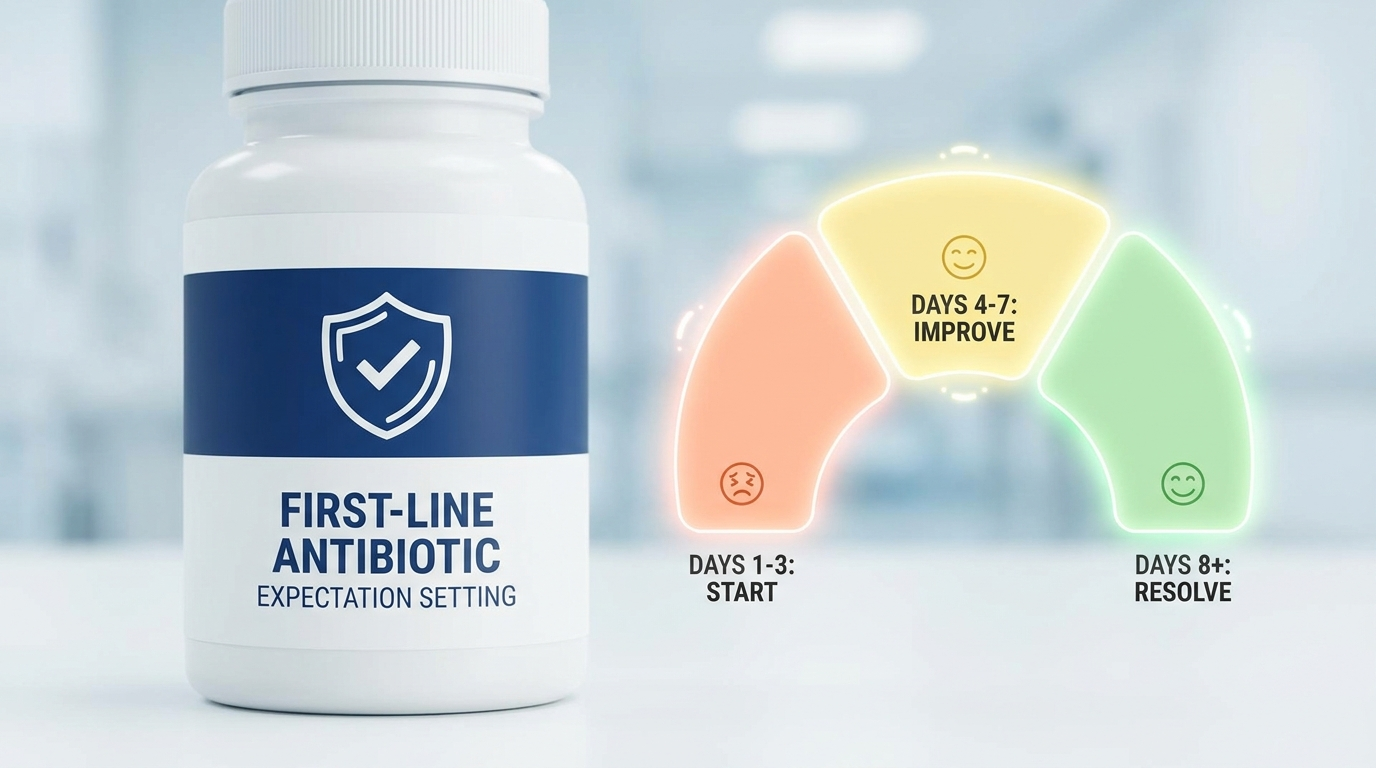
Guidelines commonly recommend amoxicillin-clavulanate for acute bacterial rhinosinusitis in many adults; in some cases, amoxicillin alone may still be used depending on the clinical situation (for example, certain lower-risk scenarios). [4]
Alternatives (when first-line isn’t appropriate)
In select cases—such as allergy history—clinicians may choose other options based on local resistance patterns and individual factors. Some antibiotics such as macrolides (including azithromycin) are used less often because of resistance concerns. [1][4]
What to expect if you’re prescribed antibiotics
In bacterial cases, symptom improvement is often gradual over a few days, not instant. Antibiotics can cause side effects such as GI upset or diarrhea; allergic reactions are possible and require prompt medical attention if severe (for example, swelling or breathing trouble).
Summary: *Antibiotics are for likely bacterial cases, with amoxicillin-clavulanate often preferred; expect steady rather than immediate relief.*
Choosing the Best “Sinus Infection Pill” for Your Symptoms (Simple Decision Guide)
If you’re trying to narrow down the best sinusitis pills for comfort, symptom-matching can help guide conversations with a pharmacist or clinician:
- If your main symptom is facial pain/pressure: many people use an analgesic (acetaminophen or an NSAID), watching labels and ingredient overlap.
- If your main symptom is congestion: an oral decongestant is a common choice—when it’s considered safe for the individual.
- If you suspect allergies are driving it: an antihistamine may help, and longer-term allergy control can matter.
- If symptoms fit bacterial criteria: an evaluation can clarify whether prescription therapy may be appropriate. [4]
Summary: *Target the single symptom bothering you most, and seek evaluation if the pattern suggests bacteria.*
Pills Aren’t the Only Treatment: Supportive Care That Helps (Often More Than You Think)
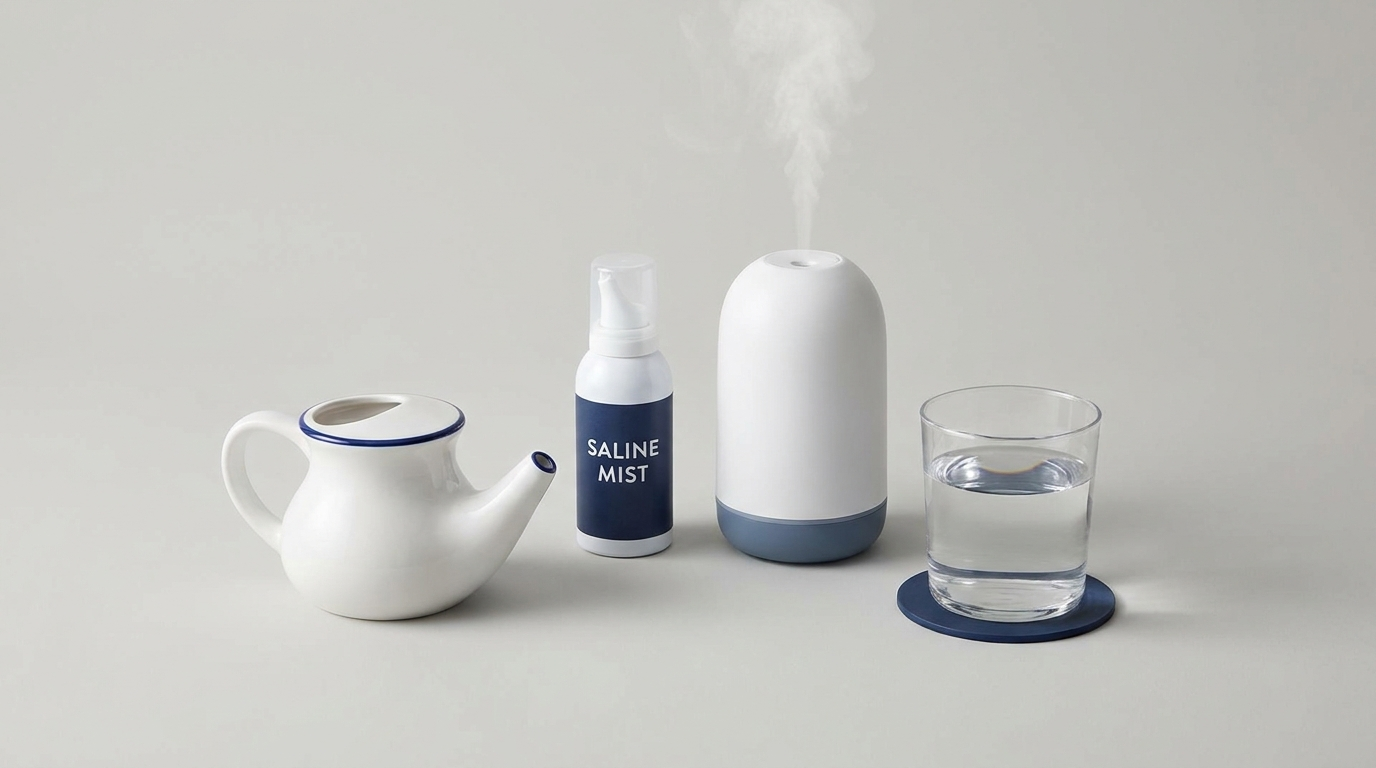
Nasal saline irrigation and sprays (supportive cornerstone)
Saline rinses/sprays can help clear mucus, reduce crusting, and improve comfort—often pairing well with OTC symptom relief.
Intranasal steroid sprays (not a “pill,” but often highly effective)
Intranasal steroid sprays may be especially helpful when inflammation and/or allergies contribute. [3] For a spray-focused guide, see Best Nasal Spray for Sinusitis (steroid vs. saline vs. decongestant): https://sleepandsinuscenters.com/blog/best-nasal-spray-for-sinusitis-steroid-vs-saline-vs-decongestant
Hydration, humidity, and rest
Supportive steps many people find helpful include warm showers, humidified air, and staying well hydrated.
Summary: *Saline plus steam/humidity plus a targeted OTC pill is a simple, effective home stack for many people.*
Who Should Talk to a Clinician Before Taking OTC Sinus Pills?
High-risk groups and common medication conflicts
Extra caution is important for:
- People with high blood pressure/heart disease (especially with decongestants)
- Pregnancy/breastfeeding
- Children (dosing and product selection can differ)
- Those taking blood thinners
- People with kidney or liver disease
If you’re unsure, a pharmacist can often quickly confirm whether a product is compatible with your current medications and conditions.
Summary: *When in doubt—especially with heart, pregnancy, or kidney/liver concerns—ask a clinician or pharmacist first.*
When to See a Doctor (Or ENT) for Sinus Infection Symptoms
Red flags for urgent care
Seek urgent evaluation for symptoms such as:
- Swelling around the eyes
- Severe headache, stiff neck, confusion
- Vision changes
- Trouble breathing
Signs you may need an ENT evaluation
An ENT evaluation is often considered when there are frequent sinus infections, symptoms lasting more than 12 weeks (chronic rhinosinusitis), or poor response to repeated treatments. [3]
Summary: *Escalate care for red flags, prolonged symptoms, or frequent recurrences.*
Lifestyle Tips to Prevent Future Sinus Infections
Reduce triggers
- Manage allergies
- Avoid smoke and irritants
- Improve indoor air quality when possible
Infection-prevention habits
- Hand hygiene
- Staying hydrated
- Addressing structural nasal obstruction if present (with evaluation)
Summary: *Prevention focuses on reducing inflammation and avoiding triggers.*
FAQs
1) What is the best OTC medicine for a sinus infection?
Often, people use pain relievers for pressure/fever and decongestants for congestion, depending on their symptoms and safety considerations. Pseudoephedrine tends to be more effective than oral phenylephrine for congestion. [2]
2) Do I need antibiotics for a sinus infection?
Many sinus infections are viral and improve with supportive care; antibiotics are generally reserved for symptom patterns more consistent with bacterial infection. [4]
3) Is amoxicillin the best antibiotic for sinus infection?
Amoxicillin-clavulanate is commonly recommended in many adult guidelines for acute bacterial rhinosinusitis; in some cases, amoxicillin may still be used depending on the clinical situation. [4]
4) Does a Z‑Pak work for sinus infections?
Sometimes it may be used, but appropriateness varies due to resistance patterns and individual circumstances, so it’s used less often. [1][4]
5) How long does a sinus infection last with and without antibiotics?
Viral cases often improve over time with supportive care; bacterial cases may improve more quickly with appropriate antibiotics, though improvement is still typically gradual. [4]
6) What can I take for sinus pressure if I have high blood pressure?
Because oral decongestants can raise blood pressure, it’s worth discussing safer options (including non-pill approaches) with a clinician or pharmacist.
7) Can I take ibuprofen and pseudoephedrine together?
Some people can, but it depends on health conditions and other medications. Reading labels carefully and confirming safety with a pharmacist is a smart step.
8) When should I worry that it’s not “just a sinus infection”?
Red flags include eye swelling, severe headache, stiff neck, confusion, vision changes, or breathing difficulty.
Summary: *Most sinusitis is viral; reserve antibiotics for clear bacterial patterns and confirm decongestant safety if you have heart or blood pressure concerns.*
Conclusion: Best Sinus Infection Pills Depend on the Cause—and the Symptoms You Need to Control
- OTC pills often focus on symptom control (pain/fever and congestion). [2]
- Antibiotics are typically reserved for cases that look bacterial, and amoxicillin-clavulanate is frequently a first-line option. [4]
- If symptoms persist, worsen, or keep coming back, an evaluation can help clarify the cause and next steps.
Call to Action
If your symptoms fit bacterial patterns (persistent ≥10 days, severe symptoms, or double-worsening), feel unusually intense, or recur often, consider scheduling an evaluation with Sleep and Sinus Centers of Georgia to discuss the most appropriate treatment approach. You can book an appointment here: https://www.sleepandsinuscenters.com/
References
1. GoodRx – Z‑Pak for Sinus Infections: https://www.goodrx.com/conditions/sinus-infection/z-pak-for-sinus-infections
2. GoodRx – Best OTC Sinusitis Medication: https://www.goodrx.com/conditions/sinus-infection/best-otc-sinusitis-medication
3. Medscape (eMedicine) – Sinusitis Medication: https://emedicine.medscape.com/article/232670-medication
4. AAFP – Acute Bacterial Rhinosinusitis Guidelines: https://www.aafp.org/pubs/afp/issues/2011/0501/p1057.html
“This article is for educational purposes only and is not medical advice. Please consult a qualified healthcare provider for diagnosis and treatment.”
Don’t let allergies slow you down. Schedule a comprehensive ENT and allergy evaluation at Sleep and Sinus Centers of Georgia. We’re here to find your triggers and guide you toward lasting relief.