Best Medication for Mucus Congestion: Top Options for Fast Relief
If you’re dealing with thick phlegm, a rattly cough, or that annoying mucus-in-throat feeling, it’s natural to search for the best medication for mucus congestion—something that provides symptom relief and helps you actually clear what’s stuck.
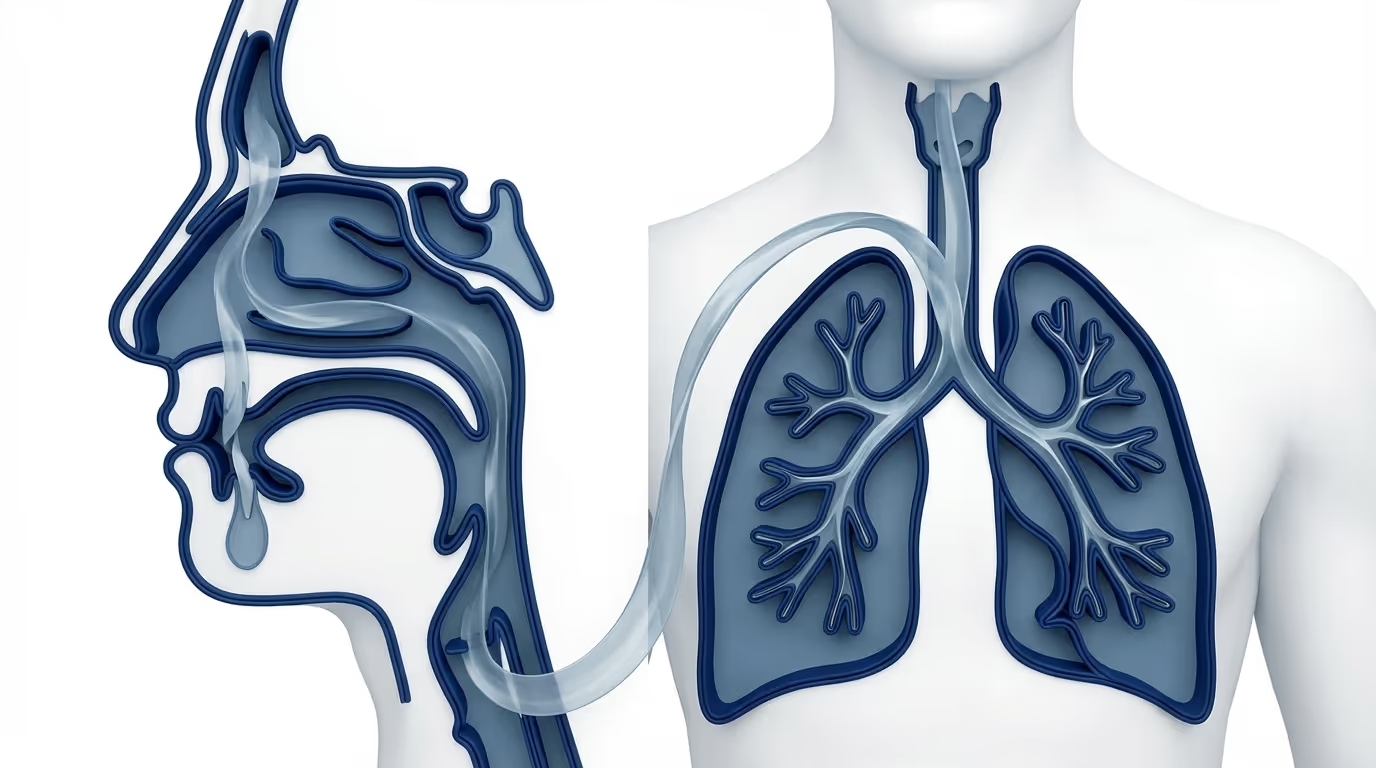
The catch is that the “best” choice depends on why you have mucus and where it’s coming from. Mucus from the nose/sinuses often shows up as postnasal drip (drainage into the throat), while mucus from the chest/airways tends to feel “deep,” heavy, or hard to cough up.
This guide is educational (not personal medical advice) and can help you understand common options for chest congestion relief, postnasal drip, and a productive cough, plus when it’s time to get checked.
Quick Answer: Is There One “Best” Medicine for Mucus Congestion?
There isn’t a single best medication for mucus congestion for everyone. The right option depends on:
- Cause: viral cold cough vs allergies vs chronic lung disease
- Location: postnasal drip (nose/sinuses → throat) vs chest/airways
- Time course: short-term (days) vs ongoing (weeks/months)
A helpful way to think about it: some treatments aim to thin mucus, some aim to reduce inflammation that creates mucus, and others simply open swollen passages so mucus can drain.
What to expect based on common situations:
- Acute viral colds (typical “viral cold cough”): Most guidelines emphasize self-care. Mucolytics generally aren’t recommended for uncomplicated acute cough; OTC expectorant guaifenesin may help some people, but evidence is limited. (NICE NG120, 2019)
- Chronic mucus hypersecretion (such as COPD/chronic bronchitis): N‑acetylcysteine (NAC), a mucolytic, may help some patients—especially those with COPD/chronic bronchitis—when used with clinician guidance. (Rogliani et al., 2024)
*Bottom line: There’s no universal “best” medicine—match treatment to the cause, location, and duration of your symptoms.*
What Mucus Congestion Feels Like (Symptoms to Watch For)
Common mucus congestion symptoms
- Thick mucus/phlegm, frequent throat clearing
- Wet/productive cough or chest “rattling”
- Postnasal drip (mucus dripping down the throat)
- Stuffy nose, sinus pressure, reduced sense of smell
- Hoarseness or sore throat from drainage
A common pattern: many people describe waking up with a “glued-shut” throat, needing repeated throat-clearing, or coughing more once they lie down—classic patterns when drainage is part of the problem. If you want a deeper dive into throat drainage, see our related guide on postnasal drip causes and treatments: https://sleepandsinuscenters.com/blog/post-nasal-drip-causes-symptoms-and-effective-treatments
Signs your mucus may be from the chest vs the sinuses
- More chest/airways: wheeze, shortness of breath, cough worse with exertion, mucus that feels “stuck” in the chest
- More sinus/postnasal drip: sensation of mucus in the throat, cough worse when lying down, facial pressure or congestion
If you’re unsure, note where you feel the “source” of the problem. Chest congestion often feels like you need to cough to move mucus; postnasal drip often feels like you need to swallow or clear your throat to get relief.
When mucus symptoms are a red flag (seek urgent care)
- Trouble breathing, chest pain, lips/face turning blue
- High fever, confusion, severe dehydration
- Coughing up blood
- Symptoms that worsen after initially improving
*Tip: Track where you feel the mucus and how long it lasts—those clues help you choose the right approach or know when to seek care.*

Why You Have Mucus Congestion (Most Common Causes)
Short-term causes (days to ~2 weeks)
- Viral cold/upper respiratory infection
- Flu/COVID recovery phase
- Temporary irritation (smoke, pollution, strong odors)
Ongoing or recurrent causes (weeks to months)
- Allergic rhinitis or chronic rhinitis
- Chronic sinusitis/recurrent sinus inflammation
- Asthma (including cough-variant asthma)
- COPD/chronic bronchitis or bronchiectasis with chronic mucus hypersecretion
Medication-related and lifestyle contributors
- Dehydration, dry indoor air
- Overuse of certain nasal sprays (rebound congestion)
- Smoking/vaping
One practical takeaway: if mucus keeps returning, it’s often less about “finding a stronger mucus medicine” and more about addressing the underlying driver (inflammation, allergy triggers, chronic airway disease, or irritant exposure).
*If mucus lingers or returns, focus on the cause—not just stronger symptom relievers.*

Best Medication for Mucus Congestion: Options That Can Help (OTC + Rx)
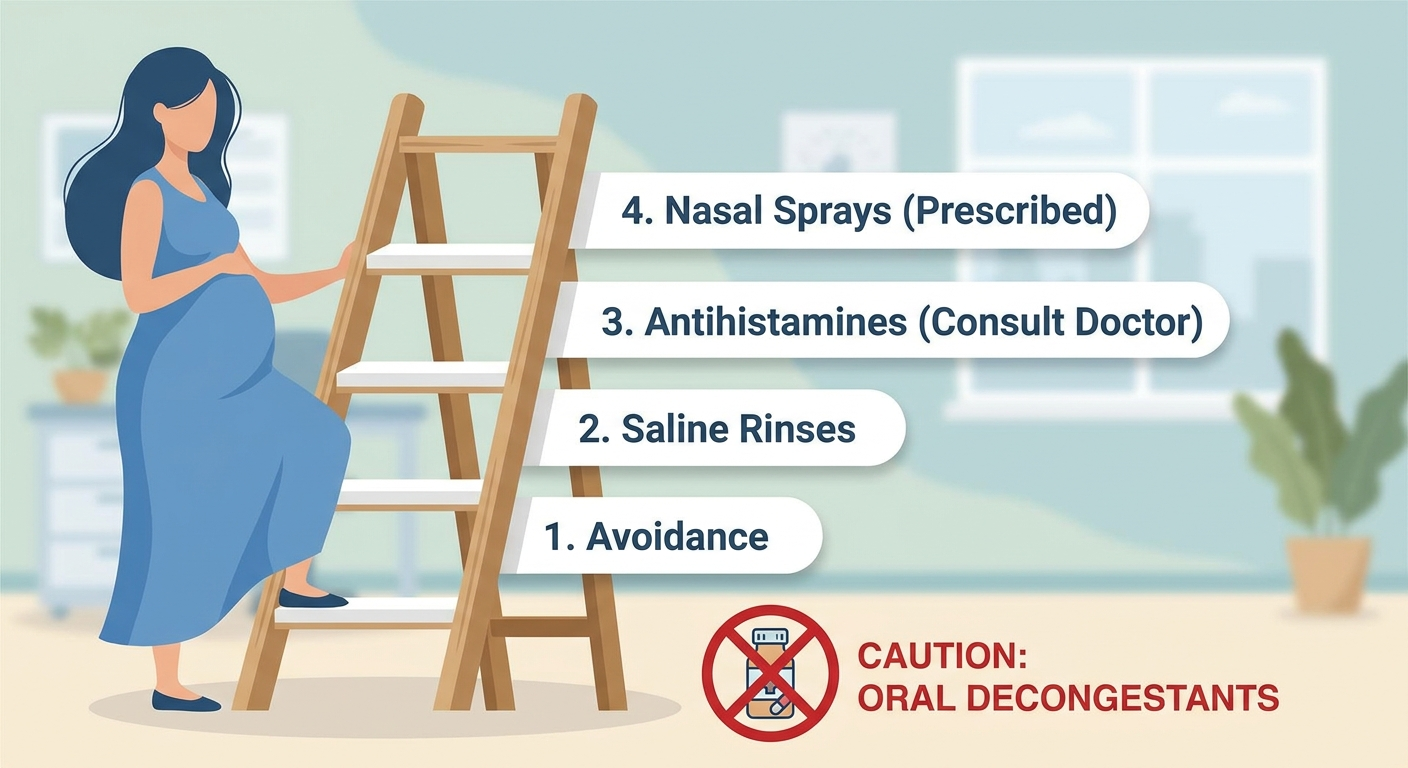
Safety note: People who are pregnant, or who have high blood pressure, heart disease, glaucoma, prostate enlargement, or who are taking multiple medications should consider pharmacist/clinician input before choosing products.
OTC expectorant: Guaifenesin (for chest mucus)
What it’s for: Loosening mucus so it’s easier to cough out—often described as chest congestion relief.
Who may consider it: Some guaifenesin products are labeled for adults and children 12+, but directions vary by product; always follow the package label. For acute cough with mucus, some adults may try it, with realistic expectations because clinical benefit is limited in uncomplicated viral infections. (NICE NG120, 2019)
Why it might help: Laboratory studies suggest guaifenesin may affect mucus properties (e.g., viscosity and transport), but this does not guarantee meaningful benefit for uncomplicated acute cough. (Seagrave et al., 2012)
Practical points (educational):
- Many people find it works best alongside adequate fluids (think: “thinning the glue” so it can move)
- Consider avoiding multi-ingredient “everything” cold products unless you truly need the other ingredients
- If your cough is dry or you’re not producing mucus, an expectorant may not match your symptoms
Mucolytics for chronic lung mucus: N‑Acetylcysteine (NAC)
What it’s for: Thinning mucus and potentially reducing mucus overproduction in some chronic airway diseases.
Best fit: Some chronic mucus conditions—especially COPD/chronic bronchitis—with clinician guidance. Evidence across other chronic conditions (including bronchiectasis) is more variable.
Evidence snapshot: A systematic review reports that NAC can influence mucus-related pathways and may reduce mucus hypersecretion in select chronic airway diseases; overall evidence is stronger in chronic conditions than in uncomplicated viral cough. (Rogliani et al., 2024)
Important guideline contrast: For acute viral cough, NICE advises not offering mucolytics like acetylcysteine/carbocisteine. (NICE NG120, 2019)
Antihistamines (best when allergies are driving mucus)
When to consider: Sneezing, itchy eyes/nose, clear watery drainage, seasonal patterns.
How they help: They reduce allergic inflammation and may reduce mucus production. Some antihistamines also dry secretions, which may feel helpful for runny drainage but less comfortable for very thick mucus.
Intranasal corticosteroid sprays (best when inflammation is driving congestion/drainage)
When to consider: Chronic nasal congestion, rhinitis-related postnasal drip, sinus inflammation.
What to know: They work over time by reducing swelling so mucus drains better; they’re not typically “instant.” For a comparison of options, see best nasal spray for sinusitis (steroid vs saline vs decongestant): https://sleepandsinuscenters.com/blog/best-nasal-spray-for-sinusitis-steroid-vs-saline-vs-decongestant
Decongestants (short-term help for swelling; not “mucus breakers”)
- Oral (e.g., pseudoephedrine) and topical nasal sprays (e.g., oxymetazoline)
Best for: Short-term nasal blockage/pressure rather than thick chest mucus.
Safety cautions: Oral decongestants can raise blood pressure and heart rate; topical nasal decongestant sprays can cause rebound congestion if used too long.
Cough suppressants (when coughing is hurting sleep—not for clearing mucus)
When to consider: A nighttime cough that is non-productive or disrupts rest.
Caution: Suppressing a productive cough may make it harder to clear mucus for some people.
*Choose medications that match your symptom pattern and health history, and be cautious with multi-ingredient products.*

Best Treatments That Aren’t “Medicine” (Often the Most Reliable for Relief)
Hydration + warm fluids
Fluids can help thin secretions and support natural mucus clearance. Warm drinks may soothe throat irritation from drainage—especially when frequent coughing or throat clearing has made tissues feel raw.
Steam/humidification
Helpful when mucus feels thick or the air is dry. A warm shower or humidifier can be an easy supportive step. For practical tips, see does shower steam help relieve congestion?: https://sleepandsinuscenters.com/blog/does-shower-steam-help-relieve-congestion-benefits-and-tips
Saline irrigation/sprays for postnasal drip and sinus mucus
Saline can rinse irritants, thin mucus, and improve drainage. For nasal rinses, safe water practices matter (distilled/sterile water, or boiled then cooled).
Airway clearance strategies (especially for chronic mucus)
Gentle movement, controlled coughing, and clinician-recommended airway clearance techniques can be important—particularly for chronic chest mucus conditions. Persistent or recurrent symptoms may warrant evaluation.
*Simple measures like hydration, humidification, and saline often provide the fastest, most reliable relief.*

How to Choose the Right Option (Patient-Friendly Decision Guide)
If it’s a typical cold (acute URI)
- Start with supportive care: fluids, rest, saline, humidification
- Consider a short trial of guaifenesin (if labeled for your age) if chest mucus is bothersome—keeping expectations realistic (NICE NG120, 2019)
If you suspect allergies
- An antihistamine may help, and an intranasal corticosteroid spray may help for ongoing inflammation
- Trigger reduction (dust control, pollen strategies) can reduce recurrence
If it’s chronic chest mucus (COPD/chronic bronchitis)
- Long-term self-management without evaluation can miss important drivers
- Clinician-guided approaches may include mucolytics like NAC and a personalized airway clearance plan (Rogliani et al., 2024)
*Start with supportive care, then add targeted options that fit the cause and duration of your symptoms.*

What NOT to Do (Common Mistakes)
Taking “everything” in a multi-symptom cold product
Multi-ingredient products can lead to duplicate dosing and extra side effects—especially if you also take separate pain relievers, decongestants, or cough meds.
Using nasal decongestant sprays too long
Overuse of topical nasal sprays (like oxymetazoline) can trigger rebound congestion and make blockage feel worse. If this is a concern, see Afrin rebound congestion: https://sleepandsinuscenters.com/blog/afrin-rebound-how-long-does-nasal-congestion-last-after-use
Ignoring persistent mucus beyond the usual timeframe
Mucus that persists beyond ~10–14 days, keeps returning, or comes with wheezing/shortness of breath deserves closer attention.
*Avoid overusing quick fixes—especially multi-symptom combos and topical decongestant sprays used for too long.*
When to See a Doctor/ENT for Mucus Congestion
Make an appointment if you have:
- Symptoms lasting >10–14 days or repeatedly returning
- Severe facial pain or concern for sinus complications
- Chronic postnasal drip affecting sleep/voice
- Chronic productive cough, wheezing, or frequent bronchitis
Sleep and Sinus Centers of Georgia can help evaluate chronic nasal congestion, sinus inflammation, and postnasal drip patterns that may contribute to ongoing throat mucus. If you’re stuck in a cycle of “clear up → come right back,” it’s often a sign the underlying cause (inflammation, allergy triggers, or chronic airway irritation) needs a targeted plan—not just another OTC product.
To book an appointment, visit https://www.sleepandsinuscenters.com/ and choose a convenient location and time.
What evaluation may include
- Focused history (duration, triggers; mucus color alone doesn’t prove infection)
- Nasal exam; sometimes imaging/endoscopy for chronic cases
- Consideration of asthma/COPD/allergies depending on symptoms
*If symptoms persist or disrupt life, a focused evaluation can clarify the cause and speed relief.*
FAQs
What is the best OTC medicine for mucus congestion?
The best OTC option depends on whether the mucus is mainly chest or nasal/postnasal drip. For chest mucus, some people try guaifenesin, though evidence in uncomplicated acute infections is limited. (NICE NG120, 2019) For nasal symptoms, saline and inflammation-focused sprays (intranasal corticosteroids) are often more relevant than “mucus breakers.”
Does guaifenesin actually break up mucus?
Guaifenesin is an expectorant used to help loosen mucus and support clearance. Laboratory research suggests it may affect mucus viscosity and mucociliary transport, but clinical benefit for uncomplicated acute cough is limited. (Seagrave et al., 2012; NICE NG120, 2019)
Is NAC good for mucus?
N‑acetylcysteine (NAC), a mucolytic, may be helpful in some chronic mucus conditions—especially COPD/chronic bronchitis—with clinician guidance. It is not recommended for uncomplicated acute viral cough. (Rogliani et al., 2024; NICE NG120, 2019)
How can I get mucus out of my chest fast?
Supportive steps—hydration, humidification/steam, and effective coughing/clearance techniques—often help. Medication choice (for example, guaifenesin vs treating underlying triggers) depends on the cause and whether this is acute or chronic.
What color mucus means infection?
Color alone doesn’t reliably distinguish viral from bacterial infection. Yellow or green mucus does not by itself prove a bacterial infection. Duration, severity, and associated symptoms are usually more meaningful than color alone.
Lifestyle Tips to Prevent Mucus Buildup
Daily habits
- Maintain steady hydration
- Avoid smoking/vaping and secondhand smoke
- Manage indoor humidity (too-dry air can thicken secretions)
Allergy control (if applicable)
- Plan for seasonal triggers (pollen strategies, cleaning routines)
- Consider evaluation if symptoms are persistent or significantly disruptive
*Small daily habits—hydration, humidity control, and trigger management—reduce mucus buildup over time.*
Conclusion: The “Best” Medication Is the One That Matches the Cause
The best medication for mucus congestion isn’t one-size-fits-all. A short-lived viral cold cough often responds best to self-care and time, with limited benefit from OTC add-ons for some people. Ongoing or heavy mucus—especially when tied to allergies, chronic sinus inflammation, or COPD/chronic bronchitis—usually improves most when the underlying driver is identified and treated.
If symptoms persist, recur, or interfere with sleep and daily life, Sleep and Sinus Centers of Georgia can help assess whether the main issue is sinus/postnasal drip, nasal inflammation, or another cause contributing to chronic mucus. You can book an appointment at https://www.sleepandsinuscenters.com/.
References
- NICE. Cough (acute): antimicrobial prescribing. NICE guideline NG120 (2019). Recommendations note not offering mucolytics (acetylcysteine/carbocisteine) for acute cough due to URI; OTC guaifenesin may be tried with limited evidence. https://www.nice.org.uk/guidance/ng120/chapter/recommendations
- Rogliani et al. Impact of N‑Acetylcysteine on Mucus Hypersecretion in the Airways: A Systematic Review (2024). https://pmc.ncbi.nlm.nih.gov/articles/PMC11531296/
- Seagrave et al. Effects of guaifenesin, N‑acetylcysteine, and ambroxol on MUC5AC and mucociliary transport (2012). https://pmc.ncbi.nlm.nih.gov/articles/PMC3545908/
This article is for educational purposes only and is not medical advice. Please consult a qualified healthcare provider for diagnosis and treatment.
Don’t let allergies slow you down. Schedule a comprehensive ENT and allergy evaluation at Sleep and Sinus Centers of Georgia. We’re here to find your triggers and guide you toward lasting relief.