Best Herbs for Sinus Infection Relief: Natural Options for Symptom Support
Sinus symptoms can be miserable—facial pressure, a clogged nose that won’t open up, postnasal drip, headache, and that “heavy” feeling behind your cheeks or forehead. It’s no surprise so many people search for the best herbs for sinus symptom relief when they want practical, gentle options to help them breathe again.
Herbs may support comfort by easing inflammation and helping the body clear thick mucus—but they aren’t a substitute for an evaluation when symptoms are severe, unusual, or lingering. In this guide, we’ll cover herbal options with varying levels of evidence (including Pelargonium sidoides EPs 7630 and Sinupret extract [BNO 1016]), selected Traditional Chinese Medicine (TCM) herbs sometimes used for chronic patterns, and supportive compounds like quercetin and ginger—plus key safety tips and when to seek care. The evidence summaries referenced below come from recent reviews. [1–3]
Medical disclaimer: This article is for education only and isn’t medical advice or a diagnosis. Supplements can interact with medications and may not be appropriate for everyone. If you’re unsure what’s driving your symptoms—or symptoms are worsening—talk with a qualified healthcare provider.
What Is a Sinus Infection (Rhinosinusitis)?
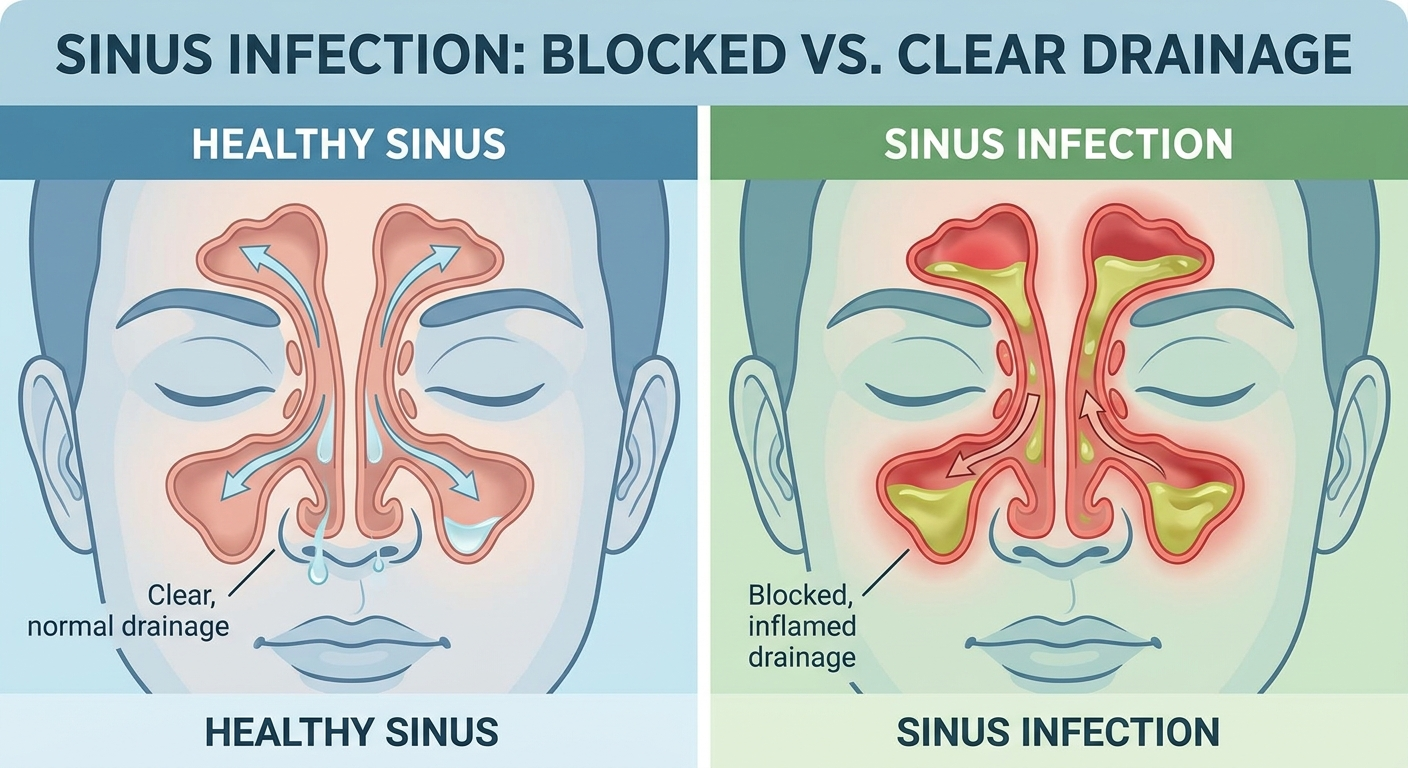
Rhinosinusitis is inflammation of the nasal lining and sinus passages. That inflammation can narrow drainage pathways, trap mucus, and create the pressure and congestion many people associate with a “sinus infection.”
One clinician-friendly way to think about it: when swollen tissue blocks the drains, everything backs up—mucus, pressure, and irritation. As an ENT might put it, “When drainage is impaired, symptoms tend to linger—even if the original trigger was just a cold.”
Acute vs. chronic sinusitis (quick definitions)
- Acute rhinosinusitis: symptoms lasting less than 4 weeks
- Subacute rhinosinusitis: symptoms lasting 4–12 weeks
- Chronic rhinosinusitis: symptoms lasting 12 weeks or longer
- Recurrent acute rhinosinusitis: multiple discrete acute episodes per year with symptom-free intervals
If you’re unsure which pattern matches your symptoms, see this helpful overview on acute vs. chronic sinusitis: https://sleepandsinuscenters.com/blog/acute-vs-chronic-sinusitis-key-differences-and-treatment-options
Viral vs. bacterial vs. inflammatory—why it matters
Many sinus infections begin with a virus (like a cold). Others involve bacteria, but not every case needs antibiotics. In many situations, ongoing inflammation and poor drainage are what keep symptoms going. Learn more: https://sleepandsinuscenters.com/blog/viral-vs-bacterial-sinus-infections-key-differences
In short, rhinosinusitis is primarily an inflammation-and-drainage problem, and the care plan often aims to calm the lining and improve flow.
Symptoms: How to Tell If You Might Have a Sinus Infection
Common symptoms
- Nasal congestion or blocked nose
- Facial pressure or pain (cheeks, around the eyes, forehead)
- Thick nasal discharge and/or postnasal drip
- Reduced smell/taste
- Headache, fatigue, cough
For a more complete breakdown, review symptoms: https://sleepandsinuscenters.com/symptoms-of-sinus-problems
Signs symptoms may be worsening
- Symptoms that persist beyond the expected timeframe
- Increasing facial pain/pressure
- New or worsening fever, or symptoms that trend worse after initially improving
A practical example: you start with a typical cold, feel a bit better around day 4–5, then congestion and pressure ramp back up and feel “stuck.”
“Red flag” symptoms—seek urgent care
- Swelling around the eyes or vision changes
- Severe headache or stiff neck
- High fever, confusion, or unusual drowsiness
- Facial swelling or severe one-sided pain
If symptoms linger or worsen—or if red flags show up—timely evaluation can help you get the right care.
Causes & Risk Factors (Why Sinus Symptoms Keep Happening)
Drainage problems and swollen nasal lining
When the nasal lining swells, the exit routes that normally drain mucus can narrow. Mucus gets trapped, pressure builds, and congestion lingers.
Allergies and irritant exposure
Allergies and irritants can keep the nose inflamed, increasing the chance of recurrent symptoms. Common triggers include pollen, smoke, strong scents, air pollution, and dry indoor air. If allergies may be part of your pattern, consider learning about allergy testing: https://sleepandsinuscenters.com/allergy-testing
Structural and medical contributors
Recurring or persistent symptoms can be associated with factors like a deviated septum, nasal polyps, chronic rhinitis, or certain immune-related conditions.
Reducing inflammation, optimizing drainage, and addressing triggers or underlying contributors is often what breaks the cycle.
How Herbs May Help (Mechanisms Patients Can Understand)
When people look for natural options for sinus symptoms, it helps to know what herbs can realistically do. The best-studied herbal approaches typically support the sinuses in three main ways:
Three “jobs” many sinus-supportive herbs aim to do
1. Reduce inflammation in the nasal and sinus lining
2. Support mucociliary clearance (your nose’s built-in conveyor belt that moves mucus out)
3. Help loosen mucus and improve drainage
Why mucociliary clearance matters
Mucociliary clearance is like a moving walkway at an airport: it steadily carries mucus (and trapped particles) toward the back of the nose so it can be cleared. If mucus becomes thick and sticky—or if the lining is too inflamed—clearance slows down.
Some combination herbal extracts studied for rhinosinusitis appear to support mucus hydration and clearance, which may reduce congestion and pressure. That’s why many evidence-informed herbal options are framed as symptom support and drainage support, not a guaranteed cure.
Think of herbs as potential helpers for comfort and flow while your body’s normal healing process does its work.
Best Evidence-Supported Herbs for Sinus Symptom Relief
Below are options with some supportive research in rhinosinusitis and upper respiratory symptom relief. Always follow product labels and consider a pharmacist or qualified healthcare provider review if you take medications.
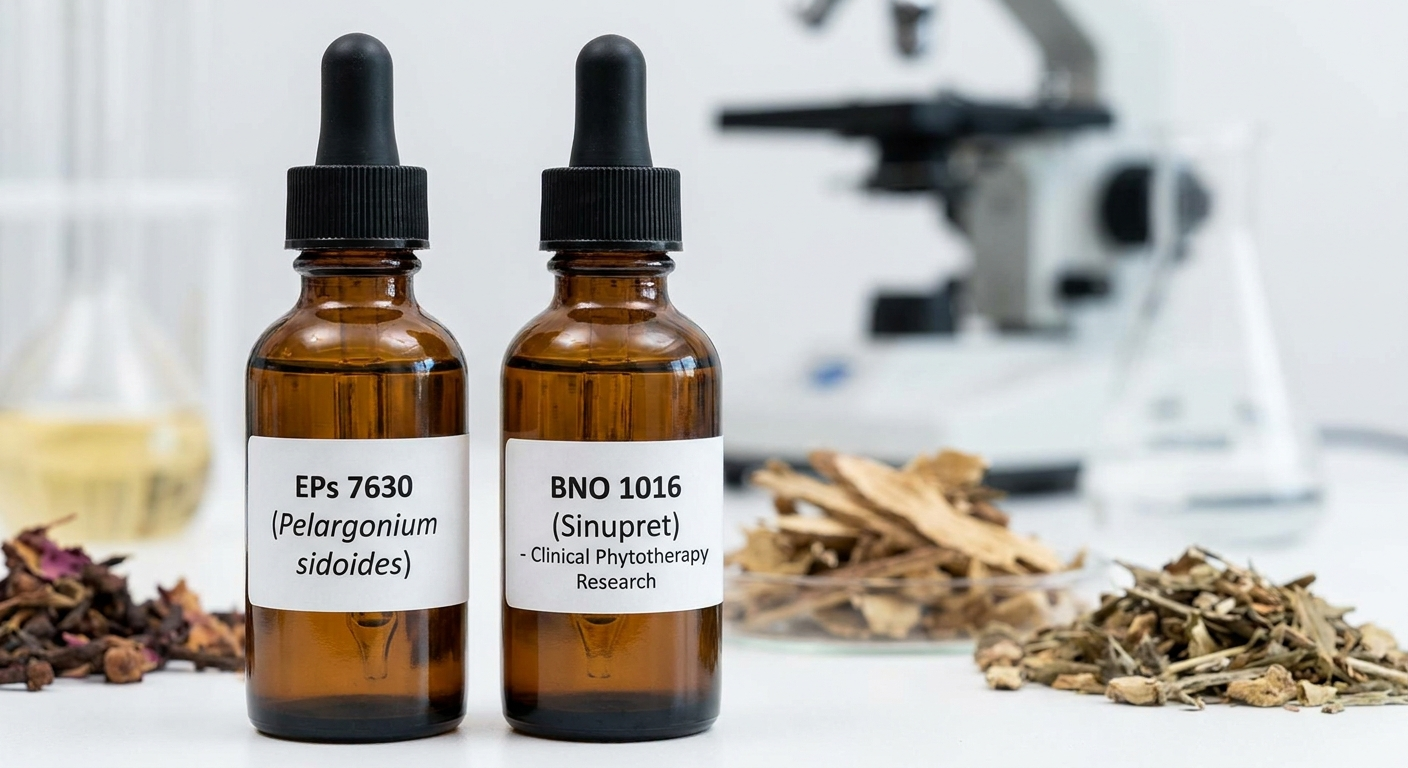
Pelargonium sidoides (Umckaloabo, standardized extract EPs 7630)
- What it is: A botanical extract studied for upper respiratory symptoms.
- How it may help in acute rhinosinusitis: Research suggests Pelargonium sidoides EPs 7630 may support symptom relief during acute upper respiratory infections; it is not a substitute for medical evaluation or antibiotics when those are needed. [1]
- Best form to look for: A standardized extract labeled EPs 7630, since most research is tied to specific preparations.
- Who should be cautious: People who are pregnant/breastfeeding, immunocompromised, or taking blood thinners/antiplatelet medications should discuss use with a qualified healthcare provider.
- When you might notice benefit: Studies typically evaluate outcomes over several days to about 1–2 weeks; individual results vary. [1]
Sinupret extract (BNO 1016) (combination herbal extract)
- What it is: A multi-botanical product used for sinus and respiratory symptoms.
- How it may help: Studies suggest it may support antiviral activity and mucus hydration, promoting mucociliary clearance to help congestion feel more manageable. [2–3]
- Who may benefit most: People with the “stuck, thick mucus” feeling early in a cold or sinus flare may find this category especially relevant.
- Practical note: Combination products studied as specific formulations—such as Sinupret extract (BNO 1016)—offer consistency versus mixing your own herbs. [2–3]
Traditional Chinese Medicine (TCM) herbs for chronic or recurrent symptoms (with clinician guidance)
Some TCM herbs have traditional uses with preliminary pharmacologic interest for congestion and inflammation. Quality control, correct identification, and appropriate matching to a person’s pattern matter—so these are best discussed with a qualified practitioner rather than used as DIY options. [1–3]
- Magnolia denudata (Flos magnoliae / xin yi hua)
Traditional use: Often included in TCM patterns involving nasal congestion. Evidence note: Preliminary interest for anti-inflammatory and congestion-related effects; more rigorous trials are needed. [1–3] Caution: Use only with professional guidance.
- Xanthium strumarium (Xanthii fructus / cang er zi)
Traditional use: Often selected in TCM patterns associated with thicker nasal discharge and congestion. Evidence note: Frequently discussed in chronic sinusitis formulas with early pharmacologic signals; robust clinical evidence is limited. [1–3] Caution: Not ideal for self-prescribing.
Bottom line: Among options with the most study, Pelargonium sidoides EPs 7630 and Sinupret extract (BNO 1016) may help with symptom relief and mucus movement, while TCM herbs and supportive compounds are best approached cautiously and with guidance.

Supportive Anti-Inflammatory Compounds (Quercetin and Ginger)
These aren’t sinus infection treatments, but they’re commonly used as supportive strategies—especially when inflammation or allergies overlap.
Quercetin (dietary polyphenol)
- Why it’s mentioned: Potential antihistamine-like and anti-inflammatory properties may be relevant when allergies contribute to congestion and postnasal drip; evidence for direct sinus infection relief is limited. [1–3]
- Food sources: Onions, apples, berries, and leafy greens.
Ginger (Zingiber officinale)
- Why it’s mentioned: Ginger has broad anti-inflammatory actions and may support comfort; evidence for direct sinus infection relief is limited. [1–3]
- Easy use ideas: Ginger tea, adding fresh ginger to soups, or standardized supplements (when appropriate).
Herbs That Are Popular but Need Extra Caution
Essential oils (eucalyptus/peppermint) and steam
Steam can feel soothing, but essential oils may irritate sensitive nasal tissue. Do not ingest essential oils or apply them directly inside the nostrils. Extra caution is warranted for children and people with airway sensitivity. If you like steam, consider plain shower steam or a bowl of warm water (carefully, to avoid burns) without adding potent oils.
A soothing routine should not create new irritation—simpler is often safer.
How to Use Herbal Remedies Safely (Patient-Friendly Checklist)
Choose quality products
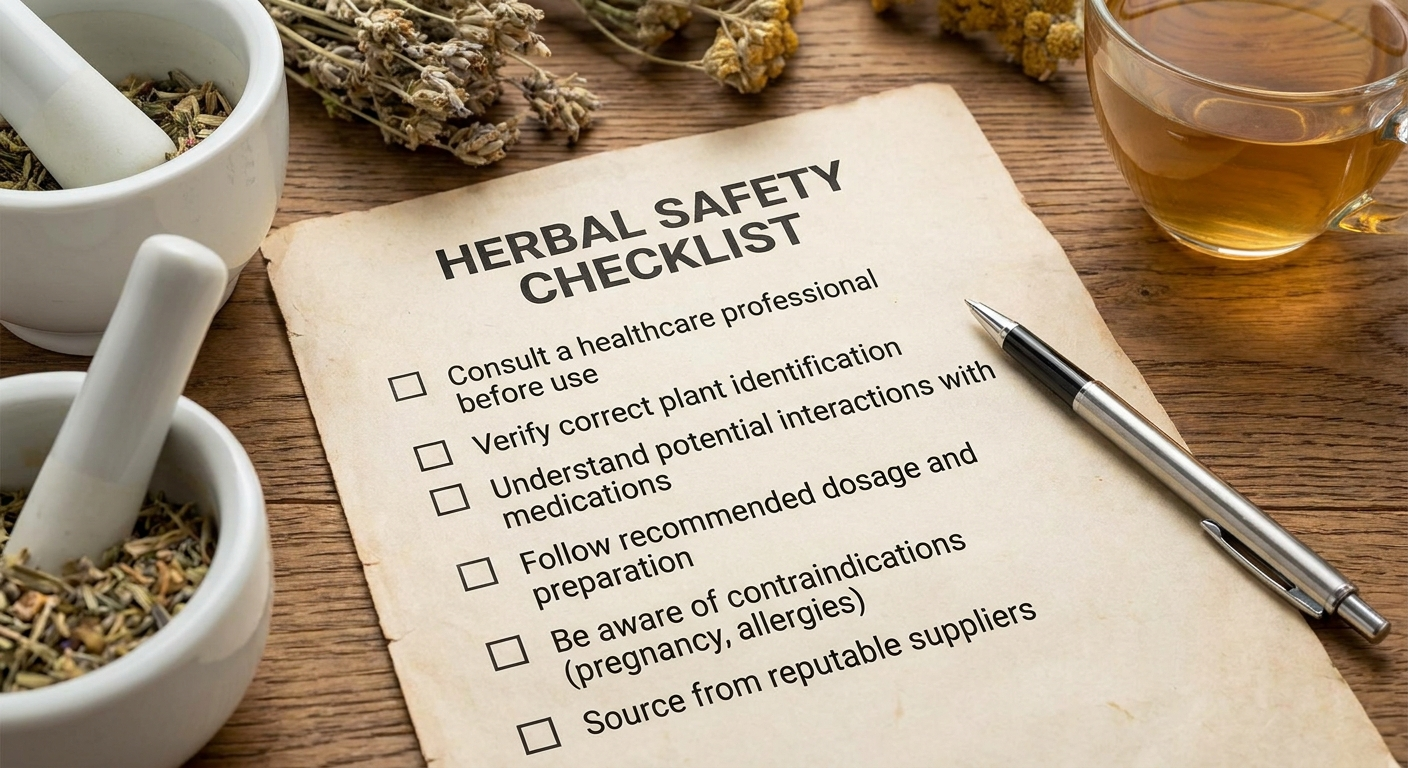
The research behind sinus-supportive herbs is often tied to specific preparations—so look for standardized extracts when evidence is based on them (like EPs 7630) or branded formulations such as Sinupret extract [BNO 1016]. [1–3]
Avoid risky DIY combinations
Herbal products can interact with medications. Extra caution is reasonable if you take:
- Blood thinners/antiplatelets
- Immunosuppressants
- Medications that affect the liver
If you’re already using an OTC decongestant, antihistamine, or nasal spray, ask a pharmacist to sanity-check the full stack.
Special populations who should check with a qualified healthcare provider first
- Pregnancy/breastfeeding
- Children
- Older adults taking multiple medications
- Chronic liver disease or bleeding disorders
When to stop and call a qualified healthcare provider
Stop use and seek guidance if you notice symptoms such as rash, wheezing, swelling, severe GI upset, dizziness, or worsening overall symptoms.
A quick safety review up front can help you get the benefits without the downsides.

Best Whole Plan for Faster Sinus Relief (Herbs + Lifestyle)
Herbs may be used as part of a broader comfort-focused routine. Think “support the lining, support drainage, reduce irritation.” [1–3]
Hydration + humidification
Warm fluids and adequate hydration can support thinner mucus. In dry indoor air, a humidifier may help reduce irritation. Example: if home heat runs overnight and you wake with a “sandpaper nose,” humidification may help.
Saline irrigation (if appropriate)
Saline rinses can help clear irritants and thin mucus. Water safety matters—use distilled or previously boiled (and cooled) water, or sterile water: https://sleepandsinuscenters.com/blog/neti-pot-water-safety-why-boiled-or-distilled-water-is-essential-a906d
Heat, rest, and gentle movement
A warm compress over the face and extra rest can support comfort. Elevating the head during sleep may help nighttime drainage.
Reduce triggers while you heal
Smoke, strong fragrances, and dusty/dry environments can keep the nasal lining inflamed.
Small daily steps that thin mucus and calm the lining often add up to faster relief.
Conventional Treatments (and When They’re Still the Best Choice)
OTC options that may help symptoms
Common options include saline sprays/rinses, certain nasal steroids (when appropriate), pain relievers, and mucus thinners. Comparison guide: https://sleepandsinuscenters.com/blog/best-otc-medicine-for-sinus-infection-when-to-see-a-doctor
Antibiotics: when they help—and when they don’t
Many cases improve without antibiotics, especially when symptoms are viral or primarily inflammatory. More: https://sleepandsinuscenters.com/blog/do-i-always-need-antibiotics-for-a-sinus-infection
When an ENT evaluation may be needed
If symptoms are recurrent, persistent, or associated with concerns like nasal polyps or structural blockage, an evaluation may help clarify the underlying cause and next steps.
Conventional care and supportive measures often work best together to address both inflammation and drainage.
FAQs
Q: Which herbs have the most evidence for sinus symptom relief?
A: Pelargonium sidoides (EPs 7630) for acute upper respiratory symptoms and Sinupret extract (BNO 1016) for supporting mucus clearance and congestion relief. [1–3]
Q: How long do herbal remedies take to help sinus congestion?
A: Some people notice improvement within a few days during acute illness; others need a week or longer. Timing depends on whether symptoms are viral, bacterial, allergy-driven, or related to chronic inflammation. [1–3]
Q: Can I take Pelargonium (Umckaloabo) and Sinupret extract (BNO 1016) together?
A: Combining products may increase the chance of side effects or interactions, especially if you take other medications. Ask a qualified healthcare provider or pharmacist to review safety for your situation. [1–3]
Q: What if my sinus infection is actually allergies?
A: Allergies can mimic or trigger sinus symptoms. Supportive options like quercetin and ginger may be relevant when allergic inflammation overlaps with congestion, though they are not proven sinus infection treatments. Consider allergy testing: https://sleepandsinuscenters.com/allergy-testing
Q: When should I see a doctor for a sinus infection?
A: Seek prompt evaluation for red flags (eye swelling, vision changes, severe headache, confusion, high fever, stiff neck) or if symptoms persist, worsen, or recur frequently.
Conclusion
The best-studied herbal options for sinus symptom relief include standardized products like Pelargonium sidoides EPs 7630 and combination extracts such as Sinupret extract (BNO 1016), which may help with inflammation and mucus clearance. [1–3] For chronic or recurrent issues, TCM herbs like Magnolia denudata and Xanthium strumarium are traditionally used but should be approached only with qualified guidance. Herbs may be most helpful alongside hydration, humidification, safe saline rinses, rest, and trigger reduction. If symptoms persist, recur often, or include red flags, consider getting evaluated.
Call to Action
If you’re dealing with frequent sinus infections, ongoing congestion, or symptoms that keep coming back, you can book an appointment with Sleep and Sinus Centers of Georgia here: https://www.sleepandsinuscenters.com/
Citations
1. https://pmc.ncbi.nlm.nih.gov/articles/PMC11893696/ (2024)
2. https://pmc.ncbi.nlm.nih.gov/articles/PMC9341451/ (2022)
3. https://pmc.ncbi.nlm.nih.gov/articles/PMC7118523/ (2020)
Educational Disclaimer
This article is for educational purposes only and is not medical advice. Please consult a qualified healthcare provider for diagnosis and treatment.
Don’t let allergies slow you down. Schedule a comprehensive ENT and allergy evaluation at Sleep and Sinus Centers of Georgia. We’re here to find your triggers and guide you toward lasting relief.