Balloon Sinuplasty Before and After: Real Patient Results & Recovery
Living with chronic sinus symptoms can be draining. When your nose feels blocked most days, pressure builds in your face, and sleep never feels restful, it can start to affect everything—work, energy, mood, and even how well you can exercise or focus.
If you’re researching balloon sinuplasty before and after, you’re likely looking for two things: (1) realistic results, and (2) a clear idea of what recovery is actually like. This guide walks through what typically changes, what may not change, and what many patients experience week by week. Balloon sinuplasty is considered a minimally invasive option and, for the right candidates, is often performed in-office. (Source: Cleveland Clinic: https://my.clevelandclinic.org/health/treatments/21977-balloon-sinuplasty)
If you want deeper background on the condition itself, explore our overview of chronic sinusitis: https://sleepandsinuscenters.com/chronic-sinusitis.

What Is Balloon Sinuplasty (And What It Actually Does)
The simple explanation (no medical jargon)
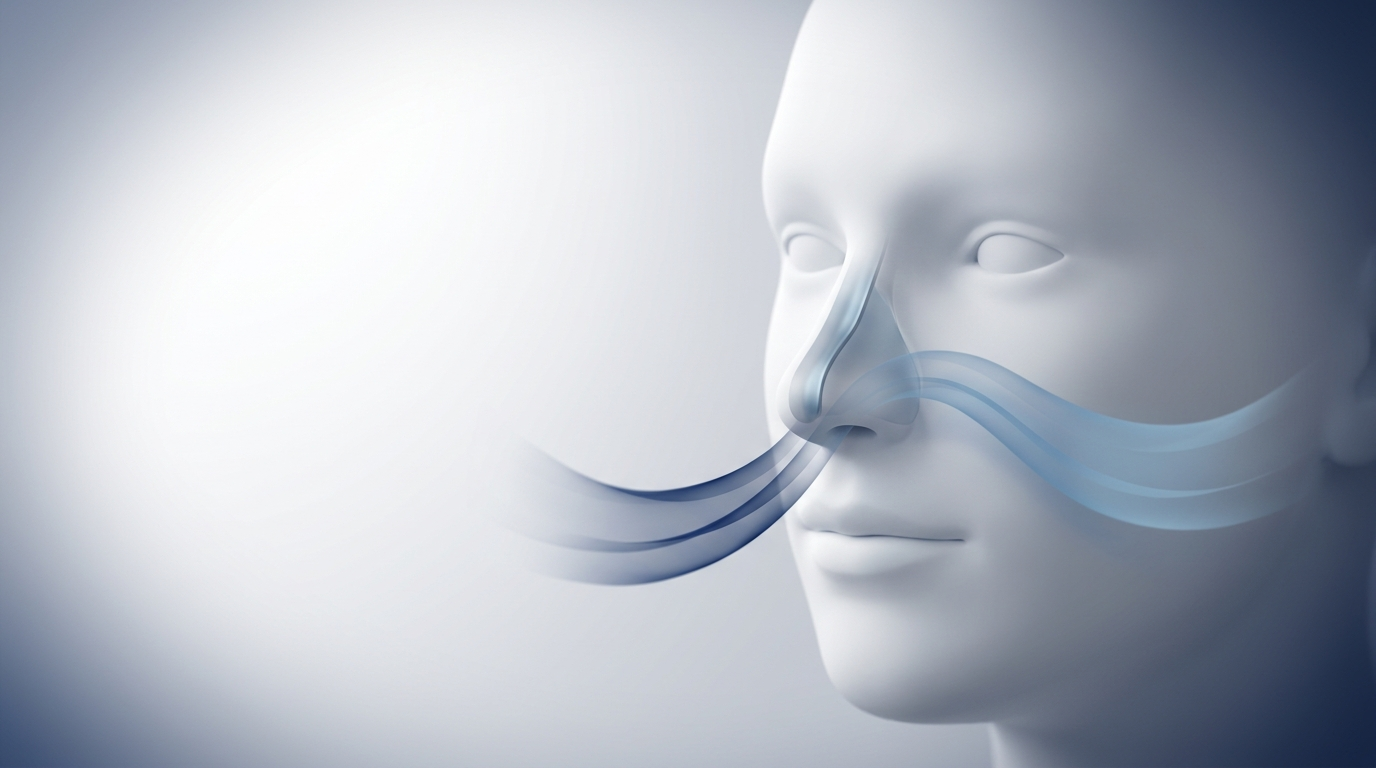
Balloon sinuplasty is a procedure that helps open up blocked sinus drainage pathways. A clinician guides a small balloon into a narrowed sinus opening and gently inflates it. That widening can help the sinus drain more effectively—supporting better airflow and less “backed-up” pressure. Importantly, this approach is designed to open pathways without removing large amounts of tissue. (Source: Cleveland Clinic: https://my.clevelandclinic.org/health/treatments/21977-balloon-sinuplasty)
A useful analogy: a pinched drain
Think of your sinus opening like a pinched drain. If the “drain” is narrowed, fluid and pressure build up behind it. Balloon dilation is meant to widen that passage so mucus can move out more easily—often reducing the cycle of blockage → pressure → flare-ups.
Balloon sinuplasty vs. “traditional” sinus surgery
Traditional endoscopic sinus surgery often involves removing tissue and/or bone to open the sinuses. Balloon sinuplasty, by contrast, is generally described as less invasive, with many patients experiencing less bleeding and faster downtime compared with more extensive surgical approaches—though the best option depends on what’s actually causing your blockage. (Sources: Cleveland Clinic; PMC review: https://pmc.ncbi.nlm.nih.gov/articles/PMC10046702/)
In short: balloon sinus dilation gently widens drainage pathways to help sinuses ventilate and clear without significant tissue removal.

Symptoms “Before” Balloon Sinuplasty (What Patients Commonly Report)
When people search balloon sinuplasty before and after, the “before” picture is usually very consistent: persistent blockage, recurring flares, and symptoms that don’t fully resolve with typical routines.
Nasal and sinus symptoms
Common “before” complaints include:
- Ongoing stuffiness or congestion
- Thick drainage and/or post-nasal drip
- Reduced sense of smell (or smell that comes and goes)
For a broader list, see our guide to symptoms of sinus problems: https://sleepandsinuscenters.com/symptoms-of-sinus-problems.
Many patients describe the frustration as “always having one side blocked” or feeling like they can’t get a full breath through their nose—especially at night or during workouts.
Pain, pressure, and sleep disruption
Many people also report:
- Facial pressure in the cheeks, forehead, or behind the eyes
- “Sinus headaches” or head pressure
- Poor sleep quality (often from nighttime congestion), followed by daytime fatigue and irritability
A common pattern is that symptoms spike when you lie down (more congestion), which leads to mouth breathing, dry throat, and lighter sleep. Over time, even “mild” symptoms can feel big because they’re constant.
When symptoms suggest chronic sinusitis (not just a cold)
Colds and short-lived sinus infections can cause similar symptoms. What pushes many people to consider procedures is when symptoms last 12 weeks or longer, or keep coming back multiple times per year despite appropriate care. An ENT evaluation and imaging can help clarify what’s actually happening and what options fit your anatomy and history.
If your symptoms persist beyond 12 weeks or keep returning, an ENT evaluation with imaging can clarify next steps.
What Causes Chronic Sinus Blockage (And Why Symptoms Keep Coming Back)
Chronic sinus issues often have multiple “drivers,” which is why one-size-fits-all solutions can fall short.
Inflammation triggers
Inflammation can swell nasal and sinus lining, narrowing drainage pathways. Common triggers include:
- Allergies
- Environmental irritants (smoke, strong fragrances, pollution)
- Ongoing rhinitis (nasal inflammation)
Even with a successfully opened pathway, ongoing inflammation may still need treatment—because balloon sinuplasty improves drainage, but doesn’t “switch off” allergic or irritant responses.
Anatomy and structural contributors
Some people naturally have narrower sinus openings. Others have swelling patterns that repeatedly block drainage. In some cases, co-existing issues (like a deviated septum or nasal polyps) may also contribute—conditions that balloon sinuplasty may not fully address by itself.
Infection cycles and trapped mucus
When drainage is poor, mucus can linger. That trapped mucus can increase pressure, worsen congestion, and contribute to recurring infections or flares—creating a cycle that’s hard to break without improving ventilation and drainage.
Lasting relief usually requires both better drainage and good control of ongoing inflammation.

Balloon Sinuplasty “After” — What Improvements Do Patients Typically Notice?
A realistic balloon sinuplasty before and after comparison usually comes down to how often symptoms flare, how intense they feel, and how much they interfere with daily life.
The most common “after” wins (day-to-day quality of life)
Many patients report improvements such as:
- Clearer nasal breathing
- Less facial pressure and fewer “sinus headaches”
- Better sleep quality and improved daytime energy
- Fewer sinus flare-ups and reduced reliance on repeated antibiotics or oral steroids (when appropriate)
In testimonial-style summaries, patients often describe changes like: “I can finally breathe through my nose,” or “the pressure behind my eyes isn’t a daily thing anymore.” (Patient testimonials vary and don’t predict individual results.)
Because every patient’s anatomy and inflammation triggers are different, results vary—especially if allergies or chronic inflammation remain unmanaged.
What research says about success rates and long-term outcomes
Research and long-term follow-up studies generally show:
- High technical success rates for opening targeted sinus pathways (often reported as >95%)
- Sustained symptom improvement for many patients; one long-term study reports 88.5% of patients experienced beneficial outcomes over time
These statistics come from published research evaluating balloon sinus dilation outcomes. (Sources: PMC review: https://pmc.ncbi.nlm.nih.gov/articles/PMC10046702/; Long-term outcomes: https://pmc.ncbi.nlm.nih.gov/articles/PMC3738804/)
A helpful way to interpret this: “technical success” means the pathway was opened as intended. Symptom success is more personal—and can depend on follow-up care, inflammation control, and whether additional structural problems are present.
Before-and-after imaging (what scans can show)
CT imaging and nasal endoscopy are often used to confirm where blockage exists. In a typical “before,” scans may show swollen lining and obstructed drainage pathways. In an “after,” clinicians may see improved openness of the sinus outflow tracts and better ventilation—though swelling can still take time to fully settle, which is why improvement is often gradual rather than instant. (Sources: Cleveland Clinic; PMC review)
Expect fewer, milder flares and steadier breathing over time; individual results vary based on anatomy and inflammation control.

Balloon Sinuplasty Recovery Timeline (What to Expect Day-by-Day)
Recovery is one of the biggest reasons patients compare balloon sinuplasty before and after so closely. Here’s a practical timeline many people find helpful—keeping in mind your exact balloon sinuplasty recovery time depends on how many sinuses are treated, your baseline inflammation, and your aftercare plan. Recovery time varies—some patients may need longer depending on individual factors.
The first 24 hours
Many patients notice:
- Mild pressure or tenderness
- Congestion (sometimes it feels “worse before better”)
- Watery drainage or light blood-tinged mucus
Rest and following your post-procedure instructions are usually emphasized during this window. (Source: Cleveland Clinic: https://my.clevelandclinic.org/health/treatments/21977-balloon-sinuplasty)
A simple expectation to hold onto: the first day can feel like “my nose is aware of what happened,” even if pain is mild. That’s normal for many people.
Days 1–2: back to normal activities for many patients
A common expectation is that many people can return to normal daily activities within 1–2 days, depending on their job demands and how they feel. Some people choose to take a bit longer—especially if they’re prone to swelling or fatigue. (Source: Cleveland Clinic) Recovery time varies—some patients may need longer depending on individual factors.
If your job is physically demanding or involves heavy lifting, ask your clinician what they recommend for your specific case.
Days 3–7: congestion improves, drainage continues
During this phase:
- Congestion often starts to ease, but fluctuations are common
- Drainage may continue as the nose and sinuses clear
- Saline rinses and any prescribed medications are often part of the plan to reduce swelling and help clear mucus (based on your clinician’s guidance)
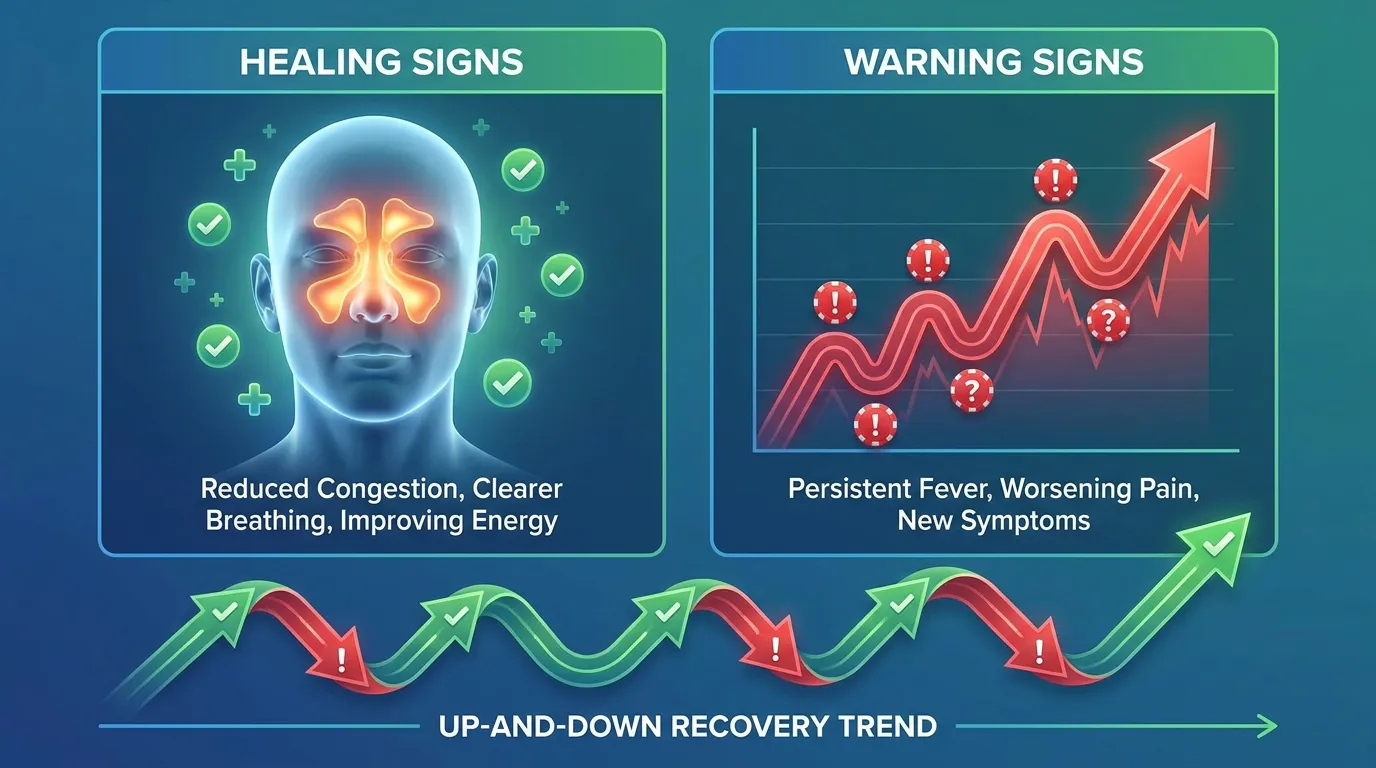
This is also when people sometimes notice “pockets” of improvement—like one clearer night of sleep—followed by a stuffier day. That up-and-down pattern is common during healing.
Weeks 2–6: breathing and pressure often noticeably better
Many patients notice more stable improvements as swelling resolves:
- Easier breathing through the nose
- Less facial pressure
- Fewer “bad sinus days”
Follow-up visits matter here, because they help confirm healing is on track and address lingering inflammation.
Early ups and downs are normal; most patients feel steadily better by weeks 2–6, with individual recovery times varying.
Side Effects and Risks (Transparent, but Reassuring)
Understanding balloon sinuplasty side effects can help you plan—and avoid surprises.
Common, expected short-term effects
Often temporary:
- Nasal congestion
- Minor bleeding or blood-tinged mucus
- Mild facial pressure/tenderness
(Source: Cleveland Clinic)
Less common risks (why choosing an ENT matters)
Less common concerns can include:
- Infection
- Persistent symptoms (since not everyone responds the same way)
- Need for additional treatment if other causes are present (for example, polyps, significant septal deviation, or uncontrolled inflammation)
When to call your doctor urgently (simple checklist)
Seek urgent medical attention if you notice:
- Heavy bleeding that won’t stop
- Fever, worsening pain, or swelling around the eyes
- Severe headache, confusion, or vision changes
Most effects are mild and short-lived, but seek urgent care for heavy bleeding, high fever, eye symptoms, or severe headache.
Who Is a Good Candidate for Balloon Sinuplasty?
Signs you may be a candidate
In general, candidacy is stronger when:
- Symptoms fit chronic sinusitis and haven’t improved with appropriate medical therapy
- CT or endoscopy shows blocked sinus openings
- Recurring infections or pressure significantly affect quality of life
(Source: Cleveland Clinic)
You can also explore our Balloon Sinuplasty page for an overview of how the procedure is approached at Sleep and Sinus Centers of Georgia: https://sleepandsinuscenters.com/balloon-sinuplasty.
Who may need different or additional treatment
Balloon sinuplasty may not be enough on its own for people with:
- Significant nasal polyps
- Major structural issues contributing to blockage
- Ongoing allergies or chronic rhinitis that remain untreated (balloon sinuplasty can open drainage, but it doesn’t “turn off” inflammation triggers)
The best candidates have documented blockage after appropriate medical therapy and a plan to manage ongoing inflammation.
Balloon Sinuplasty vs Other Treatments (What Patients Should Compare)
Medications and daily care (first-line for many)
Many treatment plans start with:
- Saline rinses
- Nasal steroid sprays
- Allergy management strategies
- Antibiotics only when clearly appropriate
Traditional endoscopic sinus surgery (when it’s better)
If disease is extensive or tissue removal is needed, traditional sinus surgery may be more appropriate than a balloon-based approach. The right choice depends on imaging findings and the underlying cause. (Sources: Cleveland Clinic; PMC review)
In-office balloon sinuplasty and modern minimally invasive options
For qualifying patients, in-office balloon sinuplasty can be appealing because it’s designed to be minimally invasive with a relatively fast return to routine—while still targeting drainage and ventilation.
The right approach depends on your imaging, disease extent, and goals—your ENT will tailor the plan.

Lifestyle Tips to Protect Your “After” Results (And Reduce Flare-Ups)
Long-term balloon sinuplasty results are often best supported by keeping inflammation down over time.
Daily habits that help keep sinuses calm
- Saline rinses as recommended
- Staying well-hydrated
- Using a humidifier when indoor air is dry
Allergy and irritant control
- Reduce exposure to smoke and strong fragrances
- Keep indoor air clean (filters and regular cleaning can help)
- Consider evaluation if symptoms are seasonal or persistent
Sleep and breathing habits
- Slight head elevation during early recovery may help with nighttime congestion
- If mouth breathing or nighttime blockage persists, a long-term plan with an ENT can help address contributing factors
Consistent inflammation control and healthy daily habits help maintain results and reduce flare-ups over time.
FAQs About Balloon Sinuplasty Before and After
How long does balloon sinuplasty take?
It often takes under an hour, depending on how many sinuses are treated. (Source: Cleveland Clinic)
Is balloon sinuplasty painful?
Many patients describe pressure more than pain. Numbing medicine is commonly used, and comfort strategies can vary based on the setting and patient needs.
How long is balloon sinuplasty recovery time?
Many people return to normal activities in 1–2 days, though congestion can linger for a week or longer while swelling settles. Recovery time varies—some patients may need longer depending on individual factors. (Source: Cleveland Clinic)
Does balloon sinuplasty work long-term?
Research supports durable improvement for many patients, including long-term follow-up data showing sustained benefit in a large share of patients. (Sources: https://pmc.ncbi.nlm.nih.gov/articles/PMC3738804/; https://pmc.ncbi.nlm.nih.gov/articles/PMC10046702/)
Can symptoms come back after balloon sinuplasty?
Yes. Symptoms can recur—especially if allergies, chronic inflammation, or other structural issues continue to drive swelling or blockage.
Will I still need allergy meds or nasal sprays afterward?
Possibly. Balloon sinuplasty opens drainage pathways, but it doesn’t eliminate allergy triggers or underlying inflammatory conditions.
When to See an ENT (And What to Ask at Your Visit)
Signs it’s time for a specialist evaluation
Consider an ENT visit if you have:
- Symptoms lasting longer than 12 weeks
- Frequent sinus infections
- Facial pressure that keeps returning or disrupts sleep and daily life
Questions to bring to your appointment
- “Am I a candidate based on my CT findings?”
- “Which sinuses are blocked?”
- “What recovery should I expect based on my history?”
- “What’s the plan to manage inflammation and prevent flare-ups afterward?”
If you’re ready for next steps, you can schedule an evaluation: https://sleepandsinuscenters.com/appointments or take our sinus symptom quiz to help organize your symptoms before your visit: https://sleepandsinuscenters.com/sinus-symptom-quiz.
Booking note: If you’d like a specialist to review your symptoms, imaging, and options, you can also book directly through https://www.sleepandsinuscenters.com/.
Bringing your imaging and a clear list of questions helps your ENT tailor a plan that fits your specific anatomy and goals.
Conclusion: What “Before and After” Can Really Mean
A realistic balloon sinuplasty before and after story often looks like this: less blockage, less pressure, fewer disruptive flare-ups, and better sleep—leading to an improved quality of life. For many patients, the “after” isn’t about feeling perfect every day—it’s about getting more predictable breathing, fewer bad weeks, and a plan that finally matches the underlying cause.
The best outcomes usually come from the right diagnosis, the right procedure selection, and consistent follow-up care. To learn more about treatment options at Sleep and Sinus Centers of Georgia, visit our Balloon Sinuplasty page: https://sleepandsinuscenters.com/balloon-sinuplasty or read Balloon Sinuplasty testimonials for additional perspective (keeping in mind that individual results can vary): https://sleepandsinuscenters.com/balloon-sinuplasty-testimonials.
Sources
- Cleveland Clinic – Balloon Sinuplasty overview, side effects, and recovery expectations: https://my.clevelandclinic.org/health/treatments/21977-balloon-sinuplasty
- PubMed Central (PMC) – Review of balloon sinus dilation outcomes and safety: https://pmc.ncbi.nlm.nih.gov/articles/PMC10046702/
- PubMed Central (PMC) – Long-term outcomes data: https://pmc.ncbi.nlm.nih.gov/articles/PMC3738804/
This article is for educational purposes only and is not medical advice. Please consult a qualified healthcare provider for diagnosis and treatment.
Don’t let allergies slow you down. Schedule a comprehensive ENT and allergy evaluation at Sleep and Sinus Centers of Georgia. We’re here to find your triggers and guide you toward lasting relief.