Balloon Septoplasty Before and After Results: Real Patient Changes and Recovery
If you’re comparing options for a deviated septum, you’re probably looking for two things: realistic balloon septoplasty before-and-after results and a clear idea of recovery. Balloon septoplasty—as the term is used by some clinics, including ClearPath balloon septoplasty—is described as a minimally invasive, office-based way to improve nasal airflow for carefully selected patients. It is different from balloon sinuplasty, which targets the sinus openings rather than the septum.
Bottom line: Balloon septoplasty may help the right patients breathe more easily, but it’s not a one-size-fits-all solution.
What Is Balloon Septoplasty (and How It Differs From Traditional Septoplasty)?
The problem it treats: deviated septum and nasal obstruction. Your nasal septum is the thin wall of cartilage and bone that separates the left and right breathing passages. When it’s deviated (off-center), one or both sides can narrow and increase airflow resistance—especially noticeable at night, during exercise, or when allergies flare. A simple analogy: it’s like breathing through a slightly pinched straw—you still get air, but it takes more effort.
Balloon septoplasty as an office-based option. In some practices, balloon septoplasty refers to a minimally invasive, office-based procedure intended to improve nasal airflow in selected patients. ClearPath balloon septoplasty is one such approach. The exact technique and mechanism depend on the device used and your anatomy. A clinical evaluation determines if your deviation is well-suited to a balloon-based approach. For more background, see the ClearPath overview from Sleep & Sinus Centers of Georgia: https://sleepandsinuscenters.com/blog/balloon-septoplasty-with-clearpath-a-less-invasive-fix-for-a-deviated-septum
Balloon septoplasty vs. traditional septoplasty (quick comparison)
- Setting: Often office-based vs. traditional septoplasty typically in an operating room
- Anesthesia: Local anesthesia is common vs. general anesthesia more common (varies)
- Incisions/packing: Usually minimal vs. internal nasal incisions and possible splints/packing (varies)
- Downtime: Often shorter vs. typically longer
- Discomfort: Often milder pressure/congestion vs. more swelling/soreness
Takeaway: Both aim to improve airflow; the best choice depends on anatomy, goals, and clinician guidance.

Symptoms That May Improve After Balloon Septoplasty
Common “before” symptoms
- Chronic nasal congestion (often worse on one side)
- Trouble breathing through the nose during activity
- Mouth breathing and dry mouth upon waking
- Snoring or noisy breathing related to blockage
- Sleep disruption tied to feeling “blocked,” especially when lying on one side
When symptoms point to something else (or a combination). Nasal obstruction often has multiple contributors: allergies, chronic sinus inflammation, enlarged turbinates, and nasal valve narrowing or collapse. When blockage is multifactorial, a combination plan may be needed to deliver a clear “after” change. Learn more about turbinate procedures: https://sleepandsinuscenters.com/blog/everything-you-need-to-know-about-turbinate-reduction and nasal valve collapse: https://sleepandsinuscenters.com/blog/nasal-valve-collapse-symptoms-key-signs-and-causes-to-know-d4777
Key point: You’ll feel the best results when the septum is a main driver of blockage and other contributing issues are also addressed.

What Causes a Deviated Septum?
Natural growth and development. Mild deviations are common and may only become bothersome when inflammation or swelling narrows the airway further.
Injury or trauma. Nasal injuries—sports, accidents, or even bumps you don’t recall—can shift the septum and cause persistent obstruction over time.
Stacking factors. Even a moderate deviation can feel severe if combined with turbinate enlargement, nasal valve narrowing, or allergies. If turbinates are part of the problem, this overview can help: https://sleepandsinuscenters.com/blog/everything-you-need-to-know-about-turbinate-reduction
Takeaway: Deviation is common; symptoms feel worse when other narrowing factors “stack” on top of it.

Balloon Septoplasty Before and After—What “Results” Typically Mean
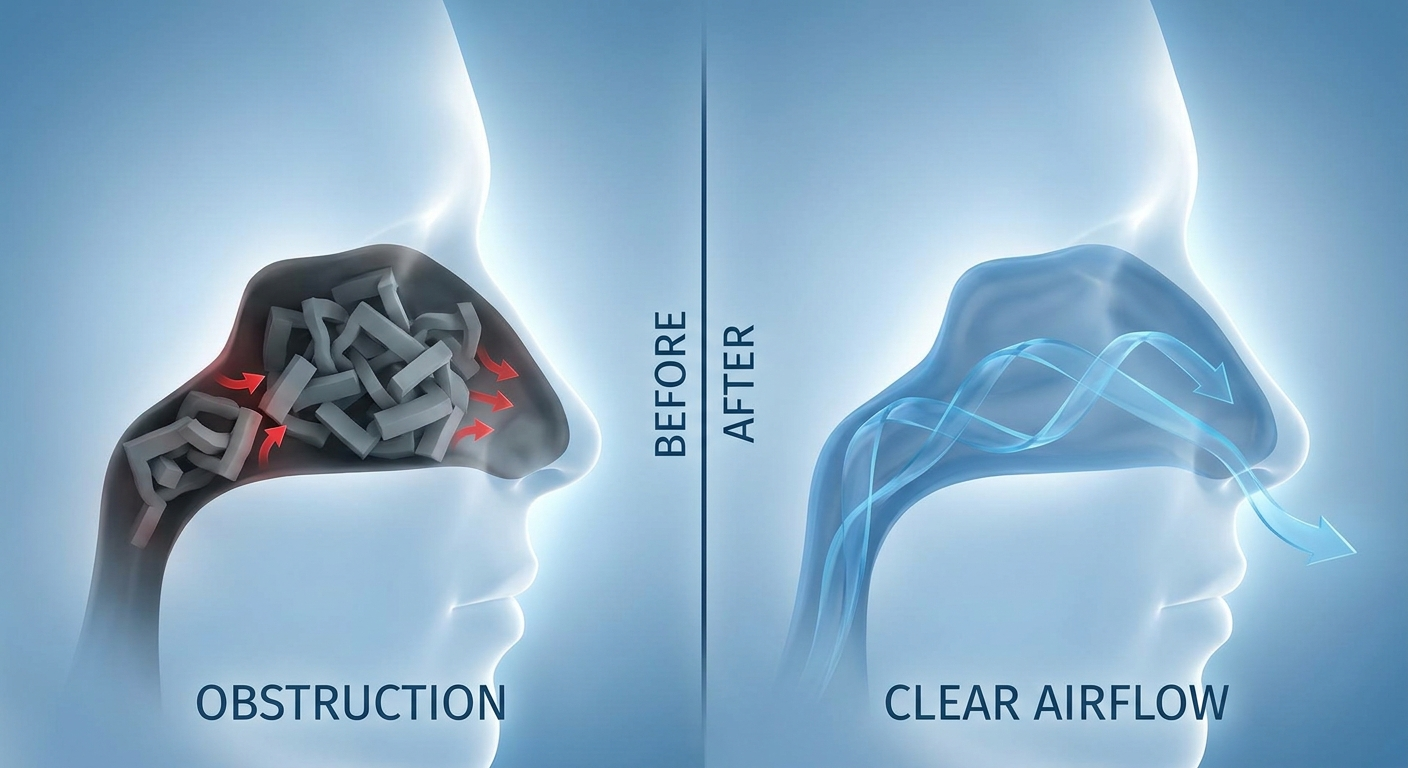
Before: higher resistance on the narrow side. When space is limited, airflow resistance rises. That’s why you may notice more trouble during exercise or sleep.
After: more functional space and smoother airflow. The goal is to increase functional space in the nasal passage so breathing feels more open and less effortful, with less reliance on mouth breathing. In some clinics, objective tools like acoustic rhinometry or rhinomanometry may be used to assess nasal airflow, but your day-to-day comfort is equally important.
Simple idea: Even a small increase in the tightest area can feel like a big improvement in comfort—especially at night or during exercise.
How Successful Is Balloon Septoplasty?
Clinic- or manufacturer-reported outcomes for balloon septoplasty (including ClearPath) sometimes cite improvement rates in the 80–90% range for carefully selected patients, but definitions of “success” vary and results depend on anatomy and technique. See examples of how some clinics describe outcomes:
- Sleep & Sinus Centers of Georgia on ClearPath: https://sleepandsinuscenters.com/blog/balloon-septoplasty-with-clearpath-a-less-invasive-fix-for-a-deviated-septum
- NSIBR overview: https://nsibr.com/balloon-septoplasty/
Your evaluation matters most. If your main bottleneck is the septum and your deviation is amenable to a balloon-based approach, you’re more likely to notice meaningful “after” changes. If turbinates, nasal valve narrowing, or allergies are major drivers, those issues need attention too for the best result.
Bottom line: Match the technique to the anatomy; that’s where the best outcomes usually happen.
Realistic “Before and After” Changes Patients Notice
Breathing improvements you can feel
- Easier nasal breathing at rest
- Greater comfort during walking or workouts
- Less mouth breathing, especially at night
Sleep-related changes
- Fewer awakenings from congestion
- Improved comfort when sleeping on one side
- Possible snoring reduction when nasal blockage is a key contributor
What usually doesn’t change
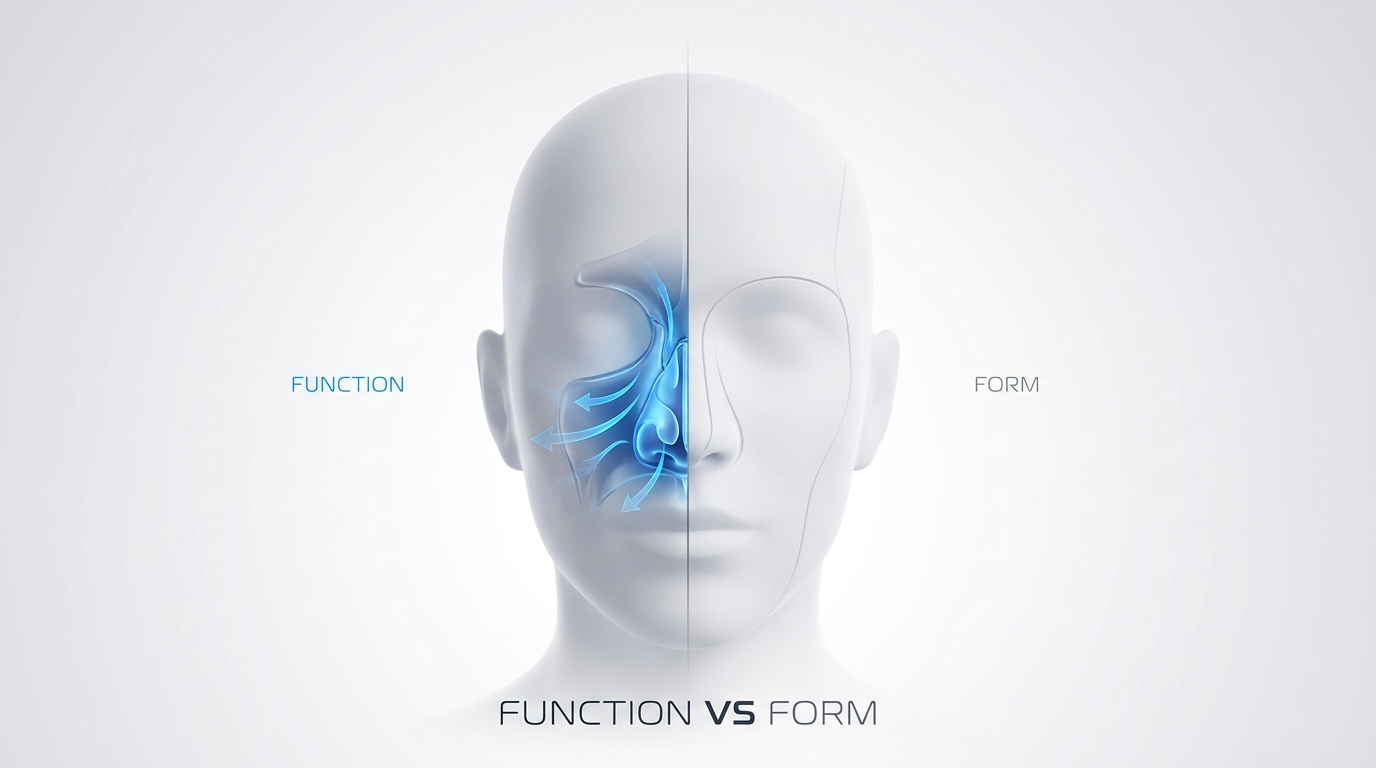
- Nose appearance (this is not a cosmetic procedure). For more, see: https://sleepandsinuscenters.com/blog/does-septoplasty-change-nose-shape-what-to-expect-20260613041036
- Allergy symptoms, unless allergies are treated directly
- Obstructive sleep apnea (OSA) as a standalone treatment—improving nasal airflow may help comfort or CPAP tolerance, but it does not treat OSA on its own
Expectation check: Think function, not cosmetics; nasal airflow can improve comfort but isn’t a stand-alone OSA treatment.

Balloon Septoplasty Recovery Timeline
Overall, balloon septoplasty is often associated with shorter downtime than traditional septoplasty for the right candidate. Your individual plan and instructions should guide your recovery.
The first 24–48 hours
- Mild pressure or tenderness
- Congestion (sometimes feels worse at first due to swelling)
- Light drainage or spotting
Days 3–7
- Ongoing congestion from swelling and normal healing
- Dryness or crusting as the nose adjusts
- Saline care and follow-up as instructed by your clinician
Weeks 2–6
- Swelling continues to settle
- Many people notice the biggest comfort shift during this window
Returning to work/exercise
- Many patients resume normal routines relatively quickly, but timing depends on your job, exercise intensity, and your clinician’s advice
Takeaway: Expect short-term congestion, then gradual improvement—most people notice clearer benefits as swelling resolves.

Risks, Side Effects, and Limitations
Common short-term effects
- Swelling/congestion
- Mild bleeding
- Tenderness or pressure
Less common risks
- Infection
- Persistent obstruction
- Need for additional treatment if other issues (turbinates, valve, allergies) are significant
Limitations—when traditional septoplasty may be better
- Severe or complex deviations
- Significant nasal valve collapse
- Certain revision cases
If valve issues sound familiar, this guide may help: https://sleepandsinuscenters.com/blog/nasal-valve-collapse-symptoms-key-signs-and-causes-to-know-d4777
Key point: Not everyone is a candidate—severe deviations or valve problems may call for traditional surgery.
Treatment Options If You Have a Deviated Septum
At-home and medical management
- Saline care and allergy management can reduce inflammation and symptom flare-ups.
Office procedures (when appropriate)
- Balloon septoplasty (including ClearPath)
- Turbinate-focused procedures
- Other tailored in-office approaches
Learn more about deviated septum care options: https://sleepandsinuscenters.com/deviated-septum-relief
Traditional septoplasty (surgical)
- Often recommended for severe or structurally complex deviations; typically involves a more involved recovery but can be definitive for the right anatomy
Bottom line: The best plan targets your main bottlenecks—sometimes that’s the septum alone, sometimes it’s a combination.
Lifestyle Tips to Support Better Breathing After Balloon Septoplasty
Reduce inflammation triggers
- Manage allergies and avoid irritants like smoke when possible.
Nighttime comfort
- Consider sleeping with your head slightly elevated and avoid overly dry indoor air if advised.
Protect your results
- Keep follow-up appointments and use any prescribed sprays/rinses exactly as directed
Small daily habits can make a meaningful difference in long-term comfort.
FAQs About Balloon Septoplasty Before and After Results
How long do results last?
Results aim to be long-lasting, but durability depends on your anatomy and how well ongoing inflammation (like allergies) is controlled.
Is balloon septoplasty painful?
Most people describe pressure and congestion more than sharp pain, but experiences vary.
How soon will I breathe better?
Some notice improvement early; others feel congested at first due to swelling. Many recognize clearer benefits over the following weeks.
Does balloon septoplasty change the shape of my nose?
Typically, no—this is a functional procedure, not a cosmetic one. Details: https://sleepandsinuscenters.com/blog/does-septoplasty-change-nose-shape-what-to-expect-20260613041036
Can balloon septoplasty help snoring or sleep apnea?
If nasal blockage contributes to noisy breathing, snoring may improve. Improving nasal airflow may help comfort or CPAP tolerance, but it does not treat obstructive sleep apnea as a standalone therapy.
What if I still feel blocked afterward?
Common reasons include normal short-term swelling, turbinate enlargement, allergies, or nasal valve issues. Sometimes additional treatment is needed to address all contributors.
Is balloon septoplasty covered by insurance?
Coverage varies by plan and documentation. Overview: https://sleepandsinuscenters.com/blog/is-septoplasty-covered-by-insurance-coverage-costs-20260406011213
When to See an ENT (and What to Ask)
Consider an evaluation if you have:
- Persistent one-sided blockage
- Mouth breathing or dry mouth on waking
- Sleep disruption tied to congestion
- Limited response to typical symptom treatments
- Frequent sinus complaints along with obstruction
If you’re unsure where your symptoms are coming from, this checklist can help: https://sleepandsinuscenters.com/blog/7-signs-you-need-a-septoplasty-when-to-see-an-ent-20260621153302
Good questions to bring:
- Is my obstruction mainly septum, turbinates, valve, allergies, or a combination?
- Am I a candidate for a balloon-based approach vs. traditional septoplasty?
- What should my recovery look like based on my anatomy?
A focused consultation helps match the technique to your specific anatomy and goals.
Conclusion: Is Balloon Septoplasty Worth It for You?
For the right candidate, before-and-after changes with balloon septoplasty can be meaningful—often with an office-based experience and shorter downtime than traditional surgery. Clinic- or manufacturer-reported summaries for approaches like ClearPath sometimes cite improvement rates around 80–90% in selected patients, but definitions and outcomes vary by anatomy, technique, and how “success” is measured. To learn whether your symptoms are primarily from the septum—or a combination of septum, turbinates, allergies, or nasal valve narrowing—consider a consultation with Sleep & Sinus Centers of Georgia: https://www.sleepandsinuscenters.com/
The best results come from choosing the right procedure for the right problem.
Medical disclaimer
Medical disclaimer: This article is for educational purposes only and does not provide medical advice. Diagnosis and treatment depend on your symptoms, anatomy, and medical history—always follow guidance from a qualified clinician.
This article is for educational purposes only and is not medical advice. Please consult a qualified healthcare provider for diagnosis and treatment.
Don’t let allergies slow you down. Schedule a comprehensive ENT and allergy evaluation at Sleep and Sinus Centers of Georgia. We’re here to find your triggers and guide you toward lasting relief.