Atlanta ENT Specialist for Chronic Sinusitis Treatment
Introduction — When “Sinus Problems” Become Chronic
A stuffy nose for a few days can be annoying. But when sinus symptoms persist for 12 weeks or longer (about three months), they may be diagnosed as chronic sinusitis (also called chronic rhinosinusitis), a condition marked by ongoing inflammation and impaired sinus drainage.
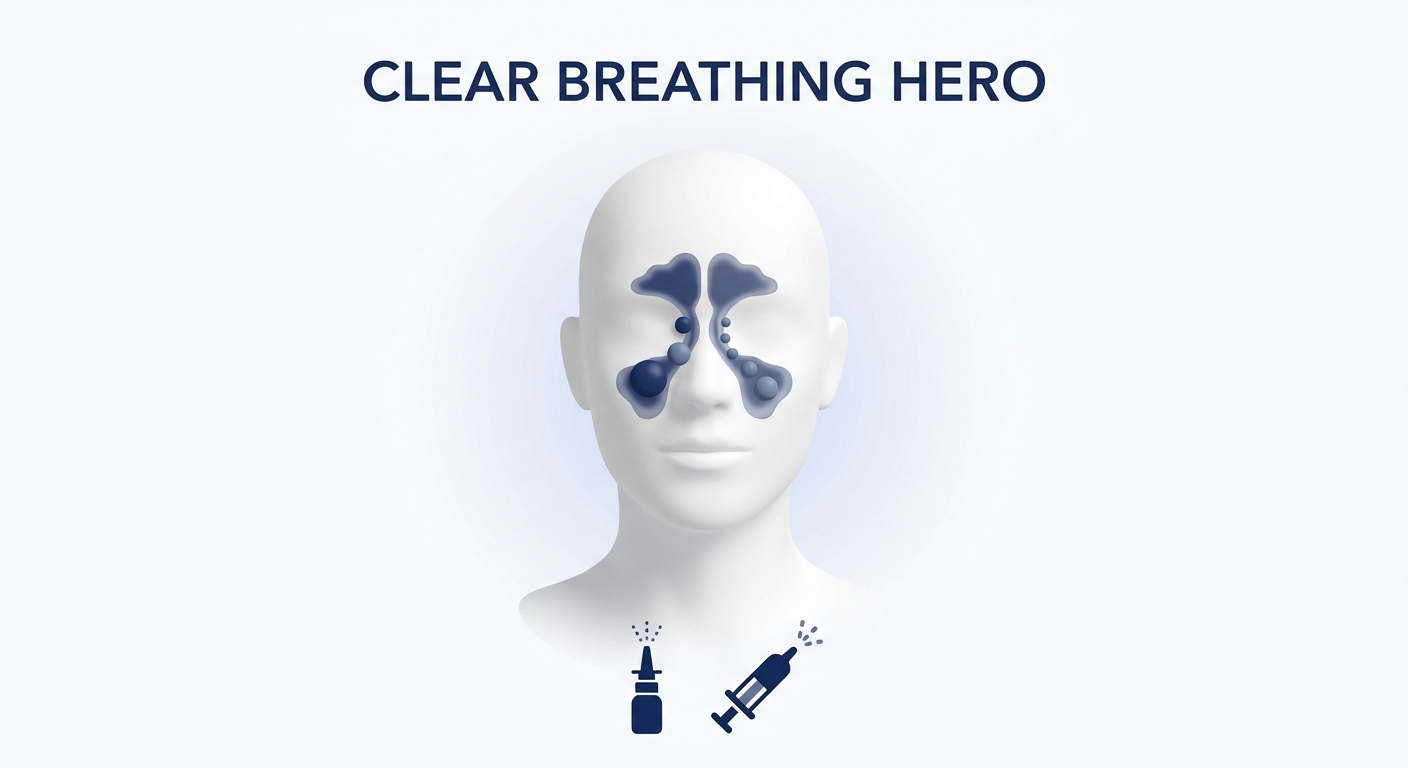
A helpful way to picture it: your sinuses are like small, air-filled rooms, and each room has a narrow doorway for ventilation and mucus drainage. When the lining stays swollen, those “doorways” can narrow—so mucus doesn’t clear well, pressure builds, and symptoms linger.
Because chronic symptoms can overlap with allergies, reflux, migraines, or structural nasal issues, many people benefit from a specialist-level evaluation. Seeing an Atlanta ENT specialist for chronic sinusitis treatment can help clarify what’s driving the problem and what options make sense—starting with conservative care and escalating only if needed.
This guide covers common symptoms, potential causes (including allergies and anatomy), how diagnosis typically works, and the range of chronic sinusitis treatment options available in Atlanta. If you’d like to read more about chronic sinusitis care specifically, you can also visit Sleep & Sinus Centers of Georgia’s page on chronic sinusitis treatment: https://sleepandsinuscenters.com/chronic-sinusitis.
*If symptoms persist beyond three months, an ENT evaluation can help confirm the diagnosis and tailor an effective plan.*
Chronic Sinusitis Symptoms (When to Suspect It)
Common symptoms patients report
Chronic sinusitis can look different from person to person, but these symptoms commonly show up:
- Nasal congestion or obstruction (trouble breathing through the nose)
- Thick nasal drainage (from the front of the nose or as post-nasal drip)
- Facial pressure, heaviness, or fullness
- Reduced sense of smell or taste
- Cough (often worse at night), sore throat, bad breath, fatigue
Pain severity can vary; many patients experience milder but long-lasting discomfort rather than acute severe pain.
Signs it’s time to see an ENT in Atlanta
An ENT evaluation is often considered when symptoms are persistent or keep returning, such as:
- Symptoms lasting longer than 12 weeks
- Frequent episodes labeled “sinus infections”
- Limited improvement despite standard allergy medications or repeated antibiotic courses
- Sleep disruption (mouth breathing, snoring, waking up dry)
- Symptoms that improve temporarily and then quickly return
If you’re at the point of seeking next-step care, you can schedule an appointment for a sinus evaluation: https://sleepandsinuscenters.com/appointments
Callout: “Sinus infection” vs. chronic inflammation — Not all ongoing sinus symptoms are caused by bacteria. Chronic sinusitis often involves inflammation and impaired drainage, which is one reason antibiotics may not be the long-term solution for many patients.
*Persistent, pattern-based symptoms over 12 weeks point toward chronic sinusitis rather than a short-term cold.*
What Causes Chronic Sinusitis?
Inflammation + blocked drainage pathways
Your sinuses are air-filled spaces that rely on small drainage pathways to ventilate and clear mucus. When the lining stays swollen, those openings can narrow. That can lead to stagnant mucus, pressure, congestion, and recurring flare-ups.
In practical terms, even a small amount of swelling in the wrong spot can have an outsized effect—like a slightly pinched straw that suddenly makes sipping much harder.
Common contributing factors ENTs evaluate
A chronic sinusitis doctor in Atlanta will typically consider several contributors, including:
- Allergies (seasonal or year-round)
- Anatomy issues such as a deviated septum, enlarged turbinates, or naturally narrow sinus drainage pathways
- Nasal polyps
- Recurrent viral upper respiratory infections
- Irritants (smoke, air pollution, workplace exposures, strong fragrances)
- Indoor humidity and mold exposure (a potential trigger for some, but not a direct cause for everyone)
Often, it’s not “one thing.” For example, a person might have year-round allergies that keep the nasal lining inflamed, plus a structural narrowing that makes drainage less forgiving—setting the stage for chronic symptoms.
Why many patients benefit from combined sinus + allergy care
Because allergy-driven inflammation can worsen congestion and drainage problems, many people do best with a plan that addresses both sides of the issue: sinus disease + allergy triggers. If identifying triggers is part of your work-up, learn more about allergy testing and how it may fit into a broader sinus plan: https://sleepandsinuscenters.com/allergy-testing
*Addressing both inflammation and drainage obstacles is central to lasting relief.*
How an Atlanta ENT Specialist Diagnoses Chronic Sinusitis
What to expect at your ENT visit
A thorough evaluation usually starts with details that help separate chronic sinusitis from look-alikes, such as:
- Symptom timeline (how long, how often, seasonal patterns)
- Suspected triggers (pollen, pets, dust, workplace irritants)
- Treatments tried (nasal sprays, rinses, allergy medications)
- Prior antibiotic or steroid courses and response
- History of asthma, allergies, nasal polyps, or sinus surgery
ENTs also often focus on differentiating:
- Chronic rhinosinusitis vs. allergy-only symptoms
- Migraine/TMJ vs. “sinus headache”
- Reflux-related throat symptoms vs. sinus drainage
In-office exam tools ENTs commonly use
Depending on symptoms, an evaluation may include:
- A detailed nasal exam
- Nasal endoscopy (a small camera used to view deeper nasal structures)
- CT imaging when needed, to map anatomy and identify the extent/location of inflammation
- Selective testing in some cases (cultures, assessment for polyps, or allergy testing)
These tools help move the conversation from guessing to confirming. For example, CT can show whether inflammation is limited to one sinus area or more widespread, and endoscopy can help identify swelling, drainage, or polyps.
Why “rhinology” focus can matter
Rhinology is a subspecialty focus within ENT centered on nasal and sinus disorders. For patients who have tried basic therapies without success, working with an ENT team that routinely evaluates chronic sinusitis—and offers both medical and procedural options—can make the process more streamlined.
*A focused evaluation separates chronic sinusitis from look-alike conditions and guides precise, personalized care.*
Chronic Sinusitis Treatment Options in Atlanta (Step-by-Step)
Most treatment plans are built in steps—starting with the least invasive options and moving up only if symptoms remain disruptive. The aim is long-term control, not just short-term relief.
Step 1 — Medical therapy (first-line care)
First-line management often includes options such as:
- Saline irrigation to help clear mucus and allergens (use distilled or previously boiled and cooled water, and keep equipment clean)
- Intranasal steroid sprays to calm inflammation
- Short courses of oral steroids in select situations for significant inflammation (when appropriate for the individual)
- Antibiotics generally reserved for cases where a bacterial infection is suspected based on symptoms and exam findings
- Follow-up to reassess and adjust
The goal is to improve drainage, reduce swelling, and prevent repeated flare cycles. Consistency matters—daily or near-daily routines often work better than “only when it’s really bad.”
Step 2 — Allergy management (when allergies contribute)
If allergies are part of the picture, treatment may include:
- Testing and trigger identification
- Oral antihistamines and/or nasal antihistamine sprays (when appropriate)
- Other anti-inflammatory or allergy-focused medications depending on symptoms
- Immunotherapy (allergy shots or drops) in selected patients
Because allergy management can reduce ongoing nasal inflammation, it can be a meaningful piece of an overall plan. Learn how allergy testing may support a sinus and allergy evaluation: https://sleepandsinuscenters.com/allergy-testing
Step 3 — Minimally invasive procedures (balloon sinuplasty)
For some patients whose symptoms persist despite medical therapy, a minimally invasive option may be considered: balloon sinuplasty.
- What it is: A small balloon is used to gently widen certain sinus drainage pathways, helping sinuses ventilate and drain more effectively.
- Who may benefit: Patients with chronic symptoms and anatomy that fits the procedure—confirmed through evaluation and imaging.
- Recovery: Many people are interested in balloon sinuplasty because recovery can be easier than traditional surgery for appropriately selected cases.
Not everyone is a candidate, which is why evaluation matters. Learn more: https://sleepandsinuscenters.com/balloon-sinuplasty
Step 4 — Endoscopic sinus surgery (FESS) for persistent/refractory cases
When chronic sinusitis is more severe—or when there are issues like polyps, significant blockage, or failure of medical therapy—an ENT may discuss endoscopic sinus surgery, often referred to as functional endoscopic sinus surgery (FESS).
In general terms, FESS is designed to:
- Remove obstructing tissue and open natural drainage pathways
- Improve airflow and drainage
- Help topical therapies (like rinses and sprays) reach the areas that need treatment
Like any surgery, FESS carries potential risks (such as bleeding, infection, scarring, or need for revision), which should be discussed with your surgeon in the context of your anatomy and goals. Post-procedure care often includes follow-up visits and ongoing maintenance strategies to support long-term control.
*Building a stepwise plan—from medical therapy to procedures when appropriate—maximizes long-term control and minimizes downtime.*
How to Choose the Right Atlanta ENT Specialist for Chronic Sinusitis
Credentials and focus areas to look for
When selecting an Atlanta ENT specialist for chronic sinusitis treatment, it helps to look for:
- Board certification in Otolaryngology (ENT)
- A strong clinical focus on nasal/sinus disease (sometimes listed as rhinology interests)
- Experience with both medical management and procedural options (when indicated)
Practical questions to ask when you call
Consider asking:
- “Do you evaluate chronic sinusitis and nasal polyps routinely?”
- “Do you offer both balloon sinuplasty and endoscopic sinus surgery (FESS) when appropriate?”
- “Do you provide allergy testing/management, or coordinate it?”
- “How do you decide between medical therapy vs. balloon vs. FESS?”
Atlanta-specific note
In a major metro area, you’ll often find multiple care pathways. A helpful approach is choosing a clinic that can evaluate the full picture—nasal anatomy, inflammation, environmental triggers, and long-term maintenance—so you’re not bouncing between disconnected plans. To get started at Sleep & Sinus Centers of Georgia, you can book a sinus evaluation here: https://sleepandsinuscenters.com/appointments
*Choose a team that can evaluate the whole picture and tailor care to you—from allergy triggers to anatomy and maintenance.*
Lifestyle Tips to Reduce Chronic Sinusitis Flare-Ups (Between Visits)
Daily habits that help many patients
These general strategies are commonly discussed in chronic sinusitis education:
- Consistent saline rinses (use distilled or previously boiled and cooled water; clean equipment regularly)
- Balanced indoor humidity (avoid overly dry air; reduce dampness that can promote mold)
- Reducing triggers when possible: smoke, strong fragrances, dust, pet dander
- Hydration and sleep positioning (some people find head elevation reduces post-nasal drip sensations)
If you’re not sure which habits matter most for your pattern, consider tracking symptoms for two weeks (congestion level, drainage, sleep quality, and exposures). That simple log can help an ENT connect the dots.
Atlanta-area seasonal tips
Atlanta’s pollen and humidity patterns can be challenging. Many people find it useful to:
- Track pollen/mold levels and notice symptom patterns
- Shower and change clothes after heavy outdoor exposure
- Keep windows closed on high-pollen days
- Replace HVAC filters routinely
*Small, consistent daily habits can reduce flare-ups and make medical treatments work better.*
FAQs — Atlanta Chronic Sinusitis Treatment
How do I know if I need an ENT vs. just allergy medicine?
If symptoms persist beyond 12 weeks, keep recurring, or don’t respond as expected to over-the-counter approaches, an ENT evaluation can help clarify whether this is chronic sinusitis, allergy-driven inflammation, structural blockage, or a combination.
Do I need antibiotics every time my sinuses flare?
Not necessarily. Chronic sinus symptoms are often inflammation-driven, and antibiotics are generally reserved for cases where a bacterial infection is suspected. An ENT exam (and sometimes imaging) can help determine whether antibiotics are likely to help.
Is balloon sinuplasty or FESS better?
It depends on anatomy, CT findings, presence of polyps, severity, and response to medical therapy. Balloon procedures may fit certain patterns of disease; FESS may be more appropriate for others. An in-person evaluation is the best way to determine the right fit.
Can allergies cause chronic sinusitis?
Allergies can contribute to ongoing inflammation and congestion, which may worsen sinus drainage. That’s why many care plans include both sinus treatment and allergy evaluation. Learn more about testing: https://sleepandsinuscenters.com/allergy-testing
What should I bring to my first sinus appointment?
Helpful items include:
- A current medication list (including sprays and OTC meds)
- A record of prior antibiotics/steroid courses (if known)
- Any previous CT scans or relevant records
- Allergy history and a brief symptom timeline
Conclusion + Call to Action
Chronic sinusitis can be frustrating—but it’s also highly treatable with a stepwise plan. For many people, the right combination of medical therapy, allergy management, and (when appropriate) procedures like balloon dilation or endoscopic sinus surgery (FESS) can significantly reduce symptoms and flare-ups.
If you’ve been dealing with symptoms for months or feel like you’re stuck in a cycle of temporary relief, consider meeting with an Atlanta ENT specialist for chronic sinusitis treatment to map out next steps. To get started with Sleep & Sinus Centers of Georgia, schedule an appointment here: https://sleepandsinuscenters.com/appointments
This article is for educational purposes only and is not medical advice. Please consult a qualified healthcare provider for diagnosis and treatment.
Don’t let allergies slow you down. Schedule a comprehensive ENT and allergy evaluation at Sleep and Sinus Centers of Georgia. We’re here to find your triggers and guide you toward lasting relief.