Why Sinus Symptoms Worsen During Autoimmune Flares: Causes, Triggers & Relief
If you live with an autoimmune condition, you may notice a frustrating pattern: when your “usual” flare symptoms ramp up (fatigue, joint or muscle pain, skin changes, GI symptoms), your nose and sinuses seem to join in—more congestion, more pressure, and more post-nasal drip. It can feel confusing, especially when you’re trying to decide whether you’re getting sick, reacting to allergies, or dealing with inflammation tied to autoimmune activity.
Many patients describe it like a “whole-body weather shift”: the same week their joints feel swollen or their energy drops, they also wake up mouth-breathing, with a tight forehead and a scratchy throat from drainage. That overlap is real for a subset of people—and it doesn’t automatically mean infection.
This article explains why sinus symptoms worsen during autoimmune flares, what else can mimic it, and what options may help you feel more comfortable—without assuming every episode is bacterial.
Medical disclaimer: This content is for education only and isn’t a diagnosis or treatment plan. Seek urgent care for severe symptoms (especially eye swelling, high fever, or neurological symptoms), and talk with a clinician for personalized guidance.
Quick Answer: Can Autoimmune Flares Make Sinus Symptoms Worse?
Yes. Sinus symptoms can worsen during autoimmune flares because autoimmune activity is systemic—meaning inflammatory signals can rise throughout the body, not just in one area. The nasal and sinus lining is a highly reactive surface with constant immune “monitoring,” so it may become inflamed right along with other tissues.
Research on chronic rhinosinusitis (CRS) also shows that, for certain subtypes of CRS, disease activity isn’t only about germs or anatomy—it’s also about immune-driven inflammation, with overlap between inflammatory pathways seen in those CRS subtypes and some autoimmune conditions. [2]
A helpful way to think about it: if your immune system is already “turned up” during a flare, sensitive tissues—like the lining of the nose—may be more likely to swell, overproduce mucus, and feel irritated.
*In short: when your immune system is louder, your sinus lining can act louder too.*
Common Sinus Symptoms People Notice During a Flare
When autoimmune flare sinus congestion shows up, it often looks and feels like “classic sinus trouble,” even when a bacterial infection isn’t present. That’s one reason these episodes can be so hard to self-sort.
Nose and breathing symptoms
- Stuffy nose or alternating nasal blockage
- Thick mucus or post-nasal drip
- Reduced sense of smell or taste
- Mouth breathing, especially at night
Facial and head symptoms
- Pressure/fullness in the cheeks or forehead
- Head pain that feels “sinus-y” (facial pain and sinus pressure are related but distinct)
- Upper tooth pressure (from inflammation near the maxillary sinuses)
Throat and ear-adjacent symptoms (often overlooked)
- Throat clearing or cough from post-nasal drip
- Ear fullness or pressure (often related to Eustachian tube irritation)
A common “flare pattern” example: you’re more congested at night, your throat feels coated in the morning, and your ears feel plugged during the day—yet you don’t have a clear fever or the sharp, escalating pain you associate with infection.
If you’re not sure whether what you’re feeling is truly sinus-related, this overview can help you compare patterns and symptoms: https://sleepandsinuscenters.com/symptoms-of-sinus-problems
*If your “sinus-y” symptoms rise and fall with your autoimmune flare, inflammation is a likely contributor.*

Why Autoimmune Flares Can Inflame the Sinuses (The Core Mechanisms)
When people ask why sinus symptoms worsen during autoimmune flares, the answer often comes down to how the sinus lining behaves during periods of heightened immune activity—and how easily swelling can disrupt drainage.
The sinuses are lined with immune-active tissue
Your nasal and sinus passages aren’t passive tubes—they’re lined with tissue designed to sense and respond to threats (viruses, allergens, irritants, and pollution). That lining can swell quickly, produce more mucus, and become more sensitive.
During an autoimmune flare, the immune system may be “revved up” across multiple body systems. Even if your flare starts elsewhere (joints, skin, gut), the sinonasal lining can still participate in that broader inflammatory state.
Analogy: Think of the sinus lining like a smoke detector that’s intentionally sensitive. When the “immune alarm system” is louder during a flare, that detector can go off more easily—even from triggers that wouldn’t normally bother you.
Shared inflammatory pathways (including the IL‑17/IL‑23 axis)
A patient-friendly way to think about this: the immune system uses chemical “messengers” to coordinate inflammation. Some autoimmune diseases and some forms of chronic rhinosinusitis (CRS) inflammation share parts of those messaging networks.
One well-studied example is the IL‑17/IL‑23 axis, which involves Th17 inflammation (a subset of immune activity associated with inflammatory conditions). This pathway has been discussed in the CRS literature as relevant for certain disease patterns and endotypes. [2]
What this can feel like day-to-day:
- Swollen lining → narrowed drainage pathways → more sinus pressure during flare
- Increased mucus production and post-nasal drip
- More reactivity to irritants (smoke, fragrance, cold air)
An ENT clinician might summarize it this way: “When the lining is swollen, it doesn’t take much to feel blocked—drainage slows down, pressure builds, and everything feels ‘stuck.’”
Autoimmune activity may irritate or destabilize the sinus lining
In some people, immune dysregulation may contribute to “autoimmune sinusitis”-like patterns or make it harder for chronic inflammation to settle—especially when CRS is already present. Note: “autoimmune sinusitis” is not a formal diagnosis used for all sinus symptoms in autoimmune diseases; it’s a descriptive way to talk about cases where immune dysregulation appears to be a key factor. [2] This is also why two people can have the same amount of mucus on a given day, but one feels fine while the other feels pressure and pain—because tissue sensitivity and swelling vary.
*Big picture: a “turned up” immune system can make the sinus lining swell and sting, even without an active infection.*

“Is This an Infection, Allergies, or an Autoimmune Flare?” How to Tell
Because sinus symptoms worsen during autoimmune flares, it’s easy to label every episode a “sinus infection.” But sinus pressure and congestion can be inflammatory without being bacterial. Looking at the full pattern (timeline + mucus + systemic symptoms) is often more helpful than any single symptom.
Clues it may be more “inflammatory flare” than bacterial infection
- Clear/white mucus or symptoms that wax and wane
- Congestion rises and falls with other flare symptoms
- Minimal or no fever
Another clue some people notice: symptoms improve a bit with consistent anti-inflammatory nasal care, then return if they stop—more consistent with ongoing inflammation than a one-time bacterial event.
Clues it may be viral
- Sore throat early on, body aches, known exposure
- Gradual improvement over 7–10 days
Clues it may be bacterial sinus infection (when to suspect)
- Symptoms lasting more than ~10 days without improvement
- More severe facial pain/pressure plus thick, discolored drainage
- “Double-worsening” (you start to improve, then suddenly get worse again)
Why this distinction matters
Inflammation-driven symptoms (including autoimmune flare sinus congestion) may respond better to anti-inflammatory strategies and trigger control than to antibiotics—while true bacterial infections may warrant different care. Avoiding unnecessary antibiotics is also important for side effects and long-term effectiveness.
*If your “sinus infections” don’t follow infection timelines, consider an evaluation for inflammation-dominant sinus disease.*

Autoimmune Flare Triggers That Commonly Also Trigger Sinus Flares
Sometimes the reason sinus symptoms worsen during autoimmune flares is that both are being pushed by the same “inputs.” In other words: one trigger, two symptom clusters.
Stress and poor sleep (inflammation amplifiers)
Stress and sleep disruption can amplify inflammatory signaling and make the body more symptom-sensitive. For some people, that shows up as worse joint pain and worse nasal obstruction in the same week.
A practical example: a stressful deadline week leads to shorter sleep, increased consumption of takeout food, and less hydration—then both body aches and sinus pressure spike. You’re not imagining the connection; your body is responding to multiple stressors at once.
Seasonal allergens and indoor triggers
- Pollen surges (tree/grass/ragweed seasons)
- Dust mites and pet dander
- Mold exposure or damp indoor environments
Irritants
- Smoke/vaping, strong fragrances, cleaning chemicals
- Dry air, cold air, and rapid weather swings
For practical ways to reduce exposures, see: https://sleepandsinuscenters.com/blog/avoiding-irritants-that-trigger-sinus-flare-ups
*Shared triggers can light up both autoimmune and sinus pathways—controlling the trigger often calms both.*

What Helps: Relief Options (At-Home + Medical Treatments)
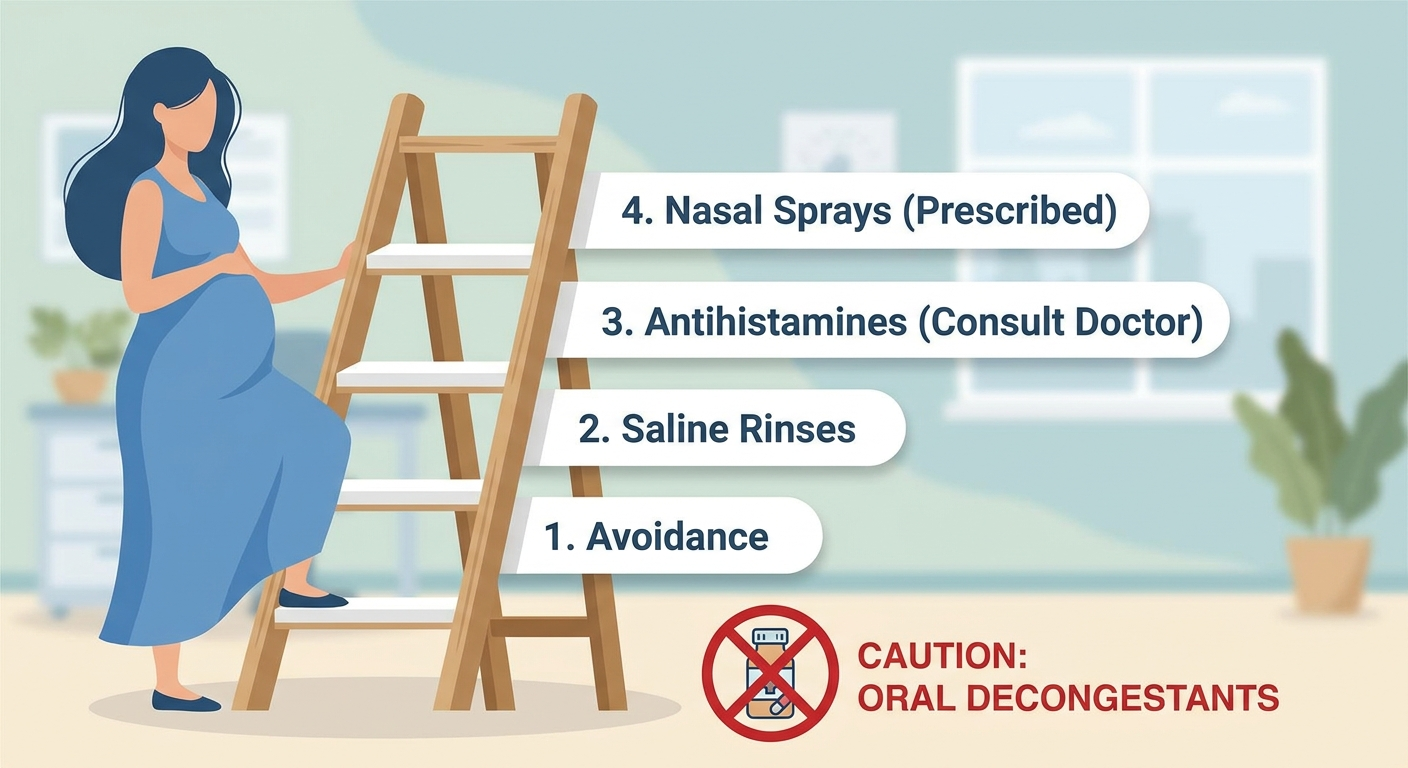
When your goal is sinus relief during autoimmune disease flare-ups, many people do best with a stepwise approach—starting with gentle supportive care and escalating if symptoms persist, become frequent, or keep returning.
First-line at-home relief (often used for comfort and mucus clearance)
- Saline irrigation (using sterile/distilled water and a gentle technique)
- Saline sprays for moisture and crust reduction
- Humidification in dry seasons or dry indoor environments
- Warm compresses or steam for temporary comfort (helps some people, not a cure)
If rinses make you feel worse, you’re not alone. Technique, water type, and how inflamed the lining is that day can all change tolerance. If you experience severe burning, nosebleeds, ear pain/pressure, or significant worsening, pause and contact a clinician for alternatives or technique adjustments.
OTC options (choose based on the likely driver)
- Intranasal steroid sprays can help reduce inflammation over time, especially with recurrent symptoms; use under healthcare provider guidance to avoid overuse or side effects.
- Antihistamines may help when itching/sneezing/watery drainage suggest allergies are prominent.
- Oral and topical decongestants may provide short-term relief for some people, but they are not a fit for everyone (for example, certain heart conditions or blood pressure concerns). Topical decongestant nasal sprays can cause rebound congestion if used for more than a few days.
Prescription options your clinician may consider
Depending on your pattern and exam findings, a clinician may discuss:
- Stronger topical anti-inflammatory regimens (sprays or medicated rinses)
- Antibiotics only when an infection is reasonably suspected
- Coordinated care when patterns suggest overlap between sinus inflammation and autoimmune activity (often involving ENT plus your treating specialist)
If you’re on immune-modulating medication, it’s especially important to avoid self-treating repeatedly without a plan—your team can help balance symptom relief with safety.
When sinus procedures may help (if chronic blockage is structural/inflammatory)
If symptoms persist despite appropriate medical therapy—especially with suspected CRS—ENT evaluation may include nasal endoscopy, imaging, and a discussion of whether a procedure could improve drainage and access for topical therapies.
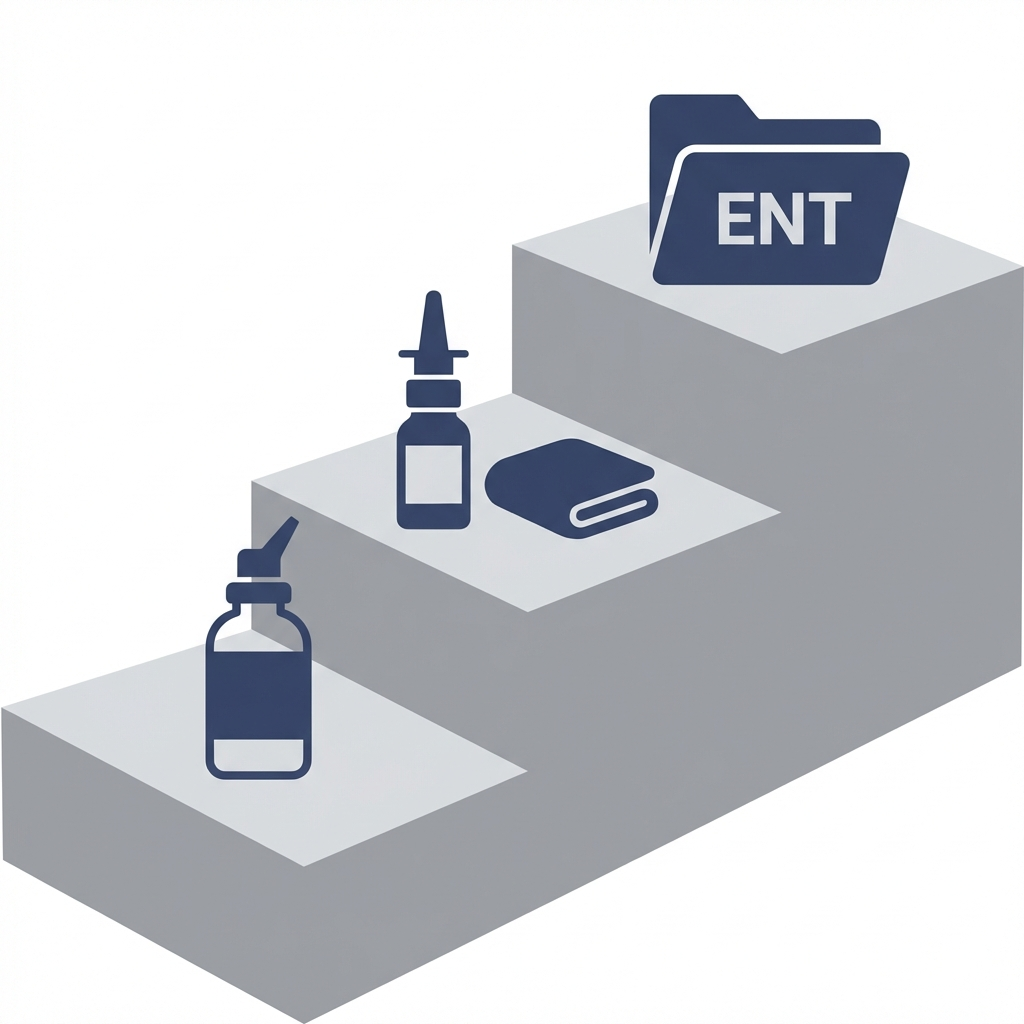
*Think stepwise: start with gentle measures, escalate thoughtfully, and get evaluated if symptoms keep looping or lingering.*
When to See an ENT (or Seek Urgent Care)
Schedule an ENT visit if
- You have frequent or recurrent sinus episodes
- Symptoms persist longer than 12 weeks (possible CRS)
- Consider earlier evaluation if symptoms last beyond 8 weeks without improvement
- Nasal obstruction disrupts sleep or CPAP tolerance
- You have an autoimmune disease and recurring “sinus infections” that don’t behave like typical infections
Seek urgent care now if
- Swelling around the eye or vision changes
- High fever, severe headache, or stiff neck
- Confusion, significant facial swelling, or neurological symptoms
These urgent symptoms may indicate serious complications (e.g., orbital cellulitis, intracranial involvement, or meningitis) and need immediate care.
*If symptoms are frequent, prolonged, or severe, don’t wait—targeted evaluation can prevent complications and speed relief.*
Lifestyle Tips to Reduce Sinus Symptoms During Autoimmune Flares
Build a simple “flare-day sinus routine”
A common flare-day routine may include:
- Saline rinse (if tolerated)
- Any prescribed nasal anti-inflammatory therapy used consistently
- Humidifier at night if air is dry
- Hydration and gentle movement as tolerated
Keeping it simple helps you follow through even when you’re exhausted. If you need a “minimum effective dose,” pick one or two steps you can do reliably.
Reduce exposure during vulnerable windows
- Limit outdoor pollen exposure on high-count days
- Use a mask for dusty cleaning or potential mold exposure
- Bedroom strategies: HEPA filtration plus dust control on bedding
Track patterns to identify personal triggers
Consider tracking:
- Flare timing plus sleep quality and stress
- Weather and pollen counts
- New environments (travel, construction dust, damp spaces)
- Medication changes (only change medications with clinician guidance)
Even a short note in your phone—“flare + congestion after hotel stay” or “pressure worse after scented cleaner”—can reveal patterns you can act on.
*A simple, repeatable plan plus a little trigger-tracking can meaningfully reduce flare-day sinus misery.*
FAQs
Can autoimmune disease directly cause chronic sinusitis?
Some autoimmune conditions are associated with chronic inflammation, and research supports immune-pathway overlap with CRS in certain patients. [2] At the same time, many people with autoimmune disease also have allergies, viral infections, or structural nasal issues—so evaluation is important.
Why do my sinuses flare when my joints flare?
During flares, systemic inflammatory signals can rise and affect multiple tissues, including the sinus lining. Shared immune pathways (including Th17-related signaling) are part of why sinus symptoms worsen during autoimmune flares for some people. [2]
Are biologics or immune medications linked to sinus problems?
Some immune-targeting therapies can change infection risk or shift inflammatory balance. If you notice a new pattern of congestion, pressure, or recurrent infections after a medication change, it’s worth discussing with your prescribing clinician. Medication changes should never be made without guidance.
Do I need antibiotics every time I have sinus pressure during a flare?
Not necessarily. Sinus pressure during flare can be inflammatory without bacterial infection. If episodes are frequent or don’t follow typical infection timelines, an ENT evaluation can help clarify the pattern.
What are “red flags” that it’s not just sinusitis?
Persistent one-sided symptoms, significant nosebleeds/crusting, or broader systemic red flags should be evaluated—especially if symptoms are new, severe, or progressive.
Key Takeaways (Summary)
- Sinus symptoms worsen during autoimmune flares in many people because inflammation is systemic and the sinonasal lining is highly immune-reactive.
- Some CRS patterns overlap with immune pathways seen in inflammatory disease, including the IL‑17/IL‑23 axis and Th17 inflammation in certain contexts. [2]
- Not every flare is an infection; distinguishing inflammation vs. infection helps guide next steps.
- A stepwise approach (saline care, anti-inflammatory options when appropriate, and trigger reduction) often improves comfort, and persistent symptoms deserve ENT evaluation.
Call to Action
If you’re noticing that sinus symptoms worsen during autoimmune flares—especially when congestion affects sleep or keeps recurring—consider tracking your patterns and scheduling a focused evaluation with Sleep & Sinus Centers of Georgia.
You can book an appointment or learn more here: https://www.sleepandsinuscenters.com/
For a deeper look at the overlap between sinus inflammation and autoimmune disease, read: Chronic Sinusitis and Autoimmune Disease Connection https://sleepandsinuscenters.com/blog/chronic-sinusitis-and-autoimmune-disease-connection-20260204051234
Additional reading:
- Symptoms of Sinus Problems https://sleepandsinuscenters.com/symptoms-of-sinus-problems
- Avoiding Irritants That Trigger Sinus Flare-Ups https://sleepandsinuscenters.com/blog/avoiding-irritants-that-trigger-sinus-flare-ups
*Small, consistent steps—and the right evaluation when needed—can make flares more manageable.*
References
[1] https://www.medpagetoday.com/rheumatology/generalrheumatology/108916
[2] https://pmc.ncbi.nlm.nih.gov/articles/PMC11458559/
[3] https://sleepandsinuscenters.com/blog/chronic-sinusitis-and-autoimmune-disease-connection-20260204051234
This article is for educational purposes only and is not medical advice. Please consult a qualified healthcare provider for diagnosis and treatment.
Don’t let allergies slow you down. Schedule a comprehensive ENT and allergy evaluation at Sleep and Sinus Centers of Georgia. We’re here to find your triggers and guide you toward lasting relief.