Why Post-Nasal Drip Won’t Go Away: Causes and Effective Treatments
That “constant drip” feeling in the back of your throat can disrupt sleep, trigger a nagging cough, make your voice sound raspy, and leave you clearing your throat all day. If your post-nasal drip won’t go away, it’s usually a symptom of something else—not a standalone diagnosis.
In this guide: what post-nasal drip is, common symptoms, likely causes (allergies, sinusitis, reflux), what treatments help, and when to get evaluated. General overview: Cleveland Clinic patient resource (https://my.clevelandclinic.org/health/diseases/23082-postnasal-drip). Broader overview: Post-Nasal Drip: Causes, Symptoms, and Effective Treatments (https://sleepandsinuscenters.com/blog/post-nasal-drip-causes-symptoms-and-effective-treatments).
What Is Post-Nasal Drip (and why it feels worse than “normal mucus”)
What’s happening in your nose and throat
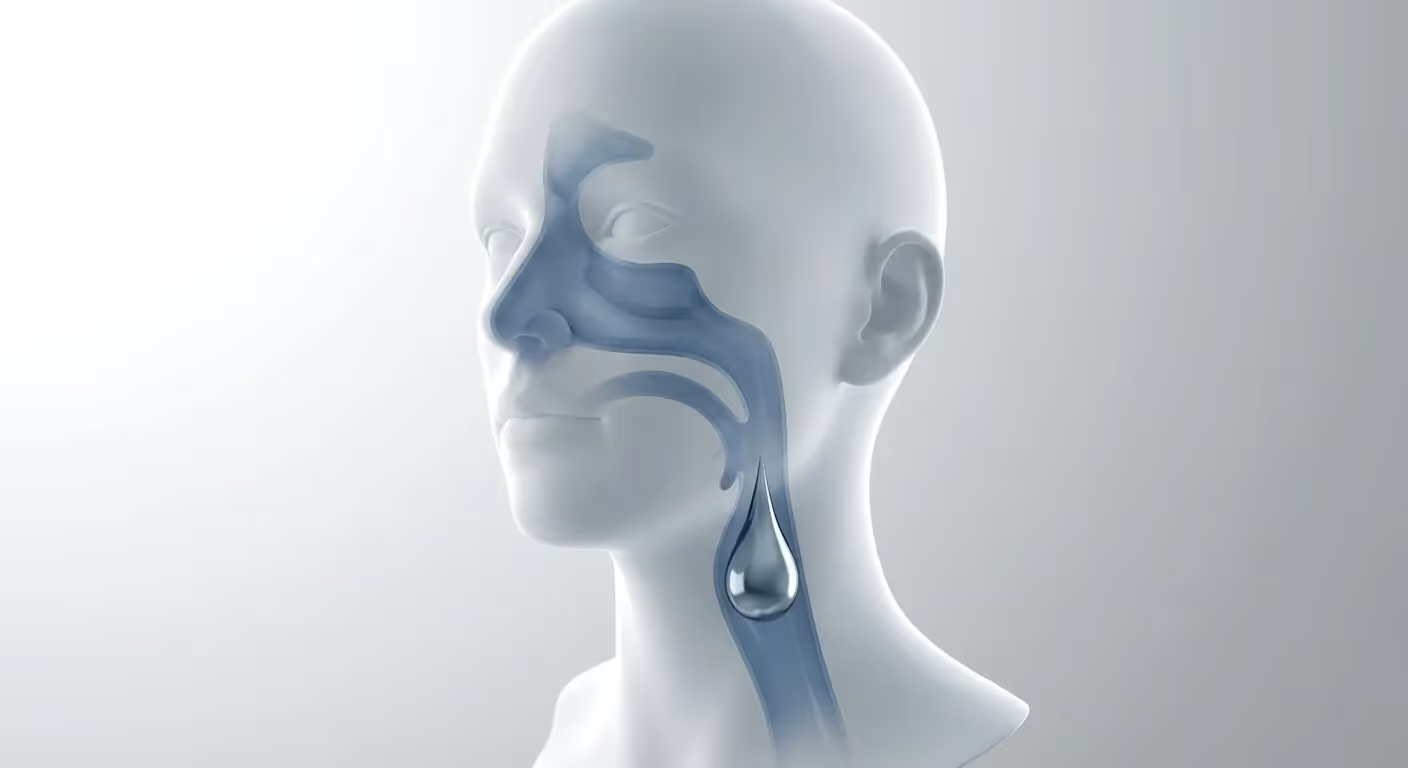
Mucus traps dust, allergens, and germs and keeps tissues moist. Under normal conditions, small amounts move through your nose and throat unnoticed—more a quiet conveyor belt than a flood. Post-nasal drip becomes noticeable when your nose/sinuses make too much mucus, the mucus becomes thicker and stickier, or drainage pathways are inflamed or blocked so mucus collects and drips down the back of the throat. Cleveland Clinic describes post-nasal drip as mucus accumulating or draining down the throat, often tied to nasal/sinus inflammation (https://my.clevelandclinic.org/health/diseases/23082-postnasal-drip).
Post-nasal drip vs. a runny nose vs. congestion
These often overlap, but they’re not identical. Runny nose: mucus flows out the front of the nose. Post-nasal drip: mucus drains down the back of the throat. Congestion: swollen nasal tissues reduce airflow. See healthdirect for an overview (https://www.healthdirect.gov.au/post-nasal-drip). Bottom line: post-nasal drip is what you feel when mucus production or drainage changes enough to become noticeable.

Symptoms of Post-Nasal Drip (How to tell it’s more than a mild nuisance)
Common symptoms
Feeling of mucus “stuck” in the throat; frequent throat clearing; cough (often worse at night); hoarseness or raspy voice; sore throat or bad breath. These align with Cleveland Clinic’s list (https://my.clevelandclinic.org/health/diseases/23082-postnasal-drip).
Signs it may be chronic or complicated
Symptoms lasting more than 3–4 weeks or returning frequently; thick, sticky mucus that’s hard to clear; sleep disruption from coughing or irritation; recurring sinus pressure/fullness. Harvard Health notes persistent cases often need cause-focused treatment (https://www.health.harvard.edu/staying-healthy/treatments-for-post-nasal-drip). If symptoms keep lingering or returning, look for what’s driving the drip—not just the drip itself.
Why Your Post-Nasal Drip Won’t Go Away (The “root cause” problem)
Post-nasal drip is usually a symptom—not a diagnosis. It may respond briefly to over-the-counter products, then return, because the underlying trigger is still active. Treating the drip alone is like mopping the floor without turning off the faucet. Cleveland Clinic and Harvard Health emphasize addressing the cause (allergies, infections, reflux, irritants) rather than only masking symptoms (Cleveland Clinic: https://my.clevelandclinic.org/health/diseases/23082-postnasal-drip; Harvard Health: https://www.health.harvard.edu/staying-healthy/treatments-for-post-nasal-drip).
The most common reasons it persists
Allergies (seasonal or year-round); chronic sinusitis or ongoing sinus inflammation; structural blockage (deviated septum, nasal polyps) interfering with drainage; GERD/LPR (reflux irritating the throat/upper airway); irritant exposure (smoke, pollution, strong scents, workplace chemicals); hormonal/physiologic changes including pregnancy. See Cleveland Clinic and healthdirect for common triggers (Cleveland Clinic: https://my.clevelandclinic.org/health/diseases/23082-postnasal-drip; healthdirect: https://www.healthdirect.gov.au/post-nasal-drip). For long-term relief, match treatment to the cause—otherwise the cycle repeats.

Causes of Persistent Post-Nasal Drip (A clear, patient-friendly breakdown)
1) Allergies (a very common chronic trigger)
Allergic rhinitis from pollen, dust mites, pet dander, or mold can drive months of symptoms when exposure continues. Inflammation in the nasal lining increases mucus and impairs clearance. Cleveland Clinic lists allergies among the most common causes (https://my.clevelandclinic.org/health/diseases/23082-postnasal-drip).
2) Chronic sinusitis or recurrent sinus infections
Inflamed sinuses keep producing mucus; impaired drainage sustains symptoms like pressure and a “back-of-the-throat” drip that never fully clears. See Cleveland Clinic and healthdirect (Cleveland Clinic: https://my.clevelandclinic.org/health/diseases/23082-postnasal-drip; healthdirect: https://www.healthdirect.gov.au/post-nasal-drip).
3) Deviated septum, nasal polyps, or other structural problems
Structural narrowing can block airflow and reduce normal drainage. Common clues: one-sided obstruction, frequent mouth breathing, “stuffy on one side” patterns. Cleveland Clinic includes structural issues as possible causes (https://my.clevelandclinic.org/health/diseases/23082-postnasal-drip). Learn more: Deviated septum relief (https://sleepandsinuscenters.com/deviated-septum-relief).
4) GERD/LPR (“silent reflux” can mimic sinus symptoms)
Reflux can irritate throat tissues, causing throat clearing, cough, and a mucus sensation—sometimes without heartburn. Clues: heartburn or chest discomfort, sour/bitter taste, worse after meals or when lying down. Cleveland Clinic lists GERD as a potential cause (https://my.clevelandclinic.org/health/diseases/23082-postnasal-drip). Deep dive: LPR vs. GERD (https://sleepandsinuscenters.com/blog/lpr-vs-gerd-throat-symptoms-key-differences-and-treatment-guide).

5) Bacterial infection that wasn’t fully treated (or wasn’t bacterial)
Not every sinus infection is bacterial, and antibiotics aren’t always needed. When a bacterial infection is present, insufficient or incorrect treatment can prolong symptoms. Avoid guessing with leftover antibiotics. See healthdirect and Cleveland Clinic (healthdirect: https://www.healthdirect.gov.au/post-nasal-drip; Cleveland Clinic: https://my.clevelandclinic.org/health/diseases/23082-postnasal-drip).
6) Irritants and environment (the “constant trigger” category)
Smoke/vaping, air pollution, workplace chemicals, strong fragrances, and dry indoor air can inflame tissues and thicken mucus. If symptoms are better on vacation or worse at work, environment may be a factor. Cleveland Clinic notes irritants as common triggers (https://my.clevelandclinic.org/health/diseases/23082-postnasal-drip).
7) Pregnancy and hormonal changes
Pregnancy can increase nasal swelling and mucus (“pregnancy rhinitis”). See healthdirect (https://www.healthdirect.gov.au/post-nasal-drip). Medication options differ during pregnancy—discuss with your OB-GYN and/or an ENT.
Effective Treatments (What actually helps—based on the cause)
Step 1 — Start with symptom relief at home
Hydrate well to thin thick mucus; use saline spray or irrigation (with careful hygiene and proper technique); run a humidifier at night if indoor air is dry; try warm fluids or steam for comfort. If mucus feels “gluey,” hydration and humidified air often help. Harvard Health reviews home strategies (https://www.health.harvard.edu/staying-healthy/treatments-for-post-nasal-drip).

Step 2 — OTC options (choose based on symptoms)
Antihistamines can help allergy-driven symptoms (non-sedating options are often preferred for ongoing use). Nasal steroid sprays reduce inflammation with daily use and proper technique. Decongestants may help short-term but aren’t ideal for everyone; avoid long-term use of topical nasal decongestant sprays to prevent rebound congestion. Combination products may ease short-term pressure and drainage discomfort but don’t fix causes. See TYLENOL overview (https://www.tylenol.com/adult-relief/sinus/postnasal-drip) and Harvard Health (https://www.health.harvard.edu/staying-healthy/treatments-for-post-nasal-drip).

Step 3 — Treat the underlying cause (for long-term relief)
If allergies are the driver: reduce exposure (bedroom allergen control, timing around pollen, pet strategies) and consider formal evaluation and longer-term management. See Cleveland Clinic and Harvard Health (Cleveland Clinic: https://my.clevelandclinic.org/health/diseases/23082-postnasal-drip; Harvard Health: https://www.health.harvard.edu/staying-healthy/treatments-for-post-nasal-drip).
If chronic sinusitis is the driver: consistent, stepwise care may be needed. If symptoms continue, clinicians may consider nasal endoscopy or imaging. Learn more: Chronic Post-Nasal Drip: ENT Treatments That Work (https://sleepandsinuscenters.com/blog/chronic-post-nasal-drip-ent-treatments-that-work). Cleveland Clinic outlines sinus-related evaluation (https://my.clevelandclinic.org/health/diseases/23082-postnasal-drip).
If GERD/LPR is the driver: avoid late meals, identify trigger foods, elevate the head of the bed. See Cleveland Clinic and Harvard Health (Cleveland Clinic: https://my.clevelandclinic.org/health/diseases/23082-postnasal-drip; Harvard Health: https://www.health.harvard.edu/staying-healthy/treatments-for-post-nasal-drip).
If bacterial infection is suspected: antibiotics may be considered when a clinician suspects a bacterial infection based on history and exam. Using leftover antibiotics can delay proper care. See healthdirect (https://www.healthdirect.gov.au/post-nasal-drip).
Step 4 — When to consider seeing an ENT or healthcare provider
Seek evaluation if symptoms last more than 3–4 weeks, keep recurring, disrupt sleep/quality of life, don’t improve with home/OTC care, or if you suspect structural issues or chronic sinus disease. Cleveland Clinic recommends medical evaluation when symptoms persist (https://my.clevelandclinic.org/health/diseases/23082-postnasal-drip). More next-step options: Chronic Post-Nasal Drip: ENT Treatments That Work (https://sleepandsinuscenters.com/blog/chronic-post-nasal-drip-ent-treatments-that-work).
Lifestyle Tips to Prevent Recurring Post-Nasal Drip
Reduce irritants and improve indoor air
Keep a smoke-free environment; consider HEPA filtration if indoor triggers are suspected; maintain comfortable humidity; choose fragrance-free products if scents trigger symptoms.
Allergy-smart routines
Shower after outdoor time during high-pollen days; wash bedding weekly (hot water if possible); keep windows closed during peak pollen periods.
Reflux-friendly habits (if symptoms match)
Avoid late meals and opt for smaller dinners; limit common triggers (spicy, fatty foods, chocolate, mint, alcohol); elevate the head of the bed if nighttime symptoms occur.
FAQs (SEO-friendly Q&A)
How long is too long for post-nasal drip?
More than 3–4 weeks or frequent recurrences suggest the trigger hasn’t been identified or controlled. See Cleveland Clinic and Harvard Health (Cleveland Clinic: https://my.clevelandclinic.org/health/diseases/23082-postnasal-drip; Harvard Health: https://www.health.harvard.edu/staying-healthy/treatments-for-post-nasal-drip).
Can post-nasal drip be caused by GERD even without heartburn?
Yes. LPR (“silent reflux”) can cause throat symptoms without classic heartburn. Cleveland Clinic includes GERD among potential causes (https://my.clevelandclinic.org/health/diseases/23082-postnasal-drip).
Why is my post-nasal drip worse at night?
Lying flat changes drainage (gravity), bedroom allergens can be more concentrated, and reflux may worsen when lying down. Many people try head elevation, humidification, and saline rinsing before bed.
Do antibiotics help post-nasal drip?
Only when a clinician suspects a bacterial infection. Many cases are viral, allergic, or irritant-related. See healthdirect (https://www.healthdirect.gov.au/post-nasal-drip).
What’s the fastest way to thin thick mucus?
Hydration, humidified air, and saline irrigation are commonly recommended. See Harvard Health (https://www.health.harvard.edu/staying-healthy/treatments-for-post-nasal-drip).
When to Seek Urgent Care (Safety section)
Seek urgent evaluation for trouble breathing or swallowing; high fever, severe facial swelling, severe headache, or stiff neck; rapidly worsening symptoms; or significant one-sided facial pain/swelling.
Conclusion
When post-nasal drip won’t go away, the underlying trigger is usually still active—such as allergies, sinusitis, structural blockage, reflux, irritants, or pregnancy-related changes. The most effective treatment is the one matched to the cause. If symptoms persist beyond a few weeks, keep returning, or affect sleep, voice, or daily comfort, consider an evaluation with Sleep and Sinus Centers of Georgia. Book an appointment: https://www.sleepandsinuscenters.com/
For more background, see our complete guide: Post-Nasal Drip: Causes, Symptoms, and Effective Treatments (https://sleepandsinuscenters.com/blog/post-nasal-drip-causes-symptoms-and-effective-treatments) and treatment options: Chronic Post-Nasal Drip: ENT Treatments That Work (https://sleepandsinuscenters.com/blog/chronic-post-nasal-drip-ent-treatments-that-work). Your best relief comes from finding the cause—and treating it with a plan that fits you.
Disclaimer
This article is for educational purposes only and is not medical advice. Please consult a qualified healthcare provider for diagnosis and treatment.
Talk with a Georgia ENT
If you're dealing with chronic or recurring sinus infections, the board-certified ENT team at Sleep and Sinus Centers of Georgia can help — with offices in Lawrenceville, Athens, and Braselton. Learn more about in-office balloon sinuplasty, or request an appointment.
Don’t let allergies slow you down. Schedule a comprehensive ENT and allergy evaluation at Sleep and Sinus Centers of Georgia. We’re here to find your triggers and guide you toward lasting relief.