What ENT Doctors Look for During a Nasal Endoscopy: Key Findings and Diagnosis
When symptoms such as congestion, sinus pressure, postnasal drip, or recurring nosebleeds persist for months, it can be easy for everything to be labeled “allergies.” Nasal endoscopy is one of the most helpful tools ENTs use to move beyond guesswork—because it allows direct, close-up visualization of the nasal passages and the areas where your sinuses drain.
In this guide, we explain what ENT doctors evaluate during nasal endoscopy, the most common findings, what those findings can suggest, and the typical next steps in reaching a diagnosis. The procedure is usually quick and performed in the office, and it often clarifies why symptoms are happening—especially when symptoms are persistent, recurrent, or noticeably worse on one side. (Johns Hopkins Medicine; Cleveland Clinic)
If you’d like a basics-first overview, you can also read: What Is Nasal Endoscopy and Is It Painful? https://sleepandsinuscenters.com/blog/what-is-nasal-endoscopy----and-is-it-painful
What Is a Nasal Endoscopy (and What Areas It Lets ENTs See)?
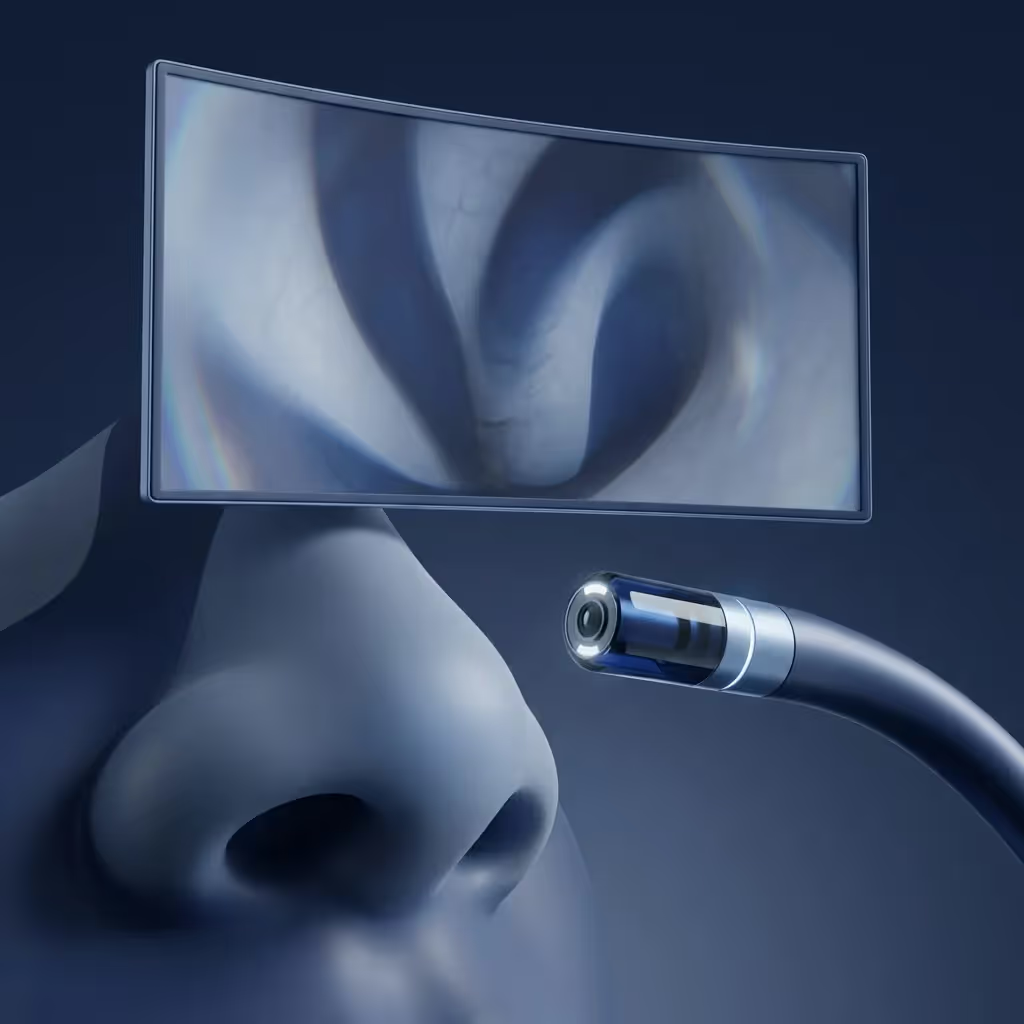
A nasal endoscopy is an exam where an ENT uses a thin scope (with a light and camera) to look inside the nose in much more detail than a standard flashlight exam. Think of it like switching from “looking through a keyhole” to “turning on the room light”—the ENT can see around curves, into narrower passages, and toward the sinus drainage areas that are otherwise hard to evaluate.
The scope can be rigid or flexible, and the choice often depends on anatomy, comfort, and what areas need the best view. (UCSF Health; Cleveland Clinic)
A nasal endoscopy can help evaluate: the nasal cavity (the main open space inside the nose); turbinates (structures that help filter, warm, and humidify air); nasal septum (the wall between the nostrils); drainage pathways (where mucus exits the sinuses into the nose); and the nasopharynx (the back of the nose, above the throat).
Why ENTs Often Recommend It Instead of “Just Treating It Like Allergies”
Many conditions can mimic allergy symptoms. Direct visualization helps an ENT identify patterns that suggest inflammation, infection, polyps, structural blockage, or (rarely) more serious causes—and decide whether imaging (like CT) or a biopsy is appropriate. (AAO-HNS Clinical Indicators)
Endoscopy helps confirm what’s actually happening, rather than relying on symptoms alone. In short, nasal endoscopy turns assumptions into clear, visual evidence that guides care.
Symptoms That Commonly Lead to a Nasal Endoscopy
An ENT may recommend nasal endoscopy when symptoms are persistent, recurrent, one-sided, or not responding as expected. Common reasons include: chronic nasal congestion or blockage; facial pain/pressure or “sinus headaches”; recurrent sinus infections or suspected chronic rhinosinusitis; postnasal drip and persistent drainage; reduced or lost sense of smell (hyposmia/anosmia); nosebleeds (epistaxis), especially recurrent or one-sided; suspected polyps, growths, or structural problems. (Cleveland Clinic; Johns Hopkins Medicine)
A common scenario is someone who has tried multiple rounds of over-the-counter treatments and still feels “stuffy all the time.” Patients often describe it as feeling like they can breathe fine some days, but other days it feels like one nostril is completely closed. Endoscopy helps an ENT see whether that “closed” feeling is swelling, blockage, drainage, or anatomy. Bottom line: persistent or one-sided symptoms often warrant a closer look with endoscopy.
What Happens During the Procedure (Patient-Friendly Walkthrough)

Before the Scope
Your ENT typically reviews symptoms, medication history (including blood thinners), and any allergy or sinus history. A decongestant and/or numbing spray may be used to open the nasal passages and reduce discomfort. Many people describe the sensation as pressure more than pain—similar to the odd pressure you might feel when water goes up your nose in a pool, but typically milder and brief. (Cleveland Clinic; ENT and Allergy Associates)
During the Scope
The scope is gently guided through the nose—often along the nasal floor and/or into the middle passage where key drainage areas can be seen. The ENT watches on a monitor and may capture images or video for documentation and comparison over time. Some ENTs narrate what they’re seeing; others review findings afterward—both are normal, and you can always ask for a real-time explanation.
After the Scope
Some people have mild irritation, temporary congestion, or a small nosebleed. If symptoms are significant or persistent (for example, ongoing bleeding, fever, or worsening pain), patients are generally asked to contact the office for guidance. (Cleveland Clinic; UCSF Health)
For a deeper safety discussion, see: Is Nasal Endoscopy Safe? https://sleepandsinuscenters.com/blog/is-nasal-endoscopy-safe
Most patients tolerate nasal endoscopy well, and the visit often provides immediate, useful answers.
A “Map” of What ENT Doctors Check (Key Areas and Why They Matter)

Understanding the “route” of the exam can make it easier to picture what your ENT is evaluating. ENTs commonly assess: (AAO-HNS; UCSF Health)
Nasal septum (the wall between nostrils)
They may note a deviated septum, septal spurs, perforations (a hole), crusting, or irritated areas. Even when a deviation looks “small,” the ENT also considers whether it narrows airflow or creates a contact point that contributes to symptoms.
Turbinates (natural air filters that can swell)
Turbinates can enlarge due to allergies, non-allergic rhinitis, or chronic inflammation—often contributing to congestion and mouth breathing. Turbinates are normal structures, but when they’re swollen, they can behave like a partially closed valve in a narrow hallway.
Middle meatus and drainage pathways
This region is “high yield” because it’s where several sinuses drain. Swelling or drainage here can strongly support sinus-related diagnoses. ENTs often focus on whether the tissue looks inflamed and whether mucus is collecting where it shouldn’t.
Nasopharynx (back of the nose)
This area can show drainage patterns, enlarged adenoid tissue (more common in children), or less common abnormalities. It can also help explain a constant “mucus in the throat” sensation when drainage tracks backward. Knowing these landmarks helps your clinician match what they see with what you feel.
Key Findings ENTs Look For During a Nasal Endoscopy (and What They Can Mean)

This section summarizes the key findings ENT doctors focus on during nasal endoscopy and how those findings inform diagnosis and next steps. Keep in mind: the most accurate diagnosis comes from combining endoscopy with your symptom story and, when needed, imaging or testing.
Inflammation and swelling (rhinitis and chronic irritation)
What may be seen: red or swollen nasal lining, enlarged turbinates. What it can suggest: allergic rhinitis, non-allergic rhinitis (irritants, temperature changes), or ongoing inflammation even without infection. (Cleveland Clinic; AAO-HNS) A practical example: if the lining looks diffusely swollen on both sides without obvious pus or polyps, that pattern may fit better with rhinitis than a bacterial sinus infection—guiding treatment toward appropriate anti-inflammatory approaches when infection is less likely, potentially avoiding unnecessary antibiotics.
Evidence of infection or chronic rhinosinusitis
What may be seen: purulent drainage (thick yellow/green mucus), swelling near sinus openings, inflamed drainage pathways. What it can suggest: acute vs. chronic rhinosinusitis—timing and symptom duration matter. Possible next steps: in select cases, a culture; if chronic symptoms or surgical planning is being considered, a CT scan may be recommended. (AAO-HNS; Johns Hopkins Medicine) If this topic sounds familiar, you may find helpful context here: Chronic Sinusitis https://sleepandsinuscenters.com/chronic-sinusitis
Nasal polyps
What may be seen: smooth, pale/gray, grape-like growths. Why it matters: polyps can block airflow and sinus drainage and are often linked with chronic inflammation. Endoscopy may also be used to monitor whether polyps shrink with treatment over time, which can guide ongoing management. (Cleveland Clinic; ENT and Allergy Associates)
Structural blockages (deviated septum, turbinate hypertrophy, narrowed passages)

What may be seen: a crooked septum, contact points, narrowed nasal passages. What it can suggest: mechanical obstruction contributing to congestion, poor airflow, or mouth breathing. Next steps: many cases start with medical management, but if anatomy is a major driver, procedural options may be discussed. (Johns Hopkins Medicine; AAO-HNS)
Source of nosebleeds (epistaxis)

What may be seen: irritated vessels, crusting/scabbing, inflamed areas, or an obvious bleeding point. Why it matters: pinpointing the site can guide targeted treatment rather than general trial-and-error. (Cleveland Clinic; AAO-HNS) For example, if an ENT can identify a specific irritated spot that repeatedly bleeds, management can focus on that area (plus moisture strategies), rather than treating the entire nose as a mystery.
Masses, tumors, or suspicious lesions (rare, but important)
What may raise concern: a one-sided mass, unusual or friable tissue, persistent one-sided bleeding, or an atypical growth. Next steps: imaging and/or biopsy may be recommended to clarify what the tissue represents. (Johns Hopkins Medicine; UCSF Health)
Foreign bodies or unusual obstructions
More common in children, but possible in adults. Symptoms that fit: one-sided blockage, foul drainage, persistent irritation. (UCSF Health; Cleveland Clinic)
Cerebrospinal fluid (CSF) leak (uncommon, higher urgency)
What may be suspected: clear watery drainage (often one-sided), especially with certain histories (like trauma or prior surgery). Why it matters: this requires prompt evaluation and specific management. (AAO-HNS; Johns Hopkins Medicine)
Sinus barotrauma (pressure injury—flying or diving)
What may be assessed: inflammation, bleeding, or drainage issues near sinus openings, especially when symptoms follow major pressure changes. (AAO-HNS)
Seeing these patterns during endoscopy helps match your symptoms to the most likely cause and next step.
How ENTs Turn Endoscopy Findings Into a Diagnosis (Putting the Puzzle Together)
Endoscopy + your symptom story
Your timeline and pattern of symptoms matters—duration, triggers, seasonality, smell changes, facial pressure pattern, and whether issues are one-sided or two-sided. Endoscopy shows the “what,” and your story adds the “when” and “why.”
Endoscopy + imaging (when CT is recommended)
A CT scan may be considered when endoscopy suggests deeper sinus disease not fully visible on endoscopy, when symptoms persist, or when planning procedures. (Cleveland Clinic; AAO-HNS)
Endoscopy + biopsy (when tissue sampling is needed)
A biopsy may help distinguish between benign vs. malignant processes and clarify specific inflammatory conditions. Your ENT typically explains why tissue sampling is being recommended and what results can and can’t determine. (Johns Hopkins Medicine; UCSF Health)
Diagnosis is strongest when your symptoms, endoscopy, and (when needed) imaging or biopsy all point in the same direction.
Treatment Options After Nasal Endoscopy (Based on Common Findings)
Plans are individualized, but common categories include:
If the main finding is inflammation or allergies
Education often includes saline strategies, intranasal steroid sprays, and/or antihistamines when appropriate, with possible discussion of allergy testing for persistent symptoms. (Cleveland Clinic)
If the main finding is sinus infection or chronic rhinosinusitis
Approaches may include anti-inflammatory therapies and nasal rinses/sprays; antibiotics are typically reserved for specific scenarios. Procedures may be considered when there is ongoing obstruction, polyps, or anatomy contributing to disease. (AAO-HNS)
If nasal polyps are present
Medical therapy may be used first, and endoscopy can monitor response. If polyps are severe or highly obstructive, in-office or surgical options may be discussed. (ENT and Allergy Associates; Cleveland Clinic)
If a structural blockage is driving symptoms
Some congestion improves with medication, but anatomy can be a limiting factor. ENTs may review septum- or turbinate-focused options depending on the degree of obstruction.
If nosebleeds are the main issue
Moisturizing strategies and environmental adjustments may be reviewed; if a bleeding source is identified, targeted in-office treatments may be considered. (Cleveland Clinic)
If a suspicious lesion is seen
Next steps are typically clear and structured: imaging, biopsy, and coordination of any needed referral. (Johns Hopkins Medicine)
Treatment is tailored to the pattern your ENT sees—often starting with medical therapy and moving to procedures only when appropriate.
Lifestyle Tips (Before and After Endoscopy + Everyday Symptom Relief)
How to prepare for your appointment
Bring a current medication list (including nasal sprays); note a brief symptom timeline (when it started, what worsens/helps); bring prior CT reports if you have them; if you have frequent nosebleeds, ask how blood thinners should be handled for evaluation (don’t make changes without clinician guidance).
How to reduce irritation after the procedure
Some people are advised to use saline spray/rinses and to avoid aggressive nose blowing for a short period. Hydration and a humidifier can help if dryness/crusting is a problem. (ENT and Allergy Associates; Cleveland Clinic)
Congestion-friendly home habits (simple, patient-friendly)
Keep indoor air comfortably humid (especially in dry seasons); avoid smoke and strong fragrances if they trigger symptoms; consider rinsing after heavy allergen exposure (when recommended by your clinician). Small, consistent habits can make medical treatments work better and symptoms feel more manageable.
FAQs About Nasal Endoscopy
Is nasal endoscopy painful?
Many patients report pressure or an odd sensation rather than pain, especially when numbing spray is used. (Cleveland Clinic; Johns Hopkins Medicine) Related: What Is Nasal Endoscopy and Is It Painful? https://sleepandsinuscenters.com/blog/what-is-nasal-endoscopy----and-is-it-painful
How long does a nasal endoscopy take?
The scope portion is usually brief, often just a few minutes, though the full visit includes discussion and planning. (Cleveland Clinic)
Is nasal endoscopy safe? What are the risks?
It’s commonly performed in-office. Potential risks include temporary discomfort, irritation, or a small nosebleed. (Cleveland Clinic; UCSF Health) More: Is Nasal Endoscopy Safe? https://sleepandsinuscenters.com/blog/is-nasal-endoscopy-safe
Can a nasal endoscopy diagnose sinusitis without a CT scan?
Endoscopy can provide strong evidence (like drainage and swelling near sinus openings), but CT may still be recommended in certain chronic or complex cases. (Cleveland Clinic; AAO-HNS)
Can the ENT remove polyps during endoscopy?
While nasal endoscopy is primarily a diagnostic procedure, in select cases, minor treatments may be performed during the exam. Larger polyp or sinus procedures may require a different setting and plan. (Cleveland Clinic; UCSF Health)
Will I get results right away?
Visual findings are often discussed immediately. If a biopsy is needed, the tissue analysis takes additional time. (Johns Hopkins Medicine; UCSF Health)
Can nasal endoscopy cause a nosebleed? What should I do if it happens?
A small nosebleed can occur. If bleeding is heavy or doesn’t stop, patients are generally instructed to contact the office or seek urgent care. (Cleveland Clinic; UCSF Health) Most people leave endoscopy with clear next steps and reassurance about what’s driving their symptoms.
When to Seek Urgent Care (Safety Red Flags)
Seek urgent evaluation for: heavy or uncontrolled nosebleed; severe headache with clear watery drainage after trauma or surgery (possible CSF leak); high fever, severe facial swelling, vision changes, or rapidly worsening severe pain (AAO-HNS). If something feels severe, sudden, or one-sided and worsening, get urgent care.
Conclusion — What to Remember About Nasal Endoscopy Findings
What ENT doctors look for during a nasal endoscopy generally falls into several categories: inflammation, clues to infection or chronic sinusitis, nasal polyps, structural blockages, bleeding sources, and—less commonly—concerning lesions or CSF leak patterns. Endoscopy also helps monitor treatment response and determine when imaging or biopsy is needed. (Johns Hopkins Medicine; Cleveland Clinic)
If symptoms are lingering, recurring, or worsening, a professional evaluation can clarify the cause and best next step. Sleep and Sinus Centers of Georgia can help you understand what’s going on and create a plan that fits your needs. Schedule an evaluation: https://sleepandsinuscenters.com/appointments A brief, in-office endoscopy today can save months of uncertainty tomorrow.
Citation List
Johns Hopkins Medicine — Nasal Endoscopy: https://www.hopkinsmedicine.org/health/treatment-tests-and-therapies/nasal-endoscopy
Cleveland Clinic — Nasal Endoscopy: https://my.clevelandclinic.org/health/diagnostics/22156-nasal-endoscopy
AAO-HNS — Clinical Indicators: Diagnostic Nasal Endoscopy: https://www.entnet.org/resource/clinical-indicators-diagnostic-nasal-endoscopy/
AAO-HNS (PDF) — Nasal Endoscopy Clinical Indicators: http://www.entnet.org/wp-content/uploads/files/Nasal-Endoscopy-CI%20Updated%208-7-14.pdf
UCSF Health — Nasal Endoscopy: https://www.ucsfhealth.org/medical-tests/nasal-endoscopy
ENT and Allergy Associates — What is a nasal endoscopy procedure?: https://www.entandallergy.com/blog/2023/february/what-is-a-nasal-endoscopy-procedure/
Disclaimer
This article is for educational purposes only and is not medical advice. Please consult a qualified healthcare provider for diagnosis and treatment.
Don’t let allergies slow you down. Schedule a comprehensive ENT and allergy evaluation at Sleep and Sinus Centers of Georgia. We’re here to find your triggers and guide you toward lasting relief.