Turbinate Reduction Before and After: Breathing Improvement Results
If you’ve been living with daily nasal congestion that doesn’t quit—despite sprays, pills, and rinses—you may have turbinate hypertrophy (enlarged/swollen turbinates). For the right candidate, turbinate reduction can create meaningful, lasting nasal airflow improvement.
This guide walks through turbinate reduction before and after changes, what drives symptoms, the most common procedure options (including inferior turbinate reduction), and a realistic recovery timeline—so you know what to expect and what “success” typically means.
Quick Take—What Changes After Turbinate Reduction?
The “before”: chronic congestion that doesn’t respond well to meds
Many people considering nasal obstruction surgery describe symptoms that feel “out of proportion” to the amount of mucus they see. It’s often less about drainage and more about swollen tissue taking up space.
Common “before” patterns include:
• Feeling “blocked” most days (sometimes alternating sides)
• Temporary relief from decongestants, with symptoms returning quickly
• Worsening at night or during exercise
• Ongoing mouth breathing
Concrete example: Patients often say, “I can breathe in, but it feels like there’s resistance—like trying to inhale through a narrow straw.”
The “after”: more open nasal airflow, less obstruction, better sleep
After a tissue-sparing turbinate procedure, many patients report less “air hunger” through the nose and fewer moments of needing to switch to mouth breathing.
Common “after” reports include:
• A clearer, more open nasal passage
• Less resistance when inhaling through the nose
• Less nighttime mouth breathing (which may improve dryness and sleep quality)
A clinician-style way to describe the goal is: “We’re not removing the turbinates—we’re making room so they can do their job without blocking airflow.”
How soon you may notice improvement (often within the first month)
It’s common for the nose to feel more congested at first due to swelling and crusting. Many people describe a “backwards week” early on where breathing feels worse before it feels better.
Then, as healing progresses, breathing often improves—frequently within the first month, with continued improvement over several weeks. Timelines vary based on individual healing, technique, and underlying inflammation.
Evidence note: Systematic reviews report significant improvement in symptom scores and objective airflow/volume measures after turbinate surgery, with benefits often sustained beyond 3 years. [1][2]
Bottom line: Most patients can expect a temporary step back followed by steady breathing gains over weeks to months.

What Are Turbinates (and Why Do They Matter for Breathing)?
Turbinates’ job: warm, filter, and humidify air
Turbinates are structures inside the nose lined with mucosa (soft tissue). They help condition the air you breathe—warming, humidifying, and filtering it.
A helpful analogy: turbinates act like the nose’s “air-conditioning system.” They’re supposed to be present and functional—just not so swollen that they clog the passage.
What “turbinate hypertrophy” means (enlarged/swollen turbinates)
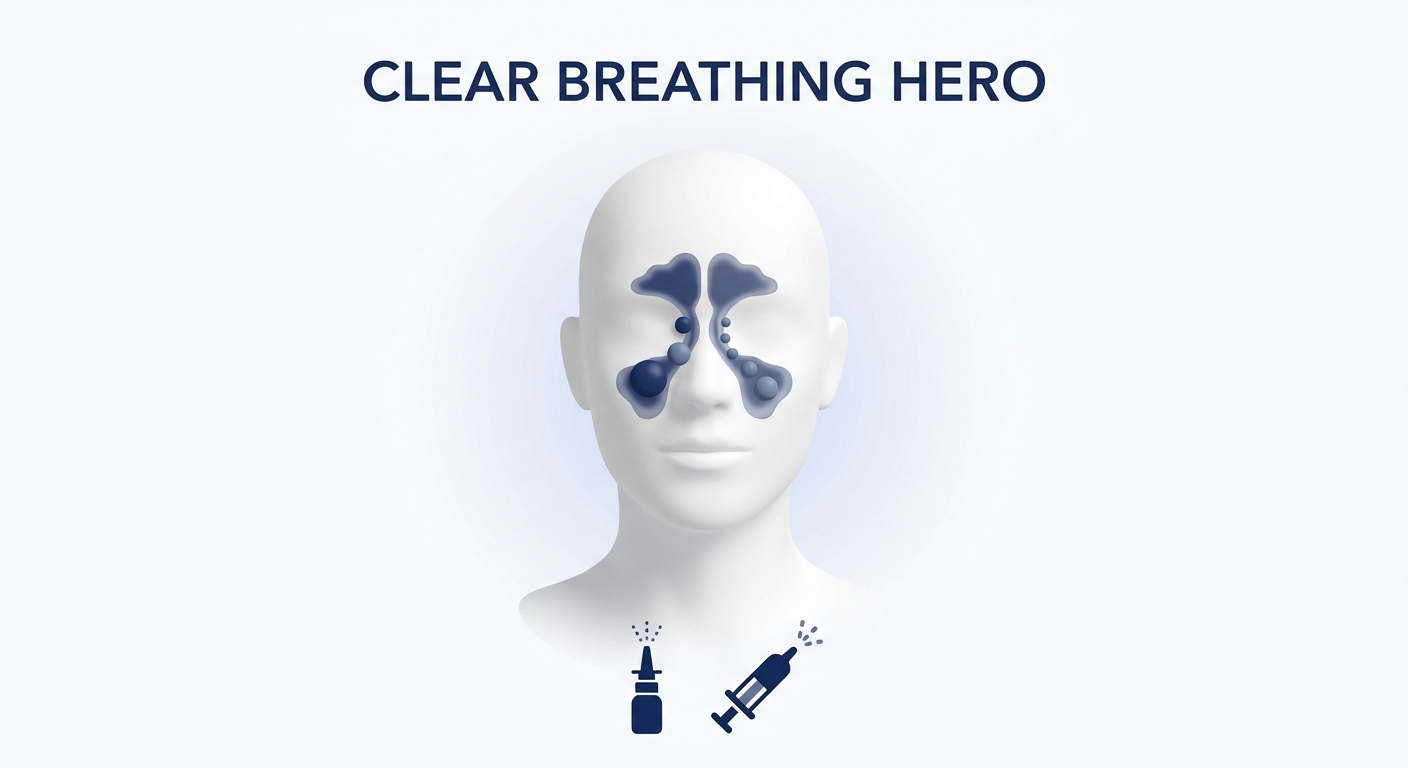
When turbinate tissue stays enlarged—due to allergies, chronic irritation, anatomy, or inflammation—it can narrow the nasal airway.
This swelling may be constant, or it may “cycle” (one side worse, then the other), which is why some people feel like their congestion alternates throughout the day or night.
Why swelling can feel like you “can’t breathe through your nose”
Even a modest increase in turbinate size can significantly reduce airflow, creating the sensation of constant stuffiness, pressure, and reduced nasal breathing—especially when lying down.
Because airflow depends on the space inside the nasal passage, small changes in internal size can feel dramatic—especially during sleep, exercise, or colds/allergy flares.
Key idea: Turbinates are essential for healthy airflow—but when chronically swollen, they can meaningfully crowd the nasal passage.
Symptoms Before Turbinate Reduction (What Patients Commonly Report)
Nasal obstruction / “blocked nose” (one side or both)
Often described as persistent congestion that doesn’t match the amount of mucus present. Some people can breathe “a little,” but it never feels effortless.
Rhinorrhea (runny nose) and postnasal drip
Some people have both blockage and drainage at the same time. That combination can be frustrating: you may feel congested but still need tissues frequently.
Sneezing/itching (often allergy-related)
This is common when allergic rhinitis is a major trigger. In these cases, surgery may help airflow, but long-term allergy control still matters for keeping symptoms calm—surgery doesn’t cure allergies.
Sleep disruption: snoring, mouth breathing, waking dry
Nasal blockage can contribute to snoring related to nasal congestion, fragmented sleep, and dry mouth from nighttime mouth breathing.
Common real-life “before” scenario: “I wake up with a dry mouth and feel like I didn’t sleep deeply—even if I was ‘in bed’ for 8 hours.”
Evidence note: Reviews commonly report improvement in nasal obstruction and other rhinitis symptoms (including rhinorrhea, sneezing, itching) along with reduced nasal resistance after turbinate surgery. [1][2]
Takeaway: “Before” often looks like chronic blockage with or without drainage, and sleep quality frequently suffers.
Common Causes of Enlarged Turbinates
Allergic rhinitis (seasonal or year-round)
Pollen, dust mites, pet dander, and molds can keep tissue inflamed. If this is the main driver, results tend to be best when surgery is paired with a plan to reduce ongoing inflammation. Surgery can create space; ongoing allergy care helps keep that space open.
Nonallergic/chronic rhinitis triggers (irritants, weather changes)
Smoke, fragrance, cleaning agents, temperature shifts, and air quality changes can drive ongoing swelling.
If you notice “instant congestion” in certain environments (perfume aisles, dusty rooms, cold outdoor air), chronic rhinitis triggers may be playing a role.
Structural issues that “crowd” the nasal airway
Sometimes the turbinates aren’t the only issue. A narrower nasal passage may be caused or worsened by:
• Deviated septum
• Nasal valve narrowing/collapse
When a deviated septum is significant, septoplasty and turbinate reduction are commonly discussed together. Learn more: deviated septum evaluation and options here: https://sleepandsinuscenters.com/deviated-septum-relief
Overuse of decongestant sprays (rebound congestion)
Frequent use of topical decongestant sprays can cause rebound swelling in some people, creating a cycle of worsening congestion. If rebound congestion is a concern, don’t stop sprays abruptly without medical guidance, as this can temporarily worsen symptoms.
Big picture: Identify whether inflammation, anatomy, or both are driving obstruction to tailor the right plan.
When Is Turbinate Reduction Considered?
When symptoms persist despite medical therapy
If consistent use of appropriate non-surgical treatments doesn’t provide durable relief, reduction may be considered. Many patients arrive at surgery only after trying multiple rounds of sprays and allergy strategies.
When nasal blockage affects sleep, exercise, or quality of life
Chronic mouth breathing, snoring, fatigue, or limitations in activity are common motivators.
When imaging/exam suggests turbinate hypertrophy is a main driver
An exam may show enlarged inferior turbinates as a primary source of narrowing—especially when decongesting medication temporarily opens the airway during the visit.
Rule of thumb: Consider reduction when properly used non-surgical care isn’t enough and exam findings match your symptoms.

How ENTs Diagnose the Problem (What to Expect at Your Visit)
Symptom review + medication history (what helped, what didn’t)
This often includes allergy history, trigger patterns, and how long symptoms have been present. It also helps your clinician understand whether symptoms are steady, seasonal, or flare-based.
Nasal exam and endoscopy (if needed)
A detailed look inside the nose helps differentiate turbinate swelling from septal deviation, polyps, or valve concerns. Endoscopy is essentially a “better flashlight and camera” view deeper into the nasal cavity—useful for confirming what’s actually narrowing the airway.
Allergy evaluation when appropriate
Identifying allergic drivers can help long-term results, whether surgery is done or not.
Imaging (CT) in select cases (especially if sinus disease is suspected)
CT imaging is typically reserved for certain presentations—especially when sinusitis is a concern.
Expect a focused evaluation that pinpoints whether turbinates, septum, valves, or inflammation are the primary drivers.

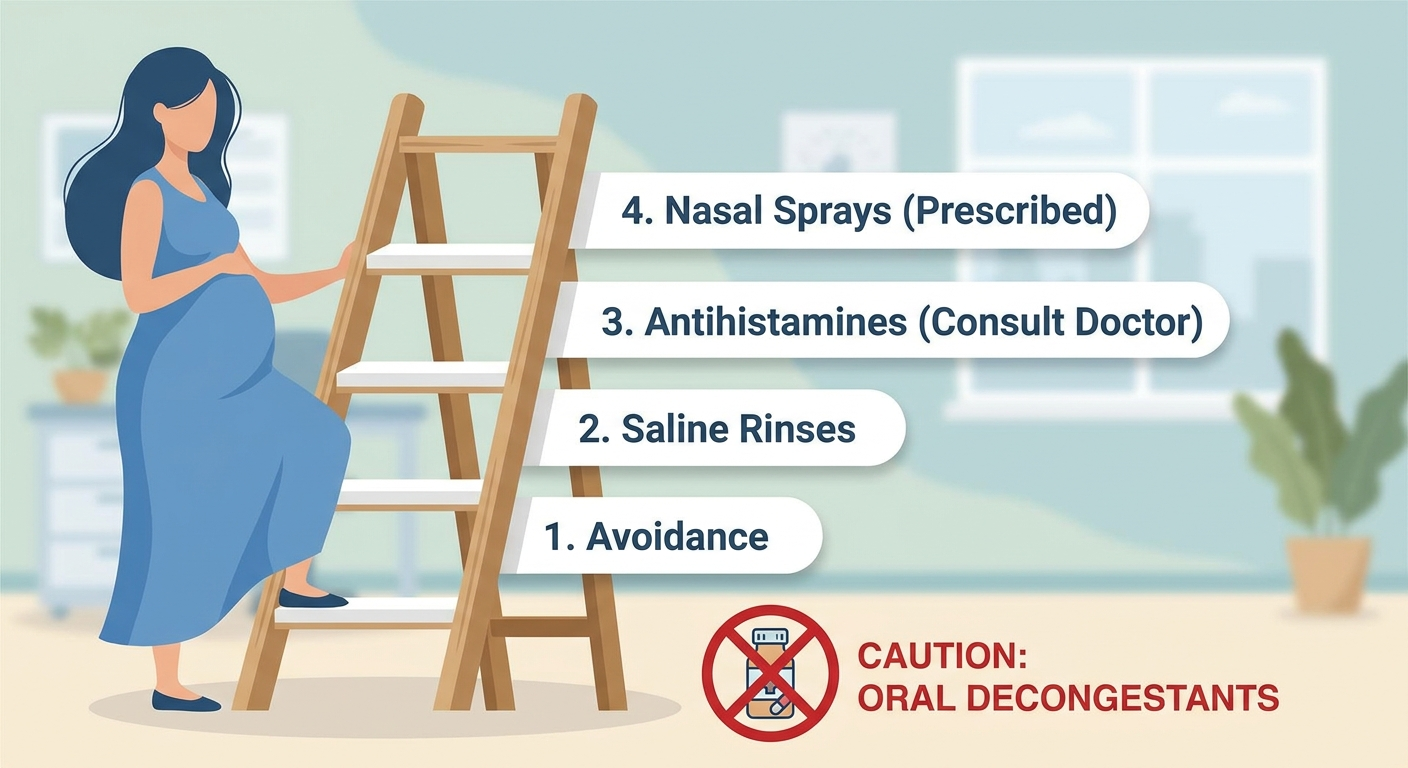
Non-Surgical Treatments to Try First (or Alongside Surgery)
Saline rinses and moisture strategies
Saline can reduce irritants and loosen mucus/crusting. It’s a simple tool, but consistency matters—especially during allergy season or dry indoor months.
Steroid nasal sprays (technique matters)
Proper angle and consistent use can make a big difference for inflammation control. Technique tip (commonly taught): aim slightly outward (toward the ear on the same side), not straight up or toward the middle—this helps medication reach the right tissue while reducing irritation.
Antihistamines or allergy management plans
These may reduce swelling and symptoms when allergies are part of the picture. Remember, surgery doesn’t treat allergies—ongoing management is key for lasting results.
Avoiding triggers (smoke, strong scents, dust, pollen)
Reducing exposure can improve baseline inflammation.
Some patients pursue turbinate reduction to lessen long-term dependence on daily medications when medical management isn’t enough. (Educational overviews commonly discuss this approach.) [3]
Start with consistent, correct medical therapy; consider surgery when these steps don’t yield durable relief.
Turbinate Reduction Options (Procedures Your ENT Might Recommend)
Inferior turbinate reduction (most common target)
The inferior turbinates are the main airflow “gatekeepers,” so they’re commonly treated.
Radiofrequency reduction / submucosal reduction (tissue-sparing approaches)
Many modern techniques aim to reduce the internal tissue while preserving the surface lining, supporting airflow while maintaining turbinate function. In practical terms, the goal is often to “shrink from within” rather than removing large surface areas that help humidify and filter air.
Coblation, microdebrider, or other techniques (surgeon-dependent)
Approach and setting can vary based on anatomy, goals, and surgeon preference.
Turbinate reduction with septoplasty (when septum deviation contributes)
If a deviated septum is a major source of narrowing, combining procedures may be discussed so the airway is addressed more completely.
For a deeper overview, see turbinate reduction surgery: https://sleepandsinuscenters.com/blog/everything-you-need-to-know-about-turbinate-reduction and for minimally invasive options, inferior turbinate reduction: https://sleepandsinuscenters.com/blog/inferior-turbinate-reduction-breathe-easier-without-the-or
Safety/effectiveness note: Turbinate reduction is widely considered safe and effective when patient selection and technique are appropriate. [3][4]
Modern, tissue-preserving techniques aim to create room for airflow while maintaining normal turbinate function.

Turbinate Reduction Before and After—What Results Can You Expect?
Subjective results (how patients feel)
In many turbinate reduction before and after stories, the biggest change is simply feeling like air moves more freely:
• Less “blocked nose” sensation
• Easier breathing at rest and during activity
• For many, fewer rhinitis symptoms (though results vary if allergies are strong drivers)
A common “after” quote is: “I didn’t realize how little air I was getting until I could breathe normally again.”
Objective results (what measurements show)
Studies show measurable changes, such as:
• Increased nasal volume
• Improved airflow and reduced nasal resistance
Evidence note: Systematic reviews report improvements in both patient-reported symptom scores and objective airflow/volume measures after turbinate surgery. [1][2]
Sleep-related improvements (snoring and sleep quality)
Better nasal breathing can reduce nighttime mouth breathing and may help snoring for some people. However, snoring and sleep apnea can have multiple causes, so outcomes vary.
How long do results last?
Long-term follow-up in studies commonly shows benefits lasting 3+ years. [1][2]
Success rate—what does “successful” typically mean?
Success is usually defined as meaningful improvement in nasal obstruction and quality of life. Patient education summaries commonly cite overall success rates around ~82%, though this varies by technique and how outcomes are measured. [3]
Most patients report sustained improvement in airflow and comfort, especially when allergies are also well-managed.

Recovery Timeline (What “After” Looks Like Week by Week)
First 24–72 hours: stuffiness, swelling, mild bleeding/crusting
Early on, swelling can temporarily worsen congestion. Mild bleeding and crusting can occur. Many patients do best with a “rest and reset” mindset during these first days: hydration, humidification, gentle care, and following the medication plan exactly as directed.
Week 1: congestion often feels worse before it feels better
This is a frequent “surprise” in turbinate reduction recovery—the inside of the nose may be swollen and irritated during early healing. If you’re thinking, “Did this even work?” during week one, you’re not alone—this is often still the swelling phase.
Weeks 2–4: noticeable breathing improvement for many patients
As swelling settles and crusting decreases, many people notice a clearer airway.
1–3 months: continued remodeling and “best” breathing clarity emerges
Subtle internal healing can continue for weeks to months, and breathing often continues to refine. Healing timelines vary by individual and technique.
Recovery note: Patient-facing resources commonly describe meaningful improvement within the first month, with full recovery extending several weeks to months. [4][5] For a broader view of healing expectations, see how long nasal surgery recovery takes: https://sleepandsinuscenters.com/blog/how-long-does-nasal-surgery-recovery-take
Expect steady progress with some ups and downs; full refinement often takes several weeks to a few months.
Aftercare Tips to Improve Your Outcome (Lifestyle + Home Care)
• Saline rinses/sprays as directed (helps crusting and healing)
• Humidifier use and hydration to reduce dryness
• Avoid heavy exertion and nose blowing early on (per surgeon guidance)
• Allergy control plan to reduce re-swelling long-term (surgery creates space; allergy care helps preserve it)
• When to call your ENT: fever, heavy bleeding, worsening pain, or concerning drainage—follow your surgical team’s specific thresholds
Consistent aftercare and long-term inflammation control are key to maintaining your “after.”
Risks, Side Effects, and What’s “Normal” vs Not
Common short-term side effects
• Temporary congestion
• Mild bleeding
• Dryness or crusting
Less common risks
• Infection
• Scarring/adhesions
• Persistent dryness
“Empty nose syndrome” (why conservative, tissue-sparing approaches matter)
This term describes a rare, complex set of symptoms that has been associated with overly aggressive turbinate removal. Modern approaches emphasize tissue preservation to support normal nasal function while improving airflow. [8]
Ask your surgeon about tissue-sparing techniques designed to balance airflow and function.
Who Is (and Isn’t) a Good Candidate?
Good candidates
• Turbinate hypertrophy confirmed on exam
• Symptoms persist despite appropriate medical therapy
• Quality-of-life impact (sleep, exercise tolerance, daily comfort)
You may need a different (or additional) treatment if…
• A major deviated septum or nasal valve collapse is the primary issue
• Allergies are uncontrolled without a long-term plan
• Chronic sinusitis requires separate evaluation/treatment planning
The best outcomes come from matching the treatment to the true cause(s) of your blockage.
FAQs
Does turbinate reduction change the outside shape of my nose?
Usually no. Turbinate procedures are performed inside the nose and are intended to improve airflow, not change appearance.
Is turbinate reduction painful?
Discomfort varies by technique and individual. Many people describe pressure, congestion, and tenderness more than sharp pain, especially early in recovery.
How long until I can breathe normally again?
In many turbinate reduction before and after timelines, breathing starts to noticeably improve over 2–4 weeks, with continued improvement over the following months. Individual recovery varies. [4][5]
Will my turbinates grow back?
Turbinate tissue can swell again if allergies/irritants remain active. Surgery does not cure allergies, so ongoing rhinitis/allergy management is important for maintaining results.
Can turbinate reduction help snoring or sleep apnea?
It may help snoring related to nasal obstruction by improving nasal breathing, but sleep apnea often has multiple contributing factors. Evaluation is important.
What’s the difference between turbinate reduction vs septoplasty?
Turbinate reduction decreases the size of enlarged turbinates. Septoplasty straightens or repositions a deviated septum. They’re sometimes combined when both contribute to obstruction (septoplasty and turbinate reduction).
What if I still feel congested after surgery?
Early congestion can be part of normal healing. Persistent symptoms may relate to allergies, dryness, scar tissue, septal deviation, or nasal valve issues—your ENT can help sort out the cause.
Use your post-op visits to fine-tune healing, troubleshoot symptoms, and maintain gains.
Realistic Expectations—How to Think About “Before and After” Photos/Stories
Breathing improvement is the primary “after,” not cosmetic change
Most meaningful turbinate reduction before and after changes are functional: less blockage and better airflow.
Your outcome depends on your underlying cause (allergy vs anatomy vs both)
People with multiple contributors (allergies + septal deviation + irritation exposures) often need a combined plan for best results.
The best results often come from combining surgery + long-term rhinitis/allergy management
Surgery can create space; long-term inflammation control helps keep that space open.
Set your expectations around breathing comfort and day-to-day function rather than visible changes.
Next Steps
When to schedule an ENT evaluation
If you’ve had months of persistent nasal obstruction despite consistent medical therapy—or if congestion is affecting sleep, exercise, or daily comfort—an evaluation can clarify what’s driving the blockage.
Questions to ask at your consult
• What is causing my obstruction (turbinates, septum, valve, allergies)?
• Which technique do you recommend and why?
• Would I benefit from septoplasty and turbinate reduction together?
• What does your typical turbinate reduction recovery plan include?
• What symptoms during healing are expected vs concerning?
How to prepare for surgery if recommended
Preparation is typically focused on understanding the plan, reviewing medications, and knowing what recovery support you’ll need at home—your care team provides specifics tailored to your situation.
Book an appointment: If you’re ready to get answers about what’s driving your nasal blockage, schedule a visit at https://www.sleepandsinuscenters.com/
An expert evaluation can confirm the cause of obstruction and map out the least invasive, most effective path forward.
References
1. Systematic review/meta-analysis (2023), JAMA Otolaryngology–Head & Neck Surgery: https://jamanetwork.com/journals/jamaotolaryngology/fullarticle/2798896
2. Systematic review repository article (PMC): https://pmc.ncbi.nlm.nih.gov/articles/PMC9673023/
3. Patient education overview (success rate and general expectations): https://my.clevelandclinic.org/health/treatments/22805-turbinate-reduction
4. Patient-friendly recovery/outcomes: https://www.healthline.com/health/turbinate-reduction
5. Recovery timeline example: https://www.zadehmd.com/post/turbinate-reduction-recovery-a-timeline-of-what-to-expect
8. Pros/cons discussion (contextual reference): https://mbi-bio.com/mbi-international-training-center/pros-and-cons-of-turbinate-reduction/
FAQ Schema (JSON-LD)
{
"@context": "https://schema.org",
"@type": "FAQPage",
"mainEntity": [
{ "@type": "Question", "name": "Does turbinate reduction change the outside shape of my nose?", "acceptedAnswer": { "@type": "Answer", "text": "Usually no. Turbinate reduction is performed inside the nose to improve airflow and typically does not change the outside shape of the nose." } },
{ "@type": "Question", "name": "Is turbinate reduction painful?", "acceptedAnswer": { "@type": "Answer", "text": "Discomfort varies by technique and individual. Many people describe pressure, congestion, and tenderness (especially early in recovery) more than severe pain." } },
{ "@type": "Question", "name": "How long until I can breathe normally again?", "acceptedAnswer": { "@type": "Answer", "text": "Many patients notice improving nasal airflow over 2–4 weeks, with continued healing and refinement over the next several weeks to months." } },
{ "@type": "Question", "name": "Will my turbinates grow back?", "acceptedAnswer": { "@type": "Answer", "text": "Turbinates can swell again if underlying inflammation (such as allergies or irritant exposure) persists. Long-term rhinitis or allergy management can help maintain results." } },
{ "@type": "Question", "name": "Can turbinate reduction help snoring or sleep apnea?", "acceptedAnswer": { "@type": "Answer", "text": "It may help snoring related to nasal obstruction by improving nasal breathing, but snoring and sleep apnea often have multiple causes, so outcomes vary." } },
{ "@type": "Question", "name": "What’s the difference between turbinate reduction vs septoplasty?", "acceptedAnswer": { "@type": "Answer", "text": "Turbinate reduction decreases the size of enlarged turbinates to improve airflow. Septoplasty corrects a deviated septum. The procedures are sometimes combined when both contribute to nasal obstruction." } },
{ "@type": "Question", "name": "What if I still feel congested after surgery?", "acceptedAnswer": { "@type": "Answer", "text": "Early congestion can be part of normal healing. Persistent congestion can be related to allergies, dryness, scar tissue, septal deviation, or nasal valve issues and should be evaluated by an ENT." } }
]
}
This article is for educational purposes only and is not medical advice. Please consult a qualified healthcare provider for diagnosis and treatment.
Don’t let allergies slow you down. Schedule a comprehensive ENT and allergy evaluation at Sleep and Sinus Centers of Georgia. We’re here to find your triggers and guide you toward lasting relief.