Sleep Centers Near Me: Find the Best Local Sleep Clinic for Testing and Treatment
Searching “sleep centers near me” usually means you’re ready for real answers. Sleep problems affect energy, mood, focus, and safety. When sleep-disordered breathing is involved, a proper evaluation can be the first step toward feeling better.
This guide covers symptoms to watch, how to choose a reputable clinic, testing options, and what treatment and follow-up look like.
If you’re considering care with Sleep and Sinus Centers of Georgia, explore locations and request an appointment when you’re ready:
Locations: https://sleepandsinuscenters.com/locations
Request an appointment: https://sleepandsinuscenters.com/appointments
Why “Sleep Centers Near Me” Searches Matter (And What to Do Next)
Many people live with poor sleep for years, assuming it’s stress or aging. A local sleep center can clarify what’s happening and what will help.
Before you call, note: your main symptoms and how long they’ve occurred, any bed partner observations (like pauses in breathing), your usual sleep schedule, and daytime fatigue level. This helps a clinic recommend the right test and follow-up.
Helpful resources: SleepEducation (AASM patient info): https://sleepeducation.org/sleep-center/ | AASM accreditation verification: https://aasm.org/accreditation/accreditation-verification/ | Accredited Facility Directory: https://members.aasm.org/site/AASMMembers/Accreditation/Accredited-Facility-Directory.aspx | Standards overview: https://aasm.org/resources/standards-for-accreditation/
Bottom line: A focused evaluation can turn guesswork into a clear plan forward.

Signs You May Need a Sleep Center Evaluation
Common symptoms of sleep apnea (and other sleep disorders)
Loud, chronic snoring; witnessed pauses in breathing or gasping/choking; excessive daytime sleepiness, fatigue, or brain fog; morning headaches or dry mouth; frequent awakenings; mood changes such as irritability, anxiety, or low mood.
Example: Some people spend eight hours in bed but wake unrefreshed, or they nod off during meetings and rely on caffeine to get through the day. Objective testing—not guesswork—matters.
When symptoms should be treated as urgent
Seek prompt help for falling asleep while driving or at work, severe breathing distress at night, or concerning oxygen trends on wearables (not diagnostic—discuss with a clinician). Repeated pauses in breathing followed by gasps or snorts are a strong reason to get evaluated soon. If safety is a concern, prioritize a prompt clinical evaluation.
What Causes Sleep Apnea and Sleep-Disordered Breathing?
Obstructive sleep apnea (OSA): airway narrowing/closure during sleep
Contributors can include airway and jaw anatomy, weight (in some patients), nasal obstruction, alcohol or sedatives, and back-sleeping. Evaluation looks at event patterns, oxygen levels, and sleep fragmentation—two loud snorers can have different causes and need different treatments.
Other causes a sleep clinic may evaluate
Central sleep apnea (brain-breathing control), insomnia and circadian rhythm disorders, and restless legs or periodic limb movements when symptoms suggest them. An accurate diagnosis enables a personalized plan.

How to Find a Reputable Sleep Center Near You (Step-by-Step)
Start with AASM-accredited sleep centers
AASM accreditation indicates clinics meet standards for processes, safety, and best practices. Verify here: https://aasm.org/accreditation/accreditation-verification/ and search the directory: https://members.aasm.org/site/AASMMembers/Accreditation/Accredited-Facility-Directory.aspx
Use directory filters to narrow your shortlist
Filter by location radius, services (including HSAT), adult vs. pediatric, and contact details to quickly identify strong options.
Check the clinical team and credentials
Ask who interprets results, their training, and who manages treatment over time. Coordinated testing and follow-up help you avoid getting stuck after the test.
Verify the center offers the right testing option for you
Some patients start with home testing; others need in-lab studies. A good clinic matches your history to the appropriate test, not a one-size-fits-all approach.
Choose a clinic that pairs solid standards with clear follow-up—not just a test result.

Sleep Testing Options at Local Sleep Centers
In-lab sleep study (polysomnography)
Measures airflow and breathing patterns, oxygen levels, heart rhythm, sleep stages, and limb movements. It’s used for more complex symptoms or when a home test may be insufficient. Labs aim to provide a quiet, comfortable environment even if you’re worried you “won’t sleep.”
Home sleep apnea testing (HSAT)
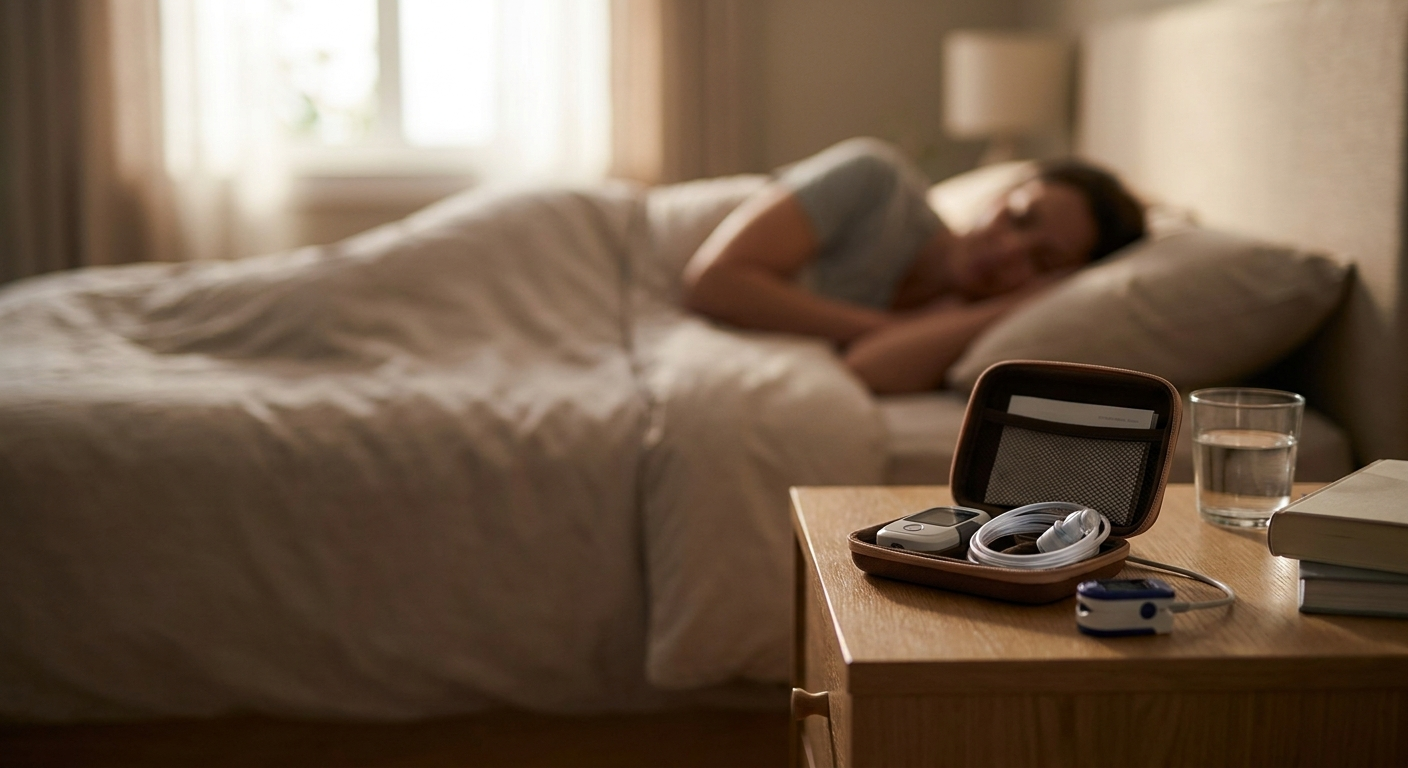
Often appropriate for likely uncomplicated OSA. Pros: sleep in your own bed, easier logistics, faster scheduling. Limitations: fewer data channels, typically no sleep stages, not ideal for every symptom profile. Patient info: https://sleepeducation.org/sleep-center/ Deeper comparison: https://sleepandsinuscenters.com/blog/home-sleep-test-vs-lab-study-which-sleep-test-is-best-for-you
What to expect before, during, and after your test
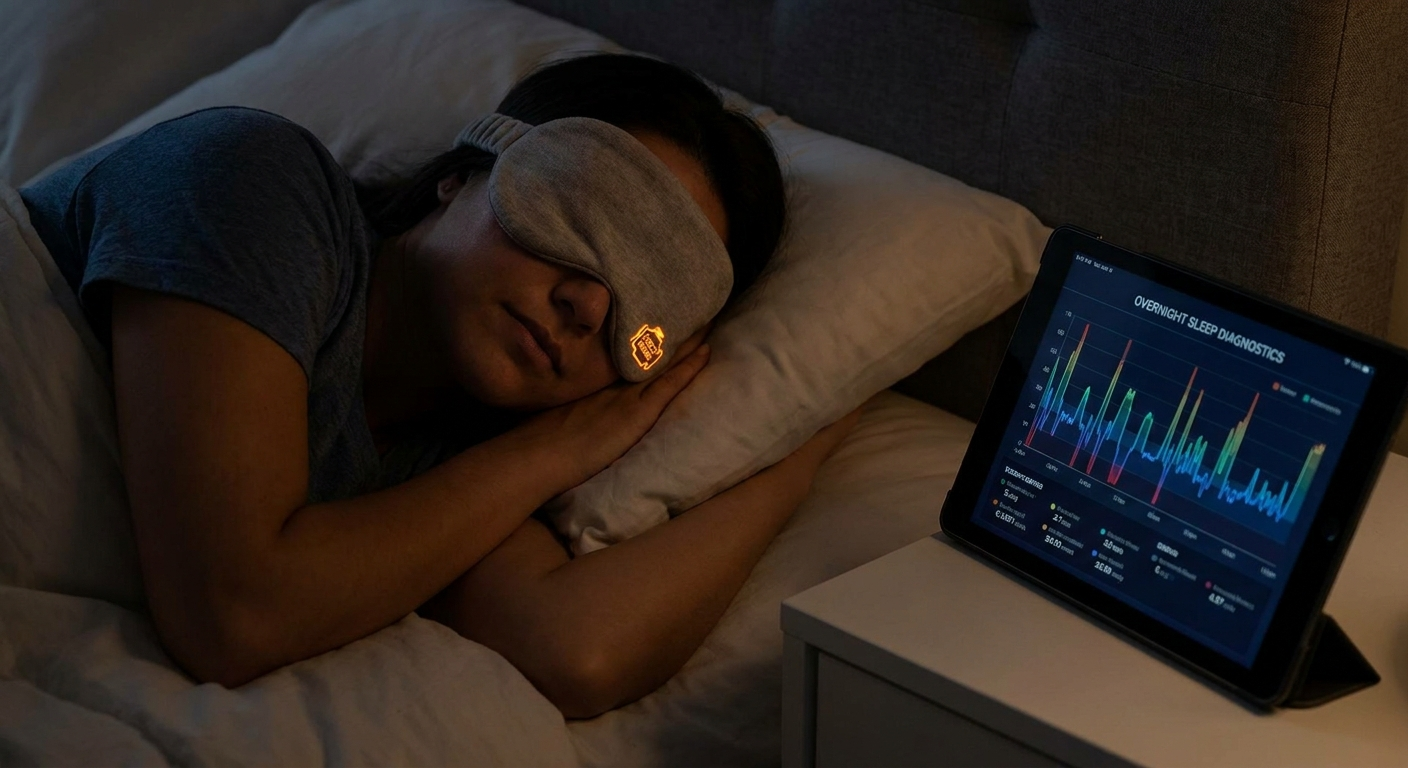
Before: basic prep instructions. During: sensors/equipment monitor breathing and sleep signals overnight. After: a results review explains findings, diagnosis (if present), and next steps. Think of the report as a roadmap—your team should help translate it into action.

What Treatments Do Sleep Centers Offer?
Treatment depends on diagnosis, severity, anatomy, and preferences. Overview of options: https://sleepandsinuscenters.com/snoring-sleep-apnea-treatment
CPAP/APAP therapy
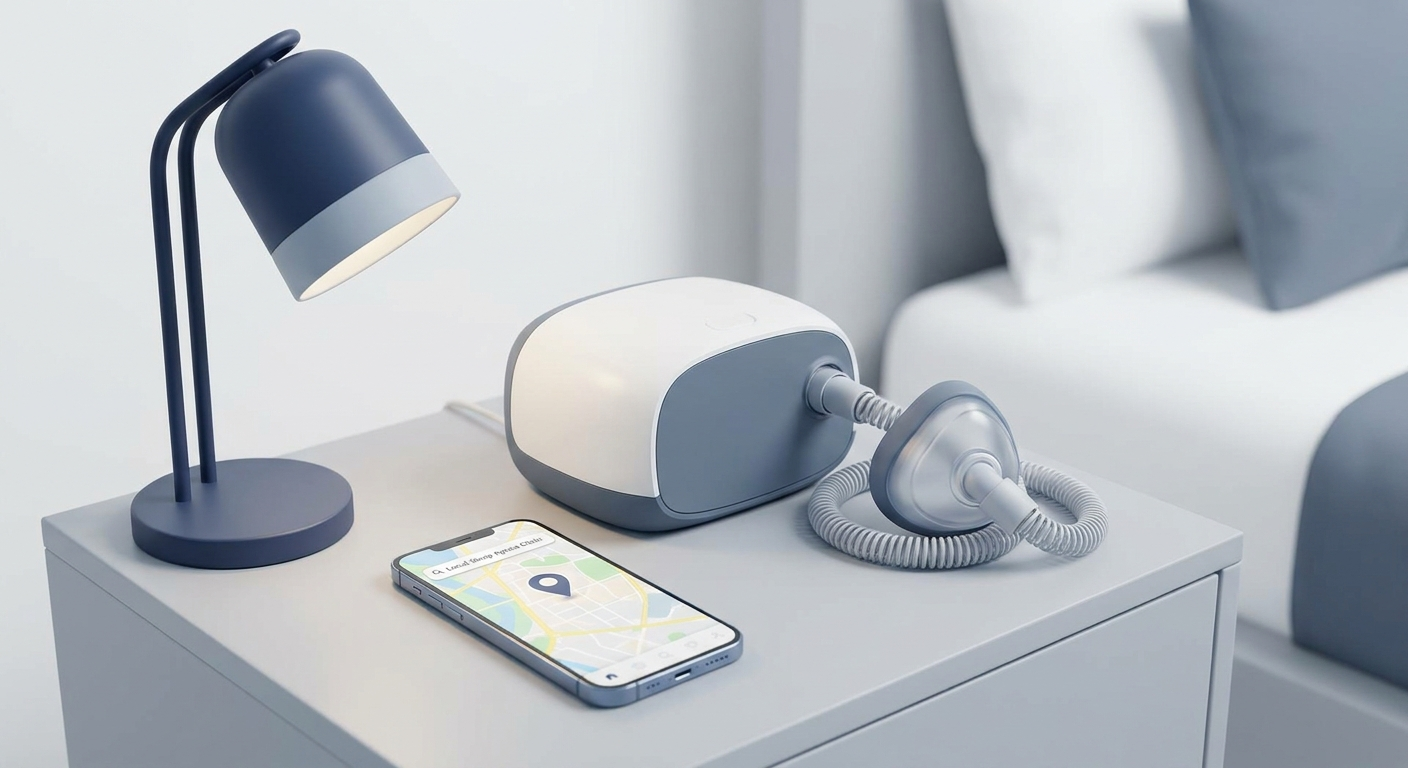
Helps keep the airway open with gentle air pressure. Common support needs: mask fit and comfort, dryness or congestion, pressure settings. Small adjustments (mask style, humidity) can make a big difference.
Oral appliance therapy
A custom-fit device worn during sleep for selected patients, with follow-up to confirm effectiveness.
Lifestyle and behavioral strategies
May include weight management, positional strategies, reducing alcohol near bedtime, and consistent sleep schedules—usually combined with medical therapy.
Surgical or procedural options
Considered when anatomy or nasal obstruction plays a major role. Reputable centers focus on careful assessment and realistic expectations.
The best plan is the one you can use consistently—personalization and follow-up matter.
Questions to Ask When Choosing the Best Sleep Clinic Near You
Quality and credibility
Are you AASM-accredited and can you show verification? Who interprets the study and what are their qualifications? Do you follow AASM standards and safety protocols? Standards: https://aasm.org/resources/standards-for-accreditation/
Practical considerations
Typical wait time, how long results take, prior authorization needs, expected out-of-pocket costs for HSAT vs. PSG, and how equipment support/replacement supplies are handled.
Treatment support
Follow-up schedule after diagnosis, mask fitting help, troubleshooting or remote monitoring options, and when re-testing might be considered.
Asking clear questions up front helps you find a clinic that supports you beyond test day.
Lifestyle Tips While You’re Waiting for Your Sleep Study Appointment
Sleep-position and routine tips
Side-sleeping or gentle head elevation may reduce snoring and breathing disruption. Keep a consistent schedule. Reduce alcohol close to bedtime. Try one change for a week and note how you feel at midday.
Reduce nasal blockage (if relevant)
Consider humidity or saline rinses; discuss allergies. Nasal blockage can also affect PAP comfort.
Safety if you’re excessively sleepy
Prioritize safety around driving. If symptoms feel severe, contact a clinician promptly.
Small, realistic changes now can make your testing and follow-up more productive.
FAQs About “Sleep Centers Near Me”
How do I find an AASM-accredited sleep center near me?
Use the Accredited Facility Directory and search by your location and service needs: https://members.aasm.org/site/AASMMembers/Accreditation/Accredited-Facility-Directory.aspx
What’s the difference between a home sleep test and an in-lab sleep study?
HSAT collects a narrower set of breathing-related data and usually doesn’t measure sleep stages; in-lab studies capture more complete signals including sleep stages. Comparison: https://sleepandsinuscenters.com/blog/home-sleep-test-vs-lab-study-which-sleep-test-is-best-for-you
Can I get sleep apnea testing without a referral?
Requirements vary by clinic and insurance. Call to confirm what your plan requires.
How long does it take to get results?
Timing varies by scheduling, scoring/interpretation, and follow-up availability. Ask for a general timeframe when booking.
What if my home sleep test is normal but I still feel exhausted?
A normal HSAT doesn’t rule out other disorders or nuanced breathing issues. Additional evaluation, including in-lab study, may be discussed.
Will a sleep clinic help if I can’t tolerate CPAP?
Yes. Many patients need adjustments and coaching, and alternatives may be available depending on your diagnosis and severity. Ongoing follow-up is key.
If you’re unsure where to start, a quick call to a nearby accredited center can clarify next steps.

Next Steps: Book a Local Sleep Clinic Visit
If your symptoms are pushing you to search “sleep centers near me,” consider moving from searching to scheduling—especially if snoring, gasping, or heavy daytime sleepiness are part of your picture.
Quick checklist before you schedule
Have a brief symptom list and bed partner observations, your medication list, and insurance/referral details (if required).
Schedule an appointment
Appointments: https://sleepandsinuscenters.com/appointments
Locations: https://sleepandsinuscenters.com/locations
Taking the first step now can help you wake up to better days sooner.
Sources
AASM – Accreditation Verification: https://aasm.org/accreditation/accreditation-verification/
AASM – Accredited Facility Directory: https://members.aasm.org/site/AASMMembers/Accreditation/Accredited-Facility-Directory.aspx
AASM – Standards for Accreditation: https://aasm.org/resources/standards-for-accreditation/
SleepEducation.org (AASM patient education): https://sleepeducation.org/sleep-center/
This article is for educational purposes only and is not medical advice. Consult a qualified healthcare provider for diagnosis and treatment.
Don’t let allergies slow you down. Schedule a comprehensive ENT and allergy evaluation at Sleep and Sinus Centers of Georgia. We’re here to find your triggers and guide you toward lasting relief.