Home Sleep Apnea Test: At-Home Evaluation for Suspected Sleep Apnea
If you’ve been told you snore loudly, wake up gasping, or feel exhausted even after a full night in bed, a home sleep apnea test (HSAT) may be a practical first step toward answers. This option lets many adults complete a clinically guided sleep study at home—often with faster scheduling and a more natural sleep environment than a lab.
Below is a patient-friendly guide to what HSAT measures, who it’s for, how accurate it can be, and what happens after results—so you can have a more informed conversation with the team at Sleep and Sinus Centers of Georgia.
What a Home Sleep Apnea Test (HSAT) Is—and Why It’s Used
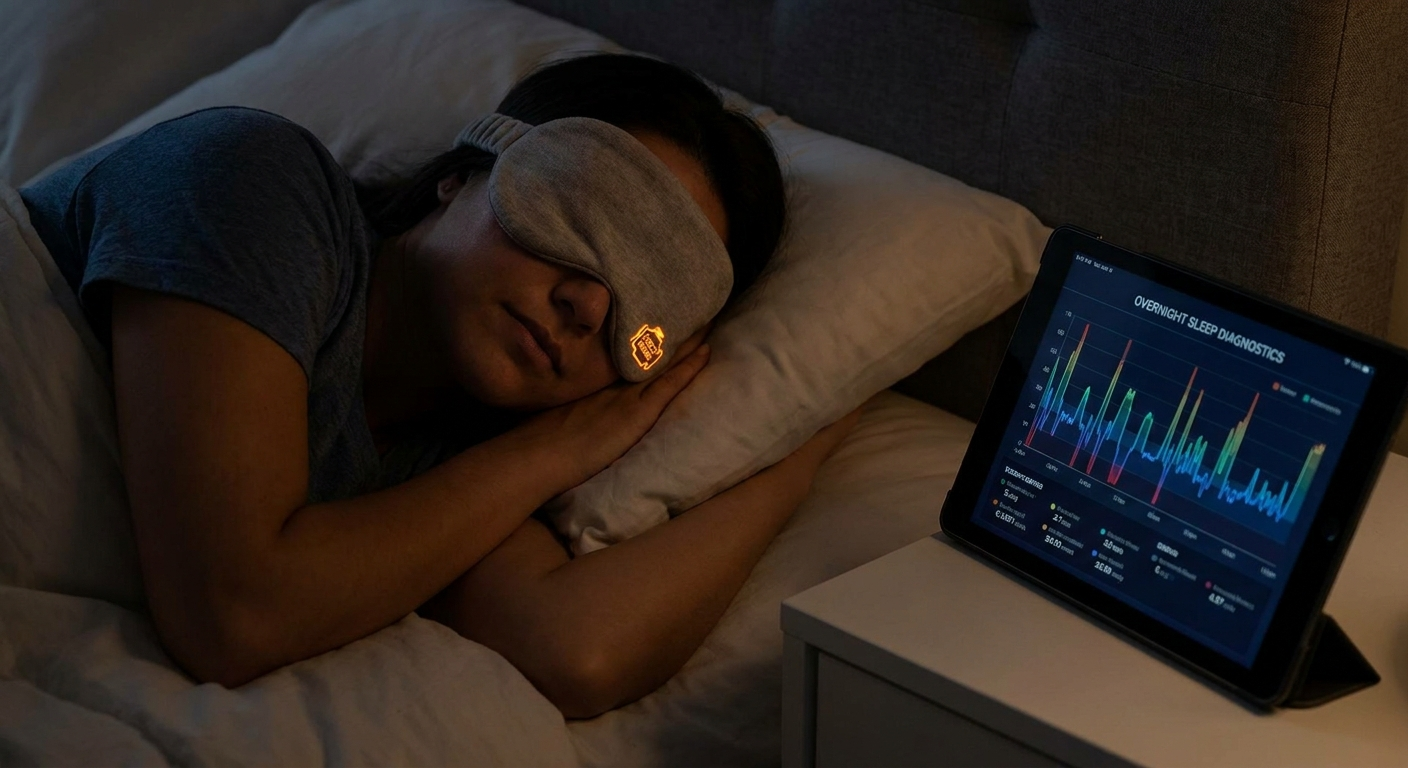
A home sleep apnea test is a simplified, take-home sleep study designed primarily to evaluate for obstructive sleep apnea (OSA)—a condition where the airway narrows or collapses during sleep, leading to breathing reductions, oxygen drops, and repeated sleep disruption. Think of HSAT as the focused version of sleep testing: it concentrates on breathing and oxygen patterns that strongly suggest OSA, without capturing every signal a lab study can measure.
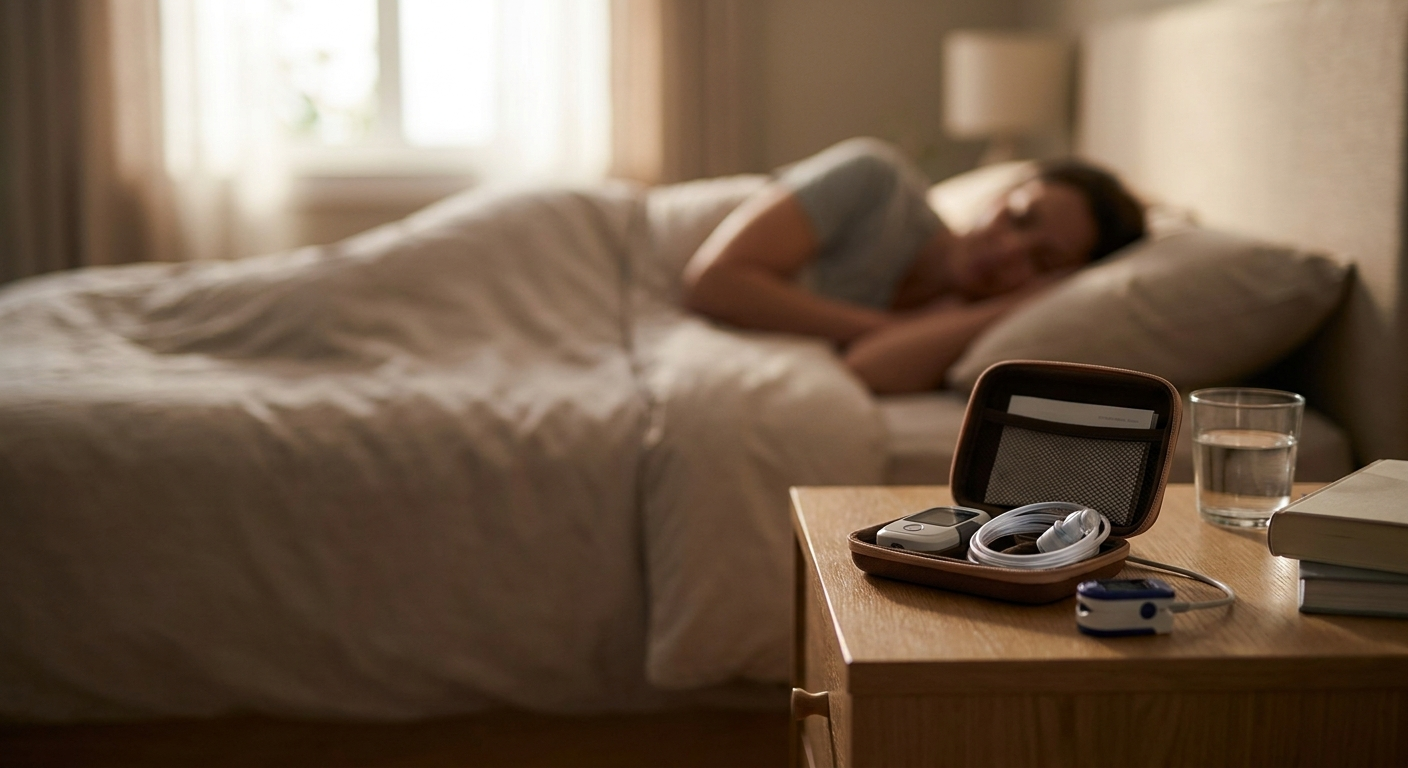
Typical HSAT signals (device dependent) include airflow, breathing effort, oxygen saturation, pulse/heart rate, and sometimes snoring or body position.
HSAT vs in-lab polysomnography (PSG): HSAT is done at home with fewer sensors and no overnight technician, and is best suited to uncomplicated adults with a strong suspicion of OSA. In-lab PSG is performed in a sleep lab with more sensors (including EEG/brain waves), supervised, and is preferred when medical complexity makes home testing less reliable.
Analogy: HSAT is like a targeted home blood-pressure monitor—very useful in the right scenario—while PSG is like full cardiac monitoring when deeper detail is needed.
The American Academy of Sleep Medicine (AASM) supports HSAT for appropriate patients and emphasizes that HSAT data should be reviewed and interpreted within a clinical pathway. AASM position statement (May 2025): https://aasm.org/advocacy/position-statements/clinical-use-of-a-home-sleep-apnea-test-an-updated-american-academy-of-sleep-medicine-position-statement/
Conclusion: In the right patients, HSAT can provide meaningful, clinically guided insights at home.

Symptoms That Should Prompt You to Consider Testing
Sleep apnea symptoms can be easy to dismiss because they happen at night—or feel normal after months or years. Nighttime signs include loud frequent snoring, witnessed pauses or gasping, restless sleep or frequent awakenings, and waking to urinate. Daytime signs include excessive sleepiness or fatigue, morning headaches, brain fog or mood changes, trouble concentrating, and drowsy driving.
A common pattern: a partner notices breathing pauses first, while the person with OSA mainly feels daytime effects such as dragging all day despite going to bed on time. If you’re unsure how significant your daytime sleepiness is, learn more about the Epworth Sleepiness Scale: https://sleepandsinuscenters.com/blog/epworth-sleepiness-scale-a-complete-guide-to-understanding-daytime-sleepiness
High-concern combinations to discuss: symptoms plus high blood pressure, obesity or larger neck circumference, atrial fibrillation or other heart rhythm concerns. Conclusion: If symptoms persist—especially with cardiovascular risks—ask about evaluation.
What Causes Obstructive Sleep Apnea (and Why It Can Be Missed)
In OSA, throat muscles and soft tissues relax during sleep; if the airway is already somewhat narrow, airflow can drop or stop. The body responds with brief arousals (often not remembered) that restore breathing but fragment sleep and stress the cardiovascular system.
Common risk factors include weight gain and aging, nasal obstruction or chronic congestion, alcohol or sedatives near bedtime, and family history or airway/jaw anatomy. Many people with OSA don’t remember waking up and report 7–8 hours in bed but never feeling rested. Conclusion: OSA often hides in plain sight because the sleep disruption isn’t fully remembered.

HSAT Device Types (Type 2 vs Type 3 vs Type 4) in Simple Terms
Type 2 (portable PSG): most comprehensive at-home option with multiple channels and may include sleep staging alongside breathing and oxygen signals. Type 3: most common HSAT category for OSA, usually 4–6 signals (airflow, breathing effort, oxygen saturation, heart rate, and often more). Type 4: limited channels, often 1–2 signals such as oxygen/pulse with limited breathing data. In general, more signals can help when symptoms are complex or results don’t match how you feel. Reference: https://pmc.ncbi.nlm.nih.gov/articles/PMC10887466/
Conclusion: The right device balances simplicity with enough data to answer the clinical question.
How Accurate Is a Home Sleep Apnea Test?
For many patients, HSAT is strongest at identifying moderate to severe OSA; detecting mild OSA can be more challenging depending on device type, the night of sleep, and sensor stability. Accuracy is influenced by the pre-test likelihood of OSA, device and sensors used, and setup quality. If symptoms strongly suggest OSA (loud snoring plus witnessed pauses plus daytime sleepiness), HSAT is more likely to yield a clear result than when symptoms are vague.
Deeper dive: https://sleepandsinuscenters.com/blog/home-sleep-test-accuracy-how-reliable-are-at-home-sleep-tests
Newer tech such as peripheral arterial tonometry (for example, WatchPAT) estimates sleep-disordered breathing via blood flow changes, pulse, and oxygen trends; some studies report high technical success. Device overview: https://itamar-medical.com/ Background: https://pmc.ncbi.nlm.nih.gov/articles/PMC10887466/
Conclusion: HSAT can be highly informative when patient selection, device, and signal quality align.

Who Is a Good Candidate for HSAT (and Who Isn’t)?
HSAT is often recommended for uncomplicated adults with a strong suspicion of OSA; AASM guidance supports HSAT for such patients when used within a clinical pathway (May 2025 position statement). In-lab PSG is strongly considered for higher-risk or medically complex conditions, such as heart failure or a history of stroke, and may be preferred for other complex cardiopulmonary or neurologic conditions. Side-by-side overview: https://sleepandsinuscenters.com/blog/home-sleep-test-vs-lab-study-which-sleep-test-is-best-for-you
Conclusion: The best test is the one that fits your medical picture and yields actionable data.

What to Expect: Step-by-Step HSAT Process (From Order to Results)
Step 1 — Clinical evaluation and ordering: A clinician reviews symptoms, sleep habits, and risk factors to determine whether HSAT is appropriate. Consumer wearables can hint at risk but are not a substitute for a clinically interpreted HSAT or in-lab PSG.
Step 2 — Getting the device: Many programs offer pickup or mail delivery to reduce barriers and speed access to testing at home. Example overview: https://medbridgehealthcare.com/hsat
Step 3 — Setting up at home: Depending on device type, you may use a finger sensor for oxygen/pulse, one or two belts for breathing effort, and a nasal cannula for airflow. Tips: do a quick practice run; keep the finger free of nail polish if instructed; confirm the device is charged and any app connection works. Goal: make setup simple, then sleep as normally as you can.
Step 4 — Returning the device and scoring: After the test, data are downloaded and scored using clinical standards. HSAT should be interpreted by trained professionals, not read as a pass/fail gadget.
Step 5 — Understanding the report: You may see AHI or REI (event rate per hour), oxygen desaturations (how often and how deep), and device-dependent snoring or body-position metrics. Severity context: https://sleepandsinuscenters.com/blog/ahi-score-explained-understanding-your-sleep-apnea-severity
Conclusion: A brief setup at home can lead to a clear, clinically reviewed report within days.
Interpreting Results: What Happens If Your HSAT Is Positive, Negative, or Inconclusive?
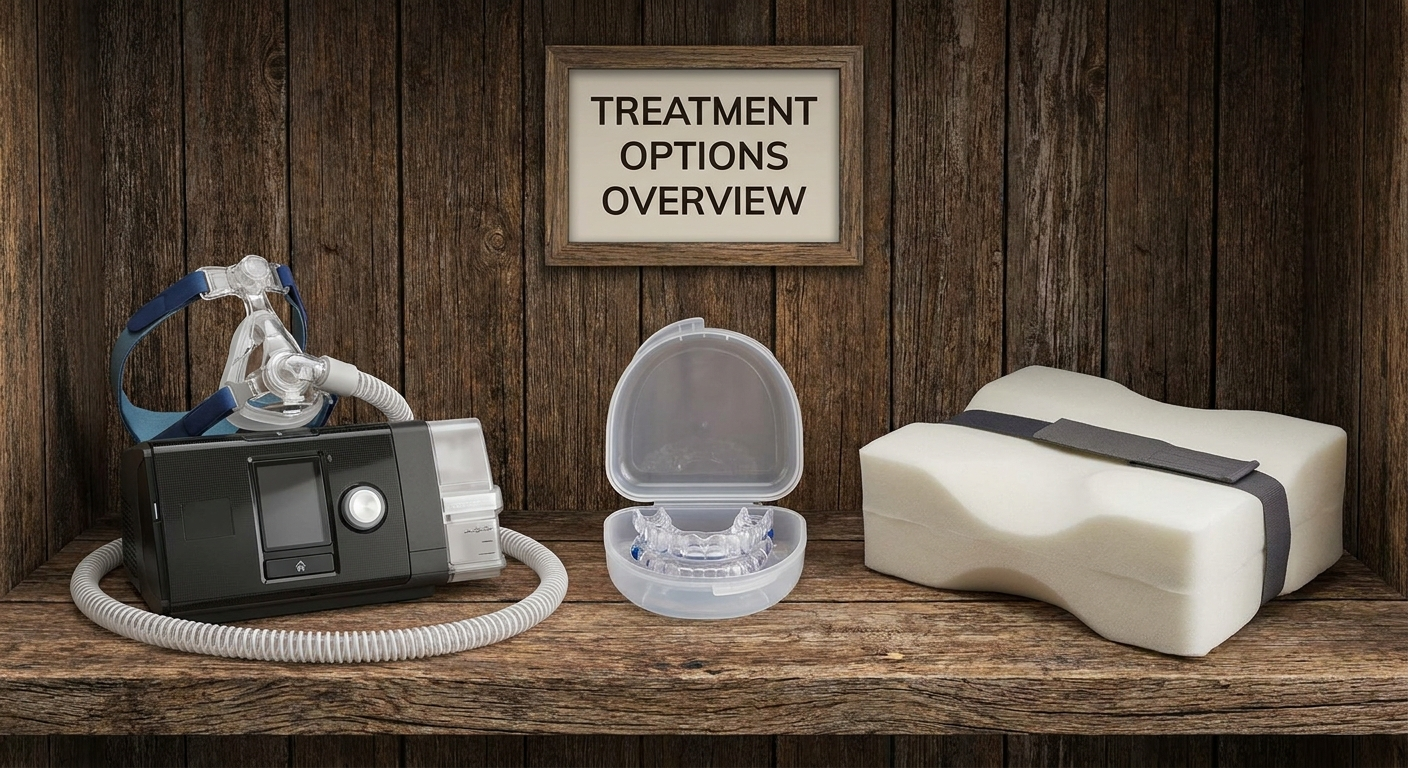
If HSAT suggests sleep apnea, the next step is a treatment discussion. Options may include PAP therapy (CPAP/APAP) and, for selected patients, alternatives such as oral appliance therapy or positional strategies—depending on severity, symptoms, and personal needs.
If HSAT is negative but symptoms persist, possibilities include mild OSA that is harder to detect on some systems, poor signal quality or limited sleep time, or another sleep disorder. An attended in-lab PSG may be recommended for a more comprehensive evaluation.
If HSAT is technically inadequate due to sensor displacement or insufficient data, a repeat HSAT or an in-lab study may be discussed. Conclusion: HSAT is one step in a pathway—your care team will guide next steps based on results and symptoms.
Treatment Options After Diagnosis (Patient-Friendly Overview)
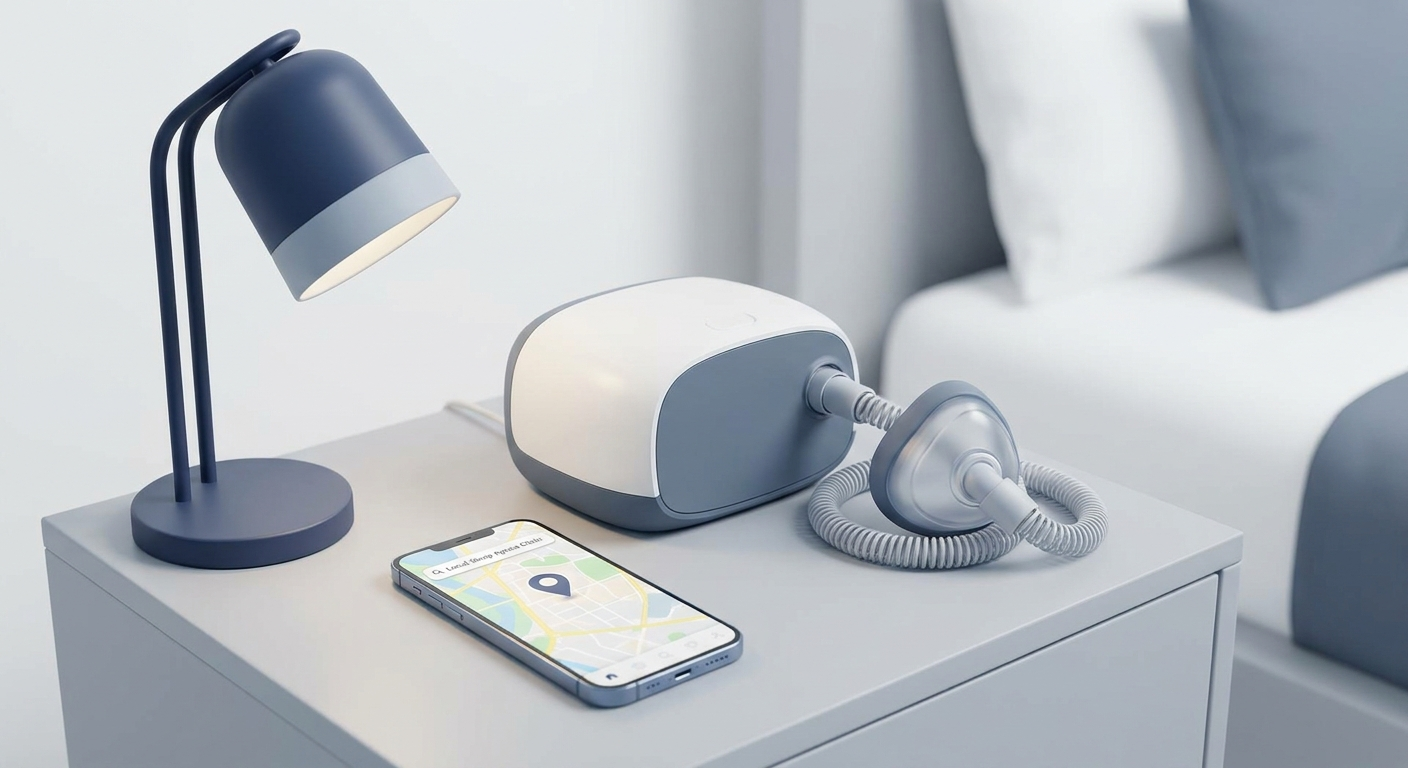
PAP therapy (CPAP/APAP): PAP devices keep the airway open with gentle pressurized air through a mask. Comfort often improves with the right mask fit and settings; humidification and managing nasal congestion can help. Related read: https://sleepandsinuscenters.com/blog/ent-care-for-people-who-use-cpap-machines
Oral appliance therapy: Custom dental-style appliances can help some people—often those with mild to moderate OSA or who cannot tolerate PAP—by repositioning the jaw to support airflow.
Positional therapy and behavioral strategies: If events occur mainly when sleeping on the back, side-sleeping strategies may reduce events for some patients.
ENT evaluation options: Addressing nasal obstruction or structural contributors can support overall care, often as part of a broader plan. Conclusion: Treatment is individualized—your best plan balances effectiveness, comfort, and lifestyle fit.
Lifestyle Tips That Can Improve Symptoms (and Support Treatment Success)
Helpful strategies include supporting weight and metabolic health, avoiding alcohol/sedatives near bedtime, side-sleeping when positional OSA is suspected, and managing allergies or congestion under clinician guidance to support nasal breathing and PAP comfort. Conclusion: Small, consistent changes can support medical treatment and improve sleep quality.
Cost, Convenience, and the Growing HSAT Trend
HSAT demand is growing due to convenience, comfort, and access; many patients sleep more typically at home and can schedule faster. If the best test is the one you can complete, HSAT can remove a major barrier for many uncomplicated adults.
Market snapshot: The global HSAT devices market was estimated at $1.6B in 2025 and projected at $1.9B in 2026. Reference: https://www.gminsights.com/industry-analysis/home-sleep-apnea-testing-devices-market
Conclusion: Convenience and access are key reasons HSAT has become a go-to option for many adults.
FAQs About Home Sleep Apnea Tests
Q: Can I take a home sleep apnea test if I have heart failure? A: AASM guidance indicates that attended in-lab PSG is often preferred for higher-risk or medically complex conditions, such as heart failure or a history of stroke. https://aasm.org/advocacy/position-statements/clinical-use-of-a-home-sleep-apnea-test-an-updated-american-academy-of-sleep-medicine-position-statement/
Q: What if I can’t sleep well during the test night? A: HSAT needs enough recorded time and stable signals. If sleep is very short or sensors shift, the study may be repeated or another test type recommended.
Q: Do smartwatches diagnose sleep apnea? A: Wearables may flag risk patterns but do not replace a clinically interpreted HSAT or PSG. More: https://sleepandsinuscenters.com/blog/watch-style-sleep-tests-key-limitations-you-need-to-know
Q: How many nights do I need to test? A: Many HSAT pathways use one night, but a second night may be recommended if results don’t match symptoms or if recording is inadequate.
Q: What’s the difference between AHI and REI? A: AHI is events per hour of sleep (often in lab PSG); REI is events per hour of recording time (often in HSAT). If you recorded 8 hours but slept about 6, an REI-based number may look lower than a sleep-staged AHI. Severity context: https://sleepandsinuscenters.com/blog/ahi-score-explained-understanding-your-sleep-apnea-severity
When to See a Specialist
Prioritize evaluation for severe daytime sleepiness or drowsy driving risk; work safety concerns (vehicles or machinery); concerning heart symptoms, oxygen issues, or complex history; or persistent symptoms after a normal HSAT. Conclusion: If you’re unsure which test is right, a brief visit can clarify next steps.
Ready to take the next step?
To discuss whether HSAT or an in-lab study fits your situation, book an appointment with Sleep and Sinus Centers of Georgia: https://sleepandsinuscenters.com/appointments More about the practice: https://www.sleepandsinuscenters.com/
Conclusion: The Best Next Step Is the Right Test for the Right Patient
A home sleep apnea test can be a comfortable, clinically supported way to evaluate for OSA in many uncomplicated adults, and AASM guidance supports its role when used appropriately. In-lab polysomnography remains essential for higher-risk situations and when HSAT results don’t match symptoms. Whether your next step is an HSAT or an in-lab study, a clear diagnosis can open the door to effective treatment—and better sleep and long-term health.
References
American Academy of Sleep Medicine (AASM). Clinical Use of a Home Sleep Apnea Test: Updated Position Statement (May 2025). https://aasm.org/advocacy/position-statements/clinical-use-of-a-home-sleep-apnea-test-an-updated-american-academy-of-sleep-medicine-position-statement/
PubMed Central (PMC). HSAT classification/types and performance discussion. https://pmc.ncbi.nlm.nih.gov/articles/PMC10887466/
Global Market Insights (GMI). Home Sleep Apnea Testing Devices Market. https://www.gminsights.com/industry-analysis/home-sleep-apnea-testing-devices-market
WatchPAT / Itamar Medical (ZOLL). Device overview. https://itamar-medical.com/
MedBridge Healthcare. HSAT program overview (access/logistics context). https://medbridgehealthcare.com/hsat
Medical Disclaimer
This article is for general education and is not a substitute for personalized medical advice, diagnosis, or treatment. If you have symptoms of sleep apnea or a complex medical history, seek evaluation from a qualified clinician.
Don’t let allergies slow you down. Schedule a comprehensive ENT and allergy evaluation at Sleep and Sinus Centers of Georgia. We’re here to find your triggers and guide you toward lasting relief.