Inflammatory vs Infectious Sinusitis: Key Differences, Symptoms, and Treatment
Introduction — Why “Sinusitis” Isn’t Always an Infection
“Sinusitis” is often used to describe sinus pressure, congestion, and thick drainage—but medically, sinusitis simply means inflammation of the sinus lining. That inflammation can be caused by an infection (most often viral) or by non-infectious inflammation (like allergies or irritants). These can feel very similar, yet the best treatment plan can be very different. NCBI Bookshelf: https://www.ncbi.nlm.nih.gov/books/NBK547701/
A helpful way to think about it: infection is a “germ problem,” while inflammatory sinusitis is a “swelling/irritation problem.” Both can clog drainage pathways, create pressure, and cause post-nasal drip—so symptoms alone can be misleading early on.
Understanding inflammatory vs infectious sinusitis matters for choosing the right care. When the cause is inflammatory or viral, antibiotics won’t help—and using antibiotics only when appropriate supports antibiotic stewardship and helps reduce antibiotic resistance. NCBI Bookshelf: https://www.ncbi.nlm.nih.gov/books/NBK547701/
In real life, clinicians often start by looking at symptom pattern and duration, because many sinus symptoms overlap in the first few days.
Bottom line: Knowing whether germs or inflammation are driving your symptoms helps you choose treatments that actually work.
Quick Comparison — Inflammatory vs Infectious Sinusitis (At a Glance)

Cause
- Inflammatory (non-infectious): Swelling/irritation without germs as the main driver
- Infectious: Infection (usually viral; sometimes bacterial; fungal is rare)
Common triggers/contexts
- Inflammatory: Allergic rhinitis, irritants (smoke/fragrance/pollution), chronic rhinitis, nasal polyps
- Infectious: Cold/upper respiratory viruses; sometimes secondary bacterial infection after blockage/swelling
Typical duration
- Inflammatory: Can flare episodically or persist; may contribute to chronic sinus inflammation
- Infectious: Viral often improves in 5–10 days; bacterial more likely if prolonged or “double-worsening”
Key symptom clues
- Inflammatory: Seasonal/exposure-related; itchy eyes/sneezing; frequent recurrences; lingers for weeks/months
- Infectious: Viral peaks then improves; bacterial more likely with >10 days no improvement or worse after getting better
Best first-line treatments
- Inflammatory: Anti-inflammatory/allergy strategies (nasal steroid sprays, allergen avoidance, saline rinses)
- Infectious: Supportive care for viral (saline, fluids, rest, symptom relief)
When antibiotics help
- Inflammatory: Generally not helpful
- Infectious: May help when bacterial features are present based on duration/pattern
Helpful next read: Viral vs bacterial sinus infections: https://sleepandsinuscenters.com/blog/viral-vs-bacterial-sinus-infections-key-differences
Use the pattern over time—more than any single symptom—to guide next steps.
What Is Infectious Sinusitis?
Infectious sinusitis happens when a germ triggers swelling in the nose and sinuses and disrupts normal drainage. Once drainage is blocked, mucus can pool—creating that “full” or “pressurized” feeling many people call a sinus infection.
Infectious sinusitis causes (viral, bacterial, fungal)
- Viral (most common): Often follows a typical cold; most cases improve with time and supportive care. NCBI Bookshelf: https://www.ncbi.nlm.nih.gov/books/NBK547701/
- Bacterial (less common): Sometimes develops after viral swelling blocks drainage long enough for bacteria to overgrow.
- Fungal (rare): More likely in higher-risk situations such as immunocompromised states, uncontrolled diabetes, or after certain nasal/sinus procedures. NCBI Bookshelf: https://www.ncbi.nlm.nih.gov/books/NBK547701/
A clinician might summarize it this way: Early on, viral and bacterial can look alike—so we watch the timeline and how symptoms evolve.
Common infectious sinusitis symptoms
- Nasal congestion/blocked nose
- Facial pressure or pain
- Thick drainage (from the nose or down the throat)
- Reduced sense of smell
- Cough (often from post-nasal drip)
- Fever may happen, but it’s not required
A common misconception is that colored mucus always means a bacterial infection; however, mucus color can also change due to viral infections or inflammation.
Because early symptoms overlap, the best home clue is how symptoms change over time.
What Is Inflammatory (Non-Infectious) Sinusitis?
The big idea — inflammation without germs
Inflammatory sinusitis is when the sinus lining becomes irritated and swollen without an active infection being the main driver. Swelling can narrow nasal passages, trap mucus, and create pressure—so it can feel like “a sinus infection,” even when antibiotics wouldn’t address the root cause.
A real-world example: symptoms that reliably flare after mowing the lawn, cleaning a dusty room, or spending time around a pet—then ease when the trigger is gone.
Common inflammatory triggers
- Allergies (allergic rhinitis): Pollen, pet dander, dust mites, and mold can inflame nasal tissues and lead to sinus-type symptoms. AAFA: https://aafa.org/allergies/allergy-symptoms/sinusitis-sinus-infection/
- Irritants: Smoke, strong fragrances, air pollution, and some workplace exposures
- Underlying inflammatory conditions: Ongoing nasal inflammation, nasal polyps, or other conditions that promote swelling and blockage. MDPI: https://www.mdpi.com/2076-2607/12/8/1690
If allergy triggers seem likely, learn about allergy testing at Sleep and Sinus Centers of Georgia: https://sleepandsinuscenters.com/allergy-testing

Acute vs chronic inflammation (brief clarification)
- Acute inflammation: Can flare during a heavy pollen week or after irritant exposure.
- Chronic inflammation: Symptoms may persist, recur frequently, or never fully resolve—often requiring a longer-term strategy versus “infection-only” thinking.
You may also find this helpful: Acute vs chronic sinusitis: https://sleepandsinuscenters.com/blog/acute-vs-chronic-sinusitis-key-differences-and-treatment-options
If flares track with triggers or linger for weeks, an inflammation-first plan usually helps more than antibiotics.
Symptoms — How to Tell Infectious vs Inflammatory (Practical Clues)
Symptom duration and progression (most helpful at home)
For many people, the biggest clue is time—not a single symptom.
- Likely viral infectious sinusitis: Symptoms often begin to improve within 5–10 days with supportive care. MedicalNewsToday: https://www.medicalnewstoday.com/articles/bacterial-vs-viral-sinus-infection
- More suggestive of bacterial sinusitis:
- Symptoms lasting more than 10 days with no improvement, or
- “Double-worsening”: you start to feel better, then symptoms return or worsen again. ENT Fort Wayne: https://entfortwayne.com/understanding-the-difference-between-viral-and-bacterial-sinus-infections/
Think of “double-worsening” like a curve that starts to go down—then spikes back up. That pattern is one reason clinicians may wait before labeling an illness “bacterial” in the early days.

Clues that point toward inflammation/allergies
Inflammation becomes more likely when symptoms:
- Track with seasons or exposures (high pollen days, around pets, dusty rooms)
- Include itchy eyes and frequent sneezing
- Recur often or linger for weeks (consistent with ongoing inflammation)
- Worsen indoors or after irritants (smoke, fragrances, aerosols)
When symptoms overlap (set expectations)
In the first several days, congestion, pressure, and drainage occur in viral infections and allergy-driven inflammation. That overlap is why it’s best to use patterns over time—not a single symptom—when deciding what to do next.
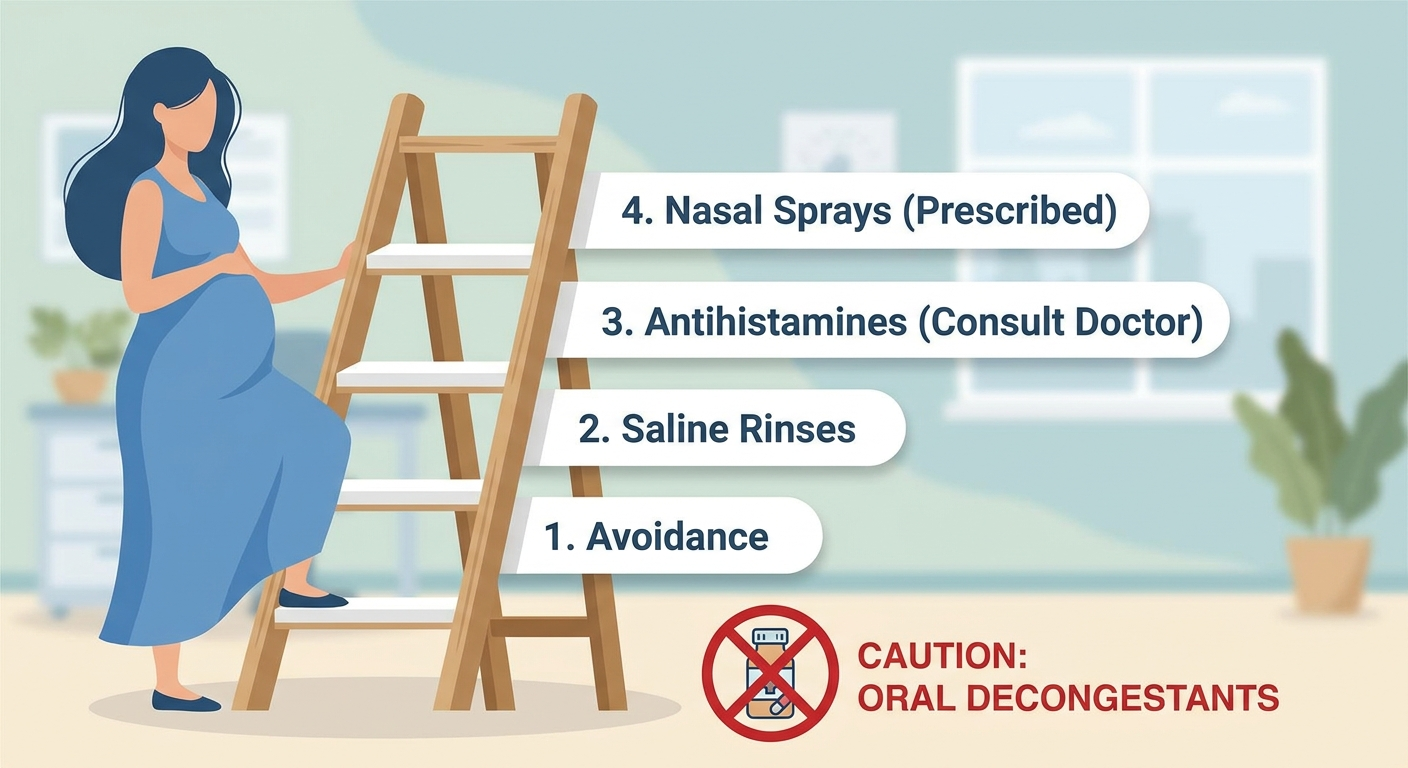
Special note for children and during pregnancy: Symptom patterns can be similar, but medication choices and thresholds for evaluation may differ; discuss options with a clinician.
When in doubt, watch the trend: improving by day 5–10 suggests viral; prolonged or double-worsening suggests checking in.
Causes & Risk Factors (Why You’re Getting Sinus Symptoms)
Infectious sinusitis risk factors
- Recent cold or upper respiratory infection
- Exposure in schools/daycare or household spread
- Smoking/vaping exposure (can irritate and impair clearance)
- Anatomy that limits drainage (some people are more prone to blockage)
- Weakened immune system or certain chronic conditions
Inflammatory sinusitis risk factors
- Uncontrolled allergies
- Indoor irritants (smoke, strong scents, chemical exposures)
- Damp environments and potential mold exposure
- History of chronic rhinitis or nasal polyps. MDPI: https://www.mdpi.com/2076-2607/12/8/1690
Reducing triggers and improving drainage can lower the odds of both flares and infections.
Treatment — What Actually Works (and What Doesn’t)
Because treatment depends on the cause, this is where the inflammatory vs infectious distinction really pays off. If swelling is the main problem, use swelling-focused tools; if bacteria is the main problem, antibiotics may be considered based on the pattern.

Viral infectious sinusitis treatment (supportive care)
Most viral cases resolve without antibiotics. NCBI Bookshelf: https://www.ncbi.nlm.nih.gov/books/NBK547701/
Supportive approaches:
- Rest and hydration
- Saline spray or gentle saline rinses
- Humidification/steam (used carefully to avoid burns)
- Over-the-counter pain/fever reducers as appropriate (e.g., acetaminophen or ibuprofen)
- Consider cautious, short-term use of decongestants if appropriate; avoid if contraindicated (e.g., certain heart conditions, pregnancy) and follow labels closely
Key point: antibiotics don’t treat viruses.
Bacterial sinusitis treatment (when antibiotics may be needed)
Clinicians may consider antibiotics for sinus infection when the symptom pattern suggests bacterial disease—especially >10 days without improvement or double-worsening. MedicalNewsToday: https://www.medicalnewstoday.com/articles/bacterial-vs-viral-sinus-infection
Antibiotics are only prescribed after careful clinical evaluation to avoid unnecessary side effects and resistance. For some patients, a “watchful waiting” or delayed-prescription approach may be appropriate if symptoms are not severe.
Deeper dive: Do I always need antibiotics for a sinus infection? https://sleepandsinuscenters.com/blog/do-i-always-need-antibiotics-for-a-sinus-infection
Inflammatory sinusitis treatment (focus on reducing inflammation)
When inflammation is the main driver (often allergy-related), focus on reducing swelling and exposure to triggers:
- Allergy control: trigger avoidance strategies and allergy medications when appropriate
- Nasal steroid sprays: reduce nasal/sinus swelling; consistent use matters
- Saline rinses: may help wash out irritants and allergens
Learn more about allergy testing: https://sleepandsinuscenters.com/allergy-testing
This approach aligns with allergy-focused education from AAFA. AAFA: https://aafa.org/allergies/allergy-symptoms/sinusitis-sinus-infection/
Why avoiding unnecessary antibiotics matters
Using antibiotics when they aren’t needed can cause side effects and contributes to antibiotic resistance—one reason clinical overviews emphasize careful diagnosis and stewardship in sinusitis. NCBI Bookshelf: https://www.ncbi.nlm.nih.gov/books/NBK547701/
Match the treatment to the cause: supportive care for viral, evaluation-guided antibiotics for likely bacterial, and anti-inflammatory strategies for allergy-driven disease.
Lifestyle Tips to Feel Better Faster (Home Care That Supports Recovery)

Sinus-friendly daily habits
- Stay hydrated; warm fluids can feel soothing
- Prioritize sleep; consider elevating the head slightly to reduce overnight congestion/post-nasal drip
- Gentle movement as tolerated can support overall comfort
Reduce inflammatory triggers at home
- Keep windows closed on high pollen days
- Shower and change clothes after outdoor exposure to reduce pollen carry-in
- Consider HEPA filtration if allergens are a major issue in your home
- Maintain indoor humidity around 30–50% if possible
- Avoid smoke and fragrance aerosols when you can
Safe nasal irrigation tips (brief)
- Use distilled/sterile water or water that has been boiled and cooled
- Clean devices as directed and let them air-dry between uses
Small daily habits can reduce swelling, improve drainage, and speed recovery.
When to See a Doctor (and When It’s Urgent)
Schedule a visit if:
- Symptoms last more than 10 days without improvement
- You experience double-worsening (better, then worse again)
- You have frequent recurrences of sinus symptoms or signs of persistent chronic sinus inflammation despite treatment
- Allergy-related steps aren’t working and allergic rhinitis–related sinus symptoms seem likely
- You are pregnant, considering treatment for a child, or have a condition affecting the immune system—medication choices and thresholds for treatment may differ
Seek urgent care for red flags
Sinusitis complications are uncommon, but seek prompt care for swelling around the eye, vision changes, severe headache, stiff neck, high fever, confusion, or rapidly worsening symptoms. NCBI Bookshelf: https://www.ncbi.nlm.nih.gov/books/NBK547701/
If symptoms don’t follow the typical “improve by day 5–10” course—or if red flags appear—get evaluated.
FAQs
How long does viral sinusitis last?
Viral sinusitis commonly starts improving within 5–10 days with supportive care. MedicalNewsToday: https://www.medicalnewstoday.com/articles/bacterial-vs-viral-sinus-infection
Does colored mucus mean I need antibiotics?
Not necessarily. Mucus color can change with inflammation from viral illness, dryness, or irritation—so color alone isn’t a reliable way to tell viral vs bacterial sinus infection.
What’s the difference between chronic sinusitis and recurrent sinus infections?
Chronic sinusitis generally means symptoms and inflammation persist over a longer period, while recurrent sinus infections refer to distinct episodes that clear in between.
Learn more: Acute vs chronic sinusitis: https://sleepandsinuscenters.com/blog/acute-vs-chronic-sinusitis-key-differences-and-treatment-options
Can allergies cause sinusitis symptoms without an infection?
Yes. Allergies can inflame and swell nasal tissues, leading to blockage and pressure that mimic infection symptoms. AAFA: https://aafa.org/allergies/allergy-symptoms/sinusitis-sinus-infection/
Explore allergy testing: https://sleepandsinuscenters.com/allergy-testing
If antibiotics didn’t help, does that mean it wasn’t bacterial?
Sometimes. It may have been viral or primarily inflammatory, or there may be another contributor (like ongoing allergic inflammation). An evaluation can help clarify what’s driving symptoms.
Related read: Do I always need antibiotics for a sinus infection? https://sleepandsinuscenters.com/blog/do-i-always-need-antibiotics-for-a-sinus-infection
Conclusion — The Right Treatment Starts With the Right Type
The main takeaway is simple: infectious sinusitis isn’t always bacterial, and inflammatory sinusitis often needs anti-inflammatory or allergy-focused strategies instead of antibiotics. Understanding inflammatory vs infectious sinusitis can make symptom patterns less confusing and treatment choices more targeted.
If symptoms keep coming back, persist, or follow an allergy-like pattern, Sleep and Sinus Centers of Georgia can help evaluate whether allergies, chronic inflammation, or another factor may be contributing. To get personalized guidance, book an appointment here: https://www.sleepandsinuscenters.com/
Right care, right time: match your treatment to the cause for better, faster relief.
Related resources (internal)
- Viral vs bacterial sinus infections: https://sleepandsinuscenters.com/blog/viral-vs-bacterial-sinus-infections-key-differences
- Do I always need antibiotics for a sinus infection?: https://sleepandsinuscenters.com/blog/do-i-always-need-antibiotics-for-a-sinus-infection
- Allergy testing: https://sleepandsinuscenters.com/allergy-testing
- Acute vs chronic sinusitis: https://sleepandsinuscenters.com/blog/acute-vs-chronic-sinusitis-key-differences-and-treatment-options
Disclaimer
This article is for educational purposes only and is not medical advice. Please consult a qualified healthcare provider for diagnosis and treatment.
Citations
AAFA (https://aafa.org/allergies/allergy-symptoms/sinusitis-sinus-infection/), NCBI Bookshelf (https://www.ncbi.nlm.nih.gov/books/NBK547701/), MedicalNewsToday (https://www.medicalnewstoday.com/articles/bacterial-vs-viral-sinus-infection), ENT Fort Wayne (https://entfortwayne.com/understanding-the-difference-between-viral-and-bacterial-sinus-infections/), Sleep and Sinus Centers (https://sleepandsinuscenters.com/blog/viral-vs-bacterial-sinus-infections-key-differences), MDPI (https://www.mdpi.com/2076-2607/12/8/1690)
Don’t let allergies slow you down. Schedule a comprehensive ENT and allergy evaluation at Sleep and Sinus Centers of Georgia. We’re here to find your triggers and guide you toward lasting relief.