How to Prevent Nasal Polyps from Coming Back: Proven Prevention Strategies
If you’ve dealt with nasal polyps, you already know the frustrating part: even when treatment works, symptoms can creep back. The good news is that recurrence is often preventable or delayable with the right long-term plan—especially for people with chronic rhinosinusitis with nasal polyps (CRSwNP), a condition driven by ongoing inflammation rather than a one-time infection.
Think of CRSwNP less like a “bug you catch” and more like a smoldering inflammation problem. Surgery can improve the “plumbing,” but long-term control is what helps keep swelling from rebuilding over time.
Below is a patient-friendly, evidence-based guide to help you prevent nasal polyps from coming back, including what tends to drive recurrence and which strategies are most effective. This is educational information—not personalized medical advice. Your clinician can help tailor a plan to your health history.

Quick Take: The 5 Most Effective Ways to Prevent Recurrence
1. Daily intranasal corticosteroids (often long-term, under medical supervision), especially high-volume steroid nasal irrigation after surgery, as recommended in EPOS 2020.
2. Consistent saline irrigation to reduce mucus/inflammation and improve delivery of topical meds.
3. Treat “drivers” like asthma, allergies, and AERD (aspirin-exacerbated respiratory disease).
4. Use biologics for nasal polyps when standard therapy isn’t enough (dupilumab, omalizumab, mepolizumab)—with specialist evaluation and insurance authorization.
5. Stay on a follow-up plan with your ENT to catch early recurrence before symptoms snowball.
A simple way to remember the goal: quiet the inflammation, keep medication reaching the tissue, and address the conditions that fuel flare-ups.
Sources: EPOS 2020 executive summary; Zhao et al. 2023
EPOS 2020: https://www.rhinologyjournal.com/Documents/Supplements/EPOS2020_executive_summary.pdf
Zhao et al. 2023: https://pmc.ncbi.nlm.nih.gov/articles/PMC9958720/
What Are Nasal Polyps—and Why Do They Keep Coming Back?
A patient-friendly definition of CRSwNP
Nasal polyps are soft, noncancerous swellings of inflamed tissue inside the nose and sinus openings. When polyps occur as part of chronic rhinosinusitis with nasal polyps (CRSwNP), the key issue is ongoing inflammation in the lining of the nose and sinuses.
That’s why antibiotics alone often don’t solve the problem—and why a “maintenance phase” matters even after you feel better. One patient put it this way: “I thought the problem was gone after treatment—then a few months later, my smell faded again.” That pattern is common in inflammatory disease.
Want a quick overview of what polyps are and why they form? See: https://sleepandsinuscenters.com/blog/what-are-nasal-polyps
Common symptoms that may signal recurrence
Symptom checklist (possible recurrence signals):
- Nasal blockage/congestion
- Reduced smell and taste
- Postnasal drip
- Facial pressure/fullness
- Snoring or sleep disruption
- Needing repeated oral steroid bursts
If your sense of smell is dropping again, many ENTs consider that an especially helpful “early warning sign,” because smell loss often tracks with inflammation.
Recurrence is common—even after sinus surgery
Even after endoscopic sinus surgery, nasal polyp recurrence is frequently reported—often around ~20–60% depending on follow-up time and individual risk factors. Importantly, recurrence usually doesn’t mean surgery “failed.” More often, it means the underlying inflammatory biology of CRSwNP is still active after the anatomy is improved.
If you’re exploring surgery basics and typical follow-up, read: https://sleepandsinuscenters.com/blog/endoscopic-sinus-surgery-what-patients-should-know
Bottom line: CRSwNP is chronic inflammation—plan for ongoing control rather than one-and-done fixes.
The Root Cause: What Makes Nasal Polyps Return?
Type 2 (T2) inflammation and eosinophils (the “inflammation pattern”)
Many people with CRSwNP have Type 2 (T2) inflammation, which you can think of as an immune “setting” that overproduces inflammation signals. This often involves eosinophils, a type of white blood cell linked with swelling, mucus, and stubborn polyp growth.
A clinician-friendly analogy: topical therapy is like turning down the thermostat on an overactive immune response. When the thermostat is left high (or treatment is stopped too soon), swelling tends to rebuild.
Asthma and AERD raise recurrence risk
CRSwNP is closely tied to asthma for many patients. One reason prevention can be challenging is the “one airway” concept: inflammation in the lower airways and upper airways can reinforce each other.
A particularly high-recurrence subgroup is AERD—aspirin-exacerbated respiratory disease—classically defined by:
- Asthma
- Nasal polyps
- Reactions to aspirin/NSAIDs (like ibuprofen or naproxen)
Learn more here: https://sleepandsinuscenters.com/blog/understanding-aspirin-exacerbated-respiratory-disease-aerd-symptoms-and-treatment
Prior surgeries and incomplete control of inflammation
Needing multiple procedures may signal more aggressive inflammatory disease. Surgery can improve sinus ventilation and access for topical medications—but it doesn’t “turn off” the inflammation by itself.
A practical way to frame it: surgery can create a better pathway for rinses and sprays to reach where inflammation lives, but ongoing medication is often what keeps recurrence at bay.
The most overlooked cause: stopping maintenance therapy too soon
A very common story is: symptoms improve after treatment, routines fade, then inflammation gradually builds again. For many patients, the most practical way to prevent nasal polyps from coming back is staying consistent with the maintenance plan even when you feel well—and only making changes under your provider’s guidance.
In short: identify your drivers, control T2 inflammation, and don’t stop effective therapy without clinician input.
Proven Prevention Strategy #1: Long-Term Intranasal Corticosteroids (The Cornerstone)
Why maintenance nasal steroids matter after surgery
Guidelines emphasize intranasal corticosteroids after sinus surgery because regular topical steroid use helps reduce inflammation, lower the risk of polyp regrowth, and delay the need for revision procedures. Many ENTs describe it as “maintenance, not rescue”: you’re not using topical steroids because you did something wrong—you’re using them because CRSwNP is a chronic inflammatory condition. Long-term use should be monitored by your clinician.
Spray vs. high-volume steroid irrigation (what’s the difference?)
Both approaches can be useful—often in different situations:
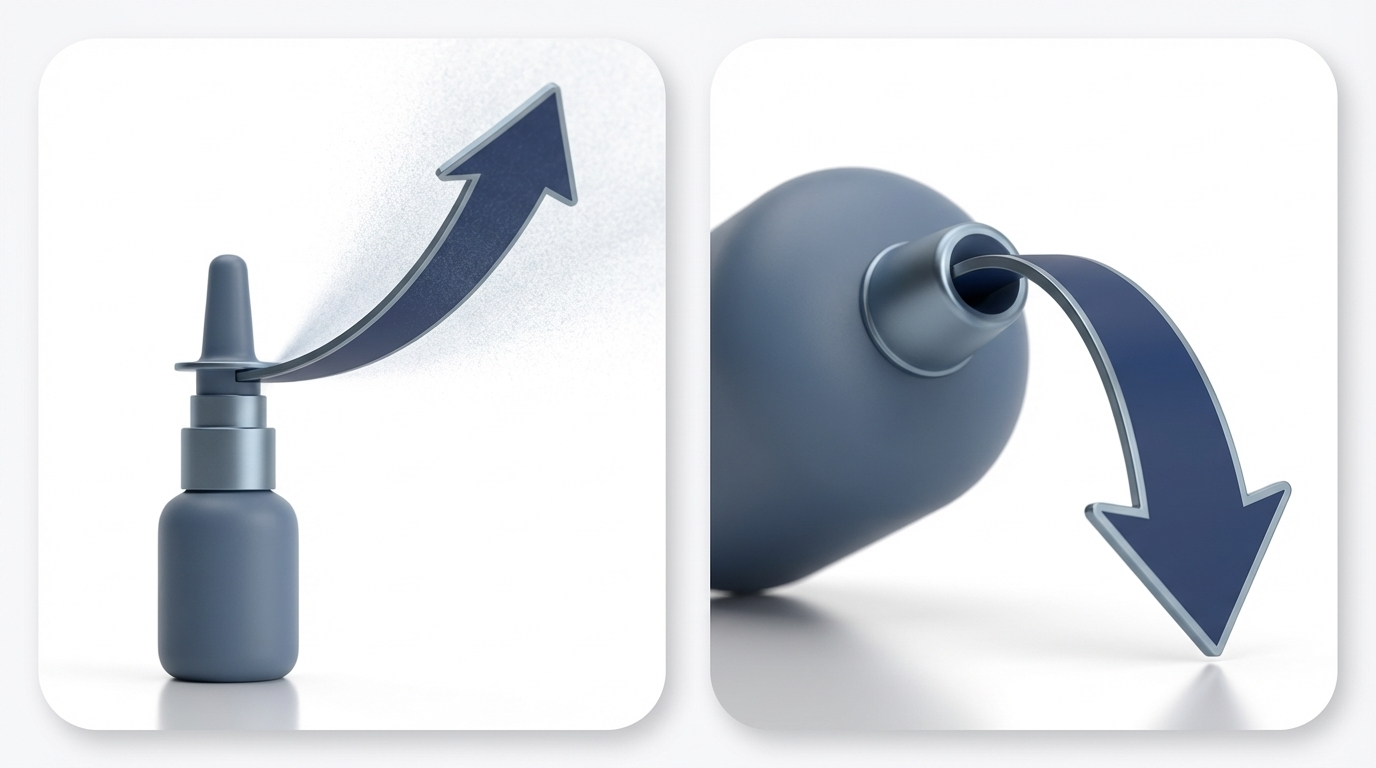
- Steroid sprays: Convenient daily maintenance; great for many people, but may not reach deeper sinus areas well.
- High-volume steroid nasal irrigation: A larger-volume rinse (often used after surgery) that can better reach sinus cavities once they’re more open. This approach is frequently used as part of CRSwNP prevention in postoperative care and typically requires a prescription and clinical supervision.
For a deeper explanation, see: https://sleepandsinuscenters.com/blog/steroid-rinses-a-modern-approach-to-sinus-relief
How to use steroid sprays correctly (simple technique tips)
Technique can meaningfully affect comfort and results. Common educational tips include:
- Aim the nozzle slightly outward (away from the center septum)
- Use a gentle inhale (avoid a hard sniff)
- Use it consistently—many meds work best with steady use
Common mistakes:
- Spraying straight toward the septum (can increase irritation/bleeds)
- Skipping days and trying to “catch up”
- Stopping as soon as you feel better (changes should be made with your clinician)
Step-by-step refresher: https://sleepandsinuscenters.com/blog/steroid-nasal-spray-technique-step-by-step-guide-for-effective-use
Safety and side effects (reassurance + when to ask questions)
Topical nasal steroids are generally well tolerated; side effects are uncommon but can include dryness, irritation, or small nosebleeds. If you have concerns (for example, frequent bleeding or eye history like glaucoma/cataracts), it’s worth discussing monitoring and options with your clinician.
Think of topical steroids as your inflammation “thermostat”—kept low and steady under medical supervision to prevent rebuilds.
Proven Prevention Strategy #2: Saline Irrigation (Daily “Sinus Hygiene”)
Why saline helps prevent flare-ups
Saline irrigation helps rinse out thick mucus, allergens, and irritants. It can also improve how well topical medications contact the tissue—one reason it’s often paired with other long-term strategies to prevent nasal polyps from coming back.
How often should you irrigate?
Many people use saline daily for maintenance and increase frequency during symptomatic periods if their clinician agrees. For a practical discussion of routines, see: https://sleepandsinuscenters.com/blog/nasal-rinses-how-often-should-you-use-them
Safety essentials (important)
- Use distilled, sterile, or previously boiled water (then cooled)
- Keep the bottle/device clean and let it dry
- Replace devices per product instructions
Regular saline rinses keep the surface clear so your medications can do their best work.
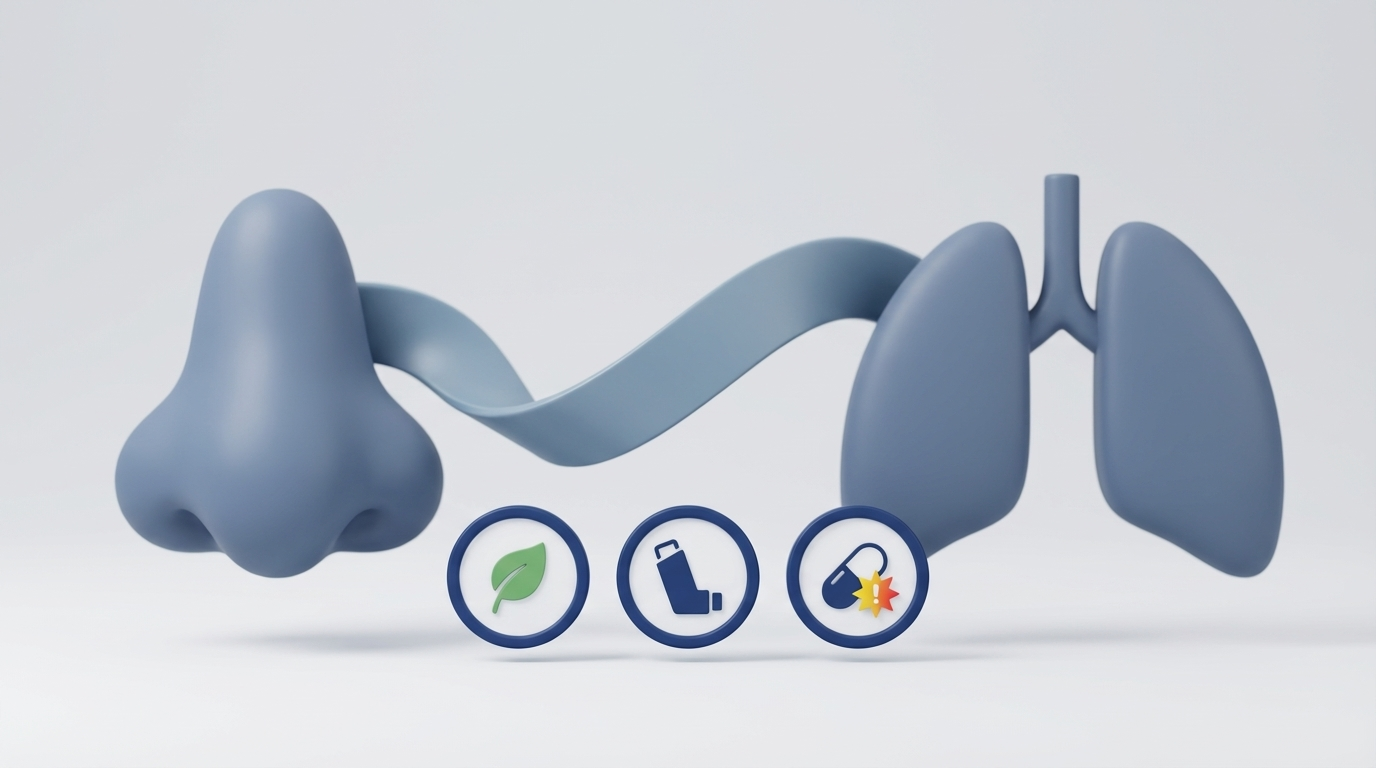
Proven Prevention Strategy #3: Treat the Conditions That Feed Polyp Growth
Asthma control (especially if you wheeze or rely on rescue inhalers)
Upper- and lower-airway inflammation commonly travel together. When asthma is poorly controlled, nasal symptoms may be harder to stabilize. Coordinated care can help align goals and reduce flare cycles.
Allergy evaluation and management (when it’s worth it)
Not everyone with CRSwNP has meaningful allergies—but for some, exposure to pollens, dust mites, pets, or mold can worsen congestion and inflammation. Options may include avoidance steps, medications, and immunotherapy when appropriate. An evaluation can clarify whether allergies are an important driver for you: https://sleepandsinuscenters.com/allergy-testing
Reflux, smoke, and irritant exposure
Irritants like tobacco smoke/vaping and some workplace exposures can aggravate the nose and sinuses. Reflux can also contribute to throat symptoms and irritation for some people. Reducing triggers doesn’t replace medical therapy, but it can support long-term control.
Treat the “whole airway” and key triggers to make polyp prevention easier and more durable.
Proven Prevention Strategy #4: Biologics for Recurrent/Severe CRSwNP (When Standard Therapy Isn’t Enough)
What are biologics (in plain English)?
Biologics are targeted medicines that block specific immune signals driving inflammation and polyp growth. They’re a major advancement for patients with severe or recurring disease.
Who may be a candidate?
Biologics may be discussed when there is:
- Polyps returning despite surgery plus daily topical therapy
- Frequent need for oral steroids
- Major smell loss or quality-of-life impact
- Coexisting asthma/AERD or strong T2/eosinophilic features
These therapies require specialist evaluation, ongoing monitoring, and usually prior authorization from insurance.
The main FDA-approved biologics for nasal polyps (and what studies show)
- Dupilumab (approved 2019)
- Omalizumab (approved 2020)
- Mepolizumab (approved 2021)
Phase III trials show improvements such as reduced polyp size, better symptoms (including smell for many patients), and reduced systemic steroid use and/or reduced need for surgery in appropriate candidates.
Sources:
Dupilumab approval (2019): https://investor.regeneron.com/news-releases/news-release-details/fda-approves-dupixentr-dupilumab-chronic-rhinosinusitis-nasal/
Omalizumab approval (2020): https://www.gene.com/media/press-releases/14887/2020-12-01/genentech-announces-fda-approval-of-xola
Mepolizumab approval (2021): https://us.gsk.com/en-us/media/press-releases/gsk-announces-fda-approval-for-nucala-mepolizumab-for-use-in-adults-with-chronic-rhinosinusitis-with-nasal-polyps/
When standard therapy isn’t enough, targeted biologics can meaningfully reduce recurrence risk under specialist care.
Proven Prevention Strategy #5: Smart Use of Oral Steroids (Rescue—Not Routine)
When short courses may be used
Oral steroids may be used as a short-term “rescue” during significant flare-ups when symptoms are severe and topical therapy isn’t enough.
Why long-term reliance is risky
Repeated or prolonged oral steroid use can cause meaningful side effects, including bone loss, blood sugar elevation, mood and sleep changes, weight gain, and blood pressure changes. This is one reason modern CRSwNP care emphasizes maintenance topical therapy and, when appropriate, escalation to options like biologics.
Reserve oral steroids for true flares—prevention lives in consistent topical therapy and targeted escalation.
Special Case: AERD (Aspirin/NSAID Sensitivity) and Frequent Recurrence
Signs you might have AERD
AERD is often suspected when someone has nasal polyps plus asthma plus respiratory reactions to aspirin/NSAIDs.
AERD aspirin desensitization (for appropriate patients)
AERD aspirin desensitization is a specialized treatment approach done by experienced clinicians for selected patients. In the right setting, it may help reduce recurrence and improve long-term control.
Why multidisciplinary care matters most here
Because AERD involves both sinus disease and asthma biology, coordinated management can be especially important—often involving ENT plus allergy/immunology and asthma care.
If you suspect AERD, ask about coordinated care and whether desensitization or a biologic could reduce recurrences.
Follow-Up That Prevents “Silent Recurrence”
The ideal post-treatment monitoring plan
Some recurrence starts quietly—before symptoms become obvious. Depending on your situation, follow-up may include periodic nasal endoscopy, symptom tracking, and smell monitoring. Post-op care may also involve early visits to remove crusting and optimize healing.
A useful question to ask at visits: “What should I watch for first—congestion, smell changes, sleep issues—and when should I call?”
Biomarkers and “personalized” prevention (emerging)
Clinicians are increasingly using phenotype/endotype clues (like eosinophilic/T2 features) to guide therapy selection and escalation—especially when considering biologics.
Regular, proactive follow-up helps catch small changes early—before they become big setbacks.
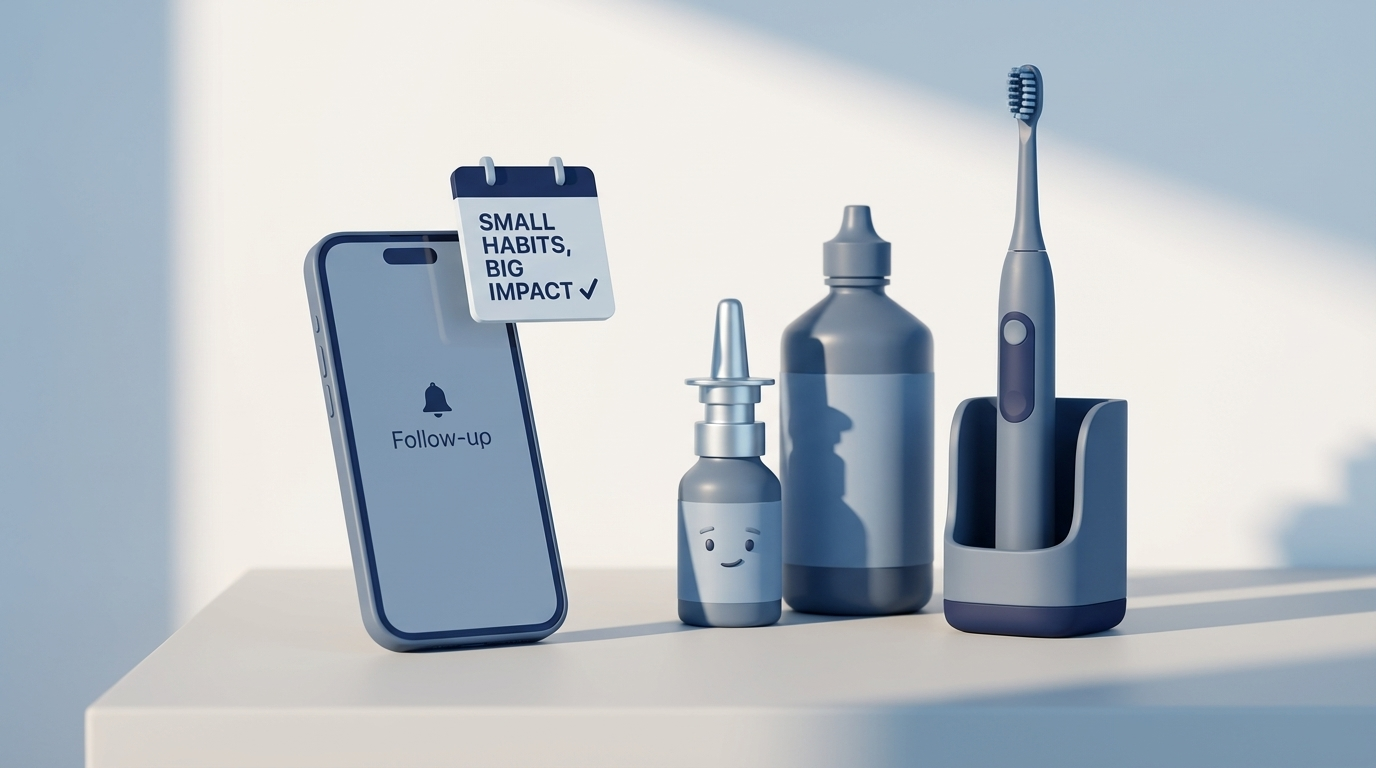
Lifestyle & Home Tips That Support Long-Term Control (Patient-Friendly)
Make it easier to stay consistent (adherence hacks)
Consistency is a quiet superpower in CRSwNP. Ideas that help many patients:
- Pair sprays/rinses with tooth brushing
- Set a phone reminder
- Keep rinse supplies visible and easy to access
Reduce irritants and triggers
- Avoid tobacco and vaping exposure
- Consider indoor air quality support (HEPA filtration, addressing overly dry air if it worsens symptoms)
- Minimize strong fragrances if they’re a trigger for you
Sleep and recovery support
Nasal blockage can affect sleep quality. If snoring or poor sleep persists even when daytime symptoms seem controlled, it may be worth bringing up at your next visit.
Small, sustainable habits make it much easier to stick with your prevention plan over the long run.
FAQs
1) Can nasal polyps come back after surgery?
Yes. Nasal polyp recurrence after endoscopic sinus surgery is common (often reported ~20–60% depending on follow-up and risk factors). The goal is long-term inflammatory control—not just a one-time fix.
2) Do I have to use steroid sprays forever?
Many people with CRSwNP use topical steroids long-term to reduce inflammation and help prevent nasal polyps from coming back. Your clinician can help find the lowest effective maintenance plan and monitor for side effects.
3) Are steroid rinses stronger than sprays?
They’re different mainly in delivery. Steroid nasal irrigation uses higher volume and may reach deeper areas more effectively—especially after surgery—while sprays are simpler for daily maintenance. Steroid rinses generally require a prescription and medical supervision.
4) When should I consider a biologic instead of another surgery?
Biologics are often discussed when disease returns despite surgery and consistent topical therapy, when oral steroid bursts are frequent, or when asthma/AERD and severe smell loss or quality-of-life impact are present. A specialist evaluation and insurance authorization are typically required.
5) How do I know my polyps are returning?
Common clues include worsening blockage and reduced smell/taste. Confirmation is typically done with an in-office exam (often endoscopy).
6) What’s the safest way to do nasal rinses?
Use distilled/sterile or boiled-and-cooled water, keep devices clean, and replace them as recommended.
Conclusion: A Realistic Goal—Fewer Flares, Longer Control, Less Need for Repeat Surgery
For many people, the best way to prevent nasal polyps from coming back is a long-term control strategy: consistent topical therapy (often including saline and intranasal steroids), management of inflammatory drivers like asthma/allergies/AERD, and targeted escalation—such as biologics for nasal polyps—when indicated by severity and recurrence patterns.
If symptoms are returning, smell is fading again, or you’ve needed repeated oral steroids, consider scheduling an evaluation with Sleep and Sinus Centers of Georgia to review prevention options and build a sustainable long-term plan. You can book an appointment here: https://www.sleepandsinuscenters.com/
Your prevention plan works best when it’s consistent, personalized, and proactively adjusted over time.
Disclaimer
This article is for educational purposes only and is not medical advice. Please consult a qualified healthcare provider for diagnosis and treatment.
Sources
EPOS 2020 executive summary: https://www.rhinologyjournal.com/Documents/Supplements/EPOS2020_executive_summary.pdf
Zhao et al. 2023: https://pmc.ncbi.nlm.nih.gov/articles/PMC9958720/
FDA biologics approvals listed above.
Don’t let allergies slow you down. Schedule a comprehensive ENT and allergy evaluation at Sleep and Sinus Centers of Georgia. We’re here to find your triggers and guide you toward lasting relief.