Chronic Sinusitis vs Chronic Inflammation: Key Differences and Symptoms
If you’ve been told you have “inflammation,” it can be confusing to figure out what that actually means—especially if your main issues are congestion, postnasal drip, facial pressure, or a reduced sense of smell. The distinction matters because chronic inflammation is a broad body process, while chronic sinusitis is a specific diagnosis with defined criteria and treatment pathways.
A helpful analogy: inflammation is the body’s “alarm system.” It’s supposed to turn on, solve a problem, and then quiet down. In chronic inflammation, the alarm stays on. In chronic sinusitis, that ongoing inflammation is happening in a specific place—your nasal passages and sinuses—often affecting drainage and airflow.
This guide breaks down chronic sinusitis vs chronic inflammation in clear terms, including symptom clues, common causes, how diagnosis works (including nasal endoscopy and sinus CT scan), and what next steps often look like.

Quick Answer: How Are They Different?
- Chronic inflammation is a body-wide immune process that stays “switched on” for months or years and can affect many organs.
- Chronic sinusitis is a specific diagnosis involving inflammation in the sinus and nasal passages lasting 12 weeks or more, along with a characteristic set of symptoms.
- Key takeaway: Chronic sinusitis can be a localized form of chronic inflammation—but not all chronic inflammation is sinusitis. [1–4]
- When people search chronic sinusitis vs chronic inflammation, they’re often trying to answer two practical questions:
1) Are my symptoms coming from my sinuses?
2) What should I do next to get clarity?
- A clinician might frame it similarly: “We’re not just asking if there’s inflammation—we’re asking where it is, why it’s there, and what it’s doing to your breathing and drainage.”
- For a deeper overview of the condition, see our page on chronic sinusitis symptoms and causes: https://sleepandsinuscenters.com/chronic-sinusitis
Italic takeaway: Chronic inflammation describes a process; chronic sinusitis names the location, pattern, and duration of that process in the nose and sinuses.
Definitions (In Patient-Friendly Terms)
What “Chronic Inflammation” Means
Inflammation is part of the body’s normal defense and healing response. In the short term, it helps fight infection and repair tissue. Problems can happen when that response doesn’t turn off.
Chronic inflammation refers to a prolonged inflammatory response that can persist for months or years. Over time, ongoing immune signaling can contribute to tissue changes and symptoms that may feel more whole-body (systemic), depending on the underlying cause. [1]
Concrete example: someone may feel fatigue, generalized aches, or symptoms in multiple body systems (like joints, skin, or digestion). That doesn’t automatically mean something is wrong with the sinuses—it points to a broader evaluation based on the full symptom picture. [1]
What “Chronic Sinusitis” Means
Chronic sinusitis (also called chronic rhinosinusitis) is inflammation and swelling of the sinus/nasal lining that lasts at least 12 weeks. [2–4]
Why it matters: when the lining stays swollen, it can narrow or block normal sinus drainage. That may lead to sinus inflammation, mucus buildup, congestion, pressure, and smell changes. [2–4] Many patients describe it as feeling like they “never fully clear,” even when they’re not acutely sick.
Italic takeaway: Chronic inflammation can affect many organs; chronic sinusitis is the long-term version affecting your nose and sinuses.
Chronic Sinusitis vs Chronic Inflammation (Side-by-Side Comparison)
Location and Scope
- Chronic inflammation: can involve many systems (joints, skin, gut, blood vessels, and more), depending on the trigger. [1]
- Chronic sinusitis: is localized to the nose and sinuses (ENT region). [2–4]
A practical way to think about it: chronic inflammation describes the process; chronic sinusitis names the location + pattern of that process.
Timeframe
- Chronic inflammation: often persists months to years (timeframe varies by cause). [1]
- Chronic sinusitis: by definition lasts 12 weeks or longer. [2–4]
That 12-week threshold helps differentiate chronic sinusitis from a short-lived viral illness or a temporary flare that resolves on its own. [2–4]
How Each One Is Diagnosed
- Chronic inflammation: often inferred from history, exam, and sometimes lab testing—what’s evaluated depends on the symptoms and suspected source. [1]
- Chronic sinusitis: typically involves symptom duration/pattern plus a nasal exam, and sometimes nasal endoscopy and/or imaging such as a sinus CT scan. [2–4]
In other words, chronic sinusitis generally requires both symptoms and objective evidence of inflammation in the nasal/sinus area. [2–4]
Typical Triggers
- Chronic inflammation: may relate to infections, irritant exposures, immune dysregulation, autoimmune conditions, and other long-term inflammatory states. [1]
- Chronic sinusitis: commonly relates to allergies, nasal polyps, structural/narrow drainage pathways, recurrent infections, and environmental irritants. [2–5]
Italic takeaway: If symptoms and findings point to the nose and sinuses for 12+ weeks, clinicians consider chronic sinusitis; otherwise, they look for broader inflammatory causes.
Symptoms: How They Feel and Where You Notice Them
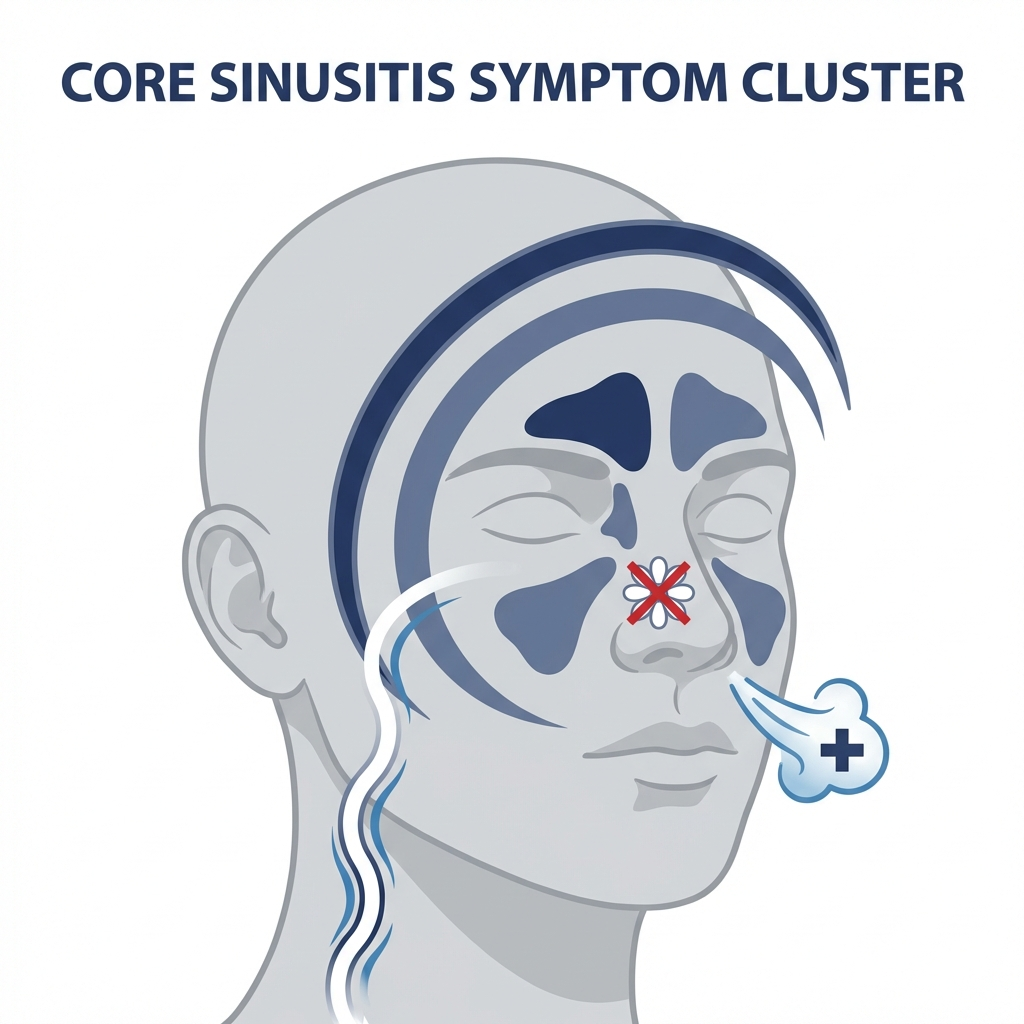
Common Symptoms of Chronic Sinusitis (Localized ENT Symptoms)
- Nasal congestion or a blocked nose
- Thick nasal drainage and/or postnasal drip
- Facial pressure or fullness (some people have pressure more than pain)
- Reduced or lost sense of smell (and taste changes)
- Cough (often worse at night), throat clearing, or a “mucus in the throat” feeling
- Bad breath in some cases
- Ear pressure/fullness and fatigue can occur as associated symptoms [3–5]
Not everyone with chronic sinusitis has significant facial pain. For many, congestion, drainage, and smell reduction are more prominent. [3–4]
Common Symptoms of Chronic Inflammation (More Whole-Body)
- Persistent fatigue or low energy
- General aches/pains
- Symptoms involving other body systems (for example, digestive, skin, or joint symptoms), depending on the condition [1]
Symptom Clues: Sinusitis vs Systemic Inflammation
- More suggestive of a sinus source:
- Nasal blockage + drainage (especially thick/discolored)
- Smell loss
- Symptoms that persist for weeks and feel concentrated in the nose/face/throat [2–4]
- More suggestive of broader inflammation:
- Symptoms spread across multiple body systems without dominant nasal congestion/drainage
- Ongoing fatigue or aches as the main issue, with minimal ENT symptoms [1]
Italic takeaway: Dominant nose/face/throat symptoms for 12+ weeks point toward chronic sinusitis; widely distributed symptoms suggest broader inflammation.
Causes: Why Each Condition Happens
Causes and Risk Factors for Chronic Sinusitis
- Allergies/chronic rhinitis: Ongoing inflammation from allergens or irritants can swell nasal tissues and contribute to blockage—sometimes described as allergy-related sinusitis when sinus symptoms are triggered by allergic inflammation. [3–5]
- If allergies seem likely, learn more about allergy testing for chronic congestion and sinus symptoms: https://sleepandsinuscenters.com/allergy-testing
- Nasal polyps: These benign growths can obstruct airflow and drainage and are strongly associated with ongoing inflammation in some people. [3–4]
- Structural issues: A deviated septum or naturally narrow drainage pathways can make it harder for sinuses to ventilate and drain. [3–4]
- Recurring infections: Some cases involve repeated viral infections, bacterial flares, or (less commonly) fungal involvement. Chronic sinusitis is not always just a persistent bacterial infection—which is one reason antibiotics are not always the main solution—and in some cases, antibiotics may be necessary if an infection is present. [2–4]
- Environmental irritants: Smoke, pollution, and some workplace exposures can drive inflammation and worsen symptoms. [3–5]
- Immune system factors: Some individuals are more prone to persistent inflammation due to underlying health factors. [2–4]
Causes of Chronic Inflammation (The “Big Picture”)
- Ongoing infection or repeated irritant exposure
- Autoimmune disease and immune dysregulation
- Long-term inflammatory conditions that vary widely by person and organ system [1]
Can Chronic Sinusitis Be a Sign of Something Bigger?
Sometimes sinus symptoms are primarily local (nose and sinuses). Other times, chronic sinus inflammation occurs alongside broader inflammatory or immune issues. Because the possibilities differ from person to person, evaluation focuses on symptom pattern, exam findings, and targeted testing when needed. [1–4]
Italic takeaway: Chronic sinusitis often results from a mix of factors—like allergies, anatomy, or polyps—while chronic inflammation reflects a wider set of potential whole-body drivers.
Diagnosis: What to Expect at a Medical Visit
What a Clinician Looks For in Chronic Sinusitis
- Duration: symptoms lasting 12+ weeks
- Symptom pattern: congestion, drainage/postnasal drip, smell loss, and/or facial pressure
- Nasal exam findings: swelling, mucus, or nasal polyps [2–4]
Many visits also include discussion of what worsens symptoms (seasons, indoor triggers, infections, smoke exposure) and what you’ve already tried.
Tests That May Be Used
- Nasal endoscopy: A small camera is used to look inside the nasal passages more closely. It can help identify swelling, drainage patterns, and polyps. [2–4]
- Sinus CT scan: A CT can show sinus anatomy, areas of blockage, and the extent of inflammation. It’s often used when symptoms persist, diagnosis is uncertain, or procedural planning is being considered. [2–4]
- Allergy evaluation: Helpful when symptoms track with seasons, exposures, or persistent rhinitis. [3–5]
Why “I Have Inflammation” Isn’t the Same as a Sinusitis Diagnosis
Inflammation is a biological process; sinusitis is a defined clinical diagnosis based on where the inflammation is (sinuses/nasal cavity), what symptoms it causes, and how long it lasts. This is the core distinction behind chronic sinusitis vs chronic inflammation. [1–4]
Italic takeaway: Diagnosis of chronic sinusitis usually combines symptom duration with objective findings in the nose/sinuses.

Treatment Options (With a “Step-Up” Approach)
Treatment is tailored to the driver(s) of symptoms—such as allergies, polyps, anatomy, or recurrent infections. The goal is to reduce swelling, improve drainage, and address triggers. [2–5] Many care plans follow a step-up pattern: start with consistent medical therapy, then reassess based on response and objective findings.
Chronic Sinusitis Treatments (Common First-Line Options)
- Saline irrigation: Helps clear mucus and irritants and may improve day-to-day symptom control when used consistently. [3–5]
- Intranasal corticosteroid sprays: Designed to reduce local inflammation and swelling in the nasal lining. [3–4]
- Allergy-directed care: When allergies are a major contributor, managing triggers and considering targeted therapies may reduce ongoing swelling and congestion. [3–5]
- Antibiotics (select cases): Antibiotics may be appropriate when there is clear evidence of bacterial infection; however, many cases of chronic sinusitis are driven primarily by inflammation or obstruction rather than persistent bacterial infection. [2–4]
For a more detailed overview, see treatment options for chronic sinusitis: https://sleepandsinuscenters.com/chronic-sinusitis-treatment
When Procedures May Be Considered
When symptoms continue despite appropriate medical management—or when obstruction is significant—procedural options may be discussed, such as balloon sinuplasty or endoscopic sinus surgery, depending on anatomy and the underlying problem (including polyps). [3–4]
Treating Chronic Inflammation (General Medical Overview)
Because chronic inflammation can have many root causes, treatment depends on what’s driving it—such as infection, autoimmune disease, or ongoing irritant exposure. Care is often coordinated through primary care and relevant specialists based on symptom location and test findings. [1]
Italic takeaway: Start with consistent, targeted medical therapy; consider procedures when objective blockage or persistent symptoms remain.

Lifestyle Tips to Reduce Sinus Inflammation and Flare-Ups
These are general, educational strategies that many people use to support symptom control. What helps most often depends on the trigger profile (allergies vs irritants vs structural issues). [3–5]
Home Habits That Often Help Chronic Sinusitis Symptoms
- Keep a consistent saline rinse routine
- Stay hydrated (mucus may be easier to clear when adequately hydrated)
- Use humidification when indoor air is very dry
- Reduce exposure to smoke and strong fragrances [3–5]
Track Patterns to Identify Triggers
- Seasonal flares (pollen)
- Indoor triggers (dust, pet dander, mold)
- Workplace exposures (chemicals, particulates, temperature shifts) [5]
Sleep and Sinus Symptoms
Nasal obstruction can disrupt sleep quality and contribute to daytime fatigue. Some people notice fewer nighttime symptoms with simple positioning changes, like head elevation, though responses vary. [3–4]
Italic takeaway: Daily habits, trigger tracking, and sleep-aware routines can support medical treatment and reduce flares.

When to See a Doctor (and Red Flags)
See a Clinician/ENT If You Have…
- Symptoms that persist 12+ weeks
- Frequent recurrences that keep coming back
- Significant or persistent smell loss
- Symptoms not improving with appropriate over-the-counter measures [3–4]
If you’re unsure about next steps, this guide can help: When should I see an ENT? https://sleepandsinuscenters.com/blog/when-should-i-see-an-ent
Seek Urgent Care for Red Flags
- High fever, severe headache
- Swelling around the eyes or vision changes
- Confusion, stiff neck, or rapidly worsening facial pain/pressure [3–4]
Italic takeaway: Persistent or disruptive symptoms deserve evaluation; serious or rapidly worsening symptoms need urgent care.
FAQs
Is chronic sinusitis the same thing as chronic inflammation?
No. Chronic sinusitis is a specific diagnosis involving the sinuses/nasal cavity lasting 12 weeks or more. Chronic inflammation is a general immune process that can occur anywhere in the body. Chronic sinusitis can be a localized form of chronic inflammation. [1–4]
How long does chronic sinusitis last?
By definition, 12 weeks or longer, though symptoms can wax and wane over time. [2–4]
Can allergies cause chronic sinusitis symptoms?
Allergies can contribute to ongoing nasal swelling and blockage, which may worsen sinus symptoms and play a role in allergy-related sinusitis patterns. [3–5]
Why do I feel tired with chronic sinus issues?
Chronic congestion and postnasal drip can affect sleep quality, and persistent symptoms can be draining. Fatigue can have many causes, so evaluation may help clarify what’s contributing. [3–4]
Do antibiotics cure chronic sinusitis?
Sometimes antibiotics are used when bacterial infection is suspected, but chronic sinusitis often involves inflammation and/or obstruction where other approaches may be more central. [2–4]
Conclusion + Next Steps
When comparing chronic sinusitis vs chronic inflammation, the simplest framework is:
- Chronic inflammation: a broad, long-term immune process that can affect many body systems.
- Chronic sinusitis: a localized, defined condition in the sinuses/nose lasting 12+ weeks, often involving congestion, drainage, and smell changes.
If symptoms are persistent or disruptive, a structured evaluation—often including an exam and sometimes nasal endoscopy or a sinus CT scan—can clarify whether this is truly chronic sinusitis and what’s driving it.
Ready for clarity? You can book an appointment with an ENT-focused team at Sleep and Sinus Centers of Georgia here: https://www.sleepandsinuscenters.com/
Italic takeaway: Identifying where inflammation is occurring—and why—helps target the right treatment and improve day-to-day breathing and comfort.
Medical Disclaimer
This article is for educational purposes only and is not a substitute for medical advice, diagnosis, or treatment. If you have persistent symptoms or red-flag symptoms, seek care from a qualified clinician.
Disclaimer: This article is for educational purposes only and is not medical advice. Please consult a qualified healthcare provider for diagnosis and treatment.
References
1. NCBI Bookshelf. Chronic Inflammation. https://www.ncbi.nlm.nih.gov/books/NBK493173/
2. NCBI Bookshelf. Chronic Sinusitis. https://www.ncbi.nlm.nih.gov/books/NBK441934/
3. Mayo Clinic. Chronic sinusitis—Symptoms and causes. https://www.mayoclinic.org/diseases-conditions/chronic-sinusitis/symptoms-causes/syc-20351661
4. Cleveland Clinic. Chronic Sinusitis. https://my.clevelandclinic.org/health/diseases/17700-chronic-sinusitis
5. AAFA. Sinusitis / sinus infection and allergy symptoms. https://aafa.org/allergies/allergy-symptoms/sinusitis-sinus-infection/
Don’t let allergies slow you down. Schedule a comprehensive ENT and allergy evaluation at Sleep and Sinus Centers of Georgia. We’re here to find your triggers and guide you toward lasting relief.