Chronic Sinusitis Relief: Proven Ways to Reduce Symptoms and Breathe Better
If you’ve had “sinus issues” that just won’t quit, you’re not alone. Chronic sinusitis is typically defined as sinus inflammation that lasts 12 weeks or longer, even if symptoms come and go. When swelling and congestion linger, sleep suffers, energy drops, and it can be hard to focus.
This guide breaks down patient-friendly, practical options for chronic sinusitis relief, including at-home routines, over-the-counter (OTC) tools, evidence-based medical therapies, and when it may be time to see an ENT for deeper evaluation. For a deeper condition overview, see our chronic sinusitis page: https://sleepandsinuscenters.com/chronic-sinusitis
What Is Chronic Sinusitis (and Why It Doesn’t Go Away Easily)?
Chronic sinusitis happens when the tissue lining your sinuses stays inflamed for months. That inflammation can narrow drainage pathways, trap mucus, and create a cycle of congestion and pressure. One way to picture it: your sinuses are like small rooms that need open doorways to drain. When the “doorways” swell shut, mucus can’t move out efficiently—so pressure builds and symptoms hang around.

Chronic vs. Acute Sinusitis (Quick Comparison)
- Acute sinusitis: usually shorter-term and often linked to a cold or short infection.
- Chronic sinusitis: symptoms persist 12+ weeks, and the issue is often ongoing inflammation plus poor drainage—not just an infection.
How Chronic Inflammation Affects Breathing and Sleep
When the nose stays blocked, people often shift to mouth breathing at night. That can contribute to:
- Dry throat and disrupted sleep
- Postnasal drip and coughing (often worse at night)
- Daytime fatigue and “brain fog” from poor sleep quality
Many people also notice that fatigue has multiple contributors—poor sleep, ongoing inflammation, and the effort of constant mouth breathing can all play a role.
Bottom line: chronic sinusitis is driven by persistent inflammation and poor drainage, which is why it rarely resolves with a single quick fix.
Chronic Sinusitis Symptoms (What Patients Commonly Notice)
Core Symptoms
Common symptoms include:
- Facial pain or pressure (forehead, cheeks, around/behind the eyes)
- Nasal congestion or blockage
- Thick nasal drainage and/or postnasal drip
- Reduced sense of smell and taste
A real-life example: you might feel fine in the morning, then notice pressure building by afternoon—especially in warm rooms, after exercise, or when lying down.
Symptoms That Often Get Overlooked
- Bad breath
- Cough (especially at night)
- Ear pressure or fullness
- Poor sleep and daytime fatigue
If you’re frequently clearing your throat at night or waking up with a sore throat, postnasal drip may be part of the picture.
Red Flags—When to Seek Care Urgently
Some symptoms require prompt medical evaluation, including:
- High fever, severe headache
- Swelling around the eyes, vision changes
- Stiff neck, confusion
- Fast-worsening symptoms or severe one-sided symptoms
If multiple core symptoms linger for 12+ weeks—or red flags appear—seek medical evaluation promptly.
What Causes Chronic Sinusitis? (Root Causes to Address for Long-Term Relief)
Lasting relief often depends on identifying what’s driving the inflammation and blockage. You can mop up symptoms, but it helps to also fix the “leaky faucet.”
Common Underlying Causes
Frequent contributors include:
- Allergies (seasonal or year-round)
- Nasal polyps
- Deviated septum or other structural narrowing
- Asthma, which commonly overlaps with chronic sinus problems
These factors can stack. For example, allergies may swell the lining, while a narrow drainage pathway makes it harder for mucus to clear—creating a persistent cycle.
Irritants and Environmental Triggers
Even without “true allergies,” irritants can keep the nose and sinuses inflamed, such as:
- Smoke and vaping exposure
- Strong odors/fragrances
- Air pollution or workplace irritants
- Dry indoor air/low humidity
If you notice symptoms spike after cleaning, being around candles/perfume, or visiting smoky environments, irritants may be a bigger driver than you realized.
Infection (and Why Antibiotics Aren’t Always the Answer)
Chronic sinus symptoms don’t always mean ongoing infection—many chronic cases are inflammation-dominant, not driven by active bacteria. Antibiotics are generally reserved for cases where a bacterial infection is confirmed or strongly suspected, as chronic sinusitis is often caused by inflammation rather than infection. Clinicians look for clues that suggest bacterial infection versus long-standing inflammation and blockage—because the treatment plan can be very different.
Addressing your primary drivers—like allergies, anatomy, or irritants—makes long-term relief much more achievable.
How Chronic Sinusitis Is Diagnosed (What to Expect at an ENT Visit)
Diagnosis usually starts with two key pieces: time and pattern. The goal is to confirm what’s going on inside the nose/sinuses and identify what might be keeping symptoms “stuck.”
Symptom Timeline + Exam
Clinicians pay close attention to whether symptoms have lasted 12 weeks or more, which is central to how chronic sinusitis is defined. It helps to bring notes: when symptoms started, what makes them worse, what you’ve tried (rinses, sprays, medications), and how sleep is affected.
Possible Tests
- Nasal endoscopy (a small camera to look inside the nasal passages)
- CT imaging to check for blockage, polyps, chronic swelling, or structural issues that keep drainage from working well
These tools clarify whether the main issue is inflammation, anatomy, polyps, or a combination—so treatment isn’t guesswork.
Knowing what’s causing your symptoms guides a targeted plan instead of trial-and-error.
At-Home Chronic Sinusitis Relief (Daily Habits That Actually Help)
Many people get the most consistent improvement from simple routines done regularly—especially when symptoms are driven by inflammation, irritants, or thick mucus. Think small steps, done daily, rather than a one-time fix.

Saline Nasal Rinses (Foundation of Self-Care)
Saline rinses may help by washing out:
- Thick mucus
- Allergens
- Irritants and debris
Safety matters: use distilled/sterile water (or boiled then cooled), keep rinse bottles/neti pots clean, and don’t share rinse devices. Many patients do best when rinsing becomes part of a routine—like brushing teeth. For example: rinse after showering, then use any prescribed nasal spray (if advised) once the passages are clearer.
Hydration and Moisture Strategies
Hydration and humidity may support thinner mucus and easier drainage:
- Drink enough fluids to help mucus stay less sticky.
- Use a humidifier in dry seasons—clean it regularly to reduce mold or bacteria buildup.
Steam + Warm Compresses (Symptom Soothers)
For temporary comfort, some people use:
- Shower steam or careful steam inhalation
- Warm compresses over the cheeks/forehead for pressure
Use caution with steam to avoid burns, and remember these strategies won’t cure chronic sinusitis—they’re short-term soothers.
Sleep Positioning for Better Drainage
Elevating the head slightly (extra pillow or adjusted bed angle) may reduce nighttime congestion and postnasal drip. If you wake up more congested than you felt at bedtime, small elevation changes are an easy experiment.

Avoiding Common Triggers
Reducing exposure can make a difference over time:
- Smoke/vaping and secondhand smoke
- Heavy fragrances and harsh cleaning chemicals
- Known allergens when feasible
When avoidance isn’t realistic (workplace exposure, seasonal pollen), focus on what you can control at home—like bedroom air quality and consistent rinsing.
Small, consistent routines often deliver more relief than occasional quick fixes.

Over-the-Counter Options (What’s Safe, What to Be Cautious With)
OTC products can support relief, but it helps to understand what each category does. Some options reduce inflammation; others only provide temporary shrinkage of swollen tissue.
Intranasal Steroid Sprays vs. Decongestant Sprays
- Intranasal steroid sprays (anti-inflammatory) are often used long-term and work gradually, not instantly.
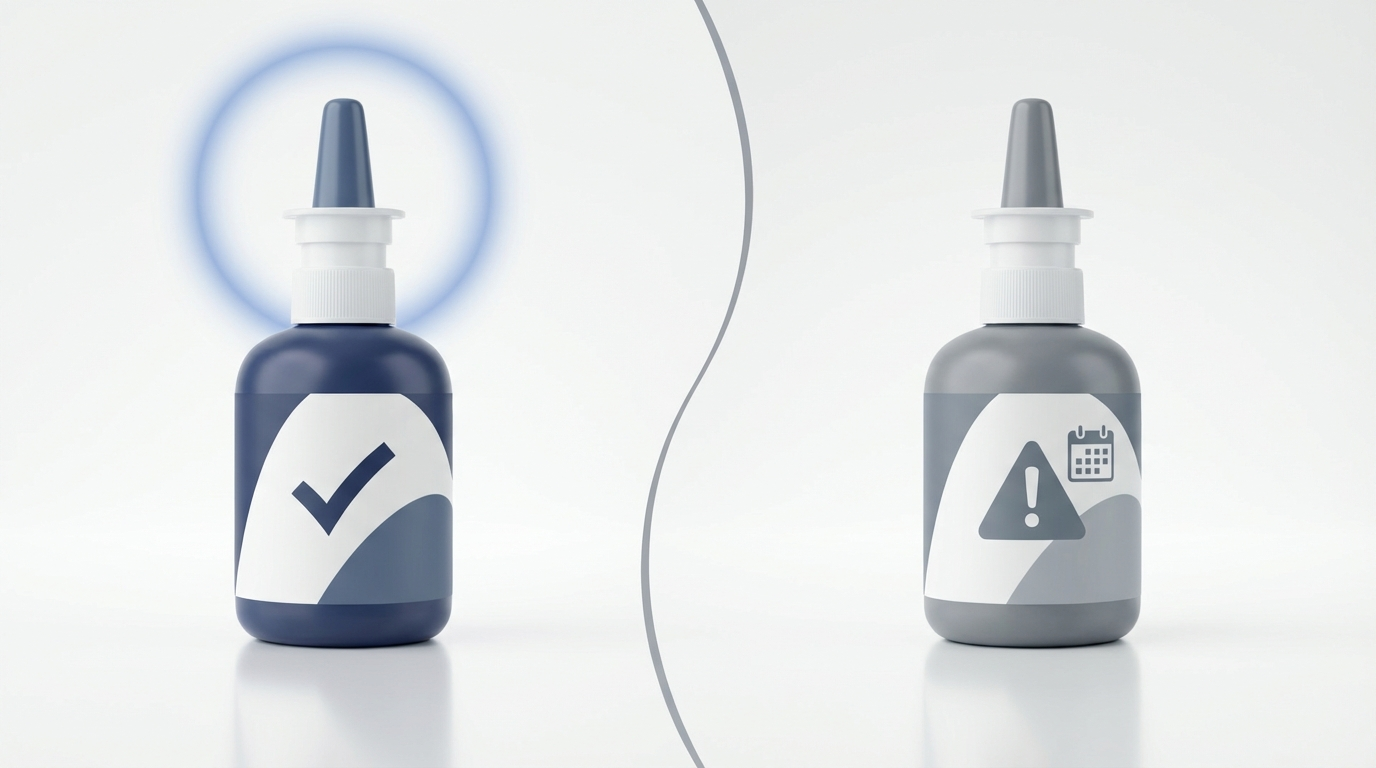
- Decongestant nasal sprays may open the nose quickly, but repeated use longer than 3 days can cause rebound congestion (rhinitis medicamentosa). If you’re relying on a “quick fix” spray, check with a clinician about safer long-term options.
Pain Relief and Symptom Support
Over-the-counter pain relievers may help with discomfort or pressure for some people, but the right option depends on your health history and other medications. Consider checking with your clinician or pharmacist if you take daily medicines or have chronic conditions.
For long-term control, prioritize anti-inflammatory options and use quick-fix sprays sparingly.
Medical Treatments for Chronic Sinusitis (Evidence-Based Options)
If symptoms persist, medical treatment typically aims to reduce inflammation, improve drainage, and address contributing causes. Explore our treatment options for chronic sinusitis: https://sleepandsinuscenters.com/chronic-sinusitis-treatment
First-Line Treatments
Common first-line approaches include:
- Nasal corticosteroid sprays to reduce inflammation
- Saline irrigation as a consistent routine
These are “boring but effective” for many—especially when used consistently for weeks, not just a few days.
Antibiotics—When They’re Used (and When They Might Not Help)
Antibiotics may be considered when bacterial infection is confirmed or strongly suspected. In many chronic cases, ongoing inflammation and drainage blockage—not bacteria—are the primary problems. If antibiotics haven’t helped in the past (or only helped briefly), that can be a clue that inflammation or anatomy is playing the bigger role.
Short Courses of Oral Steroids (Select Cases)
In some situations—such as significant inflammation or nasal polyps—clinicians may use short courses of oral steroids. Because these medications can have side effects, they’re typically reserved for specific cases and monitored.
Biologic Medications (For Severe Cases, Often With Nasal Polyps)
For more severe, persistent disease (often with nasal polyps), certain biologic medications may be options for eligible patients. Examples used in clinical practice include dupilumab and omalizumab, depending on individual factors. These therapies require specialist prescription and ongoing monitoring to ensure safety and effectiveness.
Most plans start with reducing inflammation and then tailor added treatments to your specific drivers.
When Procedures or Surgery Are Considered
When inflammation is persistent and anatomy or polyps keep the sinuses from draining, procedures may be part of the long-term plan. The goal is to restore airflow and drainage so medical therapies can work better.
Balloon Sinuplasty (Less Invasive Drainage Improvement)
Balloon dilation can be used in selected patients to open sinus drainage pathways, often in an outpatient setting. Learn more: https://sleepandsinuscenters.com/balloon-sinuplasty
Endoscopic Sinus Surgery (FESS)
Endoscopic sinus surgery may be considered if:
- Medical therapy hasn’t provided enough improvement, or
- Polyps/scarring/structural narrowing block normal drainage
Why Fixing Structural Issues Can Be “The Missing Piece”
Some people do “all the right things” and still struggle because the underlying barrier is mechanical—such as a deviated septum, chronic polyps, or narrowed sinus openings that keep mucus trapped. In those cases, improved drainage can mean fewer flare-ups, less dependence on “quick relief” products, and a clearer path to long-term control.
When anatomy blocks drainage, opening pathways can make everything else work better.
Long-Term Relief Strategy: Treat the “Why,” Not Just the Symptoms
Short-term comfort is important, but long-term improvement usually comes from addressing drivers like allergies, irritant exposure, asthma overlap, and anatomy. Progress often accelerates once the plan targets your main triggers.
If Allergies Are Driving Your Sinusitis
If symptoms track with seasons, indoor triggers, or specific environments, allergy evaluation can guide a more targeted plan. Learn about allergy testing: https://sleepandsinuscenters.com/allergy-testing
If Asthma or Other Conditions Are Part of the Picture
When asthma and chronic sinusitis occur together, coordinating care can help reduce the overall inflammatory burden and improve symptom control.
Treating the underlying “why” is the fastest path to durable relief.
FAQs
How do I know if I have chronic sinusitis?
Symptoms that last 12 weeks or longer—often including congestion, drainage/postnasal drip, and facial pressure—raise suspicion. Diagnosis is typically confirmed by clinical evaluation and sometimes endoscopy or CT imaging.
What’s the fastest chronic sinusitis relief at home?
Many people reach for saline rinses, steam/warm compresses (used carefully to avoid burns), and hydration for quicker comfort. Relief is often temporary, and consistency tends to matter most over time.
Do antibiotics cure chronic sinusitis?
Sometimes antibiotics are used, but chronic sinusitis often isn’t purely bacterial. In many cases, inflammation and drainage blockage are the bigger issues.
When should I see an ENT?
It may be time to see an ENT if symptoms last 12+ weeks, keep returning, disrupt sleep, or raise concern for polyps or structural blockage. Seek urgent care for red-flag symptoms like swelling around the eyes, vision changes, severe headache, stiff neck, or confusion.
Can chronic sinusitis be “cured”?
Many patients improve significantly with the right mix of inflammation control, trigger management, and (when needed) procedures to restore drainage. Surgery can be helpful when anatomy plays a major role.
Conclusion + Next Step
Getting dependable chronic sinusitis relief usually takes a combination approach: daily rinsing and moisture strategies, anti-inflammatory therapies, reducing triggers, and procedures when drainage is chronically blocked. If your symptoms have lasted more than 12 weeks or are affecting sleep and breathing, an evaluation can help clarify what’s driving the problem and which options fit your situation.
Next step: If you’re ready to get clarity and a personalized plan, you can book an appointment with our team at Sleep & Sinus Centers: https://www.sleepandsinuscenters.com/
Medical disclaimer
This article is for educational purposes only and is not medical advice. Please consult a qualified healthcare provider for diagnosis and treatment.
Sources
- Mayo Clinic. (2023). Chronic sinusitis—Diagnosis & treatment. https://www.mayoclinic.org/diseases-conditions/chronic-sinusitis/diagnosis-treatment/drc-20351667
- Cleveland Clinic. (2023). Chronic sinusitis. https://my.clevelandclinic.org/health/diseases/17700-chronic-sinusitis
- InformedHealth.org / NCBI Bookshelf. (2024). Sinusitis: Overview. https://www.ncbi.nlm.nih.gov/books/NBK279484/
- Florida E.N.T. & Allergy. (2025). Chronic sinusitis self-care strategies. https://floridaentandallergy.com/8-chronic-sinusitis-self-care-strategies-for-relief/
- Nirvana Healthcare. (2024). Chronic sinusitis relief. https://nirvanahealthcare.com/chronic-sinusitis-relief/
Don’t let allergies slow you down. Schedule a comprehensive ENT and allergy evaluation at Sleep and Sinus Centers of Georgia. We’re here to find your triggers and guide you toward lasting relief.